Italy day tours cluster in Rome, Florence and Venice, three cities on the same Frecciarossa high-speed route, with Milan and Naples as the next two bases. Rome is the place for Vatican Museums and Colosseum tickets and guided visits. Florence sells reserved and guided entry to the Uffizi and the Accademia, and Venice the Doge's Palace and water-bus passes. From Naples and Sorrento, people book Pompeii, Herculaneum and Capri, while Milan's headline is the Last Supper, seen only with a reservation. In the city sections below, the same Vatican or Uffizi entry appears from more than one booking site, so guided and fast-track versions sit side by side.
A first trip usually means Rome, Florence and Venice. The second is where Italy opens up, with the lakes, the Ligurian coast, Sicily and the mountains each worth a few nights.
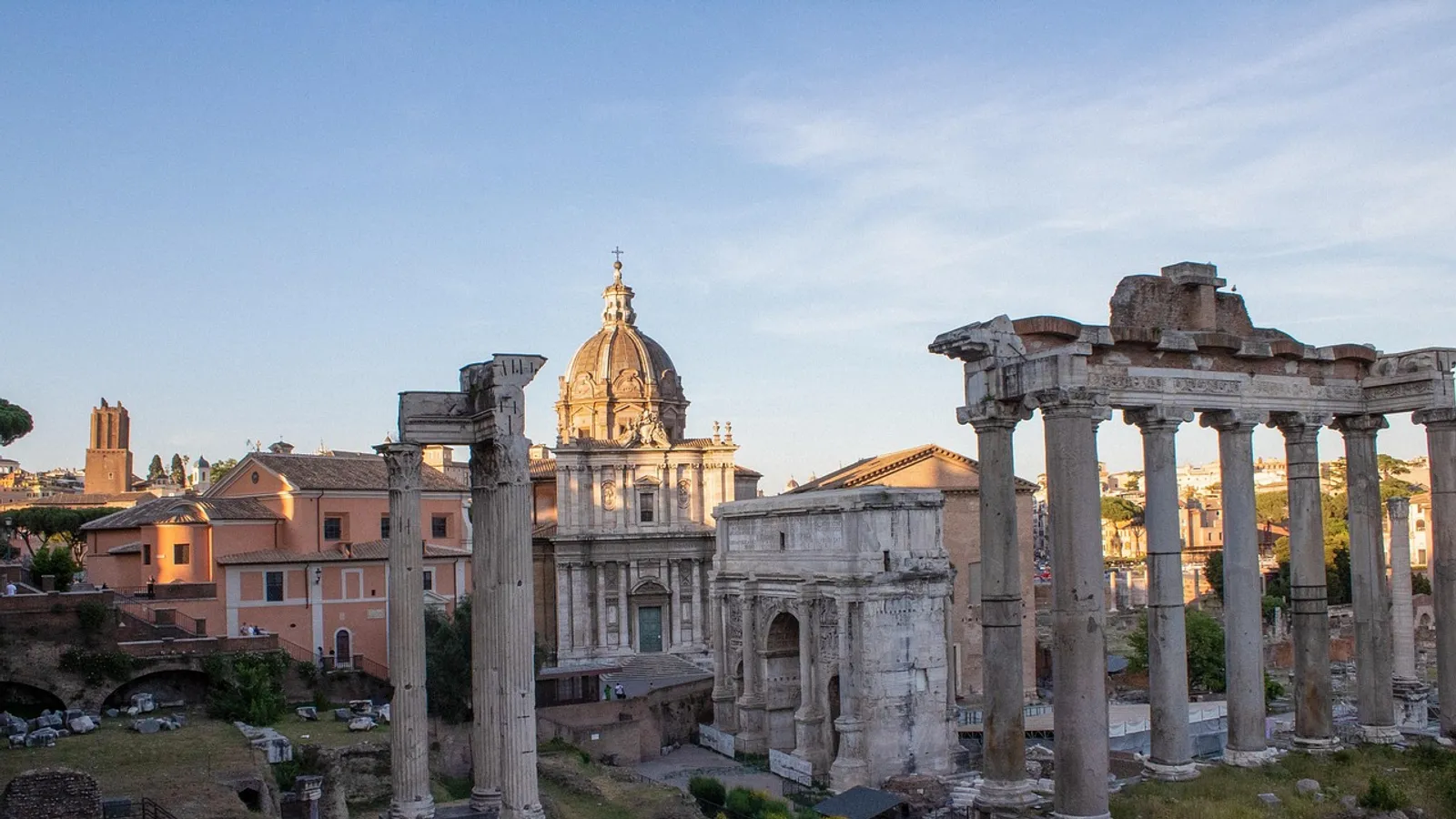
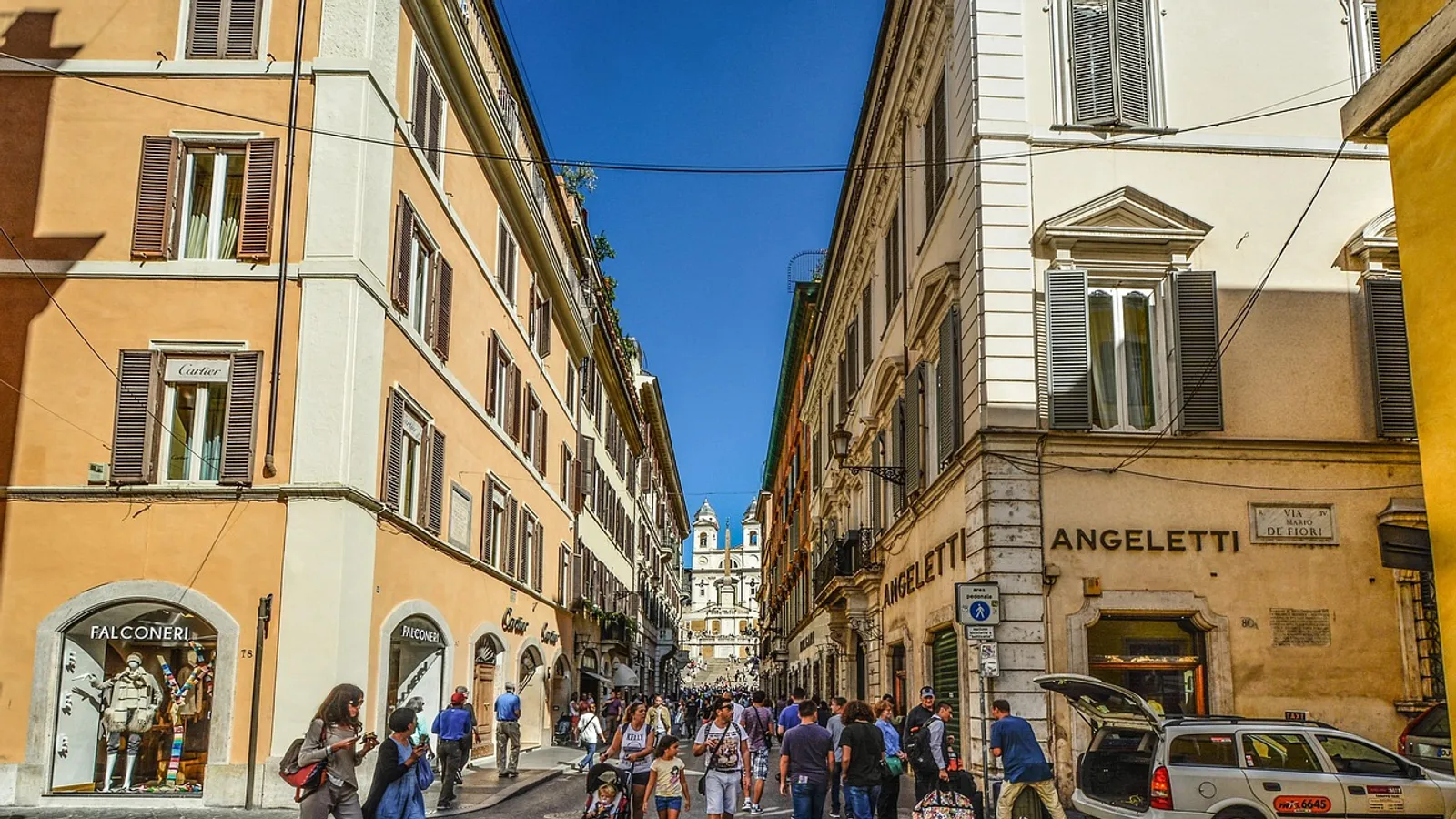
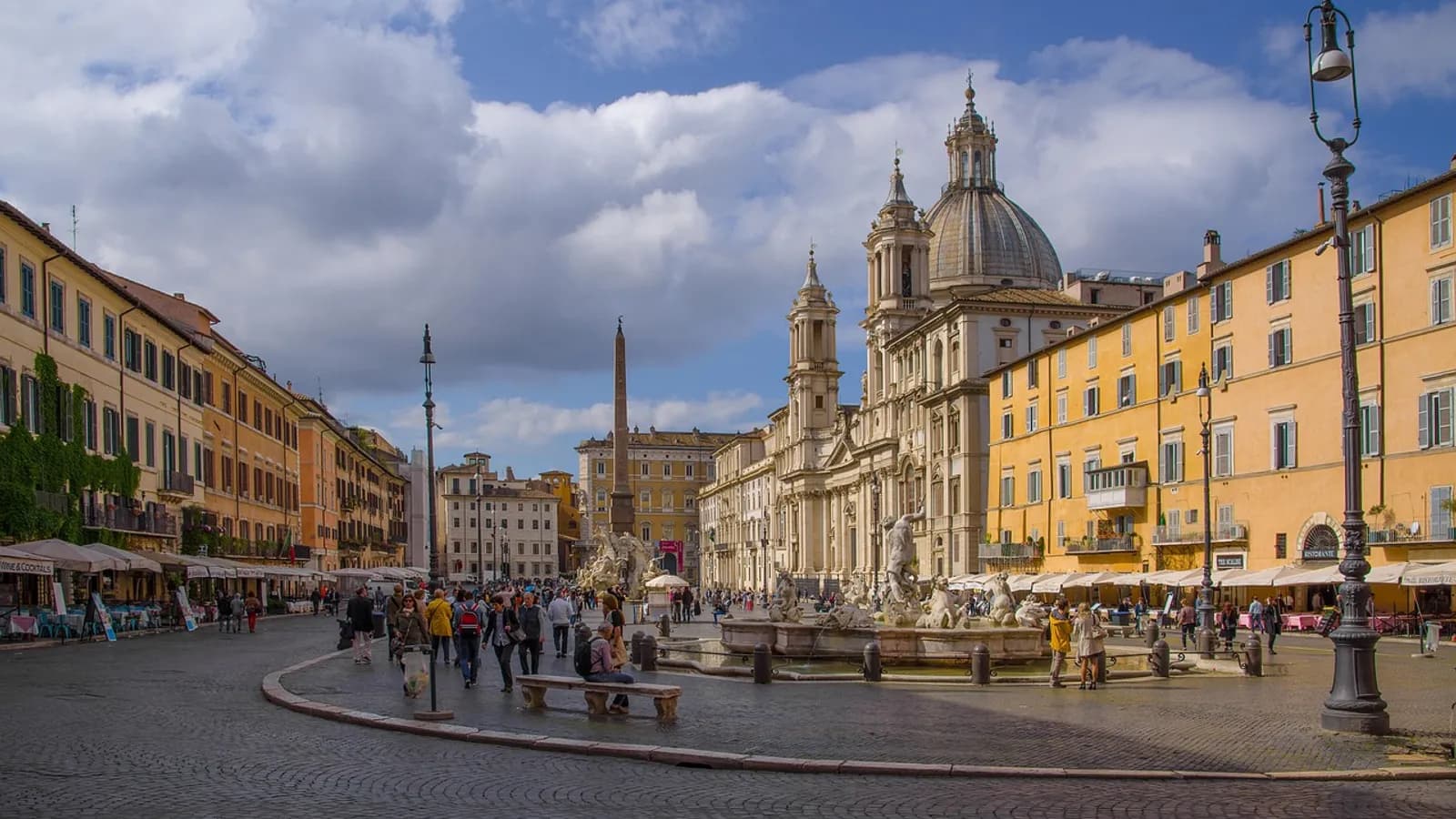
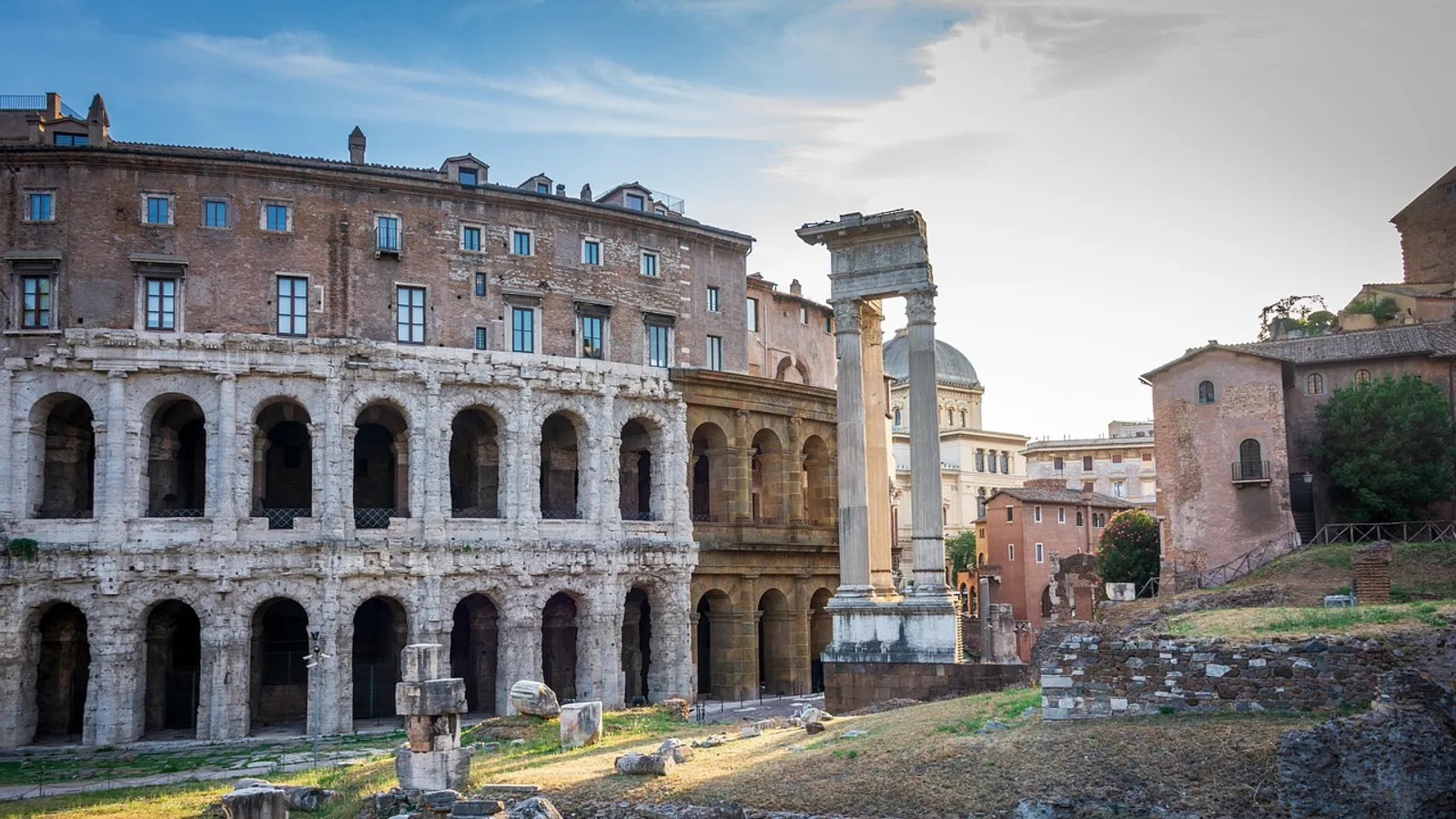
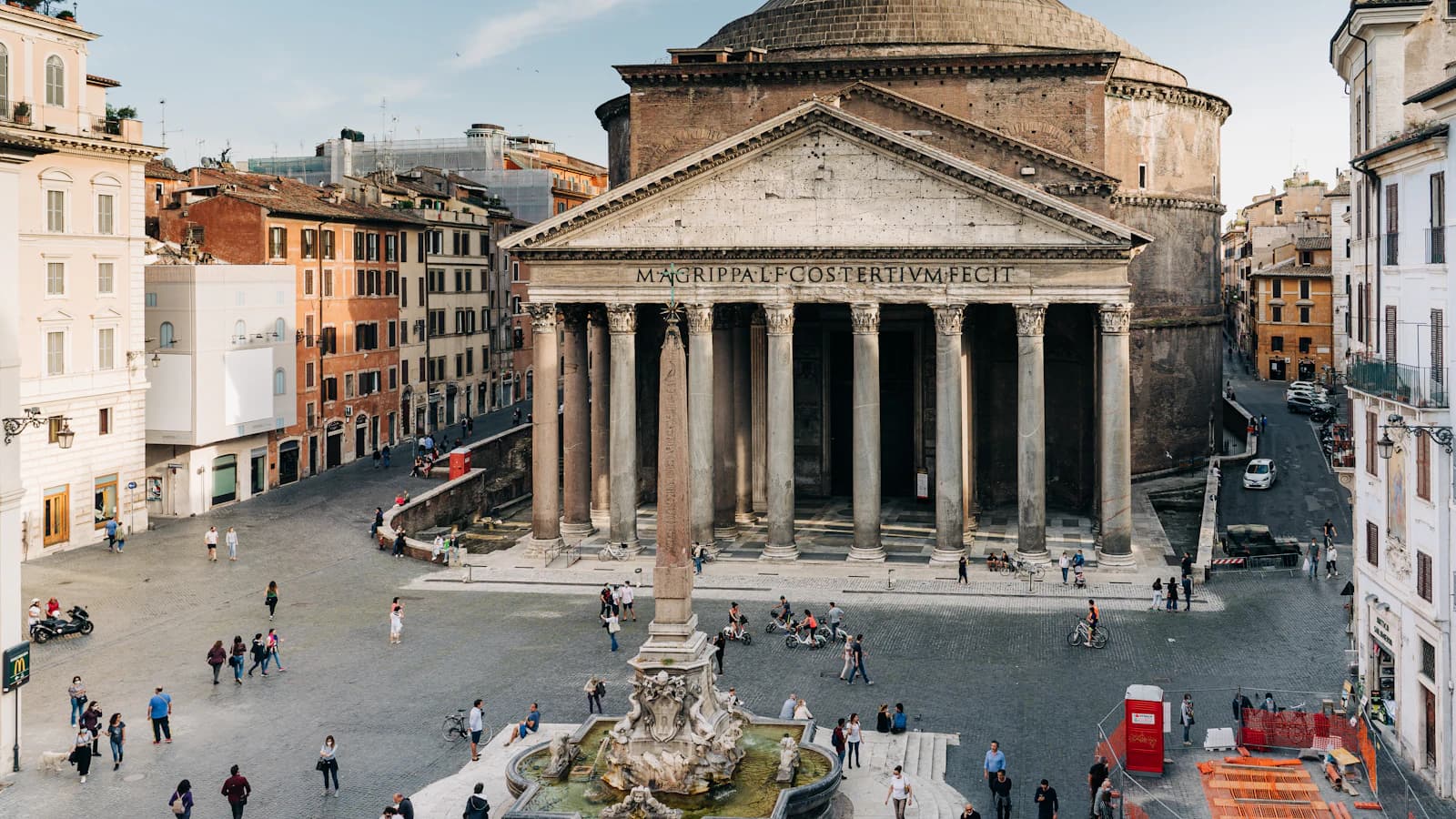
Ancient Rome and the Vatican each fill a morning on their own, so put them on separate days and keep the afternoons for churches, piazzas and Trastevere.
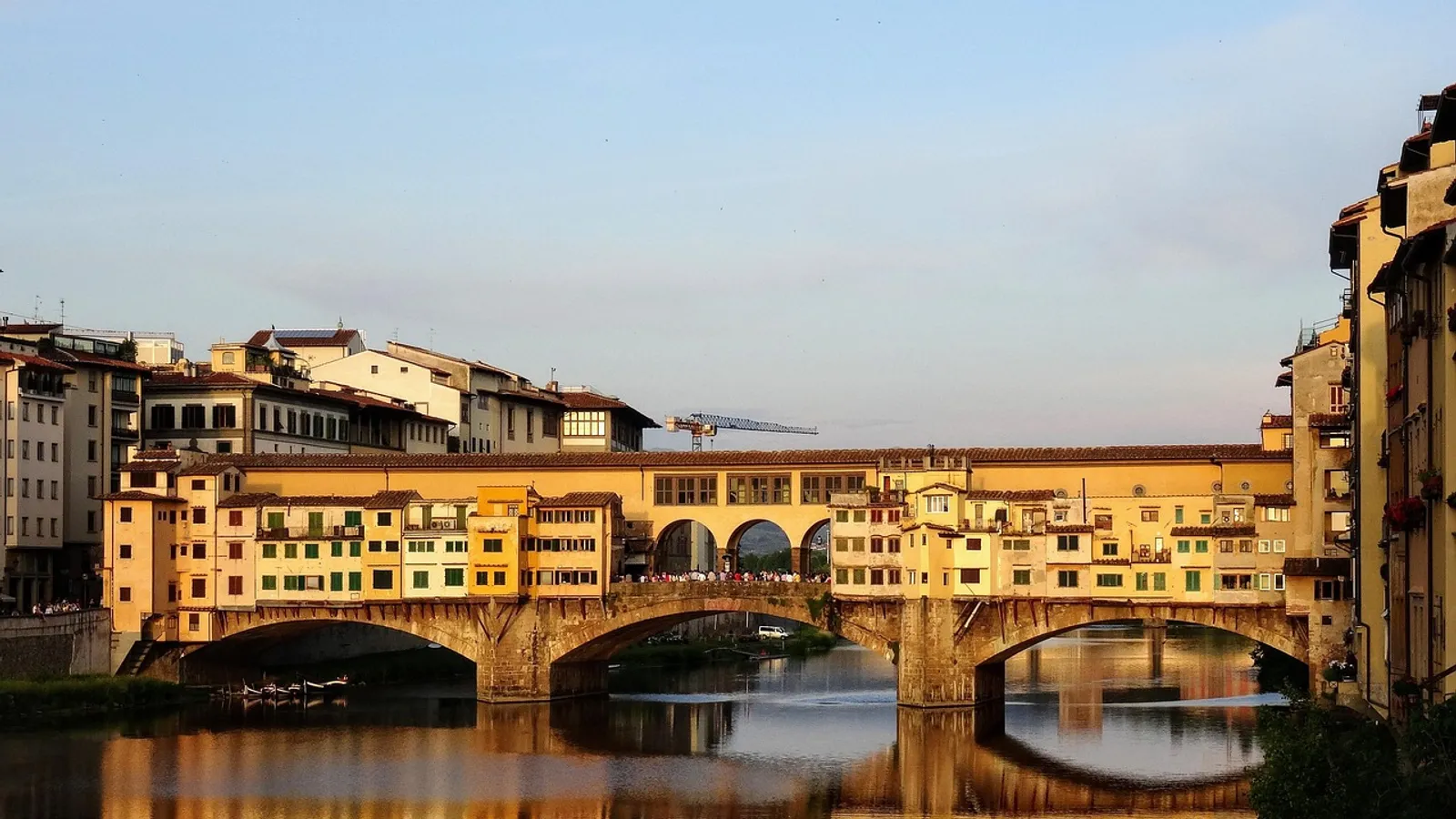
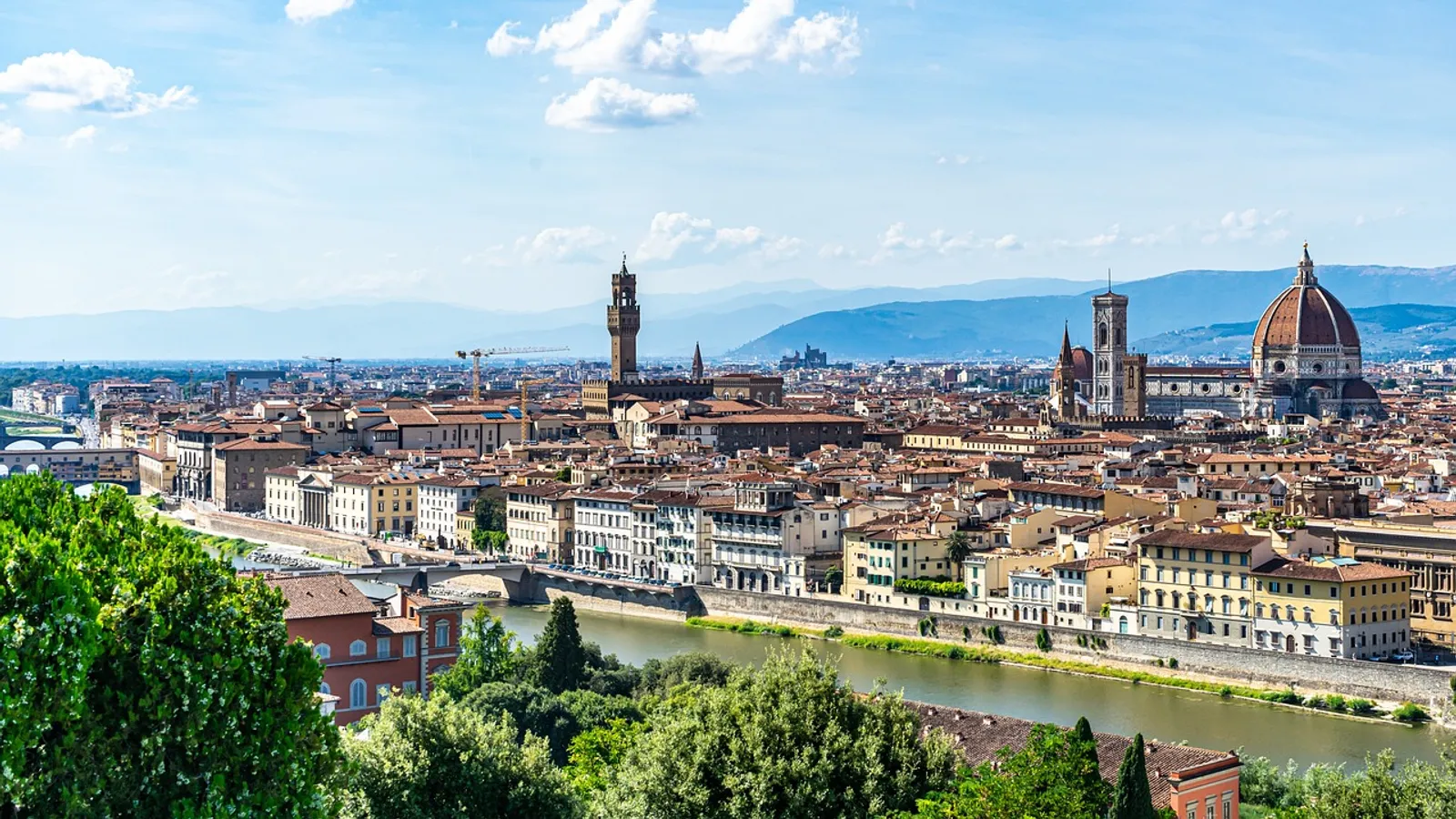
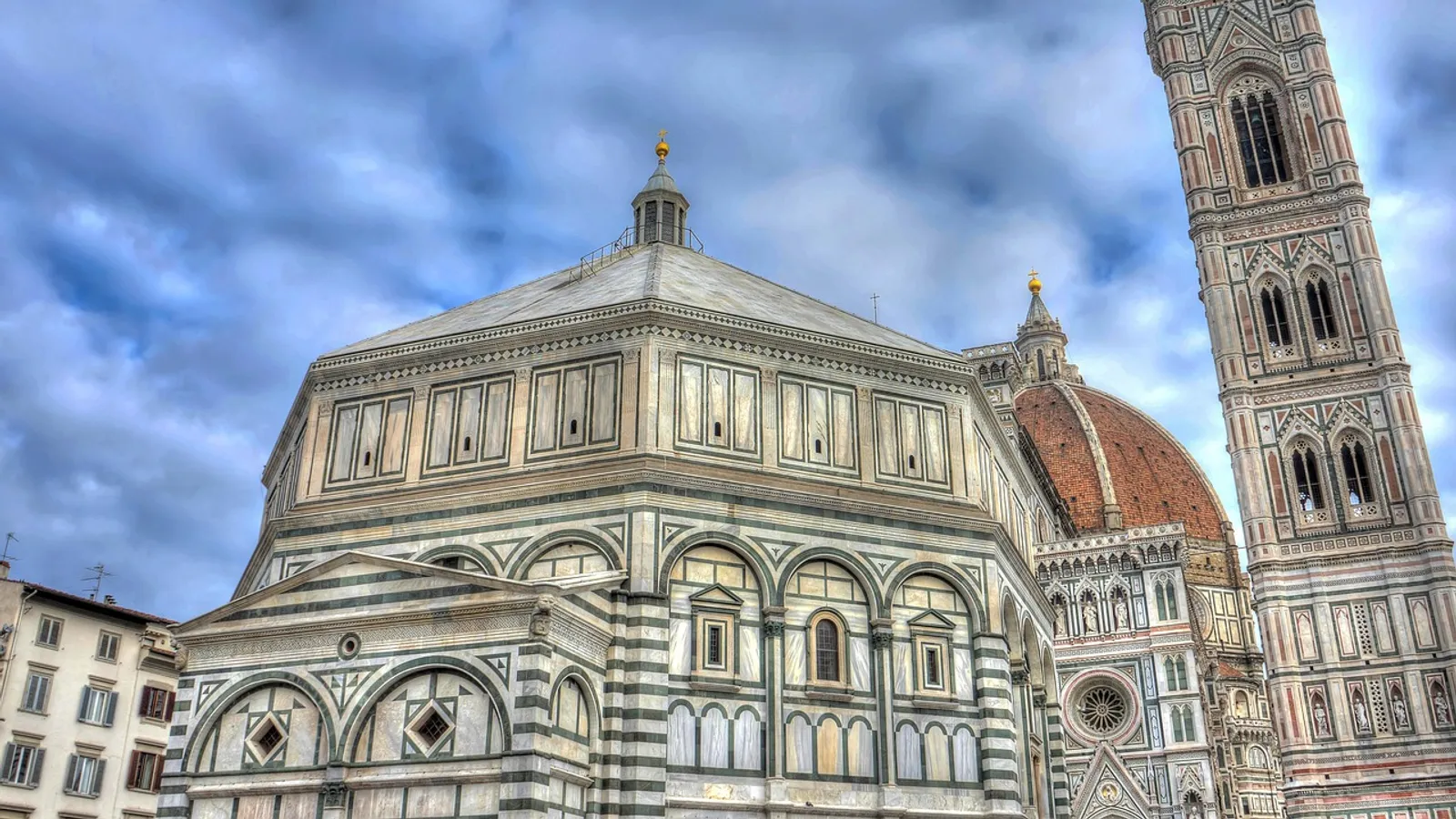
A walkable city where the day is shaped by two museum slots, the Uffizi and the Accademia, with the cathedral and the Ponte Vecchio fitted in around them.
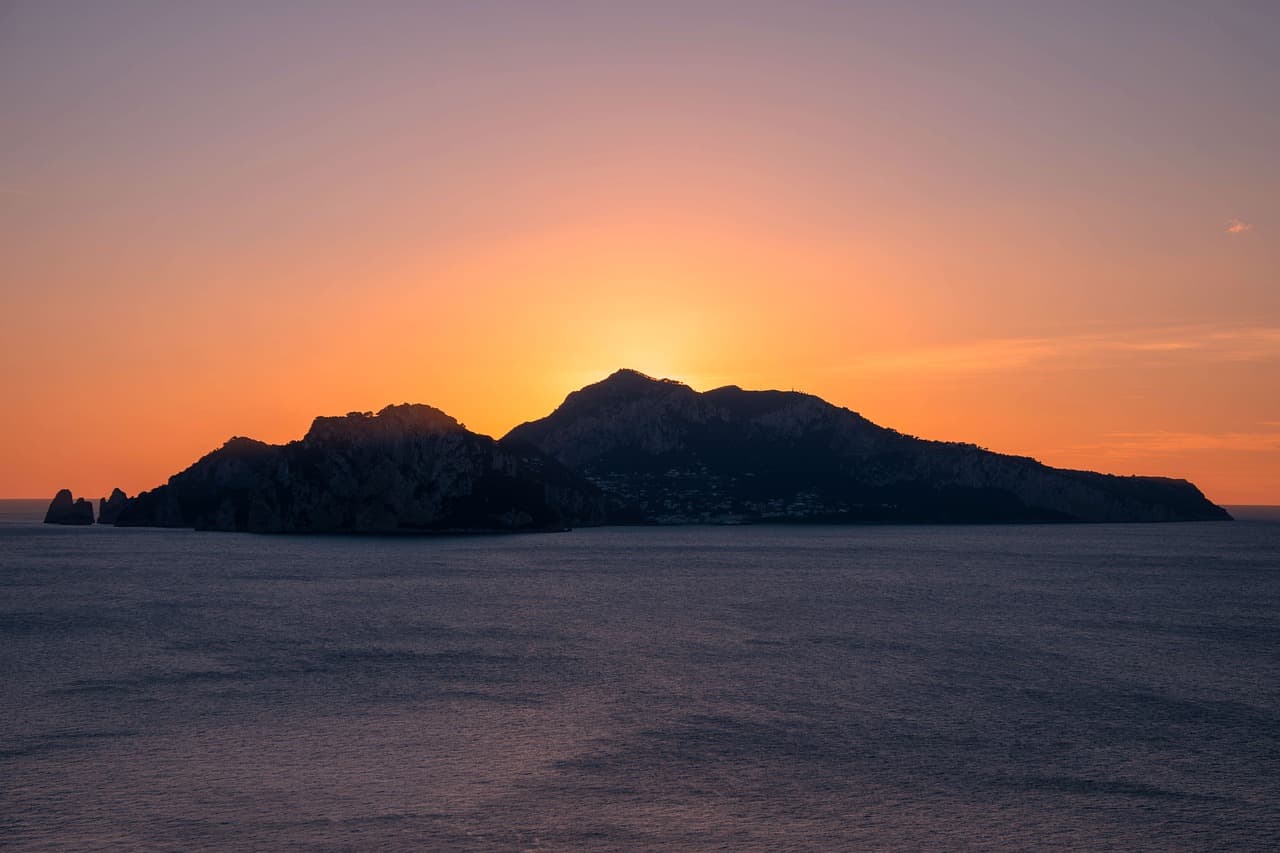
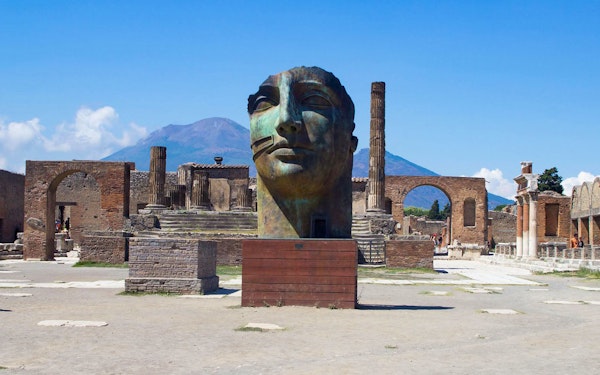
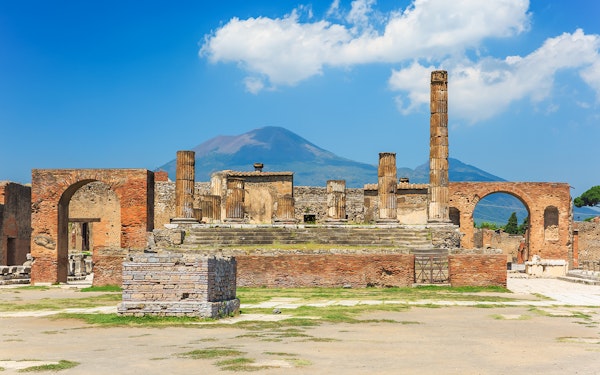
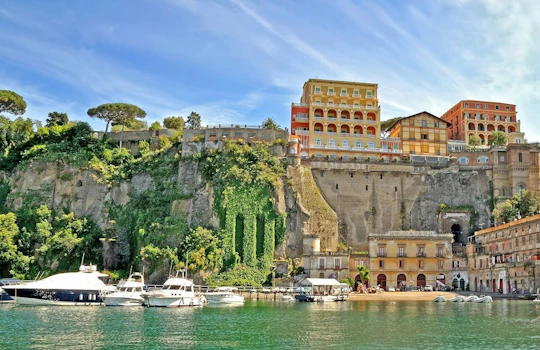
A practical base for the Bay of Naples. Many Capri boat days and Amalfi Coast trips start here, and Italo's connecting coaches from Naples serve both the Sorrento Peninsula and Pompeii.
A Roman arena in the middle of a walkable old town, on the Frecciarossa line between Venice and Milan, which makes it an easy overnight between the two.
Bellagio, Varenna and Menaggio face one another across the water, so the day is spent hopping between them by boat rather than driving the narrow shore roads.
Cinque Terre
Five cliffside villages on the Ligurian coast, listed by UNESCO in 1997 together with Portovenere and its islands. Regional trains between La Spezia and Levanto link them, and the hiking paths run above the sea.
A trip in its own right rather than an add-on. Palermo suits markets and churches, Taormina the views over the east coast, and Catania is the usual starting point for Mount Etna.
The Dolomites
UNESCO-listed mountains in the north-east, inscribed in 2009. Summer means hiking and cable cars, winter means skiing.
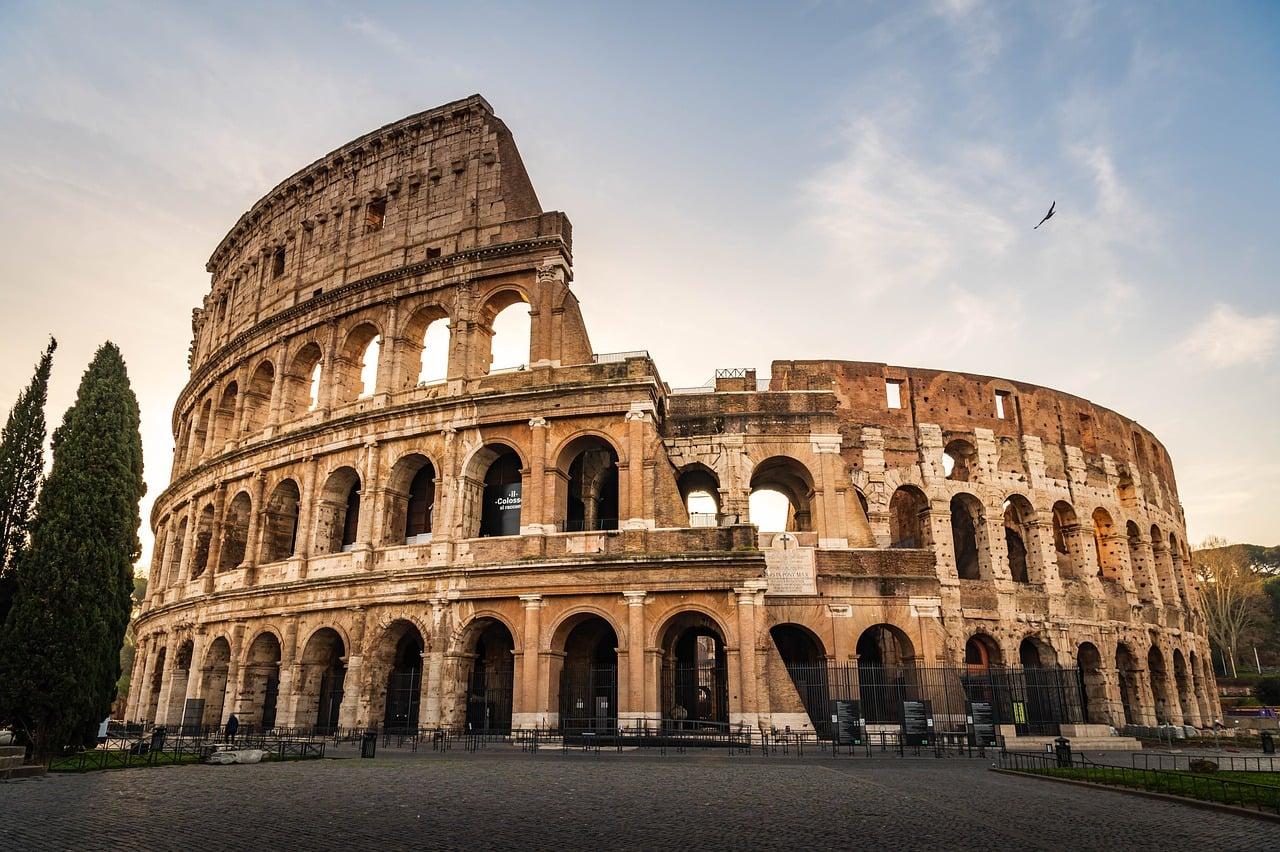
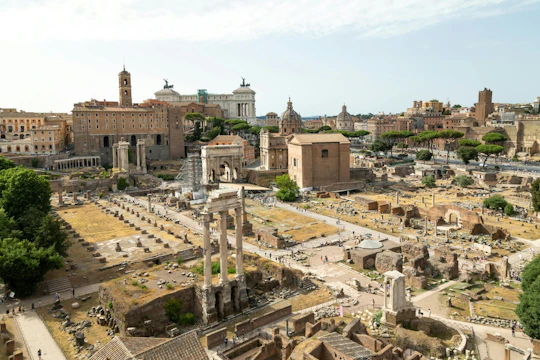
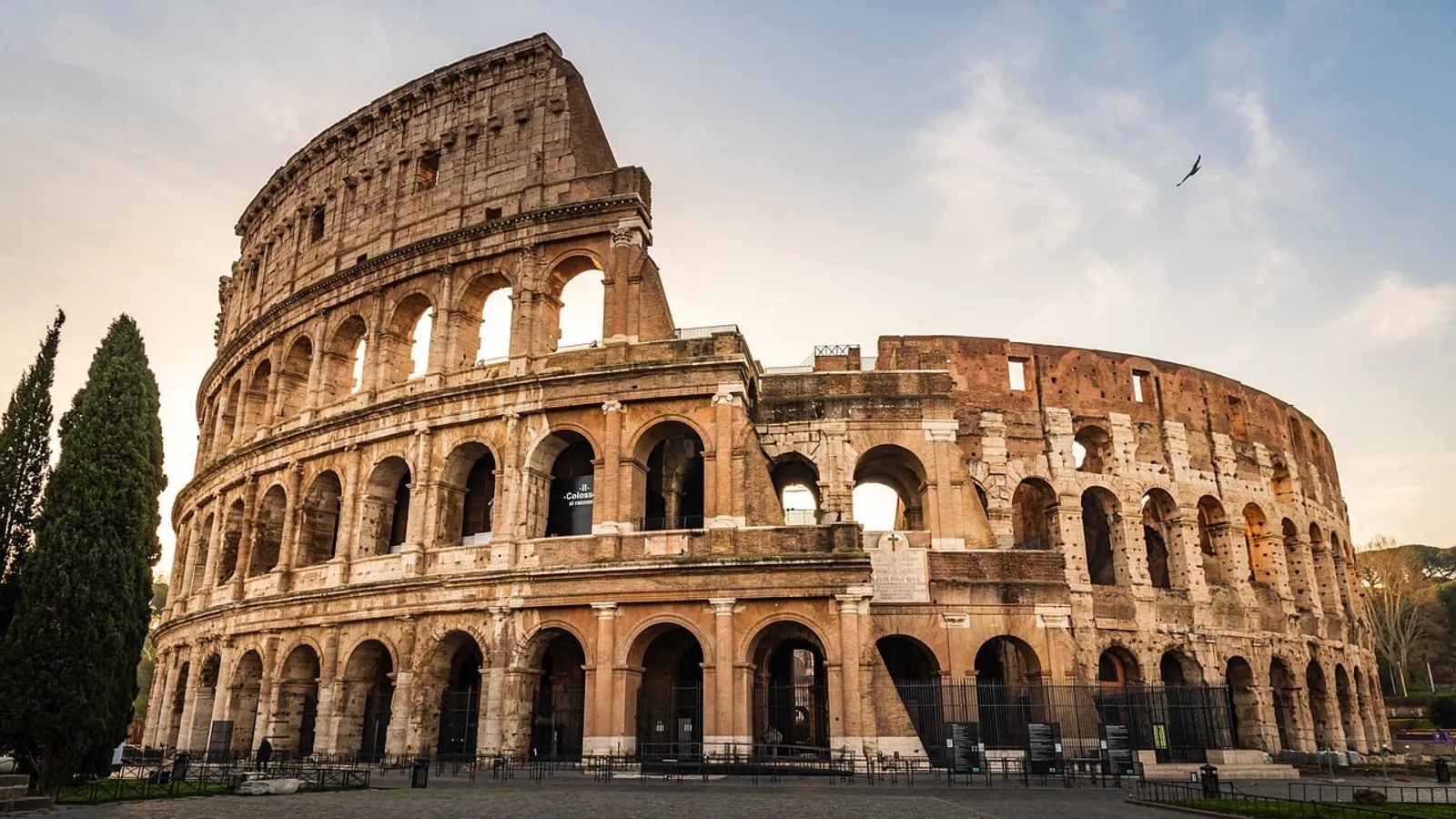
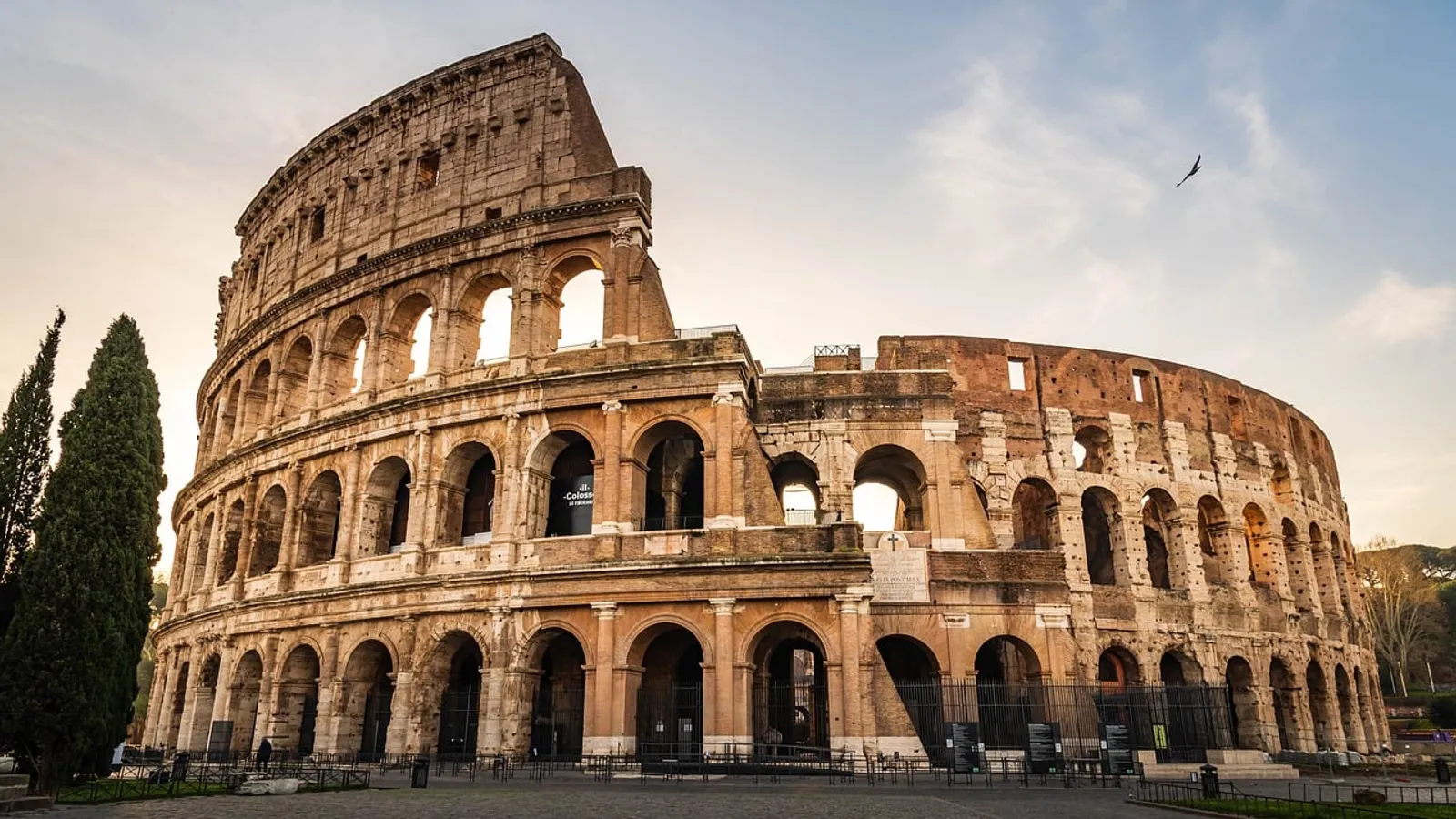
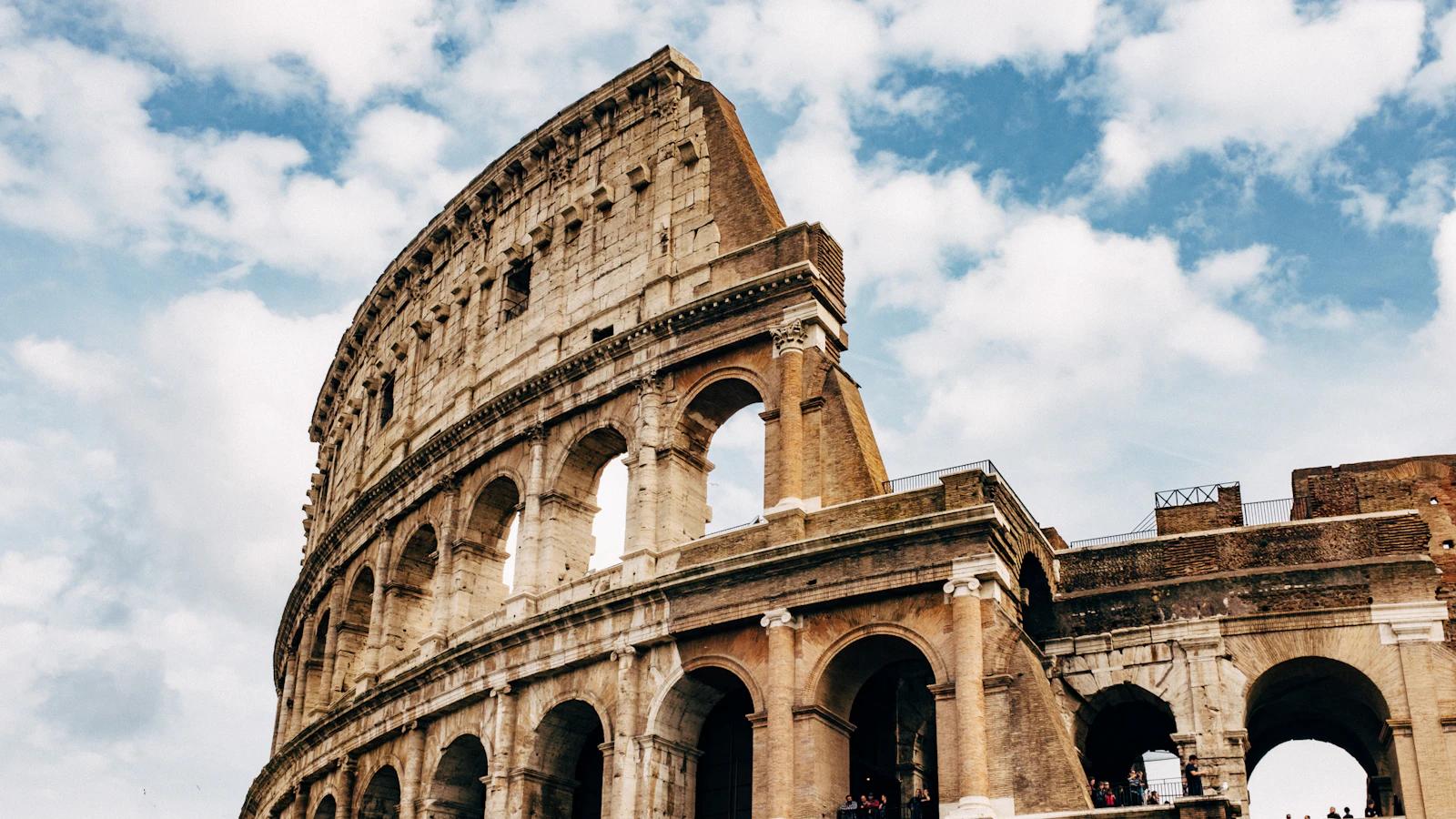
The basic ticket pairs one Colosseum entry, without the arena floor, with the Roman Forum, Imperial Fora and Palatine on the same day. The arena and underground levels sit on a separate ticket that runs over two consecutive days.
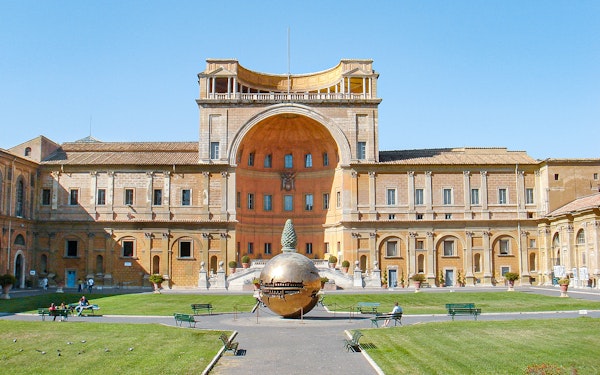
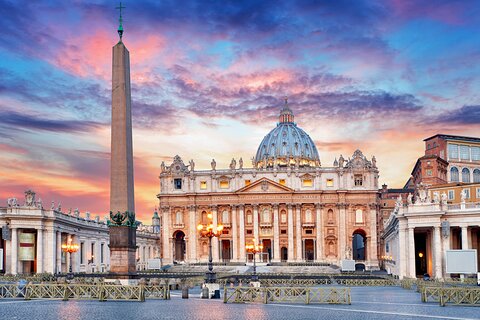
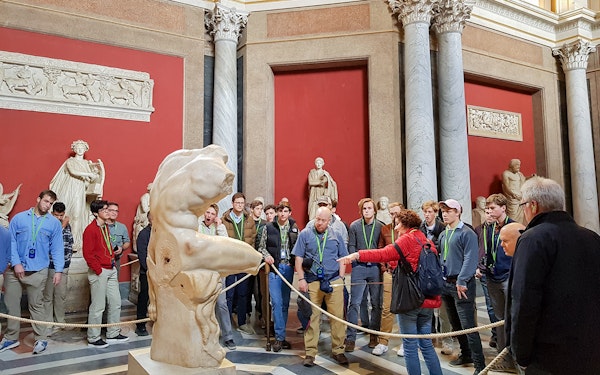
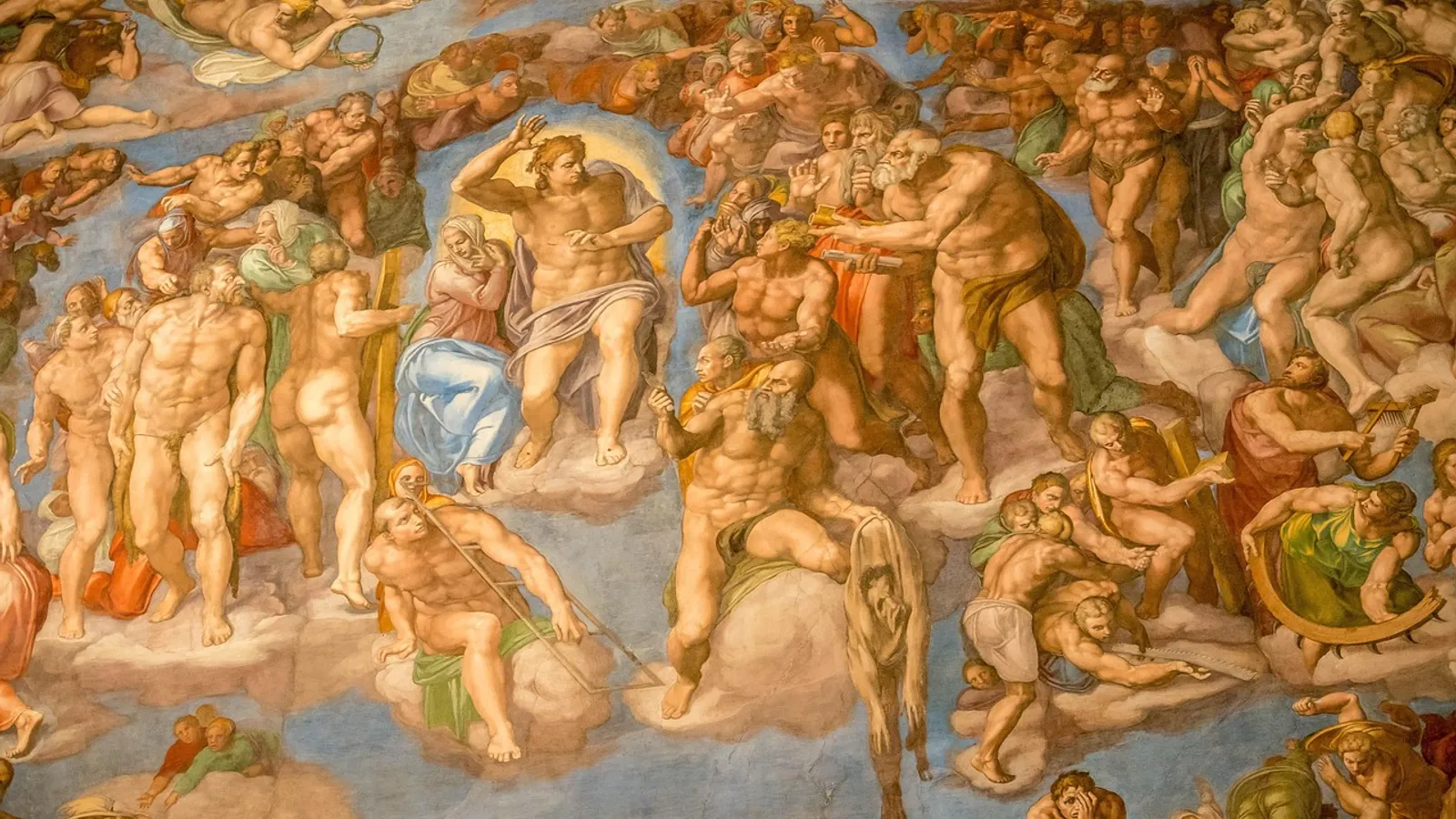
The route ends in the Sistine Chapel, where photos, filming and phones are banned. The dress rule covers St Peter's too: no sleeveless or low-cut tops, shorts above the knee, miniskirts or hats.
Botticelli's Birth of Venus and Spring, Leonardo's Annunciation, Michelangelo's Doni Tondo and Artemisia Gentileschi's Judith and Holofernes all hang in the one building.
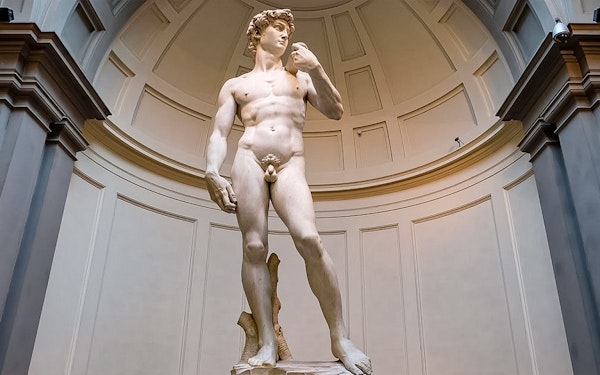
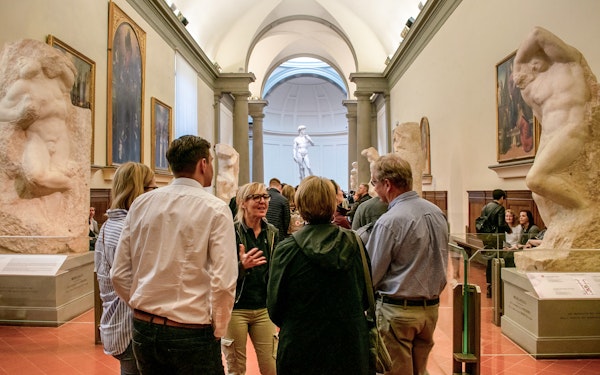
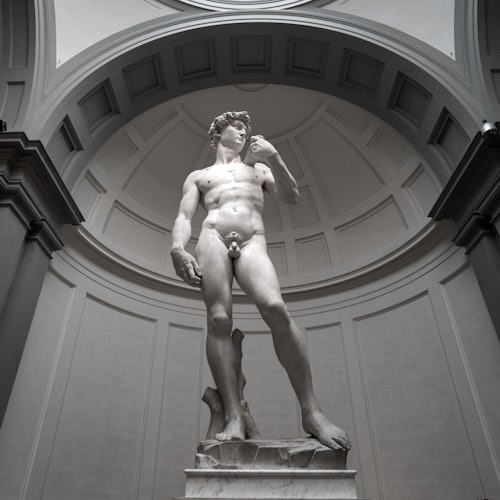
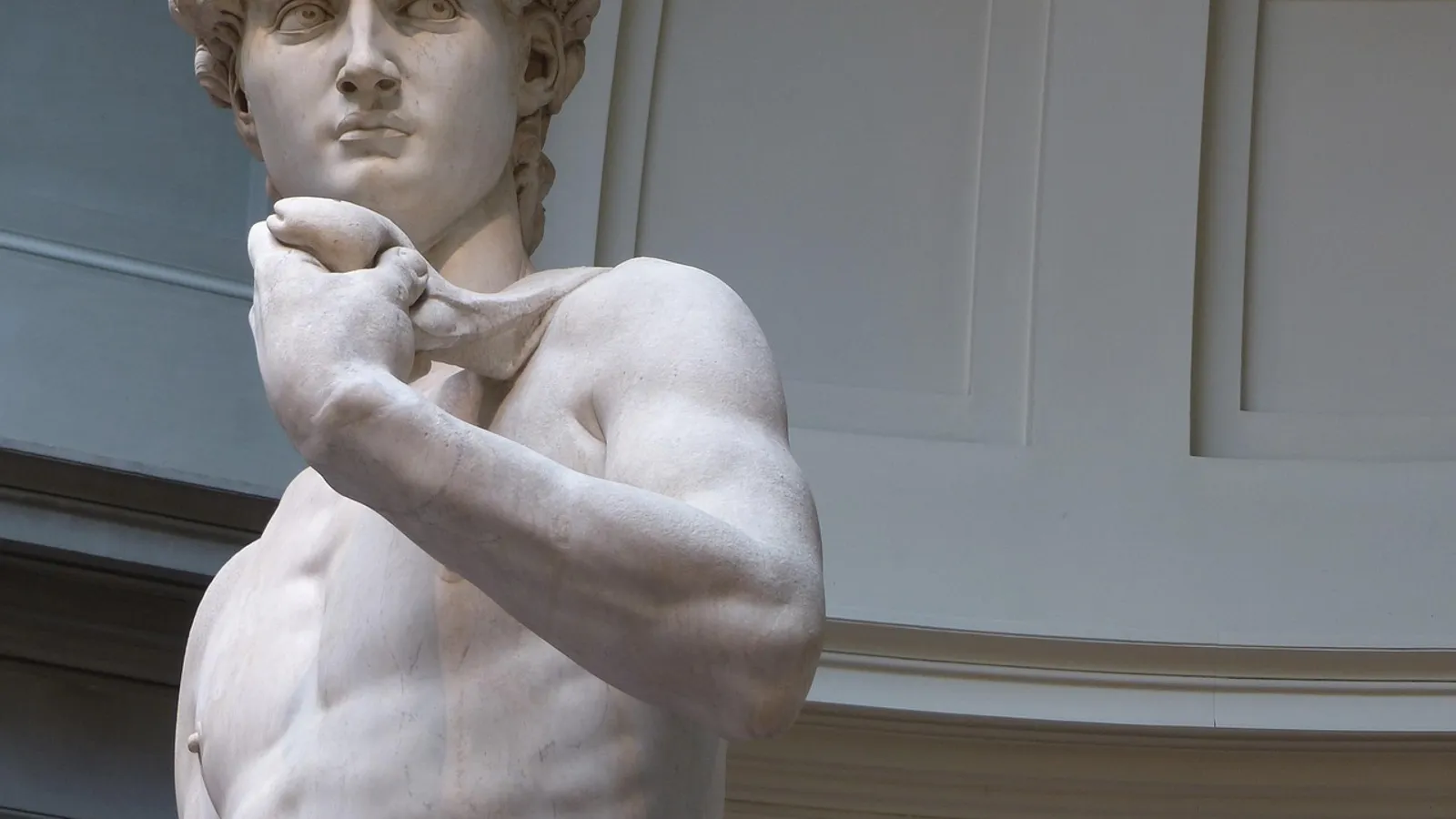
Michelangelo's David was moved here from Piazza della Signoria in August 1873. His four Prisoners and St Matthew share the gallery, so allow more time than the statue alone.
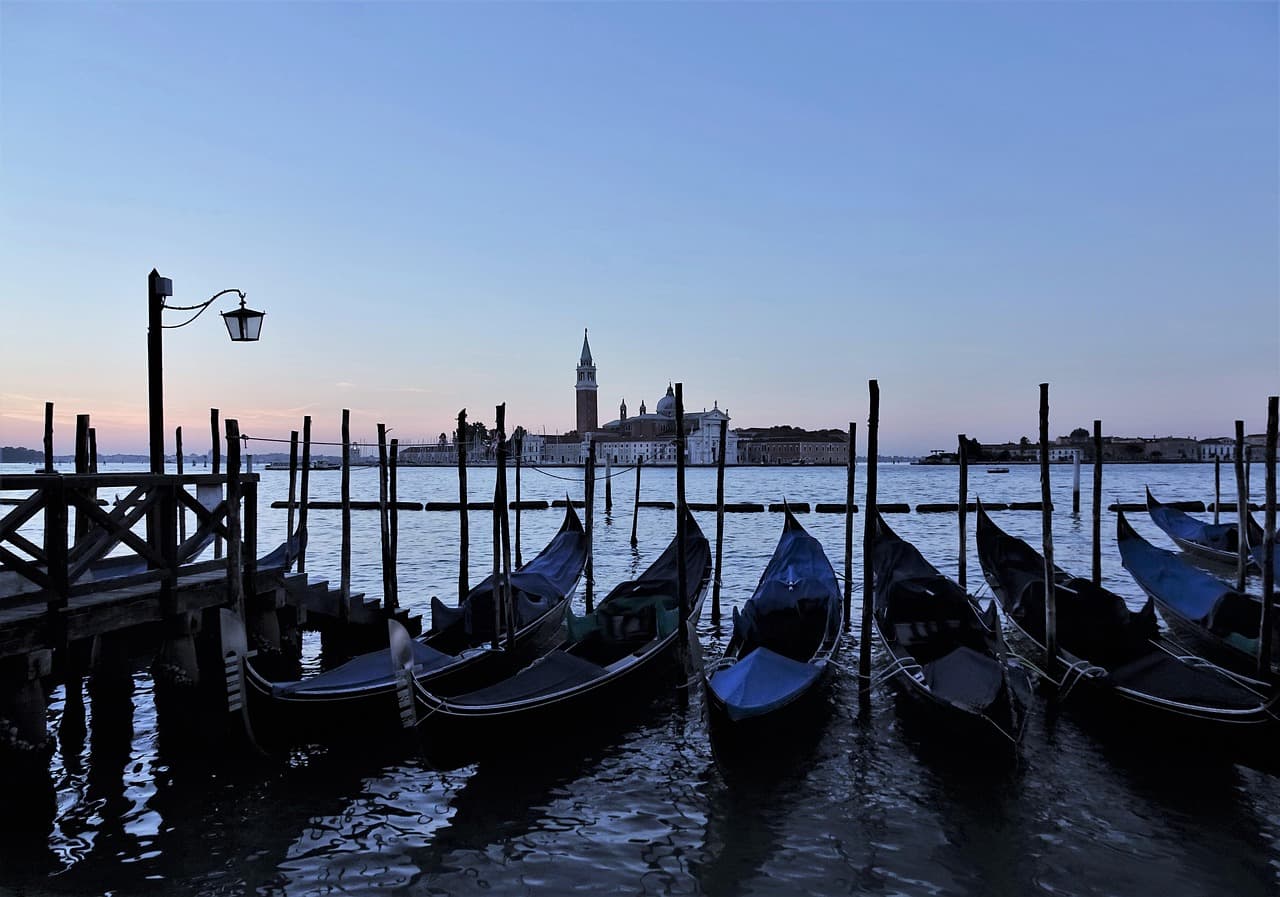
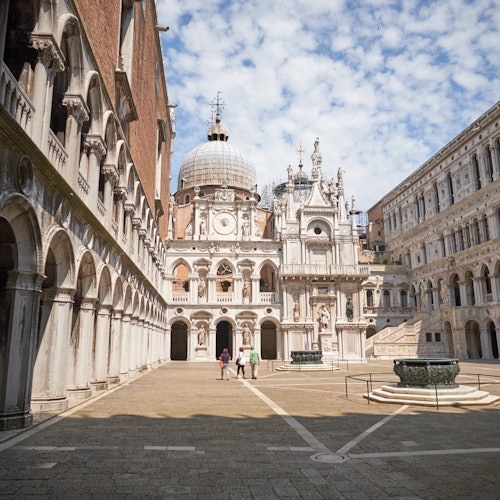
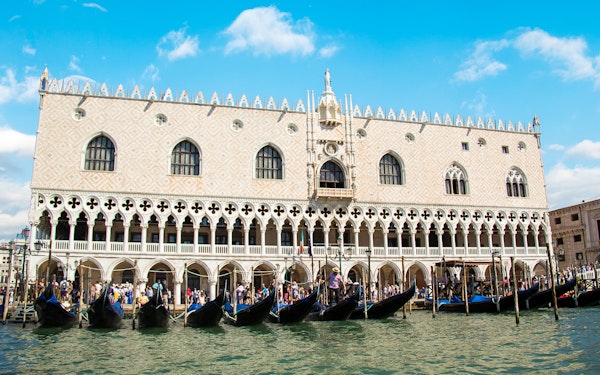
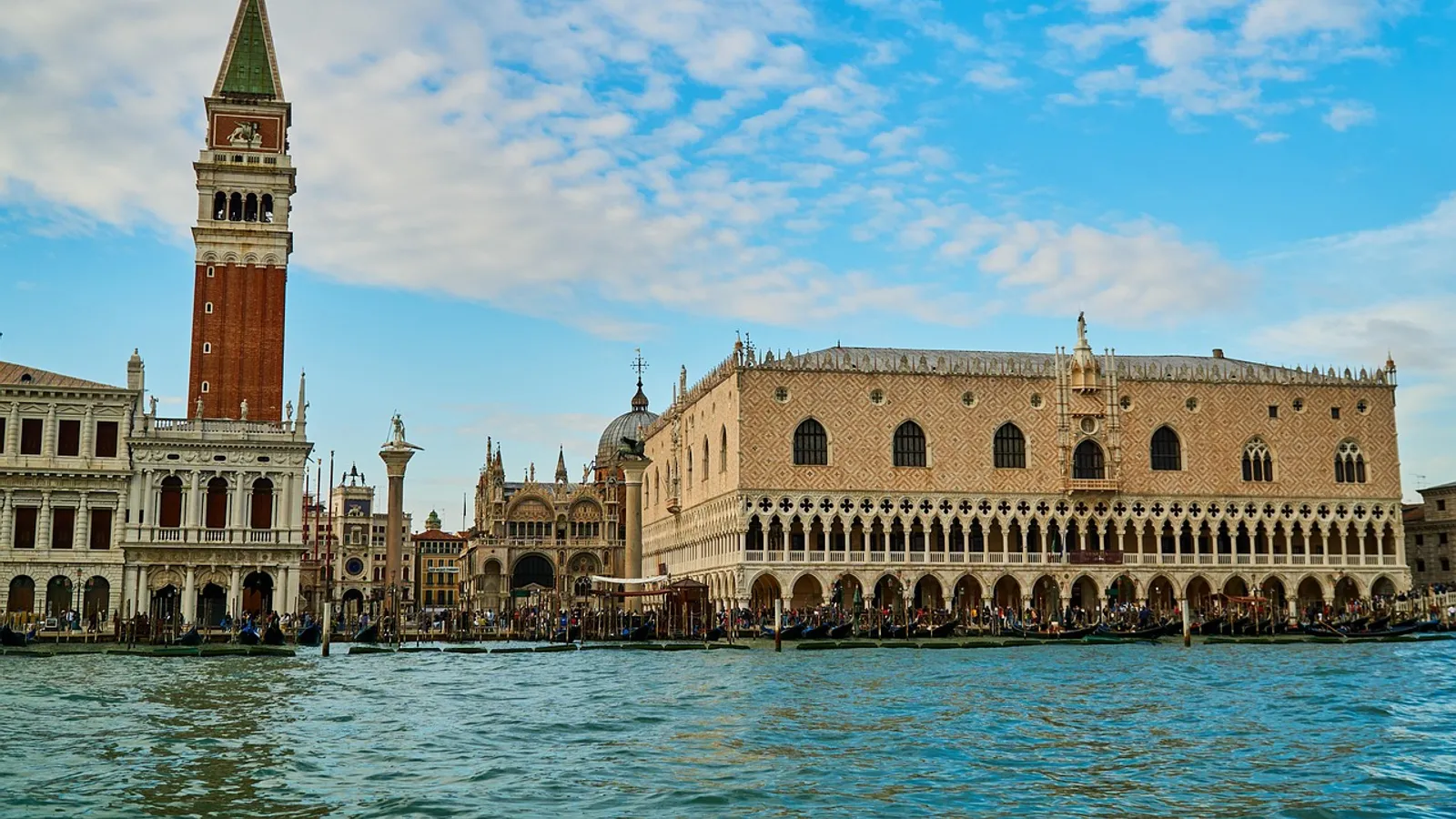
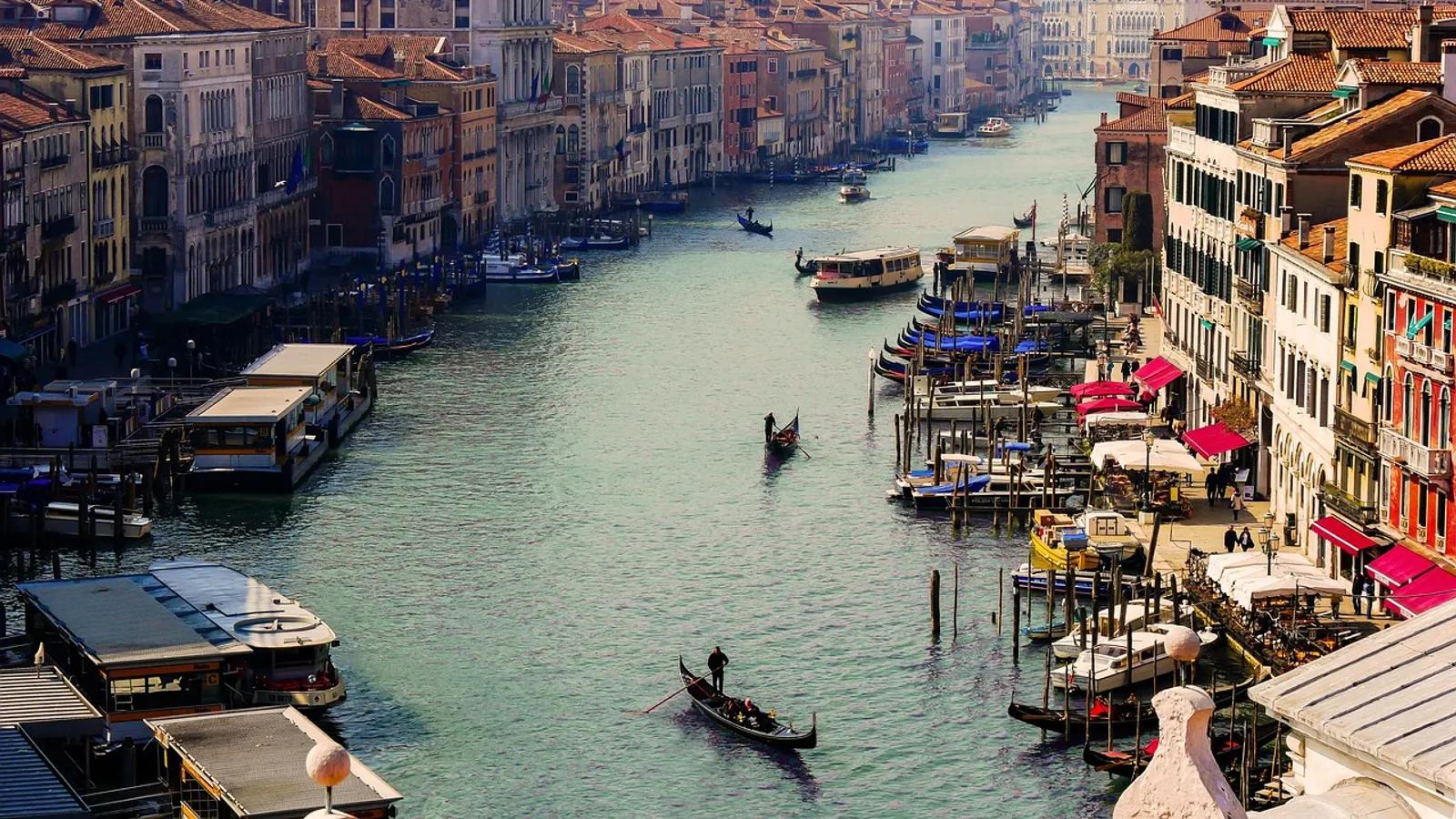
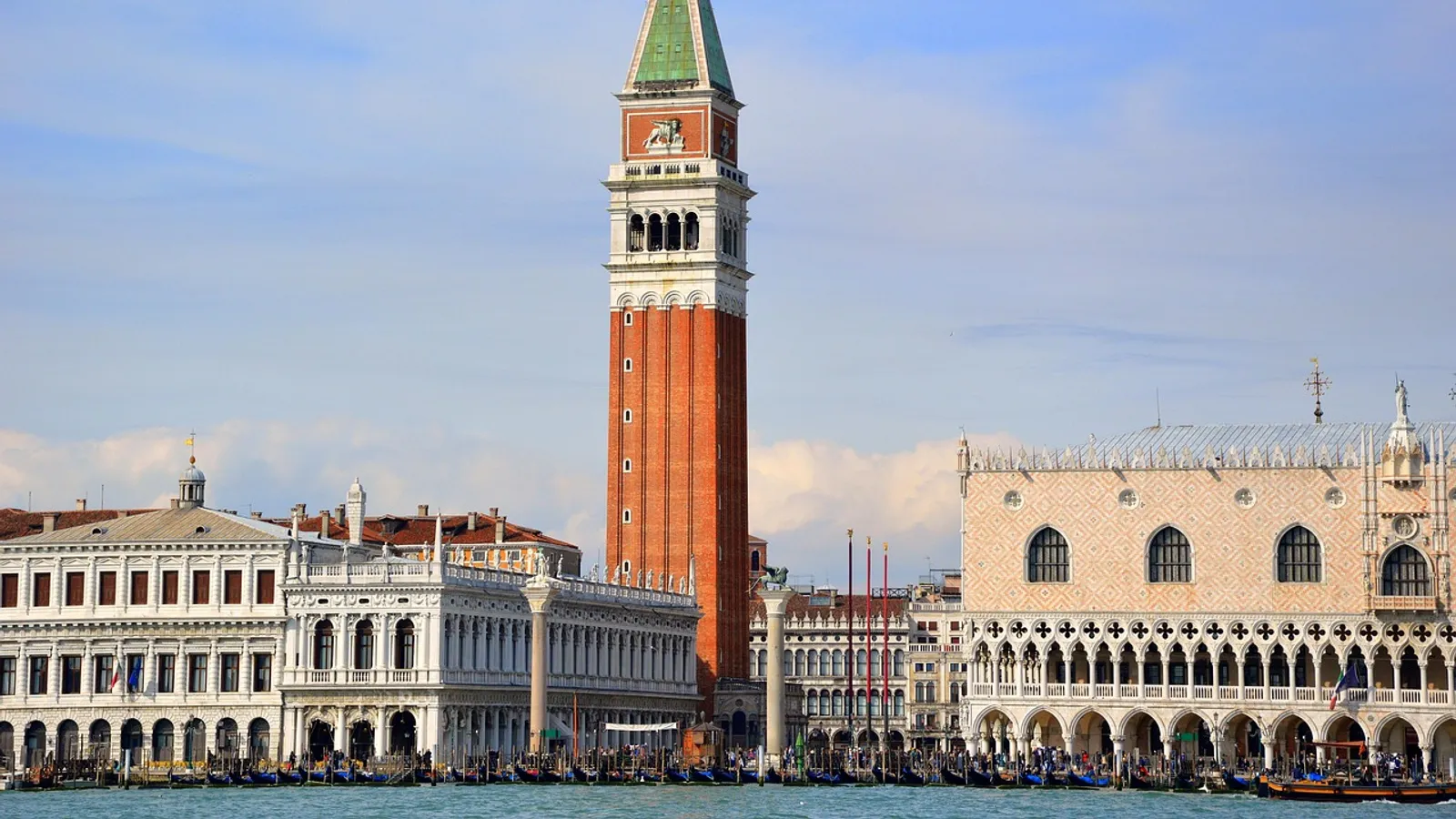
The standard route runs through the council chambers and crosses one of the two passages of the Bridge of Sighs into the New Prisons. The Secret Itineraries are a separate visit.
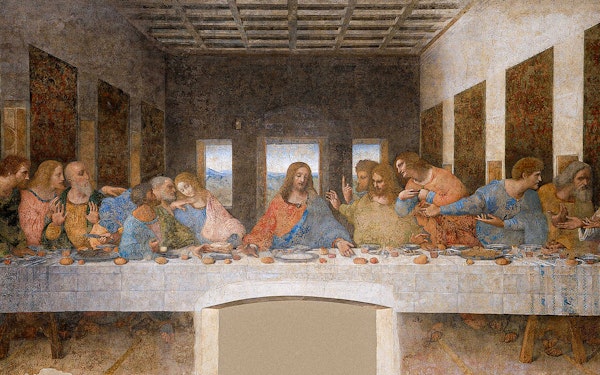
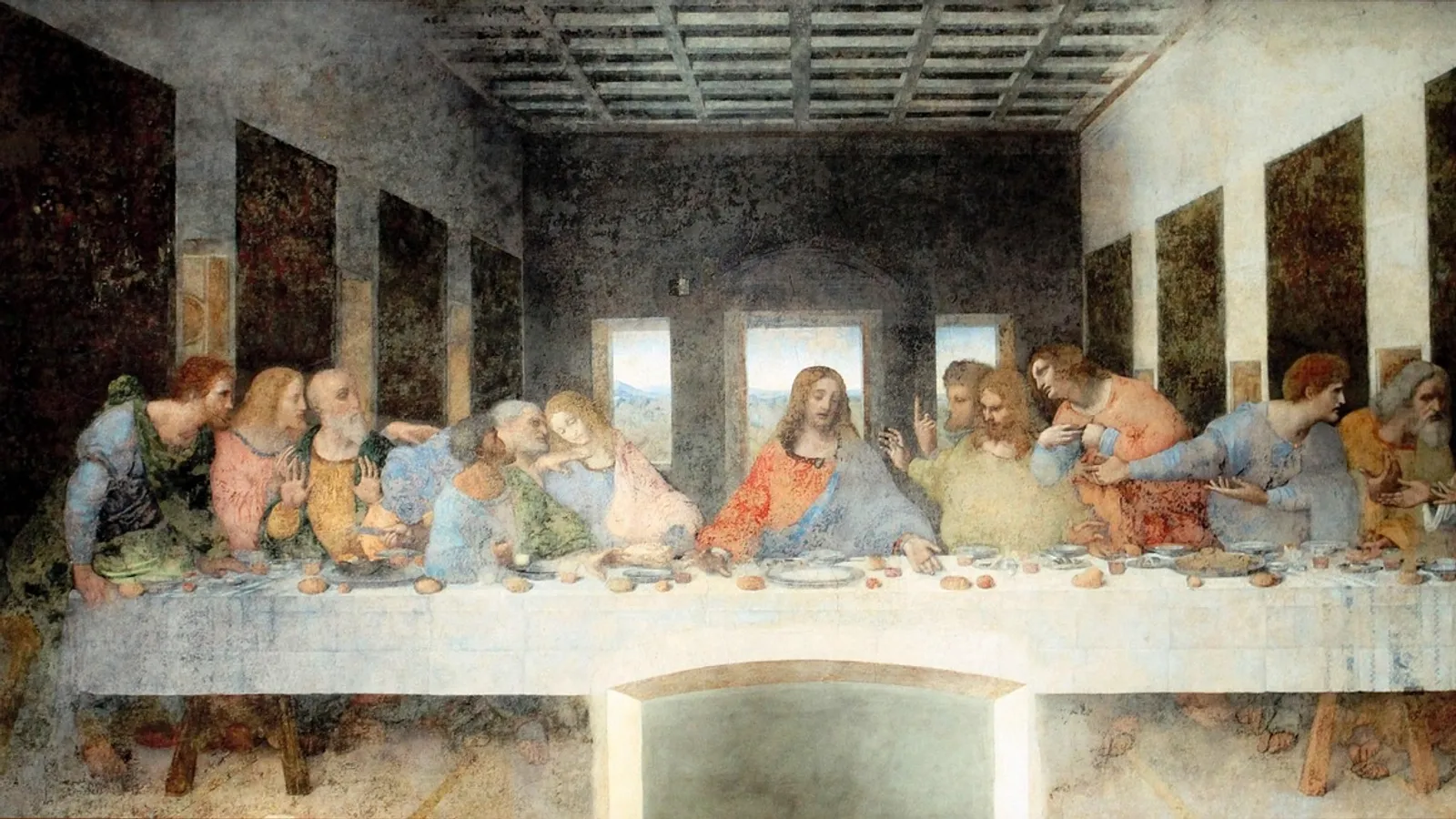
Leonardo's mural at Santa Maria delle Grazie is seen in 15-minute visits of up to 40 people. Reservation is mandatory for every ticket type, so book it before anything else in Milan.
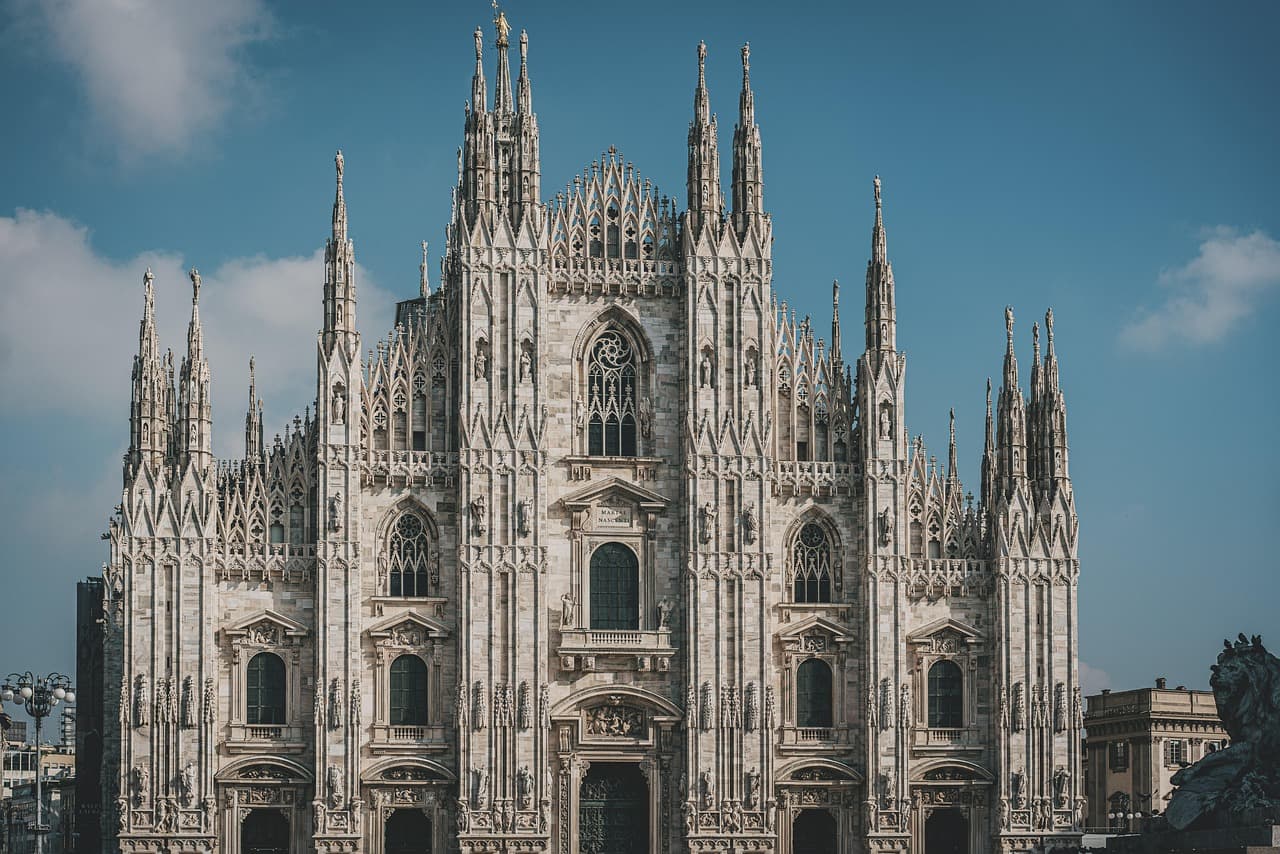
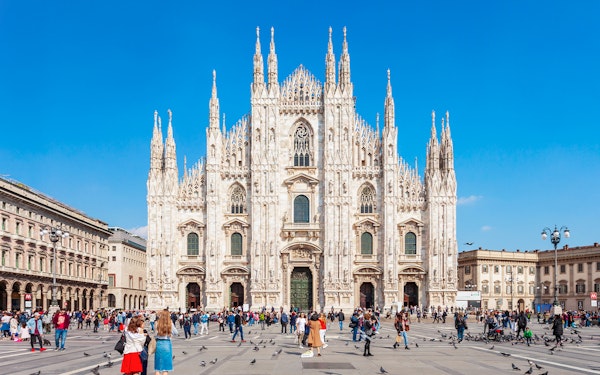
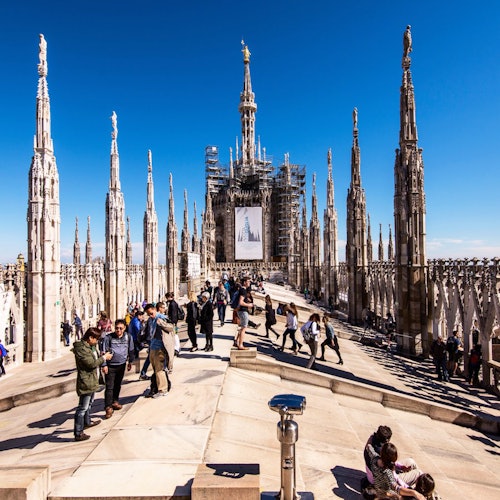
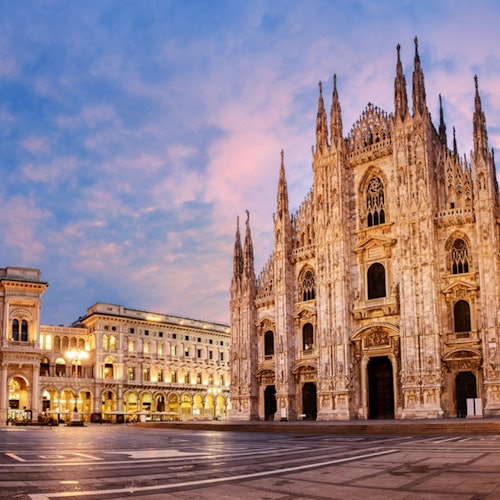
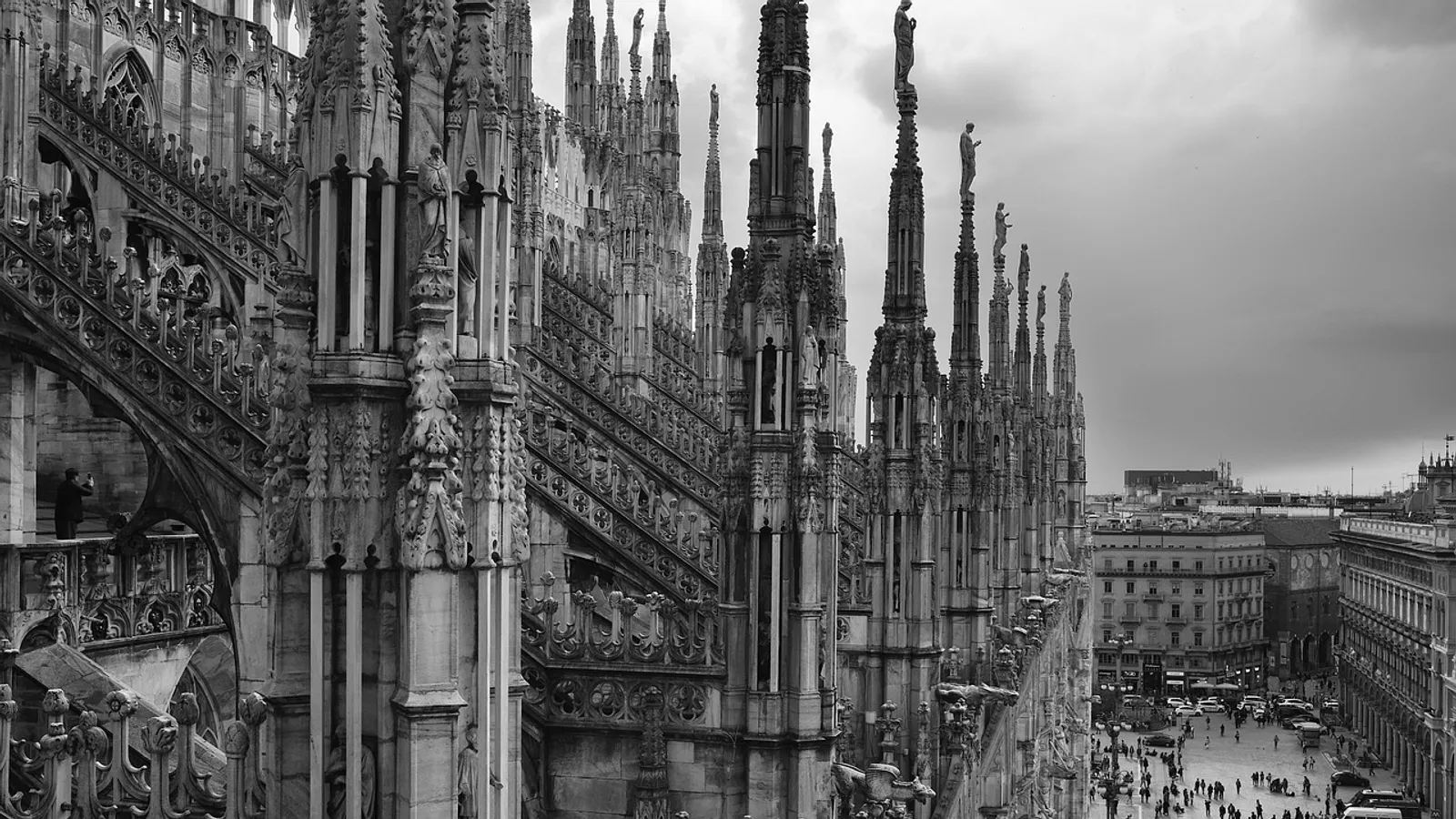
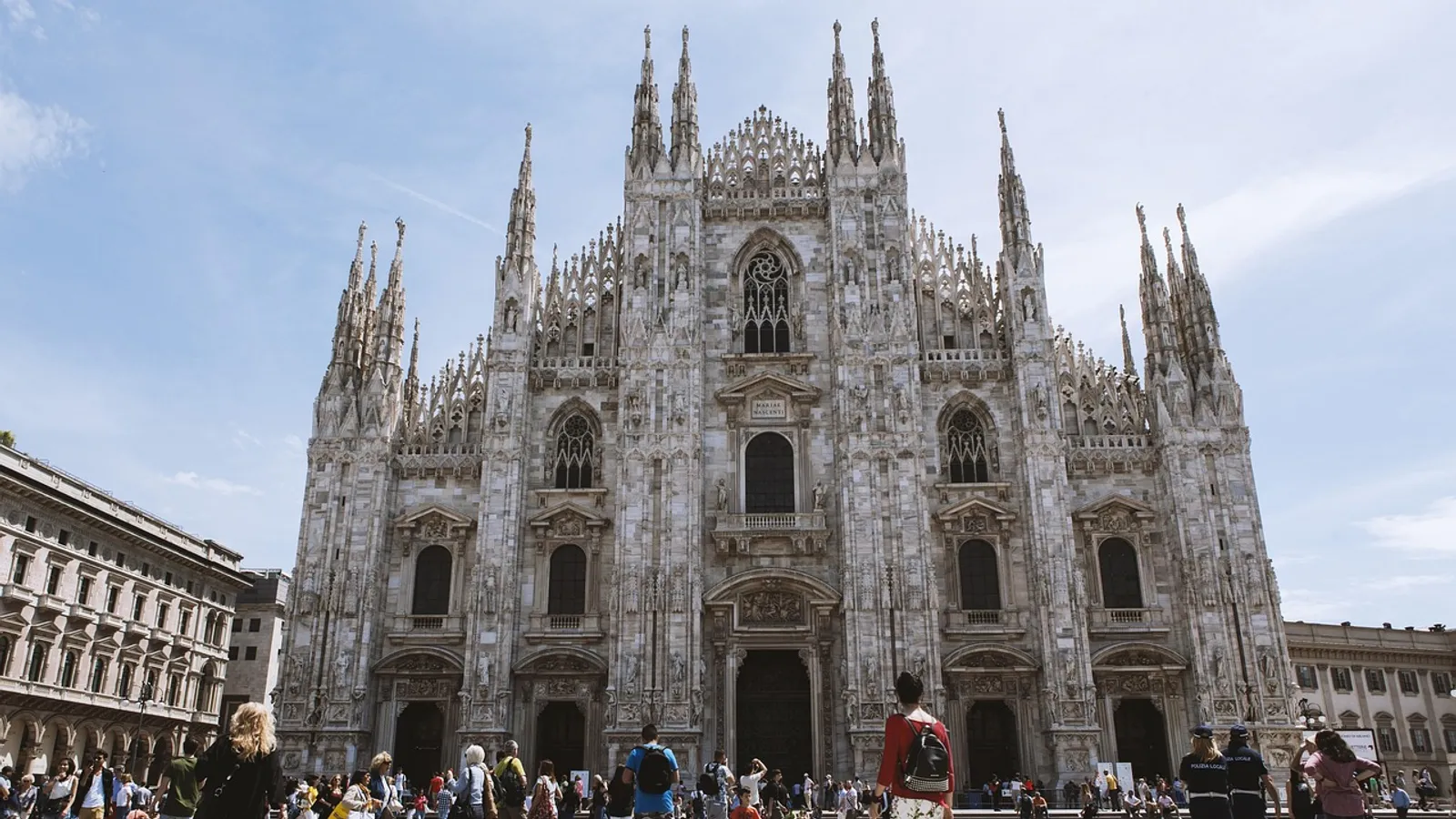
Begun in 1386, the cathedral lets you walk its roof, reached by lift or stairs. The highest spire reaches 108.5 metres and carries the gilded Madonnina, a statue just over four metres tall placed there in 1774.
The climb is 251 steps and the visit lasts about 30 minutes. Tickets are for a fixed time, latecomers are turned away, and bags go to the cloakroom before you start.
Every ticket carries the holder's name and the site admits at most 20,000 people a day. In the summer season, which the park sets as 16 March to 14 October, entry is split into two windows: up to 15,000 between 9am and 1pm, and up to 5,000 from 1pm to 5:30pm.
Best time to visit Italy
Winters are very cold in the Alps but mild in the south and along the coast, while summers are very hot and usually dry, especially in the south. Milan behaves differently again, with cold winters and humid summers that reach about 35°C.
For a city-heavy trip, spring and autumn are the safer bet, because queuing outside a museum is much easier without midsummer heat. Keep summer for the lakes, the mountains and the coast.
A few dates are worth planning around. The Venice Carnival runs from 23 January to 9 February 2027. Siena runs the Palio in Piazza del Campo on 2 July and 16 August, with the August festivities starting on the 13th, and the city fills for both. Venice charged occasional visitors an access fee on set days during a 2026 trial, which stopped applying from 27 July. The city says the fee returns in 2027, so check its official access fee page for the days it applies before you plan a day trip.
Getting around Italy
Trains do most of the work. Trenitalia's Frecciarossa runs one spine from Turin and Milan through Bologna and Florence to Rome, Naples and Salerno, with a branch from Venice through Padua joining at Bologna, and Italo competes on the main high-speed routes. On Italo's figures, Rome to Florence takes under an hour and a half, Florence to Venice about 2 hours 15 minutes, Rome to Naples just over an hour. Trenitalia's fastest non-stop Rome to Milan Frecciarossa takes 2 hours 50 minutes.
Other Frecciarossa routes link Venice to Milan via Verona, and Rome to Genoa via Pisa and La Spezia. Where the rails stop, Italo sells connecting Itabus coaches to the Sorrento Peninsula, Pompeii, Lecce and Palermo.
Two local tickets help. The Cinque Terre Treno MS Card covers unlimited second-class travel on regional trains between Levanto and La Spezia, plus the national park's services. On Lake Como, the government-run Navigazione Laghi car ferry links Bellagio, Cadenabbia, Menaggio and Varenna, and the same operator runs boats on Lake Maggiore and Lake Garda.
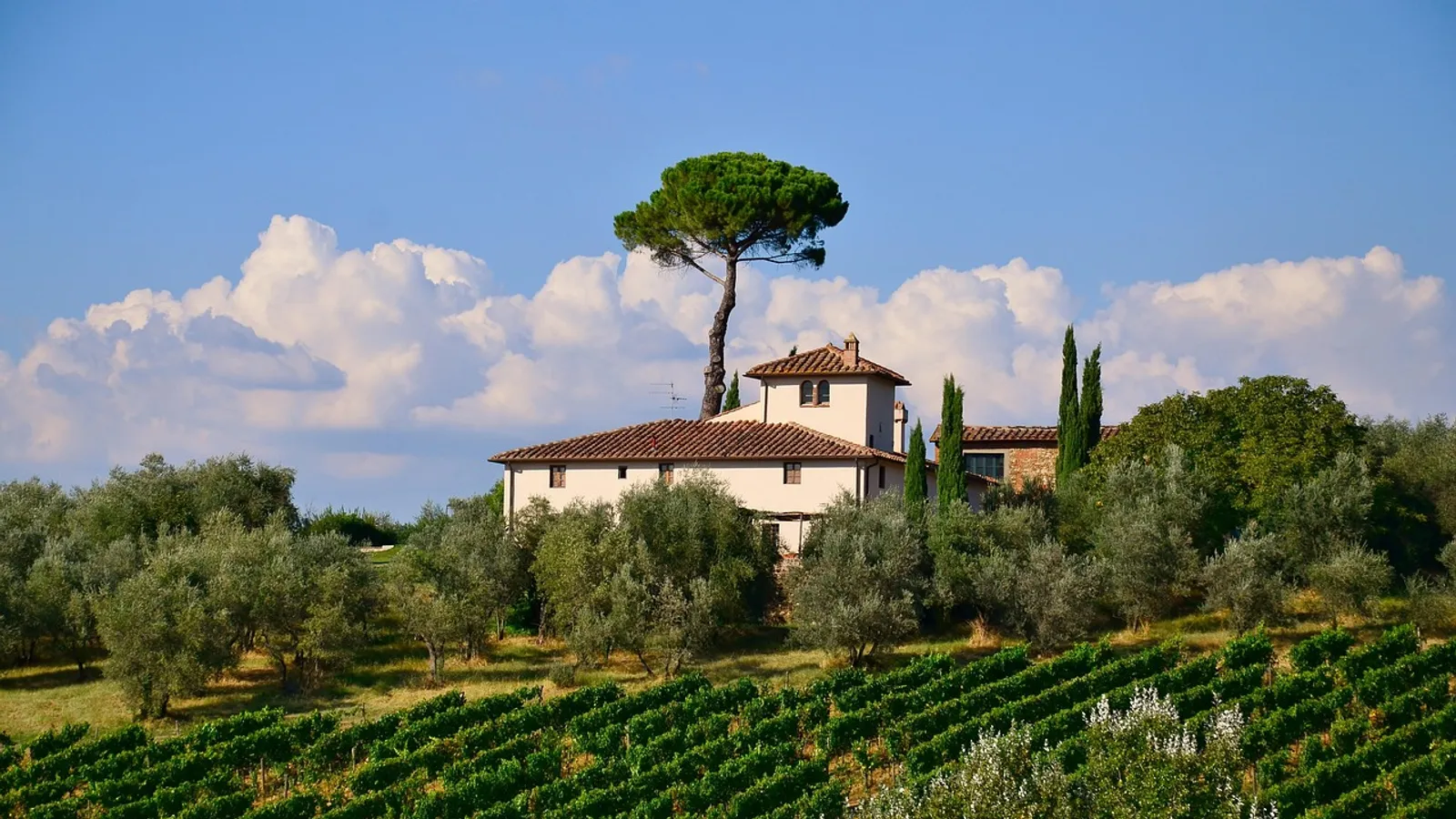
Rent a car only for the countryside, such as Tuscan hill towns, the Dolomite passes or inland Sicily. In the big cities it is a worry, not a convenience.
Tips for planning your trip
Check the weekly closing day
The Uffizi and the Accademia close on Mondays, the Last Supper opens Tuesday to Sunday, and the Vatican Museums close on Sundays except the last Sunday of each month, when they open from 9am to 2pm. Fix these slots before trains and hotels, then build each day around them.
Carry ID that matches the ticket
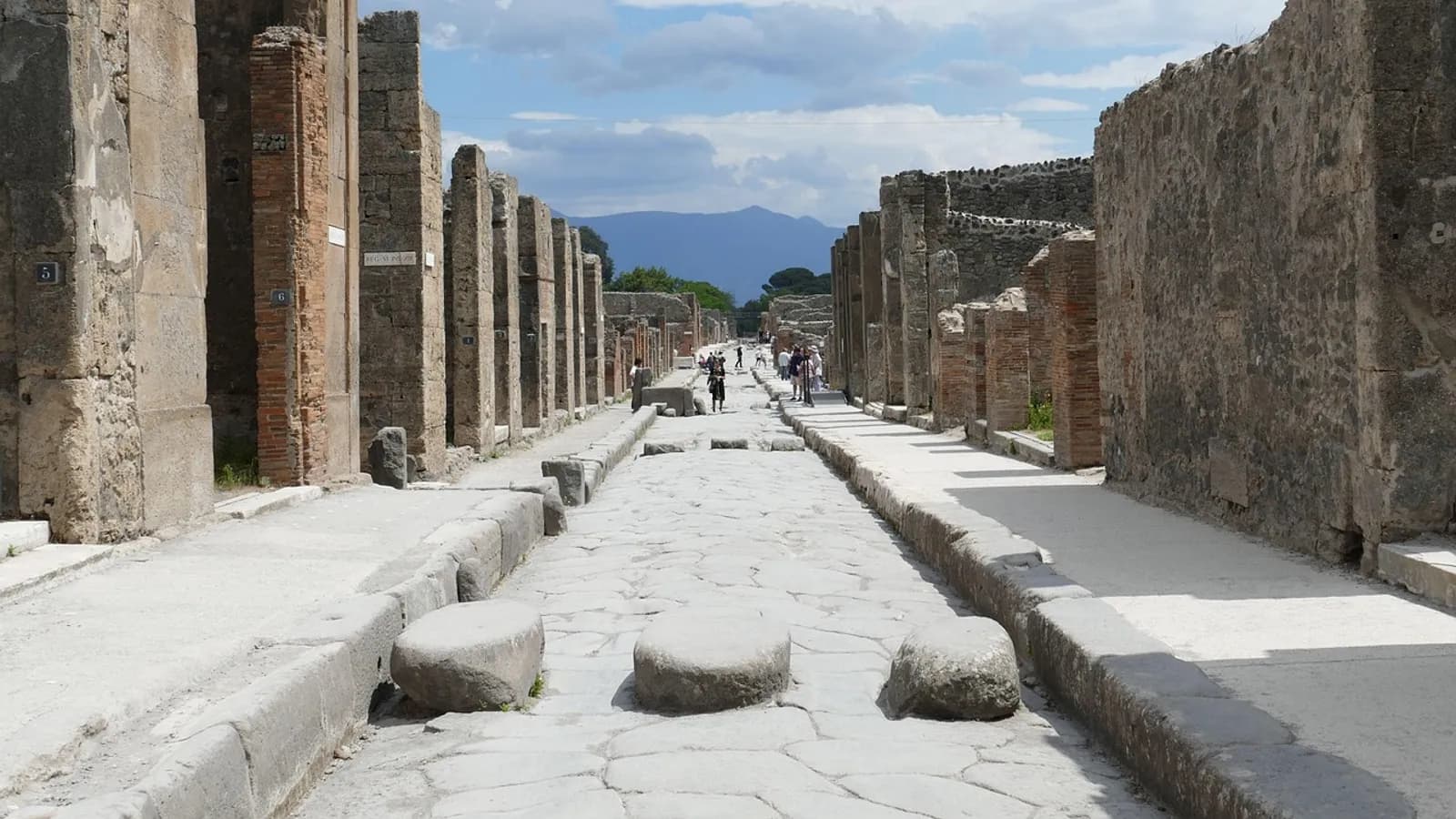
The Colosseum has issued every ticket type in the visitor's name since 18 October 2023, and Pompeii since 15 November 2024. Bring the named person's passport or ID card.
Travelling with young children
The Leaning Tower does not admit children who will not have turned 8 by the end of the year, and under-18s must climb with an adult.
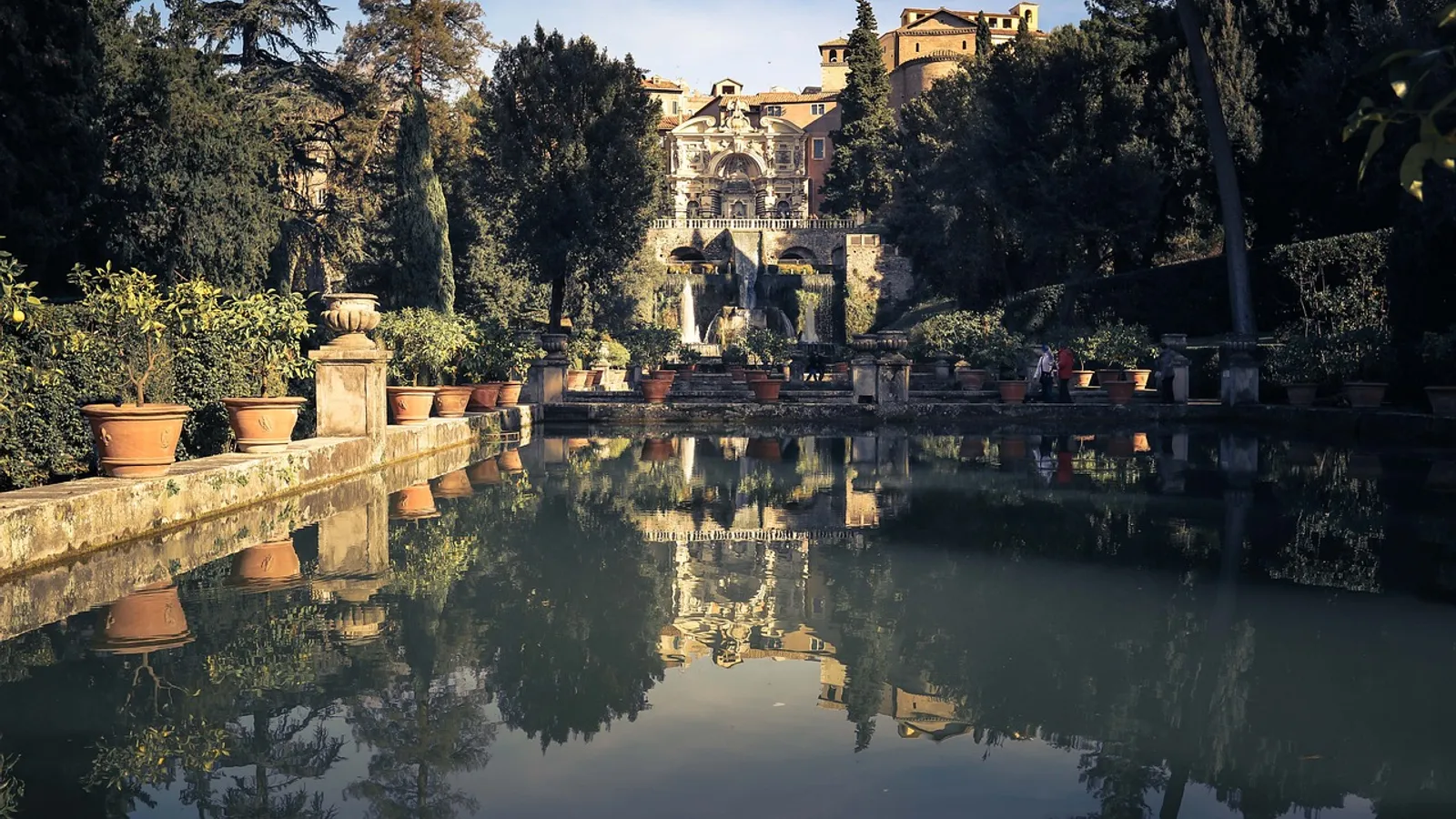
Tivoli from Rome, Pisa or Siena from Florence, Verona from Venice or Milan, and Lake Como from Milan all fit a day comfortably. Pompeii works from Rome only on a long day; from Naples or Sorrento it is far easier.
Italy tour FAQs
Common questions about booking Italy experiences through SimilarTours
What are fun things to do in Italy?+
Food and the coast, away from the big museums. Cooking classes run along the Amalfi Coast, in Sorrento and in Naples, and boats leave for Capri from Sorrento and the Amalfi Coast. Naples adds guided visits to its underground tunnels and the catacombs of San Gennaro, and Pompeii and Herculaneum are sold as day trips from Sorrento and the Amalfi Coast.
How many days do you need for Rome, Florence and Venice?+
Plan on about a week: three nights in Rome, two in Florence and two in Venice. Rome needs the most because the Vatican Museums and the Colosseum are best on separate days, and Florence's two big galleries each want their own time slot. Trenitalia's Frecciarossa trains run Venice, Florence and Rome on one line, so moving between them needs no car or flight.
Do you need to book museums in Italy in advance?+
For the headline sites, yes. The Last Supper in Milan can only be seen with a reservation, according to the museum's official site, and the Vatican Museums, the Uffizi and the Accademia are sold below as fast-track, reserved or timed entries from several booking sites. A fixed entry time also makes the rest of the day easier to plan.
How much do tours and tickets cost in Italy?+
Prices vary more by format than by city. A plain entry ticket or a Venice water-bus pass costs least, guided visits to the Colosseum or the Uffizi cost more, and full-day trips from the Amalfi Coast to Capri or to Pompeii and Herculaneum sit at the top. The prices on the cards below update live, so compare them there.
Where should you base yourself in Italy for a first trip?+
Rome first, then Florence and Venice. Rome holds the Vatican and the ancient sites in one city, and Florence sits between it and Venice on the high-speed line. If ruins and coastline matter more than galleries, swap Venice for Naples or Sorrento and use either as the base for Pompeii, Herculaneum and Capri.
How do you tour Italy, with day tours or a package?+
This page compares day tours and tickets, which suit travellers who book their own trains and hotels. Multi-day escorted packages are a different product and are not listed here. To mix the two approaches, book guided visits for the big sites, such as the Vatican Museums or the Colosseum, and plan the rest of each day yourself.
Things to do in Italy
Every Italy city we cover - tap a city to see its full lineup of tours, tickets, and activities