VeniceListicleGondolaLagoon islandsFood
Things to Do in Venice: 24 Experiences Worth Booking in 2026
A 2026 Venice shortlist - 24 gondola rides, landmarks, lagoon-island trips, and food walks grouped by theme, with the experiences actually worth booking ahead.
By SimilarTours Editorial · Travel Research · · 15 min read

Venice is a city you navigate by water and by instinct, and it packs an improbable amount into a few square kilometres of islands, bridges, and back canals. The headline sights cluster around St Mark's Square, but the version of Venice most people fall for is the quieter one - a gondola turning into a side canal, a tray of cicchetti in a standing-room wine bar, a painted fishing village an hour out across the lagoon.
This guide cuts the list down to 24 experiences worth booking, grouped so you can pull the right block depending on whether you are here for the landmarks, the water, the food, the islands, or the slower corners. Each entry gives you one clear reason it earns a place and who it suits, with no filler.
We compared the Venice experiences currently bookable across our partner OTAs and grouped them by what they actually deliver, so you can compare like with like on one comparison site instead of ten browser tabs. Availability and pricing are live at the moment you search, and depend on date, group size, and language.
Browse all Venice experiences and tickets →The unmissable landmarks
Start here. Every Venice itinerary loops back through St Mark's Square and the two great buildings on it.
1. A gondola ride through the side canals
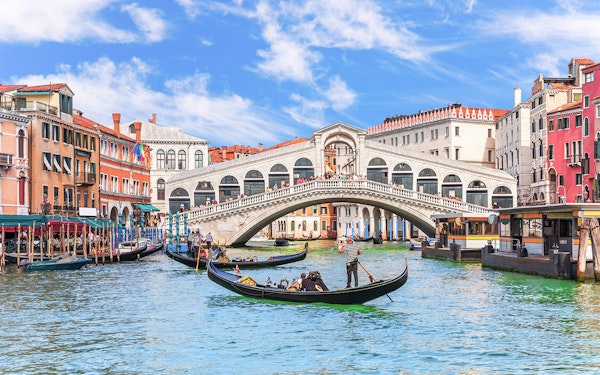
The signature Venice experience, and the only way to sit low on the water inside the narrow canals the vaporettos never reach. The standard ride is priced for the whole boat rather than per head, so it splits well between a few people, and an evening or serenaded version is the upgrade most couples reach for. Combined walking-and-gondola tours pair a stroll through the quiet sestieri with the ride itself, which is the easiest way to see both the streets and the water in one go.
Top gondola rides in Venice
Venice Grand Canal Classic Gondola Ride
4.3(1,411)30 minutesViewFrom$45
Gondola Ride with Private Walking Tour in Venice
5.0(322)3 hoursViewFrom$92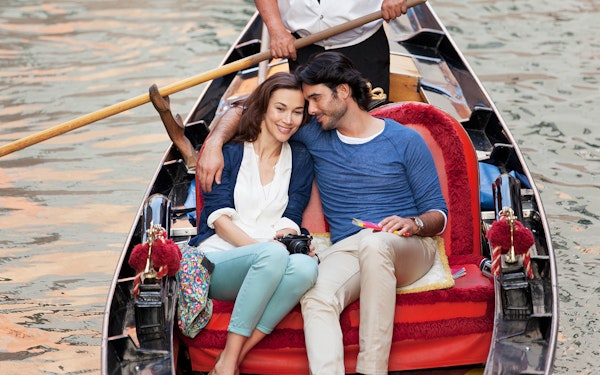
Venice Grand Canal Private Gondola Ride
3.9(278)30 minutesViewFrom$151
Grand Canal Gondola Ride with Storytelling & Gondola Gallery™
4.0(4,728)1 hourViewFrom$44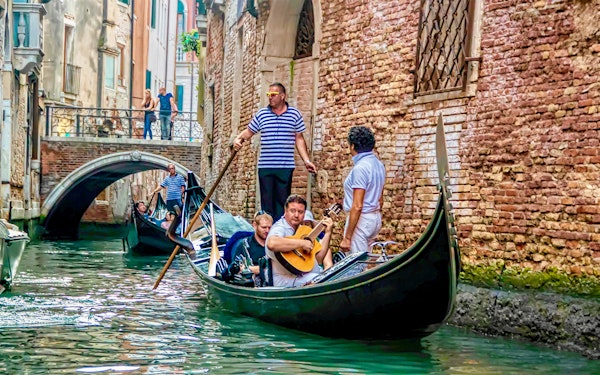
Venice Grand Canal Gondola Ride with Serenade
4.4(988)50 minutesViewFrom$58
Venice In a Day St Mark's Doges Palace Gondola Ride and City Tour
4.8(4,922)4 hours - 6 hoursViewFrom$134
1 hour Alster! Exclusive ride in original Venetian gondola
5.0(1)1 hourViewFrom$95
Venice Walking Tour and Gondola Ride
3.8(3,664)2 hr 9 min - 2 hr 27 minViewFrom$70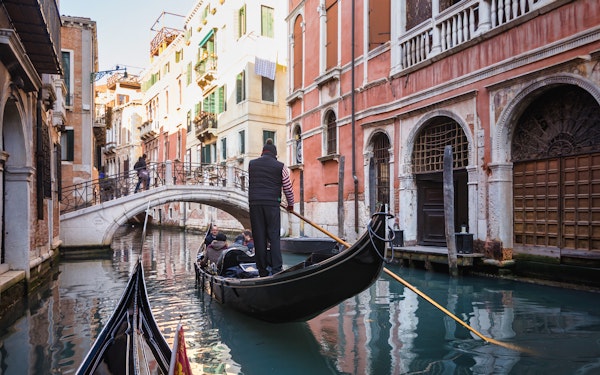
Venice Guided Walking Tour with Gondola Ride
4.4(974)3 hoursViewFrom$69
Charming Gondola Ride on the Grand Canal & Gondola Gallery™
3.9(1,515)45 minutesViewFrom$43
2. St Mark's Square
The grand open-air heart of the city and the natural place to begin. Ringed by arcades, cafes with dueling orchestras, and the great buildings that give Venice its skyline, it is the one square everyone passes through and the anchor for the Basilica, the bell tower, and the Doge's Palace. It costs nothing to stand in and is at its most atmospheric early in the morning or late at night, before and after the day-trippers arrive. Circle its edges rather than cutting straight across, and you will find the loggias, the clock tower, and the waterfront colonnade that frame the classic views.
Book the two big interiors together
The Doge's Palace and St Mark's Basilica stand side by side on the square and carry the longest walk-up queues in Venice from spring through autumn. A combined timed or skip-the-line ticket handles both entrances in one booking and saves you queueing twice at the busiest hour of the day.
3. St Mark's Basilica
The domed, gold-touched landmark that closes off one end of the square, and the interior most visitors want to see up close. Entry is timed and the walk-up queue in peak season is long, so a pre-booked slot or a skip-the-line ticket that includes the upper-level views is the way to see it without losing an hour outside. It pairs naturally with the Doge's Palace next door.
Top St Mark's Basilica tickets and tours

Private Legendary Venice St Mark's Basilica and Doge Palace Tour
5.0(23)3 hoursViewFrom$385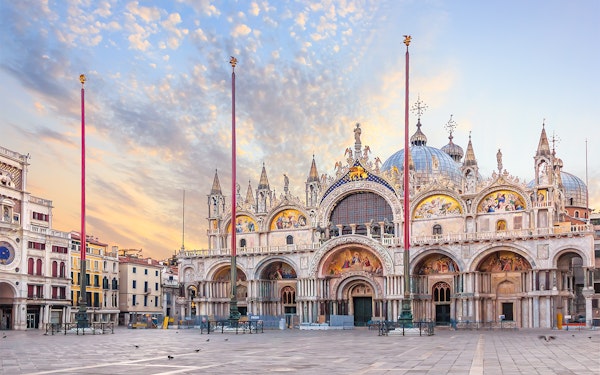
St. Mark's Basilica Entry Tickets with Skip-the-Line Access
3.7(1,496)30 minutesViewFrom$26
Small Group St. Mark and Doge Palace with Venice Highlights
5.0(20)6 hr 30 minViewFrom$295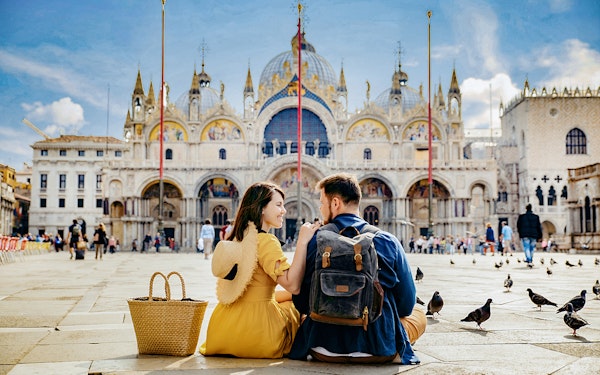
St. Mark's Basilica Skip-the-Line Guided Tour
4.3(2,941)1 hourViewFrom$37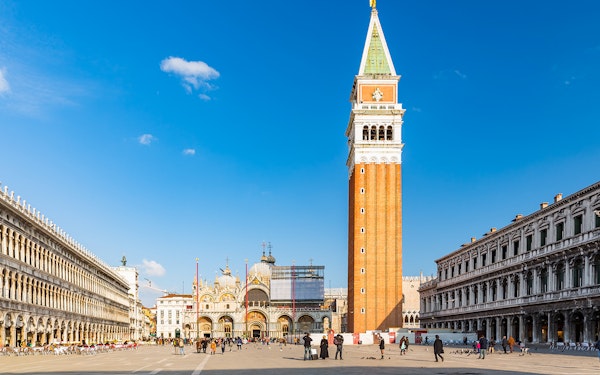
Venice St. Mark's Basilica & Bell Tower Guided Tour
3.8(6)ViewFrom$75
Private Tour of St Mark's Basilica and Doge's Palace
5.0(57)2 hoursViewFrom$140
Venice Private Evening Stroll with VIP Entry to Saint Mark's After Hours
5.0(13)2 hr 30 minViewFrom$473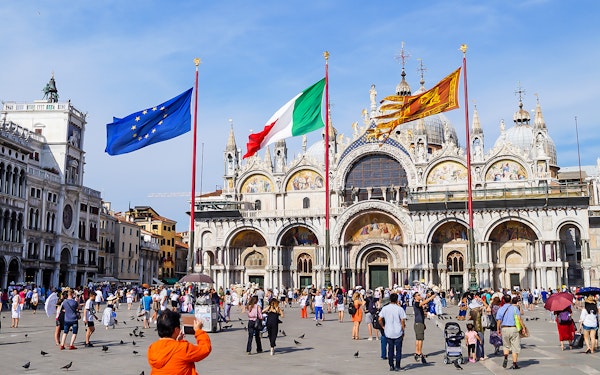
Absolute Venice: Doge's Palace, St Mark's Basilica & More with Priority Access
4.6(2,132)4 hoursViewFrom$167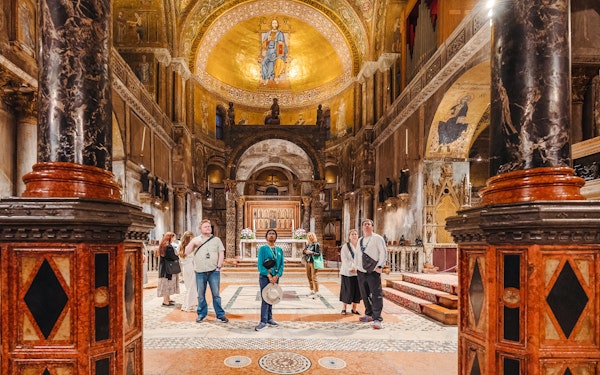
St. Mark's Basilica Night Tour with Optional Doge's Palace
4.5(2,168)1 hr 30 minViewFrom$150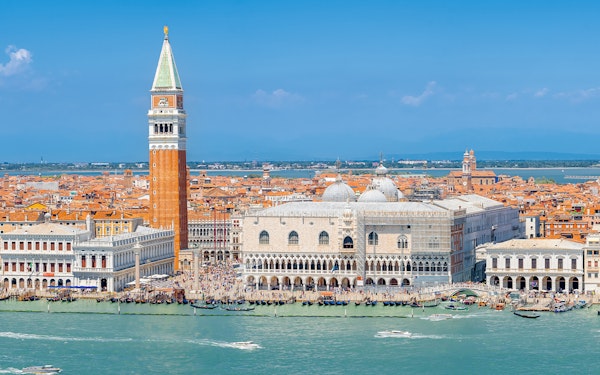
St. Mark's Basilica and Doge's Palace Skip-the-Line Tickets
4.4(2,417)2 hoursViewFrom$73
4. The Doge's Palace
The ornate waterfront palace beside the Basilica, and the interior that best rewards a guided or skip-the-line visit - grand halls, a courtyard, and the enclosed bridge that links the palace to the old prison. Timed entry keeps the crowds moving, and a Secret Itineraries style tour reaches rooms the standard ticket does not. If you book one paid interior in Venice, this is the one most people choose. Our Doge's Palace tickets guide compares every ticket type in detail.
Top Doge's Palace tickets and tours

Doge's Palace skip the line with a guide architect
5.0(6)1 hourViewFrom$169
Semi-Private Doge’s Palace Evening Tour - Group of Max 6 People
5.0(15)1 hr 30 minViewFrom$153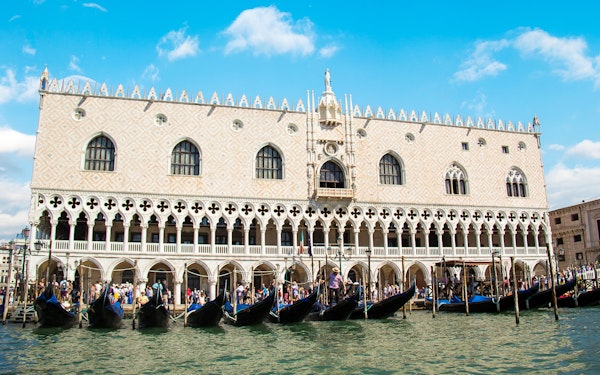
Doge's Palace Skip the Line Tickets
4.4(5,884)ViewFrom$41
Immersive Beauty: A Tailored Private Tour of the Doge's Palace
5.0(13)2 hoursViewFrom$182Private Legendary Venice St Mark's Basilica and Doge Palace Tour
5.0(23)3 hoursViewFrom$385Small Group St. Mark and Doge Palace with Venice Highlights
5.0(20)6 hr 30 minViewFrom$295
Private Doge's Palace & St Mark's Basilica After Hours Night Tour
5.0(79)3 hr 30 minViewFrom$444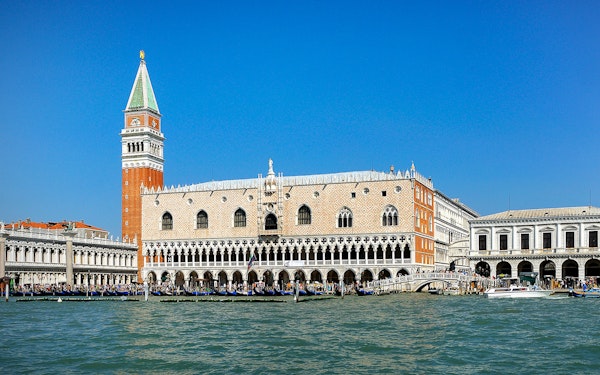
Doge's Palace Skip-the-Line Guided Tour
4.1(517)1 hr 15 minViewFrom$65Absolute Venice: Doge's Palace, St Mark's Basilica & More with Priority Access
4.6(2,132)4 hoursViewFrom$167
Venice Museums Pass with Doge's Palace Access
4.7(25)ViewFrom$76
5. The Rialto Bridge
The most famous crossing over the Grand Canal, lined with shops and framed by the busiest stretch of water in the city. It is free to walk, best photographed from the water or the neighbouring banks, and doubles as the gateway to the Rialto market. Cross it once for the view, then linger on the quieter side for the classic canal-and-bridge photograph.
6. The Campanile bell tower
The tall brick bell tower that rises over St Mark's Square, with a lift to a viewing level and one of the best framed panoramas of the rooftops, the lagoon, and the domes below. Queues form midday, so go early or late. It is the quickest way to trade the crowd at ground level for a wide view over the whole island.
On the water
Venice only fully makes sense from the water. These are the ways to get out onto it.
7. The Grand Canal by boat
The great S-shaped waterway that curves through the city, lined with the palazzi that made Venice's name. You can ride it cheaply on a vaporetto water bus or book a small-boat tour that slows down for the facades and the side turnings. Either way it is the single best orientation to the city and a photographer's favourite at golden hour.
Top Grand Canal boat tours in Venice

WarmVenice Private Boat Tour between Canals and Venice Lagoon
5.0(21)1 hr 30 minViewFrom$284
Ravenna Port to Venice with Deluxe Tour by Boat and Gondola
4.9(82)7 hoursViewFrom$472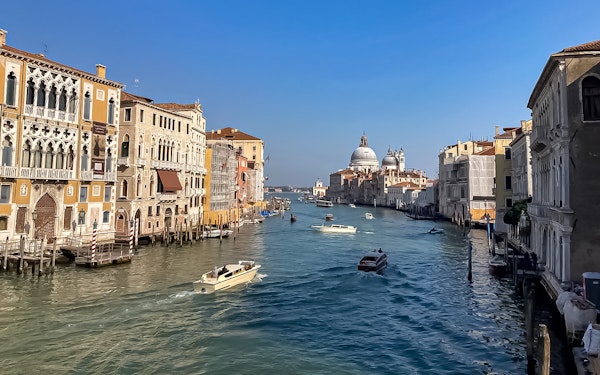
1-Hour Sightseeing Cruise on the Grand Canal
4.2(864)1 hourViewFrom$52
Venice Boat Tour on Grand Canal with Local Guide
4.6(103)1 hr 30 minViewFrom$116Venice Grand Canal Classic Gondola Ride
4.3(1,411)30 minutesViewFrom$45
Small Group Venice Grand Canal Panoramic Tour
3.2(82)1 hourViewFrom$53
Private Boat Experience: Discover Venice from the Water
5.0(15)2 hoursViewFrom$337Venice In a Day St Mark's Doges Palace Gondola Ride and City Tour
4.8(4,922)4 hours - 6 hoursViewFrom$134Venice Grand Canal Private Gondola Ride
3.9(278)30 minutesViewFrom$151
The Secrets of the Grand Canal - Special Private Boat Tour
4.8(64)1 hourViewFrom$205
8. A shared or private water-taxi tour
The sleek wooden motoscafi that skim across the lagoon are Venice's taxis, and a chartered loop is a fast, glamorous way to cover the Grand Canal and reach the outer islands without the vaporetto's stops. It suits families and small groups who want the water without the crowds, and it is the smoothest transfer to Murano and Burano if you would rather not share a boat.
9. A rowing lesson in a traditional boat
For something hands-on, a Venetian-rowing lesson teaches you to stand and row the way locals do, in a flat-bottomed boat on the quieter canals. It is a slow, low-key experience aimed at travellers who want to do something in Venice rather than only look at it, and it lands well with active couples and families with older kids.
10. An evening lagoon cruise
As the light drops, a small-boat cruise out onto the open lagoon trades the tight canals for wide water and a skyline view back at the domes and towers. Sunset departures are the ones to book. It is an easy, romantic way to close a day and a natural pairing with an early dinner afterwards.
See all Venice boat and water experiences →Food and markets
Venice's food is best learned on foot, one small plate and one wine bar at a time.
11. A cicchetti and wine crawl
The food experience to book. A guide walks you between the bacari - Venice's tiny standing-room wine bars - for the city's signature small plates and a glass of local wine at each stop. It runs in the early evening, replaces a sit-down dinner, and takes you to the places you would struggle to find or choose on your own. The best introduction to how Venetians actually eat.
Top Venice food walking tours

Private Venice Street Food Tour with a Sommelier
5.0(16)3 hoursViewFrom$211
Eat Like a Local: Venice 3-Hour Small-Group Food Tasting Tour
4.8(3,991)2 hr 30 min - 3 hr 30 minViewFrom$104
Small Group Venice Street Food and Sightseeing Tour
5.0(5)2 hr 30 minViewFrom$52
Venice Street Food Tour with Local Guide with Local Food Market Visit
4.8(1,043)2 hr 30 minViewFrom$51
Rialto Food Tour and Gelato Tasting with a Local Guide
5.0(5)2 hr 30 minViewFrom$177
Venice Bacaro Food Tour: Eat and Drink like a Venetian
4.9(1,447)3 hr 30 minViewFrom$108
Rialto Food Tour With View
5.0(12)2 hr 30 minViewFrom$231Gondola Ride with Private Walking Tour in Venice
5.0(322)3 hoursViewFrom$92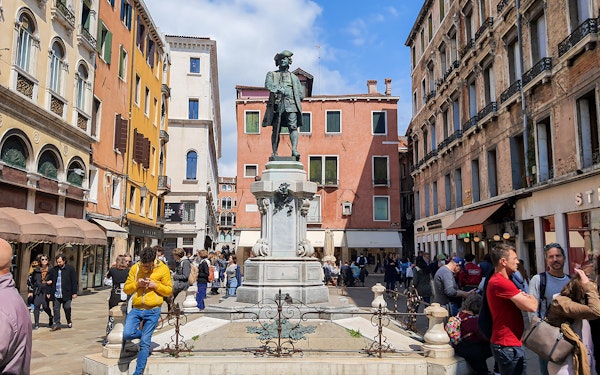
Walking Food Tour of Venice with Sightseeing
4.1(8)2 hr 30 minViewFrom$56
Venice Private Walking Tour with a Local
4.6(146)2 hours - 6 hoursViewFrom$64
12. The Rialto market
The centuries-old produce and fish market beside the Rialto Bridge, busiest in the morning and quiet by early afternoon. A market walk with a guide explains what is in season and where the restaurants shop, and often flows into a tasting or a cooking class. Go early - the fish stalls pack up before lunch.
13. A hands-on cooking class
A small-group class built around lagoon seafood and Venetian staples, usually starting with a market walk and ending at the table eating what you made. It suits couples and families who want an evening activity that doubles as dinner, and it is one of the more memorable ways to spend a slower night in the city.
See all Venice food and drink experiences →14. A coffee and pastry stop in an old cafe
Not everything needs booking. The historic cafes around St Mark's Square are an experience in their own right - an espresso standing at the counter costs a fraction of a table on the square, and the ritual is half the point. Treat it as a pause between sights rather than a destination, and you will understand the city's slower rhythm.
Islands and day trips worth leaving for
The lagoon is dotted with islands, and the best of them are a short boat ride away.
15. Murano
The glass-making island, a short hop across the lagoon, where you can watch a furnace demonstration and browse the workshops. It is usually combined with Burano and Torcello on a half-day boat trip, which is the efficient way to see all three. Go for the craft and the calmer canals, not just the souvenirs.
16. Burano
The postcard island of brightly painted fishermen's houses and lace-making, and the photograph everyone comes home with. It is quieter and slower than the main island, and the colours are at their best under clear midday light. Pair it with Murano on the same lagoon trip.
Top Murano and Burano island tours

Murano and Burano Private Boat Tour from Venice
5.0(20)4 hours - 5 hoursViewFrom$248
Murano & Burano Islands Guided Small-Group Tour by Private Boat
4.7(9,350)5 hoursViewFrom$51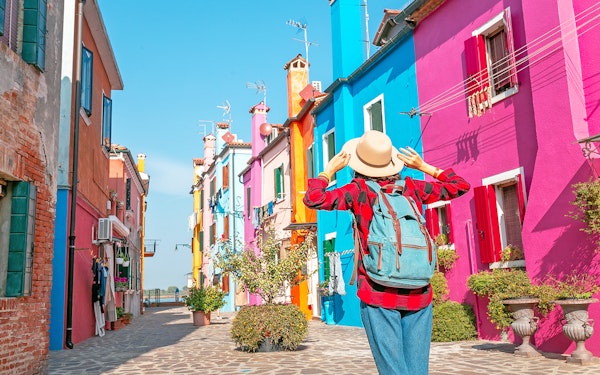
Murano & Burano Islands Boat Tour with Glass Blowing
4.5(195)4 hr 30 minViewFrom$29
Half Day Murano & Burano Islands Small Group Tour by Private Boat
4.8(1,451)4 hr 30 minViewFrom$29
Luxury Boat Tour to Murano & Burano with Private Local Guide (6h)
5.0(8)6 hoursViewFrom$2,212
Venice Lagoon Islands: Murano & Burano Guided Tour
4.5(760)5 hours - 6 hoursViewFrom$29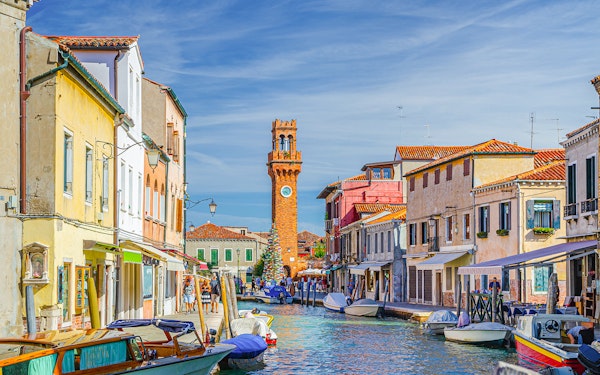
Murano, Burano & Torcello Islands Boat Tour with Glass Blowing
4.4(2,490)4 hr 30 minViewFrom$29
Murano Glass Experience With a Visit to Burano Lace Island
4.6(1,598)5 hoursViewFrom$58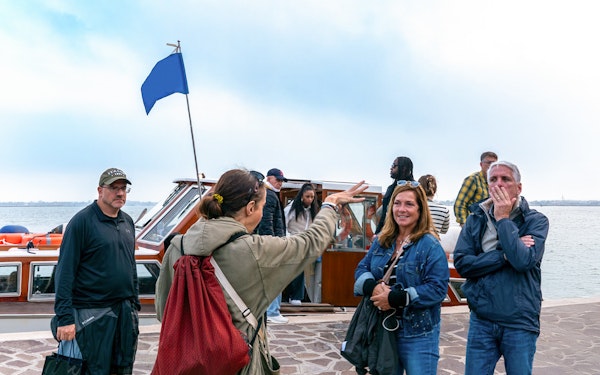
Murano & Burano Islands Private Boat Tour with Glass Blowing
4.5(1,781)4 hr 30 minViewFrom$29
Murano, Burano and Torcello Half-Day Sightseeing Tour
3.5(8,159)4 hr 30 minViewFrom$29
17. Torcello
The oldest-settled and most tranquil of the lagoon islands, thinly populated and green, usually the third stop on a Murano-Burano circuit. It suits travellers who want a quiet counterpoint to the crowds of the main island and a sense of the lagoon's older, emptier past. Bring water and comfortable shoes.
18. A full lagoon day trip by boat
For a bigger day out, a full-day lagoon cruise strings together the northern islands with time to actually get off the boat at each, rather than the rushed hop-on-hop-off version. It is the pick for travellers with a spare day who want the water and the islands at an unhurried pace.
Top Venice lagoon day trips

Venice Lagoon Private Sunset Tour
5.0(56)1 minute - 30 minutesViewFrom$189
Day trip to Venice by ship with free bus transfer to port
5.0(1)12 hoursViewFrom$112
Venice Full-Day Tour from Lake Garda
4.6(294)11 hours - 13 hoursViewFrom$99WarmVenice Private Boat Tour between Canals and Venice Lagoon
5.0(21)1 hr 30 minViewFrom$284
From Venice: The Best of the Dolomites Mountains Day Trip
4.8(150)10 hoursViewFrom$139
Venice Private Boat Tour: Murano, Burano and Torcello
5.0(16)4 hoursViewFrom$117
Morning Venice Lagoon Cruise: Murano and Burano Islands
3.6(373)5 hoursViewFrom$21
Lio Piccolo: Flamingos & Birdwatching Bike Tour in the Lagoon
5.0(7)5 hoursViewFrom$200
Full-Day Venice Lagoon Tour: Visit Murano, Burano and Torcello
3.7(363)6 hoursViewFrom$21Venice Lagoon Islands: Murano & Burano Guided Tour
4.5(760)5 hours - 6 hoursViewFrom$29
19. A day trip to the Veneto mainland
Venice makes a strong base for a day on the mainland - the villa-dotted countryside, nearby historic towns, and wine regions are all within reach by train or organised tour. It is the right call on a longer stay when you want a change of pace from the canals, and the guided versions handle the logistics so you are not decoding regional timetables.
See all Venice day trips →Museums and quieter corners
When the crowds around St Mark's get heavy, Venice's calmer half is a few bridges away.
20. The Gallerie dell'Accademia
Venice's great collection of the city's own painters, set in a former religious complex in Dorsoduro. It is a calmer, more focused visit than the crowded landmarks, and a strong choice for art lovers who want depth over spectacle. Timed entry keeps it manageable; a guided visit adds the context that makes the rooms come alive.
21. A contemporary-art collection on the Grand Canal
Dorsoduro also holds a celebrated modern-art collection in a canal-side palazzo, a complete change of register from the city's older masterpieces. It suits travellers who want a break from gilded interiors and a garden and terrace right on the water. Quiet, compact, and easy to fit into an afternoon.
22. A hidden-Venice walking tour
A guided walk through Cannaregio or Castello - the residential sestieri where laundry hangs over the canals and locals outnumber visitors. It is the antidote to the St Mark's crush, and the fastest way to learn the layout and the stories behind the quiet quarters. Book it for your first morning and the rest of the trip makes more sense.
Top Venice walking tours

Venice Highlights and Hidden Gems Walking Tour
4.8(8)2 hoursViewFrom$30
Private Gondola with Private Walking Tour In Heart of Venice
5.0(93)2 hr 30 minViewFrom$155
Venice Hidden Gems and Secrets Tour with a Local in Small Group
5.0(22)2 hoursViewFrom$83
Tour of The Real Hidden Venice
4.9(2,270)2 hoursViewFrom$69
Secret Venice, an unusual walk - Private Walking Tour
5.0(61)2 hoursViewFrom$444
Venice highlights and hidden gems Small Group walking tour
4.7(47)2 hoursViewFrom$41
Jewish Ghetto and Cannareggio Private Tour in Venice
5.0(6)2 hoursViewFrom$296
Venice in a Day: Walking Tour of Top Sights & Hidden Gems
4.7(197)2 hoursViewFrom$41
The Secrets of Venice - Private Tour
5.0(64)2 hoursViewFrom$169Gondola Ride with Private Walking Tour in Venice
5.0(322)3 hoursViewFrom$92
23. A photography walk at dawn
Venice before the day-trippers is a different city, and a sunrise photo walk gets you to the emptiest, best-lit corners with someone who knows exactly where the light lands. It suits keen photographers and anyone who would rather trade a lie-in for empty bridges and mirror-still canals.
24. Getting deliberately lost
The one thing on this list that costs nothing and needs no booking. Pick a direction away from the signposted route to San Marco or Rialto and wander until you are unsure where you are - the quiet campos, the tiny bridges, and the workaday canals are where Venice stops performing and simply exists. The main island is small enough that you are never truly lost for long, and a bridge or a signposted arrow will always steer you back towards the landmarks. Leave a half-day for it, ideally in the early morning or after dinner when the streets belong to residents again.
A note on the crowds and the calendar
Venice draws its heaviest crowds in the middle of the day, when day-trippers and cruise arrivals converge on the route between the train station, the Rialto, and St Mark's. The simplest way to sidestep them is to reverse the clock: see the headline sights first thing or in the evening, and save the quieter sestieri and the lagoon islands for the busy midday hours. If your visit lands during Carnival in the weeks before Lent, expect a spectacle and book everything - accommodation, interiors, and tours - far further ahead than usual.
How to pick from this list, fast
- One day in Venice: St Mark's Square, the Basilica and Doge's Palace with timed entry, the Rialto, and a late-afternoon gondola ride
- Two days: Add a Murano and Burano lagoon trip and an evening cicchetti crawl
- Three days: Add the Gallerie dell'Accademia or the modern-art collection, a hidden-Venice walk, and a slow half-day of getting lost
- Longer: Add a Veneto mainland day trip, a rowing lesson, and a dawn photography walk
If you are still shaping the trip, our Venice travel guide covers where to stay, how the vaporettos work, and when to go.
Compare every Venice experience in one search →Common questions
What are the top 10 things to do in Venice?
If you only have time for the headline experiences, the top ten are a gondola ride, St Mark's Square, St Mark's Basilica, the Doge's Palace, the Grand Canal by vaporetto or boat, the Rialto Bridge and its market, a cicchetti food crawl, a day trip to Murano and Burano, the Gallerie dell'Accademia, and a quiet wander through the back canals of Cannaregio or Dorsoduro. The first four are the ones worth booking timed or skip-the-line access for; the rest reward seeing on foot and by water.
How many days do you need in Venice?
Two full days is the realistic minimum to cover St Mark's Square, the Basilica, the Doge's Palace, the Rialto, and a gondola ride without sprinting. A third day lets you add a Murano and Burano lagoon trip and slow evenings of cicchetti and back-canal wandering, which is where Venice is at its best.
Is a gondola ride worth it in Venice?
For a first visit, yes - it is the signature Venice experience and the only way to sit low on the water inside the narrow side canals a vaporetto can't reach. The standard ride is a set rate for the boat (not per person), usually around 30 minutes. Shared gondola rides and combined walking-plus-gondola tours spread the cost, and a serenaded evening ride is the upgrade most couples book.
Should I book Venice attractions in advance?
The Doge's Palace and St Mark's Basilica both reward a pre-booked timed or skip-the-line slot from spring through autumn, when the walk-up queues in St Mark's Square are longest. Gondola rides, cicchetti tours, and lagoon-island boat trips are best reserved a few days ahead in peak season. Free outdoor sights - the squares, the bridges, the canal-side walks - need no booking at all.
What is the best day trip from Venice?
A Murano and Burano lagoon boat trip is the most-booked and highest-payoff option - Murano for its glass workshops and Burano for its painted fishermen's houses, usually combined with Torcello on a half-day on the water. If you would rather stay closer to the city, a Grand Canal boat tour or a hidden-Venice walking tour of Cannaregio and Castello fills a relaxed half-day.
What food experiences are worth booking in Venice?
A cicchetti and wine crawl through the bacari (Venice's small wine bars) is the food experience to book - a guide walks you to several stops for the city's signature small plates and a glass of local wine, usually in the early evening. Market tours around the Rialto and hands-on cooking classes with a lagoon-seafood focus are the other strong picks.
Can you see Venice without a tour?
Much of Venice is free and self-guided - St Mark's Square, the Rialto Bridge, and the maze of back canals cost nothing to wander, and getting lost on purpose is part of the appeal. Tours earn their place for the ticketed interiors (the Doge's Palace and Basilica), for the lagoon islands where a boat handles the logistics, and for cicchetti crawls where a local knows which bacari to pick.
What should you avoid booking in Venice?
Skip generic 'skip-the-line' offers that only bundle a fast entry you could book cheaper direct, and be wary of overlong lagoon tours that spend more time in transit than on the islands. A gondola ride is priced per boat, so splitting it between four to six people is far better value than paying solo. And leave a half-day unbooked - Venice rewards aimless wandering more than almost any city.
More reads
More guides to help you plan your trip

Doge's Palace Tickets in 2026: Types, Skip-the-Line, and St Mark's Access
A 2026 guide to Doge's Palace tickets - standard entry, skip-the-line, guided and Secret Itineraries tours, and how St Mark's Basilica access fits alongside.

The Ultimate Venice Travel Guide for First-Time Visitors (2026)
A field-tested 2026 Venice travel guide - where to stay by neighbourhood, how the vaporettos work, when to go, and the first-timer mistakes worth avoiding.

The Cost of a Guided Walking Tour: What 50 Cities Actually Charge in 2026
We measured the price of every guided walking tour in our cross-platform catalog across 50 cities. The median is $50. The more useful number is how far prices spread inside a single city.

1 Day in London: A Realistic Itinerary That Does Not Waste the Day
One day in London, planned around what actually fits - a walkable route through the centre, the two things worth booking, and the traps that eat an hour each.

1 Day in Paris: The Itinerary That Fits, and the One That Does Not
One day in Paris, planned around real distances - what to book, what to walk, what to skip, and why three museums in a day is the classic mistake.

2 Days in Lisbon: The Itinerary That Handles the Hills
Two days in Lisbon, planned around the terrain rather than the map - what to book, what to walk, and why the second day should leave the city.

2 Days in Tokyo: Two Districts, Done Properly
Two days in Tokyo is enough for two districts and nothing else - and that is the right plan. A day-by-day route, what to book, and what to deliberately skip.

5 Days in Rome: The Itinerary Where the City Finally Opens Up
Five days in Rome is where the checklist ends and the city begins. A day-by-day route with the two day trips worth taking and the mistakes that waste the extra time.