MilanListicleDuomoLake ComoAperitivo
Things to Do in Milan: 24 Experiences Worth Booking in 2026
A 2026 Milan shortlist - 24 rooftop climbs, art bookings, design walks, football tours, aperitivo crawls and lake day trips grouped by theme, with what to book ahead.
By SimilarTours Editorial · Travel Research · · 17 min read

Milan gets an unfair reputation as the Italian city you pass through on the way to somewhere prettier. Spend two days here and that falls apart quickly. This is a city where a cathedral roof doubles as a walkway among the spires, where the aperitivo hour is a genuine local institution rather than a tourist invention, and where one of the most famous paintings on earth sits behind a booking system that defeats people who leave it late.
This guide cuts the list to 24 experiences worth booking, grouped so you can pull the right block depending on whether you are here for the landmarks, the art, the design and shopping, the football, the food, or a day out at the lakes. Each entry gives you one clear reason it earns a place and who it suits.
We compared the Milan experiences currently bookable across our partner sites and grouped them by what they actually deliver, so you can compare like with like on one comparison site instead of ten browser tabs. Availability and pricing are live at the moment you search, and depend on date, group size, and language.
Browse all Milan experiences and tickets →The Duomo and the centre
Everything in Milan orients around one square. Start here, and give it more time than you think you need.
1. Milan Cathedral
The city's defining building and the reason most people's first morning starts in Piazza del Duomo. From the ground it is a wall of pale marble, spires and carved figures that changes character completely depending on the light, and the interior is cool, dim and vast after the glare of the square outside. Entry is ticketed and timed, and the queue at the security check builds through the middle of the day in season, so an early slot is worth more than it sounds.
Top Duomo Milan tickets and tours
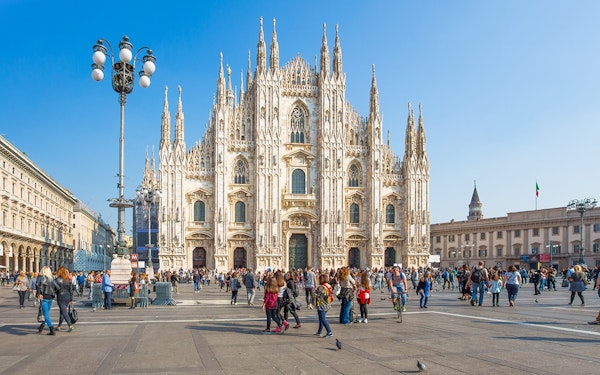
Duomo Milan Skip-the-Line Tickets
4.5(932)30 minutesViewFrom$39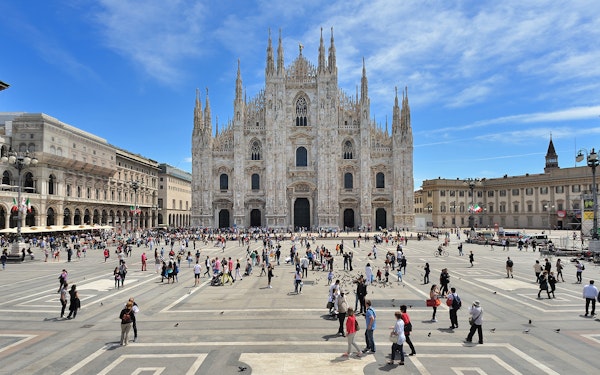
Milan Cathedral and Terraces Skip-the-Line Guided Tour
4.6(170)1 hourViewFrom$57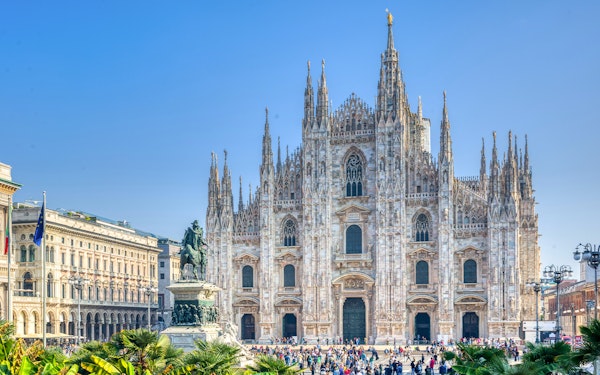
Milan Duomo Full Complex Skip-the-Line Tickets with Terrace Access
4.5(1,061)30 minutesViewFrom$45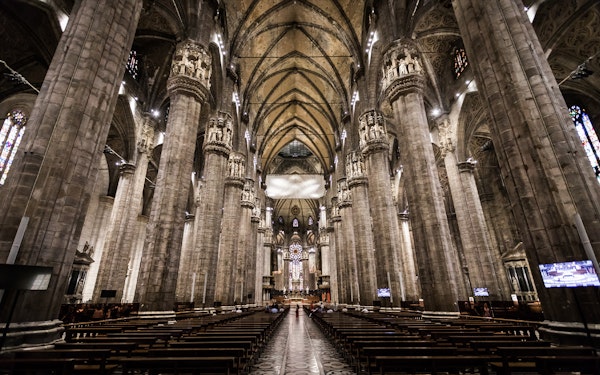
Milan Duomo Cathedral Skip-the-Line Tour
3.8(10)1 hourViewFrom$46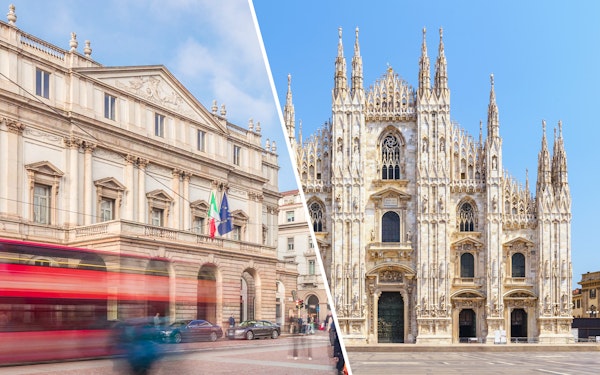
Combo: La Scala Theater + Milan Cathedral Skip-the-Line Guided Tour
3.5(4)2 hoursViewFrom$64
Milan: Private Tour. Duomo, Gelato Tasting & Last Supper
5.0(31)3 hoursViewFrom$698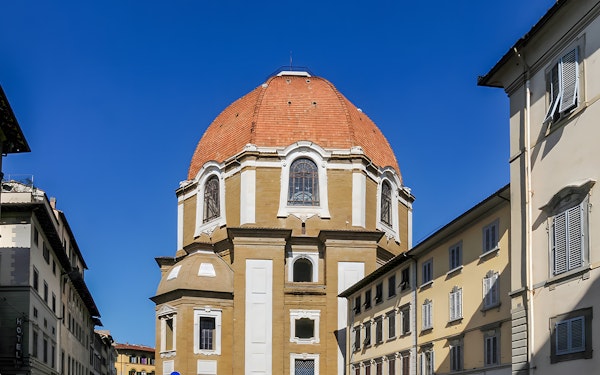
Medici Chapels Skip-the-Line Tickets
4.5(1,933)ViewFrom$20
Private Milan Full Day Tour Duomo Tickets, Highlights and Lunch
5.0(16)7 hoursViewFrom$329
Borghese Gallery skip the line with audio guide
5.0(9)2 hoursViewFrom$51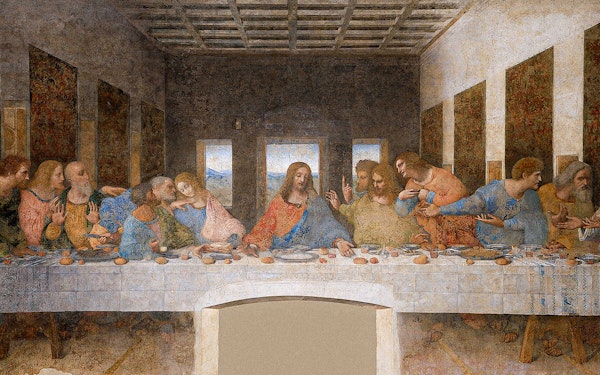
Da Vinci's Last Supper Skip-the-Line Entry + Guided Tour
4.6(2,016)3 hoursViewFrom$68
2. The rooftop terraces
The experience that turns a good Milan trip into a memorable one. Rather than looking at the cathedral, you walk on it, threading between the spires and statues at roof level with the square dropping away below and the city spreading out beyond. You can reach it by stairs or by lift, and the two routes are priced and paced differently. It is the best single viewpoint in central Milan and the one thing here we would tell anyone not to skip. Our Duomo Milan tickets guide breaks down every ticket family and the stairs-versus-lift decision.
Top Duomo rooftop tickets in Milan
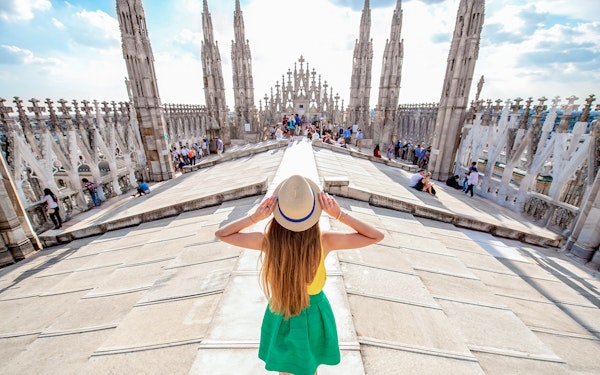
Milan Cathedral Rooftop Tickets
4.4(1,498)30 minutesViewFrom$22Milan Duomo Full Complex Skip-the-Line Tickets with Terrace Access
4.5(1,061)30 minutesViewFrom$45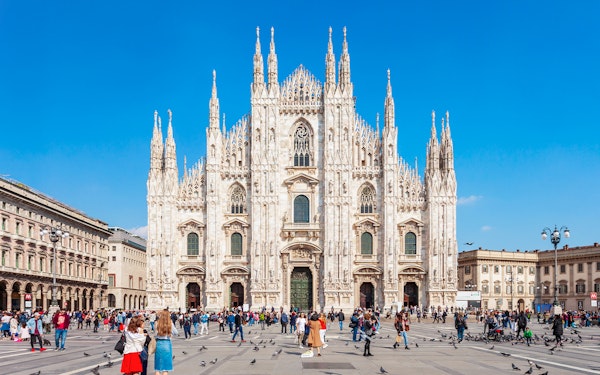
Milan Cathedral and Rooftop Tickets
4.5(4,451)30 minutesViewFrom$45Milan Cathedral and Terraces Skip-the-Line Guided Tour
4.6(170)1 hourViewFrom$57Duomo Milan Skip-the-Line Tickets
4.5(932)30 minutesViewFrom$39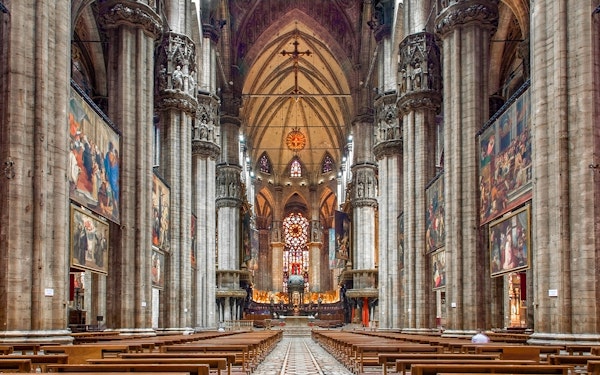
Milan Cathedral Entry Tickets
4.5(1,718)30 minutesViewFrom$23
Florence Duomo Small Group Tour with Exclusive Terrace Access
5.0(19)1 hr 30 minViewFrom$253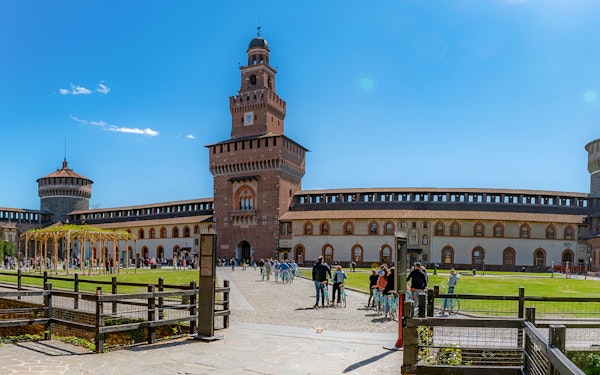
Tickets to Castello Sforzesco & Rondanini's Pieta
4.5(112)2 hoursViewFrom$23
Milan Private Tour - Duomo, Sforza Castle & Gelato Tasting
5.0(40)3 hoursViewFrom$290
YesMilano: Flash, Standard & All-Inclusive City Passes
3.7(19)3 daysViewFrom$46
3. Piazza del Duomo
The open square in front of the cathedral, and the hinge the whole city turns on. It is free to stand in, it is where the trams and the crowds and the pigeons converge, and it is the natural meeting point for almost every walking tour in the city. Circle its edges rather than cutting straight across and you will pick up the arcades, the equestrian statue, the entrance to the Galleria and the side streets that lead to everything else.
Do the centre early or late
The Duomo square and the Galleria are at their worst in the middle of the day, when tour groups, shoppers and commuters all overlap. Come at opening or after dinner and you get the same buildings with a fraction of the people, plus far better light for photographs. Save midday for a museum interior or a long lunch.
4. The Galleria Vittorio Emanuele II
The glass-roofed arcade that links the cathedral square to the opera house, lined with cafes and luxury storefronts under an iron and glass dome. Walking through is free and takes five minutes, but it deserves ten more: stand under the central dome, look up, and then look at the mosaic floor underfoot where visitors gather for a small local ritual involving a heel and a spin. It is the most photographed interior in Milan for a reason.
5. A walking tour of the historic centre
The efficient way to make sense of a city that does not lay itself out obviously. A two to three hour guided walk stitches the Duomo, the Galleria, the opera house, the castle approach and the older streets between them into one route with the context that turns buildings into stories. Book it for your first morning and the rest of the trip navigates itself.
Top Milan walking tours

Milan: Private Walking Tour with Duomo, Castle and Gelato
5.0(42)2 hours - 3 hoursViewFrom$97
Milan Must‑Sees Private Walking Tour with Gelato for Newcomers.
5.0(18)2 hoursViewFrom$97
Milan Walking Tour Historical and Cultural Treasures
5.0(11)2 hours - 3 hoursViewFrom$47
Milan Uncovered: Private Duomo, Castle & Hidden Gems Tour
5.0(19)1 hr 45 min - 2 hr 5 minViewFrom$46
Private Milan Walking Tour with Last Supper and Duomo
4.9(47)3 hoursViewFrom$349Private Milan Full Day Tour Duomo Tickets, Highlights and Lunch
5.0(16)7 hoursViewFrom$329
Jewish Guided Tour in Milan
4.9(48)3 hoursViewFrom$118
Milan Highlights, Duomo & Last Supper Full Day Private Tour
5.0(20)6 hoursViewFrom$627
Explore History and Style with this Walking Tour in Milano
5.0(15)3 hoursViewFrom$189
Bergamo private walking guided tour
4.8(12)3 hoursViewFrom$225
6. A hop-on hop-off bus loop
Not glamorous, but genuinely useful in Milan, where the sights sit further apart than in most Italian centres and the walk between them is often through ordinary city blocks. The open-top loops connect the Duomo, the castle, the newer high-rise district and the stadium, and they suit families, short stays and anyone visiting in the heat of August. Treat it as transport with commentary rather than a tour in itself.
Top Milan hop-on hop-off bus tours
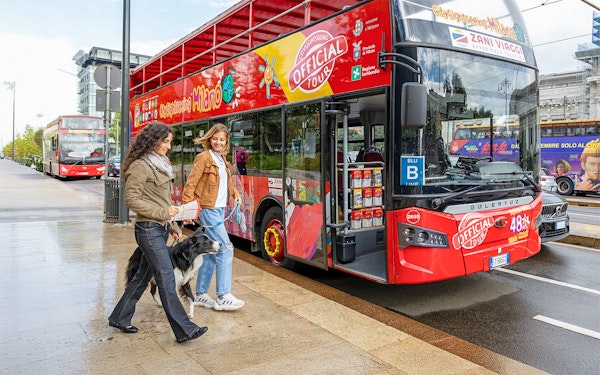
City Sightseeing: Milan Hop-on Hop-off Bus Tour
4.2(1,578)ViewFrom$25
Combo: Turin Hop-on Hop-off Bus Tour + Venaria Reale Skip-the-Line Tickets
4.0(2)1 dayViewFrom$56
Combo: Turin Hop-on Hop-off Bus Tour + Lavazza Museum Tickets
1.0(1)1 dayViewFrom$43
Combo: Turin Hop-on Hop-off Bus Tour + National Automobile Museum Tickets
4.8(4)2 daysViewFrom$52
City Sightseeing: Rome Hop-on Hop-off Bus Tour
4.4(3,196)ViewFrom$17
Big Bus: Rome Hop-on Hop-off Bus Tour with Hop-on Hop-off River Cruise
1.0(1)ViewFrom$57YesMilano: Flash, Standard & All-Inclusive City Passes
3.7(19)3 daysViewFrom$46
Milan: Segway Tour Local Tourist Guide Live - 2 hours & half
5.0(19)2 hr 30 minViewFrom$77
Green Line: Rome Hop-on Hop-off Bus Tour
4.2(890)ViewFrom$19
Chicago Hop-on Hop-off Sightseeing Tour by Open-top Bus
3.9(2,395)2 hoursViewFrom$49
Art and the big interiors
Milan holds a heavyweight art collection and the single hardest reservation in Italy. Plan this block first, because it is the part with real booking constraints.
7. The Last Supper
Leonardo's mural is the one thing in Milan you cannot leave to chance. Visits run in small timed groups for a short, strictly enforced window, which keeps the total number of daily visitors low and the tickets scarce. Official slots are released in blocks and the popular dates disappear fast; guided allocations are frequently what remains once they do. If you want to see it, sort it before you book anything else. Our Last Supper tickets guide explains exactly how the release system works and the routes in when the official slots are gone.
Top Last Supper tickets and tours in Milan
Milan: Private Tour. Duomo, Gelato Tasting & Last Supper
5.0(31)3 hoursViewFrom$698
Historic Milan Tour with Skip-the-Line Last Supper Ticket
4.6(2,044)3 hoursViewFrom$115Da Vinci's Last Supper Skip-the-Line Entry + Guided Tour
4.6(2,016)3 hoursViewFrom$68
Milan Duomo & The Last Supper Skip-the-Line Small Group Tour
4.6(3,093)3 hoursViewFrom$141Private Milan Walking Tour with Last Supper and Duomo
4.9(47)3 hoursViewFrom$349
Best of Milan Experience Including Da Vinci's The Last Supper and Milan Duomo
4.7(1,760)6 hoursViewFrom$159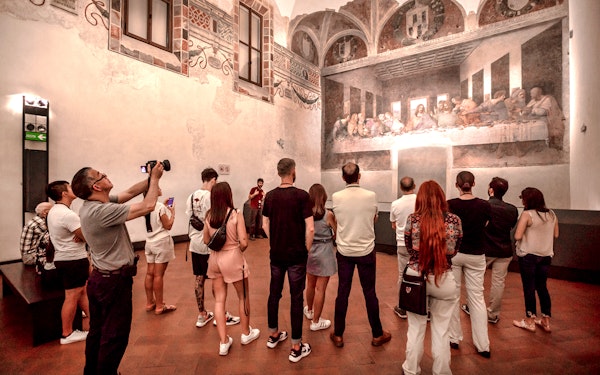
Milan City Center and Last Supper Guided Tour
4.5(710)3 hoursViewFrom$115
Skip The Line: Best Of Milan Tour With Last Supper & Milan Duomo
4.6(460)3 hoursViewFrom$104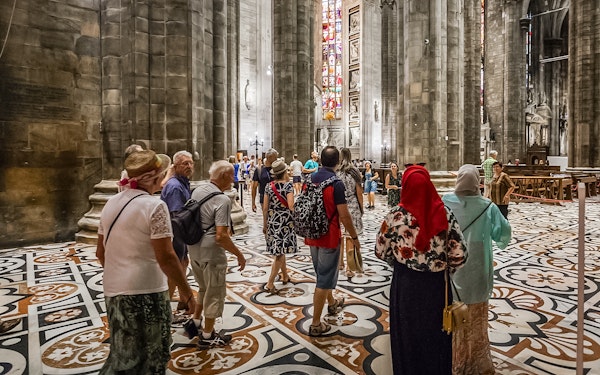
Milan in a Day: Downtown, Last Supper, & Cathedral Guided Tour with Museum Pass
4.4(33)6 hoursViewFrom$160
Last Supper & Best of Milan Tour: Choose Your Option
3.9(52)1 hour - 3 hoursViewFrom$19
8. The Sforza Castle
The broad brick fortress at the top of the main shopping street, with courtyards you can walk through for nothing and a cluster of museums inside that carry a ticket. It is a good low-effort stop: pass through the gate, cross the courtyards, decide on the spot whether you want the collections, and continue out the back into the park. Guided visits are the way to go if you want the museum rooms explained rather than skimmed.
Top Sforza Castle tours in Milan
Milan: Private Walking Tour with Duomo, Castle and Gelato
5.0(42)2 hours - 3 hoursViewFrom$97Milan Private Tour - Duomo, Sforza Castle & Gelato Tasting
5.0(40)3 hoursViewFrom$290Milan Uncovered: Private Duomo, Castle & Hidden Gems Tour
5.0(19)1 hr 45 min - 2 hr 5 minViewFrom$46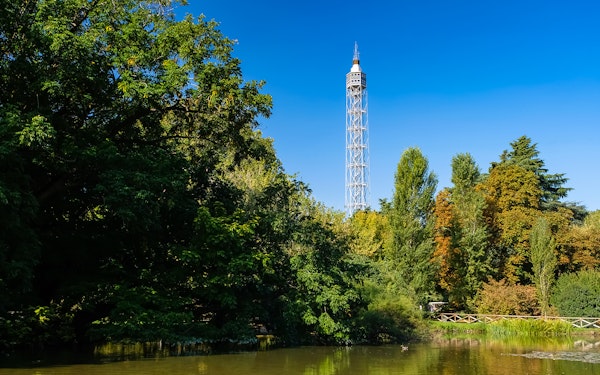
Torre Branca & Castello Sforzesco Guided Tour with Park Walk
4.8(5)2 hr 30 minViewFrom$46
Milan: The Last Supper & Sforza Castle Guided Tour
4.6(155)2 hoursViewFrom$112Tickets to Castello Sforzesco & Rondanini's Pieta
4.5(112)2 hoursViewFrom$23
Milan: Sforza Castle Entry Ticket & Audio Guide
3.3(37)1 hour - 2 hoursViewFrom$23
Sforza Castle and Michelangelo's Pietà Rondanini guided experience
4.6(274)1 hr 30 minViewFrom$57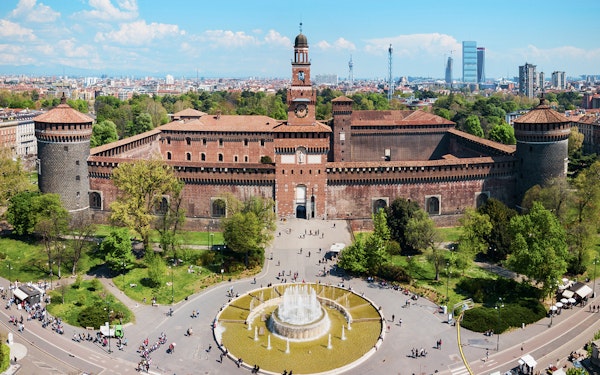
The Last Supper & Castello Sforzesco Guided Tour
4.0(3)2 hoursViewFrom$102
The Last Supper and Sforza Castle Tour - group tour
4.5(171)1 hr 30 minViewFrom$100
9. The Brera picture gallery
The city's great collection of Italian painting, upstairs in an academy building in the middle of the Brera district. It is calmer and more focused than the headline sights, the rooms are walkable in a couple of hours, and the surrounding streets are the nicest in central Milan for a coffee afterwards. A strong pick for a rainy afternoon or for travellers who want depth rather than spectacle.
10. La Scala and its museum
Milan's opera house, and a place you can experience at three different levels: a look at the museum and the view into the auditorium from a box, a guided visit that adds the backstage context, or an actual performance if your dates and budget align. Even for people with no interest in opera, the interior is worth thirty minutes for the sense of what this city takes seriously.
11. A Leonardo-themed museum visit
Beyond the mural, Milan holds collections built around science, invention and models drawn from the same period, which land particularly well with older kids and anyone whose interest in Leonardo runs to the engineering rather than the painting. It is also a reliable backup plan when Last Supper slots are gone for your dates.
12. A modern and contemporary art afternoon
Milan's contemporary scene sits in converted industrial buildings and foundation galleries away from the tourist centre, and it is one of the clearest signs that this is a working city rather than an open-air museum. Go if you want an afternoon that feels current, and pair it with a walk through the surrounding neighbourhood rather than treating it as a single stop.
See all Milan cultural and historical experiences →Design, shopping and the modern city
This is the block that separates Milan from every other Italian city break.
13. The Quadrilatero fashion district
The grid of streets north of the cathedral where the flagship stores sit, and an experience even if you buy nothing at all. The window displays are staged like exhibitions, the architecture is worth the walk on its own, and the people-watching in the early evening is the best in the city. Walk it slowly, then step one street sideways for a coffee at a fraction of the price.
14. A design and architecture walk
Milan's reputation as a design capital is not marketing, and a guided design walk is the fastest way to see why: mid-century interiors, showrooms, courtyards you would never push open on your own, and a running explanation of how the city's furniture and product design culture developed. It suits architects, designers and anyone who has ever fallen down a furniture rabbit hole.
Top Milan design and city tours
Milan Must‑Sees Private Walking Tour with Gelato for Newcomers.
5.0(18)2 hoursViewFrom$97
Chicago River 45-Minute Architecture Tour from Magnificent Mile
4.7(3,687)45 minutesViewFrom$28Milan: Private Walking Tour with Duomo, Castle and Gelato
5.0(42)2 hours - 3 hoursViewFrom$97
Treasures of Milan: Fashion and Design Private Tour
4.9(115)3 hoursViewFrom$107Explore History and Style with this Walking Tour in Milano
5.0(15)3 hoursViewFrom$189
Podcast Tour Milan the Architecture of Tomorrow
2 hr 38 minViewFrom$7Private Milan Walking Tour with Last Supper and Duomo
4.9(47)3 hoursViewFrom$349
Milan Design And Fashion Walking Tour With A Guide
3.8(8)3 hoursViewFrom$46
Milan Museum and Gallery Tour: An Art Experience
5.0(1)5 hoursViewFrom$130
Duomo di Milano Guided Tour with Rooftop Access
3.5(83)1 hr 45 minViewFrom$46
15. An outlet or shopping day trip
The big fashion outlets sit outside the city and run shuttle services in, which makes a half-day or full-day shopping run one of the easiest things to book from Milan. It is a genuinely popular use of a third day, particularly in the sale windows, and the organised transfers save you a car hire and a parking problem.
16. The Porta Nuova high-rise district
The glass towers and elevated gardens north of the centre, built on former railway land and now the sharpest contrast to the marble and brick of the old city. It is free to walk, good at dusk when the towers light up, and the plazas underneath are full of Milanese rather than visitors. Add it to a day when you want to see what the city looks like now rather than what it looked like centuries ago.
17. A viewpoint above the city
Beyond the cathedral roof, Milan has high terraces and observation levels that give you the flat Lombard plain, the ring of the old city and, on a clear day, the Alps sitting improbably on the horizon. Go on a crisp day rather than a hazy one, and go late enough to catch the light changing.
See all Milan walking tours →Football and San Siro
Milan is a football city in a way that shapes its weekends, and the stadium is a genuine sight rather than a niche detour.
18. A San Siro stadium tour
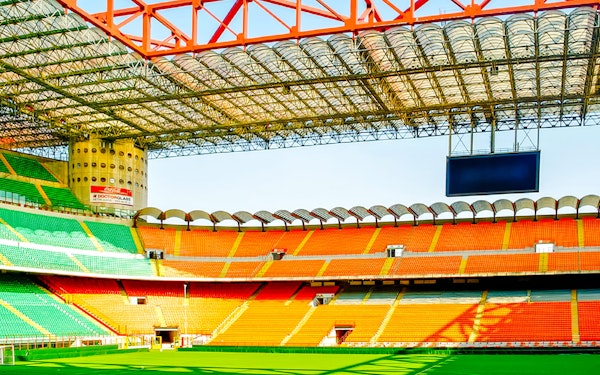
The self-guided and guided tours take you through the stands, the tunnel, the dressing rooms and the museum, and the scale of the place from pitch level is the part that surprises people who are not especially interested in the sport. Check the fixture calendar before booking, because access is restricted around match days and the tour route shortens or closes entirely.
Top San Siro stadium tours in Milan
San Siro Stadium and Museum Guided Tour
4.3(268)1 hourViewFrom$45
Official San Siro Stadium and Museum Tour in Milan
3.8(478)1 hourViewFrom$46
San Siro Museum Ticket and Gray Line Milan Hop-On Hop-Off Bus
5.0(1)1 hour - 2 hoursViewFrom$44Torre Branca & Castello Sforzesco Guided Tour with Park Walk
4.8(5)2 hr 30 minViewFrom$46
Skywalk Tour San Siro Stadium in Milan
1 hour - 1 hr 30 minViewFrom$101
Sao Paulo Private Football Museum and Stadiums Guided Tour
5.0(6)8 hoursViewFrom$294
Milan Hop-On Hop-Off Bus Tour with Four Routes
3.6(1,302)50 minutes - 1 hr 20 minViewFrom$26Tickets to Castello Sforzesco & Rondanini's Pieta
4.5(112)2 hoursViewFrom$23Last Supper & Best of Milan Tour: Choose Your Option
3.9(52)1 hour - 3 hoursViewFrom$19Private Milan Walking Tour with Last Supper and Duomo
4.9(47)3 hoursViewFrom$349
19. A match at San Siro
If your dates line up with a home fixture, going to the game beats the tour comfortably. The atmosphere in the upper tiers is the point, and it is one of the few experiences in this list that you genuinely cannot replicate anywhere else in Italy. Sort tickets early, and plan the metro trip back with the crowd in mind.
Food, aperitivo and the canals
Milanese eating has its own rhythm, and the early evening is when the city is most itself.
20. An aperitivo crawl in Navigli
The essential Milan evening. The canal district south of the centre fills up at dusk, and a guided crawl walks you between a few bars for drinks and the small plates that come with them, which is how the city handles the gap between work and dinner. It suits couples and small groups, replaces a sit-down meal on the right night, and takes you to places you would not pick from a street full of near-identical terraces.
Top Milan food and aperitivo tours
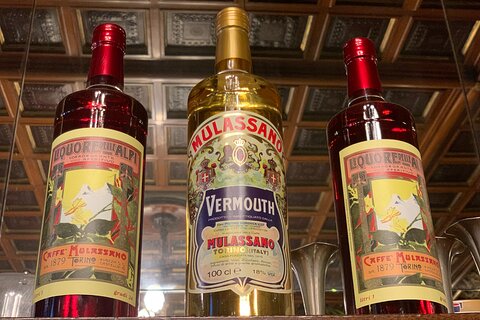
AperiTOur, enjoy the typical aperitif in Turin wandering in the city center
5.0(2)2 hr 30 minViewFrom$354
Aperitif with Alta Langa
5.0(1)45 minutesViewFrom$24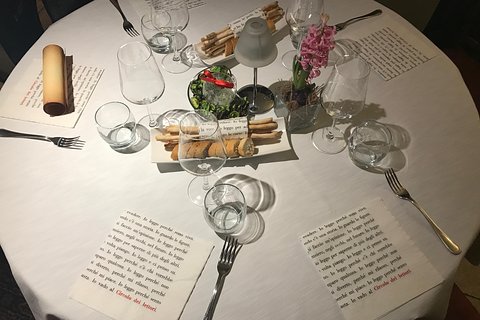
EatinTOur ®, experience a progressive dinner in the most iconic historic venue
5.0(2)3 hoursViewFrom$413
The art of the Italian Aperitivo with a local: Learn & Enjoy in Parma
5.0(3)2 hoursViewFrom$124
The art of the Italian Aperitivo with a local: Learn & Enjoy in Vicenza
2 hoursViewFrom$124
The art of the Italian Aperitivo with a local: Learn & Enjoy in Palermo
5.0(3)2 hoursViewFrom$124
Padua Food Tour Market to Osteria, 10+ Tasters, Wine, Local Guide
5.0(23)3 hoursViewFrom$73
Wine & Food tasting in Venice with a Sommelier
5.0(9)2 hoursViewFrom$710
Wine Class and Tasting in Milan - Semi Private tour
5.0(10)1 hr 30 minViewFrom$116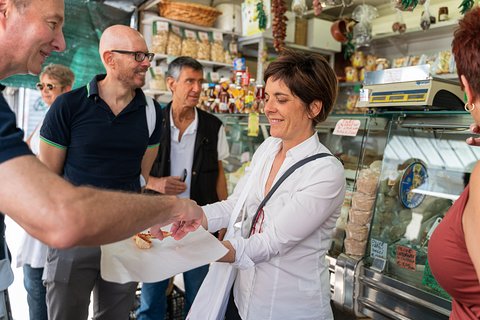
Small-group Street food tour in Pavia
3 hoursViewFrom$105
21. The Navigli canals by day
The same district in daylight is a different, quieter place: towpaths, antique stalls on market weekends, and the water reflecting the low buildings on either side. Walk it in the late afternoon before the crowds arrive, then stay on for the aperitivo hour and you get both versions in one outing.
22. A food walk through a local neighbourhood
Milan's food scene runs on Lombard cooking rather than the southern Italian dishes most visitors expect, and a guided tasting walk is the quickest way to work out the difference. Expect a market, a few counters, cured meats and cheeses from the region, and a guide willing to tell you which of the famous local dishes is actually worth ordering later in the trip.
23. A cooking class
A small-group class built around the region's staples, usually finishing at the table eating what you made. It works particularly well as an evening activity that doubles as dinner, and it is a strong wet-weather fallback in a city where the outdoor options thin out in the rain.
See all Milan food and drink experiences →Day trips worth leaving the city for
Milan's real advantage over the rest of Italy is what sits within an hour or two of its stations.
24. Lake Como and Bellagio
The headline day trip and the one most visitors book. The lake sits under mountains an hour or so north, the lakeside towns are linked by ferries, and Bellagio on its headland between the two arms of the water is the postcard stop. Organised day trips handle the train, the ferry timings and the walking distances, which matters more here than it sounds, because doing it independently means committing to a timetable you cannot easily change mid-afternoon. Go on a clear day if you can choose.
Top Lake Como day trips from Milan

Lake Como Day Trip from Milan by Train: Private & Personalized
5.0(15)10 hoursViewFrom$492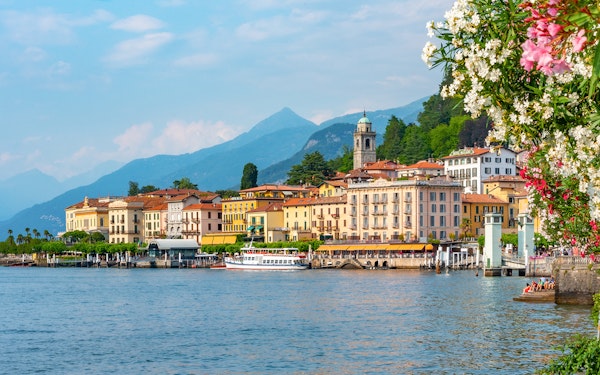
From Milan: Lake Como & Bellagio by Bus with Private Boat Tour
4.4(1,465)10 hoursViewFrom$78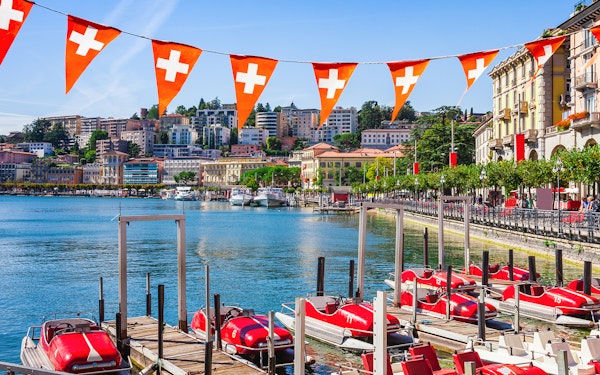
From Milan: Lake Como & Lugano Day Trip with Cruise
4.5(145)10 hoursViewFrom$115
Lake Como Day Tour: Villas, Iconic Landscapes, and Scenic Cruise
5.0(6)10 hours - 12 hoursViewFrom$1,006
Private Car Tour From Milan: Como, Bellagio, Varenna, Villa Visit
5.0(29)10 hoursViewFrom$816
Lake Como & Bellagio Tour | From Lugano
2.7(3)9 hoursViewFrom$200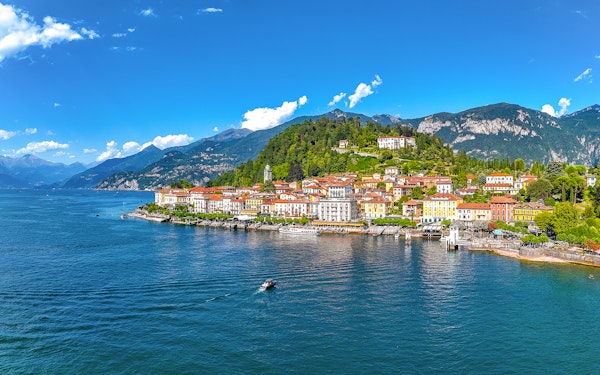
From Milan: Lake Como, Lugano & Bellagio by Bus with Private Boat Tour
4.4(1,130)10 hr 30 minViewFrom$78
Half Day Boat Tour on Lake Como with Aperitif
5.0(9)5 hoursViewFrom$1,301
Full Day Private Lake Como Speedboat Tour with drinks & Swimming
5.0(28)6 hours - 8 hoursViewFrom$2,839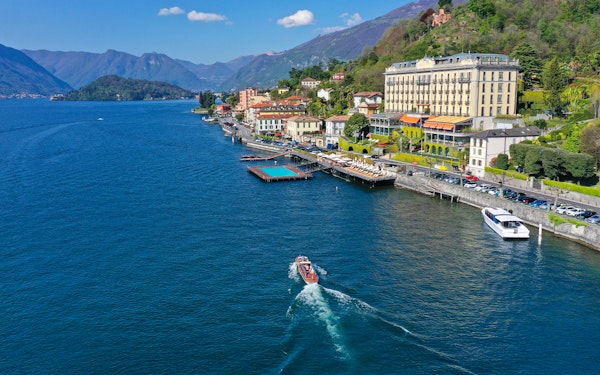
From Milan: St. Moritz-Tirano Day Trip with Lake Como Cruise & Bernina Red Train
4.8(6)13 hoursViewFrom$202
Bergamo, Verona and the other options
Three more worth knowing about. Bergamo is the short, cheap, high-payoff option: a walled upper town on a hill reached by funicular, close enough to Milan that a half-day works. Verona is the pick if you would rather see a second city than a lake, with an intact Roman arena at its centre and an easy train connection. Lake Maggiore is the quieter lake, with island gardens reached by boat and fewer crowds than Como in the peak weeks. All three are bookable as organised days out if you want the logistics handled.
Top day trips from Milan

Verona and Lake Garda Day Trip from Bergamo
4.6(89)10 hoursViewFrom$82
Venetian Wonders: Day Trip to Venice from Bergamo
4.1(16)12 hoursViewFrom$129
Private Day Trip to Sirmione from Venice
4.7(7)8 hours - 9 hoursViewFrom$590
Milan Bus Transfer from or to Bergamo Airport
5.0(1)55 minutesViewFrom$12Bergamo private walking guided tour
4.8(12)3 hoursViewFrom$225
Bergamo sightseeings tour. Magic of medieval town.
5.0(2)3 hoursViewFrom$296
Lake Como & Bellagio Day Trip with Boat Cruise from Milan
4.1(2,648)12 hoursViewFrom$115
Full Day Tour to Verona and Garda Lake from Abano Terme
5.0(2)9 hours - 10 hoursViewFrom$278
Verona & Lake Garda with Boat Cruise: Full-Day Tour from Milan
5.0(27)12 hoursViewFrom$158From Milan: Lake Como & Bellagio by Bus with Private Boat Tour
4.4(1,465)10 hoursViewFrom$78
A note on timing and the calendar
Milan runs on a business calendar as much as a tourist one. The big trade fairs and fashion weeks fill hotels and push prices up sharply for a few days at a time, and August is the opposite problem, with a stretch of the month when a good share of the city's restaurants and independent shops simply close while the Milanese leave for the coast and the mountains. Spring and early autumn give you the best combination of open kitchens, comfortable walking weather and clear enough air to see the Alps from the cathedral roof.
How to pick from this list, fast
- One day in Milan: the Duomo and its rooftop terraces first thing, the Galleria, the castle courtyards, and an aperitivo in Navigli
- Two days: add the Last Supper if you booked ahead, the Brera gallery and district, and a walking tour of the centre
- Three days: add a Lake Como day trip, or swap in Bergamo for a shorter day out
- Longer: add San Siro, a design walk, the Porta Nuova district, and an outlet or Verona day
If you are still shaping the trip, our Milan travel guide covers where to stay by neighbourhood, how the metro and trams work, and the mistakes first-timers most often regret.
Compare every Milan experience in one search →Common questions
What are the top 10 things to do in Milan?
The headline ten are the Duomo and its rooftop terraces, the Galleria Vittorio Emanuele II, Leonardo's Last Supper, the Sforza Castle and the park behind it, La Scala, the Brera district and its picture gallery, the Navigli canals at aperitivo hour, a San Siro stadium tour, the Milan skyline from a high viewpoint, and a day trip out to Lake Como. Of those, the Last Supper and the Duomo rooftops are the two that genuinely need booking ahead.
How many days do you need in Milan?
Two full days is enough for the centre: the Duomo and its roof, the Galleria, the castle, Brera, an evening on the Navigli, and one big ticketed sight such as the Last Supper. A third day is what turns a city break into a trip, because it buys you either a lake day out at Como or Bergamo or a slower run through the design and shopping districts.
Do you need to book Milan attractions in advance?
Two of them, firmly. The Last Supper works on tiny timed groups and sells out further ahead than anything else in the city, and the Duomo rooftop terraces run on timed entry that fills through the afternoon in season. A San Siro stadium tour and popular food or aperitivo walks are worth a few days notice in peak months. The squares, the Galleria, the Navigli towpaths and the parks need nothing at all.
Is the Duomo rooftop worth it in Milan?
Yes, and it is the single experience most first-time visitors underrate. You walk among the spires and statues at roof level with the square below on one side and the city stretching out on the other, which is a completely different sight from the cathedral seen from the ground. You can climb the stairs or take the lift, and our Duomo Milan tickets guide compares the two routes and every ticket family.
What is the best day trip from Milan?
Lake Como is the default and it earns it - the lakeside towns, the ferry hops and Bellagio on its headland make an easy full day by train or organised tour. Bergamo is the strong alternative for a shorter, cheaper day in a walled upper town, and Verona suits anyone who wants a second Italian city rather than a lake. Lake Maggiore and its island gardens are the quieter fourth pick.
What food experiences are worth booking in Milan?
An aperitivo walk is the one to book, because it is the local ritual rather than a tourist invention - a guide takes you between a few bars in Navigli or Brera for drinks and the small plates that come with them. Beyond that, a market and tasting walk through a food-focused neighbourhood and a hands-on risotto or pasta class are the picks that reliably land well.
Can you see Milan without a tour?
Most of it, yes. The squares, the Galleria, the Navigli, the parks and the shopping quarters are all free to walk and easy to navigate on the metro. Tours earn their keep for the Last Supper, where the guided allocations are often the only slots left, for San Siro when a match blocks the self-guided route, and for lake day trips where a coach removes the timetable puzzle.
Is Milan worth visiting for more than a day?
It is, though it rewards a different kind of visitor than Venice or Florence. Milan is a working city that happens to hold world-class art, and the pleasure of it is in the neighbourhoods - Brera, Navigli, Porta Nuova, the design streets - rather than a single postcard route. Give it two nights and it stops feeling like a stopover.
More reads
More guides to help you plan your trip

Duomo Milan Tickets in 2026: Every Ticket Type Compared
A 2026 guide to Duomo Milan tickets - cathedral entry, rooftop terraces by stairs or lift, fast-track, guided tours and combined passes compared.

The Ultimate Milan Travel Guide for First-Time Visitors (2026)
A field-tested 2026 Milan travel guide - where to stay by neighbourhood, how the metro and trams work, when to go, and the first-timer mistakes worth avoiding.

Last Supper Tickets in Milan: The 2026 Guide to Italy's Hardest Reservation
A practical 2026 guide to seeing Leonardo's Last Supper - how the 15-minute slot system works, why official tickets vanish in days, and the routes in when they do.

The Cost of a Guided Walking Tour: What 50 Cities Actually Charge in 2026
We measured the price of every guided walking tour in our cross-platform catalog across 50 cities. The median is $50. The more useful number is how far prices spread inside a single city.

1 Day in London: A Realistic Itinerary That Does Not Waste the Day
One day in London, planned around what actually fits - a walkable route through the centre, the two things worth booking, and the traps that eat an hour each.

1 Day in Paris: The Itinerary That Fits, and the One That Does Not
One day in Paris, planned around real distances - what to book, what to walk, what to skip, and why three museums in a day is the classic mistake.

2 Days in Lisbon: The Itinerary That Handles the Hills
Two days in Lisbon, planned around the terrain rather than the map - what to book, what to walk, and why the second day should leave the city.

2 Days in Tokyo: Two Districts, Done Properly
Two days in Tokyo is enough for two districts and nothing else - and that is the right plan. A day-by-day route, what to book, and what to deliberately skip.