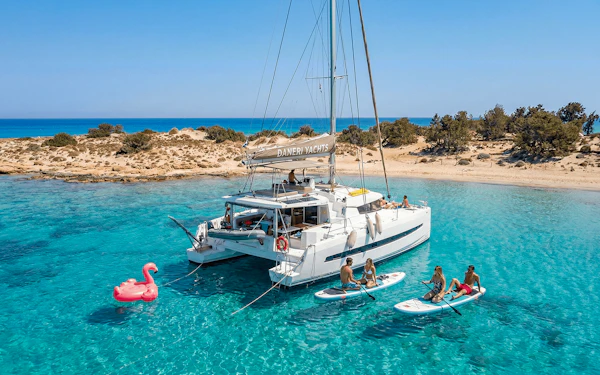
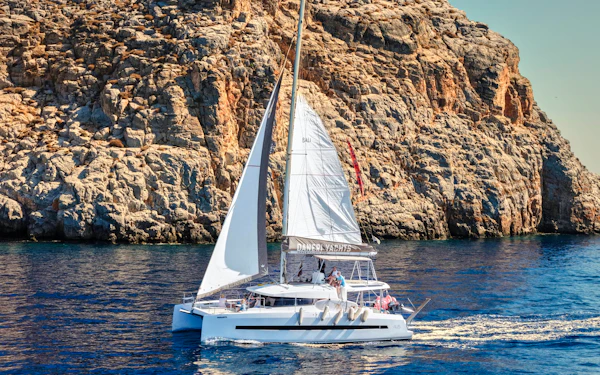
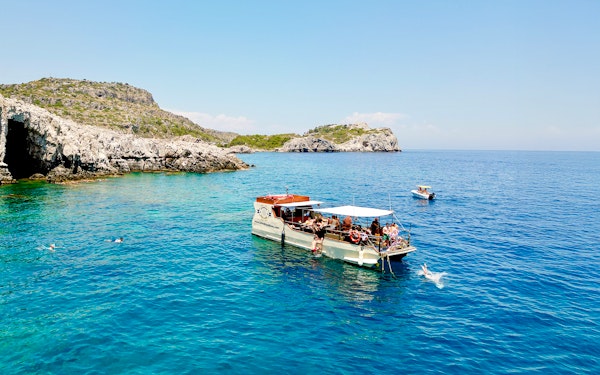
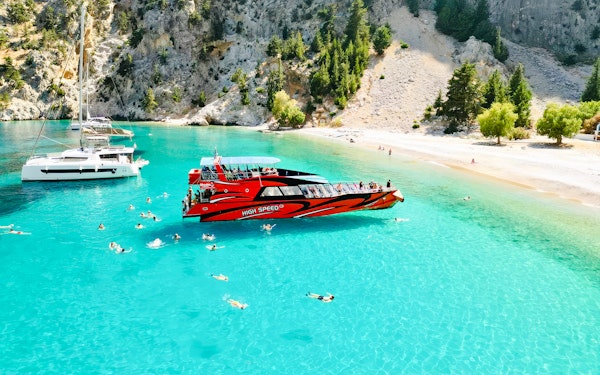
Greece day tours split between Athens and the islands, with Santorini, Mykonos and Crete the main island bases, a ferry or short flight from the capital. In Athens, the Acropolis and the Acropolis Museum lead, sold as entry tickets and as guided walks. Santorini and Mykonos are boat-trip islands: catamaran days, sunset sailings and cruises out to smaller islands nearby. Crete's day tours lean on 4x4 safaris into the mountains and visits to the palace at Knossos. Island by island, the sections below put one cruise or Acropolis ticket under several sellers, which shows where meals, transfers and group size differ.
Most first trips pair Athens with one or two islands. The mainland north, with Thessaloniki and Meteora, suits a second trip built around history rather than beaches.
The ancient sites cluster here: the Acropolis, the Ancient Agora and the National Archaeological Museum are a short walk or metro ride apart. Athens is also the hub for ferries from Piraeus and for island flights.
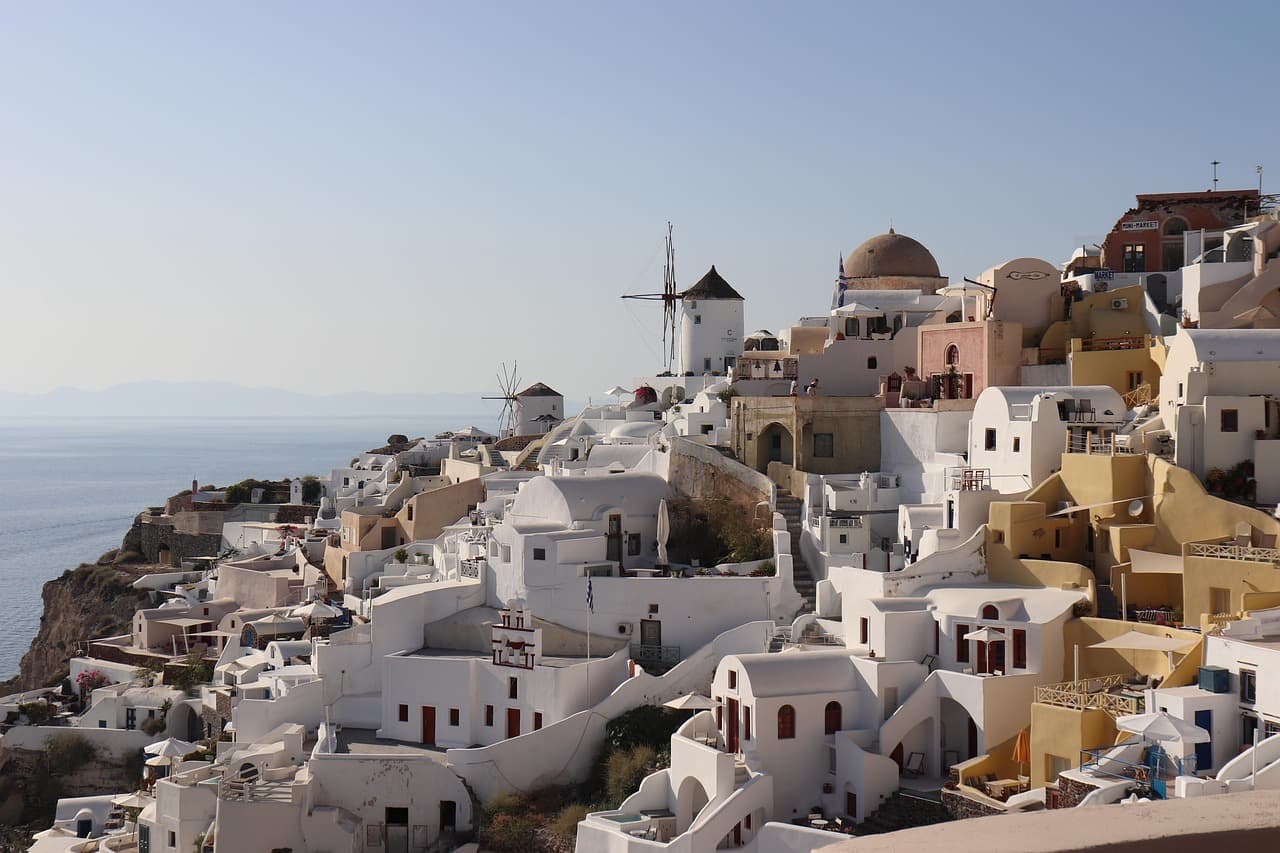
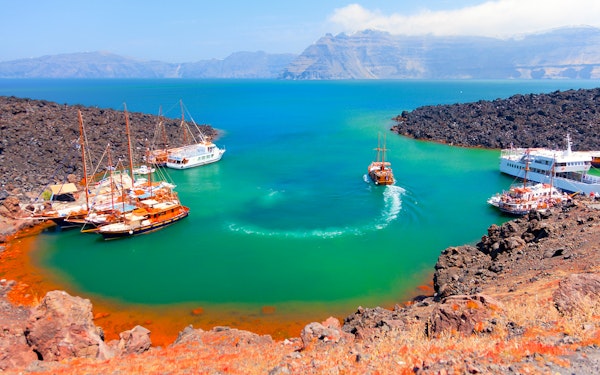
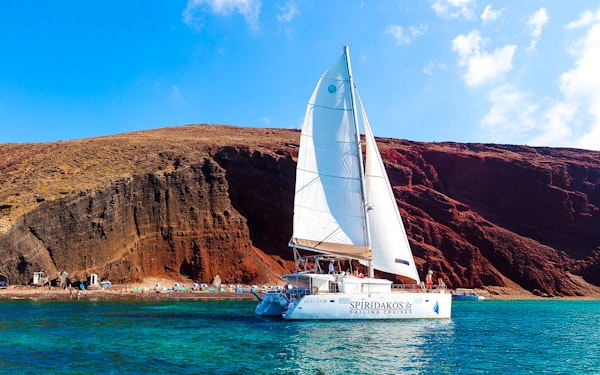
A volcanic island whose caldera was shaped by repeated eruptions, with Fira and Oia on the cliff rim. Beyond the sunsets, come for Bronze Age Akrotiri, black and red sand beaches and boat trips on the caldera.
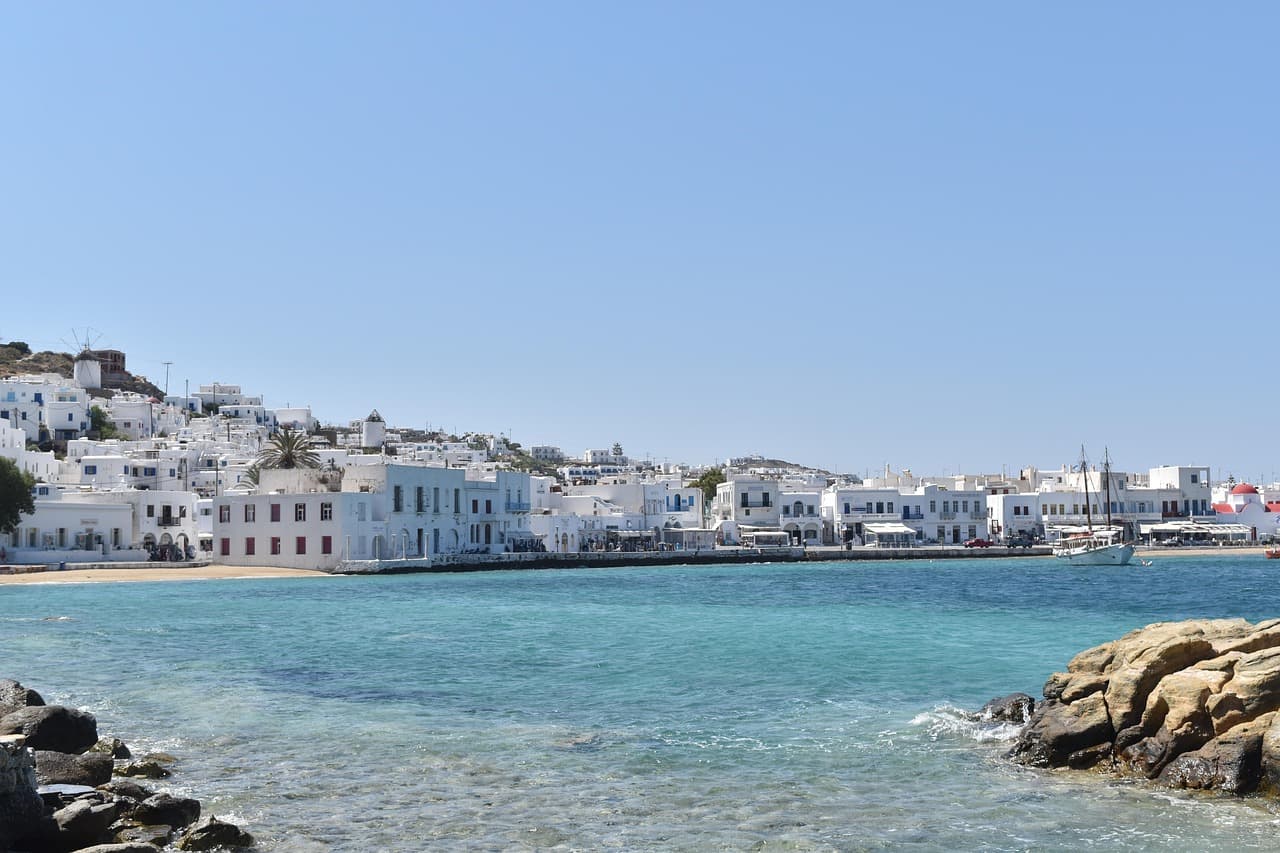
Chora's whitewashed lanes end at Little Venice, where balconied houses sit on the water below the windmills. Beaches and nightlife fill the days; the boat to ancient Delos is the cultural counterweight.
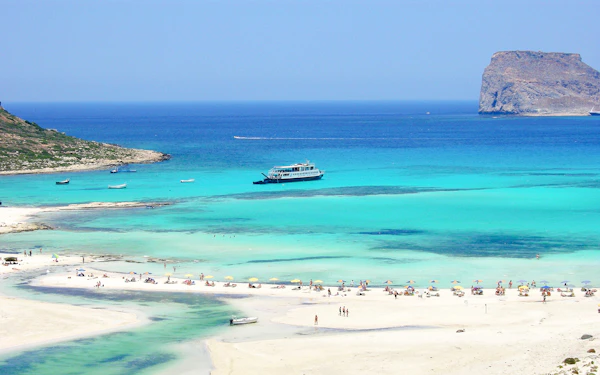
Give Crete four or five days on its own. Heraklion and Knossos anchor the north coast; the west has Chania, the Samaria Gorge and the beaches at Balos and Elafonisi.
Crete's capital is the base for Knossos, about 15 minutes away by car, and for the museum of Minoan finds. Treat it as a two-night stop rather than a beach base.
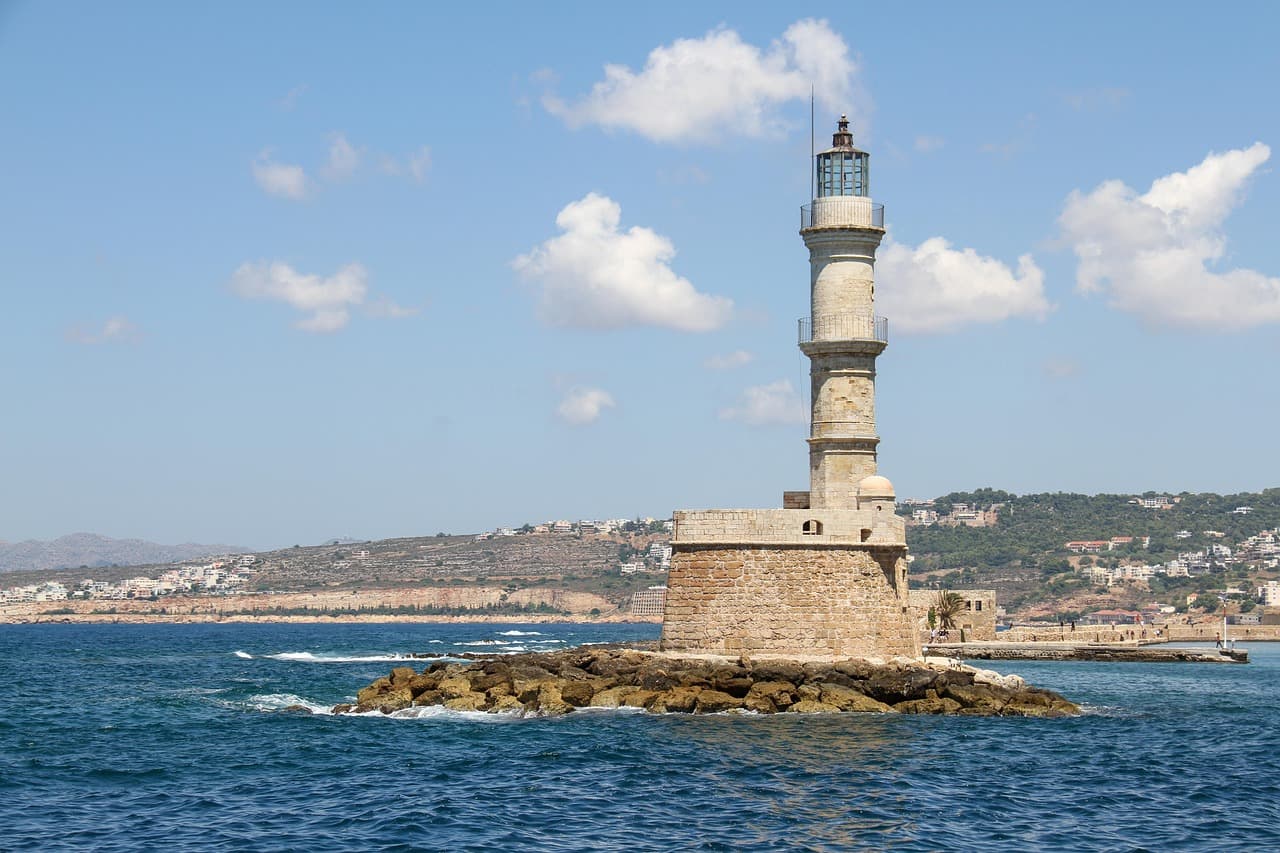
The Venetian harbour, built in the 14th century, and its old lighthouse front an old town of stone lanes. Chania is also the natural base for the Samaria hike and for trips to Balos and Elafonisi.
The Knights of St John held Rhodes from 1309 to 1523 and turned its old town into a fortress, now a UNESCO World Heritage site. Lindos, down the east coast, adds a second acropolis.
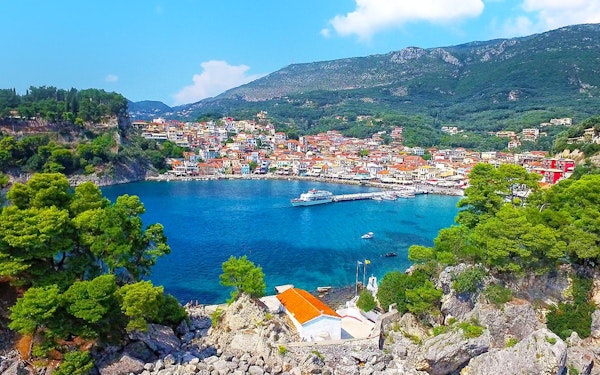
Off the northwest coast, Corfu has a UNESCO-listed old town defended by three forts designed by Venetian engineers, a legacy of some four centuries of Venetian rule.
Greece's second city is the place for Byzantine churches and mosaics. Walk up to Ano Poli, the old upper town, for the view over the bay, then come down to Aristotelous Square and the Ladadika bars.
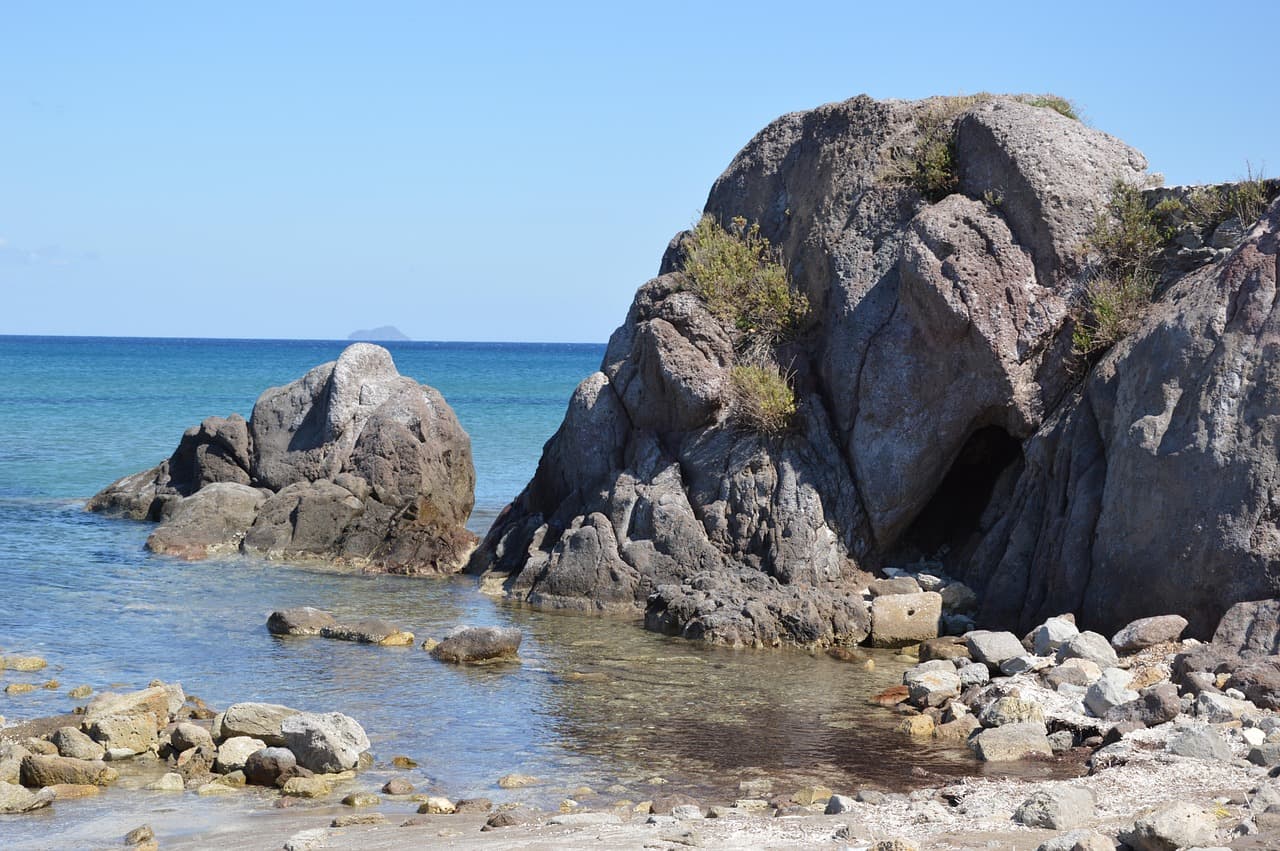
The volcanic coast comes in white, red, yellow and black rock, best seen at Sarakiniko and Kleftiko. The Venus de Milo was found here; the statue is in the Louvre.
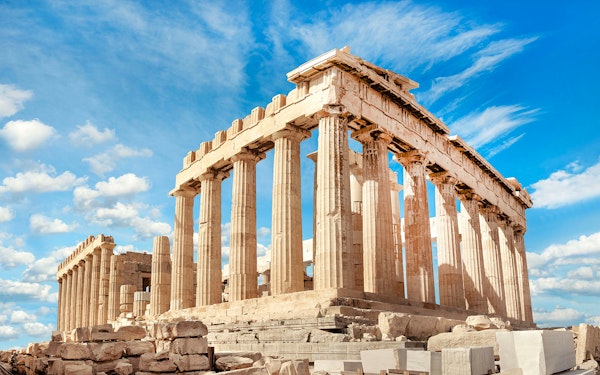
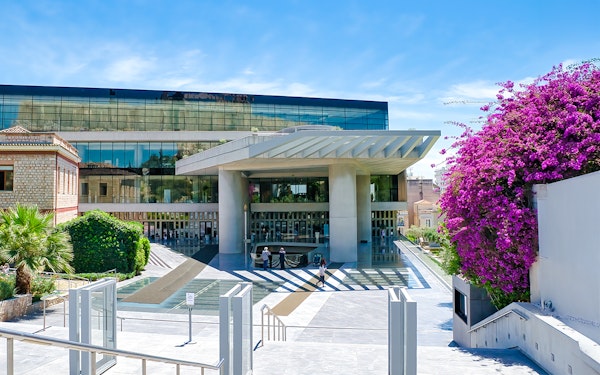
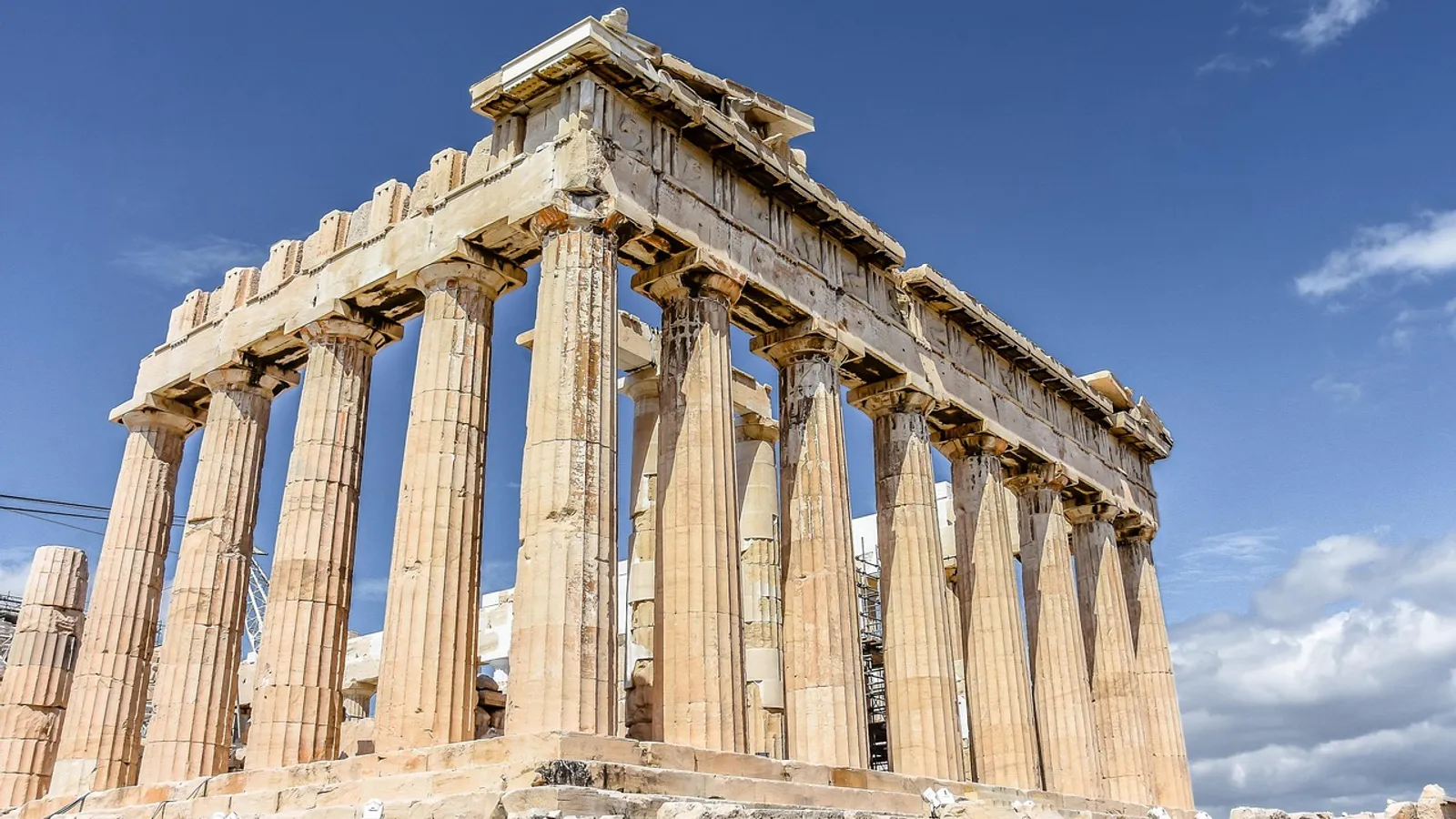
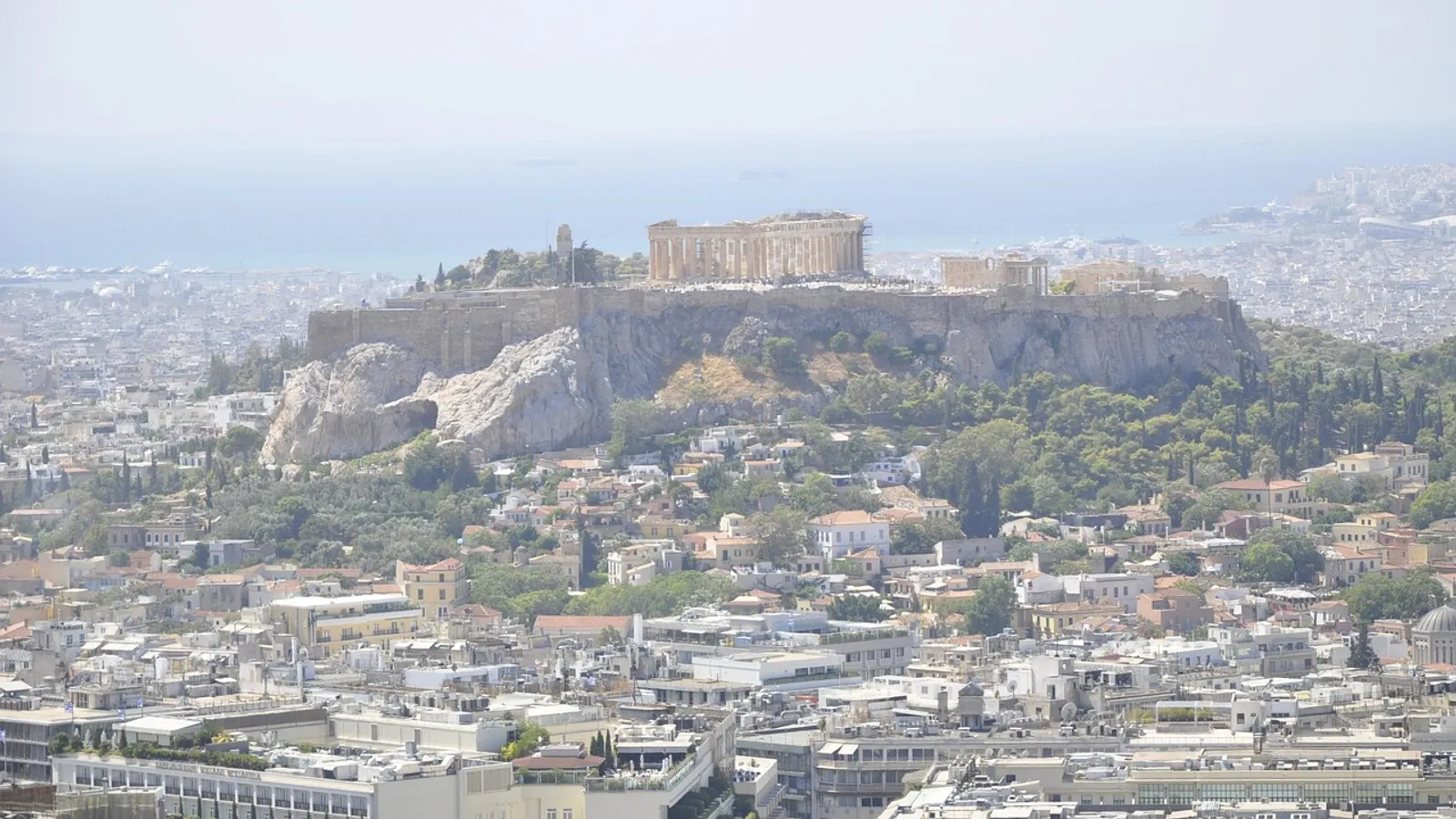
The Parthenon, the Propylaea, the Erechtheion with its Caryatid porch and the Temple of Athena Nike share one hilltop. Entry is by timed slot, and the Ministry of Culture names the Hellenic Heritage e-ticket portal as the only official online seller, so book ahead in summer.
Cycladic figurines, gold from the royal tombs at Mycenae and the wall paintings from Akrotiri. On Tuesdays it opens only at 13:00, so plan another morning.
Delphi
The sanctuary of Apollo holds the Treasury of the Athenians, the Doric temple, a theatre and a stadium, with the Tholos in the precinct of Athena Pronaia. About three hours by car from Athens.
Meteora
Monks settled these sandstone pillars in Thessaly from the 11th century, and 24 monasteries stood on them by 1500. Six still operate; the base town is Kalabaka.
A Bronze Age town on Santorini buried by an eruption, probably at the end of the 17th century BC, its streets and multi-storey houses now under a modern shelter. Even in summer it closes at 15:30 on Mondays and Thursdays, and from November to March it is shut on Tuesdays.
The island where myth places the birth of Apollo and Artemis, now a large archaeological site 30 to 45 minutes by boat from Mykonos. There is nowhere to eat and little shade, so bring water.
The Street of the Knights, lined with the inns of the order, climbs to the Palace of the Grand Masters. The Great Hospital, built between 1440 and 1489, completes the upper town.
About 16 km from Xyloskalo, near the Omalos plateau, down to Agia Roumeli on the sea; most walkers take six to seven hours. There is no road out, so hikers leave by boat to Sfakia, Sougia or Paleochora.
The Rotunda and Saint Demetrius, both known for early Christian mosaics, head a UNESCO group that includes the city walls. The White Tower on the seafront, a 15th-century fortification, is now a city history museum.
Ancient Olympia
The Temple of Zeus, built between 470 and 456 BC, still dominates the sanctuary, and the ancient stadium lies just east of the sacred grove. The drive from Athens takes about three and a half hours each way, so it works best with a night nearby.
Best time to visit Greece
Greece has a Mediterranean climate of dry, hot summers and mild lowland winters, but the mountains are cooler and often hold snow. In summer the meltemi, a seasonal wind, takes the edge off the heat; wind is also what most often delays or cancels sailings, which matters if your island plan depends on them.
Opening hours follow the seasons. The major sites keep summer hours from April to August, typically 08:00 to 20:00, then close a little earlier every two weeks through September and October. From November to March many shut mid-afternoon, Delphi and Olympia at 15:30. On days of extreme heat the Acropolis has closed from 13:00 to 17:00, so in July and August go at opening time. At most state sites last admission is 20 minutes before closing.
The Samaria Gorge on Crete opens only in the warm months, from 1 May to mid or late October, and the opening and closing dates move with the weather. The Athens Epidaurus Festival runs from June through August, with ancient drama in the theatre at Epidaurus and music and theatre at the Odeon of Herodes Atticus in Athens.
State sites and museums close on 1 January, 25 March, 1 May, Orthodox Easter Sunday and 25 and 26 December. Orthodox Easter moves each year, so check its date before fixing museum days.
Getting around Greece
Island travel starts at Piraeus, 20 minutes from Syntagma Square on metro line 3, or at Rafina. Between them they serve the Aegean islands, the Saronic Gulf and Crete, on anything from slow car ferries to fast catamarans. The Ionian islands are reached from the west coast ports instead, mainly Patras and Igoumenitsa.
Domestic flights save the most time on long hops. From Athens airport, Mykonos and Paros are about 45 minutes away, Santorini about 50, Chania about 55, Rhodes about an hour and Corfu about an hour and a quarter.
On the mainland the train is the easy option between Athens and Thessaloniki: the express takes about four and a half hours, and Hellenic Train publishes the current timetable, including any stretches where engineering works put passengers on replacement buses. For Meteora, KTEL buses reach Kalabaka from Athens in four and a half to five hours, and from Thessaloniki in three to three and a half. Delphi, Nafplio and Olympia are simplest by car or on a guided day trip.
Day trips worth planning
Cape Sounion
The Temple of Poseidon stands on the tip of Attica, about 65 minutes by car from central Athens or two hours by KTEL bus. It stays open until sunset, which is the reason most people go in the late afternoon.
Hydra
An island with no cars, motorbikes or bicycles, where donkeys still carry luggage up from the harbour. Fast boats from Piraeus take about 60 to 90 minutes, which makes it an easy island to see from Athens in a day.
Nafplio and Epidaurus
Nafplio sits below Palamidi, on a 216 m hill, a Venetian fortress finished in 1714 and known for its long stairway. The theatre at Epidaurus, which seated about 13,000 and is famous for its acoustics, is 30 minutes away.
Greece tour FAQs
Common questions about booking Greece experiences through SimilarTours
What are the best things to do in Greece?+
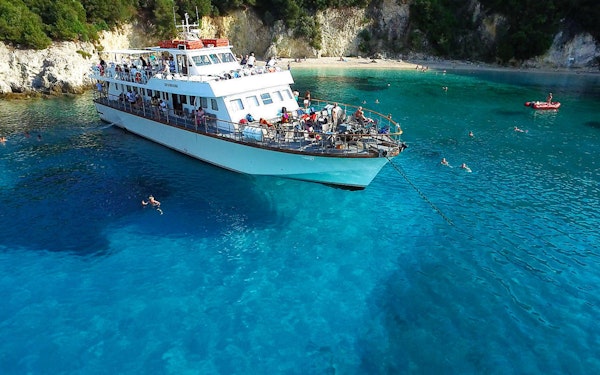
The Acropolis and time on the water lead. Santorini and Mykonos sell catamaran days and sunset sailings, Corfu and Rhodes have boat trips of their own, and Crete mixes mountain jeep tours with Knossos. On the mainland, Meteora has guided sightseeing and hiking tours.
Is it expensive to visit Greece?+
It depends on the format more than on Greece itself. An Acropolis ticket sits at the low end, a catamaran day off Santorini with a meal and drinks costs a few times more, and a private yacht cruise sits far above both. The prices on the cards below are live, so use them to set a budget for the trips you want.
Should you stay in Athens or on the islands?+
A common plan is both: two or three nights in Athens for the Acropolis and its museum, then the rest on one or two islands. Choose islands by the kind of day you want: Santorini and Mykonos for catamaran and sunset trips, Crete for mountain safaris and Knossos, Corfu or Rhodes for more boat trips and island sightseeing. Fewer islands means more time on the water and less in ports.
How do you get from Athens to the Greek islands?+
By ferry or by domestic flight. Visit Greece, the national tourism site, describes a ferry network linking the mainland and the islands, from conventional ferries to high-speed catamarans, and internal flights that connect every part of the country. Fix your crossing first and book island boat trips around it.
What is the summer weather like for boat trips in Greece?+
Dry and hot, often with a seasonal wind. Visit Greece, the national tourism site, says summer's dry hot days are often cooled by seasonal winds called the etesian winds, while mountain areas stay cooler. On the islands, keep a spare day in your plans so a sailing moved for weather can be rebooked.
Things to do in Greece
Every Greece city we cover - tap a city to see its full lineup of tours, tickets, and activities