VeniceCity pillarPlanningFirst-timer
The Ultimate Venice Travel Guide for First-Time Visitors (2026)
A field-tested 2026 Venice travel guide - where to stay by neighbourhood, how the vaporettos work, when to go, and the first-timer mistakes worth avoiding.
By SimilarTours Editorial · Travel Research · · 16 min read

Venice is unlike anywhere else you will travel, and that is exactly why a little planning pays off. There are no cars, no simple grid, and no way to fully prepare for how disorienting and how beautiful the first walk from the station to your hotel will be. But the practical layer underneath the romance is learnable: where to base yourself, how the water buses work, when the crowds thin, and which of the things you are meant to do actually reward the effort. This is that guide.
If you have ten minutes, skip straight to the neighbourhood section - choosing the right base is the single decision that shapes a Venice trip most.
Browse all Venice experiences and tickets →Why visit Venice
Venice earns its reputation. It is a city built on water, laced with canals instead of roads, where the everyday act of getting from one place to another means crossing bridges and catching boats. The headline sights - St Mark's Square, the Basilica, the Doge's Palace, the Grand Canal - are genuinely world-class, but the quieter pleasures are what stay with people: a gondola turning into an empty side canal, a tray of small plates in a standing-room wine bar, a painted fishing village an hour out across the lagoon.
It is also compact. The main island is walkable end to end, and the lagoon islands are a short boat ride away, so you can see a great deal in a couple of unhurried days. Come for the landmarks; stay for the slower half of the city that reveals itself once the day-trippers leave.
When to go
Venice is a year-round city, but the seasons feel very different.
- April to June - the consensus best window. Mild, long days, gardens and terraces open, the crowds building but not yet overwhelming. The most comfortable time to walk the city.
- July and August - hot, humid, and at their busiest, with the narrow streets around the main sights packed by mid-morning. Visit only if your dates cannot move, and start early each day.
- September and October - the other sweet spot. Warm, softer light, thinning crowds, and a calmer feel across the whole island.
- November to March - the quiet season. Cool, atmospheric, and much emptier, with the trade-off of shorter days and the chance of acqua alta high water. Carnival in the weeks before Lent is the one busy, book-far-ahead exception.
The shoulder-season sweet spot
Late April into June and all of September into mid-October give you Venice with long light and manageable crowds. Most people who return to Venice come back to one of those two windows on purpose.
Getting there and getting around
The main airport sits on the mainland, and the arrival is part of the experience. The memorable route in is by water - the Alilaguna water bus and private water taxis cross the lagoon to landing points near the main sights. The cheaper route is a land bus to Piazzale Roma at the western edge of the island, where the road stops and the water begins, then a vaporetto or a walk to your hotel. A separate airport lies further out on the mainland and connects mostly by bus and train.
Once you are on the island, there are two ways to move:
- On foot - the default. The main island is walkable end to end, and getting a little lost is part of the appeal. Wear comfortable shoes; the bridges and cobbles add up.
- Vaporetto - the water buses that run the Grand Canal and cross to the islands. Single tickets are pricey for one ride, so a multi-day travel pass pays off fast if you plan to use them. They are the practical way to reach Murano, Burano, and the Lido.
- Water taxi - the sleek wooden boats are the fast, glamorous, expensive door-to-door option, useful with luggage or a group.
- Gondola - an experience, not transport. Priced per boat, best split between a few people.
Pack light, plan the last stretch
There are no cars and no wheeled transport on the main island, and the final approach to most canal-side hotels is on foot over stepped bridges. A hard suitcase you can lift matters more here than almost anywhere, and dragging it over a dozen bridges in the heat is the classic first-day mistake.
Where to stay - neighbourhood guide
Venice is divided into six historic districts, the sestieri. Where you base yourself sets the tone of the whole trip. Here are the five that matter most for first-time visitors.
San Marco - the postcard heart, wrapped around St Mark's Square with the Basilica, the Doge's Palace, and the grandest hotels. You step out of the door into the centre of everything, which is the draw and the drawback: it is the busiest and most expensive district, and the crowds are heaviest here by day. Pick it for a short stay where proximity to the headline sights matters more than quiet or price.
Dorsoduro - the sweet spot for most first-timers. Central but calmer, with the city's best art museums, a young university energy, canal-side aperitivo spots, and some of the strongest restaurants in Venice. A few bridges take you from the crowds to genuinely quiet campos. The best all-round balance of atmosphere, access, and value.
Cannaregio - the value pick and the most lived-in feel. A long, straightforward district running from the station towards the Rialto, with an excellent local dinner and cicchetti scene along its canals and far fewer tourists once you step off the main drag. Pick it for good food, better prices, and a sense of everyday Venice.
Castello - the calm residential choice, stretching east from San Marco into quiet, workaday streets where laundry hangs over the canals and locals outnumber visitors. It is still walkable to the main sights but feels a world away from them. Best for a longer, slower stay or a second visit.
San Polo - the compact, central district around the Rialto market, threaded with narrow shopping lanes and busy little squares. It puts you between San Marco and the quieter western sestieri, with the market and its restaurants on your doorstep. A lively, well-located middle-ground base.
Island versus mainland
You will see cheaper hotels advertised in Mestre on the mainland. They save money, but you lose the two best parts of Venice - the empty early mornings and the lamplit late evenings after the day-trippers have gone. If the budget stretches at all, stay on the main island.
Top experiences to book
Venice rewards a mix of the ticketed landmarks and the free wandering in between. The two interiors worth pre-booking are the Doge's Palace and St Mark's Basilica, both of which carry long walk-up queues in season. Beyond those, a gondola ride and a cicchetti and wine crawl are the two experiences almost everyone is glad they booked, and a Murano and Burano lagoon trip is the standout half-day on the water. Our things to do in Venice guide ranks 24 of them in full, and the Doge's Palace tickets guide breaks down every ticket type for the city's most-booked interior.
Top experiences in Venice

Ravenna Port to Venice with Deluxe Tour by Boat and Gondola
4.9(82)7 hoursViewFrom$472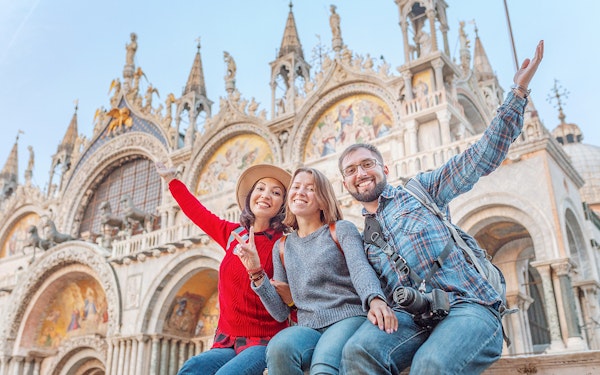
Venice Walking Tour with Grand Canal Gondola Ride
4.3(454)2 hr 30 minViewFrom$69
Venice Private Tour - Custom Experience with Local Guide
4.9(118)2 hours - 8 hoursViewFrom$70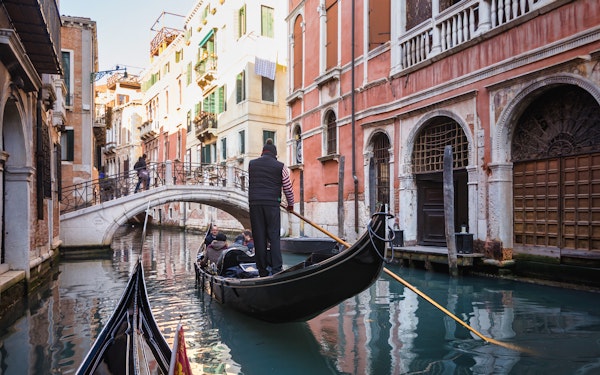
Venice Guided Walking Tour with Gondola Ride
4.4(974)3 hoursViewFrom$69
Venice: Murano & Burano Islands Premium Guided Experience
4.6(541)5 hr 30 minViewFrom$35
Private Boat Experience: Discover Venice from the Water
5.0(15)2 hoursViewFrom$337
Private Venice Family Tour Custom Experience with a Local Guide
5.0(5)2 hours - 8 hoursViewFrom$58
Bacaro Tour Unblended: A Pure Venice Foodie Experience
5.0(179)2 hoursViewFrom$111
Venice Private Tour: St Mark's, Doge's Palace & Gondola Ride
5.0(9)3 hoursViewFrom$402
Venice Ghost Stories, Legends and Anecdotes Tour
3.9(852)1 hr 30 minViewFrom$41
The lagoon islands
Half the magic of Venice is out on the water, and the islands are an easy boat ride from the main island. Murano is the glass-making island, where furnace demonstrations and workshops line the canals. Burano is the photographer's favourite, a village of brightly painted fishermen's houses and a long lace-making tradition. Torcello is the quiet, green, thinly settled counterpoint, usually visited as the third stop on a combined trip. Most people see all three on a single half-day lagoon boat tour, which handles the timings so you are not decoding vaporetto schedules.
Top Murano and Burano tours

Murano and Burano Private Boat Tour from Venice
5.0(20)4 hours - 5 hoursViewFrom$248
Murano & Burano Islands Guided Small-Group Tour by Private Boat
4.7(9,367)5 hoursViewFrom$51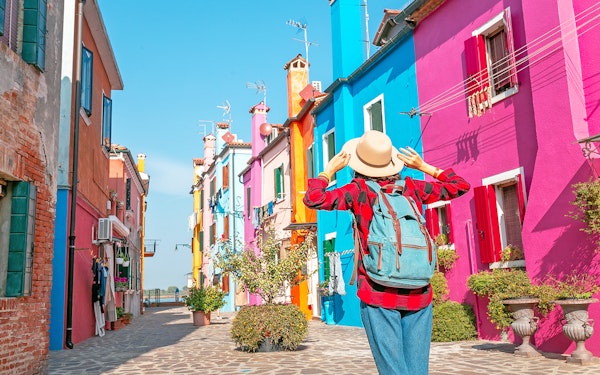
Murano & Burano Islands Boat Tour with Glass Blowing
4.5(195)4 hr 30 minViewFrom$29
Half Day Murano & Burano Islands Small Group Tour by Private Boat
4.8(1,457)4 hr 30 minViewFrom$29
Luxury Boat Tour to Murano & Burano with Private Local Guide (6h)
5.0(8)6 hoursViewFrom$2,212
Venice Lagoon Islands: Murano & Burano Guided Tour
4.5(760)5 hours - 6 hoursViewFrom$29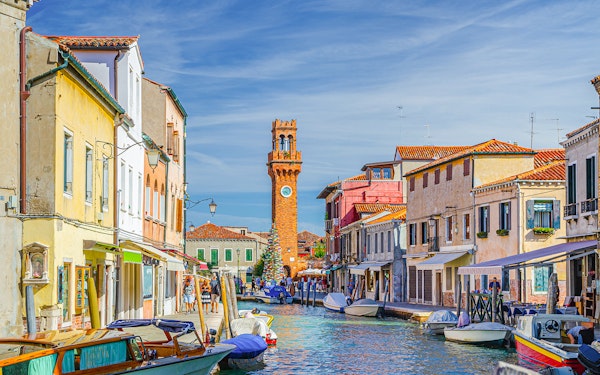
Murano, Burano & Torcello Islands Boat Tour with Glass Blowing
4.4(2,490)4 hr 30 minViewFrom$29
Murano Glass Experience With a Visit to Burano Lace Island
4.6(1,598)5 hoursViewFrom$58
Discover Murano, Burano and Torcello by boat (Private Tour)
5.0(14)3 hr 30 minViewFrom$237
Murano, Burano and Torcello Half-Day Sightseeing Tour
3.5(8,159)4 hr 30 minViewFrom$29
Food and culture
Venetian food is its own tradition, built on the lagoon and distinct from the rest of Italy. The everyday ritual to seek out is cicchetti - small plates eaten standing up in the bacari, the city's tiny wine bars, with a glass of local wine called an ombra. An early-evening crawl between a few bacari is the best introduction and doubles as dinner. Seafood dominates the menus, the Rialto market sets the day's produce, and a coffee standing at the counter of a historic cafe costs a fraction of a table on the square.
Culturally, Venice punches far above its size. The great collection of the city's own painters sits in Dorsoduro, a celebrated modern-art collection occupies a canal-side palazzo nearby, and the calendar is anchored by the spectacle of Carnival before Lent. Even without a single museum ticket, the architecture along the Grand Canal is a gallery in itself, best read slowly from the deck of a vaporetto as the palazzi slide past.
A few Venetian food habits are worth adopting for the trip. Coffee is taken standing at the counter and costs far less that way than seated. Aperitivo hour in the early evening is when the bacari fill up and the spritz is the local order. And the best meals are almost always a few bridges back from the famous sights, in the small trattorias where the menu is short and seasonal rather than translated into six languages.
Top Venice food and wine experiences

Private Venice Street Food Tour with a Sommelier
5.0(16)3 hoursViewFrom$211
Eat Like a Local: Venice 3-Hour Small-Group Food Tasting Tour
4.8(4,003)2 hr 30 min - 3 hr 30 minViewFrom$104
Small Group Venice Street Food and Sightseeing Tour
5.0(5)2 hr 30 minViewFrom$52
Venice Street Food Tour with Local Guide with Local Food Market Visit
4.8(1,043)2 hr 30 minViewFrom$51
Rialto Food Tour and Gelato Tasting with a Local Guide
5.0(5)2 hr 30 minViewFrom$177
Venice Bacaro Food Tour: Eat and Drink like a Venetian
4.9(1,448)3 hr 30 minViewFrom$108
Rialto Food Tour With View
5.0(12)2 hr 30 minViewFrom$231
Gondola Ride with Private Walking Tour in Venice
5.0(325)3 hoursViewFrom$92
Walking Food Tour of Venice with Sightseeing
4.1(8)2 hr 30 minViewFrom$56
Venice Private Walking Tour with a Local
4.6(147)2 hours - 6 hoursViewFrom$64
Money, safety and etiquette
Venice runs on the euro and is broadly card-friendly, though it is worth carrying some cash for small bars, market stalls, and the occasional place with a card minimum. The costs that catch people out are the location premiums - a table on St Mark's Square, a restaurant right beside the Rialto, a solo gondola ride. The fixes are simple: eat a few bridges back from the sights, stand at the counter for coffee, share the gondola, and buy a vaporetto travel pass rather than single tickets. Note too that Venice charges a day-tripper access fee on certain busy days, so check the current rules if you are visiting without an overnight stay.
On safety, Venice is one of the calmer major Italian cities. Violent crime is rare in the visitor areas; the real risks are pickpockets in the crush around St Mark's and the Rialto, and slippery bridges and canal edges in the rain. Keep your bag in front of you in crowds, and stick to the lit main routes late at night. A few points of etiquette smooth the visit: do not picnic or sit on the steps and bridges in the busiest zones, where it is discouraged; give way to residents on the narrow streets; and keep voices down in the quiet residential campos in the evening.
Eat where the queue is local
The reliable rule in Venice is the same as the rest of Italy - a restaurant with a tout outside, photo menus, and a prime spot beside a famous bridge is the one to walk past. The bacari and trattorias a few turns back, busy with locals at aperitivo hour, are the ones to book.
What first-time visitors most regret
A few patterns come up again and again:
- Only seeing Venice as a day trip. The city transforms after the day-trippers leave - the emptied early mornings and lamplit evenings are the best of it, and you only get them by staying the night.
- Dragging a heavy suitcase over the bridges. There is no wheeled transport on the island. Pack light or plan a water taxi to the nearest landing.
- Eating on St Mark's Square. The location premium is steep and the food is rarely worth it. Walk a few bridges away.
- Not pre-booking the Doge's Palace or Basilica. The walk-up queues in season swallow an hour that a timed ticket avoids.
- Paying full gondola rate solo. The ride is priced per boat, so splitting it between four to six people is far better value.
- Over-scheduling. Venice rewards aimless wandering more than almost any city. Leave a half-day with nothing booked.
Traveling with kids
Venice works surprisingly well with children, because so much of what makes it special is also inherently fun for them. The boats are the headline attraction: a vaporetto ride up the Grand Canal, the sleek water taxis, and above all a gondola turning into a narrow side canal all land as adventures rather than sightseeing. The lack of cars means kids can run ahead across the squares without the usual city worries, and the endless bridges, alleys, and dead-end canals turn a simple walk into a treasure hunt. Feed the momentum with gelato stops, watch a glass-blowing demonstration on Murano, and hunt for the brightest houses on Burano.
The two things to plan around are the bridges and the crowds. The stepped bridges are hard going for strollers, so a carrier is easier for little ones, and the crush around St Mark's and the Rialto at midday is worth avoiding with small children in tow. Keep visits to the ticketed interiors short and focused, break the day with time on the water, and you will find Venice one of the more child-friendly cities in Italy despite its reputation for romance.
A first-timer's rhythm for the day
The single habit that improves a Venice trip most is reversing the clock. See the busiest sights - St Mark's Square, the Basilica, the Doge's Palace, the Rialto - either first thing in the morning or in the evening, when the day-trippers have thinned out and the light is at its best. Save the middle of the day, when the crowds peak, for the quieter sestieri, a long lunch, or a boat out to the lagoon islands. Build in a genuine pause each afternoon rather than marching between sights, and leave at least one half-day with nothing booked at all, because the version of Venice most people remember is the one they stumbled into by accident down an unmarked alley.
Compare Venice tours and tickets in one search →Common questions
What is the best neighbourhood to stay in Venice for a first visit?
San Marco puts you at the centre of everything but is the busiest and priciest; Dorsoduro is the sweet spot for most first-timers - central, atmospheric, full of good restaurants, and a few quiet bridges from the crowds. Cannaregio is the value pick with a strong local dinner scene, and Castello is the calm residential choice. Wherever you land, staying on the main island rather than the mainland is worth the premium for the early mornings and late evenings.
How do you get around Venice?
On foot and by water. The main island has no cars - you walk the streets and bridges, and take the vaporetto water buses for longer hops and to reach the islands. A single vaporetto ticket is expensive for one ride, so a multi-day travel pass pays off quickly if you plan to use the boats. Water taxis are the fast, pricey door-to-door option, and gondolas are an experience rather than transport.
When is the best time to visit Venice?
Spring (April to June) and autumn (September to October) are the sweet spots - mild weather, long light, and fewer crowds than the July and August peak. Summer is hot and busy; winter is quiet and atmospheric but can bring high water (acqua alta) that floods the low-lying squares for a few hours at a time. Carnival in the run-up to Lent is spectacular but books out far ahead.
How many days do you need in Venice?
Two full days covers the headline sights - St Mark's Square, the Basilica, the Doge's Palace, the Rialto, and a gondola ride. A third day lets you add a Murano and Burano lagoon trip and the slow evenings of cicchetti and back-canal wandering where Venice is at its best. Many people wish they had stayed one night longer than they planned.
Do you need to book Venice attractions in advance?
The Doge's Palace and St Mark's Basilica reward a pre-booked timed or skip-the-line slot from spring through autumn, when the walk-up queues are longest. Gondola rides, cicchetti tours, and lagoon-island boat trips are best reserved a few days ahead in peak season. The squares, bridges, and canal-side walks are free and need no booking.
Is Venice expensive?
It can be, especially right on St Mark's Square, where a table at a historic cafe carries a steep premium for the location. The savings come from the same moves as anywhere in Italy: eat and drink a few bridges back from the main sights, stand at the counter for coffee, share a gondola between several people, and buy a vaporetto travel pass rather than single tickets. Venice also charges a day-tripper access fee on certain peak days, so check the current rules before you travel.
How do you get from the airport into Venice?
The main airport is on the mainland, and the memorable way in is by water - the Alilaguna water bus and private water taxis run across the lagoon to landing points near the main sights. The cheaper option is a land bus to Piazzale Roma at the edge of the island, where you switch to a vaporetto or walk with your luggage. Whichever you pick, remember the last stretch into a canal-side hotel is almost always on foot over bridges, so pack light.
Is Venice safe for tourists?
Venice is one of the safer major Italian cities, with little violent crime in the visitor areas. The main nuisances are pickpockets in the crush around St Mark's Square and the Rialto, and the easy mistake of overpaying at tourist-trap restaurants beside the big sights. Watch your bag in crowds, keep to lit main routes late at night, and be aware that the bridges and canal edges are slippery in the rain.
What is acqua alta and should I worry about it?
Acqua alta is the seasonal high water, most common from autumn to early spring, when a combination of tide and wind pushes lagoon water up into the lowest parts of the city - St Mark's Square floods first. It usually lasts only a few hours around high tide, the city posts forecasts and lays raised walkways, and rubber boots or waterproof shoe covers handle it. It is a manageable quirk of a winter visit, not a reason to stay away.
More reads
More guides to help you plan your trip

Doge's Palace Tickets in 2026: Types, Skip-the-Line, and St Mark's Access
A 2026 guide to Doge's Palace tickets - standard entry, skip-the-line, guided and Secret Itineraries tours, and how St Mark's Basilica access fits alongside.

Things to Do in Venice: 24 Experiences Worth Booking in 2026
A 2026 Venice shortlist - 24 gondola rides, landmarks, lagoon-island trips, and food walks grouped by theme, with the experiences actually worth booking ahead.

The Cost of a Guided Walking Tour: What 50 Cities Actually Charge in 2026
We measured the price of every guided walking tour in our cross-platform catalog across 50 cities. The median is $50. The more useful number is how far prices spread inside a single city.

1 Day in London: A Realistic Itinerary That Does Not Waste the Day
One day in London, planned around what actually fits - a walkable route through the centre, the two things worth booking, and the traps that eat an hour each.

1 Day in Paris: The Itinerary That Fits, and the One That Does Not
One day in Paris, planned around real distances - what to book, what to walk, what to skip, and why three museums in a day is the classic mistake.

2 Days in Lisbon: The Itinerary That Handles the Hills
Two days in Lisbon, planned around the terrain rather than the map - what to book, what to walk, and why the second day should leave the city.

2 Days in Tokyo: Two Districts, Done Properly
Two days in Tokyo is enough for two districts and nothing else - and that is the right plan. A day-by-day route, what to book, and what to deliberately skip.

5 Days in Rome: The Itinerary Where the City Finally Opens Up
Five days in Rome is where the checklist ends and the city begins. A day-by-day route with the two day trips worth taking and the mistakes that waste the extra time.