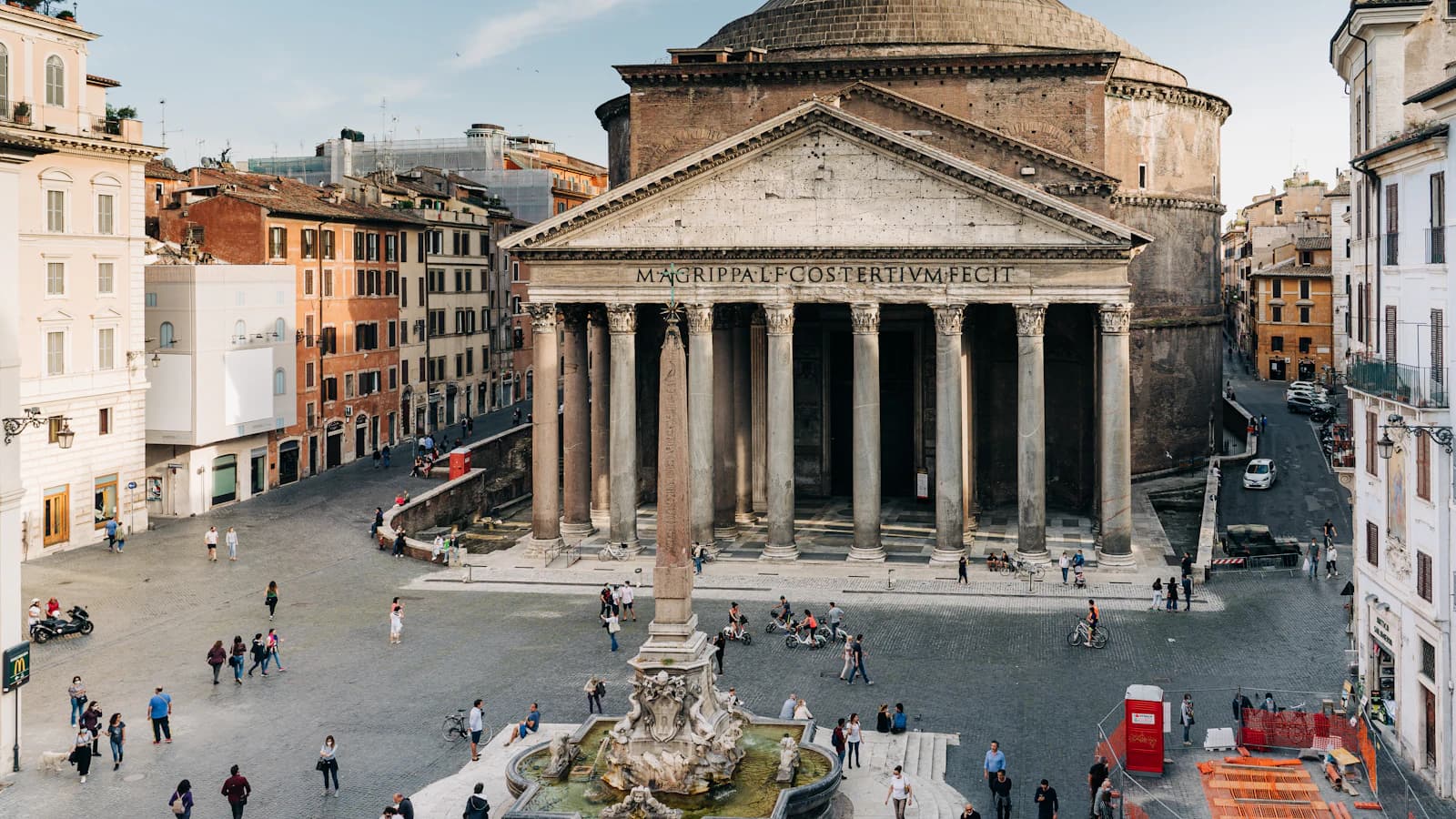
The best things to do in Rome start with the Colosseum, the Vatican Museums and the Pantheon, then widen to the Baths of Caracalla, the Appian Way, Castel Sant'Angelo and the Capuchin Crypt. Add a slow afternoon in Trastevere or the Jewish Ghetto, and an evening at the Trevi Fountain after its ticketed area closes. Below are 20 places, with the hours, prices and booking rules that matter.
We picked for a first or second visit to Rome, Italy, mixing the famous sites with the quieter ones: ancient ruins, galleries, squares, neighbourhoods and a few stops that rarely make the top lists. A place stayed on the list only if its own official site, or Rome's tourism office, confirmed what we say about it when we checked on 13 November 2026. Every price below is the official face price from the seller named next to it. Where an official site could not be reached, we used its most recent archived copy and give that copy's date.
Jump to: Top 10 for a first visit · The big three · Ancient Rome · Castel Sant'Angelo and the Borghese · Piazzas and fountains · Neighbourhoods · Away from the crowds · Food · At night · What costs nothing · Booking table
The first-timer top 10
If you have three days or fewer, these ten give the widest view of the city for the time spent. The first four need the most planning.
- The Colosseum, Forum and Palatine, on one timed ticket
- The Vatican Museums and the Sistine Chapel, booked online
- St Peter's Basilica, ideally early in the morning
- The Pantheon, with a time slot
- The Borghese Gallery, where booking is compulsory
- The Trevi Fountain, after dark
- Piazza Navona and Campo de' Fiori, on one walk
- Trastevere, from late afternoon into dinner
- The Capitoline Museums, for the view over the Forum
- The Appian Way, on a Sunday when the road closes to cars
The big three: Colosseum, Vatican and Pantheon
These three raise the most booking questions, and each has its own ticket guide. This section covers only what you need to fit them into a day.
1. Colosseum, Forum and Palatine Hill
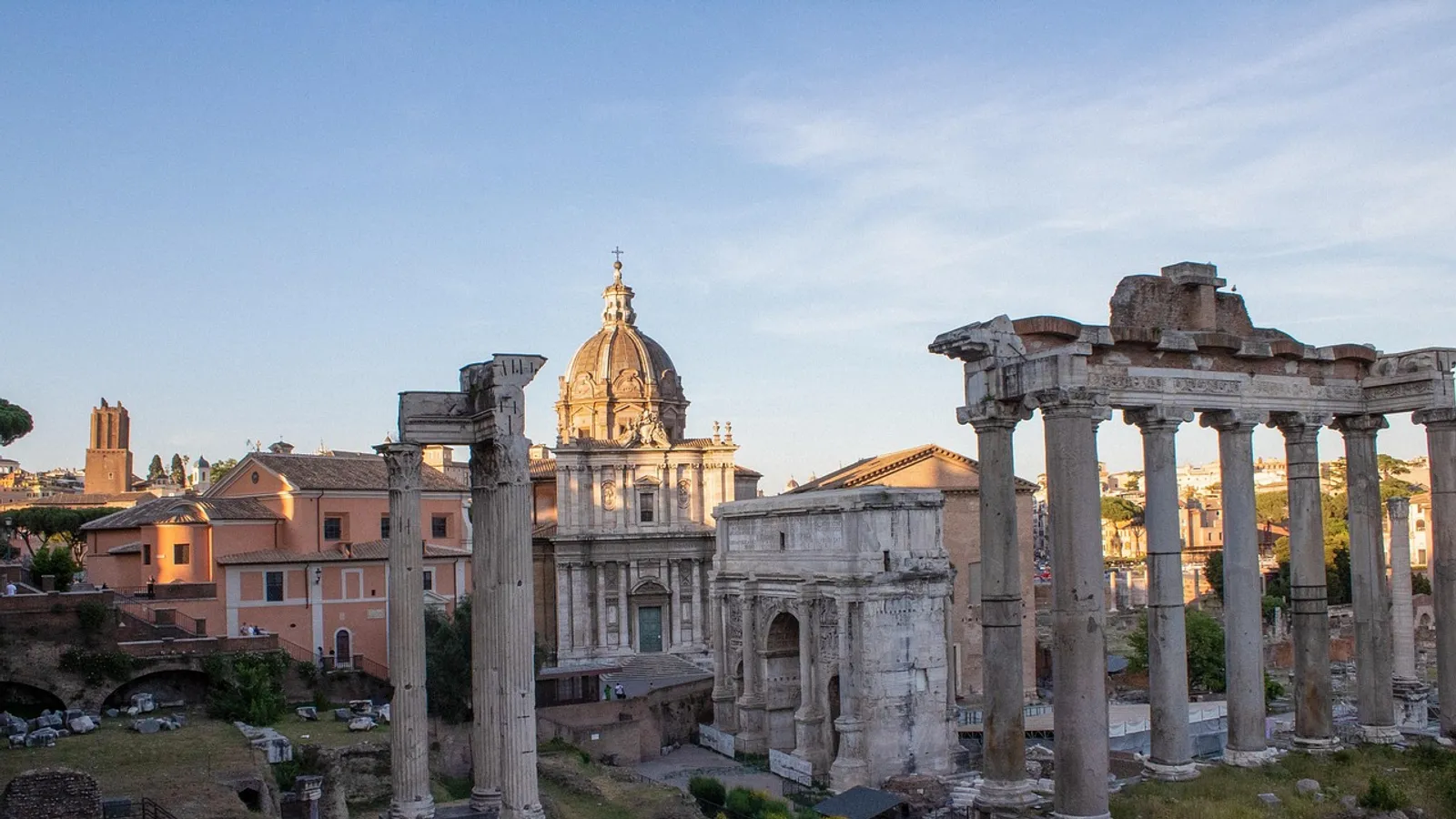
Treat this as a half-day, not a quick stop. The standard ticket is good for 24 hours: it gets you onto the Colosseum's first and second levels, though not the arena, and lets you into the Forum and Palatine once. The "Full Experience" tickets open areas the standard ticket leaves out, such as the arena, the underground or the attic with its panoramic lift, and the arena, underground and attic versions are valid for two consecutive days. Every Colosseum ticket needs a booked time slot, and the official sale for a given day starts 30 days before it (Parco archeologico del Colosseo, as published on 8 Nov 2026). Our Colosseum tickets guide compares the ticket types and tours.
- Hours
- 8:30 am to 4:30 pm, 25 Oct 2026 to 28 Feb 2027
- Last entry
- 3:30 pm
- Closed
- 25 Dec 2026 and 1 Jan 2027
- No charge
- First Sunday of the month, 25 Apr, 2 Jun, 4 Nov
Colosseum arena and underground tours to compare
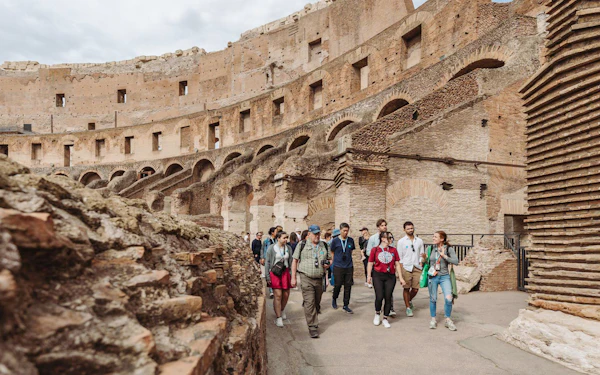
Colosseum Underground & Arena Floor Guided Tour
4.6(4,387)3 hoursViewFrom$192
Colosseum & Forum with Optional Arena or Underground Access
4.7(5,456)1 hour - 3 hoursViewFrom$110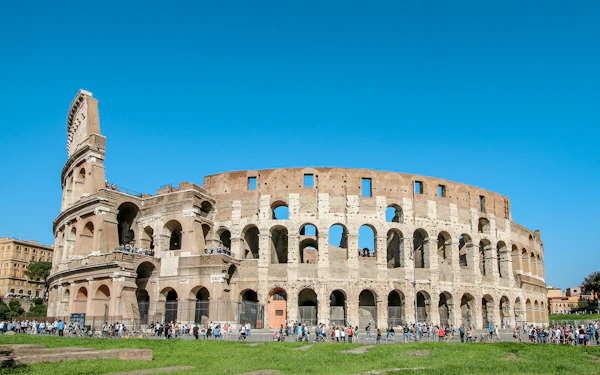
Colosseum & Basilica of San Clemente Undergrounds Access
4.5(2)4 hoursViewFrom$71
Colosseum Underground or Arena Platform
4.9(299)2 hoursViewFrom$110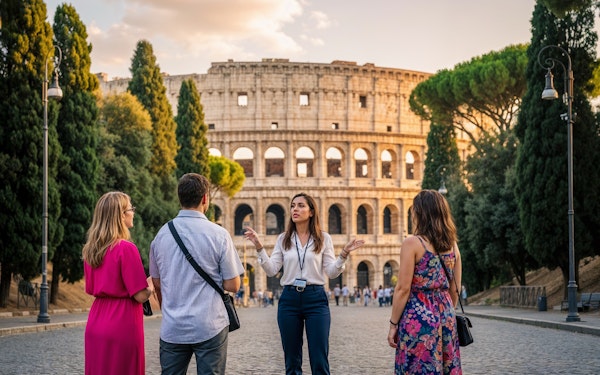
Evening Rome Walking Tour: Colossuem, Trevi Fountain & Roman Forum
4.0(6)2 hr 30 minViewFrom$88
Colosseum Arena Floor, Roman Forum & Palatine Hill Tour
4.8(2,432)2 hours - 3 hoursViewFrom$99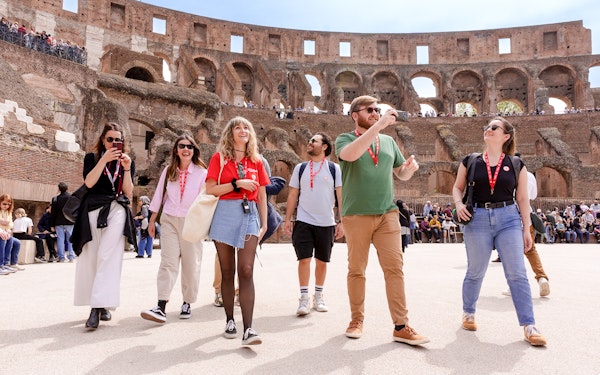
Colosseum, Palatine Hill & Roman Forum with Exclusive Arena Floor Guided Tour
4.5(12,566)2 hr 30 minViewFrom$65
Colosseum Guided Tour : Underground or Arena – Small Group
5.0(38)2 hoursViewFrom$110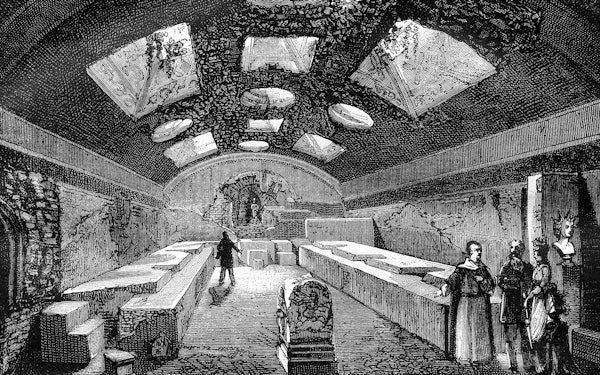
Underground Tour of San Clemente, Rome
4.7(6)1 hr 30 minViewFrom$65
Colosseum Underground Tour with Gladiators Arena in a Group
4.2(90)1 hr 40 min - 2 hoursViewFrom$89
2. St Peter's, the Vatican Museums and the Sistine Chapel
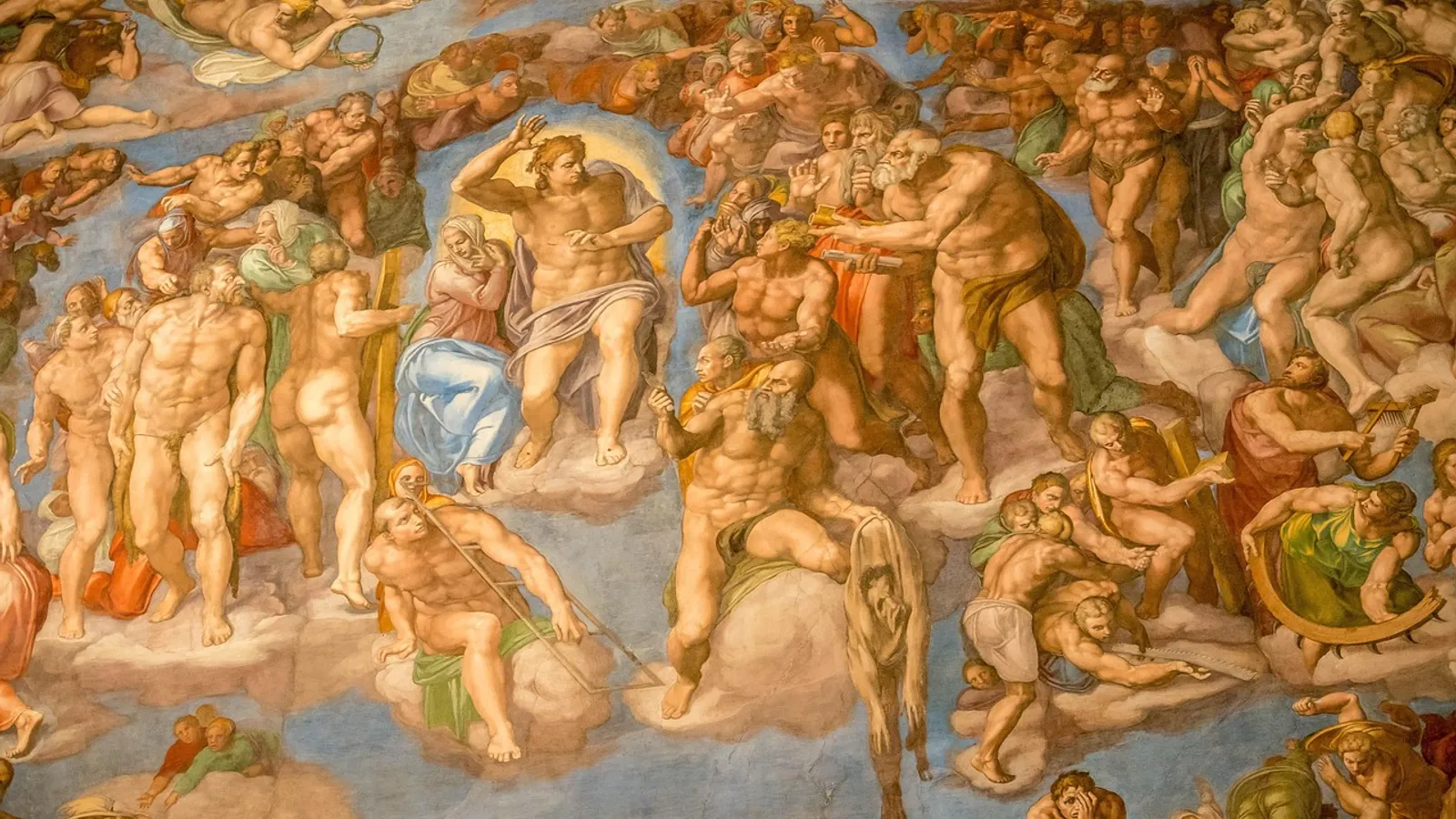
Go on a weekday morning, and book. The Vatican Museums run from 8:00 am to 8:00 pm, Monday to Saturday, and stop admitting visitors at 6:00 pm; on Sundays they stay shut except on the last one of each month. An adult pays €20 on the day, or €25 through the official ticket site, where a €5 "Skip the Line" booking charge is added (checked 13 Nov 2026). The museums name tickets.museivaticani.va as their only official online seller and flag lookalike domains that charge more. For tour formats, see our guides to Vatican Museums tickets and to booking the Sistine Chapel.
St Peter's Basilica is a separate visit. Before going in, everyone passes an Italian State Police security check, set up on the right of the square as you approach the basilica (entering the basilica). Walking in costs nothing; you pay only if you want a guaranteed time, and that booking comes with the basilica's digital audio guide. Winter hours, valid 26 October 2026 to 28 March 2027, are 7:00 am to 7:00 pm (opening hours).
Two December evenings to plan around
The museums' closures calendar shuts the Sistine Chapel two hours early on two Fridays this winter, 4 and 18 December, so the chapel's last admission those days is 5:30 pm. Pick a morning slot if your trip covers either date.
Vatican Museums and Sistine Chapel visits to compare

Guided Tour Sistine Chapel & Vatican Museums Skip the Line entry
4.7(9)2 hours - 3 hoursViewFrom$99
Vatican Museums Sistine Chapel Tour and Basilica Access
4.4(4,841)3 hoursViewFrom$45
Vatican Museums & Sistine Chapel - Private Tour
5.0(2)2 hr 30 minViewFrom$209
Vatican Museums and Sistine Chapel tour
4.5(69)2 hr 30 minViewFrom$72
Exclusive Vatican: Empty Sistine Chapel Morning or Evening Tour
4.8(4)2 hoursViewFrom$435
Vatican Museums & Sistine Chapel Guided Tour
4.3(819)2 hr 30 minViewFrom$97
Vatican Museums and Sistine Chapel Private Tour
5.0(5)2 hr 30 minViewFrom$469
Vatican Museums with Sistine Chapel Tour
5.0(208)3 hoursViewFrom$145
Vatican Museum, Sistine Chapel Tour with St Peter Basilica Access
4.6(57)3 hoursViewFrom$178
Skip-The-Line Vatican Museums, Sistine Chapel & Basilica Tour
4.6(1,223)3 hoursViewFrom$31
3. The Pantheon
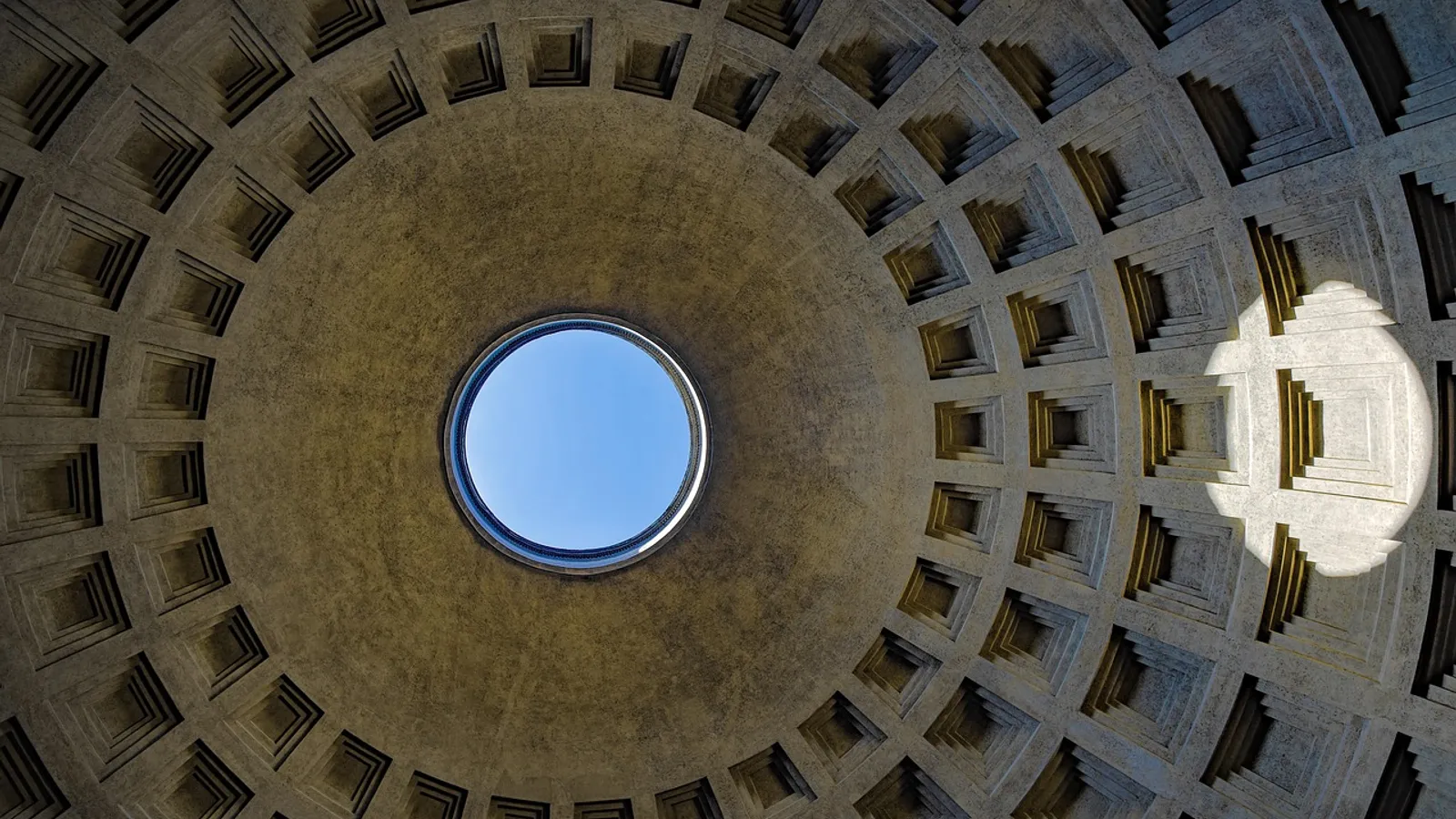
The ministry's Pantheon page calls it the best preserved of the ancient classical buildings, and it is still a working church: first built between 27 and 25 BC and consecrated as Saint Mary and the Martyrs in 609. Since 1 July 2026 the full ticket costs €7, up from €5, under the new joint-management deal between the state and the Diocese of Rome. Daily hours are 9:00 am to 7:00 pm, with 6:30 pm the latest entry on an individual ticket (official Pantheon page, as published on 29 Oct 2026). Each month's slots are released around the middle of the month before, on the Musei Italiani site and app, and the desks and machines on site sell them too. Booking details and guided visits are in the Pantheon ticket guide.
Ancient Rome beyond the Colosseum
The four places below show the scale of imperial Rome away from the Colosseum.
4. The Baths of Caracalla
Come here for size. The emperor Caracalla opened the complex in 216 AD, and the Soprintendenza Speciale di Roma calls it one of the best-preserved imperial buildings of antiquity, because nothing was built on top of it later. The baths stopped working in 537, when the Goths cut the aqueducts during the siege of Rome. Since 2022 the visit also takes in the restored frescoes of the Domus di Vigna Guidi, a house older than the baths, though that part closes on crowded days such as the first Sunday of the month.
- Official price
- €8 full, €2 reduced; a €5 exhibition supplement may apply; checked 13 Nov 2026
- Hours
- Tue to Sun, 9:00 am to 4:30 pm, 25 Oct to 28 Feb
- Last entry
- 3:30 pm
- Closed
- Mondays
Tickets carry your name and are sold on the official Musei Italiani portal and app, or at the desks and machines on site. The official listing says guided tours and "skip the line" extras are not part of the official ticket office.
5. The Domus Aurea
Nero's Golden House is the place to see what Renaissance painters saw. After the fire of 64 AD, Nero built a palace of separate buildings, gardens and vineyards, with an artificial lake in the valley where the Colosseum now stands. His successors stripped it and filled it with earth, and the rooms on the Oppian Hill lay forgotten until the Renaissance, when artists such as Pinturicchio, Raphael and Giulio Romano explored them to copy the wall paintings. Because the rooms were underground "grottoes", the style became known as "grotesque" (Parco archeologico del Colosseo).
Visits run on Fridays, Saturdays and Sundays, starting every 15 minutes from 9:00 am, with last admission at 3:30 pm, and the site closes on the first Sunday of each month. The entrance is on Via della Domus Aurea (opening times, as published on 8 Nov 2026).
Bring a layer
The park's own page says the temperature inside is around 10 degrees, whatever the weather outside. A jumper and closed shoes make the visit far more comfortable.
6. The Capitoline Museums
Go for the collection, stay for the view. The museums began in 1471, when Pope Sixtus IV gave a group of bronze statues to the people of Rome, and they now fill two palaces on Piazza del Campidoglio. Inside are the bronze she-wolf and the equestrian statue of Marcus Aurelius, and an underground gallery leads to the Tabularium, whose arcades look straight over the Roman Forum (Turismo Roma).
- Official price
- €16.50 non-residents while the Angeli exhibition runs, checked 13 Nov 2026
- Hours
- Daily, 9:30 am to 7:30 pm
- Last entry
- One hour before closing
- Closed
- 1 May and 25 Dec
Buying on the day at the museum's ticket office carries no pre-sale fee. Online and phone tickets add €1 and can't be refunded or changed. On 24 and 31 December the museums close at 2:00 pm (hours).
7. The Appian Way and the catacombs
The old road south is the closest thing Rome has to open country inside the city. The Appia Antica Regional Park covers 4,580 hectares, which the park authority describes as the largest urban protected area in Europe, and the ancient road runs through it for more than 16 km. The park is always open and has no entry charge (getting there).
Pick a Sunday or public holiday. On those days motor traffic is banned on the Appia from Porta San Sebastiano to the end of the route, from 9:00 am to 4:00 pm in winter time and to 6:00 pm in summer time. The archaeological park notes that the first 4 km no longer show the ancient paving; the long, well-kept straight begins at the Domine Quo Vadis church.
The Catacombs of St Callixtus, at Via Appia Antica 110, can be seen only in a group led by their own staff; a group leaves every half hour and the visit lasts around 40 minutes. They open from 9:00 am to 12:00 pm and 2:00 pm to 5:00 pm, close every Wednesday, and close completely from 13 January to 10 February 2027. A standard ticket costs €10 (checked 13 Nov 2026). Catacomb tours get more room in the Rome travel guide.
Appian Way and catacomb tours to compare

Catacombs of St. Sebastian Guided Tour with Aqueducts & Appian Way
5.0(2)3 hr 25 minViewFrom$60
Rome Bike / EBike Tour: Appian Way, Catacombs & Roman Aqueducts
4.9(1,981)4 hours - 6 hoursViewFrom$66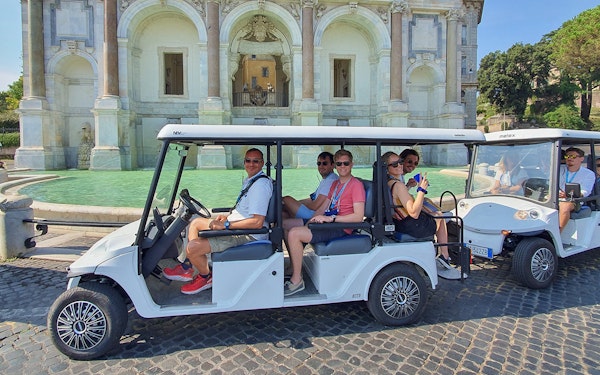
Catacombs and Appian Way Golf Cart Tour - 3 hr
5.0(5)3 hoursViewFrom$72
Appian Way Aqueducts Bike Tour (Catacombs & Lunch Option)
4.8(1,186)4 hours - 5 hoursViewFrom$77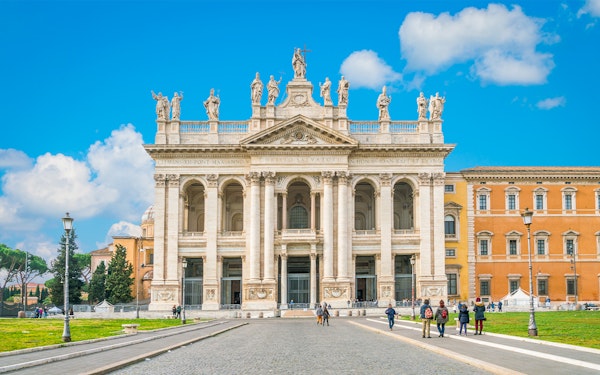
Papal Basilicas, St. Callixtus & St. Sebastian Catacombs Tour with Transfers
4.2(1,486)3 hoursViewFrom$143
Appian Way & Aqueducts small group e-bike tour(catacombs & food)
4.9(623)5 hoursViewFrom$84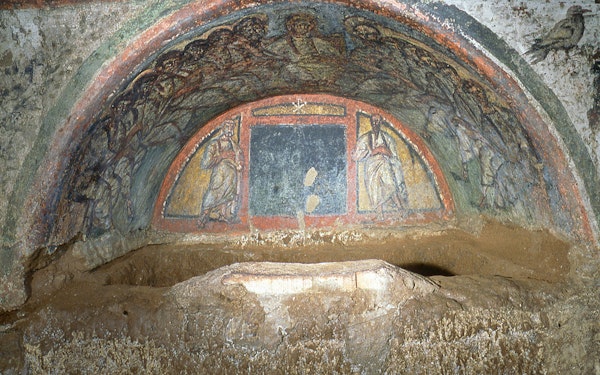
Catacombs of Domitilla and Capuchin Crypt Guided Tour with Transfers
3.9(36)3 hoursViewFrom$75
Rome: Appian Way E-bike Tour, Catacombs, Aqueducts & Transfer
4.9(458)4 hr 30 minViewFrom$99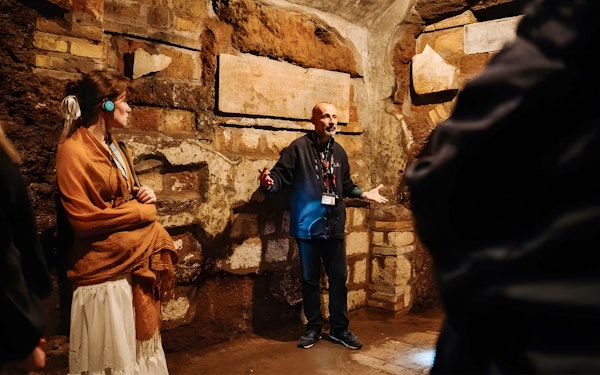
Catacombs of St. Callixtus Guided Tour with Transfers
4.3(1,666)2 hoursViewFrom$51
Rome Underground: Catacombs Tour, Aqueducts and Appian Way
4.8(1,744)3 hr 30 minViewFrom$61
Castel Sant'Angelo and the Borghese
An emperor's tomb turned papal fortress, and a cardinal's villa whose grounds became a public park.
8. Castel Sant'Angelo
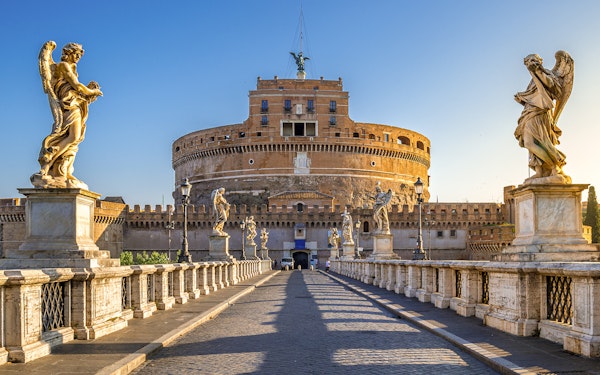
The castle shows Rome's history in one building. Hadrian built it in the 2nd century AD as a mausoleum for himself and his family, the city walls later absorbed it as a fortress, and from 1367 it was tied to the popes, first as a stronghold, then as a residence and finally as a political prison. It became a national museum in 1925 (official page, as published on 17 Oct 2026).
- Official price
- €18 full since 1 Jul 2026; €2 EU citizens aged 18 to 25
- Hours
- Tue to Sun, 9:00 am to 7:30 pm
- Last entry
- 6:30 pm
- Closed
- Mondays, 25 Dec, 1 Jan
Booking is recommended every day and especially at weekends, and tickets carry your name. Entry costs nothing for under-18s and on the first Sunday of the month. Through the end of 2026 the museum also opens on the first Monday of each month, from 2:00 pm to 8:00 pm, with a €5 ticket sold only on site. The Passetto di Borgo can be seen only on guided visits, sold through Musei Italiani; daytime visits run on Friday to Sunday mornings, except the first Sunday of the month.
Castel Sant'Angelo tickets and tours to compare
Castel Sant’Angelo Tickets & Passetto di Borgo Experience
4.4(105)2 hoursViewFrom$43
Castel Sant'Angelo Museum Skip the Line Ticket in Rome
4.0(142)1 hr 30 min - 2 hoursViewFrom$30
Rome: Castel Sant'Angelo Skip the Line Entry Ticket & Audioguide
4.2(231)1 hour - 2 hoursViewFrom$32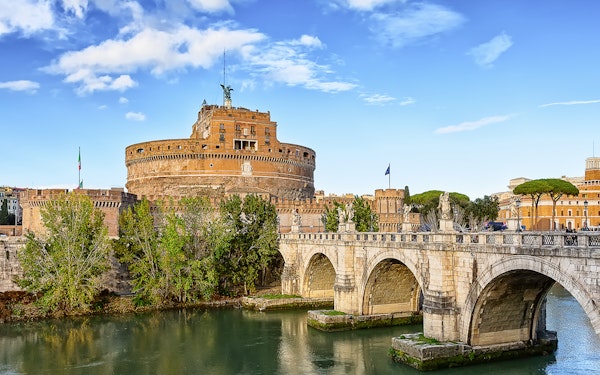
Castel Sant’Angelo Timed Entry Tickets
4.4(3,528)1 hourViewFrom$24
Ancient Rome : Roman Castel Sant’Angelo Ticket
4.3(3)1 hour - 1 hr 30 minViewFrom$21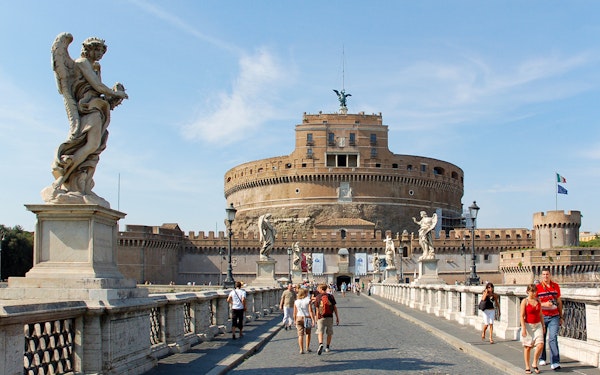
Castel Sant’Angelo Skip-the-Line Guided Tour
4.7(169)1 hr 30 minViewFrom$43
Priority Entrance Ticket to Castel Sant Angelo
4.7(45)1 hr 30 min - 2 hoursViewFrom$35
Castel Gandolfo Palace & Secret Garden Tickets
4.4(1,216)1 hr 30 minViewFrom$18
Rome: Castel Sant'Angelo Guided Tour
4.6(236)2 hoursViewFrom$65
Santa Maria Maggiore Basilica Entry Tickets
4.4(211)45 minutesViewFrom$10
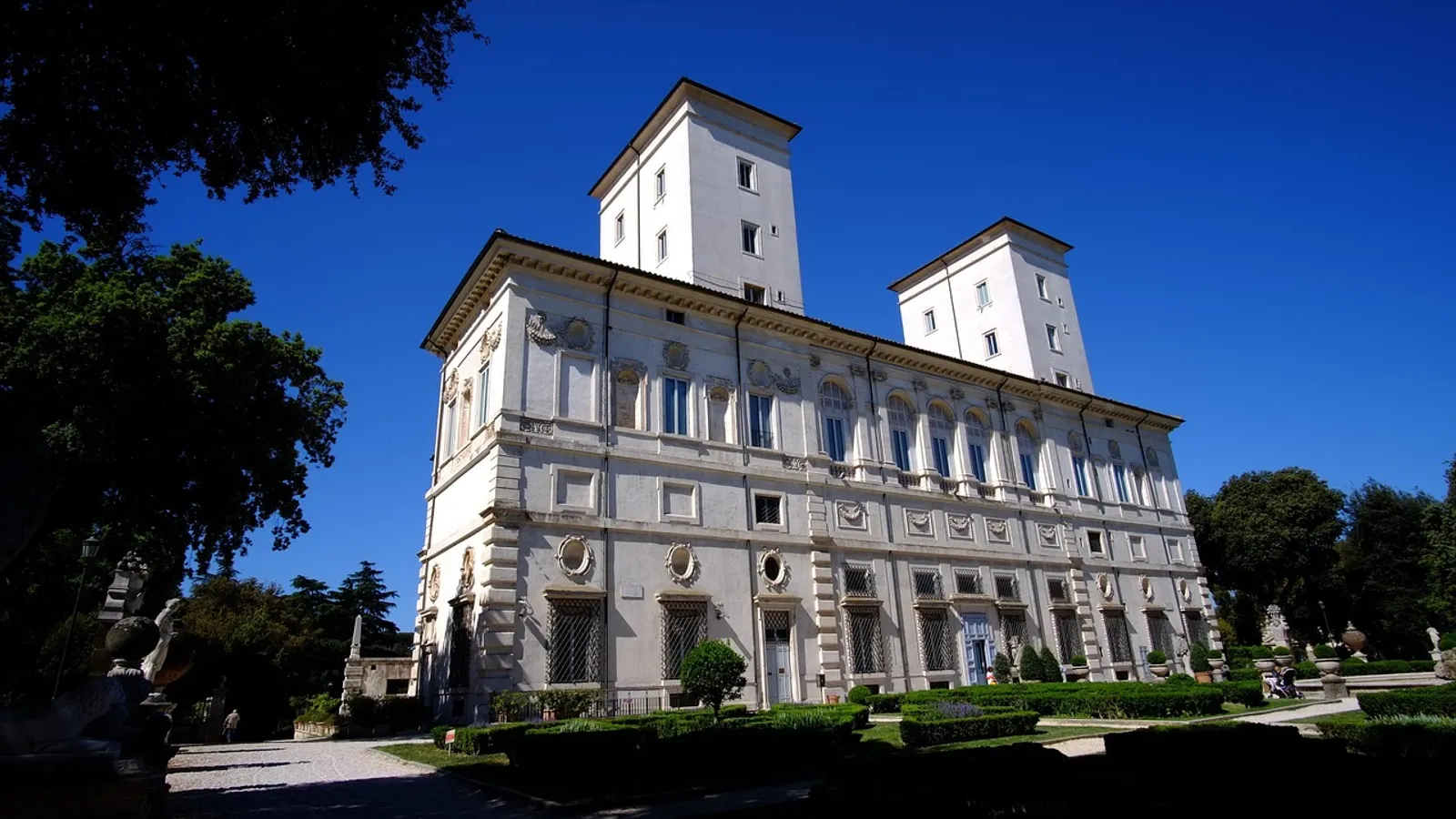
9. The Borghese Gallery and Villa Borghese
Entry is strictly timed: a visit lasts two hours, and each slot admits at most 180 people. Reservation is compulsory for every ticket, including under-18 tickets, which carry only the €2 booking fee. The gallery is open from 9:00 am to 7:00 pm every day except Monday, with the last entrance at 5:45 pm (Galleria Borghese, as published on 23 Oct 2026). Our Borghese Gallery tickets guide has prices and booking advice.
Leave time for the park around it. Cardinal Scipione Borghese laid out the villa from 1608, and the Italian state bought it in 1903 for use as a public park (Turismo Roma). You can rent a boat on the lake, with the Temple of Aesculapius standing in the middle of the water, and the park's terrace looks over Piazza del Popolo towards the dome of St Peter's (panoramic viewpoints).
Piazzas and fountains
The squares cost nothing to walk through, with one recent exception, and they link up into an easy walk across the centre.
10. The Trevi Fountain
Since 2 February 2026, getting down to the fenced area by the basin costs €2 for anyone who does not live in Rome or its metropolitan area. Paid entry runs until 10:00 pm every day (last admission 9:00 pm) and starts at 9:00 am, except on Mondays and Fridays, when the gates open at 11:30 am. A ticket bought in advance is open-dated, with no time slot, and there are no refunds or changes. You can buy them online, at Tourist Infopoints and civic museums, or at the entrance by card only (Roma Capitale, checked 13 Nov 2026).
The reason is volume. During the trial year from December 2024 to December 2025, the city's monitoring counted over 10 million visitors, about 30,000 entries a day and peaks of 70,000. The fountain itself is the end of the Aqua Virgo, which Turismo Roma calls the only ancient aqueduct still in continuous use (Trevi Fountain).
See it after 10 pm
Once the ticketed area shuts at 10:00 pm, anyone can look at the fountain without paying, according to Roma Capitale. Make it the last stop of an evening walk.
11. Piazza Navona
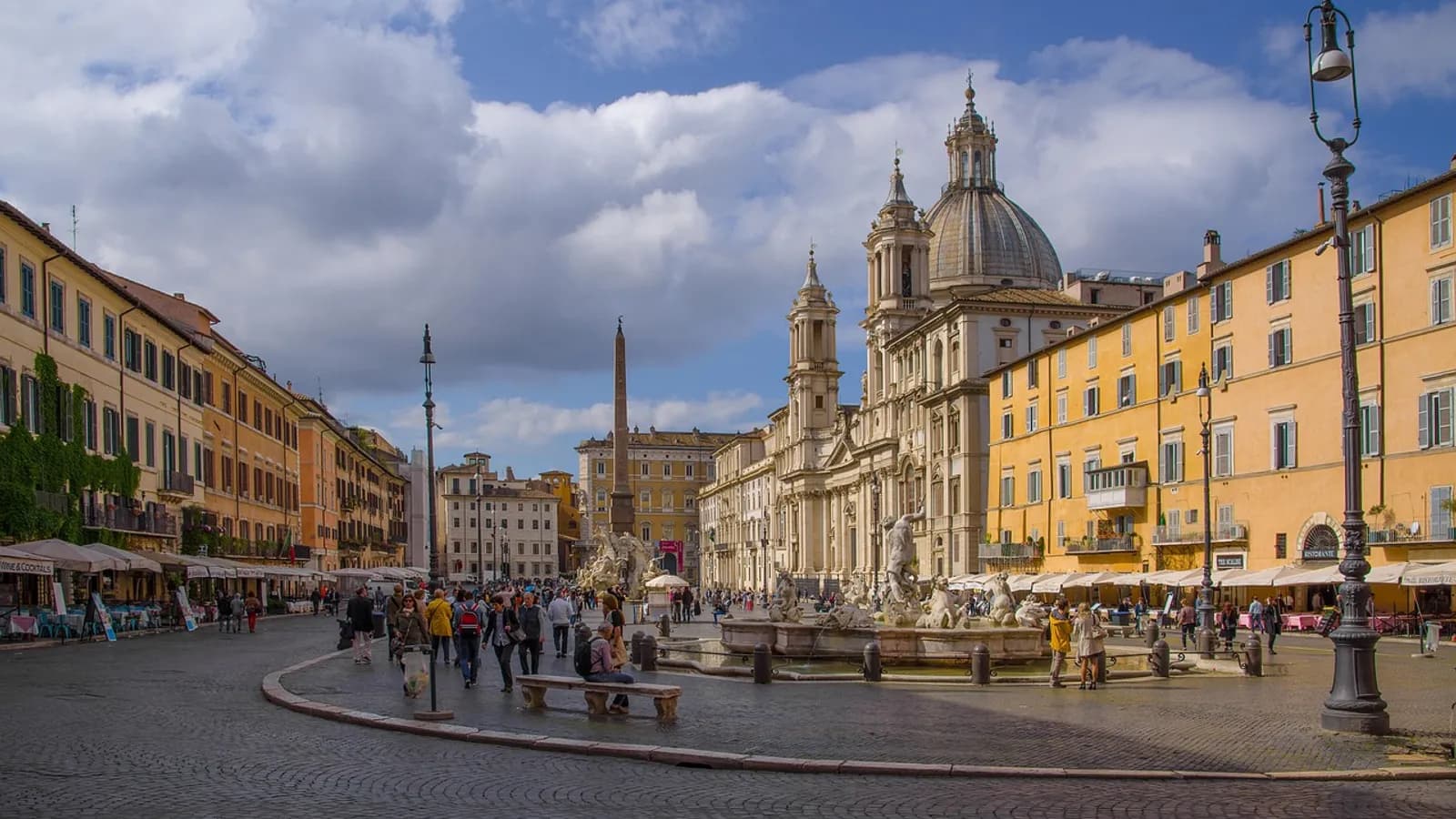
Piazza Navona was built over the Circus of Domitian, where Romans watched athletics, games and horse races. It has three fountains, among them the Fountain of the Four Rivers, Bernini's commission for the Jubilee of 1650 (Turismo Roma). Come early in the morning to see the fountains without the café crowds.
12. The Spanish Steps and Piazza di Spagna
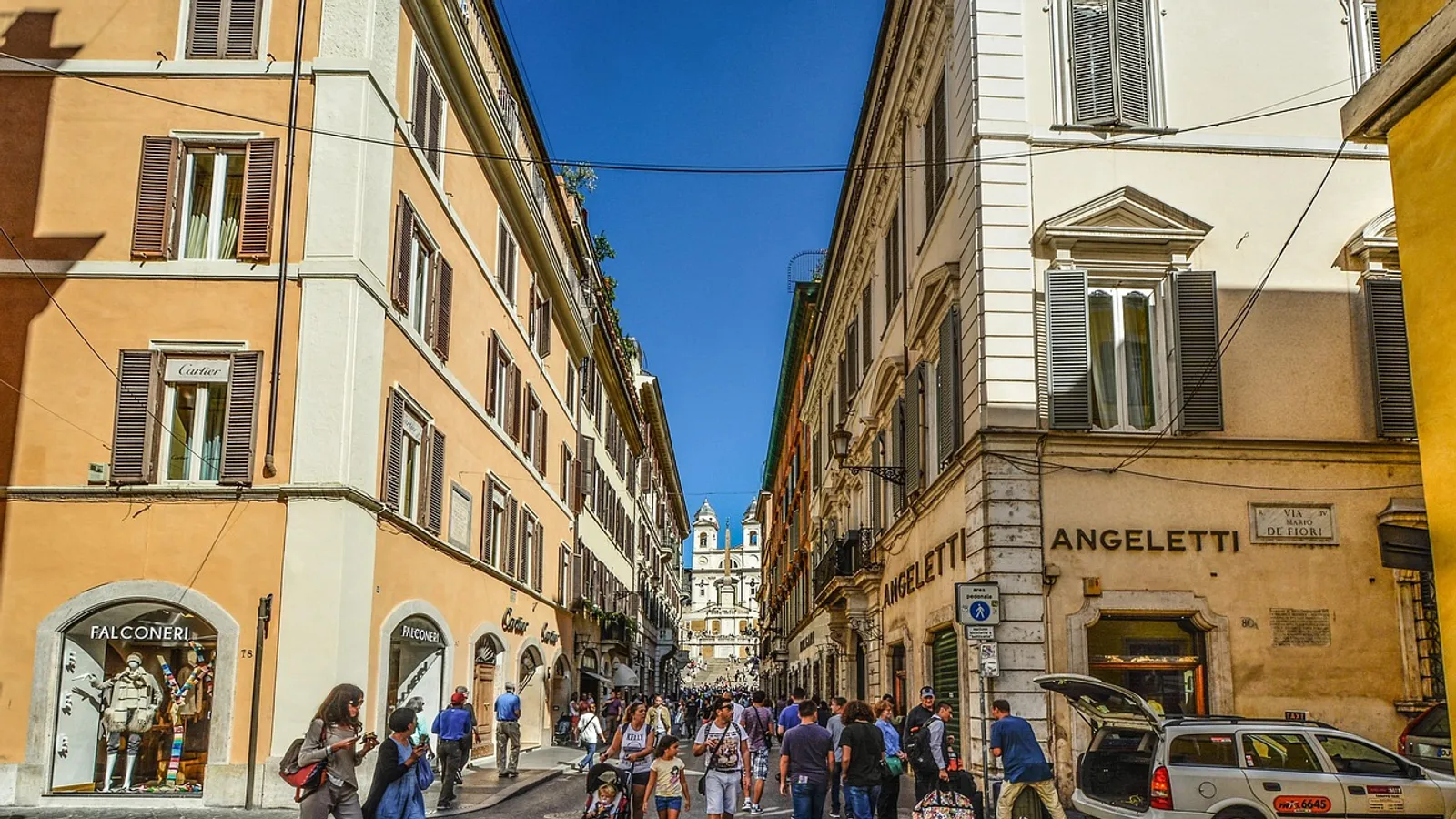
The steps were built between 1723 and 1726 to join Piazza di Spagna to the Pincio hill above, with the church of Trinità dei Monti at the top. The travertine flight is split into 11 ramps, each of 12 steps, and from about mid-April to mid-May they carry a display of roughly 450 azaleas cared for by the city's gardeners (Turismo Roma). At the bottom is the boat-shaped Barcaccia fountain by Pietro Bernini, father of Gian Lorenzo (Piazza di Spagna).
13. Campo de' Fiori
Visit twice in one day if you can. The market, which moved here from Piazza Navona in 1869, traditionally runs every morning from Monday to Saturday. In the centre stands Ettore Ferrari's statue of Giordano Bruno, the philosopher burned here for heresy on 17 February 1600. It went up in 1889, and Turismo Roma translates the inscription on its base as "To Bruno the century he divined here where the stake burned". The same page notes that it is the only monumental square in the historic centre without a church (Campo de' Fiori). At dusk the same square turns into an aperitivo spot.
Neighbourhoods worth a half day
Give each of the four districts below a few unhurried hours on foot.
14. Trastevere
Start at the Basilica of Santa Maria in Trastevere, which Turismo Roma describes as probably the first official place of Christian worship in Rome. Its apse mosaics of the life of the Virgin are by Pietro Cavallini, and the 22 granite columns inside probably came from the Baths of Caracalla (Turismo Roma). From there, the city's tourism office suggests a route through the Botanical Garden and up to the Janiculum, past the Fontanone to the Passeggiata del Gianicolo (10 places). Things to do in Trastevere change after dark, when the trattorias and bars take over.
Trastevere food and evening walks to compare
Twilight Food Tour in Trastevere
4.9(105)4 hoursViewFrom$121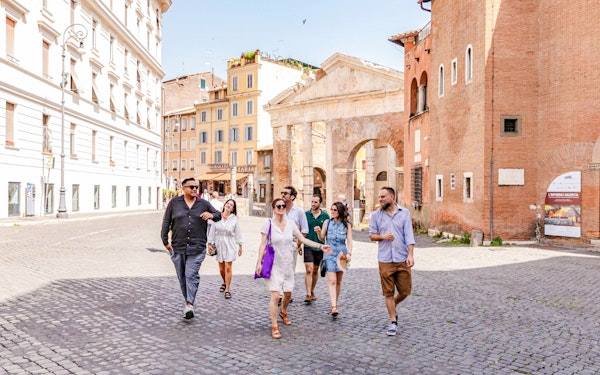
Trastevere and Campo De' Fiori Food Tour With Jewish Ghetto
4.9(126)4 hoursViewFrom$48
Trastevere Food Tour
4.9(145)2 hr 30 minViewFrom$87
Rome by Night Tour with Top E-bike and optional Italian Dinner
5.0(92)2 hours - 4 hoursViewFrom$73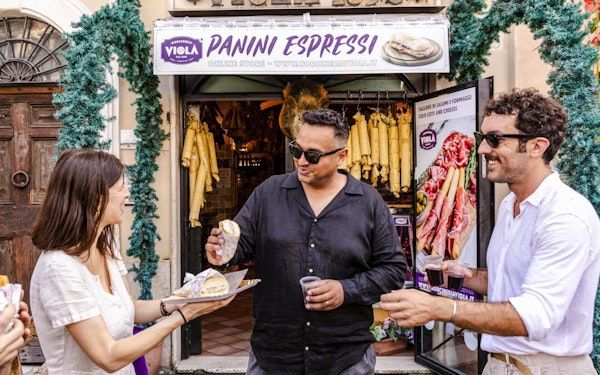
Eternal Rome: Trastevere Food Tour & Jewish Ghetto
4.9(120)4 hoursViewFrom$131
Tasty Prati and Vatican Neighborhood Wine and Food Tour
5.0(1)4 hoursViewFrom$278
Trastevere and Jewish Ghetto Private Walking Tour
5.0(94)2 hoursViewFrom$168
Orvieto by Evening: Small Group e-Bike tour with Dinner
4.7(34)2 hr 30 minViewFrom$78
Rome 3-Hour Evening Vespa Sidecar Tour with Gourmet Pizza Tasting
5.0(129)3 hoursViewFrom$183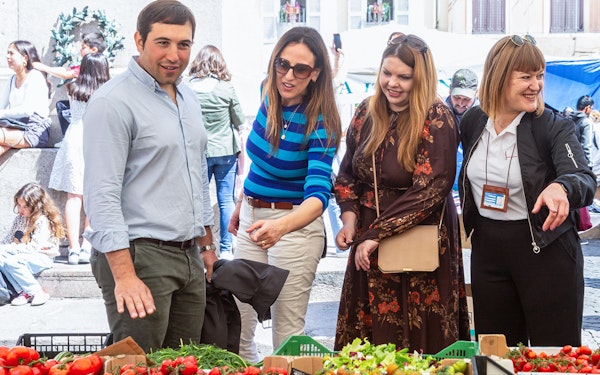
Guided Street Food Tour in Campo de'Fiori & Ghetto
5.0(6)2 hr 30 minViewFrom$48
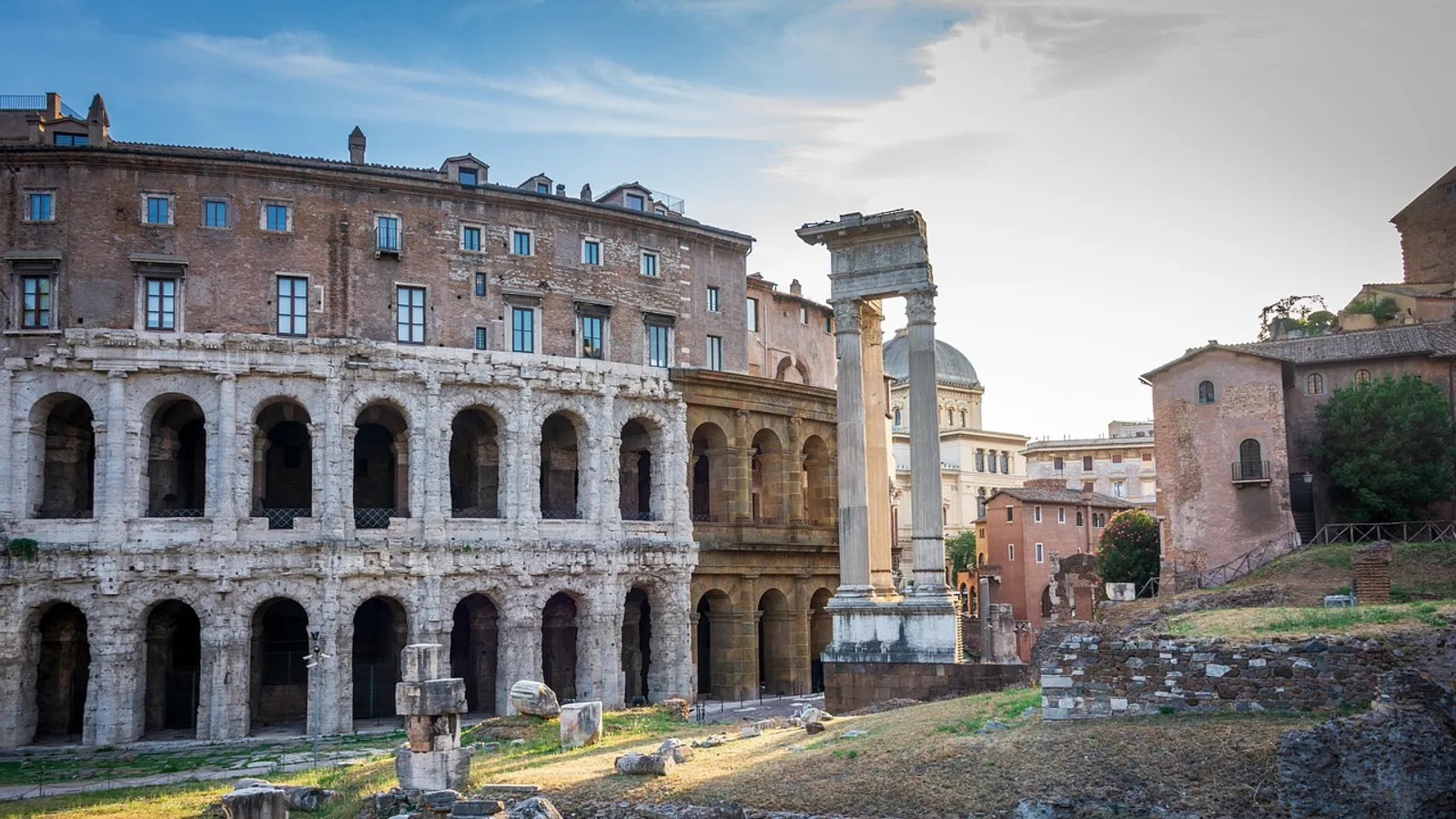
15. The Jewish Ghetto
Walk from the Turtle Fountain to the Portico d'Ottavia and the Theatre of Marcellus, and stop at a bakery for the ricotta and sour cherry cake Turismo Roma singles out. To see inside the Great Synagogue, buy a ticket for the Jewish Museum of Rome: €12, the price without online booking, covers the museum, with an audio guide you download to your phone, plus a guided visit to the Tempio Maggiore (rates, checked 13 Nov 2026). From the start of November until 14 January the museum keeps winter hours, 10:00 am to 4:00 pm from Sunday to Thursday and 9:00 am to 2:00 pm on Friday, and it shuts on Saturdays and on Jewish holidays.
16. Monti
Monti begins where the Colosseum and the Forum end, which makes it the easiest neighbourhood to fold into an ancient-Rome day. Turismo Roma points to the Church of San Pietro in Vincoli for Michelangelo's Moses, to Piazza della Madonna dei Monti at the heart of the district, and to the weekend market for vintage finds (10 places).
17. The Aventine
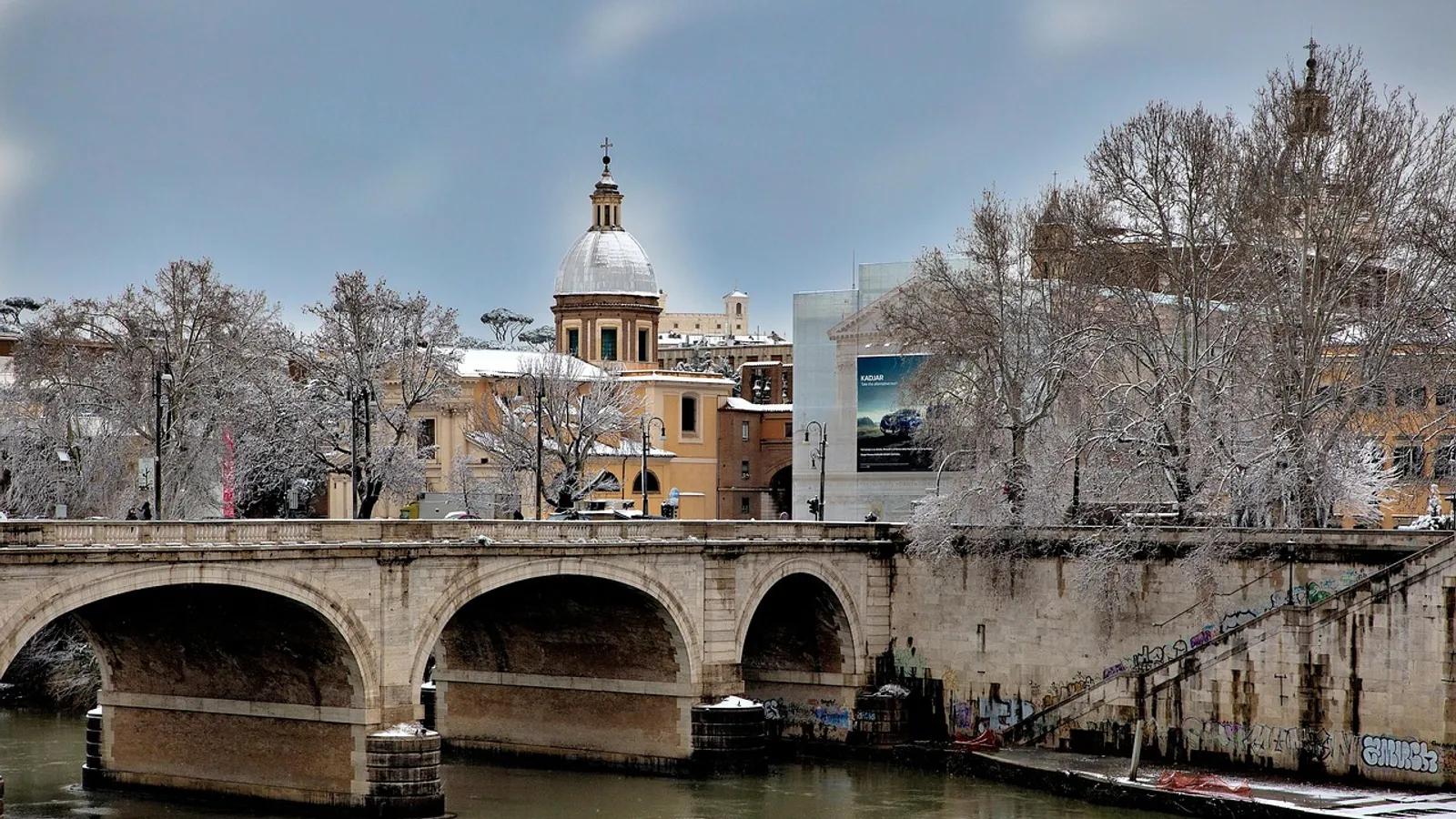
Turismo Roma calls the Aventine one of the most elegant hills in the city, and it has two famous views. The Orange Garden, also called Parco Savello, has a terrace that looks across the bend of the Tiber to Trastevere and the dome of St Peter's (panoramic viewpoints). A short walk on, in Piazza dei Cavalieri di Malta, the keyhole in the door of the Order of Malta complex frames a view you have to see for yourself. With a reservation, the order's staff show visitors the garden and the church of Santa Maria del Priorato, the only building by Giovan Battista Piranesi (Rome in 72 hours).
The keyhole queue
Turismo Roma's advice for skipping the line at the keyhole is to go at night, when you may have it almost to yourself.
Unique things to do in Rome, away from the crowds
Two less obvious stops: a crypt decorated with friars' bones, and Roman aqueducts striding across open fields.
18. The Capuchin Crypt
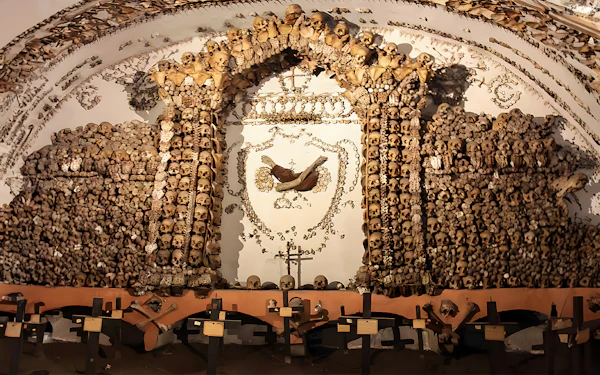
At the Capuchin museum on Via Vittorio Veneto, a corridor of about 30 metres with six side chambers holds the remains of about 3,700 people, mostly Capuchin friars, with bones and skulls set into rosettes, crosses and floral patterns on the walls and vaults (Museo e Cripta dei Cappuccini). Every ticket covers the museum and the crypt together; the crypt can't be visited on its own.
- Official price
- €10 full, €6.50 reduced, plus €1.50 online, checked 13 Nov 2026
- Hours
- Daily, 9:30 am to 1:30 pm and 2:30 pm to 6:30 pm
- Last entry
- 12:30 pm and 5:30 pm
- Dress
- Shoulders and legs covered to the knee
The museum advises that minors visit the crypt with an adult (tickets and rules). Photos and video are allowed for private use only.
Capuchin Crypt visits and underground Rome tours
Capuchin Crypt, Christian Catacombs & San Martino ai Monti Tour with Transfers
4.4(1,117)3 hr 30 minViewFrom$52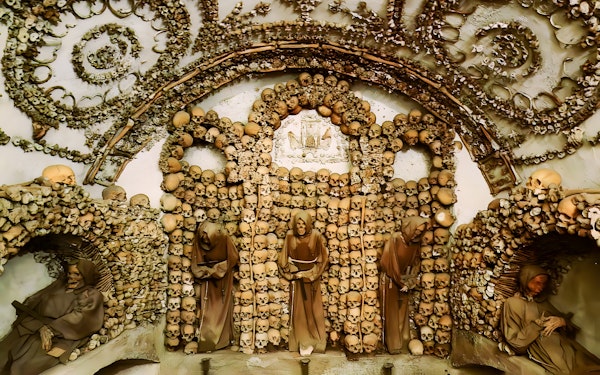
Capuchin Crypt Ticket with Audio Guide
4.4(1,391)3 hr 30 minViewFrom$13Capuchin Crypt Tickets with Audio Guide
4.4(1,414)3 hr 30 minViewFrom$13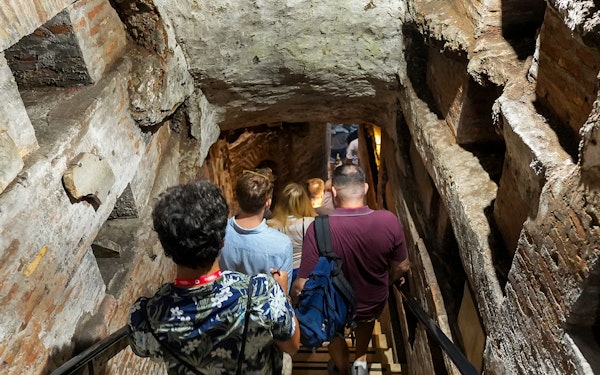
Capuchin Crypt Guided Tour with Transfers
4.3(1,140)3 hoursViewFrom$52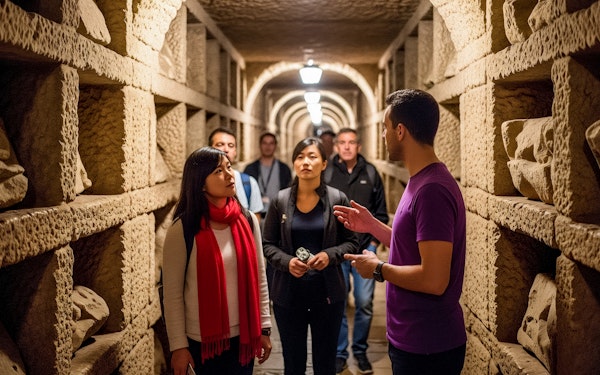
Capuchin Crypt & Roman Catacombs Guided Tour & Transfers
4.3(1,140)1 hourViewFrom$52Catacombs of Domitilla and Capuchin Crypt Guided Tour with Transfers
3.9(36)3 hoursViewFrom$75Catacombs of St. Callixtus Guided Tour with Transfers
4.3(1,666)2 hoursViewFrom$51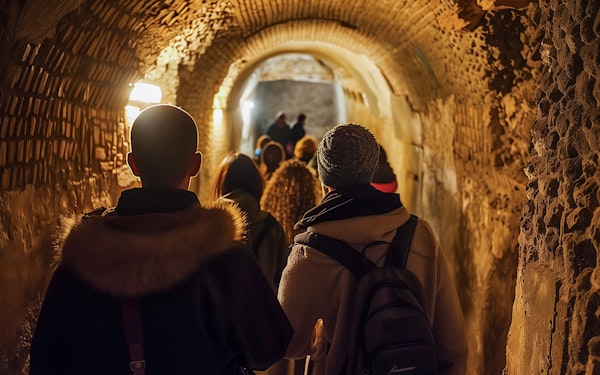
Catacombs of St. Callixtus Ticket with Guided Tour
4.4(3,509)45 minutesViewFrom$16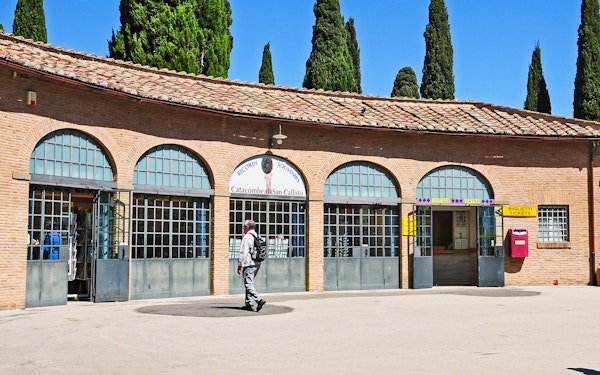
Catacombs of St. Callixtus Guided Tour
4.5(734)45 minutesViewFrom$16St. Callixtus & Other Catacombs Tour with Transfers
4.3(1,666)2 hoursViewFrom$51
19. The Aqueduct Park
This is the view of Roman arches marching across open fields that you may know from films. The arches of the Aqua Claudia, begun by Caligula in 38 AD and finished by Claudius in 52 AD, reach 28 metres in places, with the Anio Novus channel running on top (Parco archeologico dell'Appia Antica). The site is open access, with the entrance on Via Lemonia, and its 240 hectares of dirt paths can be walked or cycled freely (Appia Antica Regional Park).
Food experiences worth booking
Rome's cooking is at its most traditional in its old working-class districts. Turismo Roma names Trastevere and Testaccio in the centre, and, further from the centre, Garbatella, San Lorenzo and Ostiense as the places to find trattorias that don't reinvent the classics (traditional cuisine). A guided food walk or a pasta class makes sense if you want the stories behind the dishes, or if you would rather not order offal unguided. You'll find more food tours on our Rome tours page.
20. Testaccio, for the fifth quarter
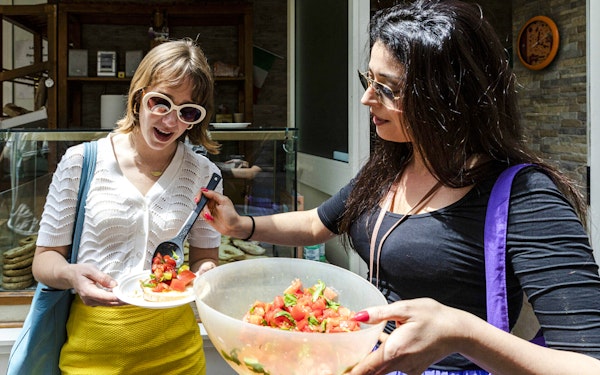
Testaccio is where Roman cooking keeps its butchers' roots. The local cuisine is built on the "fifth quarter", the offal and cheaper cuts the wealthy never bought, and Turismo Roma notes that slaughterhouse workers here were once paid partly in those scraps (traditional cuisine). That is where dishes such as oxtail stew and rigatoni with pajata come from. The district also has Monte dei Cocci, an artificial hill built up from ancient pottery shards, and a market for Roman street food (Rome in 72 hours).
Rome food walks and pasta classes to compare
Testaccio Food & Market Tour: Special 15 Year Anniversary Edition
4.9(107)4 hoursViewFrom$120Trastevere and Campo De' Fiori Food Tour With Jewish Ghetto
4.9(126)4 hoursViewFrom$48
Campo dè Fiori Market and Trevi Fountain Food and Wine Tour in Rome
5.0(78)4 hoursViewFrom$105Guided Street Food Tour in Campo de'Fiori & Ghetto
5.0(6)2 hr 30 minViewFrom$48Eternal Rome: Trastevere Food Tour & Jewish Ghetto
4.9(120)4 hoursViewFrom$131Tasty Prati and Vatican Neighborhood Wine and Food Tour
5.0(1)4 hoursViewFrom$278Trastevere Food Tour
4.9(145)2 hr 30 minViewFrom$87Twilight Food Tour in Trastevere
4.9(105)4 hoursViewFrom$121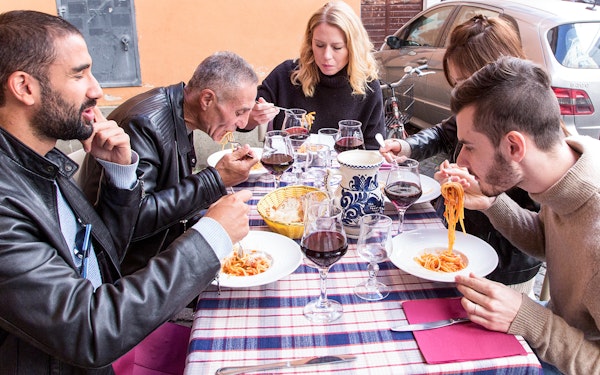
Rome Guided Food Tour with Wine & Beer
5.0(5)3 hoursViewFrom$76
Civitavecchia Market Tour with Private Cooking Class
5.0(10)5 hoursViewFrom$151
Things to do in Rome at night
Rome after dark is less about late opening hours than about the streets. A few ideas, most of which work in any season:
- The Trevi Fountain after 10:00 pm, when the ticketed area closes and the fountain stays visible to all.
- An aperitivo at Campo de' Fiori, which Turismo Roma describes as coming alive at dusk.
- Trastevere for dinner, then Testaccio for later, where Turismo Roma lists live music, pubs and wine bars.
- The Aventine keyhole late in the evening, for the view without the queue.
- The Passetto di Borgo on a Saturday evening. On 17 October 2026 the castle's page listed guided evening visits from 7:00 pm to 11:00 pm that include a walk on the bastions; check the museum page (archive copy of 17 Oct 2026) and confirm the dates before you go.
- A private evening at the Capuchin Crypt. The museum runs closed-door visits for booked groups at 6:45 pm and 8:00 pm, about 50 minutes long, with at least two weeks' notice (evening visits).
If you'd rather walk with a guide after dark, see our pick of Rome's guided walks, night routes included.
What costs nothing in Rome
Plenty, if you plan around the calendar. Everything here comes from the official pages as they stood on 13 November 2026.
- St Peter's Basilica and the Vatican Grottoes, where many popes are buried, have no entry charge (basilica FAQ).
- The Vatican Museums on the last Sunday of the month, opening 9:00 am to 2:00 pm (last entry 12:30 pm) unless the date clashes with a major feast. The last two in 2026 fall on 29 November and 27 December.
- The first Sunday of the month at state sites: the Colosseum park, the Pantheon and Castel Sant'Angelo admit everyone at no charge, and the Borghese Gallery charges only its €2 booking fee. Online booking is not available at the Pantheon and Castel Sant'Angelo on those days, so expect to queue.
- Under-18s enter the Pantheon and Castel Sant'Angelo at no charge, and the Borghese Gallery for the €2 booking fee only.
- The Pantheon during Mass, at 5:00 pm on Saturdays and 10:30 am on Sundays and holidays, when entry is for worship only.
- The Appian Way and the Aqueduct Park, which are open access.
- Every piazza in this list, plus the Trevi Fountain from the square and, after 10:00 pm, up close.
What to book ahead, and how far
Three sights are worth fixing before you travel: the Colosseum, the Borghese Gallery and the Vatican Museums. Most of the rest can wait until you're in Rome. The table shows each official rule as published.
| Place | Booking rule | Official seller |
|---|---|---|
| Colosseum, Forum and Palatine | Time slot compulsory; sales open 30 days ahead | colosseo.it |
| Vatican Museums | Optional; booking online adds €5 to the €20 ticket | tickets.museivaticani.va |
| Borghese Gallery | Compulsory for every ticket, two-hour slots | Galleria Borghese |
| Pantheon | Time slot; next month's tickets released mid-month | Musei Italiani |
| Castel Sant'Angelo | Recommended, above all at weekends | Direzione Musei Roma |
| Domus Aurea | Timed visits every 15 minutes, Fri to Sun | colosseo.it |
| St Peter's Basilica | Not needed; a paid timed slot is optional | basilicasanpietro.va |
| Baths of Caracalla | Online or on site, ticket in your name | Musei Italiani |
| Capitoline Museums | Not needed; on-the-day tickets have no fee | museicapitolini.org |
| Trevi Fountain | Not needed; open tickets with no date | Roma Capitale |
| Capuchin Crypt | Online or on the day; online adds €1.50 | museoecriptacappuccini.it |
| Catacombs of St Callixtus | Optional; ticket office on site or the authorised online seller; guided entry only | catacombe.roma.it |
Official booking rules, checked 13 Nov 2026; archive links show the copy used where the live site could not be reached.
If you're weighing the Roma Pass, note that the Borghese Gallery is in it (with a booking by phone, online or email) and the Capitoline Museums give pass holders reduced or no-charge entry, while the Pantheon is outside the scheme. Whether a pass pays off for your plans is worked out in our travel guide to Rome.
Leaving the city for a day
Rome is a good base for short trips, and the Turismo Roma page on Tivoli is a fair example of what's within reach: an old Latin town whose famous villas are on the UNESCO World Heritage list. The Appian Way and the Aqueduct Park on this list already give you countryside without leaving the city limits. For trips further out, read our guide to the best day trips from Rome.
How many of these fit your stay
With one day, take the Colosseum in the morning and walk the Pantheon, Navona and Trevi after lunch (see our one-day Rome plan). With two, add the Vatican side (2 days in Rome). Three days covers most of the first-timer top 10 plus Trastevere (3 day Rome itinerary), and five leave room for the Appian Way, the Borghese and Testaccio without rushing (5 days in Rome). Visiting between November and February? Shorter winter hours change the plan, which our Rome in winter guide covers.
Compare tours and tickets in RomeRome FAQ
What should I do in Rome on a first visit?
Split the city by riverbank rather than by fame. Spend one day on the ancient core, where the Colosseum, the Forum, the Capitoline and Monti sit within walking distance of each other, and another across the river, where St Peter's, the Vatican Museums and Castel Sant'Angelo sit close to one another. A third day can go to the Pantheon, the piazzas and an evening in Trastevere. Book the Colosseum, the Vatican Museums and, if you want it, the Borghese Gallery before you fly, and leave the rest flexible.
Is Trastevere worth visiting?
Yes, and it rewards two visits rather than one: a daytime walk for the churches and the view from the Janiculum, and an evening for the trattorias and bars that make Turismo Roma call the district famous for its night life. With only one slot, go late in the afternoon and stay for dinner.
What should you wear to visit Rome's churches and the Vatican?
Cover your shoulders and knees. The Vatican turns away visitors in sleeveless or low-necked tops, shorts above the knee, miniskirts or hats, at the museums and at St Peter's alike. The Pantheon asks for covered shoulders and no very short shorts or skirts, and the Capuchin Crypt requires shoulders and legs covered to the knee. A light scarf in a day bag solves most of it.
Which Rome sights are open on Mondays?
The Colosseum, the Vatican Museums, the Pantheon, the Capitoline Museums, St Peter's Basilica and the Capuchin Crypt all open on Mondays. The Borghese Gallery and the Baths of Caracalla close, as does Castel Sant'Angelo except on the first Monday of the month through 2026, and the Trevi Fountain's ticketed area opens at 11:30 am on Mondays and Fridays instead of 9:00 am. The Catacombs of St Callixtus close on Wednesdays instead, so plan the Appian Way for another day.
Why visit Rome?
For the range packed into one city. In a few days you can stand in a Roman temple that still serves as a church, walk through the rooms of Nero's buried palace, cross Baroque squares and eat in working-class districts that kept their old offal dishes. Much of it, from the piazzas to St Peter's Basilica, costs nothing to enter.
Sources
All checked on 13 November 2026 and rechecked on 20 November 2026. Pages marked "archive copy" were read from the Internet Archive because the live ministry sites refused connections that day.
- Colosseum park hours and ticket page (archive copy of 8 Nov 2026) and Domus Aurea (archive copy of 25 Aug 2026)
- Vatican Museums hours and closure dates, prices and tickets and useful tips
- St Peter's Basilica: opening hours, entering the basilica and FAQ
- Direzione Musei nazionali della città di Roma: Pantheon (archive copy of 29 Oct 2026) and Castel Sant'Angelo (archive copy of 17 Oct 2026)
- Galleria Borghese: visit (archive copy of 23 Oct 2026) and tickets (archive copy of 18 Aug 2026)
- Soprintendenza Speciale di Roma: Baths of Caracalla and the official Musei Italiani listing for the baths
- Capitoline Museums: hours and tickets
- Appia Antica Regional Park, getting there and Aqueduct Park itinerary; Parco archeologico dell'Appia Antica: Via Appia Antica and aqueducts
- Catacombs of St Callixtus: hours and tickets
- Roma Capitale: Trevi Fountain entry ticket and press release of 28 Jan 2026
- Museo e Cripta dei Cappuccini: the crypt, tickets and rules and evening visits
- Jewish Museum of Rome: information and rates
- Turismo Roma: Trevi Fountain, Piazza Navona and Campo de' Fiori walk, Campo de' Fiori, Spanish Steps, Piazza di Spagna, Villa Borghese, Capitoline Museums, Santa Maria in Trastevere, panoramic viewpoints, Rome in 72 hours, 10 places, traditional cuisine and Tivoli