RomeCity pillarPlanningFirst-timer
Rome Travel Guide: First-Time Visitor Essentials for 2026
A field-tested 2026 Rome guide: where to stay, how to get around, ticket strategy, eating timing, and the seven things first-time visitors most regret skipping.
By SimilarTours Editorial · Travel Research · · Updated · 19 min read

Rome rewards the prepared. The city is not difficult - most visitors walk it without trouble, the food is genuinely as good as you've been promised, and the headline attractions are densely packed. But there is a layer of practical detail that the brochures skip: when the restaurants actually open, why one neighborhood works better as a base than another, how the ticketed sites really queue, and which of the things you're meant to do you should actually skip. This is that guide.
If you have ten minutes, the section below on ticket strategy is the single most valuable part - it'll save you a half-day of standing in lines.
Browse all 1,500+ Rome tours and tickets →When to go
A four-season city; pick by your tolerance for crowds and heat.
- April + May - the consensus best window. Warm, not yet hot, full sun, gardens in bloom, restaurants spill onto terraces. Crowds heavy but not yet unmanageable. Easter week is the one peak to avoid (Vatican closures + insane pricing).
- June + September - long days, busy but bearable. June pushes 30°C+ by midday; September stays milder.
- July + August - hot (35°C+), packed, and many Roman-run businesses close from mid-August (Ferragosto) for two weeks. Visit only if your dates can't move.
- October + November - under-rated. Mild, golden light, the harvest food festivals, far fewer crowds. Rain becomes likelier.
- December + January + February - the quiet season. Cool (8-14°C), occasional rain, low queues. Christmas markets and Vatican holiday Mass tickets if you book ahead.
The shoulder-month sweet spot
Mid-April through mid-May and mid-September through mid-October are the two windows where you get the city without the heat-and-crowd penalty. Most experienced Rome travelers come back to one of those two windows specifically.
Where to stay - the four practical neighborhoods
Centro Storico (Pantheon / Piazza Navona) - the postcard option. You walk out the door and you're in the historic heart. Most expensive zone, but every other attraction is 15-25 minutes on foot. Good for short 2-3 day trips where time matters more than money.
Monti - the locals' favorite mid-range pick. Bohemian, full of independent bars and restaurants, 10 minutes from the Colosseum on foot, 5 minutes from the Cavour metro stop. Best balance of price, atmosphere, and access.
Trastevere - the atmospheric quarter across the river. Cobblestone streets, ivy walls, the strongest food scene. 20-25 minutes' walk to the Forum, no metro, but a tram and frequent buses. Pick for a 4+ day stay where you value evenings out over speed of access.
Prati / Borgo - the calm residential grid behind the Vatican. Walkable to St. Peter's, metro Line A access to everywhere else, and quieter restaurants. Pick if Vatican Museums are a priority and the rest of the city is secondary.
Avoid for first visits: anywhere east of Termini station (Esquilino, San Lorenzo) - practical and well-connected, but the streets are flat and characterless and you'll regret not having a postcard moment when you step outside.
Getting around
Rome's transit is functional, not slick. Pieces:
- Metro (Lines A + B + C) - the spine. Lines A and B cross at Termini. Line C is being built; ignore. A standard 100-minute single ticket is €1.50, 24-hour pass around €8.50. Buy at any tabacchi or station kiosk, or tap a contactless card.
- Bus + tram - fills in the centro storico holes the metro misses. Same ticket system. Bus signs are confusing; use Google Maps.
- Walking - the centro storico is genuinely walkable. The Colosseum to the Vatican is 45 minutes on foot through some of the world's best urban scenery; do it once.
- Taxi - white cars only (no other color is legal). Pickup from designated taxi ranks (taxi blocks at major squares + Termini); flagging on the street is allowed but rare. Rates are metered and fair. Don't take "taxi" rides offered to you by men at the Vatican or Termini - these are unmetered scams.
- Ride-share - Italian law forces Uber + FREE NOW to use licensed taxi drivers only. Functionally a taxi-booking app, not cheap consumer ride-share.
Train pickpocket warning
Termini-area trains (metro A + B, regional trains) are the city's most common pickpocketing zone. Keep wallets in front pockets; backpack on your chest in crowded cars. The scam usually involves a "stumbler" who bumps into you while an accomplice lifts.
Tickets - the strategy that saves your trip
The single biggest cause of regret on Rome trips is showing up to a ticketed site and discovering it's sold out, or queueing for 90 minutes when a $5 booking fee would have skipped it. The big four at a glance:
| Sight | Book ahead (summer) | Time needed | Full guide |
|---|---|---|---|
| Colosseum + Forum + Palatine | 1-3 weeks | 3 hours | Colosseum tickets |
| Vatican Museums + Sistine Chapel | 1-3 weeks | 3-3.5 hours | Vatican tickets |
| Borghese Gallery | Always - sells out even off-season | 2 hours, strictly enforced | Galleria Borghese tickets |
| St. Peter's Basilica | No ticket - security queue 30-60 min | 1-1.5 hours | Vatican tickets |
The rules in more detail:
Book 1-3 weeks ahead in summer:
- Vatican Museums + Sistine Chapel (any guided format)
- Colosseum + Forum + Palatine combined
- Borghese Gallery (always - even off-season this sells out; 360 people per 2-hour slot and no walk-up sales)
Book 3-7 days ahead in summer:
- Catacombs (any of the three networks)
- Capitoline Museums (less critical but smoother)
- Castel Sant'Angelo (less critical)
Walk up freely:
- Pantheon (small entry fee, around €5-€7; no real queue)
- Trevi Fountain, Spanish Steps, Piazza Navona (free, outdoor)
- St. Peter's Basilica (free entry; security queue 30-60 min in peak)
- Smaller basilicas (Santa Maria Maggiore, San Giovanni in Laterano, San Clemente - all worth it, all walk-up)
Top Rome tickets to book

Rome: Colosseum, Forum, and Palatine Hill 3 hr Tour
The right way to do all three in a morning - skip-the-line + small group with a licensed guide.
4.7(6,322)3 hoursView
Skip the Line: Vatican Museums, Sistine Chapel & St. Peter's
The Vatican combo most first-timers book - guided, 3 hours, ends inside the basilica.
4.7(6,322)3 hoursViewFrom$34
Vatican Museums & Sistine Chapel Skip-the-Line Tickets
4.6(180)1 hour - 3 hoursViewFrom$30
Vatican Museums and Sistine Chapel with Skip The Line Ticket
4.4(52)2 hours - 3 hoursViewFrom$85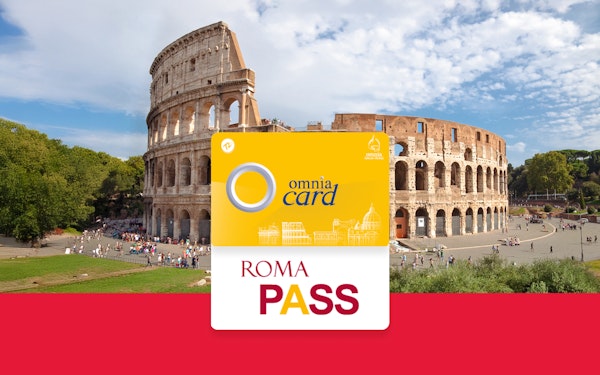
Omnia Card and Roma Pass: Access 10+ Attractions and Unlimited Public Transport
3.9(44)ViewFrom$173
Rome Big Bus Hop-on Hop-off Open-Top Sightseeing Tour
3.4(2,990)1 hr 45 minViewFrom$22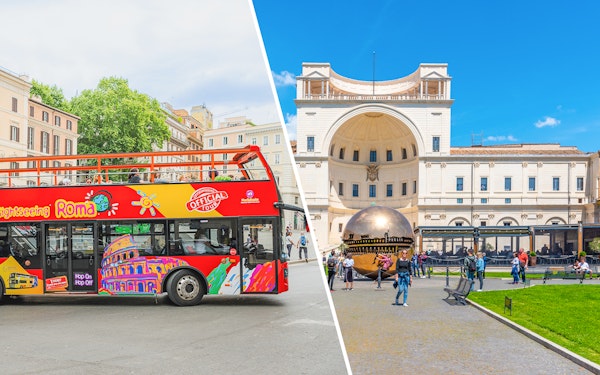
Combo: Rome Hop-on Hop-off Bus Tour + Vatican Museums Skip-the-Line Tickets
4.5(2)ViewFrom$99
Pantheon Rome Entry Ticket
4.5(855)30 minutes - 1 hourViewFrom$19
Combo: Mamertine Prison + Colosseum + Roman Forum + Palatine Hill Tickets
4.3(2,908)4 hoursViewFrom$45
Rome Vatican Museum and Sistine Chapel Skip the Line Tickets
3.2(174)2 hr 30 min - 3 hoursViewFrom$44
How long different things take
Useful for planning:
- Colosseum + Forum + Palatine combined (guided): 3 hours
- Vatican Museums + Sistine Chapel + St. Peter's (guided): 3-3.5 hours
- Pantheon: 30 minutes inside
- Trevi Fountain stop: 15 minutes (longer if you want a photo without strangers)
- Borghese Gallery: 2 hours, strictly enforced
- Trastevere food tour (evening): 3 hours
- Pompeii + Amalfi day trip: full 12-hour day, leaves at 6:45-7 a.m.
- Tivoli (Villa d'Este + Hadrian's Villa): half-day, 5 hours total
- Cooking class with dinner: 3 hours
- Vespa or golf cart night tour: 2-3 hours
Eating - the practical version
Three rules cover most of it:
-
Don't eat near the major attractions. The cluster of cafés around the Trevi, Colosseum, Piazza Navona, and Vatican are uniformly bad and overpriced. Walk 4-6 blocks in any direction; the quality jumps immediately.
-
Lunch is 12:30-2:30 p.m. Dinner is 7:30-10:30 p.m. Outside those windows, only tourist-trap kitchens are open. Bridge the gaps with espresso, gelato, or aperitivo (6:30-8 p.m. - drinks + free small bites at most wine bars).
-
Tip €1-2 per person at lunch, €2-5 at dinner - not a percentage. Many bills include "coperto" (a small cover charge) which is the equivalent of a bread fee, not a service charge. Service is rarely included; tipping is appreciated but not the U.S. percentage.
The Roman dishes you should specifically order: cacio e pepe, carbonara (egg yolk + guanciale + pecorino + pepper; no cream), amatriciana, supplì (fried rice balls), carciofi alla giudia (Jewish-style fried artichoke), and pizza al taglio (rectangular pizza by weight, lunch fuel). Skip "Italian wedding soup" - not a Roman thing.
From the editor
The trattorias on the back streets of Monti and Trastevere - the ones with paper menus, no English-language sign outside, and a printed handwritten chalk board - are the ones to book. The places with photo menus, multilingual placards, and a tout outside grabbing tourists are the ones to walk past.
Safety + scam awareness
Rome is safe for first-time visitors. The risks are nuisance-level:
- Pickpockets on crowded metro lines (especially A near Spagna + Vatican) + Termini area. Front pockets, secured zippers, no wallet in a backpack you can't see.
- The Colosseum "centurion" photo scam - guys in costume offering photos. They demand €20+ after you've already posed. Politely decline and walk on.
- Bracelet-tying + rose-handing scams - somebody approaches and starts tying a bracelet on your wrist or pressing a rose into your hand "for free," then demands payment. Walk away mid-attempt; they expect the trick to land before you react.
- Unlicensed taxis at Termini and the Vatican. White cars only, with meters. Anyone offering you a ride outside that is a scam.
That's the list. Violent crime is rare in the tourist zones.
What first-time visitors most regret
Patterns from feedback across our partner reviews:
- Not booking the Vatican in advance. "We thought we could walk up. The line for tickets was 90 minutes and the line for security was another 30."
- Booking 6-hour Vatican tours. They sound thorough; they exhaust you and you skip the rest of the day.
- Going to the Trevi Fountain at noon in July. It's mobbed; the photo you wanted is impossible. Pre-7 a.m. or post-10 p.m. is the move.
- Skipping the Borghese Gallery. "We didn't realize you couldn't walk up - by the time we tried it was sold out." Book day one of your trip planning.
- Eating at the first place near the Colosseum. "Worst pizza of the trip; €18 for a glass of house wine."
- Not budgeting a half-day for Trastevere. "We treated it as a quick walk-through; ended up coming back two more evenings."
- Not building in a rest afternoon. Rome on hot days is brutal on the feet - 4 p.m. siesta in your hotel is the local move for a reason.
Getting in from the airport
Rome has two airports, and they are not equal. Fiumicino (FCO, officially Leonardo da Vinci) is the main international hub west of the city, and the easy way in is the Leonardo Express, a non-stop train to Termini station in about 32 minutes for a fixed fare. It runs every 15 to 30 minutes and is far more reliable than a taxi in traffic. If you prefer a door-to-door ride, Rome sets a fixed official taxi fare from Fiumicino to anywhere inside the historic Aurelian walls, take only the white official taxis at the rank and confirm the flat rate, which protects you from the meter games that catch tourists out. Ciampino (CIA) is the smaller budget-airline airport southeast of the city, reached by shuttle bus or a bus-and-train combination in around 40 minutes to an hour.
The single biggest airport mistake in Rome is climbing into an unofficial "taxi" tout inside the terminal. Walk past them to the marked rank outside, or take the train. The fixed fares and the Leonardo Express exist precisely because the airport run is where overcharging is most common.
Money, costs, and tipping
Rome is on the euro and increasingly card-friendly, though slightly less so than northern European capitals, so carry some cash for small cafes, market stalls, and the occasional place with a card minimum. Costs are moderate by Western-European standards: an espresso at the bar is a euro or two (and cheaper standing than seated, an Italian quirk worth knowing), a casual pasta lunch around 12 to 18 euros, and a relaxed dinner for two with wine perhaps 50 to 80 euros at a good neighborhood trattoria.
Tipping is minimal and not expected the way it is in the United States. Many bills include a small per-person "coperto" (cover charge) that is not a tip; beyond that, rounding up or leaving a euro or two for good service is plenty, and there is no obligation to leave a percentage. You do not tip for coffee at the bar. The one charge to watch is the seated-versus-standing price difference at cafes, and the tourist-trap restaurants right beside the major sights, where you pay a steep premium for the location; walk a few streets back for better food at half the price.
Traveling with kids
Rome works well with children if you pace it around the heat and the crowds. The ancient sites are genuinely exciting for kids, the Colosseum lands hard in person, and the Forum is an open-air playground of ruins, but they are large, shadeless, and tiring, so go early and keep visits to a couple of focused hours. The city's fountains are a free, endless delight: tossing a coin into the Trevi, spotting the stone boat at the Spanish Steps, and refilling water bottles at the "nasoni" street fountains that run cold all summer. Gelato is the universal reset button, and Rome has it on every corner. The two things to plan around are the cobblestones, which are hard going for strollers, so a carrier can be easier for little ones, and the midday heat from June to August, when an air-conditioned lunch and a slow afternoon beat pushing through.
Top experiences to book
Rome's two unmissable sites, the Colosseum and the Vatican, both run on timed entry with queues that can swallow an hour, so a skip-the-line or guided ticket is the single best thing you can book ahead. Beyond those, a Trastevere food tour is consistently one of the highest-rated experiences in the city, turning dinner into the evening's entertainment. Here are some of the top-rated Rome experiences currently bookable, sorted by traveler ratings.
Top-rated Rome experiences

Rome: Colosseum, Roman Forum and Palatine Hill Guided Tour
The most-reviewed Colosseum experience in the catalog - guided entry across all three ancient sites, the efficient way past the worst queue in Rome.
4.5(24,803)3 hoursViewFrom$57
Skip the Line: Vatican, Sistine Chapel & St. Peter's
A highly rated guided Vatican tour covering the museums, the Sistine Chapel, and St. Peter's - the headline religious-art complex done in one go.
4.9(7,830)3 hoursViewFrom$116
Rome Food & Wine Tour: 15 Tastings in Trastevere
Fifteen tastings across the Trastevere backstreets with a guide - one of the highest-rated, best-value food crawls in the city.
4.9(3,434)2 hoursViewFrom$86
Best of Rome: Vatican & Colosseum Guided Tour
4.7(44)9 hr 30 minViewFrom$189
Skip the Line Vatican, Sistine Chapel and Basilica Guided Tour
4.6(4,338)2 hr 30 minViewFrom$85
Private Rome Historical and Early Vatican Guided Tour
5.0(34)1 hour - 3 hoursViewFrom$283
Vatican Museums and Sistine Chapel Skip-the-Line Tickets
4.4(250)2 hours - 4 hoursViewFrom$43
From Civitavecchia port with Vatican Museums & Tour Guide
5.0(10)9 hoursViewFrom$1,051
Colosseum, Roman Forum & Palatine Hill Guided Tour
4.6(11,267)2 hr 30 minViewFrom$56Combo: Rome Hop-on Hop-off Bus Tour + Vatican Museums Skip-the-Line Tickets
4.5(2)ViewFrom$99
Day trips worth taking
Rome makes a strong base for a day trip when you want a break from the city. Pompeii pairs the ancient Roman town with the Amalfi Coast or Sorrento on a long, scenic day south; Tivoli's Villa d'Este and Hadrian's Villa are a gentler half-day of gardens and ruins closer to the city. The standout for most first-timers is Pompeii, covered in full, with the tours that rate highest, in our guide to the Pompeii day trip from Rome - and for the complete set of routes, ranked, see the best day trips from Rome. A couple of the most-booked options:
Popular day trips from Rome

Pompeii, Amalfi Coast and Positano Day Trip from Rome
The most-reviewed Pompeii combo from Rome - the ruins plus the Amalfi Coast and Positano in one long, scenic coach day.
4.5(6,758)13 hoursViewFrom$128
Pompeii, Sorrento & Amalfi Coast Day Trip from Rome
A well-priced pairing of Pompeii with Sorrento and the Amalfi Coast - high ratings and a lower ticket than most coast combos.
4.7(1,604)12 hoursViewFrom$81
Private Transfer from Amalfi Coast to Rome or vice versa
5.0(10)5 hours - 7 hoursViewFrom$402
Pompeii Tour & Amalfi Coast Day Trip from Rome
4.6(2,030)13 hoursViewFrom$227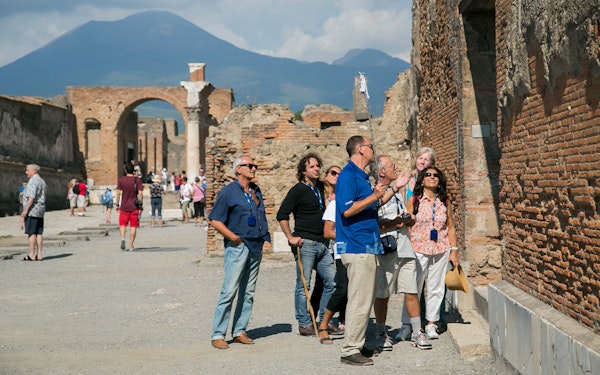
From Rome: Pompeii Guided Tour and Amalfi Coast Day Trip
4.7(313)13 hoursViewFrom$103
Pompeii & Amalfi Coast Private Tour: Archaeologist-led, Flexible
5.0(49)8 hours - 9 hoursViewFrom$532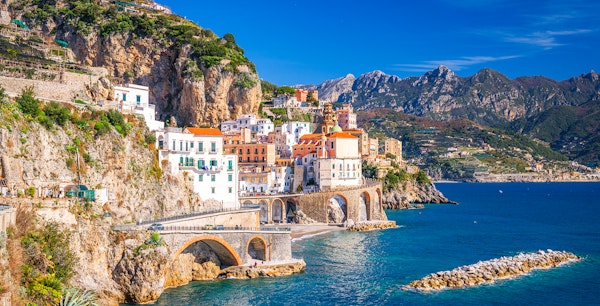
From Naples: Pompeii and Amalfi Coast Day Trip with Transfers
5.0(5)8 hoursViewFrom$104
Day Trip from Rome: Explore Pompeii & Sorrento Amalfi Coast
4.8(610)12 hoursViewFrom$87
Skip-the-line Pompeii and Amalfi Coast Shore Excursion from Salerno Cruise Port
4.9(16)8 hoursViewFrom$567
Pompeii, Amalfi Coast Day Trip from Rome by Car, Suv or Van
5.0(36)14 hoursViewFrom$140
Sample itineraries
If you are still shaping the days, our 3 days in Rome itinerary lays out a walkable, field-tested route: ancient Rome from the Colosseum through the Centro Storico on day one, the Vatican and Trastevere on day two, and a flexible day three for the Borghese, Tivoli, or a Pompeii day trip. Use this guide for the practical decisions, where to stay, how to get around, when to go, and the itinerary for the hour-by-hour plan.
Common questions
What's the best neighborhood to stay in Rome for a first visit?
Monti or the Centro Storico area near Piazza Navona are the two safest first-time picks - both walkable to the headline sights, both well-served by metro and bus, both with good independent restaurants. Trastevere is the atmospheric choice if you don't mind a 20-minute walk to the Forum. Avoid hotels east of Termini station for short stays - practical but lifeless.
Is the Rome metro enough to get around?
For the ring of major attractions, yes - Lines A and B intersect at Termini and stop at the Colosseum, Spagna, Vatican, and Piazza del Popolo. For Centro Storico (Pantheon, Trevi, Piazza Navona) the metro misses the area; you walk or take a bus. Taxis are inexpensive for short cross-city hops; ride-share (FREE NOW, Uber) is available but limited to licensed taxi cars only by Italian law.
When do restaurants actually open in Rome?
Lunch is 12:30 to 2:30 p.m.; dinner is 7:30 to 10:30 p.m. Showing up at 6 p.m. for dinner means tourist-trap territory only. Many family-run trattorias close Sunday evening and all day Monday. Aperitivo (drinks + small bites) bridges 6:30 to 8 p.m. at most wine bars.
Do I need to book Rome tours in advance or can I walk up?
Walk-up works only for the Pantheon, free outdoor sights (Trevi, Spanish Steps), and most basilicas. Everything ticketed - Colosseum, Vatican Museums, Borghese Gallery, Capitoline, catacombs - should be booked 1-2 weeks ahead in peak season. Same-week is risky from May through September; same-day usually impossible for Borghese.
Is Rome safe at night for first-time visitors?
Yes for the central tourist neighborhoods - Monti, Centro Storico, Trastevere, Prati, Borgo. Pickpocketing on crowded buses and the metro is the only common issue; avoid carrying a wallet in a back pocket and ignore strangers who try to engage you near the Colosseum or Trevi. The Termini area is fine but uglier - taxi back at night rather than walk.
How much cash should I carry in Rome?
Cards work almost everywhere - even small bars take contactless. Carry €30-€50 cash for the small things: water from kiosks, espresso at counter prices, tips for guides, and the rare trattoria that's still cash-only. Skip currency exchange windows in the airport; airport ATMs give better rates.
What are the best day trips from Rome?
Four stand out. Pompeii + the Amalfi Coast is the headline - a full 12-hour day leaving around 7 a.m. for the buried Roman city plus a coastal stop. Tivoli (Villa d'Este + Hadrian's Villa) is the best half-day, around 5 hours of gardens and ruins an hour east. Florence works as a long day on the high-speed train (1.5 hours each way), and Orvieto is the easy under-the-radar pick - a hilltop Umbrian town 75 minutes by train. If you only do one, make it Tivoli for the effort-to-payoff ratio, or Pompeii if you've never seen it.
Is the Rome city pass worth it?
Only for the right traveler. The Roma Pass (around €38 for 48 hours, more for the 72-hour version) covers public transport plus one or two site entries and skip-the-line at participating attractions - it pays off if you're riding the metro a lot and hitting the Colosseum or Capitoline. The Omnia Card adds Vatican entry and is pricier. For most 3-day first visits, booking a guided Colosseum + Vatican tour separately gives you a better experience than a pass, since the passes don't include the Borghese Gallery or guided access.
Are the Rome catacombs worth a tour?
Yes, if underground history appeals to you. The three main networks - San Callisto, San Sebastiano, and Domitilla - sit along the Appian Way south of the centre and can only be visited on a guided tour (you can't wander them alone). Entry runs around €10, tours last 30-45 minutes underground, and the temperature stays cool year-round. Most people pair the catacombs with an Appian Way half-day. Book 3-7 days ahead in summer; bring a light layer even in August.
Keep reading
Rome listicle
Things to do in Rome: 22 experiences worth your time in 2026
The Rome shortlist - 22 attractions, day trips, and food experiences ranked by what's worth booking.
Read more
Rome itinerary
3 days in Rome: a field-tested itinerary for 2026
A walkable 3-day Rome itinerary built around the booking realities of 2026 - what to do, in what order, and which tours save you time.
Read more
Rome timing
Best time to visit Rome: month-by-month guide for 2026
The real trade-offs between heat, crowds, prices, and what's actually open in each month - with the two sweet-spot windows.
Read more
Rome ticket guide
Colosseum tickets: skip-the-line, Arena Floor, and Underground compared
The four Colosseum ticket types compared, when skip-the-line is mandatory, and how Arena Floor + Underground tiers really work.
Read more
Rome ticket guide
Vatican tickets: skip-the-line, early access, and after-hours compared
Vatican Museums + Sistine Chapel + St. Peter's - every ticket format explained with booking windows that matter.
Read more
More reads
More guides to help you plan your trip

5 Days in Rome: The Itinerary Where the City Finally Opens Up
Five days in Rome is where the checklist ends and the city begins. A day-by-day route with the two day trips worth taking and the mistakes that waste the extra time.

The Best Walking Tours in Rome: Which Ones Are Worth Booking
Rome is a walking city with more guided tours than any visitor can sort through. Which types actually help, when to do them, and what the free tours really cover.

Christmas Markets in Rome: What the Season Is Actually Like
Rome at Christmas is not a northern market city, and that is the point. What the season actually offers, when it runs, and how to plan a December trip around it.

Pantheon Tickets in 2026: Prices, Types and How to Skip the Line
A practical 2026 guide to Pantheon tickets in Rome - now that entry is paid, the ticket types compared, when to reserve, and how to skip the line.

Sistine Chapel Tickets in 2026: Prices, Types and How to Skip the Line
A practical 2026 guide to Sistine Chapel tickets - how entry works through the Vatican Museums, the ticket types compared, and when skip-the-line is worth it.

Galleria Borghese Tickets: 2026 Guide to Timed Entry, Guided Tours, and Beating the Sell-Outs
A practical 2026 Borghese Gallery guide - every ticket type compared, how the strict 2-hour slot system works, and what to do when official tickets are gone.

1 Day in Rome: The Itinerary and the Best Rome in One Day Tours
How to spend 1 day in Rome without losing it to queues: Colosseum morning, Vatican or historic center afternoon, and the full-day tours that solve it all.

Rome in Winter: Why November to February Is the Connoisseur's Season
Rome in winter means short queues at the Colosseum and Vatican, mild days, Christmas in the piazzas, and the city at its most local - here is how to plan it.