
Europe
Which cities to pick, which months suit them and how Europe's borders work, from official sources
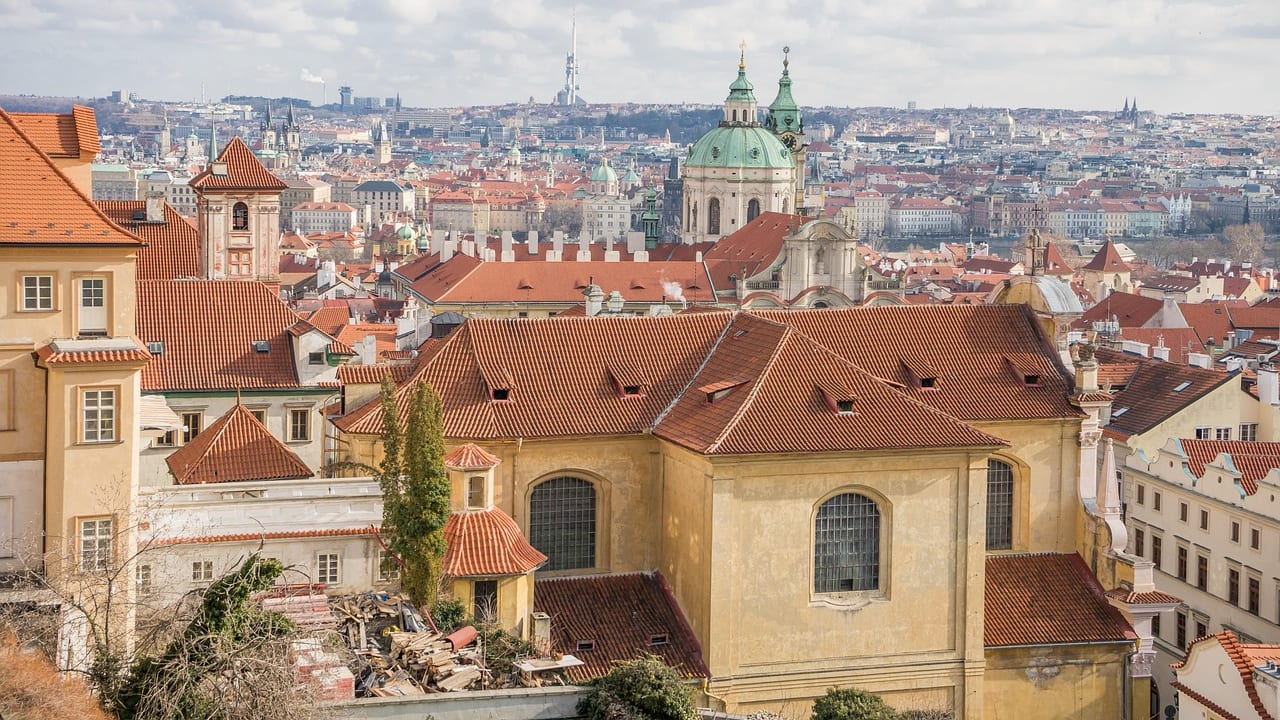
This Europe travel guide answers three planning questions from official sources: which cities draw the most visitors, when to go, and how borders work. Schengen rules and Eurostat's season figures are dated here, and Georgia is the first country covered in depth.
Best cities to visit in Europe
Counted by where visitors sleep, Rome, Paris and Barcelona are the leading city destinations in the European Union. In 2024 the Rome, Paris and Barcelona areas each recorded more than 40 million nights in tourist accommodation, and only one region in the EU did better: Mallorca, with 55.3 million.5
Eleven EU regions passed 30 million nights that year. After those four come Venice, Bolzano-Bozen in the mountains of northern Italy, Tenerife, Alicante, Madrid, Málaga and Berlin.5 Eurostat files seven of the eleven as island, coastal or mountain regions and only four as capital regions, so a trip built on capitals alone misses most of the EU's busiest holiday regions.5
By country, Italy and Spain were the top foreign destinations for people from EU countries in 2024.6 Eurostat's regional figures cover EU countries only, which is why London and Istanbul are missing from them; outside the EU, the United Kingdom, Türkiye and Switzerland were the three countries EU residents visited most.6
Best time to visit Europe
For most of Europe the best time to visit is late spring or early autumn, either side of the July and August peak. Those two months held 31% of all nights spent in EU tourist accommodation in 2025, August alone 16%, and the busiest month saw 3.6 times as many nights as January.2
How sharp that peak is depends on the country. In Croatia 55% of the year's nights fell in July and August, in Bulgaria 43% and in Greece 42%, while in Malta the share was 22% and in Germany and Finland 24%.2
November to April is the quiet half of the year. In 2024 each month from January to April, and again November and December, recorded fewer than 200 million nights in EU tourist accommodation, against 494.7 million in August.5 Those months suit city breaks far better than beach trips.
Europe itinerary: classic routes
The classic first route through Europe strings a handful of cities together by train, and the suggested routes of Interrail, the rail pass company, show three common shapes. The longest follows the Mediterranean from Valencia through Girona, Montpellier, Marseille, Cannes, Nice, Monaco, Genoa, Pisa and Livorno to Rome, and Interrail pitches it as a month on the rails.7
A shorter line stays inside one country: Rome, Florence, Venice, Verona and Milan, ending at Manarola in the Cinque Terre, sold as a two-week trip.7 For winter, the company suggests a week from Hamburg to Stockholm and on north to Kiruna and Abisko, above the Arctic Circle.7
Treat all three as shapes rather than schedules. They come from a company that sells passes, and a pass alone does not cover the fast and overnight legs: most of those trains need a seat reservation as well.8
Getting around Europe
Trains are the easiest way between most of Europe's big cities, and a single Interrail pass covers rail travel in 33 countries.7 The pass is not the whole ticket, though. A seat reservation is a separate ticket that costs extra, most high-speed and night trains need one, and on Eurostar, TGV and AVE services it is often mandatory.8
Some trains will not let you on board without a reservation, so check each train when you plan the route rather than on the platform.8 On busy routes, reserved seats sell out fast, so book them early.8
Borders, money and paperwork
Much of Europe works as one zone at the border. The Schengen area has 29 countries, 25 EU members plus Iceland, Norway, Switzerland and Liechtenstein, with Bulgaria and Romania the last to join on 1 January 2025.1 Short stays there are counted as up to 90 days within any 180-day period, and the European Commission's Schengen page is the place to check whether your passport needs a visa.1
Two EU members stay outside the zone without border checks. Ireland keeps its own visa and border rules, and Cyprus takes part in Schengen cooperation but has not yet lifted checks at its internal borders.1 Since 10 April 2026, non-EU visitors on short stays no longer get passport stamps at the external border of the 29 countries: the Entry/Exit System records their name, travel document, fingerprints, a facial image and the date and place of each entry and exit.9
ETIAS, the travel authorisation that visa-exempt visitors will need, is not running yet; the European Commission says no applications are collected and that the start date will be announced several months before launch.10 The euro is the currency of 21 of the 27 EU countries. Czechia, Hungary, Poland, Romania and Sweden have not adopted it yet, and Denmark has an opt-out and keeps its own currency.11
In an emergency, call 112. It is the European emergency number everywhere in the EU, at no charge from fixed and mobile phones, and it reaches an ambulance, the fire brigade or the police.3
Georgia and the Caucasus
Georgia, the country rather than the US state, is listed in this guide under Europe and also under Asia. The UN's statistical standard, M49, puts it in Western Asia, in the same group as its neighbours Armenia and Azerbaijan and, less obviously, the EU member Cyprus.12
None of the Schengen rules above apply there. Georgia is neither an EU member nor one of the 29 Schengen countries, so days spent in Georgia do not count toward a Schengen stay, and Georgia sets its own entry rules.4
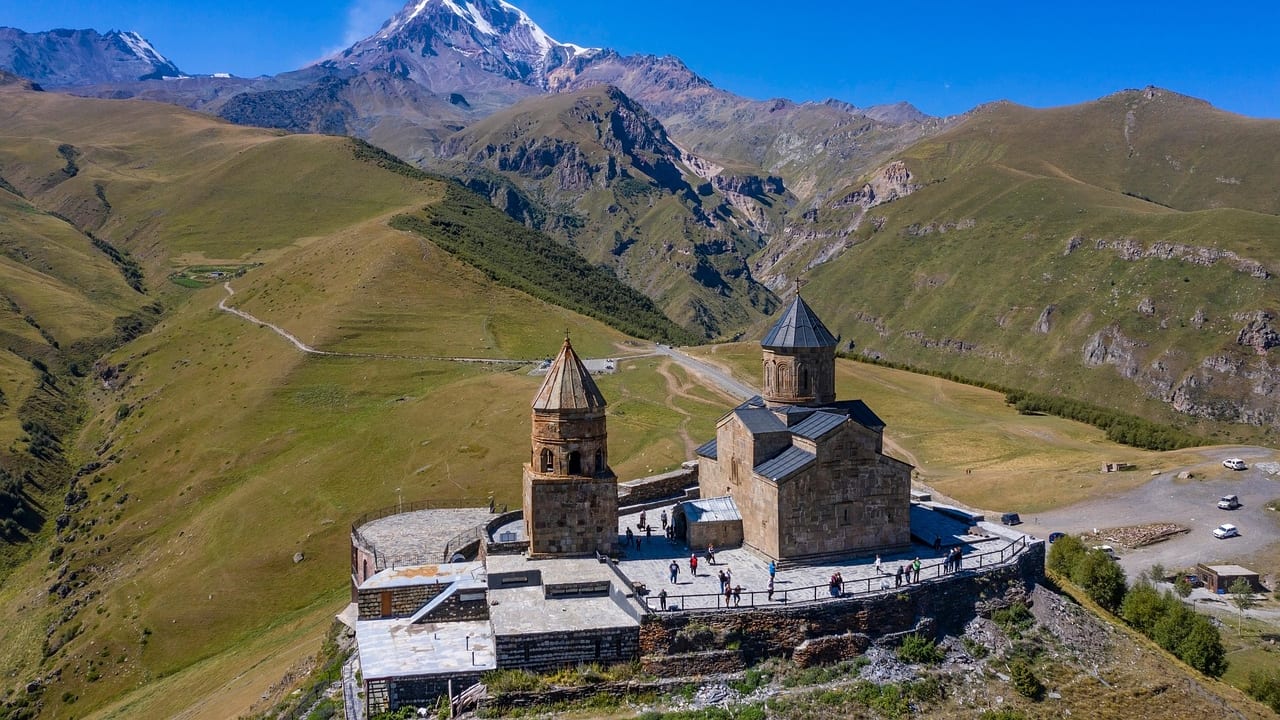
It is the first country this guide covers in depth, starting with the capital, Tbilisi, and four places in it: Old Tbilisi, the Abanotubani district, Narikala Fortress and Fabrika.
Countries in Europe
 Georgia
- Albania
- Andorra
- Austria
- Belgium
- Bosnia and Herzegovina
- Bulgaria
- Channel Islands
- Croatia
- Cyprus
- Czech Republic
- Denmark
- England
- Estonia
- Faroe Islands
- Finland
- France
- Germany
- Greece
- Greenland
- Hungary
- Iceland
- Ireland
- Italy
- Kosovo
- Latvia
- Liechtenstein
- Lithuania
- Luxembourg
- Malta
- Moldova
- Monaco
- Montenegro
- Netherlands
- North Macedonia
- Northern Ireland
- Norway
- Poland
- Portugal
- Romania
- Scotland
- Serbia
- Slovakia
- Slovenia
- Spain
- Sweden
- Switzerland
- Ukraine
- Wales
Europe travel FAQ
Is Europe safe to travel?
There is no single answer for a continent of this size, so check the country you are going to. The UK Foreign, Commonwealth & Development Office publishes advice for each country on entry, safety, health and local law.13 The US State Department rates every country on four levels, from Level 1, exercise normal precautions, to Level 4, do not travel.14
How do you travel around Europe by train?
Buy single tickets for a short trip, or one Interrail pass that covers trains in 33 countries for a longer one.7 Either way, most high-speed and night trains also need a seat reservation, which the pass does not include.8
What is ETIAS?
ETIAS, the European Travel Information and Authorisation System, is a travel authorisation for visitors who do not need a visa, checked with the passport by border guards. It is not in operation yet, and the EU says it will publish the start date several months before launch.10
Where can I travel in Europe in November?
November is one of the quietest months: in 2024 it recorded fewer than 200 million nights in EU tourist accommodation, against 494.7 million in August.5 That favours city breaks over beaches. Malta, Germany and Finland, the countries where July and August take the smallest share of the year, are the least seasonal choices.2
Is Georgia a country in Europe?
It depends on the list. The UN's M49 standard places Georgia in Western Asia.12 This guide lists it under Europe and also under Asia, and the Georgia page covers the country in full.
Sources
- European Commission, Migration and Home Affairs
- Eurostat
- European Commission, Shaping Europe's digital future
- European Union (europa.eu)
- Eurostat
- Eurostat
- Eurail B.V. (Interrail and Eurail passes)
- Eurail B.V. (Interrail and Eurail passes)
- European Commission, Migration and Home Affairs
- European Commission, Migration and Home Affairs
- European Union (europa.eu)
- United Nations Statistics Division
- UK Foreign, Commonwealth & Development Office (GOV.UK)
- US Department of State, Bureau of Consular Affairs