MilanTicketsDuomoSkip the lineBuying guide
Duomo Milan Tickets in 2026: Every Ticket Type Compared
A 2026 guide to Duomo Milan tickets - cathedral entry, rooftop terraces by stairs or lift, fast-track, guided tours and combined passes compared.
By SimilarTours Editorial · Travel Research · · 12 min read

The Duomo is the sight everybody books in Milan, and the one people most often book badly. The confusion is understandable: the cathedral, the rooftop terraces, the museum and the archaeological area beneath the square are separately ticketed pieces that get bundled in different combinations, and the terraces themselves split again into a stairs version and a lift version at different prices. Buy the wrong combination and you either miss the best part of the visit or pay for access you did not need.
There is a second complication. Two queues form here, not one. There is the security check to get into the cathedral, and there is a separate access point for the terraces, and a ticket that solves the first does not automatically solve the second. This guide compares every ticket family, explains the stairs-versus-lift decision properly, and covers how to plan around both queues, without quoting prices that move with date and season.
Browse all Milan experiences and tickets →Which Duomo ticket should you buy?
| Your situation | Best ticket |
|---|---|
| First visit, want the whole experience | Cathedral plus rooftop terraces |
| Short on time or energy, still want the roof | Rooftop by lift |
| Fit, on a budget, visiting outside peak heat | Rooftop by stairs |
| Peak season, midday arrival, hate queues | Fast-track timed entry |
| Want the building explained | Guided tour with reserved access |
| Making a full morning of it | Combined pass with museum and archaeological area |
| Interior only, roof not a priority | Cathedral-only entry |
Cathedral-only entry
- What it is: Access to the cathedral interior, without the rooftop terraces.
- Best for: Travellers on a tight schedule or budget who want to see inside and move on.
- Availability: The easiest ticket to get, including at short notice.
This is the baseline and the cheapest way in. It gets you into the interior, which is genuinely impressive - vast, dim and cool after the glare of the square, with the stained glass doing most of the work. What it does not get you is the roof, and that is the trade-off to think hard about, because the terraces are what people remember. Buy this one if you are passing through Milan on a single afternoon, if heights or stairs are a problem and the lift is not an option you want, or if the weather is bad enough that an exposed rooftop walk has no appeal.
See all Milan skip-the-line tickets →Rooftop terraces by stairs
- What it is: Cathedral access plus the terraces, reached on foot up the internal staircase.
- Best for: Reasonably fit visitors happy to climb, and anyone keeping the budget tight.
- Availability: Good, though the stairs entrance builds its own queue at busy times.
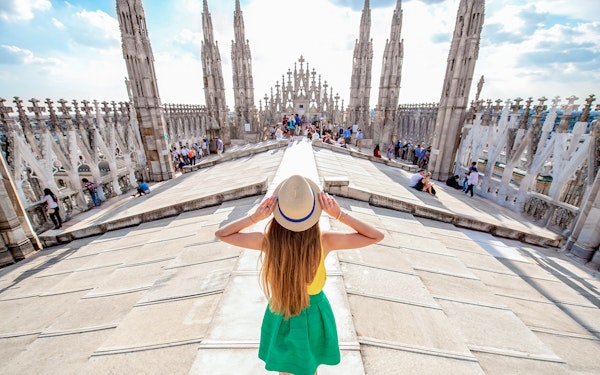
The stairs are the cheaper route up and, for people who are comfortable with them, the better one. The climb is enclosed and steady rather than dramatic, and then you emerge into the open among the spires, which is a reveal a lift does not give you. It is not a casual staircase - it is a proper ascent, warm in summer and with no way to change your mind halfway - so be honest about the group you are travelling with. Avoid it in the middle of a hot day, when the enclosed climb and the shadeless roof at the top combine badly.
Rooftop terraces by lift
- What it is: Cathedral access plus the terraces, reached by lift.
- Best for: Families, older travellers, anyone with mobility, knee or breathing concerns, and summer visits.
- Availability: Slots go faster than the stairs version in peak months, so book ahead.
The lift ticket costs more and is worth it more often than people expect. It removes the one part of a Duomo visit that reliably wrecks the mood - arriving on the roof already tired and overheated - and it makes the terraces accessible to visitors who would otherwise skip them entirely. In July and August we would take the lift almost without discussion. With small children, with anyone who struggles on stairs, or at the end of a long day of walking, the same applies. You still walk the terraces themselves, which involves some steps and uneven surfaces, so it removes the climb rather than all the effort.
Top Duomo rooftop tickets in Milan
Milan Cathedral Rooftop Tickets
4.4(1,498)30 minutesViewFrom$22
Milan Duomo: Cathedral Tour with Optional Rooftop or Rooftop Tour
4.0(303)1 hour - 2 hoursViewFrom$63
Milan Duomo Full Complex Skip-the-Line Tickets with Terrace Access
4.5(1,061)30 minutesViewFrom$45
Milan Duomo : Guided Cathedral Tour & Rooftop Access Included
4.1(142)1 hr 30 minViewFrom$30
Milan Cathedral and Rooftop Tickets
4.5(4,451)30 minutesViewFrom$45
Milan: Duomo’s Cathedral Guided Tour with Optional Rooftop Access
4.5(84)1 hour - 3 hoursViewFrom$37
Milan Cathedral and Terraces Skip-the-Line Guided Tour
4.6(170)1 hourViewFrom$57
Milan Duomo Cathedral and Rooftop Tour with Skip-the-Line Access
4.7(188)1 hr 30 min - 2 hoursViewFrom$63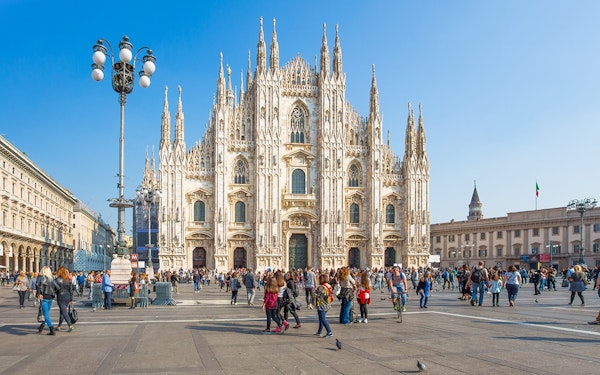
Duomo Milan Skip-the-Line Tickets
4.5(932)30 minutesViewFrom$39
Milan Super Saver: Skip-the-Line Duomo and Rooftop Guided Tour
4.6(2,087)2 hr 30 minViewFrom$72
Fast-track and skip-the-line tickets
- What it is: A reserved timed slot with priority access, covering the security check and, on the better versions, the terrace access point too.
- Best for: Peak-season visits, midday arrivals, and anyone on a tight schedule.
- Availability: Books out on peak weekends; reserve a few days ahead.
This is where the two-queue problem matters. A ticket that only guarantees a timed entry to the cathedral still leaves you in line at the terrace access if you bought the roof separately, and that second queue is the slower one on a busy afternoon. When comparing fast-track options, check what the priority access actually covers rather than assuming. The value here is entirely situational: on a quiet winter morning it buys you almost nothing, and on a summer Saturday at noon it can be the difference between an hour inside and an hour standing on hot marble outside.
Top Duomo Milan skip-the-line tickets
Duomo Milan Skip-the-Line Tickets
4.5(932)30 minutesViewFrom$39
Skip the Line: Milan Duomo Tour
4.2(76)1 hourViewFrom$45Milan Cathedral and Terraces Skip-the-Line Guided Tour
4.6(170)1 hourViewFrom$57Milan Super Saver: Skip-the-Line Duomo and Rooftop Guided Tour
4.6(2,087)2 hr 30 minViewFrom$72Milan Duomo Full Complex Skip-the-Line Tickets with Terrace Access
4.5(1,061)30 minutesViewFrom$45Milan Duomo Cathedral and Rooftop Tour with Skip-the-Line Access
4.7(188)1 hr 30 min - 2 hoursViewFrom$63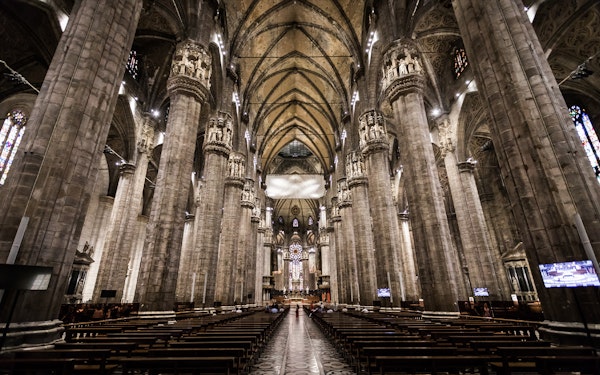
Milan Duomo Cathedral Skip-the-Line Tour
3.8(10)1 hourViewFrom$46
Skip The Line: Best Of Milan Tour With Last Supper & Milan Duomo
4.6(460)3 hoursViewFrom$104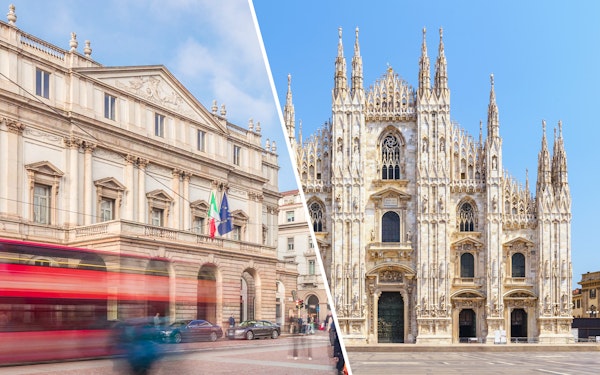
Combo: La Scala Theater + Milan Cathedral Skip-the-Line Guided Tour
3.5(4)2 hoursViewFrom$64
Milan Duomo & The Last Supper Skip-the-Line Small Group Tour
4.6(3,098)3 hoursViewFrom$128
Guided tours
- What it is: A guided visit of the cathedral and usually the terraces, with reserved access included.
- Best for: First-time visitors who want the building explained and the queues handled in one booking.
- Availability: Strong, with the best morning slots filling first in peak season.
The cathedral is a building that gets substantially more interesting when someone is explaining it. Unguided, most visitors walk the nave, look up, take a photograph and leave in twenty minutes without much sense of what they saw. A guided visit fixes that, and it fixes the roof too, because the terraces are full of detail that reads as generic stonework until it is pointed out. Reserved access is normally built in, so you skip both queues by default. Many tours also fold in the square and the neighbouring arcade, which makes them a reasonable substitute for a general city-centre walk on a first morning.
Top Duomo Milan guided tours
Milan Duomo Cathedral Skip-the-Line Tour
3.8(10)1 hourViewFrom$46Milan Duomo : Guided Cathedral Tour & Rooftop Access Included
4.1(142)1 hr 30 minViewFrom$30Milan Cathedral and Terraces Skip-the-Line Guided Tour
4.6(170)1 hourViewFrom$57Milan Super Saver: Skip-the-Line Duomo and Rooftop Guided Tour
4.6(2,087)2 hr 30 minViewFrom$72
Milan: Private Tour. Duomo, Gelato Tasting & Last Supper
5.0(31)3 hoursViewFrom$698Milan: Duomo’s Cathedral Guided Tour with Optional Rooftop Access
4.5(84)1 hour - 3 hoursViewFrom$37
Milan Private Tour - Duomo, Sforza Castle & Gelato Tasting
5.0(40)3 hoursViewFrom$290
Milan Duomo Rooftop Terrace Guided Tour
4.2(124)1 hr 10 minViewFrom$57
Private Milan Full Day Tour Duomo Tickets, Highlights and Lunch
5.0(16)7 hoursViewFrom$329Skip The Line: Best Of Milan Tour With Last Supper & Milan Duomo
4.6(460)3 hoursViewFrom$104
Combined passes with the museum and archaeological area
- What it is: A single pass covering the cathedral, the rooftop terraces, the neighbouring museum and the archaeological area beneath the site.
- Best for: Anyone giving the Duomo a proper morning rather than a quick stop.
- Availability: Widely bookable and usually the best-value bundle if you will use it.
The museum next to the cathedral holds sculpture, stained glass and models connected to the building itself, and the archaeological area sits below ground level on the square. Both are quick visits, neither is a headline attraction on its own, and together they change how the cathedral reads once you go back outside. The combined pass is the right pick if you are the sort of traveller who wants the context, or if the weather has pushed you indoors anyway. It is the wrong pick if you have ninety minutes in Milan and want the roof, in which case a straight cathedral-plus-terraces ticket does the job with less to feel guilty about skipping.
How to plan the visit
Book a slot rather than turning up, even in the shoulder season, because the security check at the square-side entrances is a genuine bottleneck and it is not affected by how early you get to the square. Take the first slot of the day if you can: the queues are shortest, the interior is at its calmest, and the marble looks best in low morning light. The alternative good window is late afternoon, particularly if the terraces are your priority, because the sun sitting low across the spires is what makes the rooftop photographs work.
Dress for a religious site. Shoulders and knees covered is the requirement, it is enforced, and a light layer in a bag saves a wasted trip in summer. Leave large bags at your accommodation, since the security check is faster without them. And plan the roof around the weather rather than the schedule - the terraces are fully exposed, which means no shade in August and slippery stone in the rain, and swapping the roof to a clearer day is usually possible if you book flexibly.
Best time to visit
Early morning and late afternoon are the two good windows, in that order. Spring and autumn are the most comfortable seasons overall, with clear enough air on the best days to pick out the mountains on the northern horizon from the roof. Summer weekends at midday are the worst case on every axis at once: longest queues, hottest climb, flattest light, no shade at the top. Winter is the quietest time of year here, and a cold clear morning on the terraces with almost nobody else up there is one of the better arguments for a Milan trip in the off season.
If you are still shaping the itinerary, our things to do in Milan guide slots the Duomo alongside the Galleria, the Sforza Castle, the Navigli and a Lake Como day trip, and the Milan travel guide covers where to stay and how the transport works. If Leonardo's mural is also on your list, book that before anything else - the Last Supper tickets guide explains why it is the hardest reservation in the city.
Compare every Duomo Milan ticket and tour option →Frequently asked questions
Do you need a ticket for the Duomo in Milan?
Yes. Entry to the cathedral is ticketed, and the rooftop terraces are a separate add-on rather than something included with a standard entry. There is no version of a full visit that is free, and the ticket you choose determines whether you get the interior only, the interior plus the roof, and whether you climb or ride up.
Is the Duomo rooftop worth it?
It is the best part of the whole visit and the thing most first-timers underrate. You walk along the roof between the spires and the carved figures, with the square on one side and the city on the other, which is an entirely different experience from looking at the cathedral from the ground. If you are only buying one upgrade in Milan, make it this one.
Should I take the stairs or the lift to the Duomo terraces?
The lift costs more and saves you a long climb, which matters in summer heat, with children, with luggage or with any knee or breathing issue. The stairs are cheaper, come with a queue of their own at busy times, and give you a slower reveal as you emerge onto the roof. Most people who are comfortable on stairs and visiting outside the hottest hours prefer the climb; everyone else should pay for the lift and not think twice.
How do I skip the line at the Duomo in Milan?
Book a timed-entry or fast-track ticket in advance and arrive a few minutes before your slot. There are two separate bottlenecks - the security check for the square-side entrances and the queue at the terrace access point - so a ticket that carries a reserved slot for both is worth more than one that only covers entry. Guided tours include reserved access, which handles the queue automatically.
Is a guided tour of the Duomo worth it?
For a first visit, often yes. The cathedral is lightly explained inside and the rooftop makes far more sense with someone pointing out what you are walking through. A guided visit also bundles reserved access, so you avoid the two queues, and many tours combine the cathedral with the surrounding square and arcade. If you already know what you want to see and prefer your own pace, a fast-track rooftop ticket is the better value.
What does the combined Duomo ticket include?
Combined passes bundle the cathedral with the neighbouring museum and the archaeological area beneath the site, and usually with the rooftop terraces as either a stairs or lift version. The extra sites are quick and add useful context, and the combined ticket is generally the better pick for anyone spending a proper morning here rather than a rushed hour.
How long does a Duomo Milan visit take?
Allow about 90 minutes for the cathedral interior plus the rooftop terraces at an unhurried pace. Add roughly 45 minutes to an hour if your ticket includes the museum and the archaeological area, and add queueing time on top if you did not book a slot. A guided tour typically runs one to two hours and covers the interior and the roof.
When is the best time to visit the Duomo?
The first slot of the day is the calmest, with the security queues shortest and the light best on the marble. Late afternoon is the second-best option, particularly on the terraces, where the low sun on the spires is the reason photographers come back. Midday in summer is the worst combination of crowds, heat and flat light on an exposed roof with no shade.
More reads
More guides to help you plan your trip

The Ultimate Milan Travel Guide for First-Time Visitors (2026)
A field-tested 2026 Milan travel guide - where to stay by neighbourhood, how the metro and trams work, when to go, and the first-timer mistakes worth avoiding.

Things to Do in Milan: 24 Experiences Worth Booking in 2026
A 2026 Milan shortlist - 24 rooftop climbs, art bookings, design walks, football tours, aperitivo crawls and lake day trips grouped by theme, with what to book ahead.

Last Supper Tickets in Milan: The 2026 Guide to Italy's Hardest Reservation
A practical 2026 guide to seeing Leonardo's Last Supper - how the 15-minute slot system works, why official tickets vanish in days, and the routes in when they do.

The Cost of a Guided Walking Tour: What 50 Cities Actually Charge in 2026
We measured the price of every guided walking tour in our cross-platform catalog across 50 cities. The median is $50. The more useful number is how far prices spread inside a single city.

1 Day in London: A Realistic Itinerary That Does Not Waste the Day
One day in London, planned around what actually fits - a walkable route through the centre, the two things worth booking, and the traps that eat an hour each.

1 Day in Paris: The Itinerary That Fits, and the One That Does Not
One day in Paris, planned around real distances - what to book, what to walk, what to skip, and why three museums in a day is the classic mistake.

2 Days in Lisbon: The Itinerary That Handles the Hills
Two days in Lisbon, planned around the terrain rather than the map - what to book, what to walk, and why the second day should leave the city.

2 Days in Tokyo: Two Districts, Done Properly
Two days in Tokyo is enough for two districts and nothing else - and that is the right plan. A day-by-day route, what to book, and what to deliberately skip.