

Tours and activities across Iceland
Most visitors to Iceland chain together a few power bases - Reykjavik for city life and day trips, then Skaftafell and Hofn for glacier country, Vik for black sand beaches and waterfalls. The Ring Road dominates: you'll see multi-day private tours looping the entire coast, or shorter 5-7 day versions hitting the Golden Circle and South Coast. Many add Snæfellsnes or the Westfjords if time allows. Northern lights and glacier lagoon tours run year-round from the bigger towns. Independent travelers rent cars; guided tours handle the logistics and storytelling. Most people spend 7-12 days to feel like they've actually seen Iceland, not just driven through it.
Top destinations in Iceland

Experiences in Reykjavik
8 experiences available in Reykjavik
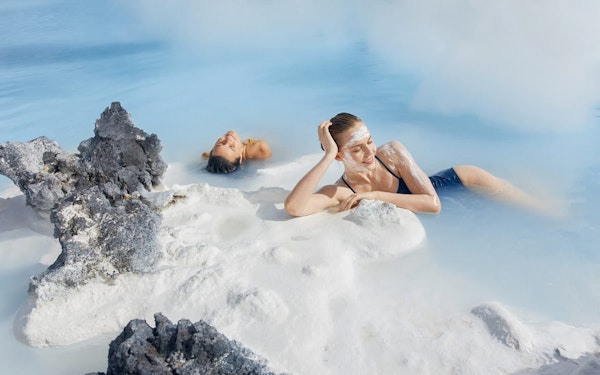
Blue Lagoon Admission Tickets
- Free cancellation
- Instant confirmation

Musement Blue Lagoon evening tour
- Free cancellation
- Instant confirmation


Reykjavik Food Walk - Local Foodie Adventure in Iceland
- Free cancellation
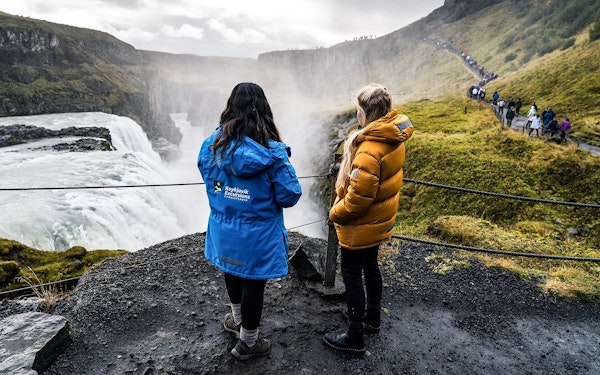
From Reykjavik: Golden Circle Full-Day Guided Tour
- Free cancellation
- Instant confirmation

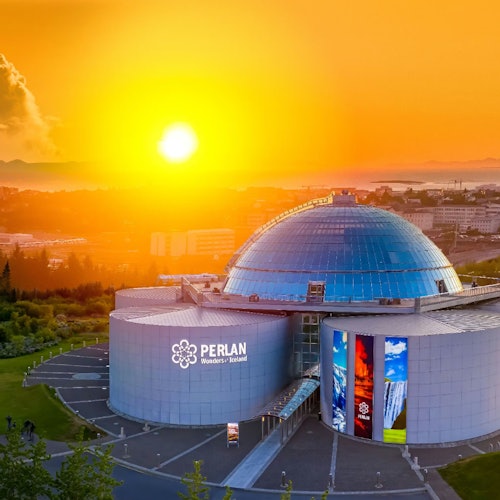
Wonders of Iceland experience at Perlan
- Free cancellation
- Instant confirmation

Iceland South Coast Full Day Small-Group Tour from Reykjavik
- Free cancellation
Experiences in Vik
8 experiences available in Vik

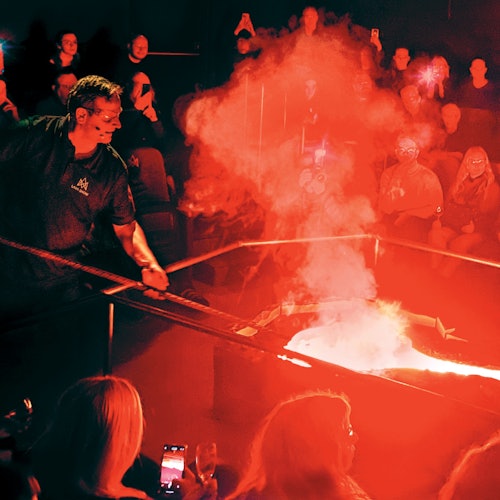


Sólheimajökull glacier adventure with optional ice climbing
- Free cancellation
- Instant confirmation

Ice Cave by Katla Volcano Super Jeep Tour from Vik
- Free cancellation

Solheimajokull Glacier Hike Adventure in a Small Group
- Free cancellation
- Likely to sell out


Quad Bike Tour on Black Lava Sands from Mýrdalur
- Free cancellation
Experiences in Snaefellsnes Peninsula
2 experiences available in Snaefellsnes Peninsula


Reykjavik: Small Group Snaefellsnes Peninsula Tour in Spanish
- Free cancellation
Experiences in Akureyri
8 experiences available in Akureyri
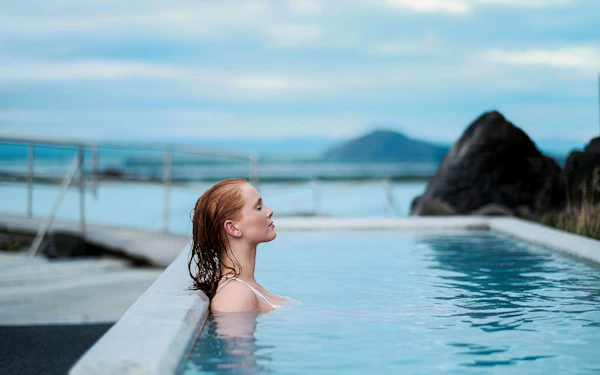
Earth Lagoon Myvatn Entry Tickets
- Free cancellation
- Instant confirmation

Earth Essential admission ticket to Earth Lagoon Mývatn
- Free cancellation
- Instant confirmation
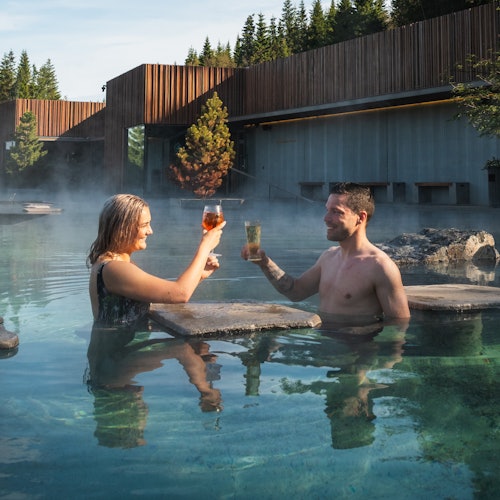
Forest Lagoon: Entry Ticket + Drink
- Free cancellation
- Instant confirmation

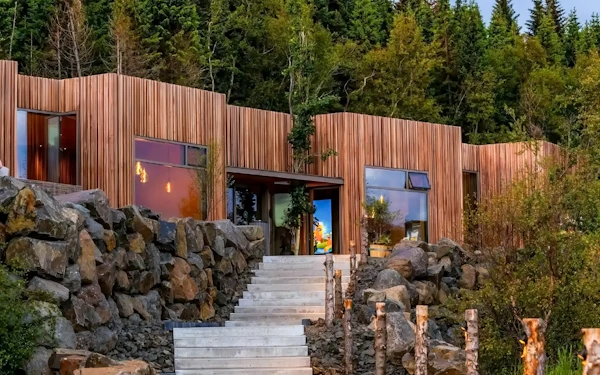
Forest Lagoon Admission Tickets
- Free cancellation
- Instant confirmation

Askja caldera and Viti crater 4x4 tour from Akureyri or Lake Myvatn
- Free cancellation
- Instant confirmation

Akureyri: Whale-Watching Cruise
- Free cancellation
- Instant confirmation

Lake Myvatn, Hot-Springs & Godafoss Waterfall Tour from Akureyri
- Free cancellation
Experiences in Vatnajokull National Park
3 experiences available in Vatnajokull National Park

2-Day Ice Cave & South Coast: Glacier Hike and Glacier Lagoon
- Free cancellation

Jökulsárlón Glacier Lagoon, Diamond Beach and secret glaciers (from Djúpivogur)
- Free cancellation
- Private tour

Private Tour from Djupivogur - The Eastfjord
- Free cancellation
- Private tour
Experiences in Skaftafell
8 experiences available in Skaftafell

Blue Ice Discovery – Guided Glacier Hike from Skaftafell
- Free cancellation

Skaftafell Glacier Hike 3-Hour Small Group Tour
- Free cancellation

Glacier Hike from Skaftafell - Extra Small Group
- Free cancellation

Glacier Adventure From Skaftafell - Small Group Tour
- Free cancellation
- Likely to sell out

Natural Blue Ice Cave Tour of Vatnajökull Glacier from Jökulsárlón
- Free cancellation


Skaftafell Adventure Tour - 5-Hour Expedition
- Free cancellation

Skaftafell Glacier Explorer - Extended Small Group Trek
- Free cancellation
Where to go in Iceland
Iceland's tourist board splits the country into seven regions, and a first trip usually covers two or three. Short stays work from Reykjavík and the southwest; the north and east reward a second week or a domestic flight.
Reykjavík
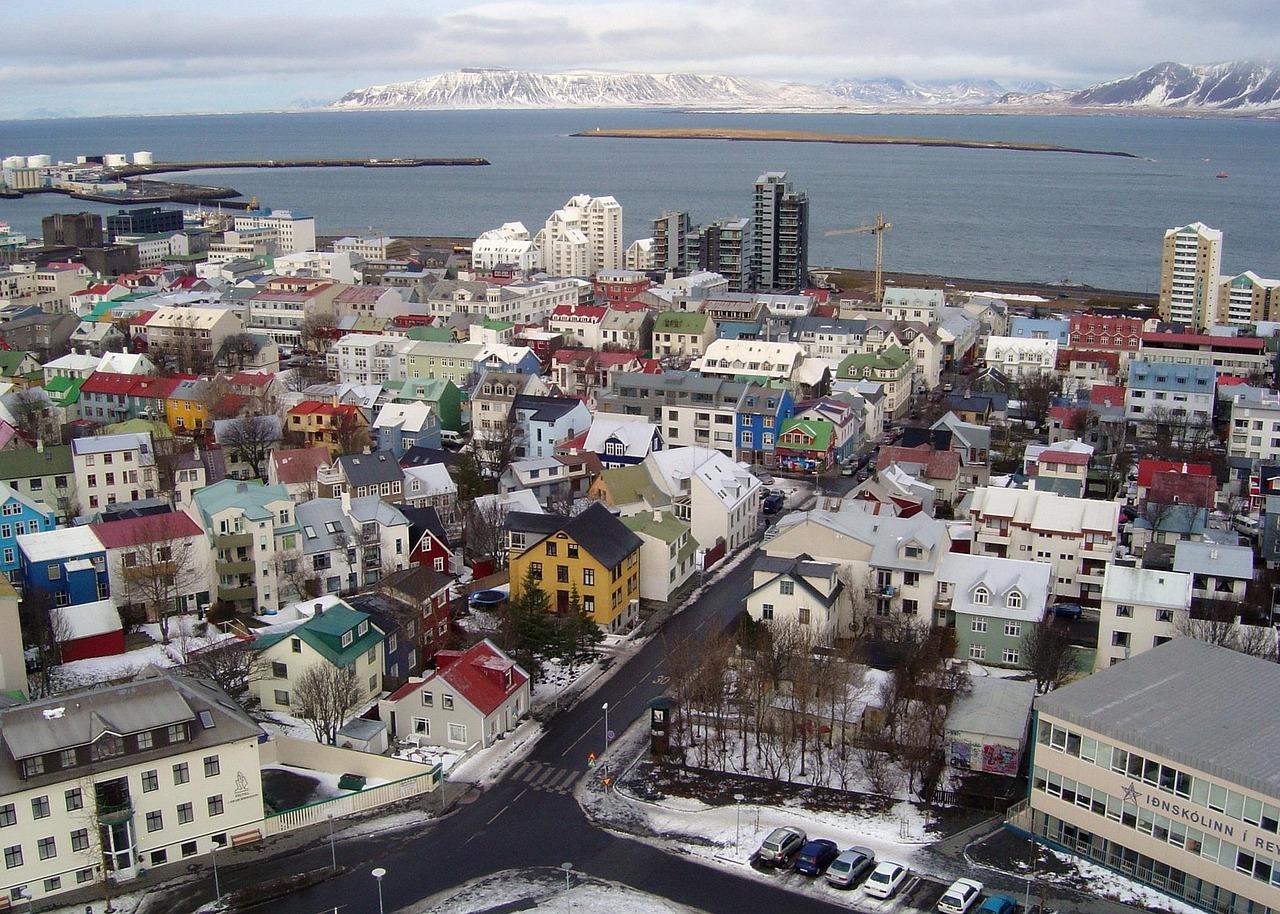
Almost every trip starts in the capital, and most day tours pick up here. Give it a day for Hallgrímskirkja, the Harpa concert hall, the National Museum and an evening in a geothermal pool such as Laugardalslaug.
Reykjanes Peninsula
The peninsula around Keflavík airport is a UNESCO Global Geopark, home to the Blue Lagoon and the lava fields of the eruptions that began at Fagradalsfjall in 2021. Check current access before driving out.
The Golden Circle area
A round trip of about 250 km from Reykjavík links Þingvellir, Geysir and Gullfoss, with Kerið crater and the village of Flúðir as add-ons.
South Coast and Vík
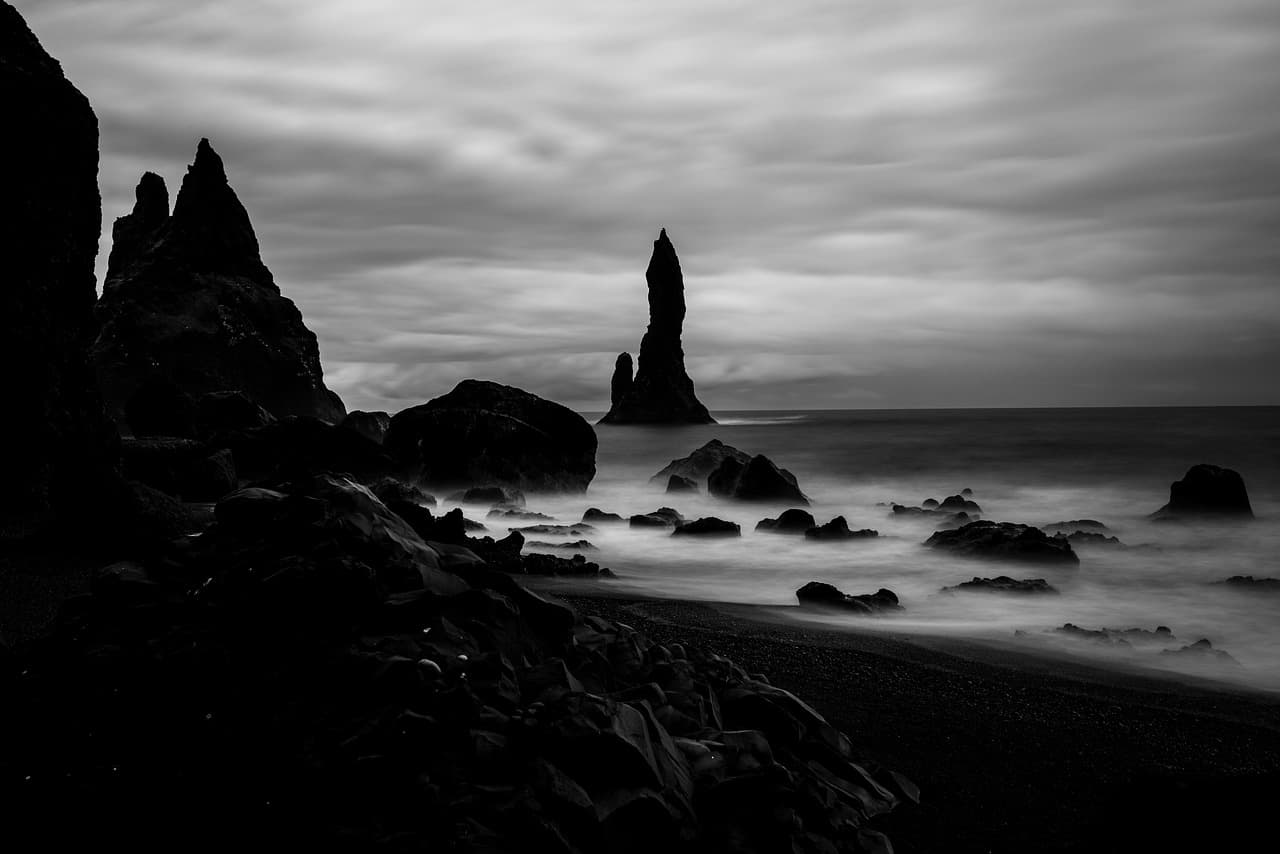
Route 1 passes Seljalandsfoss and Skógafoss before Vík, about 190 km from Reykjavík, with Reynisfjara and Dyrhólaey beside it. It works as a long day trip, but a night there lets you see the falls in quieter hours.
Höfn and the Vatnajökull area
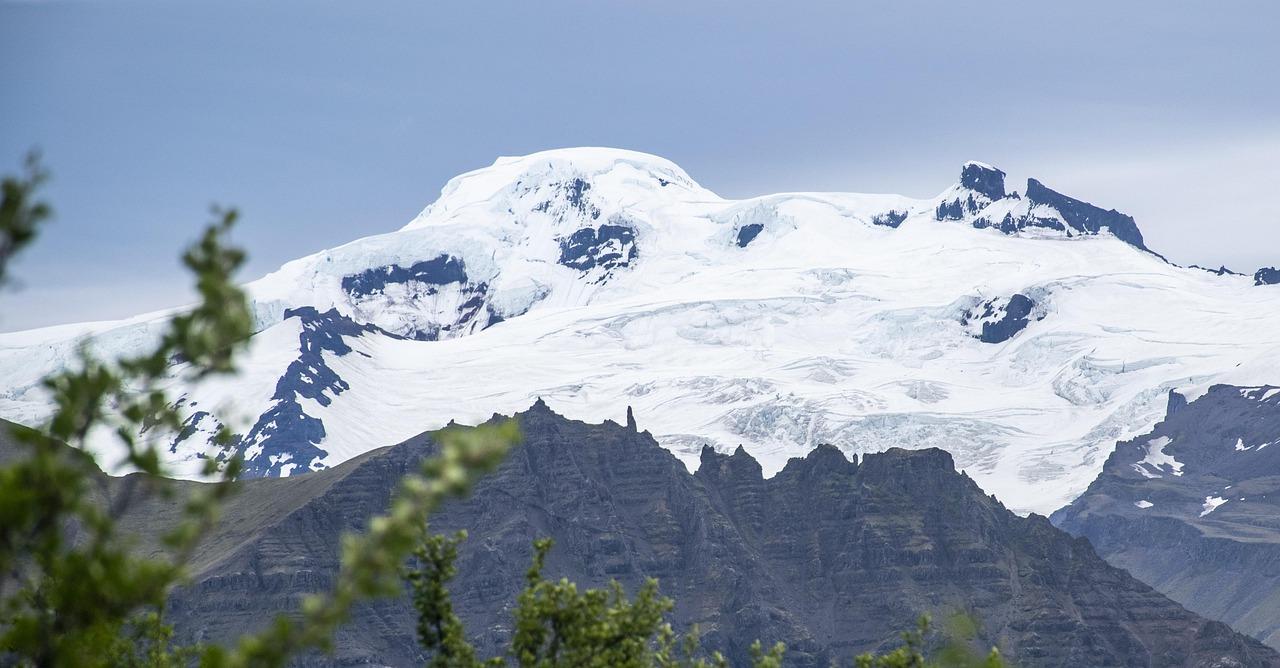
About 455 km from Reykjavík, Höfn is the usual overnight for Jökulsárlón and Skaftafell in Vatnajökull National Park, a UNESCO site covering about 13% of Iceland.
Snæfellsnes Peninsula
About two hours' drive north of Reykjavík, this 90 km peninsula fits lava fields, black beaches and the 1,446 m Snæfellsjökull volcano into one day. The 2.5 km cliff path from Arnarstapi to Hellnar is the walk to make time for.
The Westfjords
Ísafjörður, the largest town, is 455 km from Reykjavík on paved roads, with daily flights all year. Látrabjarg, Europe's largest bird cliff, and the 100 m Dynjandi falls are the region's big sights.
Akureyri
The north's main town has the region's widest choice of hotels and restaurants, a 15-minute ferry link to Hrísey island, and day trips to Lake Mývatn and Húsavík.
Lake Mývatn and the Diamond Circle
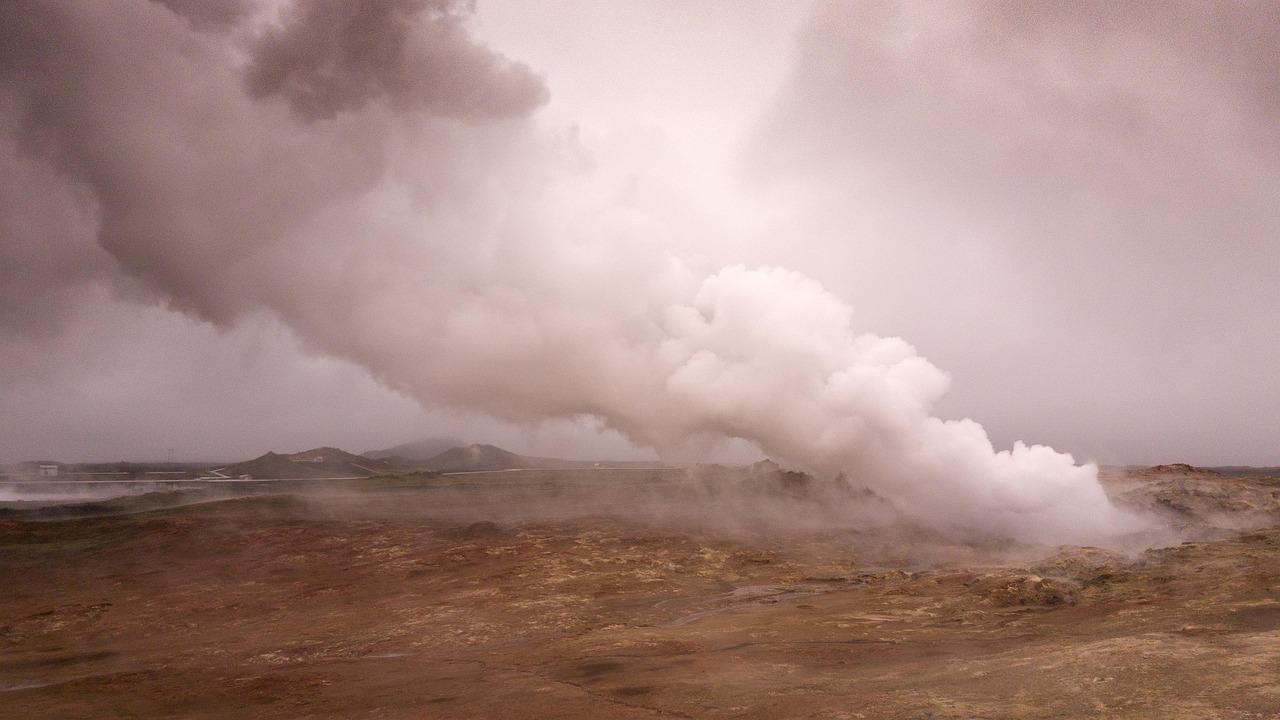
The paved Diamond Circle, a loop of about 310 km from Akureyri, joins Mývatn, Dettifoss, Ásbyrgi canyon and Húsavík. At Mývatn, the Hverir mud pots and Víti crater show how active the ground still is.
East Iceland
Egilsstaðir is the hub, with the 128 m Hengifoss and the basalt canyon of Stuðlagil nearby. Puffins nest at Hafnarhólmi in Borgarfjörður eystri from mid-April to early August.
Westman Islands
The Herjólfur ferry from Landeyjahöfn takes 35 minutes to Heimaey, switching to the longer Þorlákshöfn route on days it cannot use that harbour. On the island, the Eldheimar museum tells the story of the 1973 eruption that emptied the town. Puffins nest here in summer.
Top sights in Iceland
Þingvellir National Park
Iceland's parliament first met here in 930, and in 1928 it became the first national park; it is now a UNESCO World Heritage site. Diving and snorkelling alone in the Silfra fissure are not permitted.
Geysir and Strokkur
The Great Geysir has been dormant since 1916, but its neighbour Strokkur erupts every few minutes, so even a short stop catches several bursts.
Gullfoss
The Hvítá river drops twice here, first 11 m and then 21 m, into a narrow canyon.
Seljalandsfoss
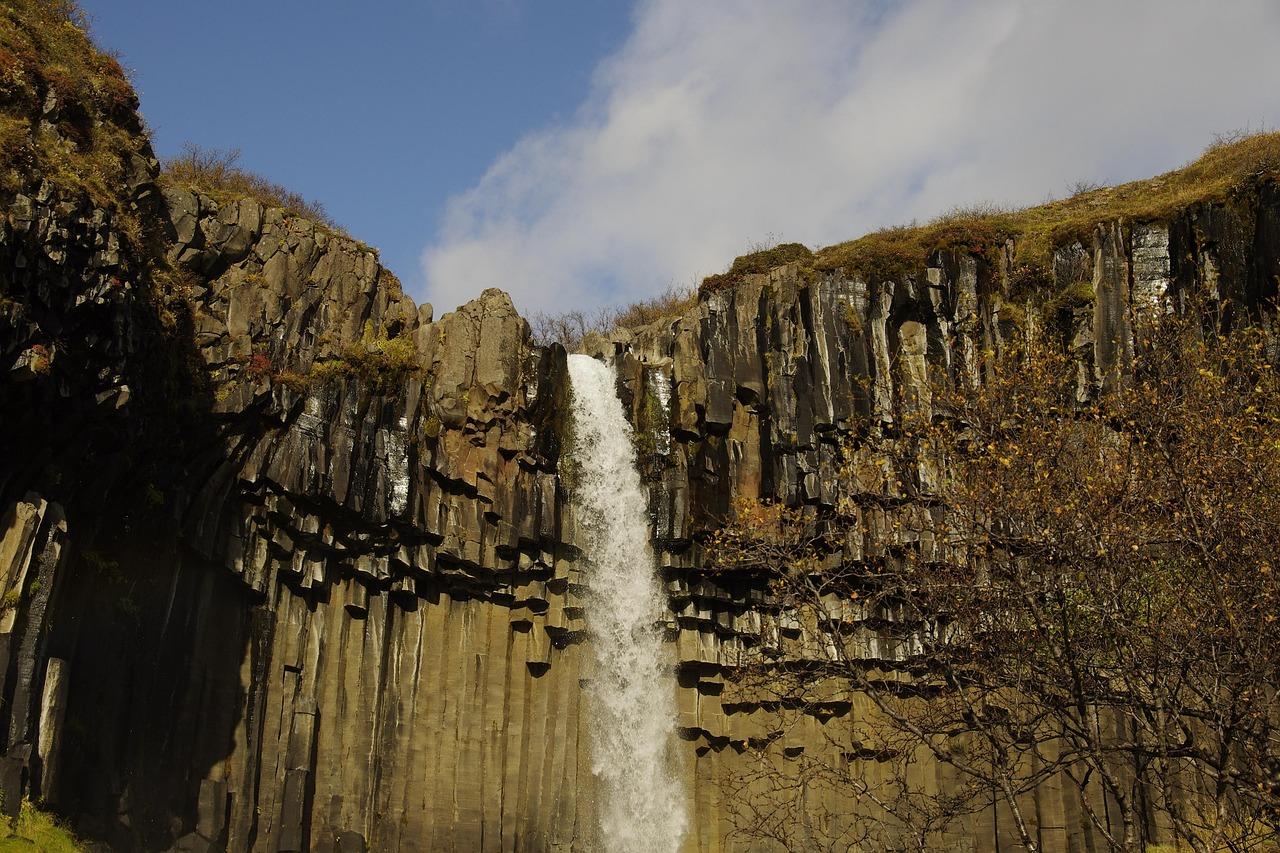
A 60 m fall with a footpath that runs behind the water. In winter the path gets icy and may be closed; Gljúfrabúi, half hidden in its own canyon, is close by.
Skógafoss
Another 60 m waterfall, and the start of the trek over the Fimmvörðuháls pass between two glaciers to Þórsmörk.
Reynisfjara
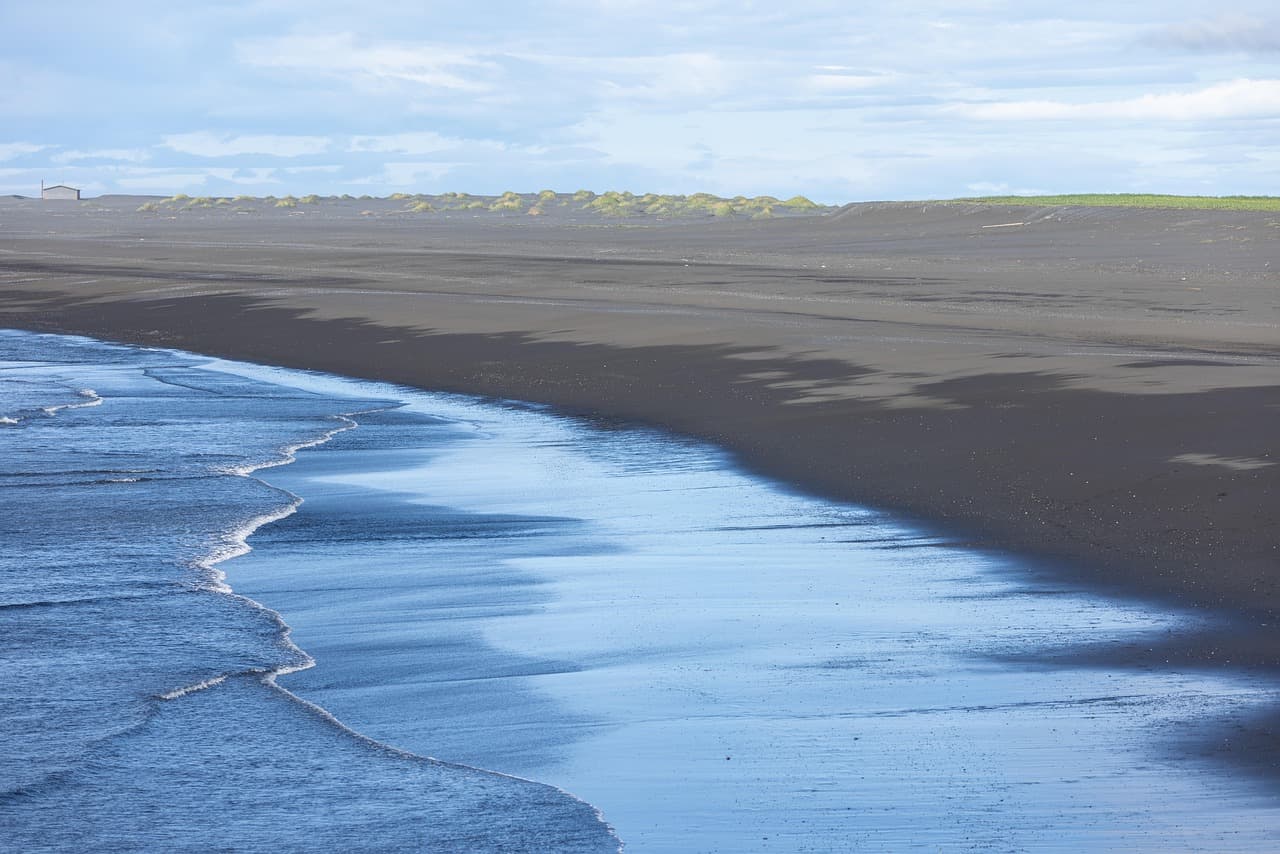
The black sand beach next to Vík is dangerous because of sneaker waves, and the authorities can close it at short notice. A warning light shows the risk on the day (see the tips below).
Jökulsárlón and Fellsfjara
Icebergs float in the glacier lagoon beside Route 1, about 380 km from Reykjavík. The river carries ice to the sea and the tide throws pieces back onto Fellsfjara, the black beach across the road.
Blue Lagoon
The spa is about 23 km from Keflavík airport, a 15 to 20 minute drive, so it fits on arrival or departure day. Entry is by timed slot, and slots fill quickly in high season.
Hallgrímskirkja
Guðjón Samúelsson's church, begun in 1945 and consecrated in 1986, has a 73 m tower with city views and Iceland's largest pipe organ.
Dettifoss
Billed as Europe's most powerful waterfall, it drops about 44 m into Jökulsárgljúfur canyon. The paved west road stays open most of the year; the gravel east road usually closes in winter.
Kirkjufell
The cone-shaped peak on Snæfellsnes, with Kirkjufellsfoss in front, is often called Iceland's most photographed mountain. The climb is hard and prohibited in winter.
Best time to visit Iceland
Choose the season by what you want to see. Summer is peak season: Reykjavík has close to 24 hours of daylight in June, July averages about 9 to 15 degrees Celsius, and puffins are back on the cliffs. Book early for June to August, and reach the Golden Circle and South Coast early or late in the day.
Northern lights season runs from September to April and needs a dark, clear sky, so check the Icelandic Met Office's cloud and aurora forecasts on the night. Reykjavík gets only four to five hours of daylight in December and January, and storms can shut roads at short notice.
The highlands open late. Mountain roads usually open in June or July, depending on snow cover: in recent years the road to Landmannalaugar averaged early June and Sprengisandur early July. Outside that window F-roads are open only to modified vehicles with experienced drivers, so a superjeep tour is the practical way in.
National Day on 17 June fills Reykjavík with parades and concerts. Culture Night, held on a Saturday in late August, marks the city's 1786 trading charter and ends with fireworks at Arnarhóll.
Getting around Iceland
Iceland has no passenger trains. Keflavík airport is about 50 km from central Reykjavík, 45 to 60 minutes by airport coach or transfer.
Route 1, the Ring Road, circles the country for 1,322 km, paved and open all year apart from local weather closures. Gravel roads are fine in a normal car if you slow where the asphalt ends; F-roads need a four-wheel drive with high clearance. Driving off marked roads is forbidden. Check the road administration's conditions map before each long drive.
Domestic flights save the most time. Akureyri is about 45 minutes by air against 380 km by road, which the Strætó bus covers in about six and a half hours. Egilsstaðir is an hour's flight or seven and a half to eight and a half hours' drive.
Without a car, base yourself in Reykjavík for guided day tours to the Golden Circle, South Coast and Snæfellsnes, and in Akureyri for Mývatn and Dettifoss.
Tips for planning a trip to Iceland
Read the beach warning lights
At Reynisfjara, yellow means moderate hazard, orange means stay at least 25 m from the sea, and red closes the beach except for the viewing area. Sneaker waves often follow a run of small ones and can pull an adult out in seconds.
Check river crossings before an F-road
Highland rivers rise fast, and no insurance covers damage to a vehicle while crossing one. If in doubt, wait for another vehicle or turn back.
Book timed-entry spots ahead
Reserve the Blue Lagoon before you fly, and in June to August book rental cars, rooms and tours well ahead.
Plan whale watching for summer
Boats from Húsavík run from about April to October, and June to August gives the best odds.
Keep a winter buffer
Wind, snow and storm alerts can close roads quickly in winter. Leave a spare day before your flight home and check the forecast each morning.
Iceland tour FAQs
Common questions about booking Iceland experiences through SimilarTours
When's the best time to visit Iceland?
Summer (June-August) gives you midnight sun, all roads open, and no northern lights. Winter (September-March) flips it - darker, colder, but the aurora shows if skies cooperate, and glacier lagoon tours run year-round. Shoulder seasons (April-May, September-October) split the difference: fewer tourists, decent weather, occasional northern lights. Check before you go for specific road conditions and business hours.
How many days do I actually need in Iceland?
Five days gets you the Golden Circle and South Coast basics. Seven to ten days is the sweet spot - Ring Road tours in that range cover most major regions without feeling rushed. Two weeks lets you add the Westfjords or do a proper geology tour. Anything less than three days will leave you frustrated.
Should I book a guided tour or rent a car and go solo?
Guided tours (the private 8-12 day Ring Road tours are popular) handle driving, narration, and logistics - worth it if you're tired or want depth on geology and history. Self-driving gives you flexibility and costs less, but Iceland's roads demand respect and winter driving can be sketchy. Many do a mix: rent a car for the easy bits, book a guide for the complicated glacier and ice cave stuff.
Which cities should I base myself in?
Reykjavik is the hub - most flights land here, and day trips reach the Golden Circle, Snæfellsnes, and Blue Lagoon. For the Ring Road, you'll move: Akureyri in the north, Hofn and Skaftafell in the southeast (glacier lagoon base), Vik on the south coast. Isafjordur if you're doing the Westfjords. East Iceland and smaller towns like Djupivogur are quieter pit stops.
Are northern lights and glacier lagoon tours worth the extra cost?
Yes, if conditions align. Northern lights are unpredictable - book a 2-day tour and you have better odds of clear skies somewhere. Glacier lagoon and ice cave tours (jökulságlón and Vatnajökull area) need a guide for safety, so they're non-negotiable, not optional. Check before you go for seasonal availability and weather requirements.
How do I get between cities if I'm not driving?
Book a guided multi-day tour and the driver handles it. Otherwise, domestic flights connect Reykjavik to Akureyri and a few regional hubs, but they're pricey. Buses exist but move slowly. Most independent travelers rent a car - petrol is expensive but the road network is solid. Check before you go for road status in winter.
Is Iceland good for families?
Yes - the Ring Road has family-friendly stops (waterfalls, beaches, hot springs), and multi-day family tours exist (solar eclipse camping experience, for instance). Driving time between regions can be long, so breaking it up with activities helps. Check before you go on age suitability for glacier tours and ice cave experiences.
Things to do in Iceland
Every Iceland city we cover - tap a city to see its full lineup of tours, tickets, and activities