



2 Days in Tokyo: A Two-Day Itinerary Split East and West
Two days in Tokyo, one side of the city per day: Asakusa, Senso-ji and Ueno first, then Meiji Jingu, Shibuya and Shinjuku, with official hours, prices and what to book.

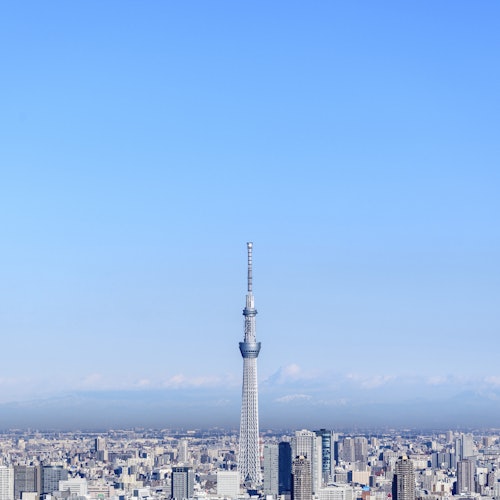
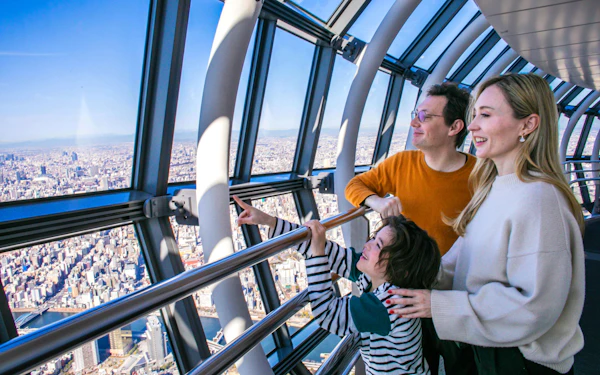
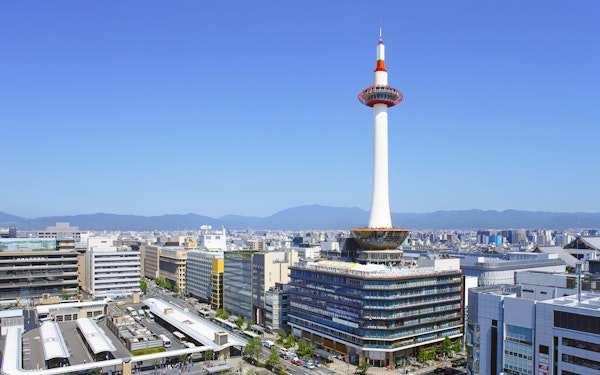
Japan day tours mostly start from Tokyo, Kyoto or Osaka, the cities the Tokaido Shinkansen links, with Hiroshima further west on the Sanyo line. From Tokyo, the big days out are Mt Fuji and Hakone trips, alongside tickets for teamLab Planets and Tokyo Skytree. Kyoto adds full-day sightseeing tours, by bus or out to Arashiyama, and entry to Kyoto Tower. Osaka is the base for Universal Studios Japan and Osaka Castle, and for the bullet-train day trip to Hiroshima and Miyajima. In the sections below, the same Skytree ticket or Fuji trip turns up from more than one seller, so inclusions are easy to check before you pick.
8 experiences available in Tokyo




8 experiences available in Kyoto




8 experiences available in Osaka





8 experiences available in Hiroshima





8 experiences available in Hakone


8 experiences available in Nara
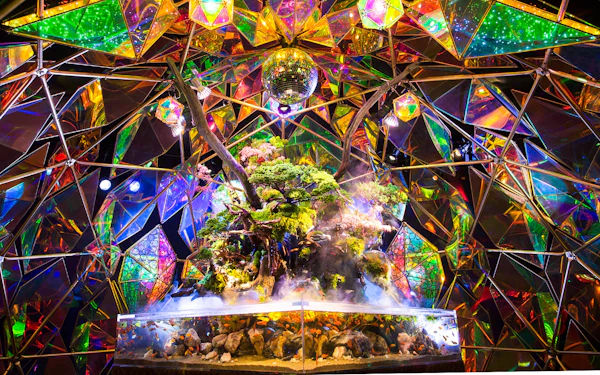




Editorial guides written for Japan trip planning
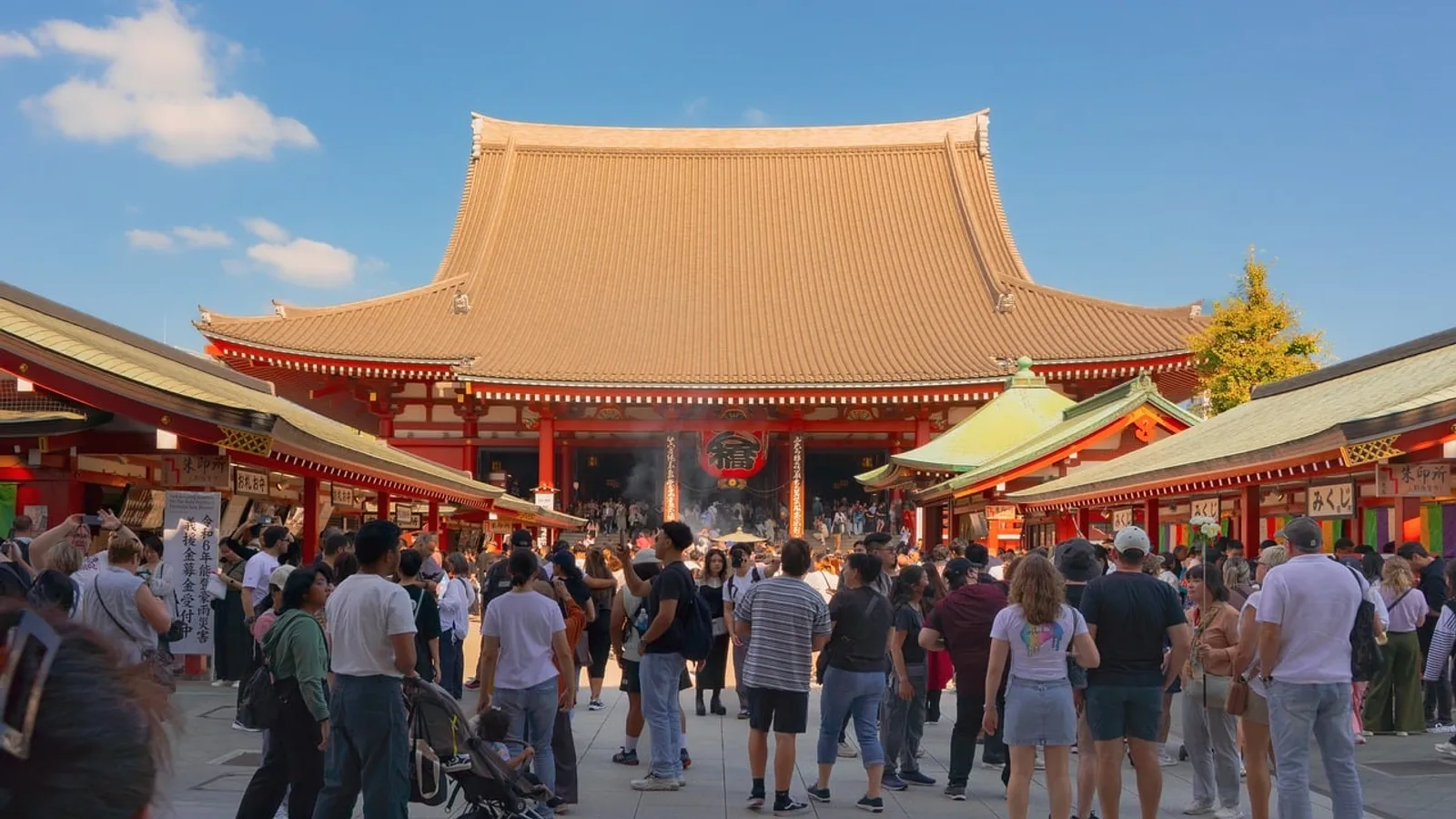
Two days in Tokyo, one side of the city per day: Asakusa, Senso-ji and Ueno first, then Meiji Jingu, Shibuya and Shinjuku, with official hours, prices and what to book.
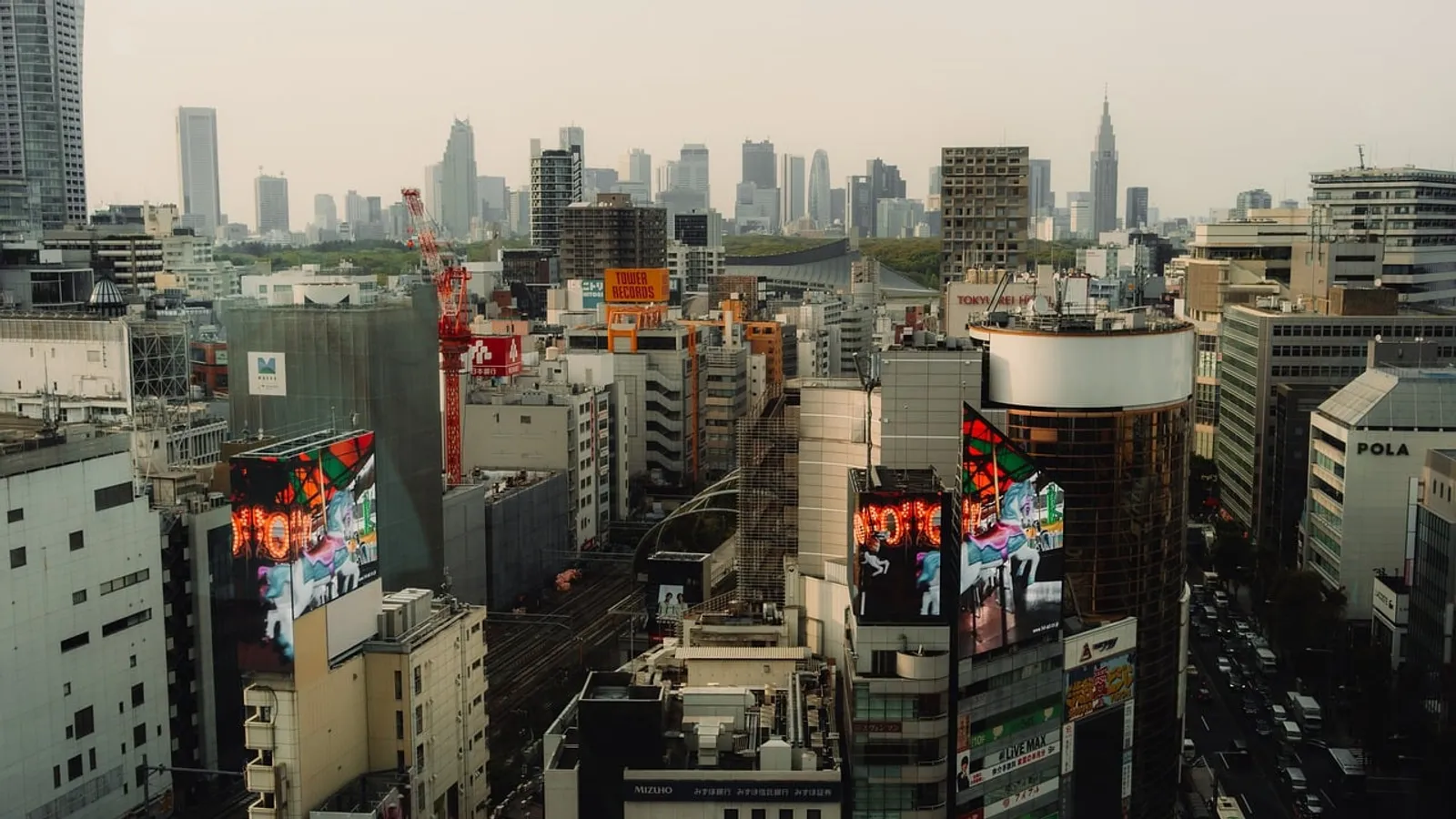
A 5-day Tokyo itinerary that gives each day one part of the city: old Tokyo, Harajuku and Shibuya, a day trip, then Kichijoji or the bay, with booking windows and closing days checked.
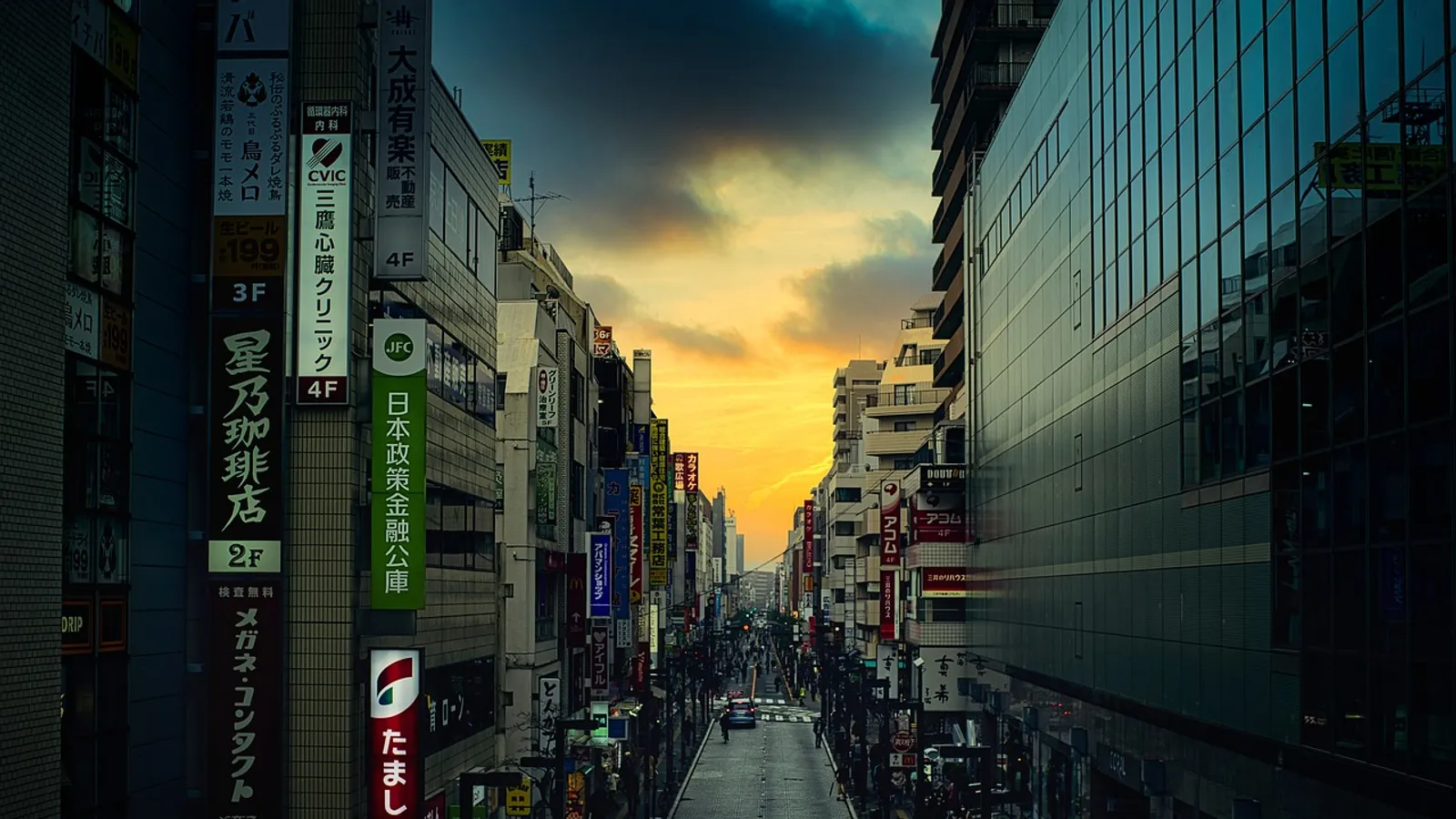
Tokyo walking tours by neighborhood: Asakusa, Yanaka, Harajuku and Shinjuku after dark, the volunteer guides who charge nothing, Tsukiji food walks and a route to walk alone.
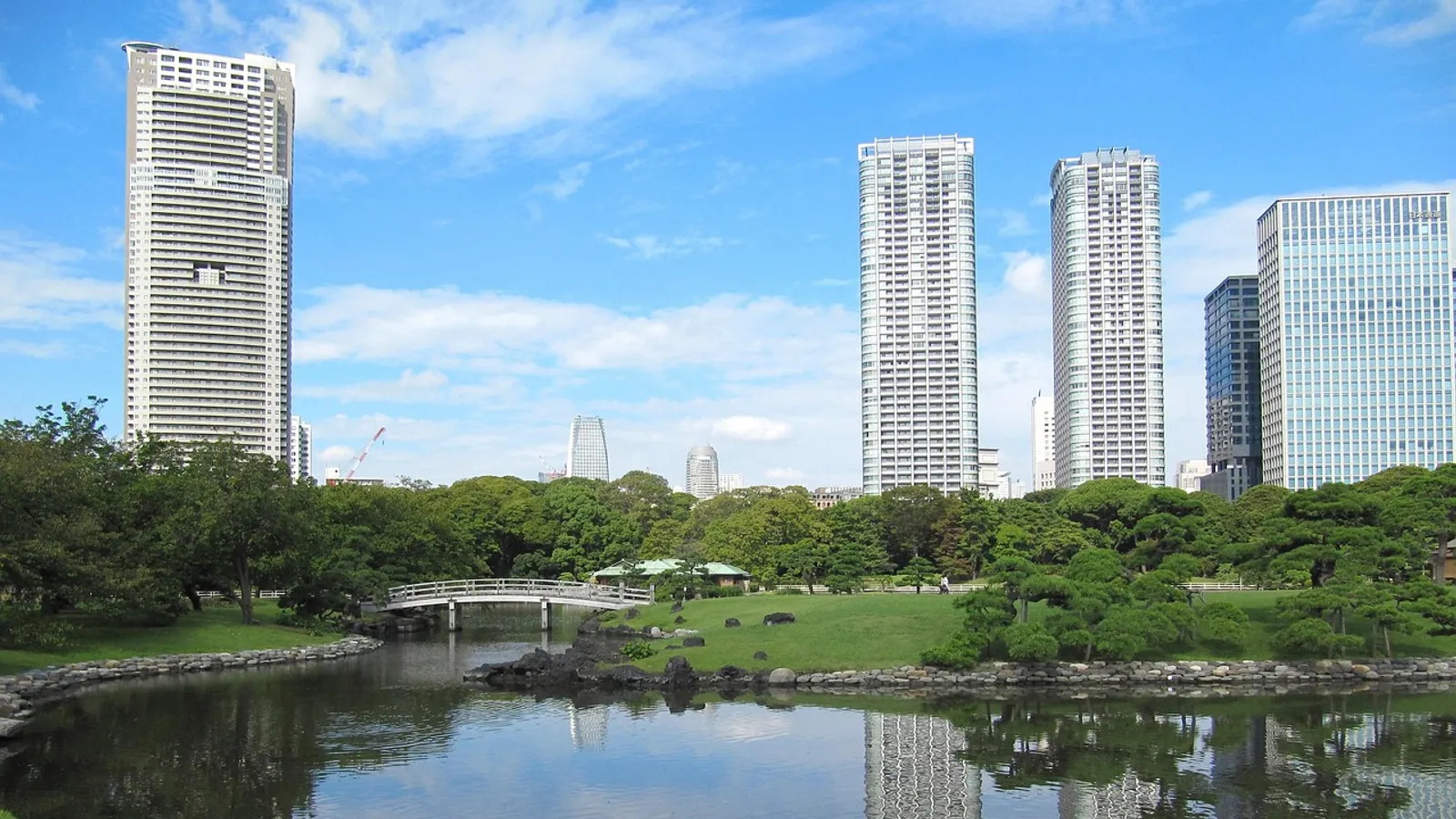
Summer in Tokyo means a wet June, then a hot and humid July and August. Official weather averages, the dated festivals and fireworks, and how to plan your days around the heat.
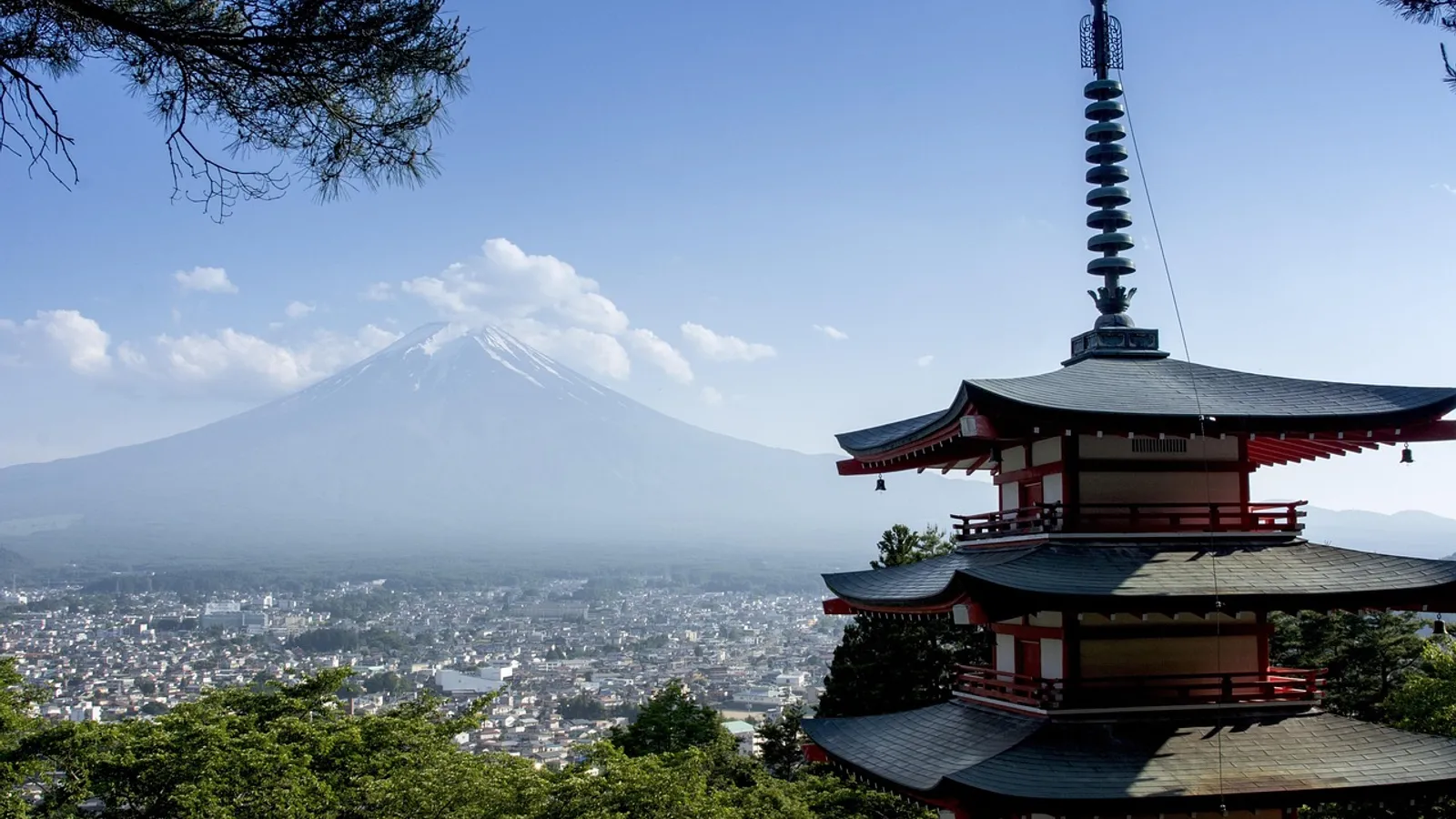
Nine day trips from Tokyo compared by train time, official passes and season, from Mt Fuji, Hakone, Kamakura and Nikko to Kyoto by bullet train and the Nagano snow monkeys.
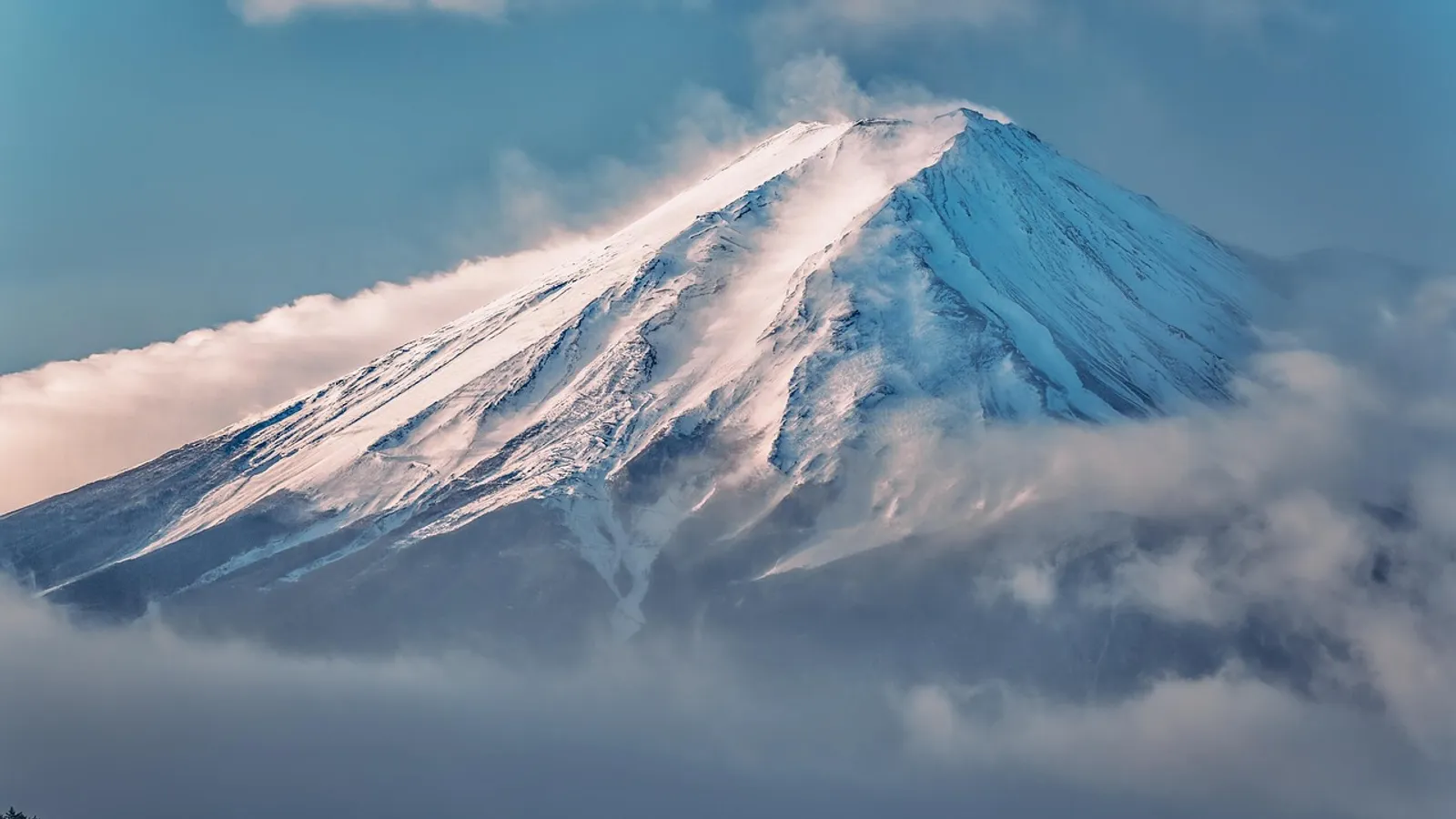
Tokyo in winter is cold, dry and mostly sunny. Temperatures and sunset times by month, the illuminations and Christmas markets, New Year closures, sumo, plum blossoms and what to wear.
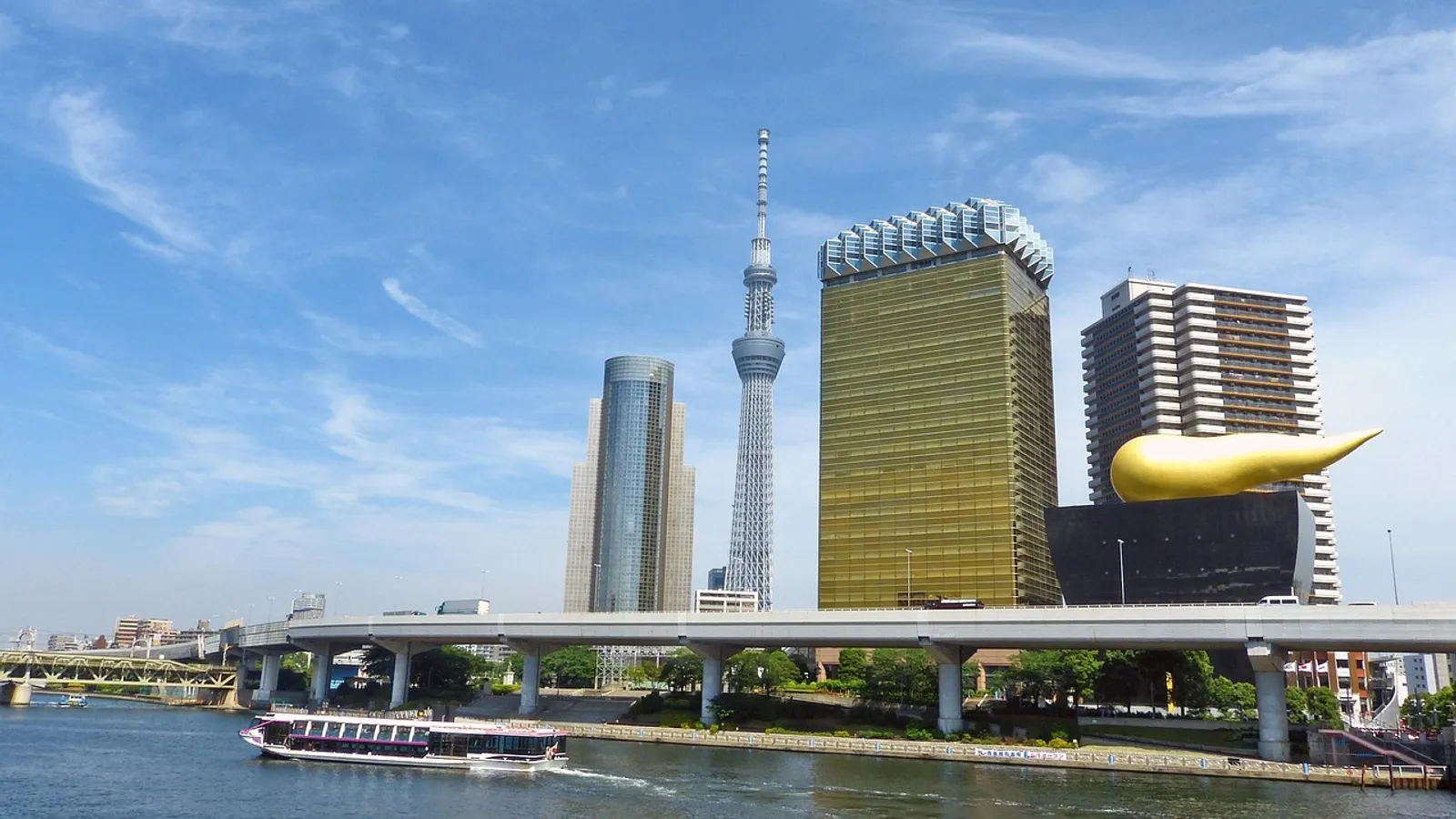
Planning Tokyo with kids? Which sights suit toddlers, school-age children and teens, what to book ahead, child fares on the trains, stroller tips and the areas families stay in.
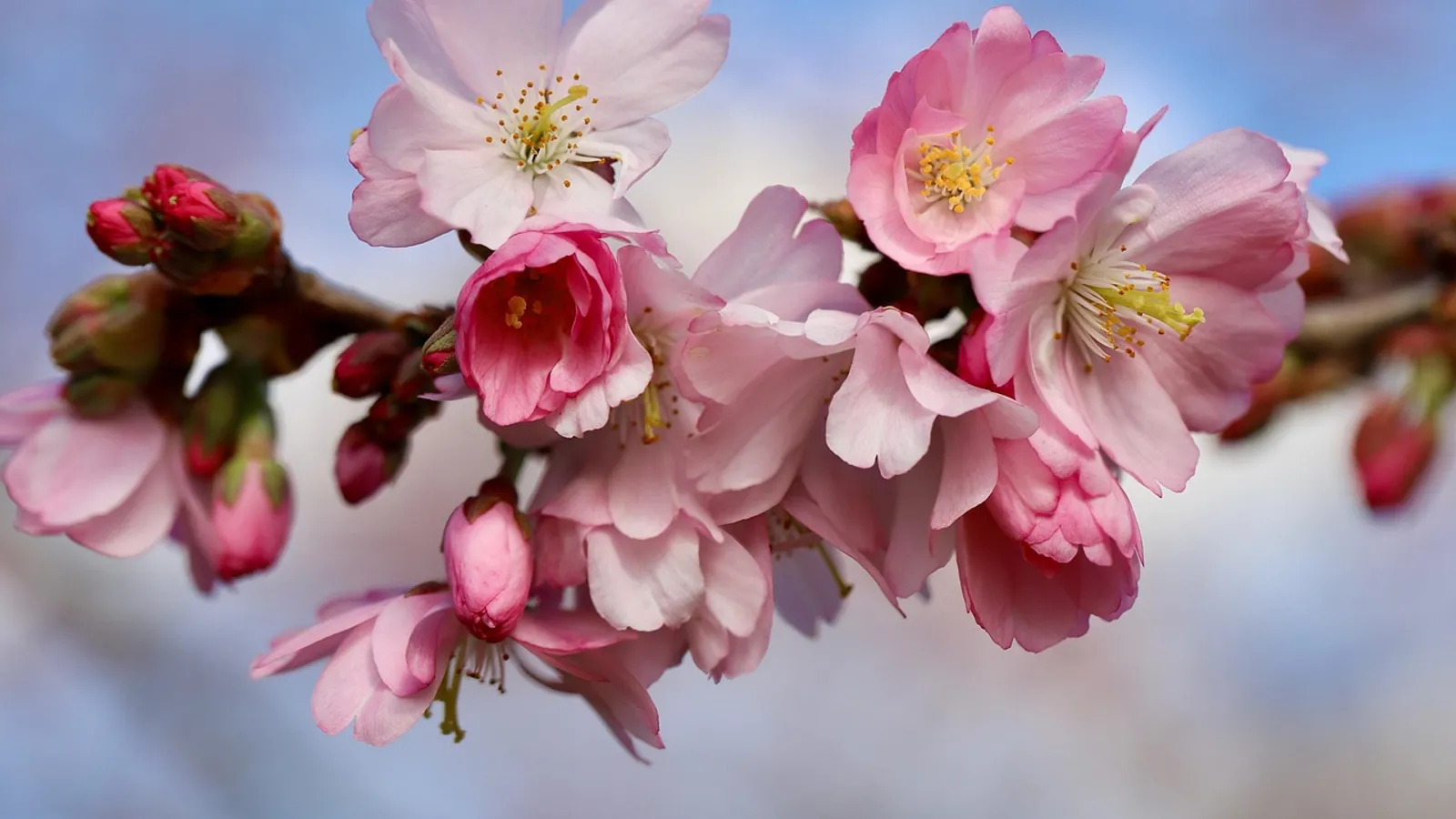
When to go to Tokyo, month by month: weather normals from the Japan Meteorological Agency, cherry blossom and autumn leaf dates, the rainy season, holiday peaks and the quiet weeks.
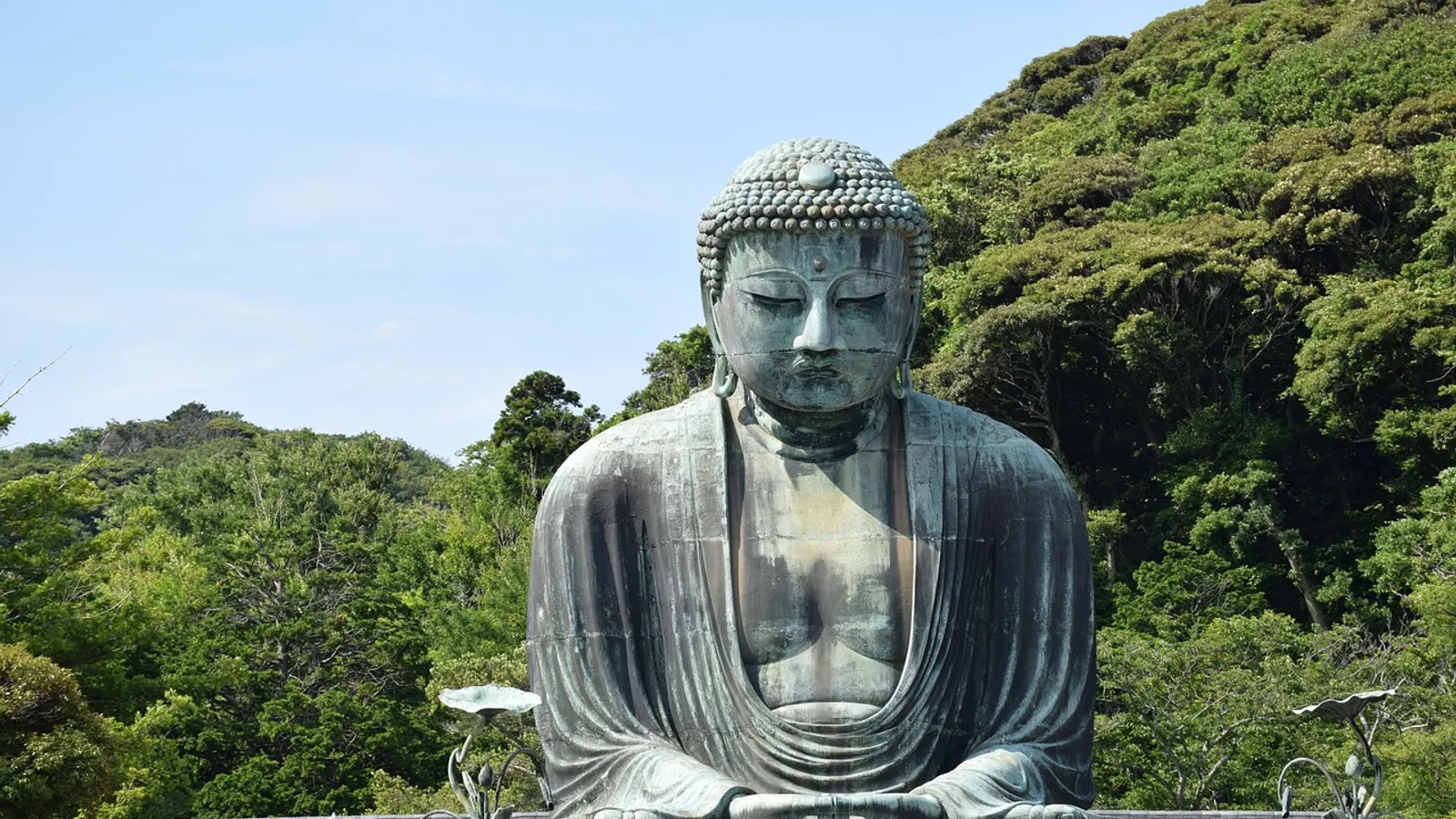
A Kamakura day trip from Tokyo, planned: the JR train and last return, a one-day route past the Great Buddha and Hase-dera, adding Enoshima, entry fees and tour formats.
How to do a Nikko day trip from Tokyo: Tobu or JR trains, Toshogu Shrine and its neighbours, Kegon Falls and Lake Chuzenji, official entry fees, autumn traffic and guided day tours.
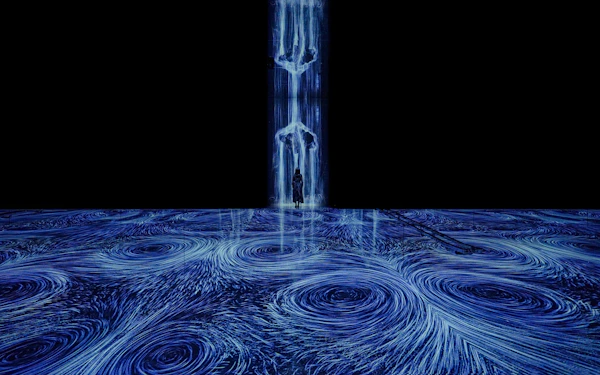
How to book teamLab Planets tickets on the official store, what each date costs, when new months go on sale, how changes work, what to wear and how Planets compares with Borderless.
A first-trip Tokyo travel guide: which airport to use, how Welcome Suica and the subway passes work, which area to stay in, what to book ahead and what things cost.
A 3 day Tokyo itinerary built by area: Asakusa and Ueno, then Tsukiji, Harajuku, Shibuya and Shinjuku, then teamLab or Mt Fuji, with booking rules and closing days checked.
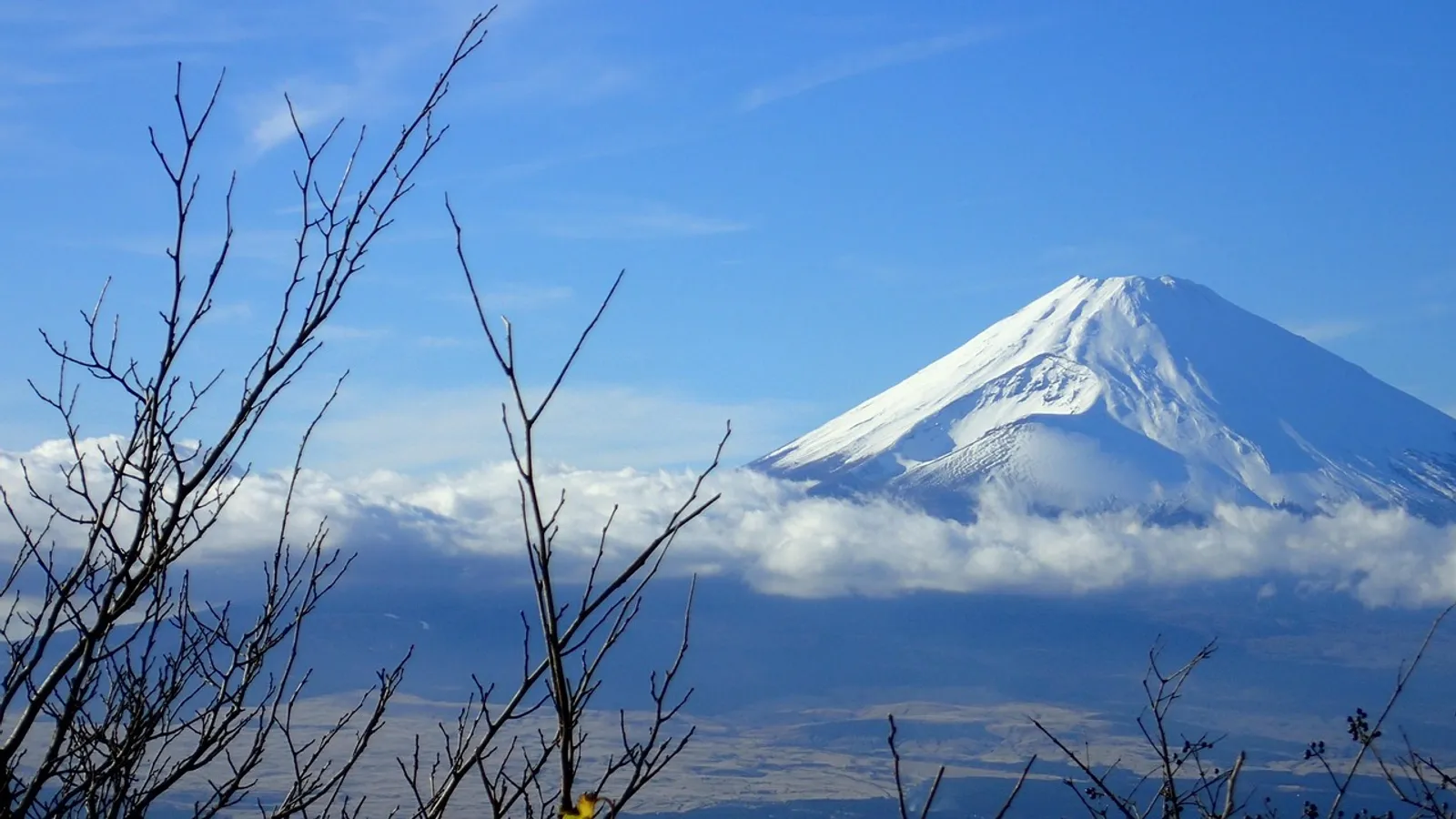
A Hakone day trip from Tokyo by Romancecar, the loop by mountain train, ropeway and Lake Ashi boat, what to see in one day, the pass question, and guided trips compared.
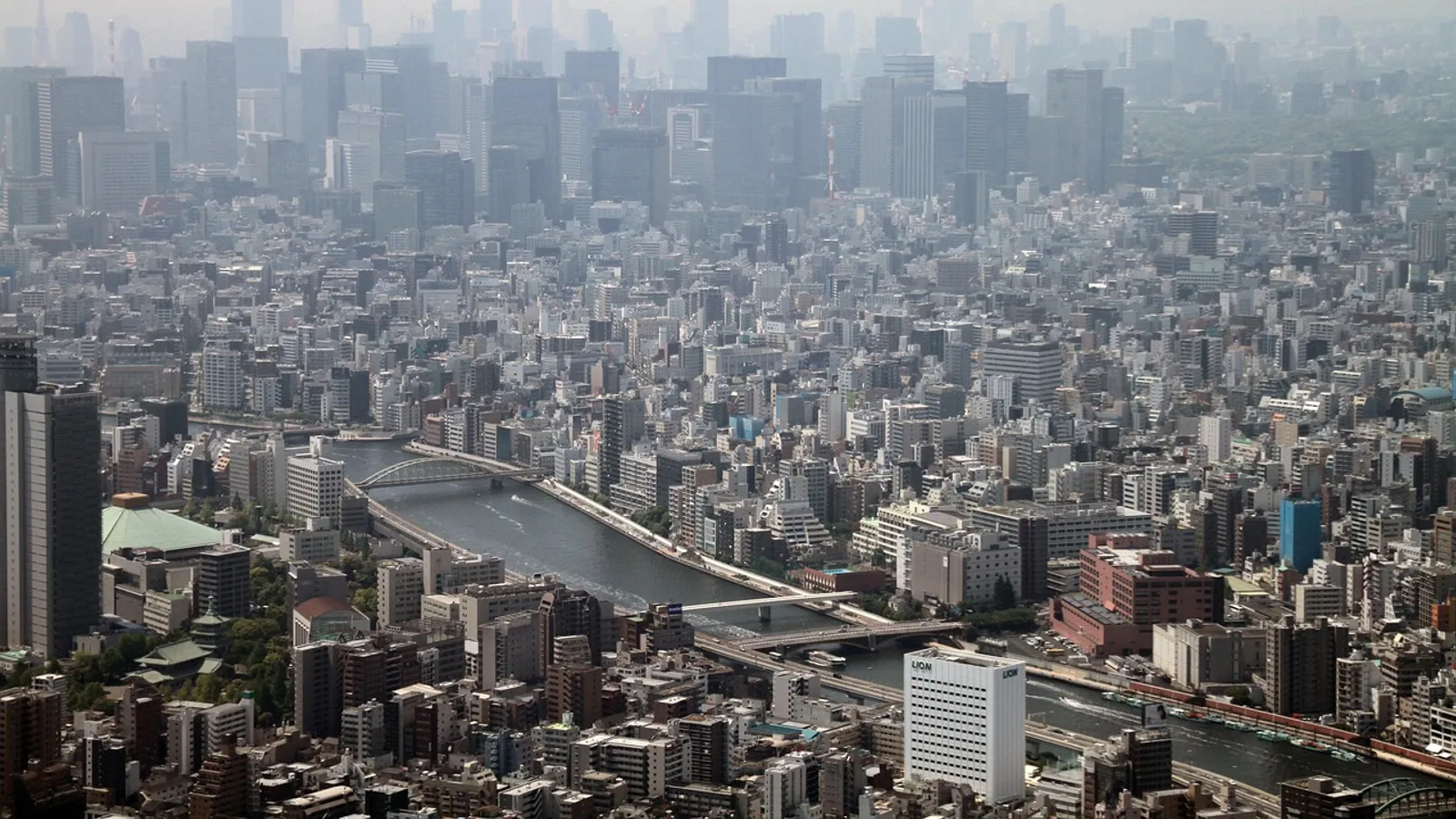
Tokyo Skytree tickets are now priced by visit date. What the Tembo Deck and combo tickets include, how to avoid the counter fee, the official combo packs and when to go up.
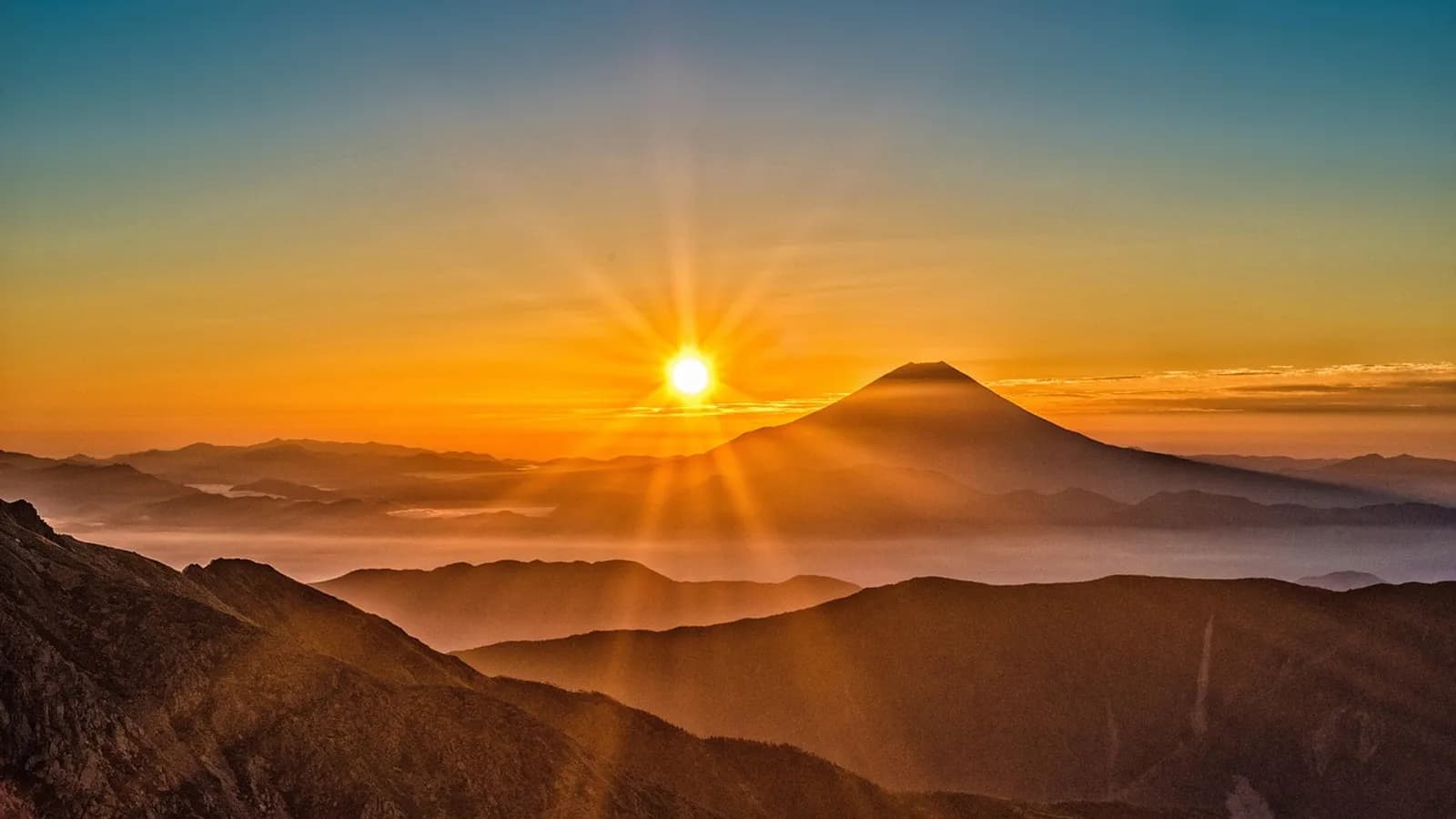
A Mt Fuji day trip from Tokyo, step by step: the highway bus or the Fuji Excursion train to Lake Kawaguchi, the viewpoints worth the time, the odds of a clear view and guided tours.
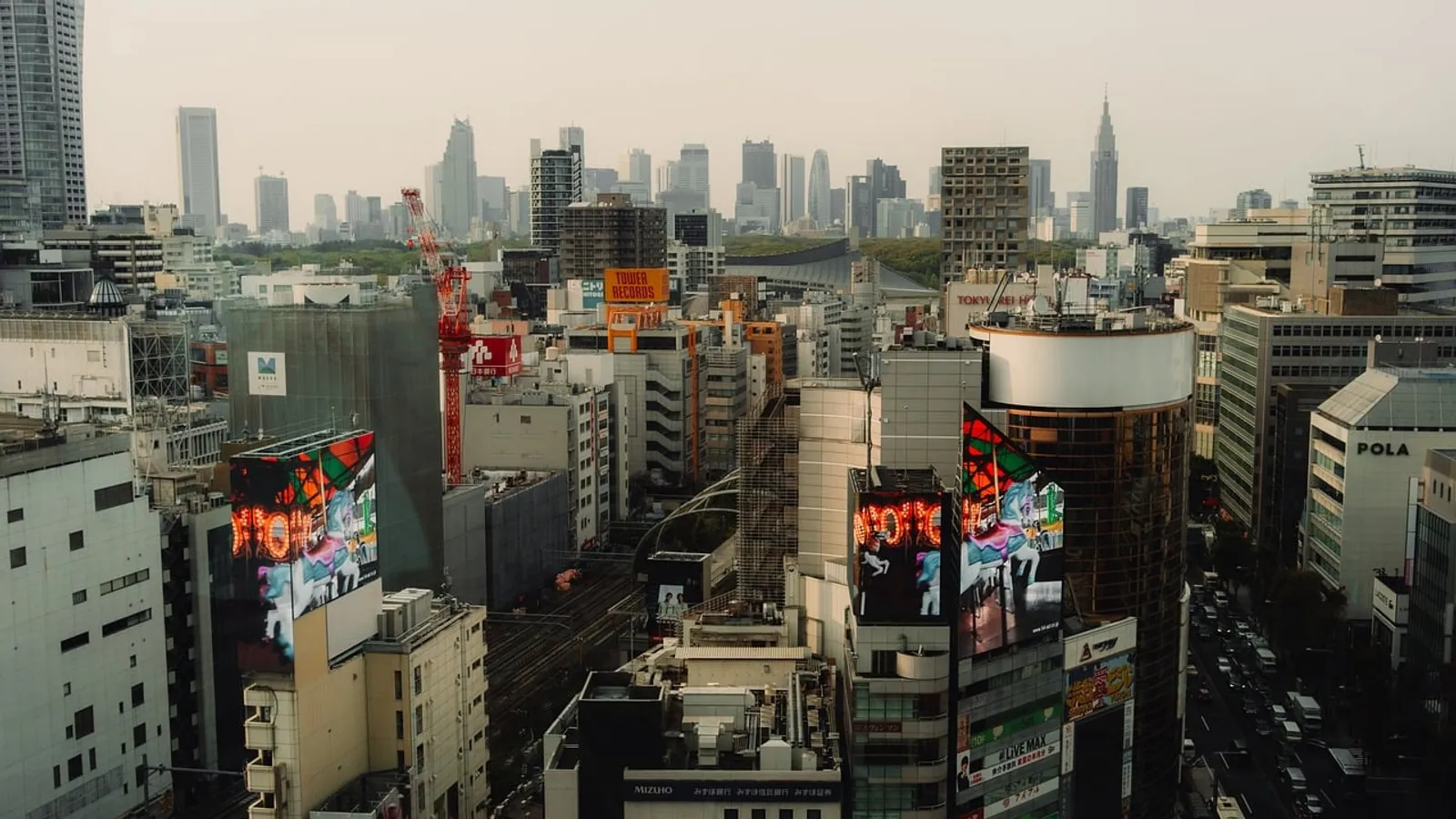
A shortlist of 20 things to do in Tokyo, grouped by area: Senso-ji, Meiji Jingu, the Shinjuku alleys, Tsukiji, the towers, teamLab, sumo and kabuki, and which ones need a ticket booked ahead.
Most first trips follow one bullet-train corridor from Tokyo through Kyoto and Osaka to Hiroshima. It covers a lot, but it skips Hokkaido, Okinawa and the Japan Sea side, which is where a second week pays off.
Treat it as a cluster of districts and pick two or three a day. It's also the base for the classic short trips: Hakone, Nikko and Kamakura each work there and back in a day.
Seventeen sites make up the UNESCO-listed Historic Monuments of Ancient Kyoto, and Nijo Castle is the only one that isn't religious. Group sights by district, because crossing town eats time.
Kyoto's louder neighbour, better for eating out and late nights, and the practical base for the west: Himeji is about half an hour away by bullet train.
An easy day from Kyoto or Osaka. Todai-ji is about a 15-minute walk from Kintetsu Nara Station, and most of the other big sights are spread around the same park.
Miyajima is a 30-minute train ride to Miyajimaguchi plus a 10-minute ferry. Staying a night lets you see the island before and after the day-trippers.
The gateway to Kyushu. Food stalls called yatai open in Tenjin and Nakasu from around 6 p.m. and run into the small hours, about ten seats to a stall.
Kenroku-en, laid out by the Maeda lords of Kaga in the Edo period, is counted among Japan's three great gardens, and buses run on from here to Shirakawa-go.
A bullet-train stop between Tokyo and Kyoto. At the castle, the Honmaru Palace, burned in the 1945 air raids, was rebuilt in 2018 and is open; the main keep is closed over age and earthquake concerns.
The north runs on its own calendar: snow in winter, and a June that misses most of the rainy season, when the high national park trails open for hiking.
The southern islands, reached by air, with Naha as the arrival city. Seasons run early here: the rainy spell starts in May.
The head shrine of all Inari shrines in Japan. The whole of Mount Inari, 233 metres high, counts as shrine grounds, so the torii-lined paths keep climbing long after the famous first stretch.
Founded in 778. Its wooden stage stands nearly 13 metres high on 18 zelkova pillars, joined without a single nail, above the Otowa Waterfall.
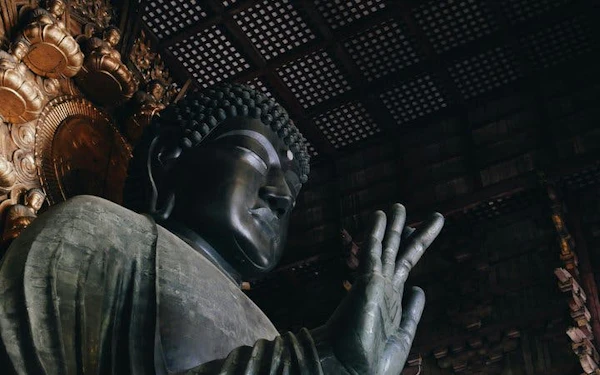
Nara's tourism association calls the Great Buddha Hall the largest wooden structure in the world. The Buddha inside was ordered cast in 743 and consecrated in 752.
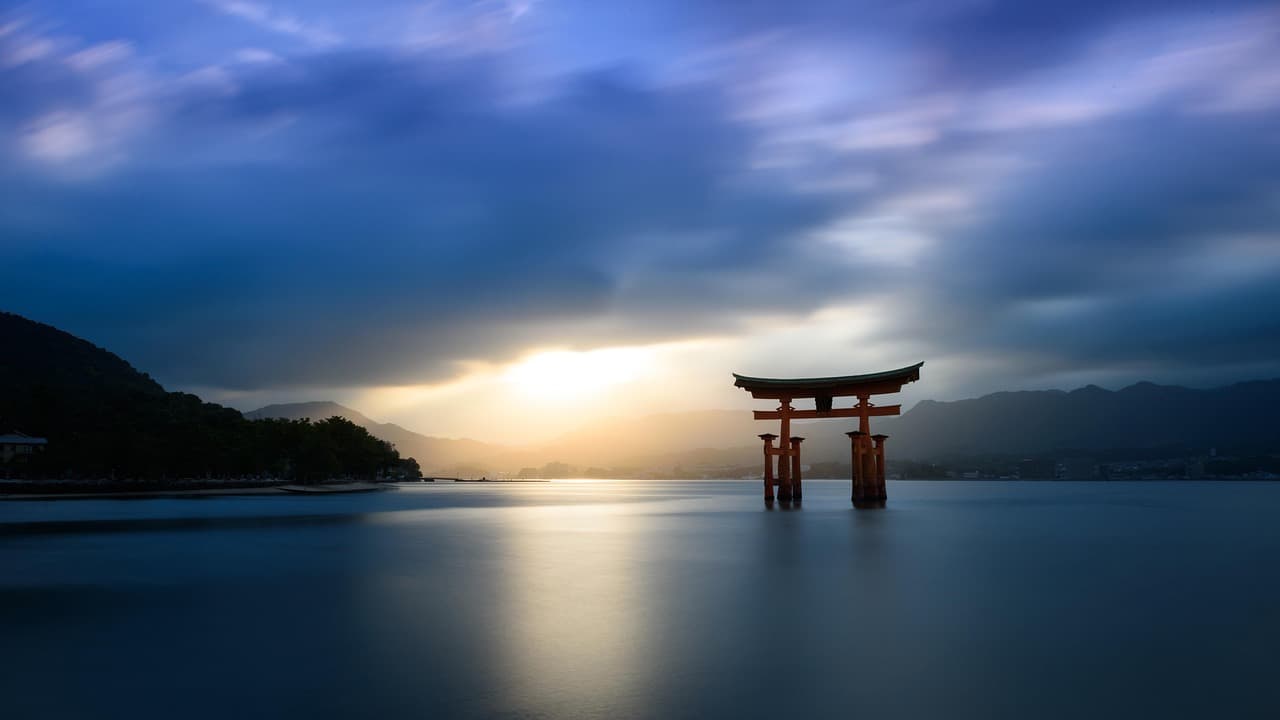
The shrine buildings and the great torii stand over the sea. At high tide the gate appears to float; at low tide you can walk out to it, so check the tide table before choosing your ferry.
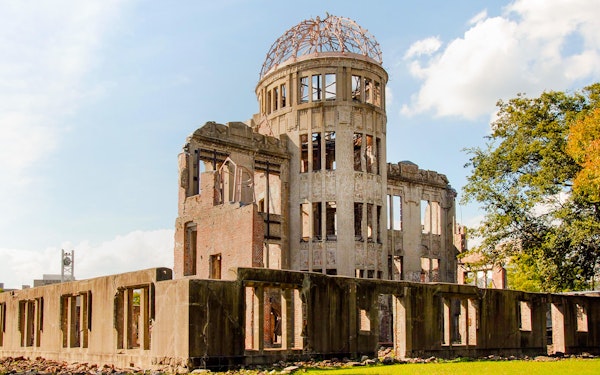
The only structure left standing near the hypocentre of the atomic bomb of 6 August 1945, listed by UNESCO as the Hiroshima Peace Memorial. Allow time for the museum.
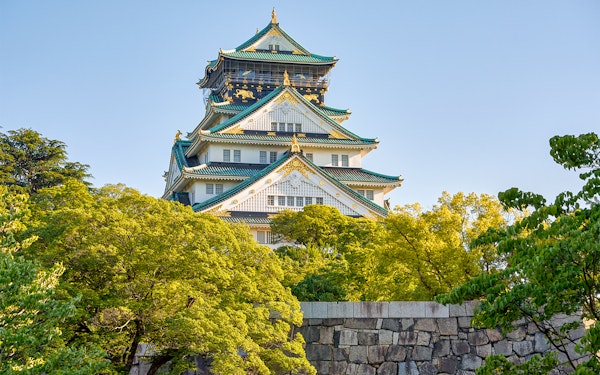
In 1993 it became the first Japanese castle on the UNESCO list. The White Heron nickname comes from its white plaster walls, and the keep has stood for over 400 years. It's about 45 minutes from Kyoto by bullet train.
3,776 metres, with a UNESCO listing that takes in shrines, springs and the Fuji Five Lakes. In 2026 the Yoshida and Subashiri trails opened on 1 July, Fujinomiya and Gotemba on 10 July, and all four closed on 10 September, with a hiking fee charged per climber. Check the next season's dates and rules before planning a climb.
Hot-spring towns and Lake Ashi, about 1 hour 25 minutes from Shinjuku to Hakone-Yumoto on the Odakyu Romancecar.
Toshogu, Rinno-ji and Futarasan-jinja form one World Heritage site, about two hours from Asakusa by Tobu limited express. Above town are Lake Chuzenji and the 97-metre Kegon Falls.
The bronze Amida at Kotoku-in is 11.3 metres tall. Casting began in 1252; its hall was washed away by a tsunami in 1498, so it sits in the open. For an extra charge you can step inside the statue.
Toyotomi Hideyoshi's keep of 1585 burned in 1615; today's tower was rebuilt in 1931 with citizens' donations and holds a museum and an 8th-floor observation deck.
Thatched gassho-zukuri farmhouses, listed by UNESCO in 1995 with Gokayama. Buses take about 50 minutes from Takayama and 1 hour 15 minutes from Kanazawa.
Japan is long enough that Sapporo and Naha sit in different seasons in the same week, so the right month depends on where you're going.
The rainy season works from south to north. The Japan National Tourism Organization says it begins in Okinawa in May, usually reaches Tohoku in mid-June and lasts longer the further north it goes, while Hokkaido sees little extra rain. The Japan Meteorological Agency's normals put the peak of typhoon formation in the western Pacific in August and September, so leave a spare day in any plan that relies on ferries or island flights.
Watch the domestic calendar. Golden Week strings together Showa Day (29 April), Constitution Day (3 May), Greenery Day (4 May) and Children's Day (5 May), so book trains and rooms early. Kyoto's Gion Matsuri lasts all of July, with float processions on 17 and 24 July and evening yoiyama on the three nights before each. Sapporo's Snow Festival fills Odori Park, Susukino and Tsudome with snow sculptures in early February.
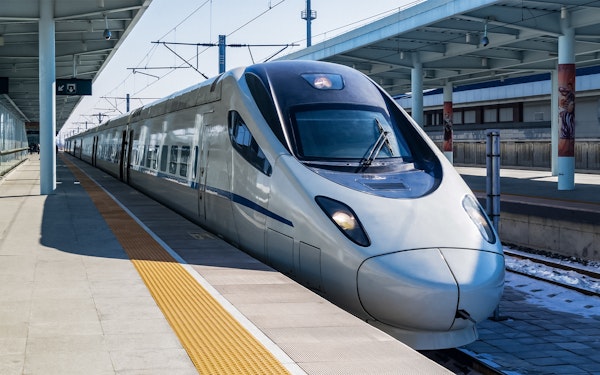
Trains do most of the work. Approximate fastest times, per the operators and Osaka's tourism bureau: Tokyo to Kyoto just over two hours, Tokyo to Shin-Osaka about two and a half, Shin-Osaka to Hiroshima about an hour and a half, and Shin-Osaka to Hakata, Fukuoka's main station, about two and a half. Kanazawa sits on the Hokuriku Shinkansen, about two and a half hours from Tokyo.
Fly for the far ends. The Hokkaido Shinkansen stops at Shin-Hakodate-Hokuto, a long way short of Sapporo, and the transport ministry doesn't expect the extension to Sapporo before the end of fiscal 2038. Okinawa has no rail link to the main islands.
The nationwide Japan Rail Pass comes in 7, 14 and 21-day versions, standard or Green Car, and covers the six JR companies. It earns its keep on long hops; a trip that stays in one region may suit a regional JR pass or single tickets better. Tobu to Nikko and Odakyu to Hakone are private railways with their own tickets and passes.
Shoes come off more often than visitors expect: Kyoto's tourism association notes that outdoor shoes aren't allowed in many places, rooms with tatami among them. The same guidance says tipping isn't a custom, and a simple thank you does the job. Queue for trains and buses, carry rubbish until you find a bin, and smoke only in marked areas.
Room rates at hotels and inns are generally per person, not per room, which matters when you compare a ryokan with a city hotel.
Tours and activities that hinge on nature need a backup plan: Fuji's trails can open late if snow clearance runs on, and a typhoon can cancel a ferry. Check each site's own page in the week you go.
Common questions about booking Japan experiences through SimilarTours
Mostly city sights, food tours and one or two long day trips out of Tokyo. Tokyo has observation decks such as Tokyo Skytree, teamLab Planets and day trips to Mt Fuji and Hakone; Osaka adds Universal Studios Japan and its castle, and Kyoto full-day sightseeing tours by bus or out to Arashiyama. Food tours run in several cities, including evening bar-hopping walks in Sapporo.
Spring and autumn are the usual choices, and both move across the country instead of arriving everywhere at once. The Japan National Tourism Organization says sakura season begins on Kyushu in March and moves north, while autumn colour starts in northern Hokkaido and is at its best from late September to early December, depending on place and elevation. Bloom dates shift every year, so check the official forecast before fixing dates.
It depends on the format more than the place. Entry tickets to sights such as Tokyo Skytree or Osaka Castle sit at the low end, while full-day trips to Mt Fuji or Hakone cost several times as much. Each card below carries a live price, which is a better guide than any figure quoted in advance.
The shinkansen is the direct option. According to the Japan National Tourism Organization, the Tokaido Shinkansen links Tokyo with Kyoto and Shin-Osaka, and the Sanyo Shinkansen continues from Shin-Osaka to Hiroshima. The fastest trains on that route, the Nozomi, need an extra ticket on top of the Japan Rail Pass, so read the pass rules before planning around it.
About a week covers the three without rushing: three or four nights in Tokyo, two or three in Kyoto and one or two in Osaka. Tokyo needs the most because Mt Fuji and Hakone each take a full day. Add a night in Osaka if the bullet-train day trip to Hiroshima and Miyajima is on your list.
It helps most on the long days out, such as Mt Fuji, Hakone or Hiroshima and Miyajima, where the tour handles the transport. Inside Tokyo, Kyoto and Osaka, the headline sights sell as plain entry tickets, so a guide is optional; on a food tour, the guide is the point. The experiences below are day tours and tickets; multi-day packages are a different product.