TokyoTicketsteamLabDigital artBuying guideteamLab Borderless
teamLab Tokyo Tickets: Planets and Borderless Compared for 2026
Which teamLab in Tokyo to book - Planets or Borderless - and how to get tickets for each. Every format compared, what to wear, and how far ahead to book.
By SimilarTours Editorial · Travel Research · · Updated · 22 min read

There are two teamLab venues in Tokyo, they are not the same place, and picking the wrong one is the single most common mistake people make with these tickets. teamLab Planets is in Toyosu - barefoot, water, sensory, about an hour. teamLab Borderless is at Azabudai Hills - larger, drier, more labyrinthine, and easier to lose an afternoon in. They sell separate tickets and sit in different parts of the city.
This guide covers both: which one to choose, what each ticket format actually gets you, and what to know before you turn up.
teamLab Planets is one of Tokyo's most consistently in-demand experiences - a timed-entry immersive digital art space in Toyosu where you remove your shoes, roll up your trousers, and wade barefoot through shallow water and light. Every slot sells on a fixed-capacity basis. The choice of ticket matters: the entry price ranges from $22 to $139 depending on what you're adding, and the cheapest slots disappear fastest on popular dates.
This guide compares the three real ticket formats for teamLab Planets, when each is worth it, and what you need to know before you go.
Browse teamLab Planets and Tokyo experience tickets →Which ticket is right for you
If you want the simplest, most affordable way in, the standalone entry ticket is the answer - it covers the full experience at the lowest price, and the Tiqets option (303 reviews, 4.6 rating) is the anchor to check first. If you want to combine teamLab Planets with a nearby market visit and want someone to take care of logistics, the guided half-day tours are worth the premium. The combo options - pairing teamLab Planets with Tokyo Skytree - make sense if you want to tick two landmarks in one booking without planning separate trips.
The quick decision:
- Budget + solo or pair: standalone entry ticket from $22
- Two landmarks, one booking: combo with Skytree from $46
- Full half-day with a guide and market visit: guided tour from $67
Planets or Borderless: which teamLab to book
If you only have time for one - and most visitors only do one - this is the decision that matters more than which ticket type you buy.
Choose teamLab Planets if you want the version people post photographs of: barefoot, ankle-deep water, mirrored rooms, a strong physical and sensory experience. It is the shorter of the two (most people are done inside 60-90 minutes), the cheaper of the two, and the more suitable one if you are fitting it around other plans. It is also the better choice with a tight schedule, because the visit has a natural end.
Choose teamLab Borderless if you want the larger and more exploratory version. It is a bigger space spread over multiple floors with more installations, no fixed route, and a deliberate design intent that you wander and stumble into rooms. Visits run longer - two hours is common and three is easy - and you stay dry and shod throughout. It sits at Azabudai Hills, which is far more central than Toyosu.
Choose both if you have five days or more in Tokyo and digital art is genuinely one of your reasons for coming. They are different enough that doing both is not repetitive, but they are similar enough that doing both on the same day is a mistake - the second one blurs.
The practical tiebreakers most people land on:
| Planets (Toyosu) | Borderless (Azabudai Hills) | |
|---|---|---|
| Typical visit | 60-90 minutes | 2-3 hours |
| Barefoot / water | Yes, unavoidable | No |
| Location | Outer east, ~35-45 min from Shinjuku | Central, much shorter hop |
| Entry price | The lower of the two | The higher of the two |
| Best for | A slot inside a busy day | An unhurried afternoon |
| With small children | Harder - dark, wet, sensory | Easier |
Insider tip
Confirm which venue you are buying before you check out. Listings for both use the "teamLab" name prominently and the venue name less so. Every season a steady stream of visitors turns up in Toyosu holding a Borderless ticket, or the reverse - and since both run timed entry, there is no fixing it on the day. Read the address on the confirmation, not the product title.
teamLab Borderless tickets
Borderless entry is sold the same way as Planets - timed slots, fixed capacity - and the same booking logic applies: popular dates and late-afternoon slots go first.
What differs is how it is packaged. Because Borderless sits in a central, high-rise district next to an observation deck and a major art museum, a large share of the available products bundle it with something else nearby rather than selling bare admission. That is genuinely convenient if you were going to do both, and poor value if you were not - so check whether a standalone entry slot exists for your date before defaulting to a bundle.
Guided options here are worth more than at Planets. Borderless has no route, which is the point and also the reason some visitors leave feeling they missed rooms. A guide who knows the building will walk you through it in an order that makes sense.
teamLab Borderless tickets and guided visits

Tokyo: teamLab Borderless Entry, Guided Art Walk & Tokyo City View
Entry with a guided walk through the space, plus the neighbouring observation deck.
4 hoursViewFrom$222.02
Tokyo Private Guided Tour: teamLab Borderless and Tokyo City View
The private version - useful in a building with no fixed route.
4 hoursViewFrom$190.31
Tokyo Private Tour: teamLab Borderless & Tokyo City View
A private half-day pairing the venue with the observation deck above it.
5.0(5)4 hoursViewFrom$135.08
Tokyo: teamLab, Azabudai Hills & National Art Center Tour
Borderless plus the surrounding art district - a full art-focused afternoon.
5.0(3)4 hoursViewFrom$146.91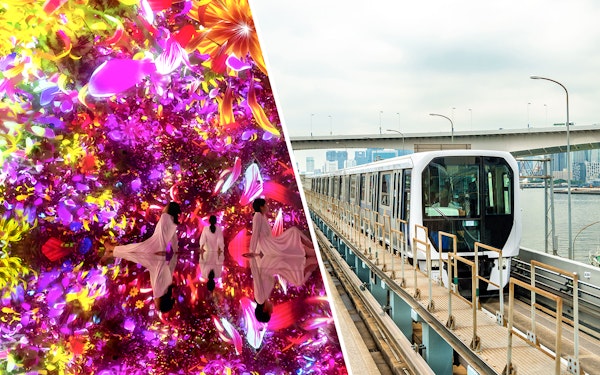
Combo: teamLab Planets TOKYO Tickets + Tokyo Subway Pass
4.6(648)ViewFrom$30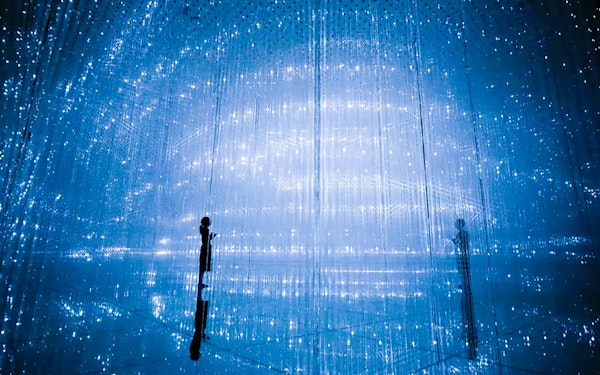
teamLab Planets TOKYO Tickets
4.7(4,859)ViewFrom$24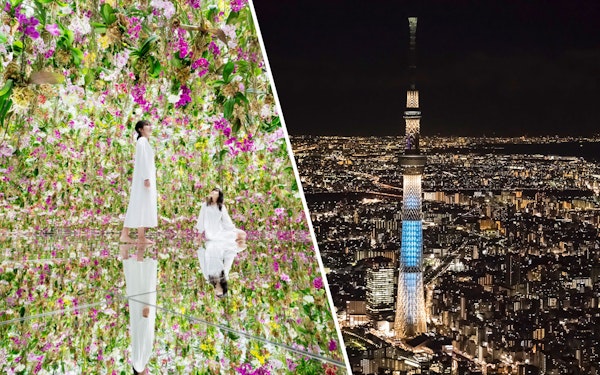
Combo: teamLab Planets Tokyo + Tokyo Observation Decks Tickets
4.6(286)ViewFrom$54![teamLab Planets Skip-the-Line Tickets [Premium Pass]](https://cdn-imgix.headout.com/media/images/63658f937f475e757a859abbf0d0e820-18403-tokyo-team-lab-planets-tokyo-admission-ticket-05.jpg?w=600&auto=format%2Ccompress&fit=crop&q=75)
teamLab Planets Skip-the-Line Tickets [Premium Pass]
4.8(568)3 daysViewFrom$85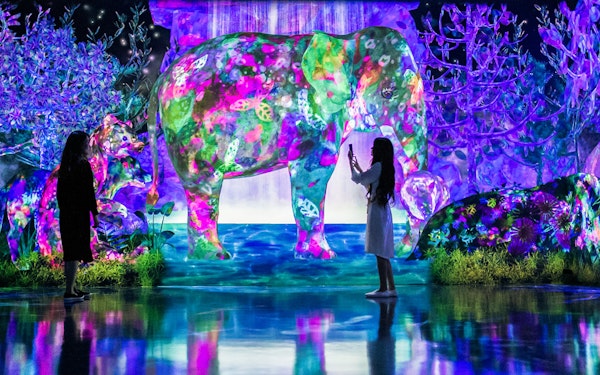
E・ZO FUKUOKA teamLab Forest Tickets
4.6(69)ViewFrom$16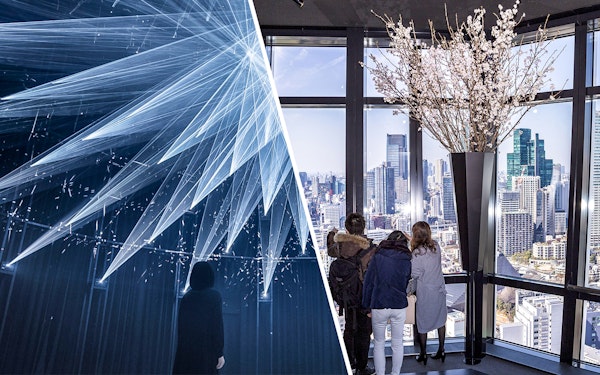
Combo (Save 7.5%): teamLab Planets TOKYO + Tokyo Tower Main Deck Tickets
4.7(364)ViewFrom$32
Standard entry tickets
The core product: timed admission to teamLab Planets. You get access to all the installations inside. Nothing is left out at this tier - you're booking entry, not a curated selection.
The Tiqets entry ticket is the most-reviewed option in this category by a clear margin (303 reviews, 4.6 stars). It's also the lowest price point on the list. For most visitors - solo travelers, pairs, or small groups who have already read up on the venue and are comfortable navigating the space independently - this is the right pick.
Standard entry tickets - teamLab Planets Tokyo
- tiqets
teamLab Planets Tokyo: Entry Ticket
The anchor option - most-reviewed teamLab Planets ticket available, timed entry, full access to all installations.
4.6(303)ViewFrom$22 
Team Lab Planets Tokyo Timed Entry Admission Ticket
Timed entry admission via Viator - good to cross-reference availability against the Tiqets option.
3.7(33)ViewFrom$50Combo: teamLab Planets TOKYO Tickets + Tokyo Subway Pass
4.6(648)ViewFrom$30teamLab Planets TOKYO Tickets
4.7(4,859)ViewFrom$24Combo: teamLab Planets Tokyo + Tokyo Observation Decks Tickets
4.6(286)ViewFrom$54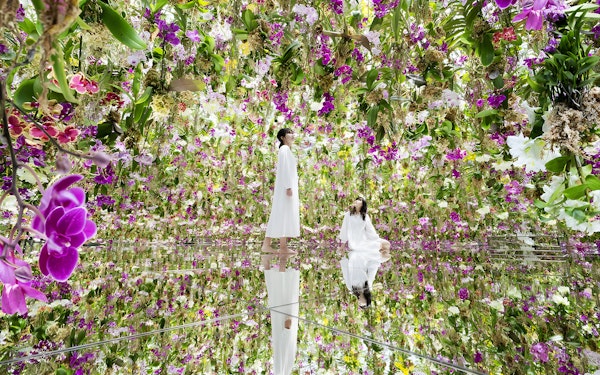
Tokyo City Pass: Free Entry to teamLab Planets & 4 Top Landmarks
4.5(12)1 dayViewFrom$41
Tokyo Dome City Space Travelium TeNQ Tickets
0.0(0)ViewFrom$15teamLab Planets Skip-the-Line Tickets [Premium Pass]
4.8(568)3 daysViewFrom$85E・ZO FUKUOKA teamLab Forest Tickets
4.6(69)ViewFrom$16Combo (Save 7.5%): teamLab Planets TOKYO + Tokyo Tower Main Deck Tickets
4.7(364)ViewFrom$32
Combo tickets
These bundle teamLab Planets admission with another Tokyo attraction in a single booking. The most common pairing is Tokyo Skytree - the observation tower in Asakusa that sits at 634 meters and offers some of the widest city views in Asia.
The logic of the combo is convenience: one checkout, one confirmation, two activities handled. The price per attraction is often comparable to buying separately, and you avoid the risk of one piece selling out while the other is still available.
Combo tickets - teamLab Planets + Tokyo Skytree
- tiqets
Tokyo Skytree & teamLab Planets: Entry Ticket
Two of Tokyo's most distinctive experiences in one booking - Skytree Tembo Deck + full teamLab Planets entry.
3.4(9)ViewFrom$46 Combo: teamLab Planets TOKYO Tickets + Tokyo Subway Pass
Entry plus a Tokyo subway pass - useful if you are spending a full day moving around the city.
4.5(658)ViewFrom$25.28Combo: teamLab Planets TOKYO + Tokyo Tower Main Deck Tickets
The digital-art venue paired with a classic observation deck.
4.5(380)ViewFrom$27.64Combo: teamLab Planets Tokyo + Tokyo Observation Decks Tickets
4.6(286)ViewFrom$54
Combo: TOKYO SKYTREE + Sumida Aquarium Tickets
4.7(179)ViewFrom$37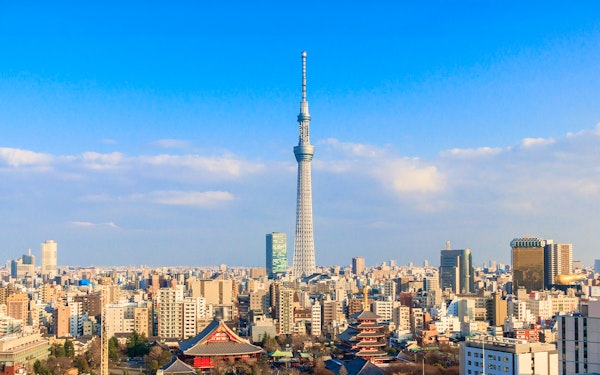
TOKYO SKYTREE Tembo Deck & Tembo Galleria Tickets
4.6(2,856)ViewFrom$24teamLab Planets TOKYO Tickets
4.7(4,859)ViewFrom$24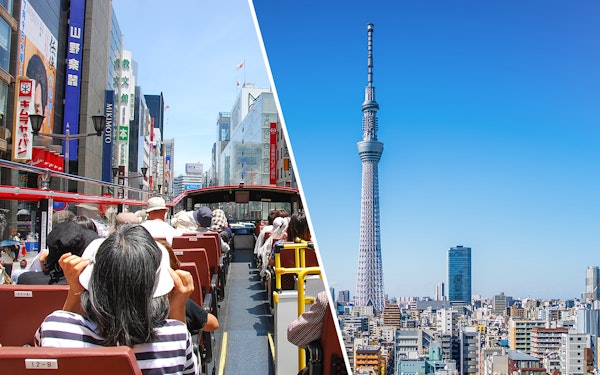
Combo: Tokyo Hop-On Hop-Off Bus Tour + TOKYO SKYTREE Tickets
3.8(30)12 hoursViewFrom$39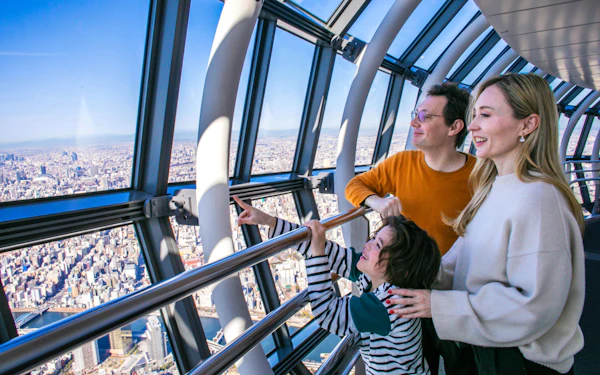
TOKYO SKYTREE Tickets
4.5(5,020)ViewFrom$15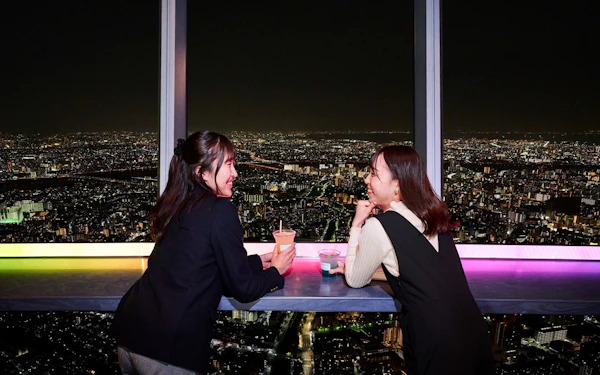
TOKYO SKYTREE Tembo Deck Night Entry Tickets with Alcoholic Drink
4.4(45)ViewFrom$18
Guided tours and private options
Guided tours at teamLab Planets pair the entry with a market visit - either Tsukiji outer market or Toyosu market - in a structured half-day block. These make most sense if:
- You want someone to manage the transit and timing between locations
- You want context on the market and the area, not just the digital-art venue itself
- You are visiting with people who appreciate a curated experience over a self-directed one
Both of the guided options below are rated 5.0 stars, which is notable even at low review counts, and both run at similar price points. The Tsukiji market version and the Toyosu market version differ mainly in which market you visit - Tsukiji is the more tourist-familiar outer market with food stalls, Toyosu is the working wholesale market with a viewing deck overlooking the tuna auction floor.
Guided half-day tours with teamLab Planets

Tokyo Private Tour: teamLab Planets & Tsukiji Market
Private guided half-day pairing the digital-art experience with Tsukiji outer market - food stalls, context, and personalized pacing.
5.0(15)ViewFrom$139
Tokyo: teamLab Planets & Toyosu Fish Market Guided Tour
Guided half-day combining teamLab Planets with Toyosu market - includes the viewing deck above the auction floor.
5.0(7)ViewFrom$139teamLab Planets TOKYO Tickets
4.7(4,859)ViewFrom$24Combo: teamLab Planets TOKYO Tickets + Tokyo Subway Pass
4.6(648)ViewFrom$30Combo: teamLab Planets Tokyo + Tokyo Observation Decks Tickets
4.6(286)ViewFrom$54Tokyo City Pass: Free Entry to teamLab Planets & 4 Top Landmarks
4.5(12)1 dayViewFrom$41Tokyo Dome City Space Travelium TeNQ Tickets
0.0(0)ViewFrom$15teamLab Planets Skip-the-Line Tickets [Premium Pass]
4.8(568)3 daysViewFrom$85
All Inclusive Private Neo Tokyo Tour on a Luxury Car
5.0(1)8 hr 30 minViewFrom$617Combo (Save 7.5%): teamLab Planets TOKYO + Tokyo Tower Main Deck Tickets
4.7(364)ViewFrom$32
What to know before you go
Timed entry is strict. Your slot is the time you enter, not the time you leave. Arrive within your window or you risk being turned away; the venue does not carry over late arrivals to the next slot.
You will go barefoot and possibly wet. Shoe lockers are at the entrance. Multiple installations involve shallow water - ankle depth or shallower - so anything you wear from the knee down should be rollable or genuinely waterproof. This is stated in the booking terms; don't ignore it. Flip-flops and crocs work well if you want footwear that handles wet without fuss.
Photography is permitted and encouraged. The light environments are designed to be photographed. A phone is enough for most shots; the reflective and water surfaces do most of the visual work.
The experience is mostly non-verbal. Signage is bilingual (Japanese and English) but most of the visit involves moving through environments rather than reading descriptions. Language is not a barrier.
Bag storage is available on-site. If you are arriving from somewhere else in the city with a bag, the venue has lockers.
Best time slot to book
Late afternoon and early evening are the most-booked windows - the crowds thin slightly after dinner rush in the surrounding Toyosu area, and the installations are designed for lower ambient light rather than midday conditions. Morning slots (if offered) are the quieter alternative and the better pick for anyone who dislikes crowds or wants longer in each room without waiting for groups to move through.
If you have flexibility on date, weekdays are consistently less busy than Saturdays and Sundays. The combination of a weekday and a morning slot gives the lowest-crowd experience.
Getting to each venue
The two venues sit in genuinely different parts of Tokyo, and the journey is a real factor in which one suits your day.
Planets, in Toyosu, is on the reclaimed waterfront east of the centre. The nearest station is Shin-Toyosu on the Yurikamome monorail; Toyosu Station on the Tokyo Metro Yurakucho Line is a five-to-ten minute walk away and is often the faster approach. From Shinjuku or Shibuya, budget 35 to 45 minutes with one transfer. The monorail approach is the more scenic of the two and is worth taking at least one way.
Borderless, at Azabudai Hills, is central and considerably easier to reach from most places a visitor would be staying. It sits inside a large mixed-use development, which means the last part of the journey is walking through a complex rather than along a street - allow a few minutes to find the entrance the first time.
The scheduling consequence: Planets pairs naturally with anything else on the eastern waterfront, and badly with a day spent in the western districts. Borderless slots into almost any central day without a detour. If your itinerary is already built around Shibuya and Shinjuku, that convenience gap is worth more than the price difference.
Pairing teamLab with the markets
The most common and most sensible pairing for Planets is one of the fish markets, because they are close and because the two experiences balance each other - one is early, loud, and entirely physical, the other is late, quiet, and entirely designed.
Toyosu Market is a ten-minute walk from Shin-Toyosu station, which makes it the natural companion. It is the working wholesale market, with a viewing deck above the tuna auction floor; the auction itself runs very early, so this is a morning commitment rather than something to bolt on before an afternoon slot. Tsukiji outer market is about twenty minutes away by monorail and metro and is the more relaxed, food-stall-oriented option that works at a civilised hour.
The guided tours that combine the two handle the transit and the timing, which is the main thing you are paying for. If you would rather do it independently, the order that works is market first, teamLab second - the market winds down through the morning while teamLab is at its best later in the day.
Market visits that pair with teamLab Planets

Tsukiji & Toyosu Market Local Food Tour with Licensed Guide
Both markets with a licensed guide - the fullest version of the market half.
4.8(165)4 hoursViewFrom$103.89
Morning Market Adventure: Toyosu & Tsukiji with Tuna Auction
An early start that includes the auction viewing deck.
4.9(138)3 hoursViewFrom$147.35
Toyosu Tuna Auction & Tsukiji Local Food Tour, Licensed Guide
The auction plus the outer market's food stalls.
4.8(204)3 hoursViewFrom$158.07
Complete Tuna Auction & Toyosu Market Tour with Fumi
A longer, more thorough market morning before an afternoon teamLab slot.
4.9(49)4 hours 30 minutesViewFrom$120.12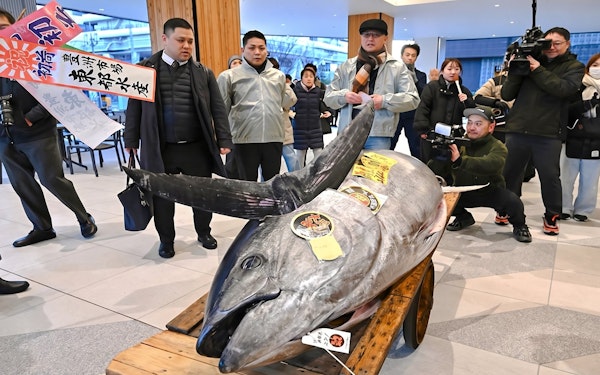
Tokyo: Toyosu Tuna Auction and Tsukiji Market Guided Walking Tour
0.0(0)3 hr 30 minViewFrom$125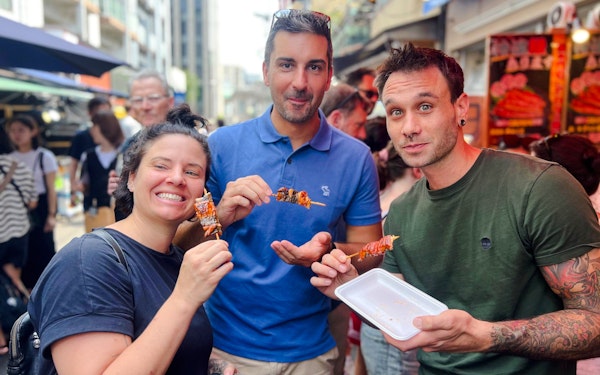
Tokyo Food Tour: Tsukiji Fish Market Walking Tour with Temple Visit
0.0(0)2 hoursViewFrom$31
Tsukiji BBQ Tour with National licensed Guide
3 hoursViewFrom$191
Tsukiji Fish Market: Street Food Tour with Tasting
5.0(75)1 hr 30 minViewFrom$66
Tokyo tour and transfer to Yokohama port for cruise travelers
7 hoursViewFrom$770
Tokyo Full Day Sightseeing Private City Tour with English Guide
5.0(10)8 hours - 10 hoursViewFrom$319
teamLab beyond Tokyo
A frequent source of booking confusion: teamLab operates venues in several Japanese cities, not only Tokyo, and search results mix them freely.
If your trip includes other cities, it is worth knowing these exist - but do not book one expecting the Tokyo experience, because the installations differ by venue and some are outdoor or seasonal in nature. And if you are only in Tokyo, ignore them entirely; the two Tokyo venues are the ones this guide covers and they are the ones the ticket links here resolve to.
The one practical implication for a Tokyo-only trip: when comparing prices across booking sites, confirm the city on the listing. A cheaper "teamLab ticket" is sometimes cheaper because it is for a different city.
Visiting with children
Both venues take children, and they suit different ages.
Borderless is the easier one. Dry, shod, bright in most rooms, and full of installations that respond to being touched or run through. It handles a wide age range and the lack of a fixed route means you can leave when attention runs out rather than finishing a loop.
Planets is the harder one, and often the more memorable. The barefoot-and-water format is genuinely delightful for children who are confident on their feet and comfortable in dim, unusual spaces. For children who find darkness or unexpected sensory input difficult, it is the wrong choice, and it is not a venue you can quietly slip out of mid-room. Check the venue's own age and height guidance before booking with anyone very small.
Practical notes for both: bring a change of clothes for Planets if your children are young enough to sit down in water, which they will. And book earlier slots than you would for adults - both venues are busiest late, and dense crowds in a dark room are the thing most likely to end the visit early.
When to book
Booking windows for the two venues are similar and both tighter than visitors expect.
Two to three weeks ahead is the realistic minimum in the busy periods - cherry blossom season in late March and April, the summer months, and the year-end holidays. Weekends fill before weekdays, and late-afternoon and early-evening slots fill before mornings, at both venues.
Outside those peaks, a week is usually enough, and in the quiet stretches of winter you can sometimes book a few days out. What does not work at any time of year is turning up without a ticket - neither venue sells meaningful walk-up capacity, and the answer at the door is simply no.
If your dates are fixed and teamLab is a priority, book it in the same sitting as your flights. It costs nothing to be early and there is no way to recover a sold-out date.
Common mistakes
1. Booking the wrong date and assuming you can change it. teamLab Planets tickets are typically sold as fixed date-and-time. Some providers allow date changes; many don't. Check the cancellation and change policy before completing the booking.
2. Wearing a dress or long trousers with no rollable hem. The water is shallow but unavoidable in the main room. Visitors in long non-waterproof garments either get wet or spend the whole time trying not to - both outcomes are worse than planning ahead.
3. Underestimating travel time to Toyosu. Toyosu is not in central Tokyo. From Shinjuku or Shibuya it is 35 to 45 minutes with a transfer. Build in a margin or you will miss your entry slot.
4. Assuming Planets and Borderless are the same venue. They are entirely separate - different neighborhoods, different installations, different tickets. Confirm you are booking Planets (Toyosu) before checking out.
Compare every teamLab Planets ticket and tour option →Common questions
Which teamLab in Tokyo is better, Planets or Borderless?
Neither is better; they are different. Planets is the shorter, cheaper, barefoot-and-water one in Toyosu, and it suits a visit slotted into a busy day. Borderless at Azabudai Hills is larger, drier, more exploratory, and easier to spend two or three hours in, and it is far more central. If you have one slot and want the version you have seen photographed, book Planets. If you want to wander without a route and stay dry, book Borderless.
How much are teamLab tickets in Tokyo?
Standalone Planets entry is the cheapest way into either venue, with combo and guided formats stacking on top. Borderless generally costs more, and a larger share of its listings are bundles with a neighbouring observation deck or museum rather than bare admission. Prices move, so treat the figures on any single listing as a starting point and compare across sellers for your specific date.
Can I do both teamLab venues in one day?
You can, and it is not a good idea. They are in opposite parts of the city and the second visit blurs into the first - the experiences are distinct but they draw on the same kind of attention, and two immersive digital-art venues in one day is genuinely saturating. If you want both, put them on different days.
How far ahead should I book teamLab Planets tickets?
At least two to three weeks ahead in peak season (March-April cherry blossom, July-August summer, December-January holidays). Weekend slots fill faster than weekday ones. The Tiqets entry ticket (from $22) is the most-available route and the one to check first; Viator-linked admission options sit in the $50-$67 range and can sell out at similar pace. If you're planning a specific date, book as soon as flights are confirmed.
Do teamLab Planets tickets sell out?
Yes - it operates on timed entry, meaning a fixed number of visitors per slot. Popular time slots (late afternoon and early evening) consistently sell out days to weeks in advance. If you see a slot available at the price you want, book it - availability can drop overnight on popular dates.
What do I need to wear to teamLab Planets?
You will need to remove your shoes and socks at the entrance - lockers are provided. Several of the installations involve wading through shallow water, so shorts or trousers that roll up above the knee are strongly recommended. Loose, flowing clothes photograph well in the light environments. Avoid anything you can't roll up or get wet at the hem.
How long does teamLab Planets take?
Most visitors spend 60 to 90 minutes inside. The experience is not a museum with a fixed loop - you move at your own pace between the environments. Slower visitors who linger in each room can extend to two hours; those who move through quickly finish in 45 minutes. A guided tour that pairs the visit with Tsukiji or Toyosu market will typically run three to four hours in total.
How do I get to teamLab Planets Tokyo?
The venue is in Toyosu, a short ride from central Tokyo. The nearest station is Shin-Toyosu on the Yurikamome monorail line. From Shinjuku or Shibuya, the journey is roughly 40 minutes with one transfer. Toyosu is also served by the Tokyo Metro Yurakucho Line at Toyosu Station - a five to ten minute walk from there.
Can I visit teamLab Planets and Toyosu or Tsukiji market on the same day?
Yes, and the combination works well. Toyosu Market is a ten-minute walk from Shin-Toyosu station. Tsukiji outer market is accessible within about 20 minutes by monorail and metro. Several guided tours on the verified product list pair teamLab Planets with one of these markets in a single morning or afternoon block.
Is teamLab Planets suitable for children?
Generally yes for children old enough to walk confidently on their own and comfortable with dim, atmospheric environments. The water installations require bare feet and getting wet - younger children who find darkness or unexpected sensory experiences overwhelming may find it difficult. Teens and older children typically love it. Check the venue's own age and height guidance before booking with young children.
What is the difference between teamLab Planets and teamLab Borderless?
They are two distinct venues with different installation sets. teamLab Planets is in Toyosu and is the more water-focused, sensory experience - you wade, feel, and move through immersive rooms. teamLab Borderless (which moved to a new location in Azabudai Hills) is a larger, more labyrinthine space with more installations spread across multiple floors. The two venues require separate tickets and are in different parts of the city.
Keep reading
Tokyo pillar
Tokyo Travel Guide: First-Time Visitor Essentials for 2026
A practical 2026 Tokyo travel guide - airports, the Suica card, where to stay, what to eat, etiquette, and the experiences first-timers actually book and remember.
Read more
Tokyo listicle
Things to Do in Tokyo: 24 Experiences Worth Booking in 2026
The 2026 Tokyo shortlist - 24 neighborhoods, food walks, day trips, and unique rides ranked by what's actually worth your time, with booking-window notes for each.
Read more
Tokyo itinerary
3 Days in Tokyo: The Perfect First-Timer's Itinerary
A 3-day Tokyo itinerary that actually flows: old Tokyo and Asakusa on day one, food and markets on day two, a Mt Fuji or city-deep-dive day three, with the tours travelers rate highest at each stop.
Read more
Tokyo ticket guide
Tokyo Skytree Tickets in 2026: Prices, Types, and How to Skip the Line
A guide to Tokyo Skytree tickets: Tembo Deck admission, combo city tours that include the tower, and nearby Asakusa experiences with the best Skytree views, with the top-rated options.
Read more
More reads
More guides to help you plan your trip

2 Days in Tokyo: Two Districts, Done Properly
Two days in Tokyo is enough for two districts and nothing else - and that is the right plan. A day-by-day route, what to book, and what to deliberately skip.

5 Days in Tokyo: How to Use a City With No Centre
Five days in Tokyo, organised by district rather than by sight - a day-by-day plan, the day trip worth taking, and why the fifth day should not be booked.

The Best Walking Tours in Tokyo: Which Ones Actually Help
Tokyo is the city where a guide earns their money. A guide to the walking tours worth booking - by neighbourhood, by theme, and by what you need explained.

Tokyo in Summer: How to Enjoy a City That Is Genuinely Hot
Summer in Tokyo is hot, humid, and full of things worth seeing. How to structure days around the heat, what to book, and when the season is actually at its best.

The Best Day Trips from Tokyo: Mt Fuji, Kamakura, Nikko and More
The best day trips from Tokyo ranked by what is worth a full day: Mt Fuji and Hakone, Kamakura, Nikko, Yokohama, and Kawagoe, with the top-rated tours for each.

Tokyo in Winter: Clear Skies, Illuminations, and the Best Fuji Views
Tokyo in winter is the underrated season: crisp clear skies, the year's best Mt Fuji visibility, city-wide illuminations, onsen day trips, and thin crowds.

Things to Do in Tokyo with Kids: A Family Guide That Actually Works
The best things to do in Tokyo with kids: teamLab, the Skytree, a theme park day, animal cafes and parks, plus the transit and hotel logistics that matter.

The Best Time to Visit Tokyo: A Month-by-Month Guide
The best time to visit Tokyo, month by month: the real trade-offs between weather, crowds, and prices, plus the two sweet-spot windows for cherry blossom and autumn colour.