This Tokyo travel guide takes a first trip in the order you'll make the decisions: which airport, how to pay for trains, where to sleep and which tickets to book before you fly. The short answers: either airport works, an IC card or a contactless bank card covers the subway, a base near a big rail hub saves the most time, and the timed sights, Shibuya Sky above all, should be booked as soon as their dates open.
- Airports
- Haneda, about 30 min to Tokyo Station; Narita, 53 min on the fastest N'EX
- Subway fare
- From ¥178 by IC card, checked 13 Nov 2026
- Unlimited subway
- Tokyo Subway Ticket, ¥1,000 for 24 hours to ¥2,000 for 72 hours
- Visitor IC cards
- Welcome Suica or TOURIST PASMO, 28 days, no deposit
- Busiest periods
- New Year, Golden Week and mid-July to August, per JNTO
- Tipping
- Not part of the culture, per JNTO
- Power
- 100 V, Type A plugs
Tokyo travel guide at a glance
Tokyo is easier for a first-timer than its size suggests, because almost everything a visitor needs sits on two networks. The subway, run by Tokyo Metro and Toei, threads through the centre, and JR's Yamanote Line loops around it, stopping at Tokyo Station, Ueno, Shinjuku and Shibuya among others.
For the sights themselves, the things to do in Tokyo guide goes much further than the short list below.
Japan's power supply is 100 V with Type A plugs, so pack an adapter if your chargers use a different plug (JNTO FAQ, checked 14 Nov 2026).
When to go
Spring and autumn are the comfortable seasons, and the Japan Meteorological Agency's 30-year averages for central Tokyo show why. Summer is hot and humid, September and October are the wettest months, and winter is cold but dry and often bright.
| Month | Average daily high (°C) | Average daily low (°C) | Rainfall (mm) |
|---|---|---|---|
| Jan | 9.8 | 1.2 | 60 |
| Feb | 10.9 | 2.1 | 57 |
| Mar | 14.2 | 5.0 | 116 |
| Apr | 19.4 | 9.8 | 134 |
| May | 23.6 | 14.6 | 140 |
| Jun | 26.1 | 18.5 | 168 |
| Jul | 29.9 | 22.4 | 156 |
| Aug | 31.3 | 23.5 | 155 |
| Sep | 27.5 | 20.3 | 225 |
| Oct | 22.0 | 14.8 | 235 |
| Nov | 16.7 | 8.8 | 96 |
| Dec | 12.0 | 3.8 | 58 |
Normals for 1991 to 2020 at the Tokyo observing station, from the Japan Meteorological Agency, rainfall rounded to the nearest millimetre.
Crowds follow the Japanese holiday calendar more than the weather. JNTO names three peak periods: New Year (late December to early January), Golden Week (late April to early May) and summer holidays from mid-July to August, peaking around Obon in mid-August. In 2027 the Golden Week holidays fall on 29 April and 3, 4 and 5 May (Cabinet Office). Book rooms early for those dates. The best time to visit Tokyo weighs blossom, foliage and prices, and there are separate guides to Tokyo in winter and the hot months of Tokyo in summer.
Arriving: Narita or Haneda
Haneda is the closer airport, and if your fares are similar it is the easier landing: Tokyo Station is about 30 minutes away by train. Narita is further out, but its express trains reach central Tokyo in under an hour, so it's no reason to pay much more for a Haneda flight. Pick the airport that suits your flight times, then plan the transfer below.
Haneda Airport
Haneda connects straight into the Keikyu Line and the Tokyo Monorail. The airport's own access page gives these journey times as estimates: about 15 minutes to Shinagawa, 30 to Tokyo Station, 40 to Ueno or Asakusa, 45 to Shibuya and 50 to Shinjuku.
You can pick up a visitor IC card on arrival. On the monorail side, the Terminal 3 station has Welcome Suica machines and a JR East Travel Service Center. On the Keikyu side, TOURIST PASMO comes from machines at both the Terminal 1·2 and Terminal 3 stations, and those take credit cards.
Taxis from Haneda run at a flat rate to most of Tokyo and Kanagawa, with tolls added and metered fares in some areas, according to the airport's taxi page. Since 22 October 2025, app-booked and reserved taxis use dedicated stands on the 2nd floor of Terminals 1 and 2.
Narita Airport
From Narita you choose between JR and Keisei, and the right one depends on where you're staying.
| Route from Narita | Journey time | Adult fare |
|---|---|---|
| Narita Express (JR) to Tōkyō Station | 53 minutes on the fastest train | ¥5,200 for the visitors' round trip ticket |
| Skyliner (Keisei) to Keisei Ueno | 41 minutes from Terminal 2·3 | ¥2,470 one way |
| Airport Limousine bus to Tokyo Station | About 1 hour 20 minutes | Set by the bus operator |
| Fixed-fare taxi to Chiyoda, Chuo or Taito wards | Traffic dependent | ¥29,000 plus tolls |
| Fixed-fare taxi to Shinjuku, Shibuya or most of Minato ward | Traffic dependent | ¥31,500 plus tolls |
Times and fares from JR East, Keisei, GO TOKYO and Narita Airport, checked 13 Nov 2026. The taxi fares are for the route via the Keiyo Road, and a surcharge applies from 22:00 to 5:00.
The Narita Express runs straight through to Tokyo, Shinagawa, Shibuya, Shinjuku and Yokohama, which makes it the simplest choice for a hotel on the west side. Holders of a non-Japanese passport can buy the N'EX TOKYO Round Trip Ticket: ¥5,200 for adults and ¥2,600 for children aged 6 to 11, valid for one ride each way within 14 days, against ¥6,280 for an ordinary reserved round trip to Tōkyō Station at standard fares. You show your passport to collect it at the airport.
The Skyliner is the faster run if you're staying in Ueno, Asakusa or anywhere on the east side. Keisei puts its quickest run into Tokyo at 36 minutes, and at Nippori you can change to JR lines. Keisei's page gives the one-way adult fare to Ueno as ¥2,470, or ¥2,465 when you pass the gate with an IC card. Narita sells both visitor IC cards: Welcome Suica at the JR stations for Terminals 1 and 2·3, and TOURIST PASMO for ¥2,000 at the Skyliner and Keisei information centres.
Getting around Tokyo
Get an IC card or use a contactless bank card, and you'll rarely need to buy a paper ticket. The two networks you'll use most are the subway and JR East's lines, and an IC card works on both with one tap at the gate.
IC cards and Welcome Suica
Welcome Suica is JR East's prepaid card for visitors, and it is the one most first-timers should get. JR East sets the rules:
- It is sold at ¥1,000, ¥2,000, ¥3,000, ¥4,000, ¥5,000 or ¥10,000, and there's no deposit.
- It works for 28 days counting the day of purchase and stops on the 29th. The "good thru" date printed on the back is not the expiry.
- You can top it up to ¥20,000 at station machines that show the Welcome Suica mark or at Seven Bank ATMs in 7-Eleven stores, with yen cash only. A credit card can't top it up.
- Leftover balance is not refunded, and a lost card can't be reissued.
- In principle one card is sold per person, at airport machines, at JR East Travel Service Centers in stations including Tokyo, Shinjuku, Shibuya, Ikebukuro and Ueno, and at a few other counters.
Keep the paper slip you get with the card: it shows the validity dates, and staff may ask to see it. The card pays for trains, buses and the Tokyo Monorail, and for purchases at shops, vending machines and station coin lockers. JR East also offers Welcome Suica Mobile as an app.
TOURIST PASMO is the other visitor card, sold by Keikyu at Haneda and Keisei at Narita. PASMO gives it the same 28-day life, no deposit and no refund of unused value. The standard Suica card takes a ¥500 deposit, and its remaining balance can be refunded (JR East).
Paying with a contactless bank card
Every Tokyo Metro line accepts contactless credit, debit and prepaid cards at the gates, and so do several other operators, including Toei Subway, Keikyu, Odakyu, Keio and Tokyu (Tokyo Metro). You need no registration, and the fare is the normal adult ticket fare. The catches matter. Tap to Ride doesn't carry on to JR East, so a ride from the subway onto a JR train needs an IC card. Children pay the adult fare. Each card covers one person, and you must enter and leave with the same card or device.
On the subway the difference between paying methods is small: a 1 to 6 km Tokyo Metro ride is ¥178 by IC card and ¥180 by ticket or bank card (fare table, checked 13 Nov 2026).
The Tokyo Subway Ticket
For a subway-heavy day, the Tokyo Subway Ticket is the pass to buy. Once started, it runs for 24, 48 or 72 hours and covers every Tokyo Metro and Toei Subway line. Eligibility is limited: you need to be a visitor from overseas, or a Japan resident whose home is outside Tokyo and seven nearby prefectures (Tokyo Metro).
| Ticket | Adult | Child |
|---|---|---|
| 24 hours | ¥1,000 | ¥500 |
| 48 hours | ¥1,500 | ¥750 |
| 72 hours | ¥2,000 | ¥1,000 |
Official prices, checked 13 Nov 2026. A QR-code version can be bought online, and Keisei sells it bundled with a Skyliner ticket from Narita.
At ¥178 a short ride, the 24-hour ticket pays off on your sixth short subway ride of the day. It covers only the subway, so on days spent mostly on the JR Yamanote Line, between Shinjuku, Harajuku and Shibuya for example, it earns less than it seems.
Is a JR Pass worth it if you stay in Tokyo?
Rarely. The nationwide JAPAN RAIL PASS costs ¥50,000 for seven days in an ordinary car when bought online (official price list, checked 13 Nov 2026), and short city rides come nowhere near that figure. JNTO's own advice is that the value depends on your route, and it suggests running the journey through a fare simulator first.
If you plan out-of-town trips from Tokyo, look at the JR TOKYO Wide Pass instead: ¥16,000 for adults for three consecutive days on JR East lines in the region, the Fujikyu Railway toward Mt Fuji and through trains to Nikko. Some trains on the Fujikyu line charge extra for reserved seats, and the pass does not cover the Tokaido Shinkansen.
Late nights and taxis
Plan your last train. Trains and buses stop around midnight, according to GO TOKYO's Shinjuku page, so a late dinner across town ends in a taxi or a walk. If you're out late in an entertainment district, read the safety section below before you follow anyone into a bar.
Where to stay in Tokyo for a first visit
Stay where your airport train and your daily lines meet: Shinjuku or Shibuya on the west side, Tokyo Station and Ginza in the centre, or Asakusa and Ueno to the east. Each suits a different trip, and the choice is mostly about transfers.
| Area | Best for | Direct airport link |
|---|---|---|
| Shinjuku | Rail connections, Hakone trains, late nights | Narita Express from Narita |
| Shibuya | Shopping, Harajuku and Meiji Jingu on foot | Narita Express from Narita |
| Ginza and Tokyo Station | Bullet trains, airport buses, short walks | Narita Express; about 30 min from Haneda |
| Asakusa and Ueno | Older Tokyo, museums, the Skyliner, Nikko trains | Skyliner from Narita to Ueno |
Shinjuku
Shinjuku is where three of the four day trips later in this guide start: Odakyu trains to Hakone and to Kamakura and Enoshima, and the JR route toward Mt Fuji. GO TOKYO lists all the JR lines, the Keio and Odakyu railways, the Marunouchi subway line and the Toei Shinjuku and Oedo lines at the station. The west side has the skyscrapers and the Tokyo Metropolitan Government Building, with its upper-floor observation decks; the east side has the department stores, restaurants and Kabukicho. Shinjuku Gyoen National Garden is in the same district. Best for: travellers who want maximum train options and don't mind crowds.
Shibuya
Shibuya puts you at the Scramble Crossing with the JR lines, Keio Inokashira, two Tokyu lines and the Ginza, Hanzomon and Fukutoshin subway lines. GO TOKYO puts the walk to Harajuku, Omotesando and Aoyama at about 20 minutes, which brings Meiji Jingu within reach on foot. Best for: first-timers who want shopping and nightlife on the doorstep and a direct Narita Express to Shibuya Station.
Ginza and Tokyo Station
The central option. Tokyo Station handles the bullet trains, the Narita Express and airport buses to both Narita and Haneda, and GO TOKYO puts Shinjuku about 15 minutes away. The Imperial Palace is a short walk west from the Marunouchi exits; Ginza is about 15 minutes away on foot, or five from Yurakucho Station. Cars are banned from Ginza's main street at weekends and on national holidays, so you can walk down the middle of it: noon to 5 pm from October to March, noon to 6 pm in the warmer half of the year (GO TOKYO). Best for: a short stay, a trip that continues by bullet train to Kyoto, or anyone who wants to walk to dinner rather than ride to it.
Asakusa and Ueno
The east side is the older-looking Tokyo, built around temples, the river and the park. Asakusa is on the Ginza and Toei Asakusa subway lines and the Tobu line that runs to Nikko, and GO TOKYO puts it about 20 minutes from Tokyo Station. Ueno has the end of the Skyliner from Narita, Ueno Park with its museums and zoo, and Ameyoko, a market street of some 500 metres. Best for: travellers arriving at Narita, museum-goers, and anyone who prefers temples at breakfast over neon at midnight.
If you're travelling with children, our Tokyo with kids guide looks at bases and sights by age.
What to see first
Start with the districts rather than a checklist. These seven places give a first-timer the range of the city in two or three days, and each sits on a line you'll already be using.
1. Senso-ji and Asakusa
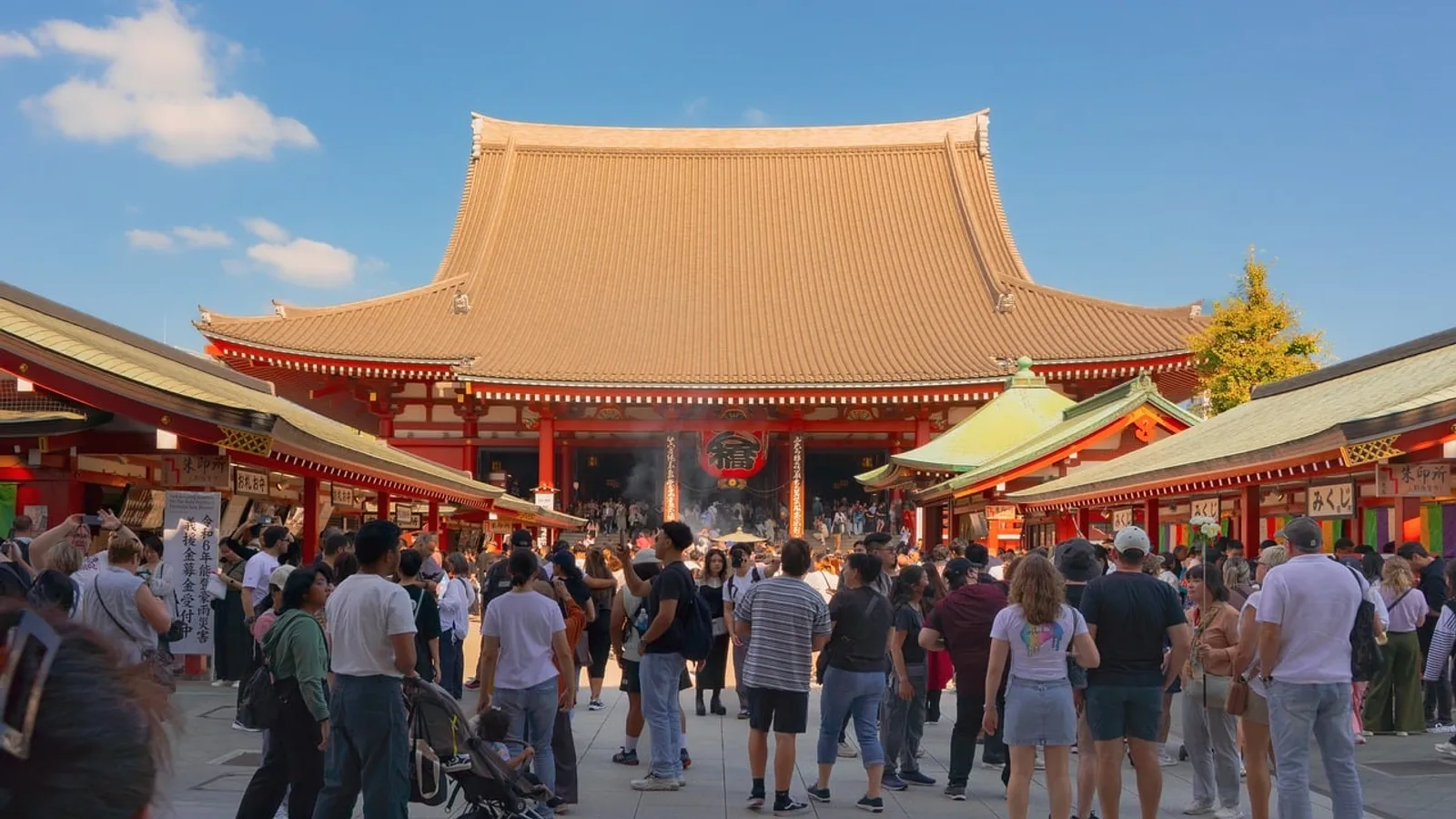
Tokyo's oldest temple draws crowds to match: by the temple's own count, some 30 million people come every year (Senso-ji). Come early. The main hall's doors open at 6:00 am, or half an hour later between October and March, and close at 5:00 pm (temple guide, checked 13 Nov 2026). The temple traces its story to 628, when two brothers fishing in the Sumida River found a statue of Kannon in their net; the present main hall was rebuilt in 1958 after an air raid in March 1945 destroyed the earlier one. Nakamise, the shopping street that leads to it, is one of the oldest in Japan.
2. Meiji Jingu and Harajuku
Meiji Jingu keeps the sun's hours, with gates that open at dawn and shut at dusk, so the times move every month. November's sunrise opening is 6:10 am and its sunset closing 4:10 pm; December's times are 6:40 am and 4:00 pm (Meiji Jingu, checked 13 Nov 2026). The inner garden and the shrine's museum charge ¥500 each. Harajuku Station sits next to it on the Yamanote Line.
3. The East Gardens of the Imperial Palace
The palace's public gardens use parts of the former Edo Castle grounds and charge no admission. From November to the end of February, opening time is 9:00 am and closing 4:00 pm, with last admission 3:30 pm. They close on Mondays and Fridays, but open on national holidays except 23 February; when the holiday is a Monday, the closure moves to the Tuesday. They also close from 28 December to 3 January (Imperial Household Agency). Bags are inspected at the gate, so travel light.
4. Shinjuku Gyoen National Garden
Entry costs ¥500 for adults, and children 15 and under pay nothing. From 1 October to 14 March the garden keeps 9:00 am to 4:30 pm hours, last entry 4:00 pm. The garden shuts on Mondays, or on the next weekday when the Monday is a public holiday (23 November 2026 and 11 January 2027 both are). It stays open every day during cherry blossom season and the chrysanthemum show (1 to 15 November), and closes for the New Year break from 29 December to 3 January (Ministry of the Environment). Alcohol is not allowed in the garden, according to GO TOKYO's Shinjuku page, and you can pay at the gate with an IC card.
5. Shibuya Crossing and Shibuya Sky
The crossing costs nothing and is best seen from above. Shibuya Sky, the open-air deck about 230 metres up on Shibuya Scramble Square, sells timed tickets that can sell out online, and sold-out slots can't be bought at the window; booking details are in the next section.
6. Tsukiji Outer Market
The outer market runs to a trade rhythm: professional buyers have priority until 9:00 am, and the public gets the 9:00 am to 2:00 pm slot (Tsukiji Outer Market). The market asks visitors to eat at the stall or inside, not to touch the produce and not to haggle. Its calendar follows the business days of the Tokyo Central Wholesale Market, and each shop keeps its own schedule, so check before you go.
7. Ueno Park and its museums
Ueno Park holds several museums within walking distance of each other, a large boating pond and Ueno Zoo, which GO TOKYO says holds around 2,500 animals from 300 species and takes a good half day on its own. Pick the museums or the zoo for one morning, and pair it with Asakusa; both are on the Ginza Line.
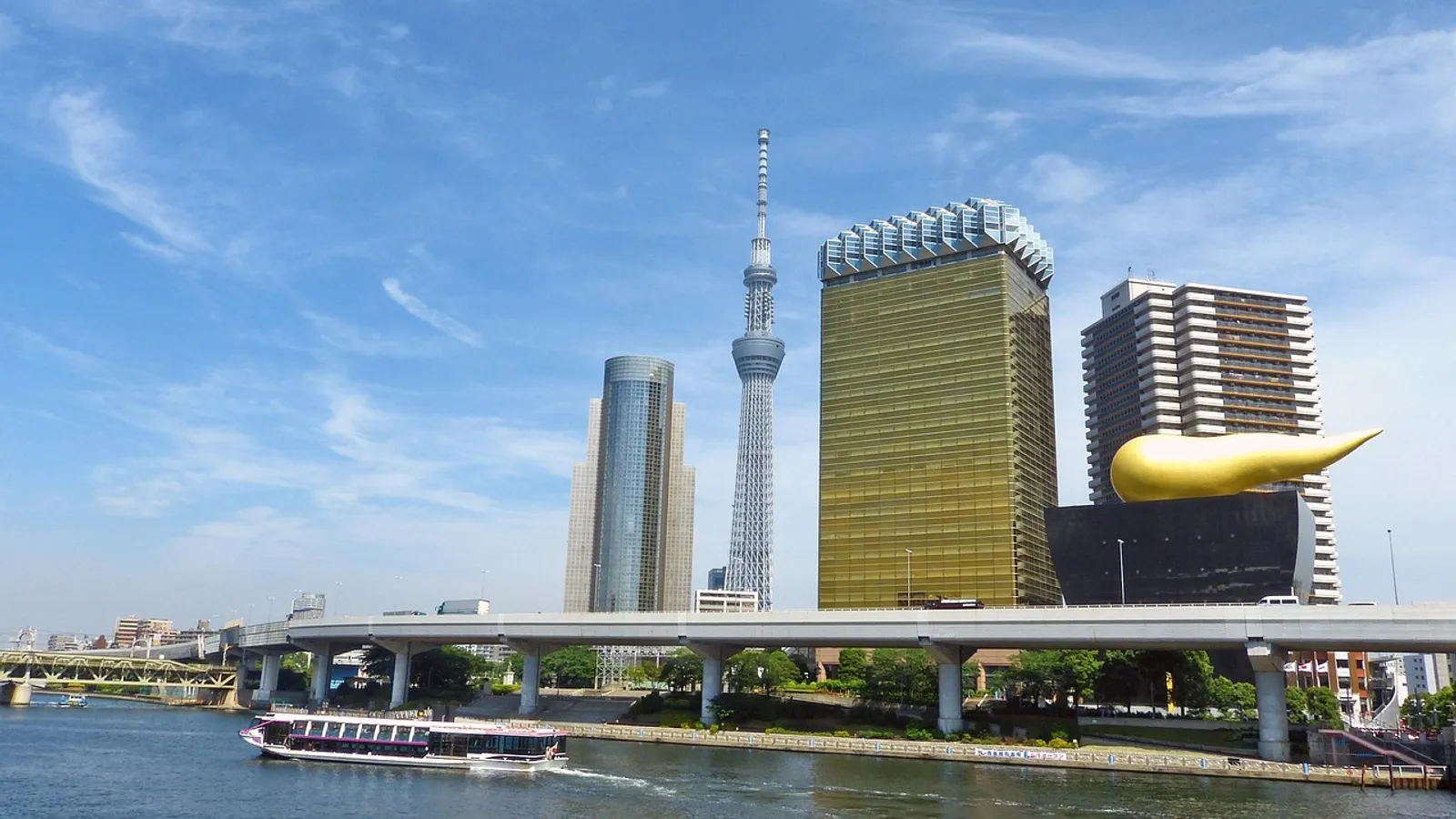
For a city view from a tower, compare our guide to Tokyo Skytree tickets with Shibuya Sky below, and for guided walks through these districts, the Tokyo walking tours guide sorts them by area and format.
What to book before you fly, and comparing it across sites
Book the timed attractions first, before restaurants and before day trips. Some sell out, and two of them, Shibuya Sky and teamLab Planets, refuse entry on resold tickets.
| Experience | How the official sale works | Official price, checked 13 Nov 2026 |
|---|---|---|
| Shibuya Sky | Online sales open two weeks ahead; if adult tickets sell out online, the window is sold out too; overseas buyers show their passport at entry | Adults online: ¥2,700 for entry before 3 pm, ¥3,400 from 3 pm |
| teamLab Planets | Timed entry, dynamic pricing, no cancellation or refund; date can be changed up to 3 times, until 2 hours before | Adults from ¥3,800 |
| Tokyo Skytree | Sold online and at convenience stores; the combo ticket costs ¥500 more at the tower's 4th-floor counter or machines | Combo ticket for both decks, adults (15 and over) from ¥3,000 |
| Grand Sumo, January tournament | Kokugikan, 10 to 24 January 2027; advance tickets from 5 December 2026 | See the sumo association's ticket page |
Sources: Shibuya Sky, teamLab Planets, Tokyo Skytree and the Japan Sumo Association.
Shibuya Sky
Shibuya Sky is the one to set a reminder for. Its official ticket page sells dates up to two weeks ahead, and adults pay ¥2,700 for entry before 3 pm or ¥3,400 from 3 pm; at the window on the day it's ¥3,000 and ¥3,700. Tickets for primary-school children are sold only on the day, at the 14th-floor counter, for ¥1,200. The rooftop can close without notice in strong wind, rain or lightning, and bags, tripods and hats are not allowed up there; lockers on the 46th floor take them.
Visitors who live outside Japan buy on a separate official site for overseas customers, and at the gate every member of the group shows their passport, which has to match the details given when booking. A QR code on its own won't get you in, and the same passport check applies to tickets from three of the authorised sales agents (Shibuya Sky FAQ, read 20 Nov 2026).
The FAQ also warns against resold tickets: Shibuya Sky does not admit visitors on tickets bought from resale sites, and it publishes a list of its authorised sales agents. teamLab Planets bans resale in the same terms. A booking site selling either should be an authorised seller, which is worth checking before you pay.
teamLab Planets
teamLab Planets in Toyosu is a digital art museum you walk through, partly in water, and its official site lists its run as July 2018 to the end of 2027. teamLab Planets keeps 8:00 am to 10:00 pm hours (8:00 pm on 31 December to 2 January), and the final admission is one hour before closing time. It is closed on 3 December 2026 and 14 January 2027. The teamLab Planets tickets guide covers the time slots and the Premium Pass.
Sumo
Tokyo hosts three of the six grand tournaments a year, all at the Kokugikan in Ryogoku: January, May and September. The January 2027 tournament runs from 10 to 24 January, and advance tickets go on sale on 5 December 2026. If your dates miss a tournament, GO TOKYO notes that some sumo stables in Ryogoku allow visitors at morning practice under strict conditions.
Comparing the same ticket across sites
The same timed entry or guided visit often appears on several booking sites at different prices and with different terms. Line up what each one includes: the entry time, whether a guide or transport is part of it, and the cancellation terms, which matter here because the official teamLab ticket can't be refunded. Our guide on how to compare the same tour across sites explains what to look at.
Eating in Tokyo
Eat where Tokyo eats: department-store food halls, ramen shops, casual restaurants and markets. At a convenience store or casual restaurant a meal usually costs around ¥500 to ¥1,000, according to JNTO. Book ahead for the top end: GO TOKYO notes that some of Ginza's Michelin-starred sushi restaurants have counter seats only and require a reservation.
Some practical rules from JNTO's FAQ save awkward moments. Slurping ramen, soba or udon is not rude. You don't have to lift your bowl to eat from it. Eating while walking is discouraged in some areas, and at Tsukiji the market asks that you eat at the shop or inside it. It's common for restaurants to bring water to the table without charging for it.
A few places to start, by area:
- Shinjuku: the basement food floors of the department stores at the station exits, and the dense run of ramen counters on the station's north side that GO TOKYO calls the "Ramen gekisenku", or battleground.
- Ueno: the street-food stalls of Ameyoko.
- Ryogoku: chanko-nabe, the stew sumo wrestlers eat, near the Kokugikan.
- Tsukiji: the outer market's stalls, during the public hours.
Guided food walks are a quick way to learn the ordering systems and dishes in your first days. Compare them with other Tokyo tours, or start with the food tours below.
Tokyo food tours and market walks to compare

Tsukiji Fish Market: Street Food Tour with Tasting
5.0(99)1 hr 30 minViewFrom$65
Tokyo Food Tour: Tsukiji Fish Market Walking Tour with Temple Visit
0.0(0)2 hoursViewFrom$16
Tsukiji BBQ Tour with National licensed Guide
3 hoursViewFrom$191
Tokyo: Toyosu Tuna Auction and Tsukiji Market Guided Walking Tour
0.0(0)3 hr 30 minViewFrom$125
Tokyo Tsukiji Fish Market Sushi Making Class & Beautiful Bento
5.0(81)1 hourViewFrom$64
Sapporo: Nijo Market Guided Tour with Seafood Meal
5.0(1)1 hr 30 minViewFrom$98
Learn Sushi-grade fish with a licensed guide @Yokohama fishmarket
5.0(4)2 hoursViewFrom$55
Tokyo Full Day Sightseeing Private City Tour with English Guide
5.0(24)8 hours - 10 hoursViewFrom$339
Backstage Pass to Sapporo Central Market
3 hr 20 minViewFrom$120
Authentic Sapporo: Nijo Market Seafood Lunch & Local History Tour
5.0(30)2 hr 30 minViewFrom$63
Money, cards, passes and staying connected
Carry some yen as well as a card. JNTO says most shops and restaurants take Visa and Mastercard, but Japan is still a cash culture and small shops and guesthouses may take cash only. ATMs are easy to find, and Seven Bank ATMs in 7-Eleven stores also top up a Welcome Suica.
Cash, cards and tipping
Use the bank card for hotels, department stores and chain restaurants, your IC card for transport, vending machines and convenience stores, and cash for the small shops and guesthouses JNTO warns may not take cards. Don't tip. JNTO's FAQ answers the question in one line: "No. Japan does not have a tipping culture." The same answer adds that in restaurants, hotels and taxis you pay only what the bill shows.
A museum pass: the Grutto Pass
For a museum-heavy trip, the Tokyo Museum Grutto Pass 2026 costs ¥2,500 and gives admission or discounts at 107 museums and other places in the Tokyo area, once each, for two months from first use. No pass is valid after 31 March 2027 (checked 14 Nov 2026). It is sold at the counters of the participating museums and online.
eSIM, SIM cards and wifi
Sort your data before you land or at the airport. JNTO's FAQ lists buying or renting a SIM card, eSIM or pocket wifi at the airport, or reserving one online and collecting it there, and it calls eSIMs and pocket wifi the most convenient options for a short stay. An eSIM installed at home means maps and train apps work from the arrivals hall.
Etiquette and safety
Tokyo asks little of visitors beyond quiet and patience. JNTO's FAQ lists the customs that matter on a first trip: people avoid loud talk and phone calls on trains and buses, queue in order, and carry rubbish until they find a bin, because public bins are scarce. Shoes come off in some shops and homes. At temples and shrines, JNTO asks for basic respect, such as not wearing very revealing clothes, and when in doubt, watch what the people around you do.
Two more points come from JNTO's etiquette guide. Tattoos are generally not allowed in hot springs, public baths, pools and gyms, with exceptions, so check ahead or look for a private bath. And on trains, keep your phone on silent and let passengers off before you board.
Is Tokyo safe?
JNTO's FAQ, read on 14 Nov 2026, says Japan is considered one of the safest countries in the world, with low crime rates and public transport that can be used safely. The risks that do exist cluster in nightlife areas. The UK Foreign Office's safety advice for Japan (updated 28 August 2026, and still the current version when we read it on 20 November 2026) notes increased reports of drink spiking and credit card fraud. It names Kabukicho, Roppongi, Shibuya and Ikebukuro as areas the Japanese police have identified as high-risk zones, and says most British victims reported being targeted in Kabukicho, approached in English by street touts. Its advice: don't follow touts into bars, don't leave drinks unattended, and see a menu with prices before you go into a bar or restaurant.
Japan is in a major earthquake zone. The same advice says to take note of the instructions in hotel rooms and at train stations and to follow local authorities if one strikes, and it points to the Japan Meteorological Agency for earthquake, tsunami and heavy-rain warnings. JNTO's Japan Visitor Hotline, in the questions below, gives help in English during natural disasters.
Day trips and itineraries
Four classic day trips leave from stations you'll already know, and the three with published journey times all take under two hours by train. The day trips from Tokyo guide compares them in full; these are the starting points.
| Day trip | Train from Tokyo | Journey time | Source |
|---|---|---|---|
| Hakone | Odakyu Romancecar, Shinjuku to Hakone-Yumoto | About 80 minutes | Odakyu |
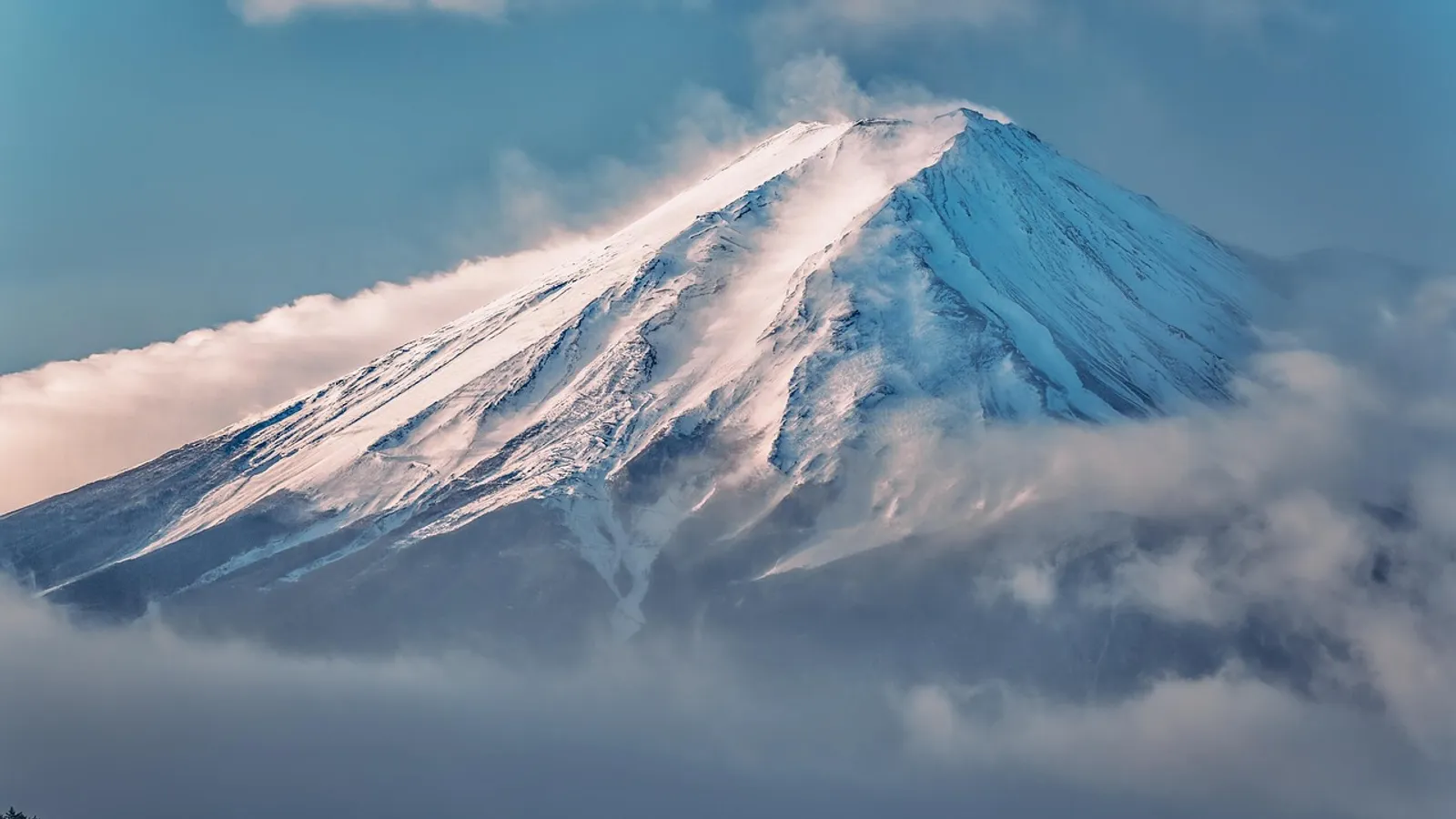
| Mt Fuji and Lake Kawaguchi | JR Kaiji to Otsuki, then Fujikyu to Kawaguchiko | About 1 hour 50 minutes | JR East |
| Nikko | Tobu SPACIA direct, Asakusa to Tobu-Nikko | About 1 hour 50 minutes | Tobu |
| Kamakura and Enoshima | Odakyu from Shinjuku | Varies by train | Odakyu |
Journey times from the operators, checked 13 Nov 2026.
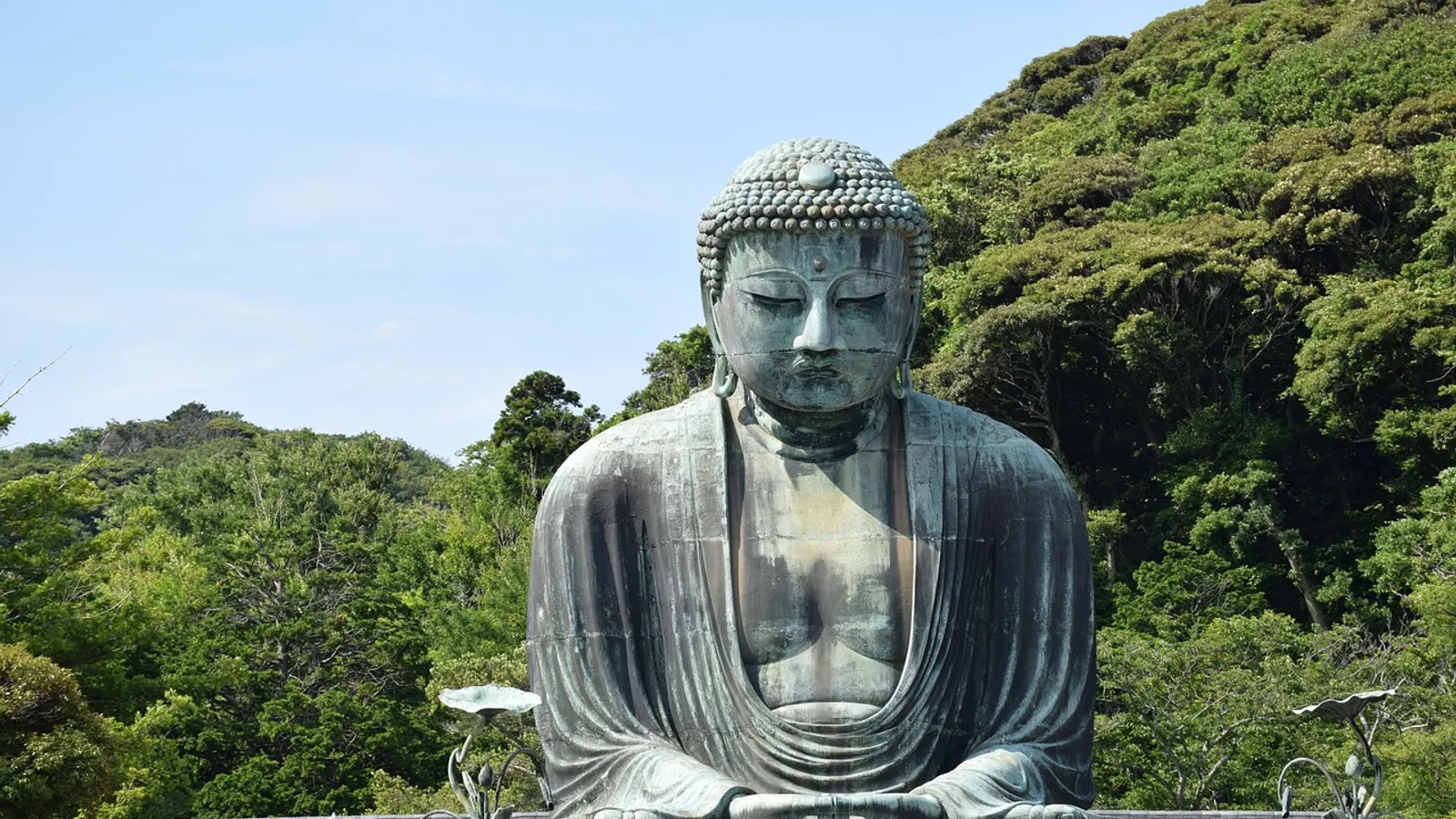
Kamakura has the simplest ticket: a one-day Enoshima-Kamakura Freepass from Odakyu, ¥1,640 for an adult, covers getting there and back from Shinjuku plus unlimited rides on the local lines around Enoshima and Kamakura. For the temples and the Great Buddha, read our Kamakura day trip plan. Hakone's hot springs and lake loop are in the Hakone day trip from Tokyo guide, the Mt Fuji day trip guide weighs train against coach tour, and the Nikko day trip guide sets out the shrines and waterfalls.
Mt Fuji and Hakone day trips from Tokyo to compare

Hakone customized private one day tour
5.0(1)7 hoursViewFrom$196
Mount Fuji Majesty with Hakone Wonders Exclusive Private Day Trip
5.0(2)10 hoursViewFrom$459
Hakone Full-Day Private Tour
4.8(5)7 hoursViewFrom$255
Day Trip to Hakone from Tokyo with National Licensed Guide
9 hoursViewFrom$575
From Hakone: Mt Fuji and Lake Kawaguchiko Area Bus Tour
5.0(2)7 hours - 9 hoursViewFrom$110
Hakone for Children to Enjoy! Japanese Crafts Experience
5.0(1)6 hoursViewFrom$174
Visiting Historical Sites in Hakone with a View of Mount Fuji
7 hoursViewFrom$170
Hakone in 1 Day by Private Car with Licensed Guide
5.0(10)6 hoursViewFrom$395
Private Tour - Hakone Day Trip! A Tour to Explore All Must-Sees!
4.9(99)7 hr 30 minViewFrom$178
Mount Fuji Tour with Hakone Ropeway, Lake Ashi, Hakone Shrine, & More
4.6(2,801)10 hr 30 minViewFrom$68
How to shape two, three or five days
Our plan for 2 days in Tokyo splits the city in two: Asakusa and Ueno on the first day, then Meiji Jingu, Harajuku, Shibuya and Shinjuku on the second. The three-day Tokyo itinerary keeps that shape and adds a third day for teamLab and the bay, a private guide or Mt Fuji and Hakone. With 5 days in Tokyo there's room for a full day trip and a last day spent going back to what you liked. If Tokyo is the first stop of a longer trip, our page on experiences in Japan picks up where this guide ends.
See how Tokyo experiences are priced on different booking sitesTokyo trip questions
Is Tokyo expensive for visitors?
Less than many first-timers expect, and the official tourism body says so directly. JNTO's FAQ states that Japan is not necessarily expensive and that a meal at a convenience store or casual restaurant usually costs around ¥500 to ¥1,000. Getting around is cheap too: a short Tokyo Metro ride is ¥178 by IC card. JNTO puts high-end restaurants and traditional ryokan inns at the expensive end, and calls business hotels and guesthouses generally reasonably priced.
How many days do you need in Tokyo?
Three to four days for Tokyo alone, according to JNTO's FAQ, or around a week if you add Kyoto and Osaka. Our 3-day Tokyo itinerary shows how to split the city across that time.
Can you use Welcome Suica outside Tokyo?
Yes, in several regions, but not across them in one ride. JR East lists the Sendai, Niigata, Aomori, Morioka and Akita areas and parts of the Hokkaido, Tokai, West Japan and Kyushu areas, and the card works on shops and vending machines that show the nationwide IC logo. A single journey has to start and end in the same area, so leave the gates before you cross into another one, and buy a separate ticket for limited express trains.
Can you drink the tap water in Tokyo?
Yes. JNTO's FAQ says tap water in Japan is safe to drink, and that it is common for restaurants to serve water without charging for it. A refillable bottle saves buying drinks from vending machines all day.
How do visitors get the consumption tax back on shopping?
At the airport as you leave. For purchases made on or after 1 November 2026, the Japan Tourism Agency says Japan uses a refund method: you pay the price including consumption tax at a participating shop, and the tax is refunded once customs confirms at departure that the goods are leaving Japan. Within 90 days of buying, present your passport at one of the scheme's kiosks at the airport before you check in your bags, with every item from that receipt on you, and leave time in case customs asks to inspect them. At Narita and Haneda, visitors on a temporary visitor status can do the same step online through Visit Japan Web in the departure lobby. Purchases need to reach ¥5,000 before tax at one store on one day, and the agency says to ask the shop how the refund is paid.
Which emergency numbers work in Tokyo?
Dial 110 for the police and 119 for fire or an ambulance. JNTO's hotline page, read on 14 Nov 2026, also lists the Japan Visitor Hotline on 050-3816-2787 (+81-50-3816-2787 from overseas). It answers 24 hours a day, 365 days a year, in English, Chinese and Korean, for emergencies such as accidents or illness, natural disasters and general tourist information.
Can you get around Tokyo without speaking Japanese?
For the most part. JNTO's FAQ says English is generally understood in tourist areas, airports, hotels and on the major transport systems, and that stations and bus stops have guidance signs, with English signage increasingly common. It adds that English may not be understood in rural areas or small local shops, so keep a translation app on your phone for those.
Sources
Read on 13 and 14 November 2026 and checked again on 20 November 2026; each link goes to the official page.
- JR East: Welcome Suica, purchase, top-up and refunds and Suica cards
- Tokyo Metro: tickets, Tokyo Subway Ticket, Tap to Ride and regular fares
- Haneda Airport: train and monorail and taxi
- PASMO: TOURIST PASMO
- Narita Airport: taxi and rail
- JR East: Narita Express, N'EX TOKYO Round Trip Ticket and JR TOKYO Wide Pass
- Keisei: Skyliner to Ueno and Skyliner tickets
- JAPAN RAIL PASS prices
- JNTO: FAQ, etiquette guide and Japan Visitor Hotline
- Japan Tourism Agency: the refund method for travellers
- Japan Meteorological Agency: Tokyo climate normals and Cabinet Office: national holidays
- GO TOKYO: Shinjuku, Shibuya, Ginza, Tokyo Station and Marunouchi, Asakusa, Ueno, Harajuku and Ryogoku
- Senso-ji and opening hours; Meiji Jingu; Imperial Household Agency: East Gardens; Tsukiji Outer Market and manners; Shinjuku Gyoen
- Shibuya Sky tickets and FAQ, teamLab Planets, Tokyo Skytree tickets and Japan Sumo Association schedule
- Tokyo Museum Grutto Pass (usage guide)
- UK Foreign Office: Japan safety and security
- Odakyu: Romancecar and Enoshima-Kamakura Freepass; JR East: Mt Fuji; Tobu: access to Nikko