TokyoFamily travelJapanteamLabTheme parks
Things to Do in Tokyo with Kids: A Family Guide That Actually Works
The best things to do in Tokyo with kids: teamLab, the Skytree, a theme park day, animal cafes and parks, plus the transit and hotel logistics that matter.
By SimilarTours Editorial · Travel Research · · 20 min read

Tokyo might be the best big city on earth to travel with children, and the list of things to do in Tokyo with kids is so long that the real skill is editing it down. Digital art you walk through barefoot, observation decks above an endless skyline, a theme park cluster that includes a Disney resort and a Harry Potter studio tour, owl and hedgehog cafes, arcades, parks, and a train network that small kids treat as an attraction in its own right. The city is clean, safe, and relentlessly well organized, which quietly removes most of the stress that family travel usually carries.
This guide covers the experiences that actually earn their place on a family itinerary, teamLab and the interactive museums, the Skytree and the other decks, a theme park day, and the animal and park circuit, plus the logistics that make or break Tokyo with kids: getting around with a stroller and where to stay. Every bookable experience referenced is currently available through our partner OTAs and ranked on real ratings and review counts, verified July 2026.
Browse all Tokyo tours and experiences →Before you go
Book the sell-outs first. Two things on this list genuinely sell out: teamLab Planets timed slots and theme park tickets for specific dates. Lock those in before you fly and let everything else stay flexible around them.
Kids ride and enter cheap. Children's transit cards run at roughly half the adult fare, the youngest kids usually travel free, and nearly every attraction has discounted child bands. Do not budget adult prices across the board.
Pace beats coverage. Tokyo's areas are far apart, and a child's day has maybe two anchor activities in it, not five. One big thing in the morning, a park or arcade in the afternoon, and everyone still likes each other at dinner.
Convenience stores are your ally. The konbini on every corner solves snacks, drinks, breakfast, and forgotten essentials at any hour, which with kids is worth more than any single attraction ticket.
Tokyo with kids by age
The same city plays very differently depending on who is in the stroller, so it is worth matching the list to your crew before booking anything.
With toddlers and preschoolers. Keep the radius small and the anchors soft: teamLab (which toddlers treat as a glowing playground), the Ueno Zoo and its park, LEGOLAND Discovery Center, and a lot of time in playground-equipped parks and department store kids' floors. One anchor a day is plenty, naps happen where they happen, and the konbini across the street covers every snack emergency. Skip the long day trips entirely; the city itself is the show at this age.
With school-age kids. This is the sweet-spot age for Tokyo. The Skytree lift, the arcades, conveyor-belt sushi, ninja and samurai experiences, the Harry Potter studio tour, and a Disney day all land at full force, and kids this age can handle the walking that Tokyo quietly demands. It is also the age where the trains flip from logistics to entertainment; a front-window seat on an elevated line is a free attraction.
With teenagers. Hand them the neighborhoods. Harajuku's fashion streets, Shibuya's crossing and mega arcades, Akihabara's anime and gaming floors, and the photogenic night districts are what they came for, even if they did not know it. teamLab still lands, a food tour becomes genuinely fun rather than a fight, and a Fuji or Kamakura day trip stops being a coach-nap and starts being a highlight. Build in unscheduled wandering time; it is what they will remember.
teamLab and the interactive museums
If you book one thing for a family trip to Tokyo, make it teamLab. The digital art museums are the rare attraction that lands equally with toddlers, teenagers, and adults: rooms of light and color that respond to your movement, mirrored infinity spaces, and exhibits you are supposed to touch rather than guard your children away from. At teamLab Planets you go barefoot and wade through shallow water in parts, which for most kids is the single best moment of the holiday. Slots are timed and the popular times go early, so this is the booking to make before you leave home. It pairs naturally with the nearby bay-side area for an easy half day.
Top teamLab tickets and combos

teamLab Planets TOKYO Tickets
The straightforward timed-entry ticket to the barefoot digital art world - the highest-volume way in and the one families book first.
4.6(4,224)2 hoursViewFrom$21- tiqets
teamLab Planets Tokyo: Entry Ticket
The same timed entry from another well-rated seller - worth comparing for slot availability on busy dates.
4.6(303)ViewFrom$22 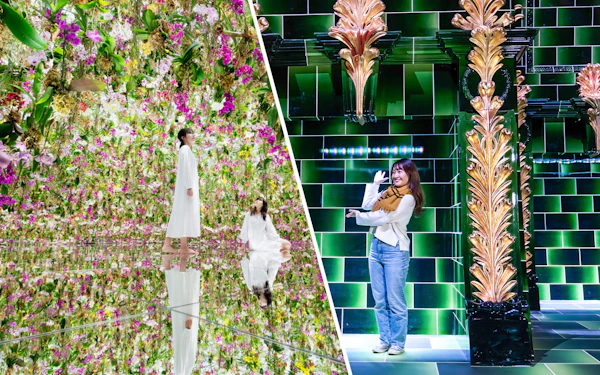
Combo: teamlab Planets TOKYO + Warner Bros. Studio Tour Tokyo tickets
Bundles the two hardest-to-book family attractions in the city into one purchase, with strong ratings across thousands of reviews.
4.7(3,904)ViewFrom$58- viator
Tokyo Private Tour: teamLab Planets & Tsukiji Market
A private half day that pairs the art museum with the outer market's street food - a guided option for families who want the logistics handled.
5.0(17)3 hoursViewFrom$132 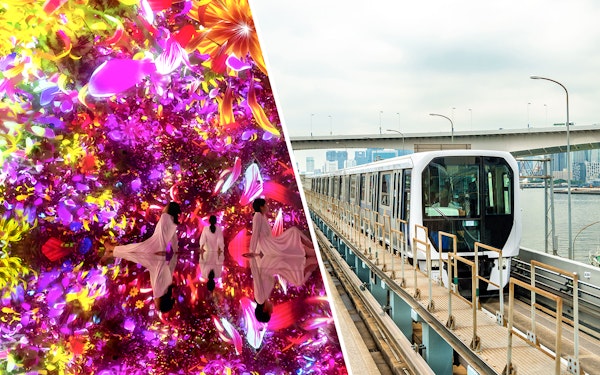
Combo: teamLab Planets TOKYO Tickets + Tokyo Subway Pass
4.6(648)ViewFrom$30
Combo: teamLab Planets Tokyo + Tokyo Observation Decks Tickets
4.6(286)ViewFrom$54
Tokyo Dome City Space Travelium TeNQ Tickets
0.0(0)ViewFrom$15![teamLab Planets Skip-the-Line Tickets [Premium Pass]](https://cdn-imgix.headout.com/media/images/63658f937f475e757a859abbf0d0e820-18403-tokyo-team-lab-planets-tokyo-admission-ticket-05.jpg?w=600&auto=format%2Ccompress&fit=crop&q=75)
teamLab Planets Skip-the-Line Tickets [Premium Pass]
4.8(568)3 daysViewFrom$85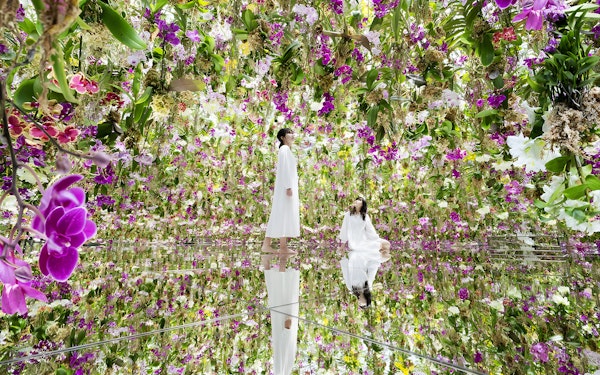
Tokyo City Pass: Free Entry to teamLab Planets & 4 Top Landmarks
4.5(12)1 dayViewFrom$41
Combo (Save 7.5%): teamLab Planets TOKYO + Tokyo Tower Main Deck Tickets
4.7(364)ViewFrom$32
Insider tip
Dress for teamLab. Parts of Planets are walked barefoot through knee-deep water, and the mirrored floors make skirts and dresses a poor choice. Rolled-up trousers or shorts for everyone, and a spare pair of socks in the day bag. Stroller storage is at the entrance; the exhibition itself is walked.
Tokyo Skytree and the observation decks
Every child wants to see how big Tokyo really is, and the answer only makes sense from above. The Skytree is the headline deck, a lift ride that feels like an attraction itself and a view that runs unbroken to the horizon, with Mt Fuji appearing on clear days. The tower sits on top of a large mall with an aquarium in the same complex, which turns a 60-minute view into a comfortable half day with kids, and the combo tickets price that pairing sensibly. Tokyo Tower, the older red-and-white icon across town, is the cheaper, quicker alternative with its own retro charm. Either way, go on the clearest morning of your trip rather than saving it for the last day.
Top Tokyo observation deck tickets
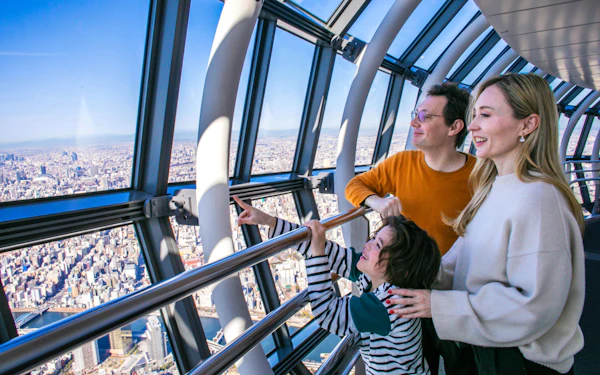
TOKYO SKYTREE Tickets
The highest-volume Skytree ticket in our catalog and the simple way up the city's tallest deck.
4.5(4,875)1 hourViewFrom$12- tiqets
Tokyo Skytree: Entry Ticket
The same entry from a second seller - handy for comparing time slots on busy days.
4.4(776)ViewFrom$15 
Combo: TOKYO SKYTREE + Sumida Aquarium Tickets
Pairs the deck with the aquarium in the same complex - the natural family half day without a second journey.
4.5(167)1 hourViewFrom$30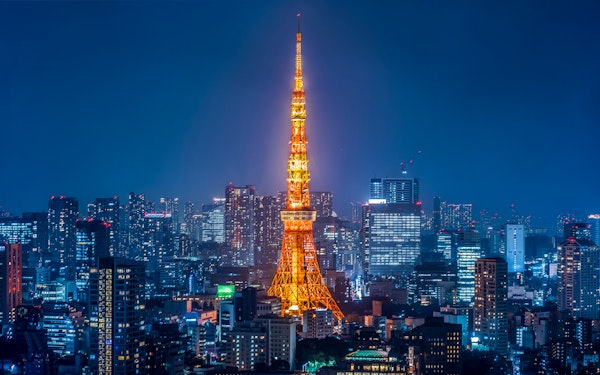
Tokyo Tower Tickets
The budget deck: the classic red tower's main observatory at a fraction of the Skytree price, well rated across thousands of visits.
4.5(2,611)30 minutesViewFrom$9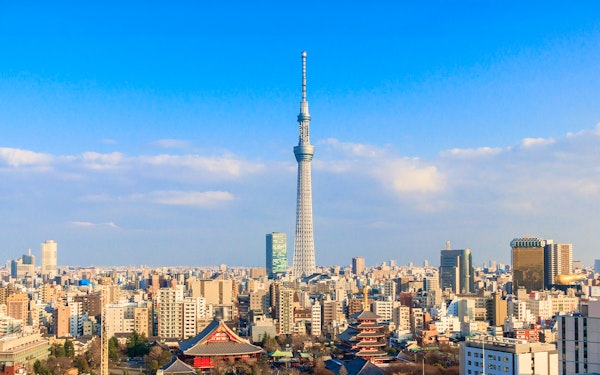
TOKYO SKYTREE Tembo Deck & Tembo Galleria Tickets
4.6(2,856)ViewFrom$24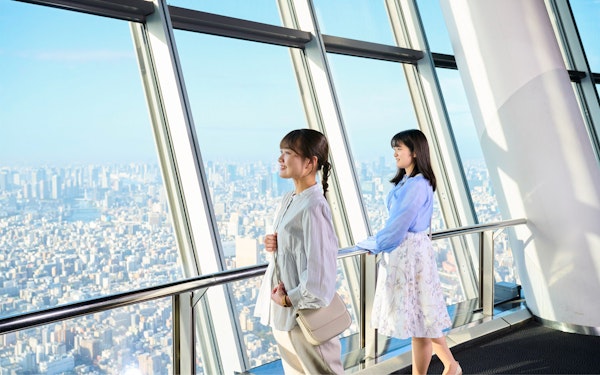
TOKYO SKYTREE Tembo Deck Morning Entry Tickets with Soft Drink & Snack
5.0(4)ViewFrom$18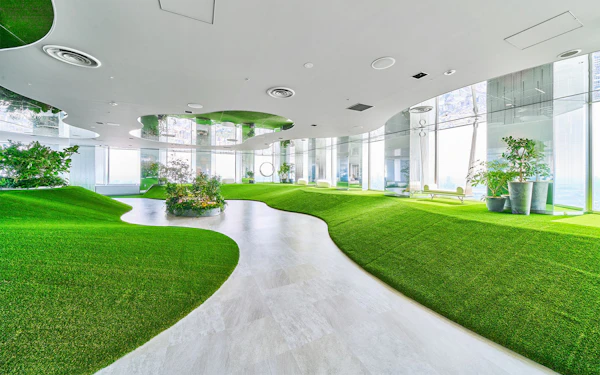
Tickets to Sunshine 60 Observatory Tenbou Park
3.5(2)ViewFrom$5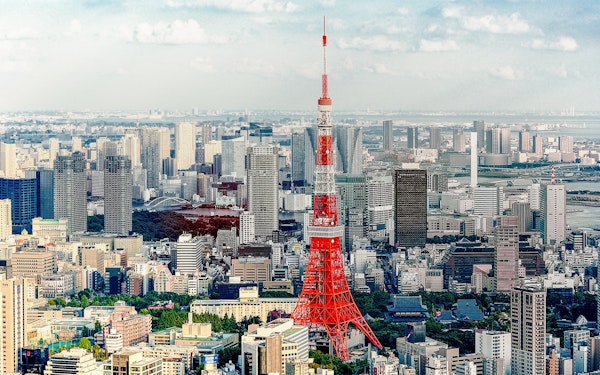
Tokyo Tower Top Deck Tickets
4.7(264)ViewFrom$23Combo: teamLab Planets Tokyo + Tokyo Observation Decks Tickets
4.6(286)ViewFrom$54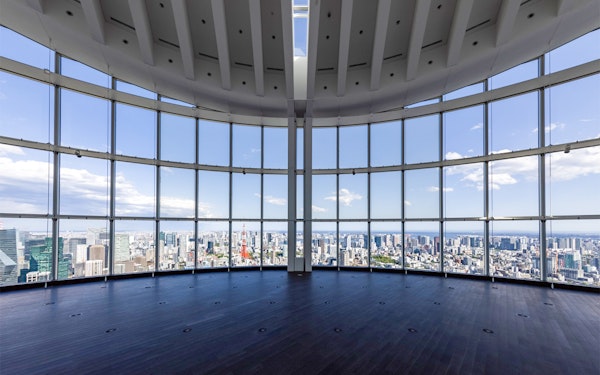
Tickets to Tokyo City View at the Roppongi Hills Observatory
4.7(93)ViewFrom$12
A theme park day: Disney, Harry Potter, and LEGOLAND
Tokyo's theme park bench is deep enough that the question is which day out fits your kids, not whether there is one. The Disney resort on the bay is the giant: two parks, with DisneySea being the one that exists nowhere else in the world, and a full day including the train ride out. Tickets are date-locked and busy days sell out, so treat it like a flight and book the date early through official channels or a bundled ticket-and-transfer package. For wizard-obsessed kids, the Warner Bros. Studio Tour on the site of the old Toshimaen park is a walk-through of full-scale Harry Potter film sets and one of the hardest tickets in the city to get on short notice. For the under-eights, LEGOLAND Discovery Center in Odaiba is a compact indoor world that fills a half day, and the Joypolis arcade complex nearby covers a rainy afternoon for older kids.
Top Tokyo theme park and studio tickets
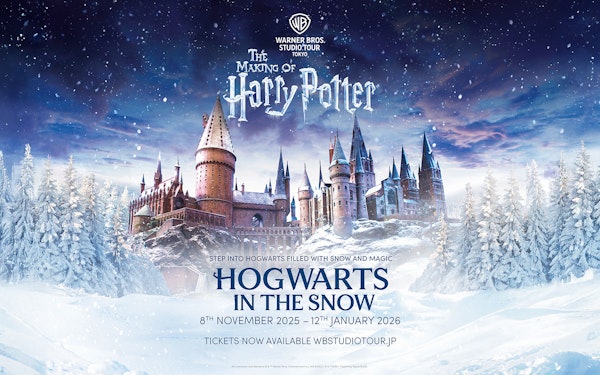
Tickets to Warner Bros. Studio Tour Tokyo - The Making of Harry Potter
The full-scale Harry Potter set walk-through and the best-rated big family ticket in our Tokyo catalog - book well ahead.
4.8(305)10.5 hoursViewFrom$36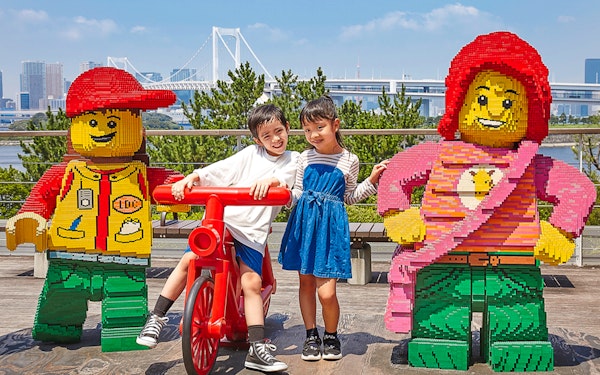
LEGOLAND Discovery Center Tokyo Tickets
The compact indoor LEGO world in Odaiba, pitched at younger kids and well rated across nearly two thousand reviews.
4.5(1,996)30 minutesViewFrom$14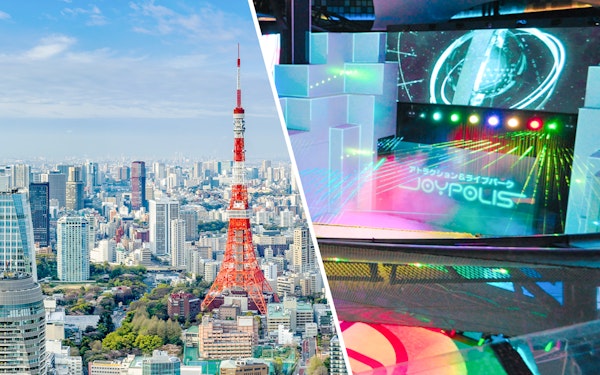
Combo: Tokyo Tower + Tokyo Joypolis Tickets
An observation deck plus the big indoor arcade complex in one bundle - a strong rainy-day pairing for older kids.
4.5(4,772)ViewFrom$39- viator
Tokyo Disneysea Round Trip Shared Transfers with Admission Tickets
Admission to DisneySea with the round-trip transfer handled - one way to lock the date and skip the train logistics in a single booking.
4.4(16)8 hoursViewFrom$182 
Yomiuri Land Amusement Park Ticket Tokyo Japan
7 hours - 8 hoursViewFrom$76
Yomiuriland Day ticket | Tokyo
4 hours - 5 hoursViewFrom$60
Seibuen Park Admission Ticket | Tokyo
6 hours - 7 hoursViewFrom$57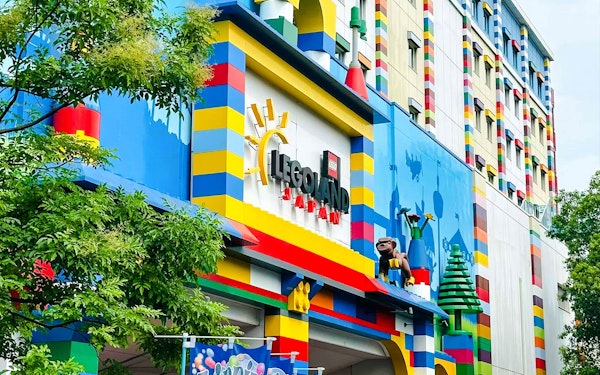
LEGOLAND® Japan Nagoya VIP Experience Ticket
0.0(0)ViewFrom$1,703
Yomiuriland Amusement Park Ticket | Tokyo
10 hours - 11 hoursViewFrom$65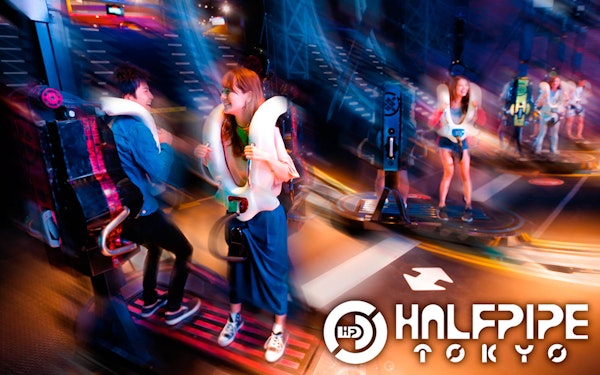
Tokyo JOYPOLIS 1-Day Passport
4.5(2,446)ViewFrom$30
Animal cafes, parks, and open space
Between the big-ticket days, Tokyo's animal and park circuit is what keeps a family trip humane. The animal cafes, cats, owls, hedgehogs, capybaras depending on the neighborhood, are short, cheap, and reliably the thing younger kids talk about afterward; Harajuku and Ikebukuro have the densest clusters, sessions are usually timed, and the better ones enforce gentle-handling rules that are worth respecting when you choose one. Ueno pairs the city's big zoo, famous for its pandas, with a large park and a run of museums, which makes it the best single slow-day area with kids. Yoyogi Park next to Meiji Shrine is the picnic-and-runaround option, and the Sumida riverside by the Skytree gives you an easy stroller-friendly walk with the tower overhead. None of this needs advance booking, which is exactly why it belongs between the days that do.
The best family neighborhoods: Odaiba, Ueno, and Asakusa
Three areas do a disproportionate share of the work on a family trip, and knowing them turns scattered bookings into coherent days.
Odaiba is the entertainment island in the bay, and it is practically designed for families: LEGOLAND Discovery Center, the Joypolis arcade complex, big malls with generous kids' facilities, waterfront promenades with skyline views, and a giant Ferris wheel's worth of photo stops, all connected by an elevated driverless train that kids treat as a ride. teamLab sits a short hop away on the same side of the bay, which is why an Odaiba day is the natural wrapper around a teamLab slot.
Ueno is the opposite flavor: one large park holding the zoo, a boating pond, street performers, and a row of museums, with an old-school market street across the road for cheap eats and sneaker shopping with teens. It is the best rainy-or-sunny fallback in the city, because the day can flex between indoor and outdoor without changing location, and it is the easiest area to do entirely with a stroller.
Asakusa is the postcard morning: the great temple gate, the long snack street leading up to it, rickshaws posing for photos, and the riverside walk with the Skytree filling the sky across the water. Younger kids graze the snack street, older kids climb into the rickshaw photos, and the whole thing connects to the Skytree by an easy walk over the river, which is why Asakusa-plus-Skytree is the single most reliable family half day in Tokyo.
Getting around Tokyo with kids and where to stay
Transit. The train network is the best in the world and kids ride at roughly half fare on a children's IC card, with the youngest usually free. The two rules that matter with a stroller: elevators exist in nearly every station but are often at one specific exit, so allow finding time, and the weekday crushes around 8am and 6pm are no place for small children, so shape the day mid-morning to early evening. Many families settle on a light folding stroller plus a carrier as the Tokyo combination, because distances inside stations are longer than the map suggests.
Where to stay in Tokyo with kids. Base yourself on the JR Yamanote loop line and the whole city opens up. Tokyo Station and Shinagawa are the day-trip and airport-run bases; Shinjuku and Shibuya put the food halls, crossings, and department store restaurant floors at your door; Ueno is the value pick with the zoo and park walkable. Japanese family rooms run smaller than Western equivalents and true quads are scarce, so book earlier than you would elsewhere and read the stated occupancy literally. Apartment-style stays with a washing machine earn their keep on trips past four nights.
Food with kids. This is the easiest world city to feed children: conveyor-belt sushi is dinner and entertainment in one, ramen and udon shops are fast and cheap, department store basement food halls solve the fussy-eater matrix, and the konbini handles everything else. High chairs are less universal than in the West, so lunch at the family-oriented chains is often smoother than dinner at small counters.
The small logistics that save a family trip. Department stores and the bigger malls have proper baby rooms, with nursing spaces, changing tables, and hot water, so plan diaper logistics around them rather than station bathrooms. Coin lockers at every major station swallow the day bag while you do an attraction hands-free. If you are moving hotels or heading to the airport, the luggage-forwarding counters at hotels and konbini will send your suitcases ahead overnight, which converts a nightmare transfer with kids into a train ride with day packs. And carry a small pack of tissues and hand wipes; public bathrooms are spotless but not always stocked.
For a first-day overview, or for families who want one day where nobody has to navigate, a guided city day or a private family food walk does the thinking for you.
Top family-friendly Tokyo tours
- viator
1-Day Tokyo Bus Tour
The most-reviewed city overview in the catalog by a wide margin - one coach day that strings the major districts together with zero navigation.
4.9(16,085)10 hoursViewFrom$123 ![[1 Group Only] Tokyo Shinjuku Food Tour for Family](https://media-cdn.tripadvisor.com/media/attractions-splice-spp-720x480/15/b4/69/50.jpg)
[1 Group Only] Tokyo Shinjuku Food Tour for Family
A private, one-group-only food walk built for families - superb ratings and a pace that flexes to the youngest eater.
4.9(281)3.5 hoursViewFrom$76![[1 Group Only] Explore Tokyo Ginza Food Tour for Family](https://media-cdn.tripadvisor.com/media/attractions-splice-spp-720x480/15/b6/f5/76.jpg)
[1 Group Only] Explore Tokyo Ginza Food Tour for Family
The same private family-first format in Ginza - a calmer district and a strong pick with younger children.
4.9(28)3 hoursViewFrom$63
Tokyo Ginza Friendly Food Tour Explore Taste Enjoy By Local Guide
5.0(2)4 hoursViewFrom$180
Private All Inclusive Family Tour to Takao Mountain with Prizes
4 hoursViewFrom$150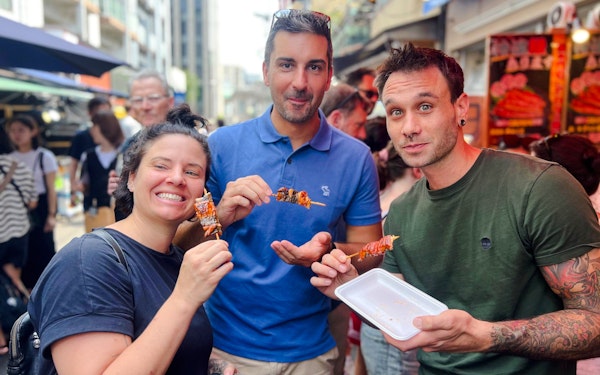
Tokyo Food Tour: Tsukiji Fish Market Walking Tour with Temple Visit
0.0(0)2 hoursViewFrom$31
Tokyo Ueno Food Tour Sushi Ramen and Local Favorites
5.0(65)3 hoursViewFrom$111
Kichijoji Family Adventure –4-Hour Custom Private Tour
4.7(3)4 hoursViewFrom$192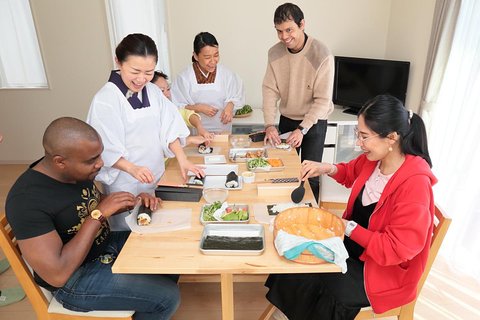
Homemade Sushi and Supermarket Tour in Kamakura
5.0(2)2 hoursViewFrom$57
Tokyo Tsukiji Fish Market Sushi Making Class & Beautiful Bento
5.0(70)1 hourViewFrom$41
Two sample family day plans
The bay day (teamLab and Odaiba). Book the earliest teamLab Planets slot you can get and do it first, while everyone is fresh and the rooms are quietest. Ride across to Odaiba for lunch in one of the malls, then split the afternoon by age: LEGOLAND Discovery Center for the younger ones, Joypolis for the older ones, and the waterfront promenade for everyone when the energy dips. Stay for the early-evening skyline across the bay, then take the driverless train back over the bridge as the finale rather than the commute.
The old-Tokyo day (Asakusa and the Skytree). Start at the temple gate before the crowds thicken and let the kids graze their way up the snack street. Walk the river to the Skytree, do the deck late morning when the air is clearest, and let the aquarium in the same complex absorb the early afternoon. If legs still work, Ueno is a short hop away for the zoo or a museum hour; if they do not, the mall under the tower has food, gift shopping, and seating in every direction. This is the day that needs no bookings beyond a Skytree slot, which makes it the perfect flex day to wrap around weather.
Practical tips
Book teamLab and any theme park date before you fly. Those are the two genuine sell-outs on this list; everything else can stay loose.
Plan one anchor per day. A teamLab morning, a Skytree morning, a park afternoon; children's Tokyo runs on half the density of an adult itinerary and is better for it.
Carry the IC cards, including the kids' ones. Tap-through transit with children's fares beats buying paper tickets every ride, and the same cards pay at convenience stores and many vending machines.
Use the konbini without guilt. Breakfast, snacks, drinks, plasters, umbrellas: the corner store is the family traveler's support crew.
Keep evenings short. Tokyo's trains are safe at night, but jet-lagged children are not, and the city rewards early starts far more than late finishes.
Quick recap: Tokyo with kids
The big four: teamLab Planets booked before you fly, the Skytree or Tokyo Tower on your clearest morning, one theme park day matched to your kids' ages, and a slow Ueno or Yoyogi day with animals and open space in between.
The logistics: stay on the Yamanote line, ride outside rush hour with children's IC cards, and let convenience stores and food halls carry the feeding schedule.
Do that, and what looks like the world's most overwhelming city turns out to be one of the easiest family trips you will take.
Plan your trip
See all Tokyo tours and experiences →Is Tokyo a good city to visit with kids?
Tokyo is one of the easiest big cities in the world to travel with children. It is clean, safe, and astonishingly well organized, the trains run on time, and the city treats kids as normal members of public life rather than a nuisance. Add a wall of kid magnets, digital art museums, observation decks, theme parks, animal cafes, and arcades, and the usual problem is not finding things to do with kids in Tokyo but choosing between them.
What is the best thing to do in Tokyo with kids?
For most families, teamLab Planets is the single best first booking: a barefoot, walk-through digital art world that works equally well for toddlers, teenagers, and the adults holding the bags. It is also one of the attractions that genuinely sells out, so it is worth locking in a timed slot before you fly. After that, an observation deck and a theme park day round out the classic trio.
Is teamLab suitable for young children?
Yes, and it is often the highlight of the trip for them. The exhibits are immersive and touchable rather than look-but-do-not-touch, and small children tend to treat the whole place as a glowing playground. You go barefoot through parts of it and some rooms have shallow water, so wear clothing that rolls up easily. Strollers cannot go through the exhibition itself, but there is storage at the entrance.
Where should we stay in Tokyo with kids?
Pick a base directly on the JR Yamanote loop line and your whole trip gets easier. Tokyo Station and Shinagawa are ideal for day trips and airport runs, Shinjuku and Shibuya put you in the middle of the action with huge station food halls, and Ueno is great value with the zoo, park, and museums on your doorstep. Family rooms are smaller than Western equivalents, so book early and check the stated occupancy rather than assuming a cot will fit.
Is the Tokyo metro manageable with a stroller?
Yes, with a little planning. Stations have elevators, but they are sometimes at one specific exit, so allow a few extra minutes to find them. Avoid the weekday rush around 8am and 6pm, when carriages are genuinely packed, and travel mid-morning or early afternoon instead. Many families with toddlers find a light folding stroller plus a carrier the winning combination for Tokyo distances.
Do kids pay full price on Tokyo transport and attractions?
Almost never. Children's IC transit cards ride at roughly half the adult fare, very young children usually travel free, and most attractions sell child tickets at a meaningful discount, often with a free band for the youngest ages. Age bands vary by attraction rather than following one rule, so check each ticket page rather than assuming, but budgeting full adult prices for the whole family will overshoot.
What is the best area in Tokyo for a family day out?
Odaiba and Ueno split the crown. Odaiba, the entertainment island in the bay, clusters LEGOLAND Discovery Center, the Joypolis arcade complex, malls, and waterfront promenades into one stroller-friendly area, with teamLab a short hop away. Ueno packs the zoo, a huge park, and a row of museums into a single walkable green space. Asakusa is the third pick for atmosphere: the big temple, the snack street, and the riverside walk toward the Skytree give younger kids a lot to look at with very little transit.
How do I choose a good animal cafe in Tokyo?
Look for cafes that publish clear handling rules, limit session times, and give the animals visible space to retreat from guests; the better ones brief you on the rules before you sit down. Timed sessions are normal, so book or arrive early on weekends. Cat cafes are the easiest with younger children because the rules are simple, while owl and hedgehog cafes suit slightly older kids who can follow gentle-handling instructions.
How many days do you need in Tokyo with kids?
Four to five days is the comfortable minimum for a family first visit: one day for teamLab and an observation deck, one theme park day, one slower day of parks and animal encounters, and a day for neighborhoods or a day trip. Kids set a slower pace than an adult itinerary assumes, and Tokyo punishes over-scheduling more than most cities because the distances between areas are real.
Is Tokyo Disneyland worth it if we have already done Disney elsewhere?
Tokyo's Disney resort has a strong reputation even among families who have done the American and European parks, and DisneySea in particular has no equivalent anywhere else in the world. The honest caveats are that it takes a full day including the train ride out, weekends and Japanese school holidays get very busy, and park tickets are date-locked, so it suits trips of five days or more better than a short city break.
Keep reading
More reads
More guides to help you plan your trip

2 Days in Tokyo: Two Districts, Done Properly
Two days in Tokyo is enough for two districts and nothing else - and that is the right plan. A day-by-day route, what to book, and what to deliberately skip.

5 Days in Tokyo: How to Use a City With No Centre
Five days in Tokyo, organised by district rather than by sight - a day-by-day plan, the day trip worth taking, and why the fifth day should not be booked.

The Best Walking Tours in Tokyo: Which Ones Actually Help
Tokyo is the city where a guide earns their money. A guide to the walking tours worth booking - by neighbourhood, by theme, and by what you need explained.

Tokyo in Summer: How to Enjoy a City That Is Genuinely Hot
Summer in Tokyo is hot, humid, and full of things worth seeing. How to structure days around the heat, what to book, and when the season is actually at its best.

The Best Day Trips from Tokyo: Mt Fuji, Kamakura, Nikko and More
The best day trips from Tokyo ranked by what is worth a full day: Mt Fuji and Hakone, Kamakura, Nikko, Yokohama, and Kawagoe, with the top-rated tours for each.

Tokyo in Winter: Clear Skies, Illuminations, and the Best Fuji Views
Tokyo in winter is the underrated season: crisp clear skies, the year's best Mt Fuji visibility, city-wide illuminations, onsen day trips, and thin crowds.

The Best Time to Visit Tokyo: A Month-by-Month Guide
The best time to visit Tokyo, month by month: the real trade-offs between weather, crowds, and prices, plus the two sweet-spot windows for cherry blossom and autumn colour.

Kamakura Day Trip from Tokyo: The Great Buddha and Beyond
Plan a Kamakura day trip from Tokyo: the Great Buddha and temples, Kamakura plus Enoshima combos, guided walks vs the train on your own, and the top-rated tours.