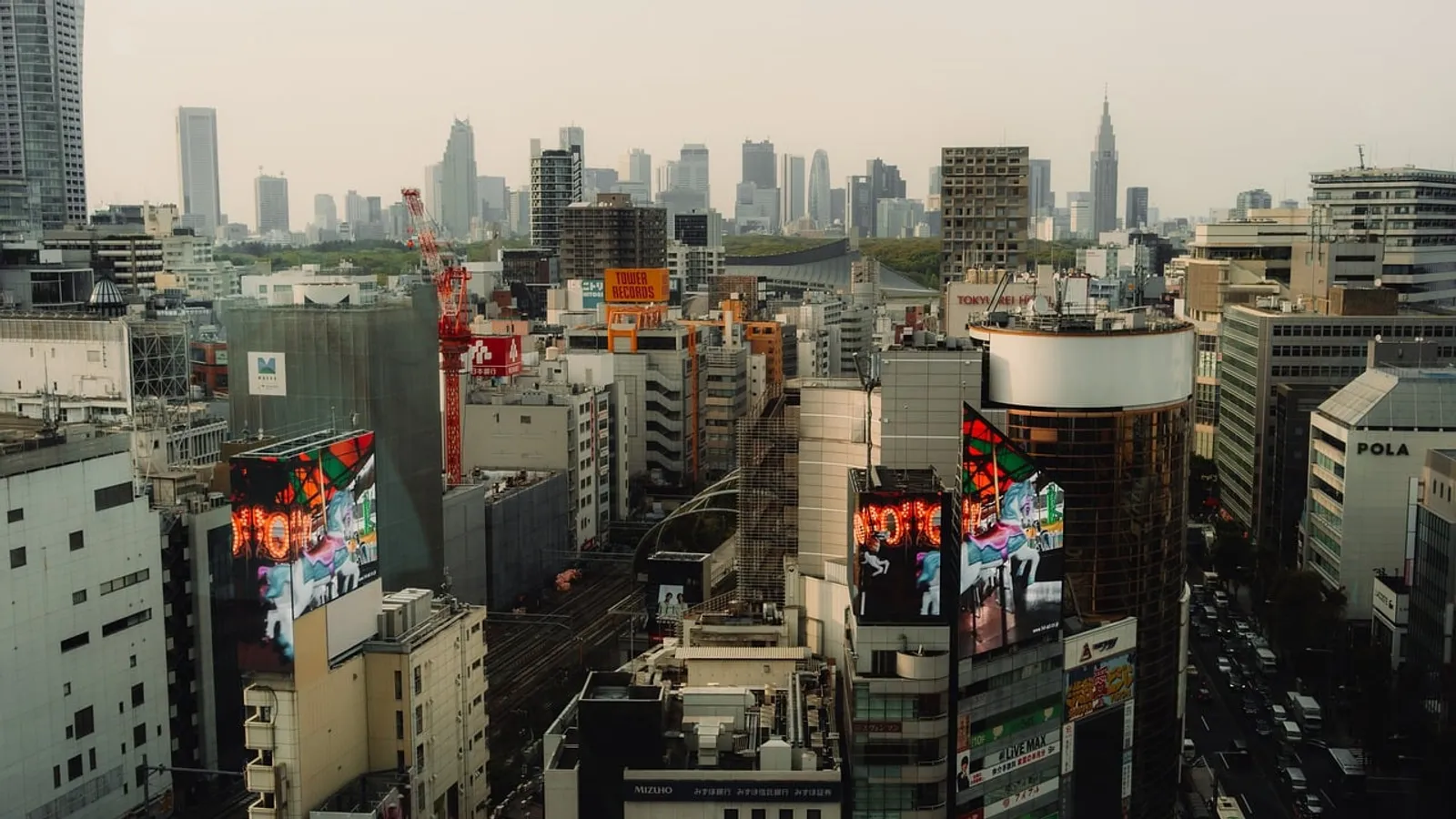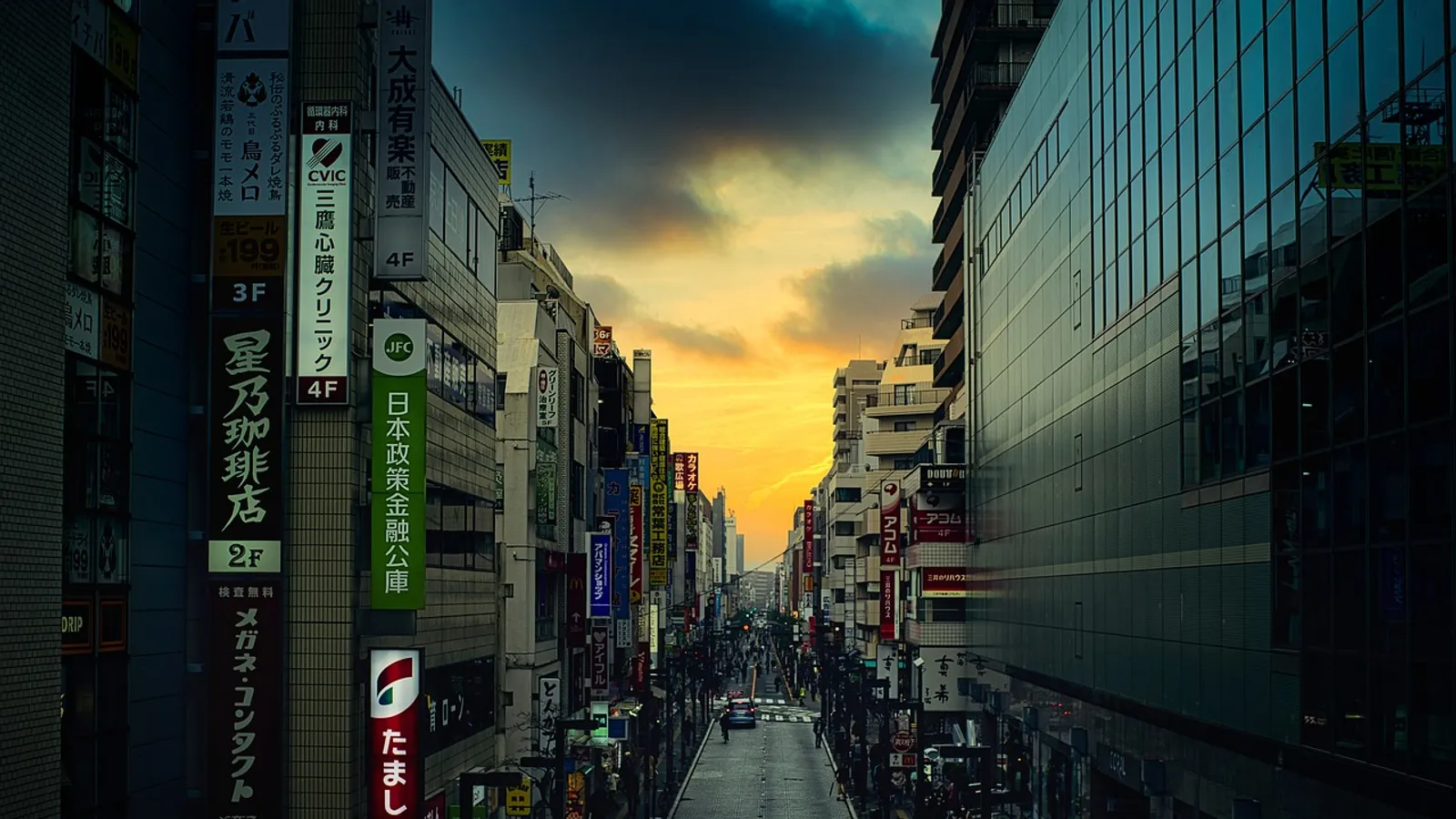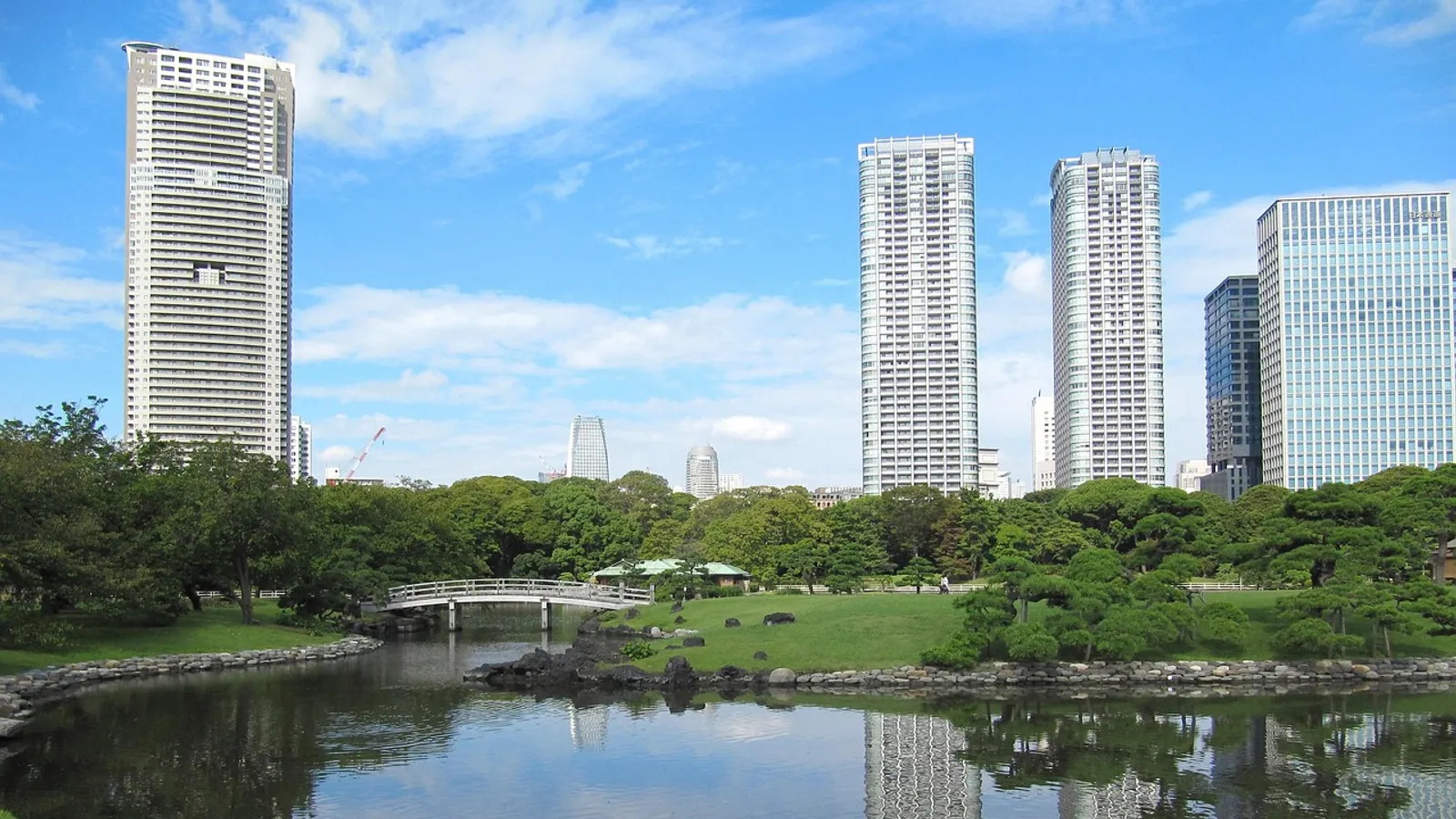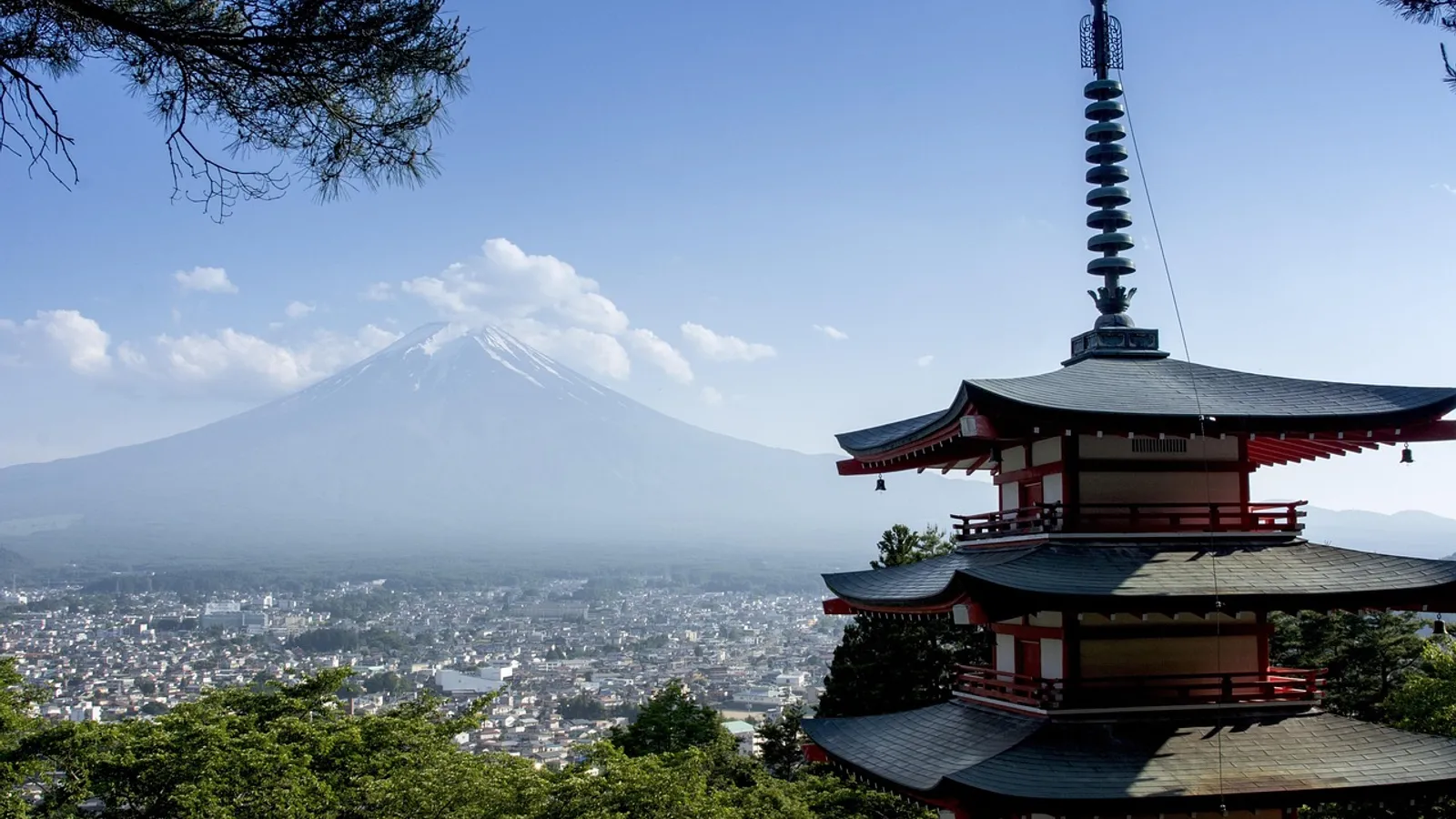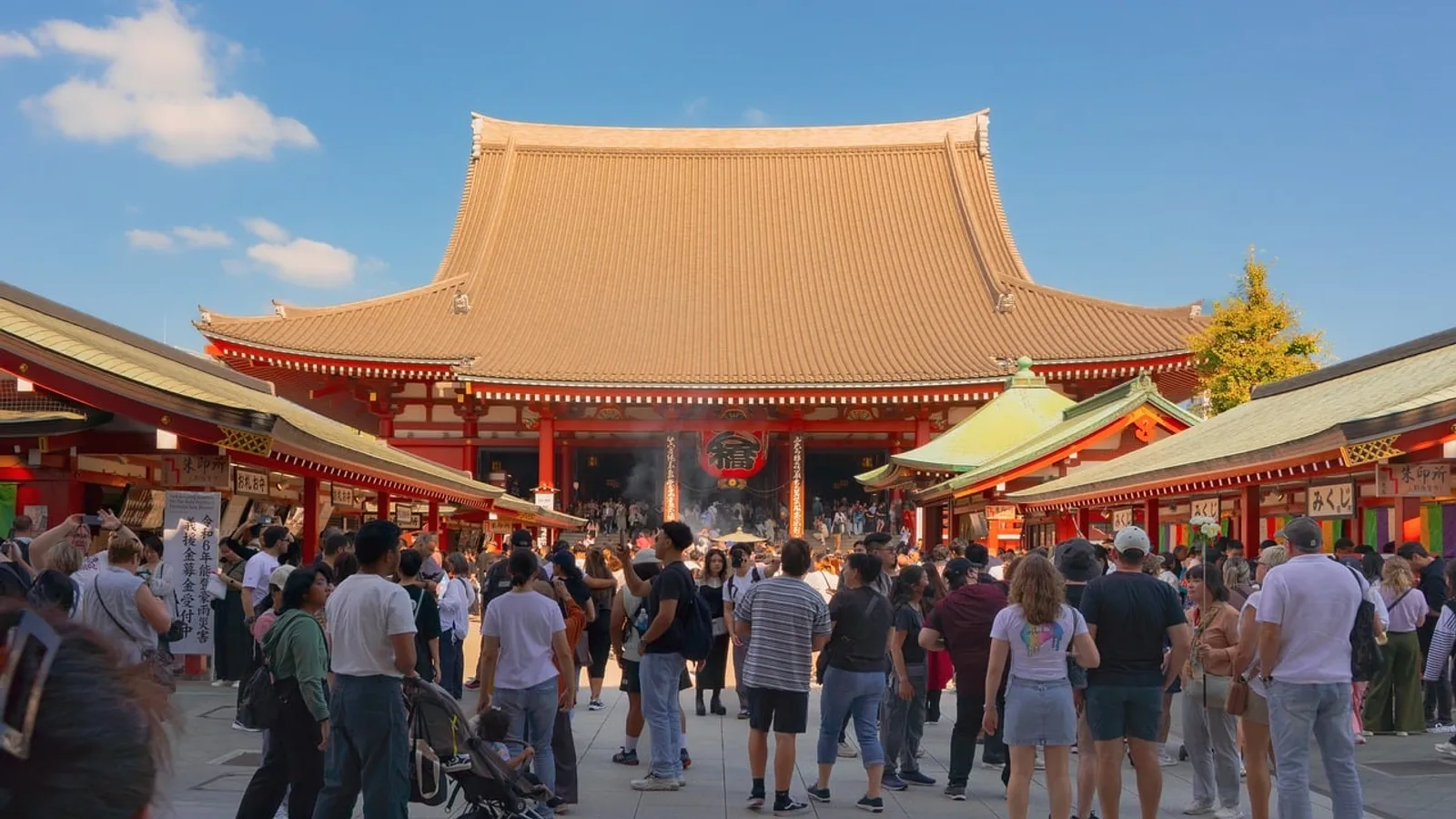
With 2 days in Tokyo, Japan, give each day one side of the city. Spend day one in the old east around Asakusa, Senso-ji and Ueno Park, and day two in the west, from Meiji Jingu through Harajuku and Shibuya to Shinjuku at night. This two-day Tokyo itinerary keeps every move to a short train ride or a walk, and leaves day trips out. Book one thing before you fly: a timed Shibuya Sky slot, sold from two weeks ahead.
- Day 1
- Asakusa, Senso-ji, Ueno Park, Ameyoko
- Day 2
- Meiji Jingu, Harajuku, Shibuya, Shinjuku
- Book ahead
- Shibuya Sky, on sale from midnight Japan time two weeks before
- Transit card
- Welcome Suica or TOURIST PASMO, sold at Narita and Haneda
- Closed Mondays
- Tokyo National Museum, Shinjuku Gyoen
- Earliest start
- Senso-ji main hall, 6:30 am October to March, 6:00 am April to September
Is 2 days enough in Tokyo
Two days is enough for central Tokyo's two halves, and not for much more. What to do in Tokyo in 2 days comes down to geography. GO TOKYO, Tokyo's official travel guide, files Asakusa under eastern Tokyo and Ueno under northern Tokyo, while Harajuku, Shibuya and Shinjuku sit under western Tokyo. Crossing between those halves several times a day eats hours you won't get back. Pick one side per day and you spend your time inside neighbourhoods rather than on trains.
Two days also rules some things out. There is no time for a day trip, for a second observation deck, or for the larger museums done properly. Ueno Zoo is a good example: GO TOKYO says it takes a good half a day to explore, which is a quarter of your trip on one site.
In exchange you get Tokyo's best-known contrast. Senso-ji's own site describes it as "the oldest temple in Tokyo" and says the temple "draws 30 million visitors every year" (Senso-ji). The next day you can stand in the Shibuya crossing and then on a rooftop about 230 metres above it.
Your 2 day Tokyo itinerary at a glance
The plan below assumes you start each day at your hotel and use a rechargeable transit card. Treat the times as a guide: they follow the official opening hours quoted further down, and you can shift them by an hour either way.
| Day | Morning | Afternoon | Evening | How you move |
|---|---|---|---|---|
| Day 1, the east | Senso-ji and Nakamise Street in Asakusa, from the main hall's opening | Ueno Park and the Tokyo National Museum | Ameyoko, then Tokyo Skytree at night or Akihabara | Ginza Line from Asakusa to Ueno, about 5 minutes |
| Day 2, the west | Meiji Jingu, then Harajuku and Omotesando | Walk to Shibuya, Shibuya Crossing, Shibuya Sky into sunset | Shinjuku: Kabukicho, a department store food hall, the city government observatory | Walk Harajuku to Shibuya, about 20 minutes; JR Yamanote Line to Shinjuku |
Book these before you go:
- A Shibuya Sky time slot. Sales for each date open at 00:00 Japan time, two weeks before it, and when the online adult slots sell out, the ticket counter has none either.
- A transit card on arrival: Welcome Suica or TOURIST PASMO from the airport stations (details under getting around).
- Optional: Tokyo Skytree online (it saves a ¥500 counter fee), a Tokyo National Museum e-ticket, or teamLab Planets if you swap it in.
Decisions to make before you go
Deciding what to do in Tokyo for 2 days turns on a handful of choices, each tied to a date, a forecast or an arrival time.
| If this applies to you | Do this | Why |
|---|---|---|
| You want one observation deck | Shibuya Sky on day 2 | Its rooftop is open-air, and a late-afternoon slot lets you stay through sunset. Book Tokyo Skytree instead only if Shibuya slots are gone |
| You land in the afternoon of day 1 | Run day 2's Shibuya and Shinjuku evening first | Haneda is about 45 minutes by train from Shibuya and 55 minutes from Shinjuku, per GO TOKYO |
| One of your days is a Monday | Make that the west-side day | The Tokyo National Museum and Shinjuku Gyoen close on Mondays (holiday Mondays have their own rule) |
| Rain is forecast for one day | Make the wet day the east-side day | The museum is indoors; the Shibuya Sky rooftop can close in rain or strong wind |
| You would rather eat than see a museum | Swap Ueno for Tsukiji and Ginza | The outer market gives professional buyers priority until 9:00 am, and its calendar marks Sundays, holidays and some Wednesdays as closing days |
| You are weighing a subway pass | Buy one only for eight or more subway rides | The numbers are in the getting around section |
Day 1: Asakusa, Senso-ji and Ueno, starting early
Day one covers what to see in Tokyo in 2 days if you want the city's older layers first. Every stop sits on or near the Tokyo Metro Ginza Line, so you rarely ride more than a few minutes.
Early morning: Senso-ji and Nakamise Street
Start at Senso-ji as early as you can manage. The temple dates its founding legend to 18 March 628, when two fishermen are said to have pulled a statue of the Bodhisattva Kannon from the Sumida River (Senso-ji). The main hall's doors open at 6:30 am between October and March, half an hour earlier from April to September, and close at 5:00 pm (Senso-ji guide, Japanese, checked 13 Nov 2026). If jet lag wakes you at five, this is where the early hours pay off.
You enter through Kaminari-mon, the main gate. The temple's history page says the gate was first built in 942, burned down in 1865, and was rebuilt in 1960 with a donation from Konosuke Matsushita, founder of the company now called Panasonic. Beyond it runs Nakamise, a street the temple counts among Japan's oldest shopping streets, where the stalls sell traditional toys, cakes and souvenirs. The street leads straight to the main hall, so you see the whole axis of the temple on the way in.
Three lines meet at Asakusa Station: Tokyo Metro's Ginza Line, Toei's Asakusa Line and Tobu's Skytree Line, and the river waterbus pier is about three minutes' walk from the station (GO TOKYO, Asakusa). Much of what makes Senso-ji interesting is story rather than sight: the Kannon statue at its heart has not been shown since 645, according to the temple. That is why a guided walk adds more here than at most stops on day one.
Asakusa and Senso-ji walking tours to compare

Asakusa History and Kappa Street (Kappabashi Dogugai) Tour
4.7(15)2 hoursViewFrom$22
Tokyo: Private Asakusa Walking Tour with Sensoji Temple
5.0(1)1 hr 30 minViewFrom$33
Tokyo: Asakusa, Senso-ji temple & Shrine Walking Tour
5.0(116)2 hoursViewFrom$23
Explore Tokyo’s History on Foot Asakusa Kappabashi and Ueno
4.9(27)3 hoursViewFrom$52
Recorrido a pie por el templo Sensō-ji de Asakusa
5.0(7)2 hoursViewFrom$33
Asakusa and Sensoji Guided Tour in Tokyo 90min
5.0(11)1 hr 30 minViewFrom$21
Asakusa Kimono Photography Tour (Private Option Available)
5.0(35)2 hr 30 minViewFrom$124
Tokyo Full Day Sightseeing Private City Tour with English Guide
5.0(24)8 hours - 10 hoursViewFrom$339
Asakusa Foods & Drinks, Culture Nightlife
5.0(6)2 hr 30 minViewFrom$196
Private Sake Brewery Tour and Shinran Temple Visit
5.0(2)3 hoursViewFrom$26
Mid-morning: Tokyo Skytree, or straight on to Ueno
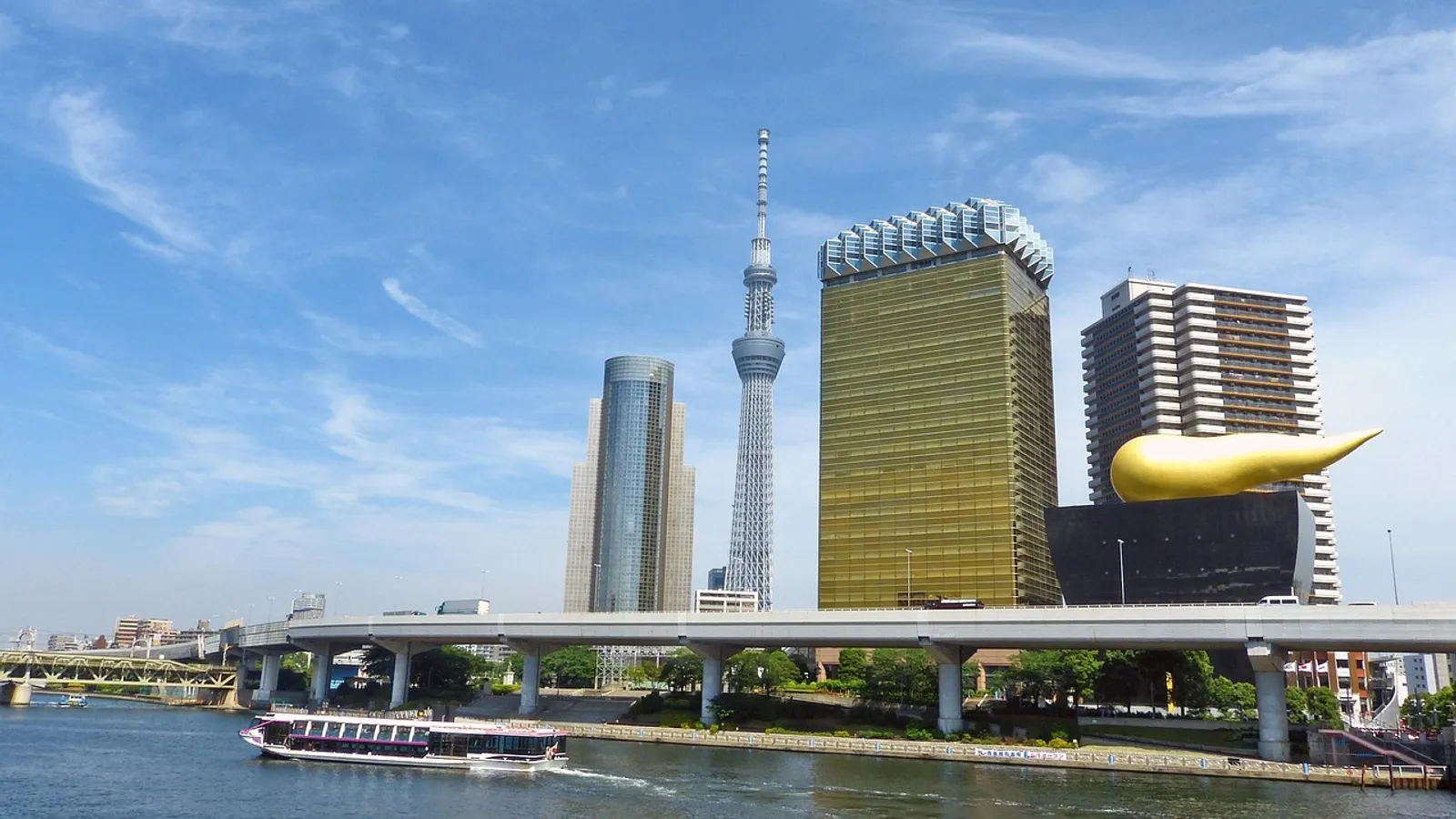
Tokyo Skytree is close by: the Tobu Skytree Line runs from Asakusa to Tokyo Skytree Station in about 3 minutes (Tokyo Skytree access). Go up only if you have decided against Shibuya Sky on day two. Two decks in two days means paying twice for a similar view, and the comparison of the two towers is laid out in our guide to Tokyo Skytree tickets.
If you do go, buy online. Skytree's ticket page prices the Tembo Deck (Floor 350) from ¥1,800 for adults and a combined Tembo Deck and Tembo Galleria (Floor 450) ticket from ¥3,000, and charges ¥500 more per ticket if you buy at the tower's 4th-floor counter or its ticket machines (Tokyo Skytree tickets, checked 13 Nov 2026). Opening hours vary by date and can change without notice, so check the tower's day-by-day calendar for your date; last admission is one hour before closing (Skytree opening hours).
Tokyo Skytree tickets and packages to compare
TOKYO SKYTREE Tickets
4.5(5,216)ViewFrom$14
TOKYO SKYTREE Tembo Deck & Tembo Galleria Tickets
4.6(3,000)ViewFrom$23
TOKYO SKYTREE Tembo Deck Morning Entry Tickets with Soft Drink & Snack
5.0(4)ViewFrom$17
Tickets to Sunshine 60 Observatory Tenbou Park
3.5(2)ViewFrom$5
Tokyo Tower Top Deck Tickets
4.7(264)ViewFrom$23
Combo: teamLab Planets Tokyo + Tokyo Observation Decks Tickets
4.6(305)ViewFrom$54
Combo: TOKYO SKYTREE + Sumida Aquarium Tickets
4.7(194)ViewFrom$35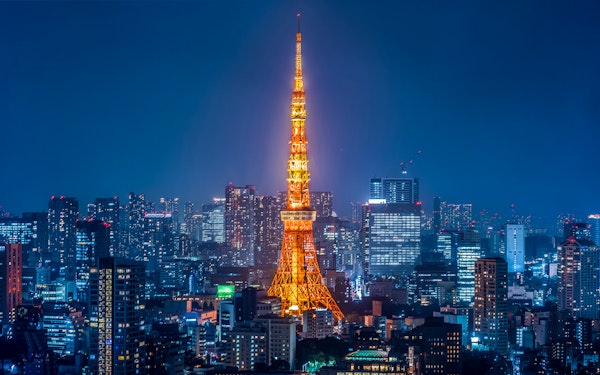
Tokyo Tower Tickets
4.5(2,645)ViewFrom$11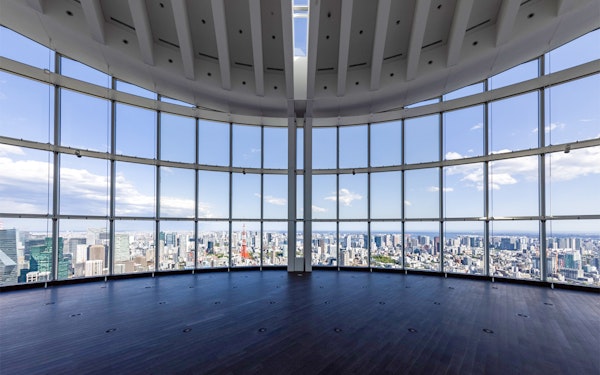
Tokyo City View Observation Deck at Roppongi Hills Mori Tower
4.7(94)ViewFrom$12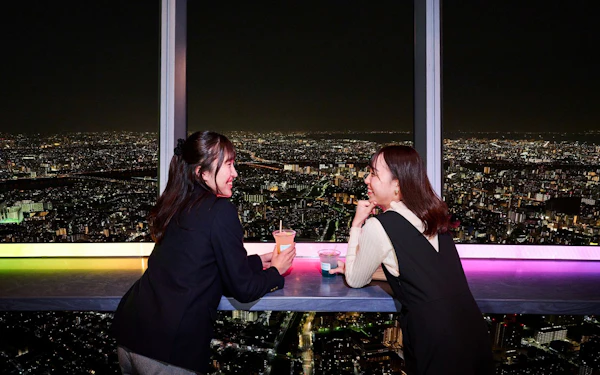
TOKYO SKYTREE Tembo Deck Night Entry Tickets with Alcoholic Drink
4.3(50)ViewFrom$16
Late morning and afternoon: Ueno Park and the Tokyo National Museum
From Asakusa, the Ginza Line reaches Ueno in about 5 minutes. Ueno Park, beside the station, packs in several museums, a big boating pond, a shrine and pagoda, and the oldest zoo in Japan (GO TOKYO, Ueno). With one afternoon, pick one museum and give it two to three hours.
The obvious pick is the Tokyo National Museum, which the museum itself puts 10 minutes' walk from the JR Ueno Station Park Exit. Doors open at 9:30 am and close at 5:00 pm, except on Fridays, Saturdays and any Sunday before a holiday Monday, when the museum keeps its doors open until 8:00 pm; entry stops half an hour before closing. Mondays are closing days, and when a Monday is a public holiday the museum opens and shuts the following weekday instead (Tokyo National Museum visitor information, Japanese, checked 13 Nov 2026).
Adults pay ¥1,000 for the collection galleries and university students ¥500, while visitors under 18 or aged 70 and over pay nothing for them if they can show their age. The museum sells e-tickets for the collection galleries with no set entry time, valid for two months from purchase, and warns that a wait at the main-gate ticket window can top 30 minutes when the museum is busy. Special exhibitions are ticketed separately, and a special exhibition ticket also covers the collection galleries on the same day. Since 1 August 2026 the museum has refused suitcases inside, so on an arrival day leave yours at the hotel or in a station locker.
Some dated notes for late 2026. Room 4 of the Honkan (Japanese Gallery) stays shut between 26 October 2026 and 25 April 2027, and Honkan rooms 17 to 20 and the whole Toyokan (Asian Gallery) close from 30 November to 31 December 2026. Honkan rooms 2 and 3 also shut from 14 December 2026 to 25 April 2027. The museum itself is closed on Tuesday 15 December 2026 for maintenance and from 26 to 31 December 2026 for the year-end break, and from 22 to 25 December 2026 only the Gallery of Horyuji Treasures and the Kuroda Memorial Hall are open, so the Honkan is not an option on those days.
Late afternoon: Ameyoko
Follow the Yamanote Line tracks from Ueno towards Okachimachi and you reach Ameyoko. GO TOKYO describes it as a 500-metre commercial street that grew out of a post-war black market, now crowded with stalls selling fresh food, cosmetics, clothes and spices, and with cheap street food at stalls and small restaurants. It is the easiest early dinner on the east side, and it suits a day when your feet are done with museums.
Evening: Skytree at night or Akihabara
You have two good evening options from here. If you skipped the tower this morning and still want an east-side view, go back through Asakusa to Tokyo Skytree for a night visit; from 5 November to 25 December 2026 the tower runs its Dream Christmas event (Skytree hours and events).
Otherwise, ride to Akihabara, which is on the JR Yamanote Line. GO TOKYO traces the district from a post-war electronics black market to today's centre of anime, manga and gaming shops, still lined with electronics megastores and specialist parts shops (GO TOKYO, Akihabara).
Day 2: Meiji Jingu, Harajuku, Shibuya and Shinjuku, ending late
Day two is the west side, and its order is set by one clock: the shrine closes at sunset, which is also the hour you want to be on the Shibuya Sky rooftop.
Morning: Meiji Jingu
Meiji Jingu was established in 1920 in memory of Emperor Meiji and Empress Shoken, and its grounds are a 70-hectare forest in the middle of the city. The shrine makes the promise itself: "Once you step into this precinct, you will forget that you are in the hustle bustle city" (Meiji Jingu, about). Because the shrine opens at sunrise and closes at sunset, its hours move month by month. The gates open at 6:10 am and shut at 4:10 pm through November, and December runs 6:40 am to 4:00 pm (Meiji Jingu hours, checked 13 Nov 2026). Facilities inside the inner precinct mostly keep shorter hours, roughly 9:00 am to 4:00 pm.
The only charges on the shrine's admission page are ¥500 for the Meiji Jingu Gyoen garden and ¥500 for the Meiji Jingu Museum. Use Harajuku Station on the JR Yamanote Line, or Meiji-jingumae Station on the Tokyo Metro Chiyoda and Fukutoshin lines (GO TOKYO, Harajuku). An hour is enough to walk the approach through the trees, see the main shrine and walk back out.
Late morning: Harajuku and Omotesando
Harajuku lies between Shibuya and Shinjuku on the Yamanote loop, and many visitors get off there for Meiji Jingu, Yoyogi Park and Omotesando, a boulevard of luxury brands. GO TOKYO calls the district a birthplace of kawaii culture and sends fashion hunters to Takeshita Street; Omotesando is the high-end side of the same walk. From Harajuku Station, GO TOKYO reckons about 10 minutes on foot to Omotesando and about 20 to Shibuya, so lunch can be in either district.
Afternoon: Shibuya Crossing and Shibuya Sky
Walk on to Shibuya for the crossing. GO TOKYO describes the wave of people flooding the intersection outside Shibuya Station every two minutes, and suggests watching from a café or a station building above it as well as crossing at street level (GO TOKYO, Shibuya).
Then go up. Shibuya Sky is the observation deck on top of Shibuya Scramble Square, a tower directly connected to Shibuya Station; the ticket counter and entrance are on the 14th floor (Shibuya Sky access, Japanese). The operator warns that many visitors confuse it with the Sky Lobby on the 11th floor of the neighbouring Shibuya Hikarie building, which is a different place.
The rules that shape your visit, from the official ticket and FAQ pages (Japanese, checked 13 Nov 2026):
- Hours. 10:00 am to 10:30 pm, last entry 9:20 pm. The operator announces temporary closures and shorter days on its official site.
- Timed entry. Every ticket carries a 20-minute entry window. Dates and times cannot be changed; eligible online tickets can be cancelled at no charge up to the day before, while counter tickets cannot be cancelled.
- Prices. Online adult tickets cost ¥2,700 for entry up to 2:59 pm and ¥3,400 for entry from 3:00 pm; at the counter the same tickets cost ¥3,000 and ¥3,700. Children up to 11, and 12-year-olds still at primary school, pay ¥1,200 at the counter only. Children aged five and under, and six-year-olds not yet at school, enter at no charge.
- No time limit, no re-entry. Once inside you can linger with no time limit, but you cannot leave and come back.
- Rooftop rules. Bags, tripods, monopods, selfie sticks, hats and food or drink cannot go onto the rooftop; you leave them in the dedicated lockers on the 46th floor. Suitcases and other large luggage should go into lockers elsewhere before you arrive.
The price tiers and the open-ended stay make a slot before 3:00 pm the cheaper way to see sunset. Throughout December 2026, sunset in Tokyo falls between 4:28 pm and 4:37 pm (National Astronomical Observatory of Japan). A slot starting at 2:40 pm costs the lower ¥2,700, and because there is no time limit you can stay on the roof through dusk and into the night view. The catch is the weather: the operator may shut the rooftop in strong wind, rain or snow, when thunderclouds approach, or in photochemical smog or extreme heat, and the indoor 46th-floor deck stays open when it does.
New entry rules from 19 November 2026
From entries on 19 November 2026, visitors living outside Japan buy on the official site for overseas customers. Those tickets, and tickets from some of the authorised resellers the site names, are checked against your passport at the gate rather than by QR code. Bring the passport of every person in your group, matching the details entered at purchase. Shibuya Sky also states that tickets bought from unauthorised resale sites are invalid.
Shibuya Sky tickets and Shibuya tours to compare
TOKYO SKYTREE Tembo Deck & Tembo Galleria Tickets
4.6(3,000)ViewFrom$23Tokyo City View Observation Deck at Roppongi Hills Mori Tower
4.7(94)ViewFrom$12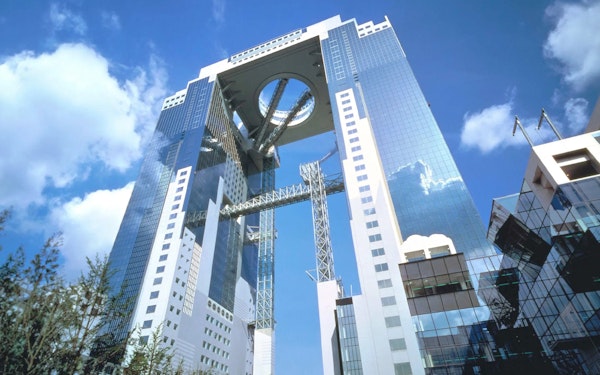
Umeda Sky Building Tickets
4.7(295)1 hourViewFrom$14TOKYO SKYTREE Tickets
4.5(5,216)ViewFrom$14Tickets to Sunshine 60 Observatory Tenbou Park
3.5(2)ViewFrom$5
[Gift Included] Roppongi Hills Observation Deck Admission Ticket
4.0(2)1 hourViewFrom$11Tokyo Tower Top Deck Tickets
4.7(264)ViewFrom$23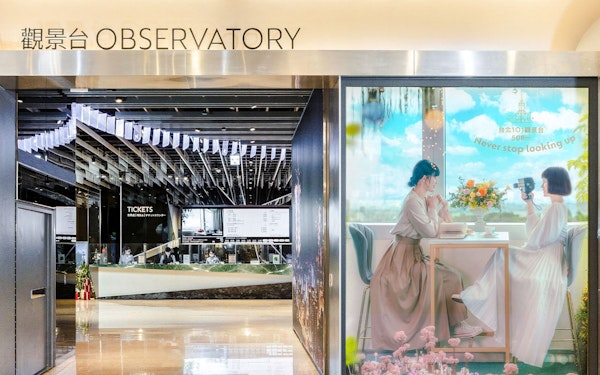
Taipei 101 Skyline 460 Cloud Walk Experience
5.0(11)2 hoursViewFrom$100
JR Tower Observatory T38
5.0(1)3 hoursViewFrom$5
Mahanakhon SkyWalk with SkyVerse Rooftop Access
5.0(17)3 hoursViewFrom$66
Evening: Shinjuku
Take the JR Yamanote Line from Shibuya, back through Harajuku, to Shinjuku. The east side of the station is the evening side. GO TOKYO points to Kabukicho, where tiny wooden bars are stacked on top of each other, and to the "Ramen gekisenku", the ramen battleground it places north of the station (GO TOKYO, Shinjuku). The department stores around the station exits have food halls in their basements, which are the quickest dinner if you would rather eat on the move.
On the west side, the Tokyo Metropolitan Government Building has two observatories at 202 metres, and admission costs nothing. They can shut at short notice when the weather turns, the city government says (Tokyo Metropolitan Government). After Shibuya Sky you don't need another view, but if Shibuya was sold out or its roof was closed, this is the fallback; check the observatory hours on the city government's page before heading over in the evening.
Of all the stops in this plan, Shinjuku at night is where a guided evening adds the most, because the small bars and izakaya are hard to tell apart from the street and a guide makes the choice for you.
Shinjuku evening food and bar tours to compare

Shinjuku Night Tour Include Drinks and Food with Local Guide
5.0(1)3 hoursViewFrom$96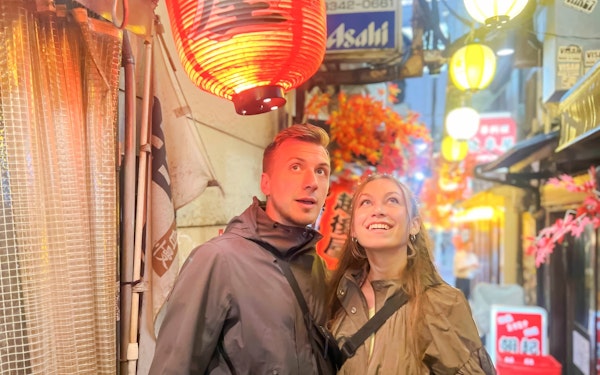
Tokyo: Shinjuku Night Food Tour With 13 Dishes Across 4 Eateries
5.0(1)3 hoursViewFrom$81
Shinjuku Izakaya Night Hopping Tour
4 hoursViewFrom$213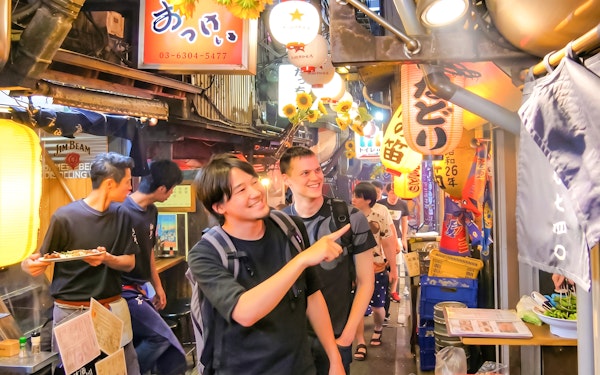
Tokyo: Shinjuku Bar Hopping Tour with All-You-Can-Drink and Dinner
0.0(0)3 hoursViewFrom$106
Experience Izakaya With A Mini Food Tour Of Tokyo
5.0(2)3 hoursViewFrom$162
Shinjuku Tokyo Bar Exploration Tour
5.0(1)3 hoursViewFrom$800
Shinjuku Nightlife Tour
5.0(21)4 hoursViewFrom$196
ENJOY ALL SHINJUKU《Red-Light-District-Walking》with DEEPEST INFO!
4.9(52)1 hr 30 minViewFrom$25
Tokyo - Shinjuku's Most Underrated Eats (3 stops, 3 drinks)
5.0(28)3 hoursViewFrom$74
Tokyo: Asakusa Food Tour- 15 Dishes and 4 Eateries
5.0(4)3 hoursViewFrom$265
Choosing your two districts
The east-west split above is a starting point. Any of these swaps keeps the two-day shape, and each replaces a stop of about the same length.
Tsukiji and Ginza instead of Ueno
If food matters more to you than museums, give the second half of day one to Tsukiji and Ginza. The Tsukiji Outer Market's official site splits the day into professional buyers' hours (6:00 to 9:00 am), public buyers' hours (9:00 am to 2:00 pm), then flexible hours from 2:00 pm, and asks visitors to give professionals priority until 9:00 am (Tsukiji Outer Market). It also asks you to request permission before photographing a shop and to avoid moving around in large groups in the narrow lanes.
The outer market's calendar shows the business days of the Tokyo Central Wholesale Market, and for December 2026 it marks the 2nd, 6th, 9th, 13th, 16th, 20th, 23rd and 31st as regular closing days: the Sundays except the 27th, which is a temporary opening day, four Wednesdays and New Year's Eve (Tsukiji calendar). Individual shops keep their own schedules, so some may open on those days and others may not. Tsukiji Station on the Hibiya Line is a minute's walk away, and GO TOKYO puts the market about 10 minutes' walk from Ginza, whose station is on the Ginza Line and whose main street holds some of Tokyo's original department stores (GO TOKYO, Ginza).
Tsukiji Outer Market food tours to compare

Tsukiji Fish Market: Street Food Tour with Tasting
5.0(99)1 hr 30 minViewFrom$65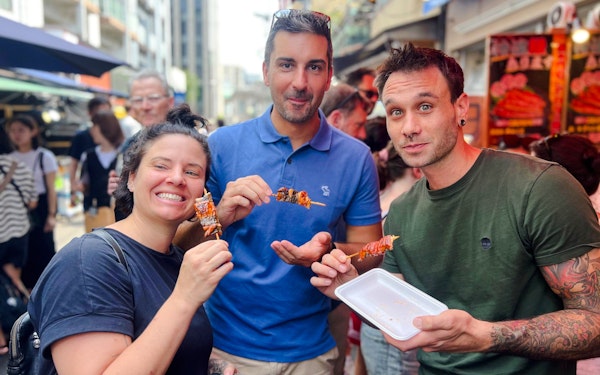
Tokyo Food Tour: Tsukiji Fish Market Walking Tour with Temple Visit
0.0(0)2 hoursViewFrom$16
Tsukiji BBQ Tour with National licensed Guide
3 hoursViewFrom$191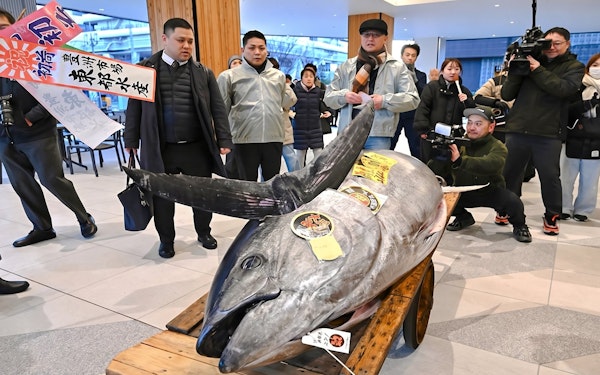
Tokyo: Toyosu Tuna Auction and Tsukiji Market Guided Walking Tour
0.0(0)3 hr 30 minViewFrom$125
Sapporo: Nijo Market Guided Tour with Seafood Meal
5.0(1)1 hr 30 minViewFrom$98Tokyo Full Day Sightseeing Private City Tour with English Guide
5.0(24)8 hours - 10 hoursViewFrom$339
Backstage Pass to Sapporo Central Market
3 hr 20 minViewFrom$120
Authentic Sapporo: Nijo Market Seafood Lunch & Local History Tour
5.0(30)2 hr 30 minViewFrom$63
Sapporo Market and Seafood Brunch Tour Taste Hokkaido’s Freshness
5.0(4)2 hr 30 minViewFrom$62
Hakodate: Morning Market Tour with Seafood Tasting Options
5.0(4)1 hr 30 minViewFrom$88
Akihabara for a full afternoon
If anime, games and electronics are the reason for the trip, Akihabara can take the whole afternoon of day one instead of being an evening add-on. It is reached by the JR Yamanote Line or the Tokyo Metro Hibiya Line, and works best after Senso-ji rather than after a museum, so your energy goes into the shops.
teamLab Planets for a wet day
teamLab Planets, in Toyosu, is the art collective teamLab's walk-through-water museum. Adult entry starts at ¥3,800, with lower prices for teenagers and children (teamLab Planets tickets, checked 13 Nov 2026), and it is 3 minutes' walk from Shin-Toyosu Station. It is the best indoor swap on this route when rain is forecast, but it is a separate trip out to Toyosu, so it replaces a district rather than adding to one. Booking rules and time slots are in our guide to teamLab Planets tickets.
Shinjuku Gyoen instead of Meiji Jingu
Shinjuku Gyoen National Garden is the alternative morning on day two, and it ends the day closer to the evening plan. Between 1 October and 14 March the garden admits visitors from 9:00 am until 4:00 pm and closes at 4:30 pm. Its weekly closing day is Monday, shifted to the following weekday when Monday is a holiday, and it also shuts from 29 December to 3 January. Entry is ¥500 for adults and ¥250 for over-65s and students aged 16 and up, children up to 15 pay nothing, and the gates take transit IC cards (Shinjuku Gyoen admission, checked 13 Nov 2026). It opens every day, Mondays included, in two seasons: cherry blossom time (25 March to 24 April) and the Chrysanthemum Exhibition (1 to 15 November).
Closure days that change the order
Most stops on this route open every day, but the few closures can break a two-day plan if you don't sort the days around them. Check your dates against this table, then decide which side of the city gets which day.
| Place | When it is closed or limited | How to plan around it |
|---|---|---|
| Tokyo National Museum | Mondays (next weekday if the Monday is a holiday); 15 Dec 2026; 26 to 31 Dec 2026; only two small galleries open 22 to 25 Dec 2026 | Put day 1 on another weekday, or visit another Ueno museum |
| Shinjuku Gyoen | Mondays (open daily 25 Mar to 24 Apr and 1 to 15 Nov); 29 Dec to 3 Jan | Use Meiji Jingu instead on a Monday |
| Tsukiji Outer Market | Sundays, public holidays and some Wednesdays are closing days on the market calendar; shops set their own days | Check the month's calendar before swapping it in |
| Meiji Jingu | Open every day, but closes at sunset (4:10 pm in November) | Visit in the morning, never as the last stop |
| Shibuya Sky | No regular opening on New Year's Day; rooftop shut in bad weather | Avoid 1 January; keep an indoor fallback |
| Senso-ji main hall | No closing day listed; hall open 6:30 am (6:00 am April to September) to 5:00 pm | Make it the first stop of day 1 |
Taken as a Tokyo weekend itinerary, the plan works on a Saturday and Sunday as written, with the museum open late on Saturday; only the Tsukiji swap runs into a market closing day on a Sunday. The Cabinet Office list shows no public holiday in December 2026 and two in January 2027, on the 1st and the 11th (Cabinet Office). Monday 11 January 2027 is one of them, so the Tokyo National Museum opens that day and closes on Tuesday 12 January instead.
Getting around Tokyo on a short trip
Buy a rechargeable IC card at the airport and tap through every gate; for a two-day stay, a pass is worth it only in a narrow case. Here is what each option costs according to the operators (checked 13 Nov 2026).
Welcome Suica and TOURIST PASMO
Both are cards made for short-stay visitors, with no deposit, valid for 28 days, and with no refund of the remaining balance.
- Welcome Suica (JR East) is sold at JR EAST Travel Service Centers at Narita Airport's two stations, at Haneda's Terminal 3 station on the Tokyo Monorail, and at Tokyo, Shibuya, Shinjuku, Ikebukuro and Ueno stations, among others, and from Welcome Suica machines at those airport stations. Cards come loaded with ¥1,000 to ¥10,000. JR East sells in principle one per person, top-ups go up to ¥20,000, and you top up in yen only, not by credit card (JR East, Welcome Suica). It works on trains, subways, buses and the Tokyo Monorail from Haneda.
- TOURIST PASMO is sold at Haneda's Keikyu stations (machines at Terminal 1 and 2, and the Keikyu Tourist Information Center at Terminal 3) with ¥1,000 to ¥10,000 loaded, and at the Skyliner and Keisei information centers at Narita, where it comes as a ¥2,000 card (PASMO).
The Tokyo Subway Ticket, and when it pays
With a Tokyo Subway Ticket you can ride any Tokyo Metro or Toei Subway train as often as you like, for a period counted from your first ride. Adult prices are ¥1,000 for 24 hours, ¥1,500 for 48 and ¥2,000 for 72. Overseas visitors can buy it, as can Japanese residents who live outside Tokyo and the seven surrounding prefectures the operator names (Tokyo Metro). It covers only those two subway networks, so the JR Yamanote Line legs on day two are paid separately.
Against that, a single Tokyo Metro ride paid by IC card costs ¥178 for up to 6 km, ¥209 for 7 to 11 km and ¥252 for 12 to 19 km (Tokyo Metro fares). Most rides on this route are short.
| Your subway rides over the two days | Cost by IC card at ¥178 to ¥209 a ride | 48-hour ticket (¥1,500) |
|---|---|---|
| 5 rides | ¥890 to ¥1,045 | Costs more |
| 8 rides | ¥1,424 to ¥1,672 | About even |
| 10 rides | ¥1,780 to ¥2,090 | Saves a little |
The arithmetic is ours, from Tokyo Metro's published IC fares. The route as planned needs about five subway rides: to Asakusa, Asakusa to Ueno and back to the hotel on day one, then to Meiji-jingumae and home from Shinjuku on day two. At that count the card alone is cheaper and simpler. The pass pays if your hotel is far out on the subway network or you add evening detours.
Where to stay for 2 days in Tokyo
Stay near a station that serves both days without a change. On this route that means the Tokyo Metro Ginza Line, which stops at Asakusa, Ueno, Ginza and Shibuya, or the JR Yamanote Line, which loops through Ueno, Akihabara, Harajuku, Shibuya and Shinjuku. A hotel within a few minutes' walk of one of those stations saves you more time over two days than any particular neighbourhood does.
Shinjuku or Shibuya suit you if your nights matter more than your mornings and you fly from Haneda. Ueno suits an early start at Senso-ji and an arrival on the Skyliner from Narita. The Tokyo travel guide goes through the neighbourhoods one by one.
If you arrive before check-in, don't drag a suitcase around: Shibuya Sky's own FAQ points to luggage storage at the "shibuya-san tourist information & art center" on the first floor of Shibuya Fukuras, subject to space, as well as coin lockers around Shibuya Station.
Where to eat in 48 hours
Over a 48 hours in Tokyo itinerary you get five or six meals, so give each one to a different kind of place rather than chasing named restaurants.
- Breakfast in the market. Tsukiji's shops sell bite-sized portions, such as a single piece of rolled omelette, and smaller sushi sets for visitors, and the market's guide notes that tasting samples are offered on the assumption that you might buy.
- Lunch in a food hall or food alley. Shinjuku's department stores have food halls in their basements; in Shibuya, GO TOKYO points to MIYASHITA PARK and its Shibuya Yokocho, where restaurants serve sushi, ramen, gyoza and yakitori from across Japan.
- Street food in Ueno. Ameyoko's stalls and small restaurants, for the low-cost meal of the trip.
- Ramen and izakaya in Shinjuku. Shinjuku's ramen battleground north of the station and its izakaya cover the last night.
- A drink with a view. Shibuya Sky has a café and bar on the 46th floor; apart from it and the seasonal rooftop bar, eating and drinking are not allowed inside.
If you would rather eat with a guide than pick blind, food tours in Shinjuku or Tsukiji turn one of those meals into the evening's activity.
What to book ahead, and what to drop
Shibuya Sky is the only thing on this route to book as soon as your dates are set. Most of this plan runs on walk-in entry. The Tokyo Metropolitan Government observatory costs nothing, and neither Senso-ji's site nor Meiji Jingu's lists an admission charge for the temple or the shrine grounds. The Tokyo National Museum sells at the gate, and transit cards are bought on arrival.
| Book before you fly | Buy on the day | Skip with only two days |
|---|---|---|
| Shibuya Sky, two weeks out at 00:00 Japan time | Tokyo National Museum (or its untimed e-ticket) | A second observation deck |
| teamLab Planets, if you swap it in | Meiji Jingu Gyoen garden, if you want it | Ueno Zoo, which needs half a day |
| Tokyo Skytree online, if you choose it over Shibuya Sky | Transit card at the airport | Day trips out of the city |
Two booking traps are worth knowing. At Shibuya Sky, an adult slot that is gone online is gone at the counter too, so turning up early does not help. At Tokyo Skytree, buying at the tower costs ¥500 more per ticket than buying online.
To see what experiences are on offer across the city beyond this route, browse Tokyo tours, where each tour or ticket is shown with its price on several booking sites.
Arriving with jet lag or on a layover
Shape the first day around your arrival time rather than forcing the plan. Times from the airports to each district, as published by GO TOKYO and the operators:
| From | To | By train | Source |
|---|---|---|---|
| Haneda | Shibuya | About 45 minutes | GO TOKYO |
| Haneda | Shinjuku | About 55 minutes (also 55 by limousine bus) | GO TOKYO |
| Haneda | Oshiage (Tokyo Skytree) | About 39 minutes, Keikyu and Toei Asakusa lines | Tokyo Skytree |
| Narita | Keisei Ueno | From 41 minutes on the Skyliner | Keisei |
| Narita | Asakusa | 1 hour 25 minutes | GO TOKYO |
| Narita | Shinjuku | 1 hour 35 minutes | GO TOKYO |
An afternoon arrival at Haneda fits day two's evening best: drop your bags, ride to Shibuya or Shinjuku, and keep the early-rising east side for the next morning, when jet lag will probably have you awake before Senso-ji's 6:30 am opening anyway. A Narita arrival on the Skyliner lands you in Ueno, at the start of day one.
A Tokyo layover tour suits a stop of a full day or more between flights. With a long gap at Haneda, Asakusa and Senso-ji are the obvious short loop: Asakusa Station is on the Toei Asakusa Line, part of the same rail route the Tokyo Skytree site gives from Haneda. Allow for immigration and customs on the way out and security on the way back, and check the entry rules in the FAQ below before you plan it.
Tokyo layover tours to compare

Tokyo Layover Car Tour from NRT: English Driver, No Guide
8 hoursViewFrom$478
Tokyo Layover Customized Tour from Narita, Licensed Guide
4.6(5)8 hoursViewFrom$209
Tokyo Layover Tour with a Local – Private & Tailored to You
4.7(13)6 hours - 8 hoursViewFrom$299
For Narita Airport Users Layover or Transit Guided Private Tour
4.9(23)3 hours - 4 hoursViewFrom$150
Narita-san Private Layover Tour from Narita International Airport
5.0(9)4 hr 30 minViewFrom$209
Tokyo tour and transfer to Yokohama port for cruise travelers
7 hoursViewFrom$799
Narita Shinshoji Temple and Sakura Samurai Residences by car
5.0(1)7 hoursViewFrom$900
Narita Layover tour with National Licensed guide
5.0(8)4 hours - 6 hoursViewFrom$248
Narita Layover Tour – Japanese Home, Shrine Walk & Sake Brewery
5.0(7)3 hoursViewFrom$391
Narita Airport Layover Tour: Private Tokyo Sightseeing
5.0(2)3 hoursViewFrom$129
When to go for a short Tokyo trip
Late autumn and spring give the most comfortable walking weather for a two-day plan that is mostly on foot. Average figures for central Tokyo over 1991 to 2020, published by the Japan Meteorological Agency, show why (JMA climate normals, Tokyo):
| Month | Average daily high | Average daily low | Average rainfall |
|---|---|---|---|
| January | 9.8 °C | 1.2 °C | 59.7 mm |
| April | 19.4 °C | 9.8 °C | 133.7 mm |
| August | 31.3 °C | 23.5 °C | 154.7 mm |
| October | 22.0 °C | 14.8 °C | 234.8 mm |
| November | 16.7 °C | 8.8 °C | 96.3 mm |
| December | 12.0 °C | 3.8 °C | 57.9 mm |
August is the month to avoid for a walking-heavy plan, and on the hottest days the Shibuya Sky rooftop can close for extreme heat. In late autumn the short afternoons matter more than the cold: in the second half of November sunset comes before 4:40 pm and Meiji Jingu closes with it, so put the outdoor stops early in the day. For the rest of the year, our guide to the best time to visit Tokyo goes through the seasons.
Fewer or more days
Tokyo in 2 days is the shortest stay this route is built for. With one day, run day two of this plan if you land at Haneda, or day one if you land at Narita; you get one side of the city done properly rather than both done in a rush.
With a third day, keep both days as they are and add a third area, such as Tsukiji, Ginza and teamLab Planets, or a trip beyond Tokyo. The 3 days in Tokyo itinerary builds that out, the five-day Tokyo plan covers a longer stay, and the guide to day trips from Tokyo compares the places worth leaving the city for.
Compare Tokyo tours and tickets2 days in Tokyo FAQ
Is a day trip worth it on a 2-day Tokyo trip?
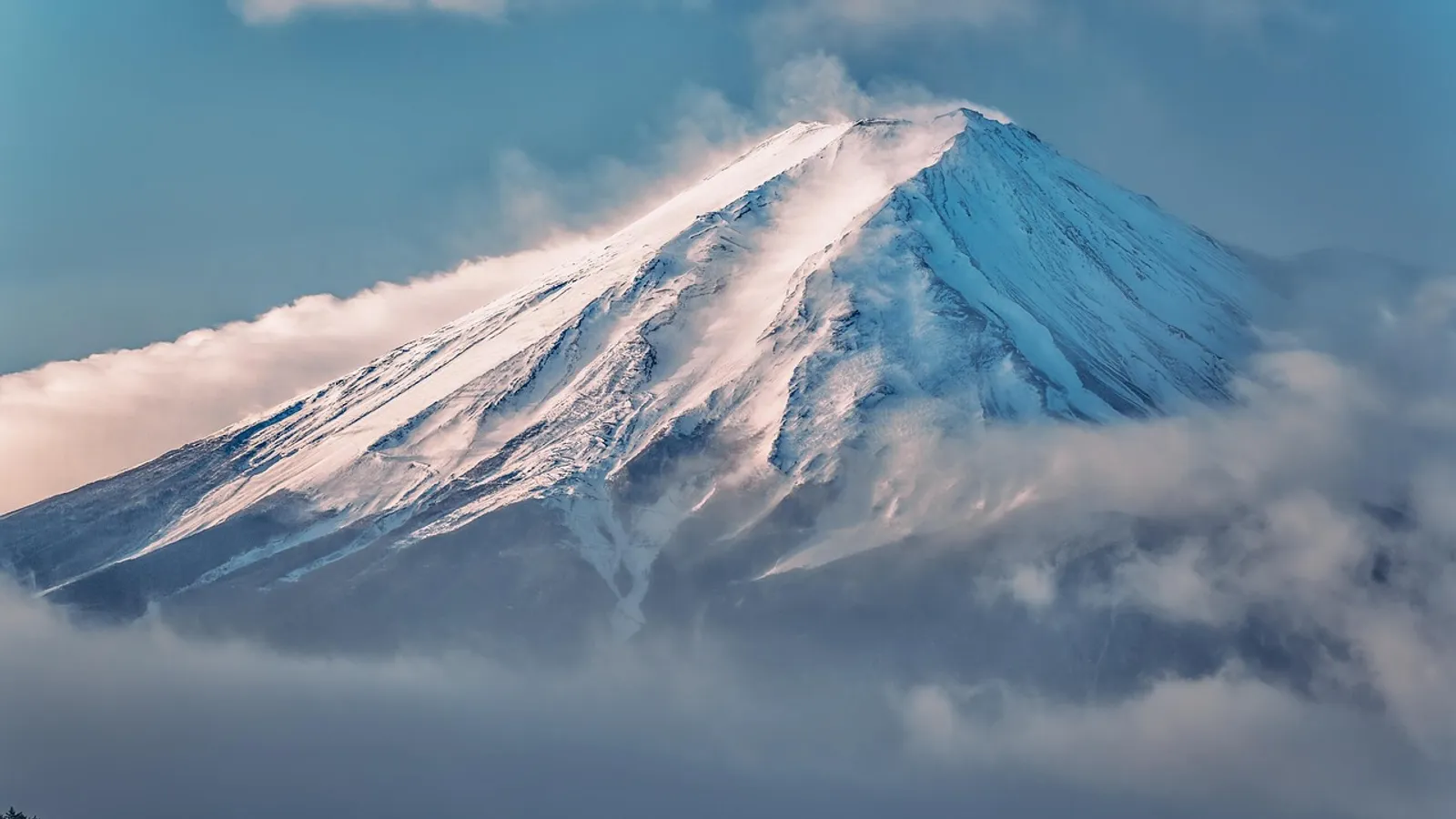
Usually not. A day trip takes one of your two days, so you would see one side of central Tokyo and one place outside it. That trade makes sense only if the place outside the city is the reason you came, such as a clear-weather view of Mount Fuji. If it is, keep the day trip and run day one of this plan as your only city day.
Do I need a visa to leave the airport on a Tokyo layover?
It depends on your nationality, so check before you fly. Japan's Ministry of Foreign Affairs states that visas are issued at Japanese embassies and consulates abroad and cannot be obtained on arrival. Leaving the airport also means passing immigration and customs, which takes time out of a short layover.
What if it rains on one of my two days in Tokyo?
Put the indoor stops on the wet day. The Tokyo National Museum and teamLab Planets work in any weather, while the Shibuya Sky rooftop can shut without notice in rain, lightning, strong wind or heat. If it is shut at your booked time, eligible online tickets may be cancelled without a fee on the day itself, provided you have not yet entered, and the indoor deck on the 46th floor stays open.
How much do the tickets on this 2-day Tokyo plan cost?
About ¥3,700 in admissions for one adult, using official prices checked on 13 November 2026: ¥2,700 for a Shibuya Sky slot before 3:00 pm and ¥1,000 for the Tokyo National Museum. The five or so subway rides on the route add ¥890 to ¥1,045 by IC card, or ¥1,500 if you buy a 48-hour Tokyo Subway Ticket, and the JR legs are extra. The Tokyo Skytree Tembo Deck adds from ¥1,800 online. The Tokyo Metropolitan Government observatory costs nothing, and the Senso-ji and Meiji Jingu sites do not list an admission charge for the temple or the shrine grounds.
Can I pay Tokyo train fares with a phone or a bank card?
Yes, on many lines. Tokyo Metro's Tap to Ride service lets you tap a contactless bank card (credit, debit or prepaid), or a phone that holds one, at the gate, and the service extends to ten other railway operators in the Kanto region, some only at certain stations, Toei Subway among them. PASMO can also be added to an iPhone or Apple Watch, but PASMO says that, in general, Android phones bought outside Japan cannot run Mobile PASMO.
How late do trains run in Tokyo?
Until around midnight. GO TOKYO, the city's official travel guide, says public transport runs until about then, so a late night in Shinjuku either ends before the last train or in a taxi. Check the last departure for your own line before you settle into a bar.
Sources
Date checked for all of these: 13 November 2026. The pages that could be reopened were read again on 19 November 2026.
- Senso-ji visitor guide, Japanese (main hall hours) and Senso-ji in English (history)
- Tokyo Skytree tickets, day hours, opening hours and events and access
- Tokyo National Museum visitor information, Japanese
- Meiji Jingu opening hours and admission and about Meiji Jingu
- Shibuya Sky tickets, FAQ and access (Japanese)
- Tokyo Metropolitan Government Building observatories
- Ministry of the Environment: Shinjuku Gyoen admission and opening hours
- Tsukiji Outer Market guide, calendar and access
- teamLab Planets tickets and access
- JR East, Welcome Suica purchase and Welcome Suica
- TOURIST PASMO and PASMO
- Tokyo Metro: Tokyo Subway Ticket, regular fares and Tap to Ride
- Keisei Skyliner
- GO TOKYO (Tokyo's official travel guide) pages: Asakusa, Ueno, Akihabara, Harajuku, Shibuya, Shinjuku, Ginza and Tsukiji
- National Astronomical Observatory of Japan, sunrise and sunset for Tokyo: November 2026 and December 2026
- Japan Meteorological Agency, climate normals for Tokyo
- Cabinet Office, national holidays
- Ministry of Foreign Affairs of Japan, visas