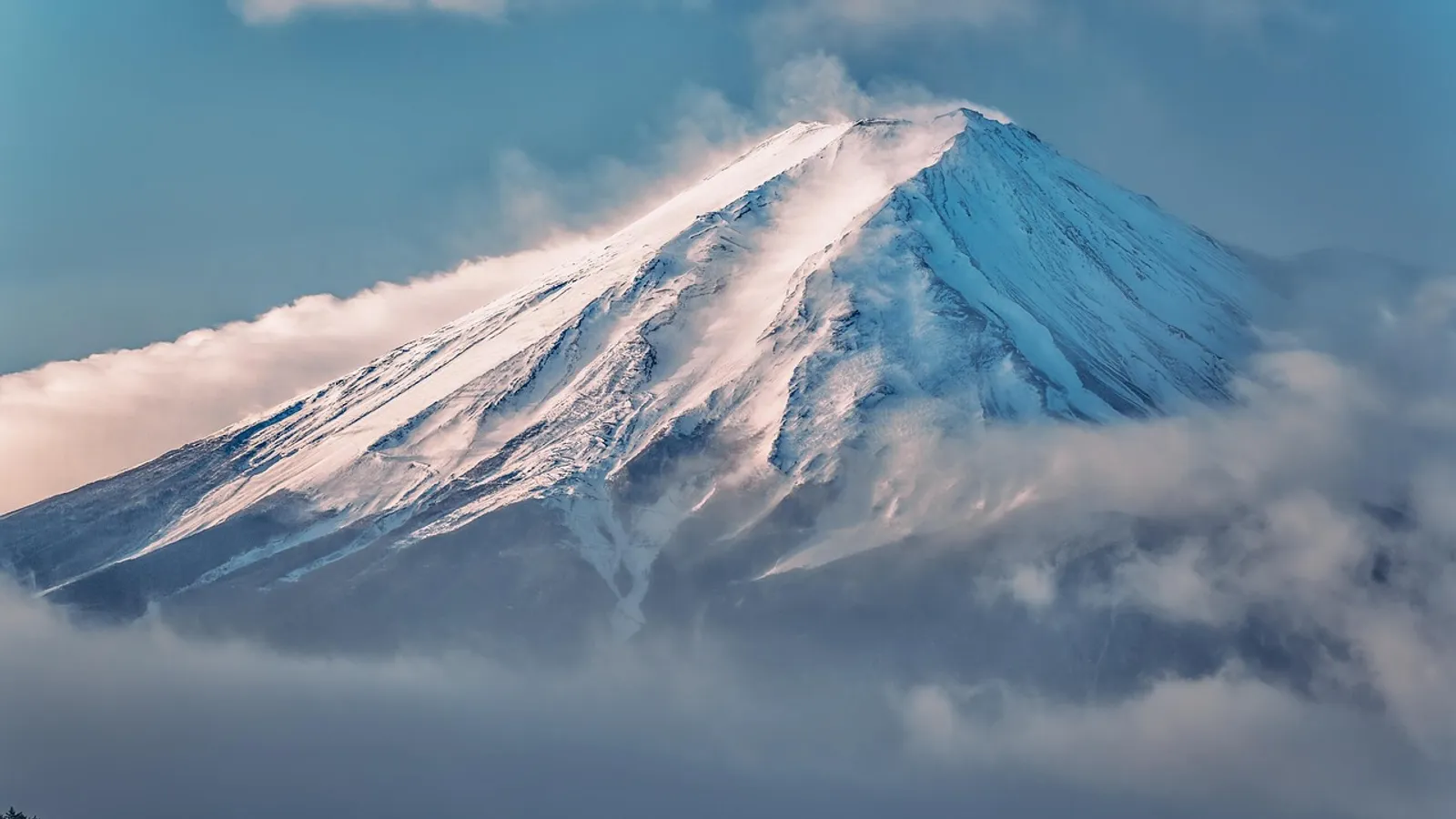
Tokyo in winter is cold, dry and mostly sunny from December through February. January averages a high of 9.8°C and a low of 1.2°C, and it is the sunniest month of the year in the Japan Meteorological Agency's normals. Snow falls on only a few days. Winter in Tokyo, Japan brings street illuminations and Christmas markets (most end on 25 December), shrine visits at New Year, the January sumo tournament and the first plum blossoms in February.
The trade-offs are short days, with sunset at 4:28 pm in early December, and a New Year week when many gardens and museums close. This guide gives the official numbers for each month, the illumination and market dates for the 2026-27 season (checked 13 November 2026), and the winter experiences we compare across several booking sites.
- Season
- December to February
- January average
- 9.8°C high, 1.2°C low (JMA normals)
- Earliest sunset
- 4:28 pm, 1 to 13 December 2026
- Days with snowfall
- 2.8 in January, 3.5 in February (average)
- New Year
- Many sights close around 28 December to 3 January
- January sumo
- 10 to 24 January 2027, Ryogoku Kokugikan
- Setsubun
- 3 February 2027
Is Tokyo worth visiting in winter
Yes, if clear skies and festive evenings matter more to you than warmth. Tokyo's winter is dry: December, January and February together average about 174 mm of rain, roughly a ninth of the year's 1,598 mm, so outdoor plans rarely wash out. The air is at its clearest, which is when observation decks earn their ticket price, and the calendar has things you can only see in these months: the illuminations, hatsumode at New Year, the January sumo tournament and Setsubun.
The city's tourism board agrees: its winter guide says the season's clear air and low rainfall make it ideal for city views "from observation decks" (GO TOKYO winter guide, updated 20 November 2026).
Who should pick another season:
- Anyone coming for cherry blossoms or autumn leaves. Neither happens in winter. Our best time to visit Tokyo guide covers spring and autumn timing.
- Travellers who want long outdoor days. Daylight runs to about nine and three-quarter hours around the solstice, Shinjuku Gyoen admits its last visitors at 4 pm and the Imperial Palace East Gardens at 3:30 pm.
- Museum-heavy trips over New Year. From about 28 December to 3 January many gardens, museums and shops close or shorten their hours, as the table further down shows.
- People who feel the cold badly. Nights in January and February sit close to freezing, and the tourism board warns that it feels colder at night and in the shade than the averages suggest.
Tokyo weather in winter: temperature, rain and daylight
How cold does Tokyo get? Days reach about 10°C to 12°C and nights fall to between 1°C and 4°C. The table uses the 30-year normals (1991 to 2020) from the Japan Meteorological Agency, measured at its Tokyo observing station (JMA climate normals, checked 13 Nov 2026).
| Month | Average high | Average low | Daily mean | Rain | Sunshine | Days with snowfall |
|---|---|---|---|---|---|---|
| December | 12.0°C (53.6°F) | 3.8°C (38.8°F) | 7.7°C | 57.9 mm | 174.4 hours | 0.6 |
| January | 9.8°C (49.6°F) | 1.2°C (34.2°F) | 5.4°C | 59.7 mm | 192.6 hours | 2.8 |
| February | 10.9°C (51.6°F) | 2.1°C (35.8°F) | 6.1°C | 56.5 mm | 170.4 hours | 3.5 |
Source: Japan Meteorological Agency, Tokyo, normals for 1991 to 2020. Fahrenheit figures are our conversion.
The weather in Tokyo in winter is far drier than in autumn: October alone averages 234.8 mm, more than the whole of December to February. January's 192.6 hours of sunshine are the highest of any month in the year. And February, not January, has the most days with snowfall, though the normal for the deepest snow cover in either month is only 3 cm.
If the tourism board's monthly pages show different numbers, that is because they quote a single year, 2025. The 30-year normals are the safer guide for planning.
Sunrise and sunset in winter
The sun sets before 5 pm until late January. The earliest sunsets of the season come in the first half of December, not at the solstice, and by the end of February you gain more than an hour and a half of light compared with late December. Times are from the National Astronomical Observatory of Japan for central Tokyo (December 2026, January 2027, February 2027, checked 13 Nov 2026).
| Date | Sunrise | Sunset | Daylight |
|---|---|---|---|
| 1 December 2026 | 6:32 am | 4:28 pm | 9 h 56 min |
| 21 December 2026 | 6:46 am | 4:31 pm | 9 h 45 min |
| 1 January 2027 | 6:50 am | 4:38 pm | 9 h 48 min |
| 15 January 2027 | 6:50 am | 4:51 pm | 10 h 1 min |
| 1 February 2027 | 6:41 am | 5:08 pm | 10 h 27 min |
| 28 February 2027 | 6:13 am | 5:35 pm | 11 h 22 min |
In practice, do gardens, shrines and viewpoints between late morning and mid-afternoon, then switch to illuminations, markets and indoor sights once it is dark. Meiji Jingu, which opens at sunrise and closes at sunset, shuts its gates at 4:00 pm in December, 4:20 pm in January and 4:50 pm in February (Meiji Jingu visiting hours, checked 13 Nov 2026).
Tokyo in winter, month by month
Most of what sets one winter month apart from the next happens on fixed dates, listed below for the 2026-27 season and checked on 13 November 2026.
Things to do in Tokyo in December
December is the month of illuminations. Most displays begin in November and run until Christmas Day; the dates are in the next section.
Two traditional markets make December more than a light show:
- Setagaya Boro-ichi, a street market that dates back to 1578, runs on 15 and 16 December and again on 15 and 16 January, from 9 am to 8 pm, along Boro-ichi Street around the old magistrate's residence. Setagaya City says it draws about 200,000 people a day, so arrive early (Setagaya City, updated 29 Oct 2026).
- The Hagoita Market at Senso-ji in Asakusa is held from 17 to 19 December each year, during the temple's last festival of the year (Senso-ji). Stalls sell decorated hagoita paddles, bought as good-luck charms since the Edo period.
On New Year's Eve, many people go to a temple or shrine around midnight. The tourism board points to Zojoji, which looks out on Tokyo Tower, as a place to hear joya-no-kane, the temple bell rung 108 times as the year turns.
Things to do in Tokyo in January
January starts with the New Year holidays. 1 January is a national holiday, and hatsumode, the first shrine or temple visit of the year, fills Meiji Jingu and Senso-ji from midnight through the first three days. The New Year section below covers what closes.
The rest of the month:
- New Year sales start from around 2 January in department stores, and many shops sell fukubukuro, sealed lucky bags of mystery goods. The tourism board notes that many stores close on 1 January.
- Coming of Age Day falls on Monday 11 January 2027, a public holiday (Cabinet Office holiday list).
- The January Grand Sumo Tournament runs from 10 to 24 January 2027 at Ryogoku Kokugikan. More in the sumo section below.
- Setagaya Boro-ichi returns on 15 and 16 January.
Things to do in Tokyo in February
February feels like the turn of the season. Setsubun, the bean-throwing festival traditionally counted as the last day of winter, falls on 3 February 2027 (National Astronomical Observatory of Japan, 2027 almanac). Temples and shrines across the city hold ceremonies; the tourism board lists Senso-ji, Zojoji and Okunitama-jinja among them.
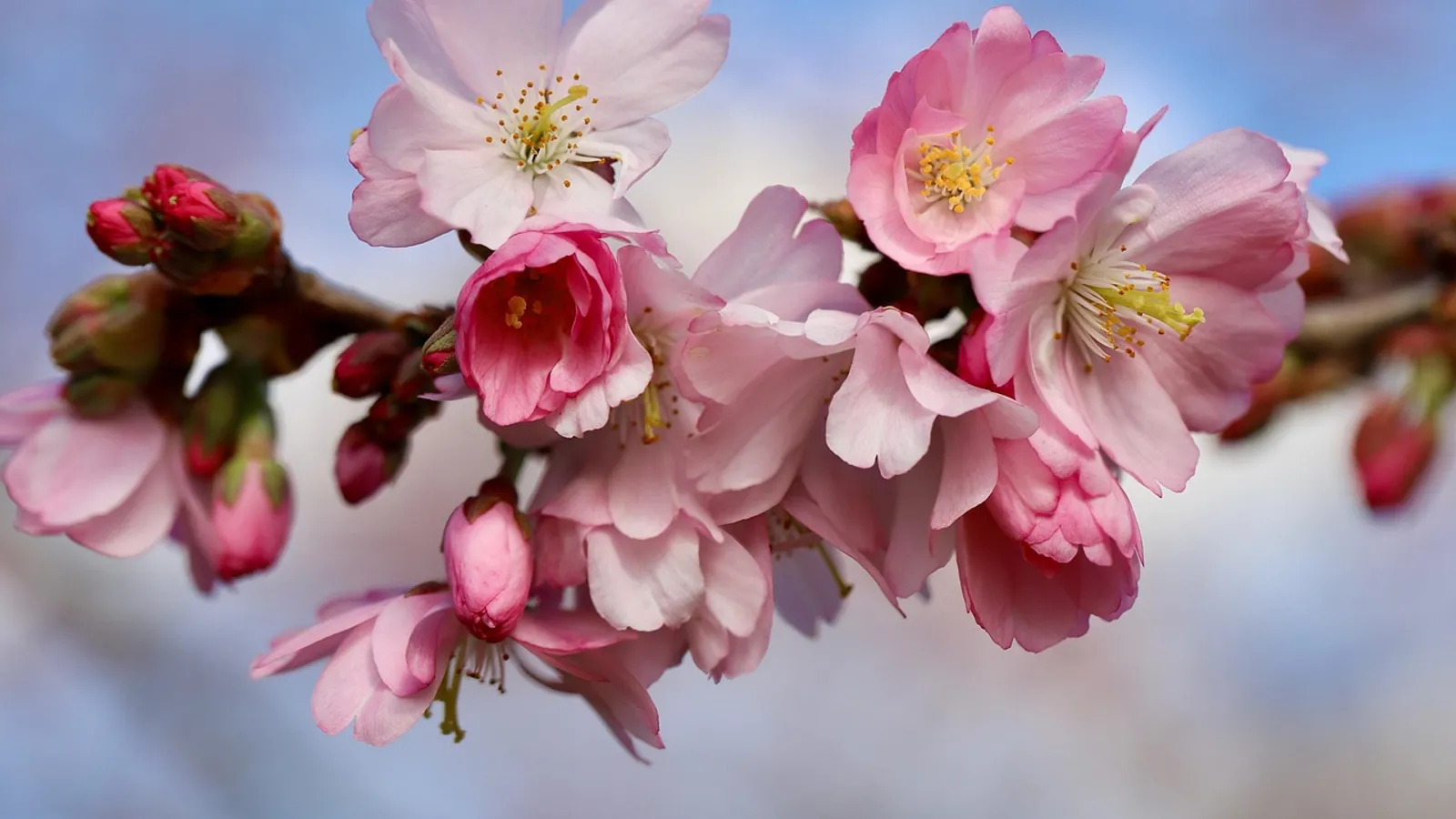
The plum trees start flowering in early February, well ahead of the cherry blossoms, and the plum festivals follow (details below). Two public holidays fall in the month: National Foundation Day on 11 February and the Emperor's Birthday on 23 February 2027. In the weeks before Valentine's Day, department stores set out large chocolate displays, because in Japan the custom is to give chocolate on the day.
Winter illuminations and Christmas markets
The winter illumination in Tokyo runs mostly from November to 25 December, a few displays carry on into February, and the lights usually come on around sunset. Most street displays cost nothing to see, according to the GO TOKYO winter illumination guide (updated 12 Nov 2026). The table lists the dates the organisers have published for this season.
| Illumination | Area | Dates (2026) | Lights on |
|---|---|---|---|
| Keyakizaka Illumination "Snow & Blue" | Roppongi Hills | 5 Nov to 25 Dec | 5 pm to 10 pm |
| Mohri Garden Illumination | Roppongi Hills | 13 Nov to 25 Dec | 5 pm to 11 pm |
| Tokyo Skytree Town Dream Christmas | Oshiage | 5 Nov to 25 Dec | Not given on the event page |
| Tokyo Dome City Winter Illumination | Suidobashi | From 19 Nov | 5 pm to midnight (from 6 pm on 19 Nov) |
Checked 13 Nov 2026 on each organiser's site. Tokyo Dome City's end date is shown only in an image on its page, so check it there.
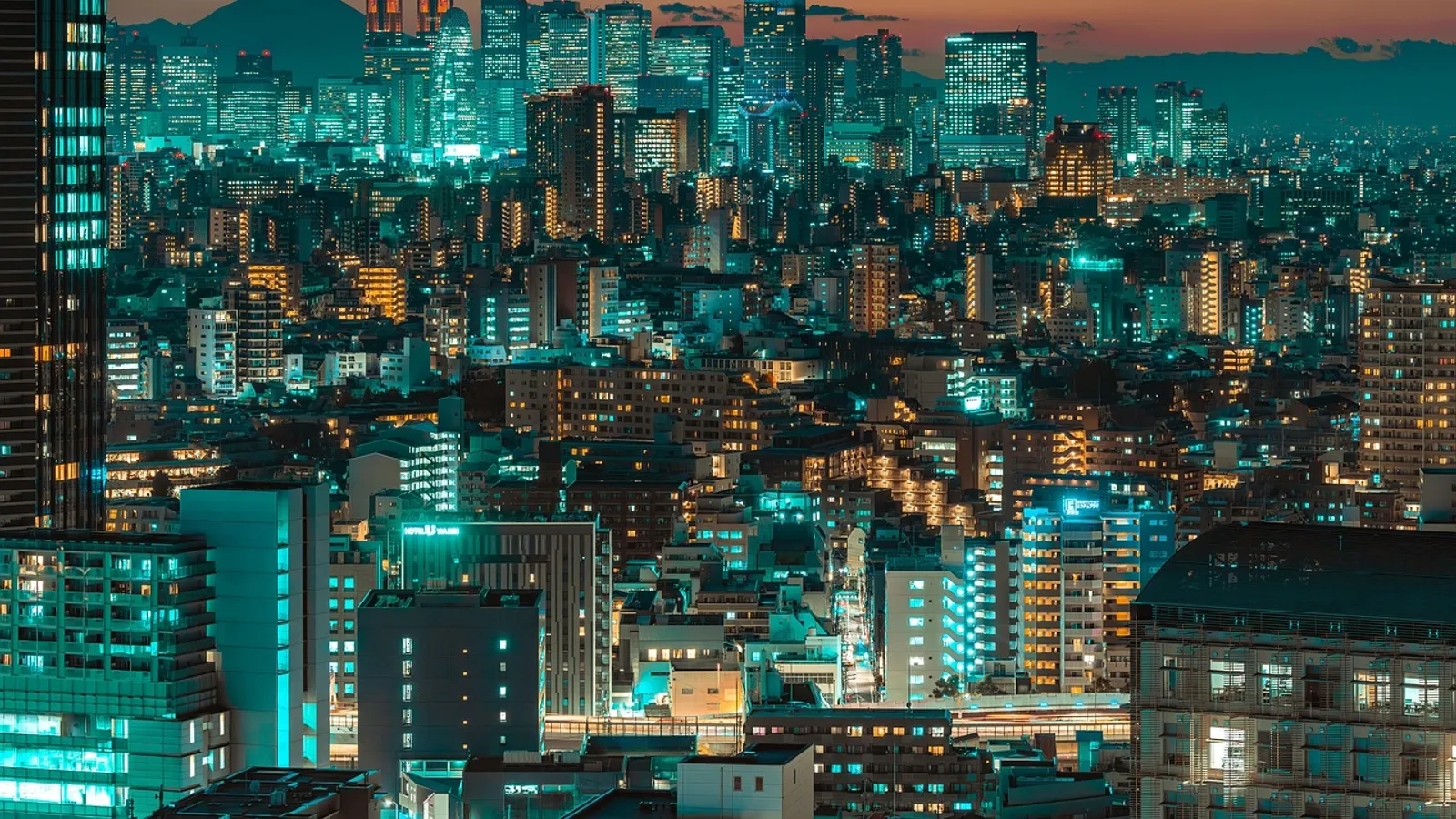
The Keyakizaka lights cover a street of about 400 metres, with Tokyo Tower at the end of the view. Tokyo Dome City, now in its 22nd winter display, uses more than a million white lights around a snow-globe theme. At Skytree, the tower itself takes on three special Christmas lighting designs that change roughly every 15 minutes, according to the tourism board. Marunouchi, Omotesando, Ginza, Ebisu, Nakameguro and Tokyo Midtown in Roppongi also light up; their official pages publish their own dates.
Christmas markets
Tokyo's Christmas markets follow the German model: wooden huts, mulled wine, sausages and ornaments. These five have published their dates for this season; Marunouchi also holds one on Naka-dori, according to the tourism board.
| Market | Place | Dates (2026) | Hours |
|---|---|---|---|
| Tokyo Skytree Town Christmas Market | 4F Sky Arena, Oshiage | 5 Nov to 25 Dec | 11 am to 10 pm (last order 9 pm) |
| Roppongi Hills Christmas Market | O-yane Plaza, Roppongi | 21 Nov to 25 Dec | 11 am to 9 pm |
| Tokyo Christmas Market, Shin-Toyosu | Shin-Toyosu | 20 Nov to 25 Dec | 11 am to 9:30 pm (from 4 pm on 20 Nov) |
| Tokyo Christmas Market, Shiba Park | Onarimon Station Square | 4 Dec to 25 Dec | 11 am to 10 pm (from 4 pm on 4 Dec) |
| Tokyo Tower Christmas Market | Plaza at the main entrance | 13 Nov to 25 Dec | Not given in the guide |
Checked 13 Nov 2026 on the organisers' sites; the Tokyo Tower dates come from the GO TOKYO illumination guide.
The Roppongi Hills market is holding its 20th edition this year, with ten stalls laid out to recreate Stuttgart's market. The Tokyo Christmas Market began in Hibiya Park in 2015 and this year splits across two sites; its official site sells advance tickets bundled with a mug.
The Tokyo Skytree Christmas market
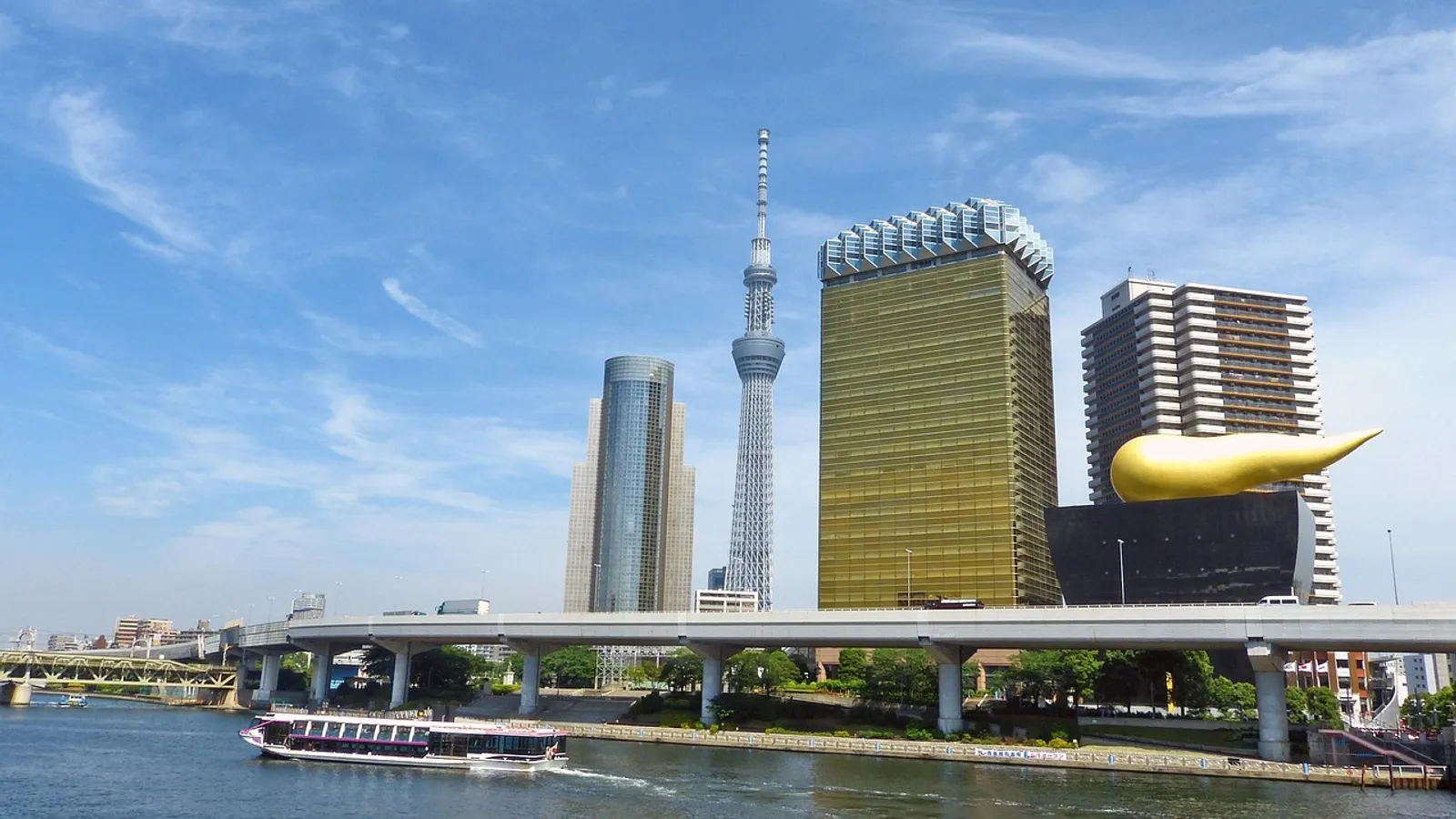
The Tokyo Skytree Christmas market runs from 5 November to 25 December 2026, from 11 am to 10 pm, on the Sky Arena on the fourth floor of Tokyo Skytree Town. This is its 11th year. Fifteen European-style wooden huts sell seasonal food and drink, and Tokyo Solamachi lists the entry fee as none. It sits at the foot of the tower, so you can pair it with an evening on the observation decks; our guide to Tokyo Skytree tickets covers the deck options and time slots.
Tokyo illumination and night tours to compare

Tokyo Twilight Expedition Car Tour – Nighttime City Cruise!
5.0(1)2 hours - 3 hoursViewFrom$503
Tokyo After Dark Scenic Night Tour
5.0(7)5 hoursViewFrom$194
Tokyo Private Night Tour by Van English Chauffeur
5 hours - 6 hoursViewFrom$300
Tokyo Private Night Cruise Experience
5.0(3)3 hr 30 minViewFrom$326
Hakodate Private Tour with Driver Goryokaku and Mt Hakodate
9 hoursViewFrom$892
Private Night Cityscape and Food Walking Tour in Sapporo
5.0(1)4 hours - 5 hoursViewFrom$73
Asakusa Photo Night
5.0(1)1 hourViewFrom$19
Tokyo Night Photo Spots Tour With Local Japanese Guide
5.0(1)3 hours - 4 hoursViewFrom$259
YOIAKARI SENDAI Entry Ticket
30 minutes - 1 hourViewFrom$6
All Inclusive Private Neo Tokyo Tour on a Luxury Car
5.0(1)8 hr 30 minViewFrom$617
New Year in Tokyo: what closes and what to do
Expect closures from about 28 December to 3 January. Museums, shops and restaurants often close for a few days or open shorter hours at New Year, and the tourism board tells visitors to confirm on each official site. The shrines and temples are the opposite: they are at their busiest.
| Place | New Year closure |
|---|---|
| Shinjuku Gyoen National Garden | Closed 29 December to 3 January |
| East Gardens of the Imperial Palace | Closed 28 December to 3 January |
| National Museum of Western Art | Closed 28 December to 1 January |
| Department stores and many shops | Many close on 1 January; sales start from around 2 January |
Closure days as published by each venue, checked 13 Nov 2026.
Hatsumode. The tourism board's winter guide says Meiji Jingu "is visited by over 3 million people over the first three days of the new year", the most of any place in Japan. If you want to see the shrine without the crush, go after 3 January. Senso-ji in Asakusa is the other big hatsumode site.
The first sunrise. Tokyo Skytree has announced special opening hours on 1 January 2027 for the first sunrise of the year (Tokyo Skytree opening hours, checked 13 Nov 2026). Sunrise that day is at 6:50 am.
Planning around New Year
Put museums and gardens on 26 or 27 December, or from 5 January, and keep 31 December to 3 January for shrines, temples, the first-sunrise opening and walks. Skip 4 January 2027: it is a Monday, and all three places in the table also close on Mondays (the East Gardens on Fridays too). Check each museum's own calendar, because closure days differ from place to place.
Things to do in Tokyo in winter
Some Tokyo experiences are better in winter than at any other time, because they use the clear air, the cold or the calendar. These five are the Tokyo attractions in winter we would plan a day around. Our year-round list of Tokyo sights and activities covers everything else.
Observation decks on clear days
Tokyo Skytree's own answer to the best season for views is short: "Generally, the air is clearer from November to February" (Tokyo Skytree FAQ, checked 13 Nov 2026). On those days the same page says you may see Mt Fuji and other mountains of the Kanto region, and it recommends daytime visits for the long view. Early December also gives you sunset before 4:30 pm, so a late-afternoon slot shows you the city in daylight, at dusk and after dark in one visit.
At Roppongi Hills, the Tokyo City View deck, 250 metres above sea level, adds a Christmas tree and a seasonal menu for "Christmas in the Sky" from 13 November to 25 December 2026 (Roppongi Hills).
Tokyo Skytree and observation deck tickets to compare
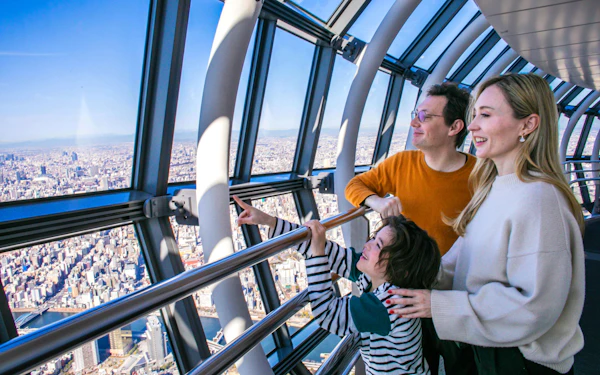
TOKYO SKYTREE Tickets
4.5(5,216)ViewFrom$14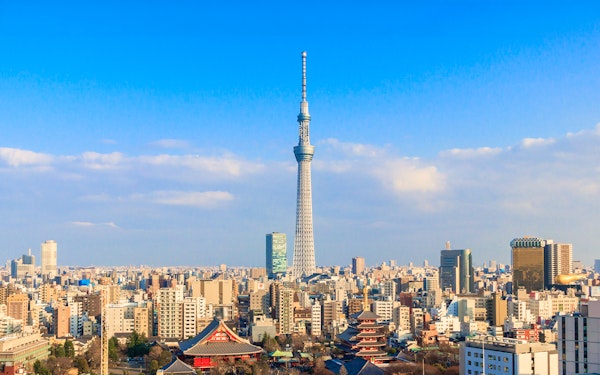
TOKYO SKYTREE Tembo Deck & Tembo Galleria Tickets
4.6(3,000)ViewFrom$23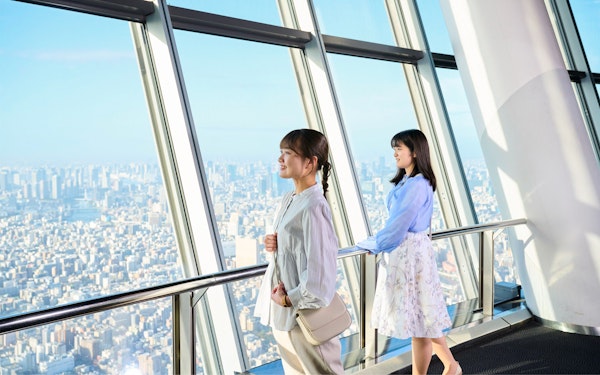
TOKYO SKYTREE Tembo Deck Morning Entry Tickets with Soft Drink & Snack
5.0(4)ViewFrom$17
Tickets to Sunshine 60 Observatory Tenbou Park
3.5(2)ViewFrom$5
Tokyo Tower Top Deck Tickets
4.7(264)ViewFrom$23
Combo: teamLab Planets Tokyo + Tokyo Observation Decks Tickets
4.6(305)ViewFrom$54
Combo: TOKYO SKYTREE + Sumida Aquarium Tickets
4.7(194)ViewFrom$35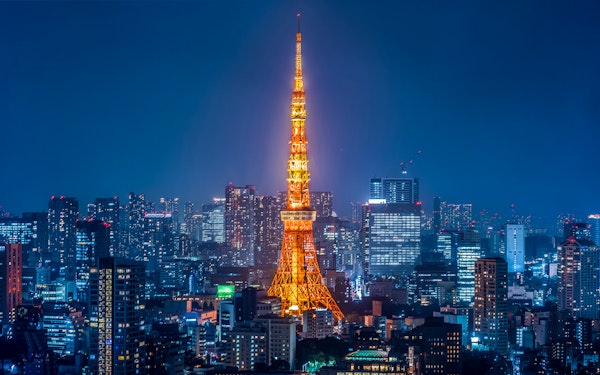
Tokyo Tower Tickets
4.5(2,645)ViewFrom$11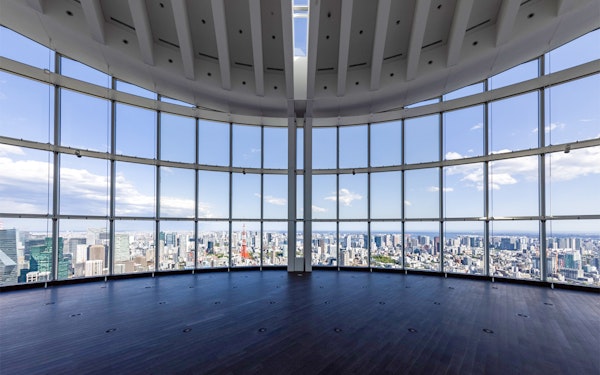
Tokyo City View Observation Deck at Roppongi Hills Mori Tower
4.7(94)ViewFrom$12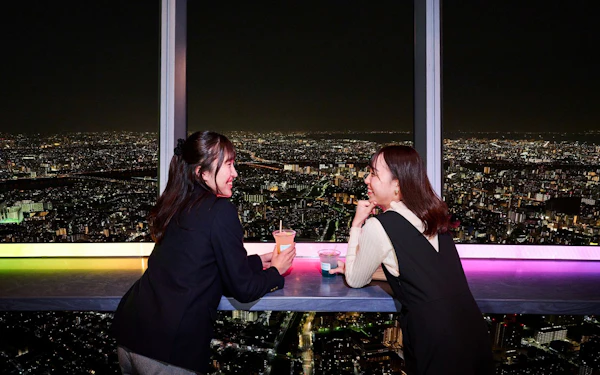
TOKYO SKYTREE Tembo Deck Night Entry Tickets with Alcoholic Drink
4.3(50)ViewFrom$16
Onsen and sento
A hot bath is the obvious answer to a cold evening, and Tokyo has two kinds. Sento are neighbourhood public bathhouses, and their price is the same across the city: since 1 August 2026 an adult (12 and over) pays ¥600, a child of 6 to 11 pays ¥200 and a child under 6 pays ¥100 (Tokyo Sento Association, checked 13 Nov 2026). Onsen draw on natural hot-spring water, and the classic winter version is a day in the hot-spring towns outside the city. Our Hakone day trip from Tokyo guide covers that option, including how to get there.
Hakone hot spring day trips to compare

Hakone Onsen Experience, Lake Ashi, Open-Air Museum Tour
7 hoursViewFrom$236
Hakone customized private one day tour
5.0(1)7 hoursViewFrom$196
Private Tour - Hakone Day Trip! A Tour to Explore All Must-Sees!
4.9(99)7 hr 30 minViewFrom$178
Private Hakone Day Trip from Tokyo: Lake Ashi, Owakudani & Onsen
5.0(4)7 hours - 10 hoursViewFrom$490
Day Trip to Hakone from Tokyo with National Licensed Guide
9 hoursViewFrom$575Hakone Full-Day Private Tour
4.8(5)7 hoursViewFrom$255
Hakone in 1 Day by Private Car with Licensed Guide
5.0(10)6 hoursViewFrom$395
Hakone, majestic moment waiting!
4.4(5)6 hoursViewFrom$185
Traverse Outer Rim of Hakone Caldera and Enjoy Onsen Hiking Tour
5.0(34)7 hours - 8 hoursViewFrom$165
Hakone Valley Hike, Forest Bathing and Wagashi shop (Half-day)
5.0(3)3 hr 30 minViewFrom$132
Sumo in January
Of the six Grand Sumo Tournaments in a year, Tokyo stages three, and January's is the winter one. In 2027 the bouts run from 10 January to 24 January in the Ryogoku Kokugikan arena. The Japan Sumo Association starts selling advance tickets on 5 December 2026 and publishes the rankings on 21 December (Japan Sumo Association schedule, checked 13 Nov 2026). Demand is high: the tourism board reports that in 2024, tickets for all 90 tournament days sold out for the first time in 28 years (GO TOKYO sumo guide). If the seats you want are gone, look at experiences built around a morning practice session or a chanko meal instead.
Sumo experiences in Tokyo to compare

Authentic Tokyo Sumo: Enter the Ring & Chanko Lunch in Kawasaki
5.0(749)4 hr 10 minViewFrom$167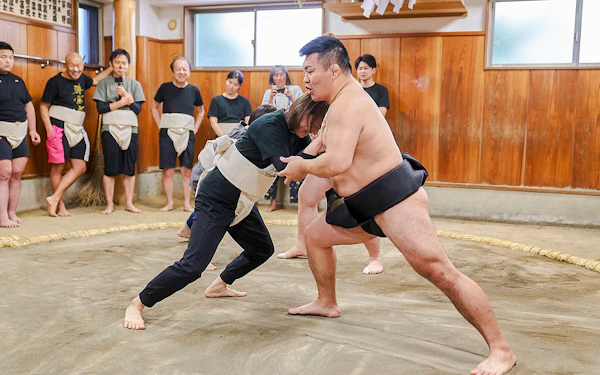
Sumo Show on a Special Dohyo with Chanko-Nabe Dinner · Koto City
0.0(0)2 hoursViewFrom$144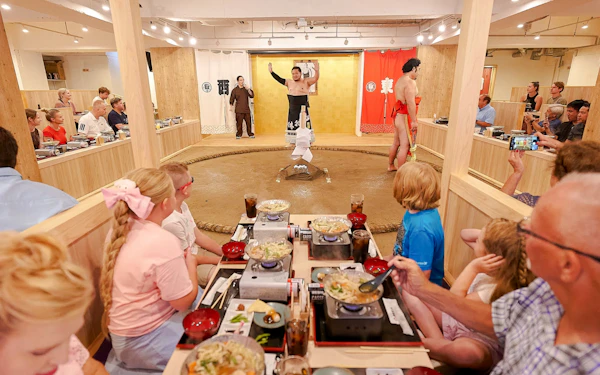
Sumo Show, Ring Practice & Chanko-Nabe Dinner with a Retired Wrestler · Ryogoku
0.0(0)2 hoursViewFrom$123
Sumo Stable Intimate Morning Practice
5.0(3)4 hoursViewFrom$125
Osaka Sumo Experience : Sumo Show, Try Sumo & Hot Pot Meal
4.9(76)1 hour - 1 hr 30 minViewFrom$78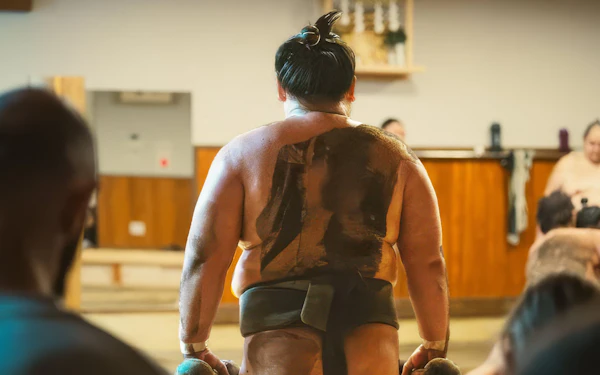
The Classic Sumo Show — Live Bouts, Q&A with Wrestlers & Souvenir Photo · Shinjuku
4.8(70)1 hr 30 minViewFrom$38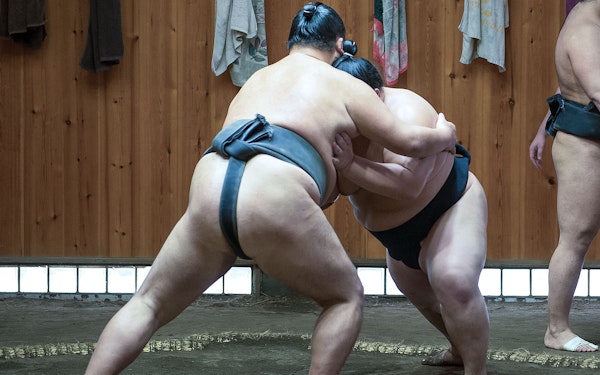
Tickets to Sumo Morning Training in Tokyo
3.7(7)2 hr 30 minViewFrom$69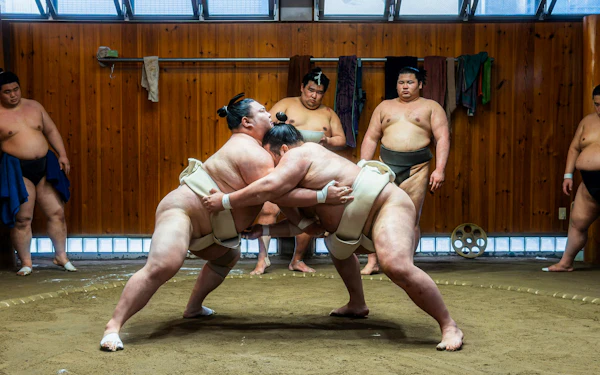
Authentic Tokyo Sumo Practice with Seat, Photos, and Audio Guide
5.0(1)2 hoursViewFrom$149
Yokuzuna Sumo Stable Morning Practice in Osaka
5.0(2)3 hoursViewFrom$110
Plum blossoms in February
The tourism board dates the start of plum blossom season in Tokyo to early February. Two festivals are the best known:
- Bunkyo Ume Matsuri at Yushima Tenmangu (Yushima Tenjin), a shrine with about 300 plum trees, mostly white-flowered. Bunkyo City says the festival runs every year from early February to early March; the 2026 edition ran from 8 February to 8 March (Bunkyo City). The tourism board puts the peak in the second half of February.
- Setagaya Ume Matsuri at Hanegi Park, with outdoor tea ceremonies and mochi pounding on weekends and holidays, plus plant stalls. The 2026 festival ran from 7 February to 1 March (GO TOKYO).
Neither has published 2027 dates yet. Check the official pages from January.
Winter food
Winter is hot-pot season. The tourism board singles out chanko nabe, the hearty stew sumo wrestlers eat, around Ryogoku, along with sukiyaki, shabu-shabu and motsu nabe in specialist restaurants and izakaya. An easy warm snack is oden, fish cake and vegetables simmered in broth, which convenience stores sell by the piece from a pot beside the till in the winter months. You point at what you want.
Mt Fuji views in winter
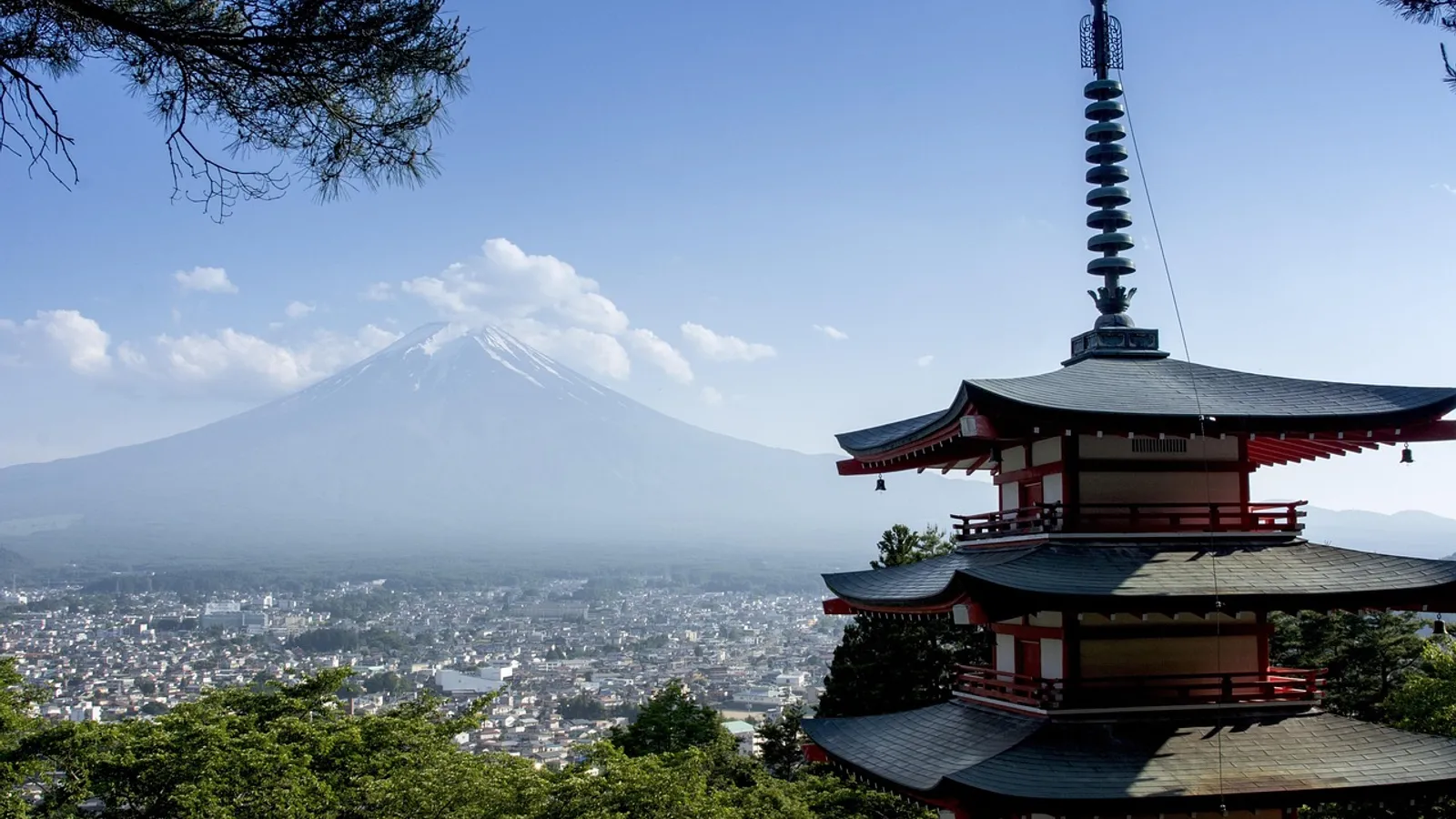
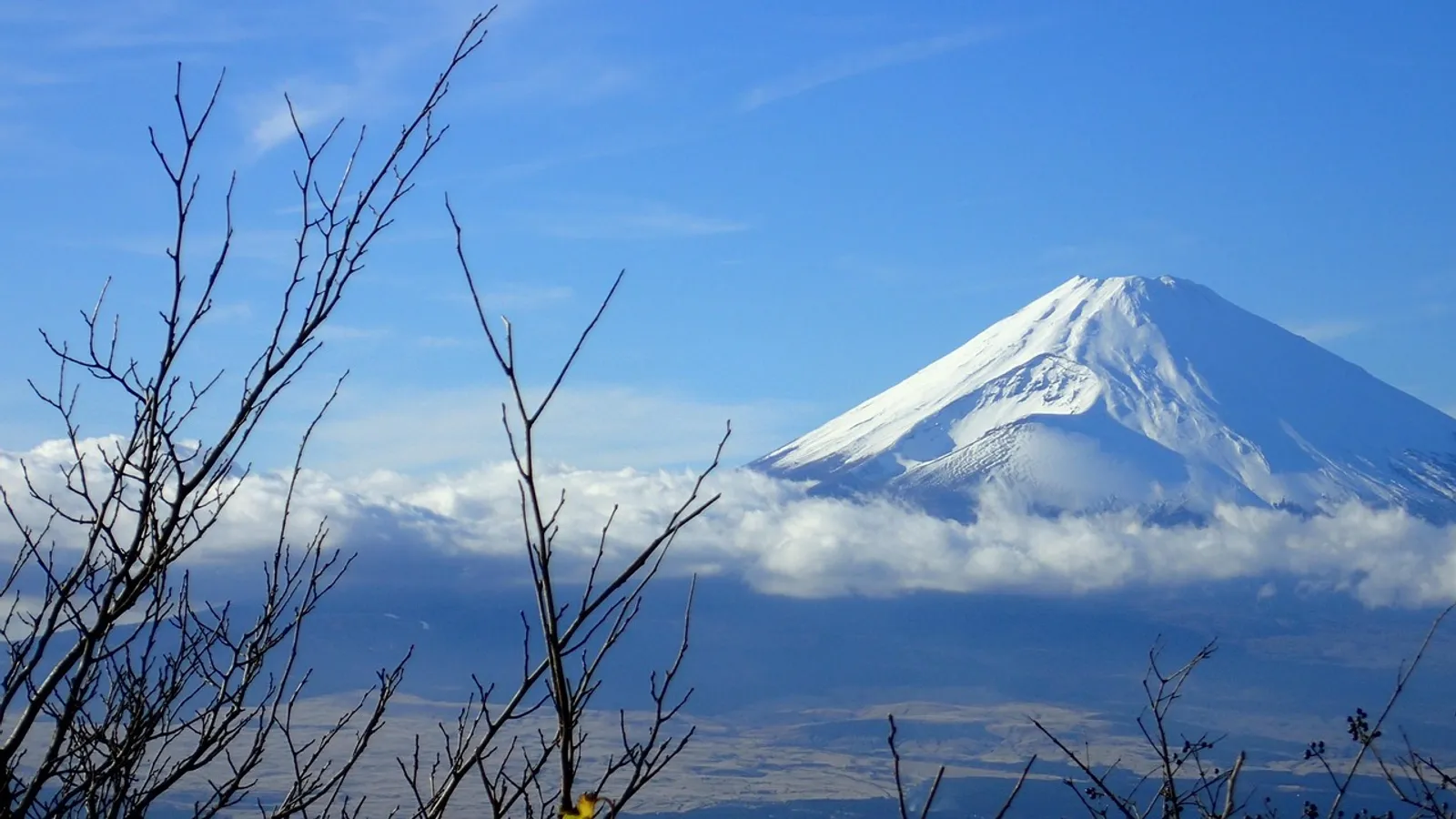
Winter gives you the best odds of seeing Mt Fuji from the city, by Tokyo Skytree's own account: its FAQ rates the chance as high in the colder months, when the air is clear, and in the early morning. Nothing guarantees it, so check the sky before you buy a deck ticket for the view alone. For a closer look at the mountain, our Mt Fuji day trip from Tokyo guide compares the routes and tours.
Day trips from Tokyo in winter
The best winter day trips swap the city's lights for hot springs, mountain shrines or the famous bathing monkeys. Our hub on day trips from Tokyo in winter compares the options and how to reach them. Two notes for this season (Hakone is covered under onsen above):
- Nikko. Toshogu shrine keeps winter hours of 9 am to 4 pm from 1 November to 31 March, with the last entry 30 minutes before closing (Nikko Toshogu, checked 13 Nov 2026).
- Jigokudani snow monkeys. The park, at an altitude of 850 metres, gives entry priority to online ticket holders from December to April. Its own guide explains that the monkeys use the hot spring to keep off the cold and do not bathe at all hours (Jigokudani Yaen-koen).
Snow monkey tours from Tokyo to compare

Day Trip Snow Monkey in Nagano from Tokyo by bullet train
5.0(1)12 hoursViewFrom$1,191
Relaxed Snow Monkeys & Shibu Onsen: Green Season Private Tour
5.0(7)4 hr 30 minViewFrom$571
Myoko and Madarao Day Tour Snow Monkeys, Zenkoji and Sake
5.0(9)8 hours - 10 hoursViewFrom$140
Private Snow Monkey Tour - Conveniently Resort Hop and Sightsee
5.0(57)8 hours - 10 hoursViewFrom$421
1-Day Winter Tour From Nozawa Onsen: Snow Monkeys, Zenko-ji Temple & Sake
5.0(42)8 hours - 9 hoursViewFrom$142
Nagano Winter Special Tour "Snow Monkey and Snowshoe Hiking"!!
5.0(3)9 hoursViewFrom$522
Private Yonako Falls Snowshoe Tour with Snowcat from Nagano
5.0(1)7 hr 30 minViewFrom$683
Togakushi Shrine & Snow Monkey Full-day Private Tour
5.0(1)9 hoursViewFrom$841
Snow Monkeys & Obuse from Nagano: Car & Driver, No Guide
5.0(1)8 hoursViewFrom$396
Private Charter Service to Visit Snow Monkey Park
5.0(1)1 hour - 13 hoursViewFrom$610
What to wear in Tokyo in winter
Wear layers you can take off. Outdoors you need a warm coat, scarf, gloves and a hat for the evenings, but trains, shops and museums are heated, so a thick jumper under the coat gets too warm indoors. The tourism board suggests a heavy jacket, scarf and winter cap, and notes that convenience stores sell disposable heat pads you can stick inside shoes, gloves and jackets.
For winter fashion in Tokyo, think practical layers: a wool coat or a down jacket over a light knit works for shrines in the morning and restaurants at night. Some specifics:
- Shoes. You will walk a lot, often on gravel at shrines and the Imperial Palace. Comfortable, closed shoes with grip beat fashion boots. For its New Year greeting, the Imperial Household Agency asks visitors to avoid high heels because of the gravel and slopes.
- Evenings out. Illumination walks and Christmas markets are outdoors after dark, when temperatures drop towards the nightly lows of 1°C to 4°C. Gloves matter more than you expect if you are holding a phone or a hot drink.
- Rain gear. A compact umbrella is enough; winter is the driest season.
- Snow. Not something to pack for in the centre. Bring boots only if you plan to hike in the hills of western Tokyo, where the tourism board warns that roads and trails can turn icy.
Winter experiences compared across booking sites
One onsen trip or illumination tour can appear on more than one booking site, and the price and what it covers are not always the same. Look past the headline price and check:
- What is included. For an onsen day trip, check whether bath entry, transport passes and lunch are in the price. For a sumo experience, check whether it is a tournament seat, a morning practice or a themed meal.
- Timing. Illumination tours only make sense after about 5 pm, and most displays end on 25 December. A tour dated after Christmas may visit only the long-running displays.
- Meeting point and finish time. Day trips that return after dark are normal in winter; check the last train if the tour ends away from your hotel.
- Cancellation terms. Heavy snow or strong wind can suspend trains, so a booking you can change or cancel up to a day before is worth a little more.
Each card names the booking site that sells it, so you can set similar experiences from different sites against each other before you click through. For the full range in the city, browse Tokyo tours.
Compare Tokyo winter experiencesCommon questions about Tokyo in winter
Does it snow in Tokyo in winter?
Occasionally, and it rarely settles. The Japan Meteorological Agency's normals give Tokyo 0.6 days with snowfall in December, 2.8 in January and 3.5 in February, about 8.5 days in a whole year. The normal for the deepest snow cover in January or February is 3 cm. The hills of western Tokyo, around Okutama, see snow and icy trails more often than the centre.
Is Christmas a holiday in Tokyo?
No. 25 December is not a public holiday in Japan, and most shops and attractions stay open that day. Christmas Eve is the main celebration, when families, couples and friends exchange gifts, and fried chicken and Christmas cake are the seasonal favourites. The holiday that shuts things is New Year, from about 28 December to 3 January.
Can you see the Emperor at New Year in Tokyo?
Yes, if the New Year public greeting at the Imperial Palace runs as it did in 2026. That year it was held on 2 January: visitors entered through the Main Gate from 9:30 am to 2:10 pm, and the Emperor and Empress appeared on the balcony five times. The 2027 date and hours were not yet posted on 13 November 2026, so look on the Imperial Household Agency's page in December. In 2026 bags were inspected at the gate and visitors were asked to leave large items in station lockers.
Do trains in Tokyo run normally in winter?
Almost always. Snow seldom settles, so trains and buses run as usual. When heavy snow or strong winds are forecast, rail companies sometimes schedule planned suspensions and announce them beforehand, so check the operator's site or the news the evening before a day trip.
Do you have to pay to see Tokyo's illuminations?
Usually not. The tourism board says most street displays cost nothing to see, and Tokyo Solamachi lists no entry fee for the Christmas market at Tokyo Skytree Town. You pay for food, drink and extras such as observation decks, and the Tokyo Christmas Market sells advance tickets on its own site.
Which winter month is best for a trip to Tokyo?
It depends on what you want. December has the illuminations and markets, with mild days by winter standards. January has the most sunshine and the clearest views, plus New Year and the sumo tournament, but it is the coldest. February brings Setsubun, plum blossoms and longer afternoons, and slightly more chance of snow.
What happens at Setsubun in Tokyo?
People throw roasted soybeans to drive out bad luck and welcome good fortune, at home and at temple and shrine ceremonies. At Senso-ji the chant is different: the temple says there are no demons near Kannon, so it calls for long life and good fortune instead of shouting at demons. In 2027 Setsubun falls on 3 February.
Sources
All checked on 13 November 2026.
- Japan Meteorological Agency: climate normals for Tokyo, 1991 to 2020
- National Astronomical Observatory of Japan (NAOJ), Tokyo sunrise and sunset tables: December 2026, January 2027, February 2027; 2027 almanac, solar terms and Setsubun
- Cabinet Office: national holidays for 2026 and 2027
- GO TOKYO (Tokyo Convention & Visitors Bureau): winter guide, December, January, February, winter illumination guide 2026-2027, sumo guide, Setagaya Ume Matsuri
- Roppongi Hills Christmas 2026
- Tokyo Solamachi: Tokyo Skytree Town Dream Christmas 2026 and Christmas market 2026
- Tokyo Dome City Winter Illumination 2026
- Tokyo Christmas Market 2026
- Tokyo Skytree: FAQ and opening hours
- Meiji Jingu: how to visit
- Senso-ji: annual events
- Setagaya City: Setagaya Boro-ichi
- Bunkyo City: Bunkyo Ume Matsuri
- Imperial Household Agency: New Year public greeting and East Gardens
- Shinjuku Gyoen National Garden: admission and closed days
- National Museum of Western Art: hours and closed days
- Japan Sumo Association: 2027 tournament schedule
- Tokyo Sento Association: bath prices
- Nikko Toshogu: hours and admission
- Jigokudani Yaen-koen (Snow Monkey Park)