TokyoItineraryJapanAsakusaFood tours
3 Days in Tokyo: The Perfect First-Timer's Itinerary
A 3-day Tokyo itinerary that actually flows: old Tokyo and Asakusa on day one, food and markets on day two, a Mt Fuji or city-deep-dive day three, with the tours travelers rate highest at each stop.
By SimilarTours Editorial · Travel Research · · 16 min read

The mistake most first-timers make in Tokyo is treating it like one city. It is closer to a dozen districts welded together, each with its own pace, and three days spent crisscrossing between them on the train is three days mostly spent on the train. The fix is to cluster: give each day a part of the city and a theme, and let the days flow instead of fighting the map.
This 3-day Tokyo itinerary does exactly that, built for a first visit: old Tokyo on day one, food and the central districts on day two, and a flexible day three you can spend going deep in the city or out to Mt Fuji. Every tour referenced is currently bookable through our partner OTAs and ranked on real ratings and review counts, verified June 2026.
Browse all Tokyo tours and experiences →Before you go
Where to stay. Shinjuku and Shibuya for energy and transit; Asakusa and Ueno for quieter, better-value, more traditional bases with fast subway links; Tokyo Station and Ginza for central polish at a higher price. Pick one and stay put for all three nights; Tokyo is too spread out to switch hotels mid-trip without losing half a day, and a base on a major line saves time everywhere you go.
How to get around. Buy a Suica or Pasmo IC card the moment you land and tap through every gate. Trains stop around midnight, so anchor late nights to that. Taxis exist but are expensive and rarely faster than the train.
What to book ahead. The big guided days (Mt Fuji coach tours, popular small-group food tours) sell out in peak season. The short walking tours you can usually book a day or two out.
Money and etiquette. Tokyo runs on quiet courtesy: keep your voice down on trains, do not eat while walking, and never tip, it is not expected and can confuse. Carry a coin purse, because vending machines, shrines, and small eateries still want cash. Slip-on shoes save time at any restaurant or temple where you remove them at the door.
Pace it. Three days of district-hopping adds up to a lot of walking, often 20,000-plus steps a day. Build one proper sit-down meal into each day rather than grazing on the move, and do not schedule a guided experience for every slot, Tokyo rewards an hour of unplanned wandering as much as any booked tour.
Day 1: Old Tokyo and Asakusa
Start where the city is oldest. The Asakusa district, the temple streets, and the imperial grounds give you a calmer, more traditional Tokyo before the neon districts. A morning walking tour here is the easiest way to land softly, learn the train system from a guide, and get your bearings.
Morning: Asakusa on foot
Top Asakusa and old-town walking tours

Asakusa Senso-ji Temple and Old Tokyo Walking Tour
A guided morning through the old-town temple streets - the gentlest first-day orientation, and cheap enough to leave budget for the rest.
4.9(929)2 hoursViewFrom$30
Tokyo: Imperial Palace and Shogun Historical Walking Tour
Walks the imperial grounds with a guide - a strong pairing with Asakusa for a day rooted in old Tokyo rather than the neon districts.
5.0(2,849)2 hoursViewFrom$22
Tokyo Asakusa Rickshaw Tour
A short hand-pulled rickshaw ride through the Asakusa backstreets - the highest-rated quick experience in the district, good for tired legs or kids.
5.0(1,416)30 minutesViewFrom$38
Tokyo: Asakusa, Senso-ji temple & Shrine Walking Tour
5.0(101)2 hoursViewFrom$13
Tokyo: Private Asakusa Walking Tour with Sensoji Temple
5.0(1)1 hr 30 minViewFrom$32
Asakusa and Sensoji Guided Tour in Tokyo 90min
5.0(11)1 hr 30 minViewFrom$17
Tokyo: Asakusa Senso-ji Temple & Old Town Walking Tour
4.9(355)2 hoursViewFrom$15
Asakusa History and Kappa Street (Kappabashi Dogugai) Tour
4.7(12)2 hoursViewFrom$17
Tokyo: Asakusa Senso-ji Temple & Old Town Walking Tour
5.0(1,221)2 hoursViewFrom$22
Tokyo: Asakusa Walking Tour with Local guide and Photographer
5.0(4)2 hoursViewFrom$63
Afternoon: get the lay of the land
If it is your very first time in Japan, the afternoon is a good slot for a full city overview that strings together the headline sights so you know which districts to return to. The all-day bus tour below is the most-reviewed single experience in the whole Tokyo catalog for a reason: it does the orientation work for you on day one.
Top full-day Tokyo overview tours

1-Day Tokyo Bus Tour
The most-booked single Tokyo experience by review volume - a full-day coach loop of the headline districts, ideal for first-day orientation.
4.9(15,841)9 hoursViewFrom$124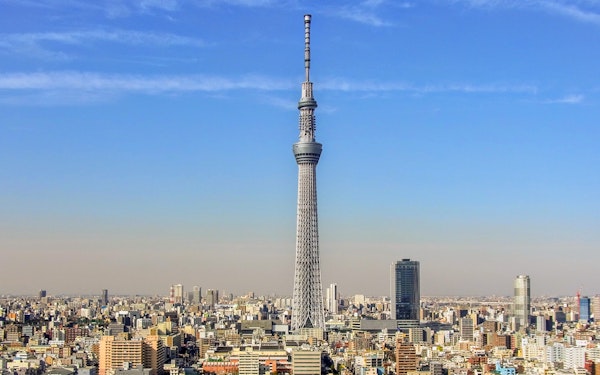
Amazing Tokyo 1-Day Bus Tour
5.0(1)10 hoursViewFrom$119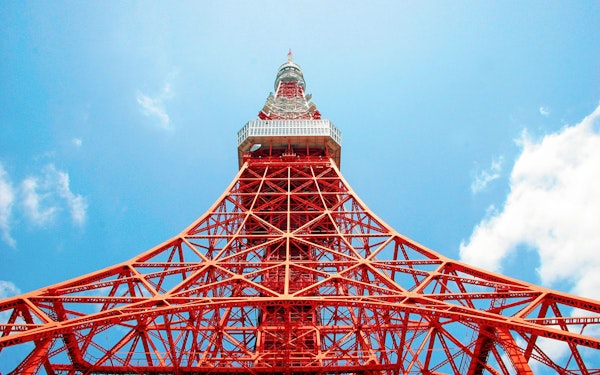
Tokyo Half-Day Tour with Tokyo Tower, Imperial Palace & Asakusa
4.8(5)4 hr 40 minViewFrom$39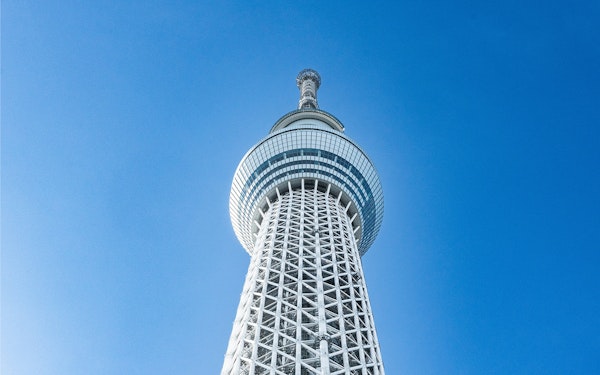
Tokyo Full‑Day City Tour with Tokyo Skytree, Meiji Jingu Shrine, Imperial Palace & More
2.6(5)10 hoursViewFrom$81
Tokyo in 1 Day from Yokohama by Car with Licensed Guide
5.0(37)8 hoursViewFrom$475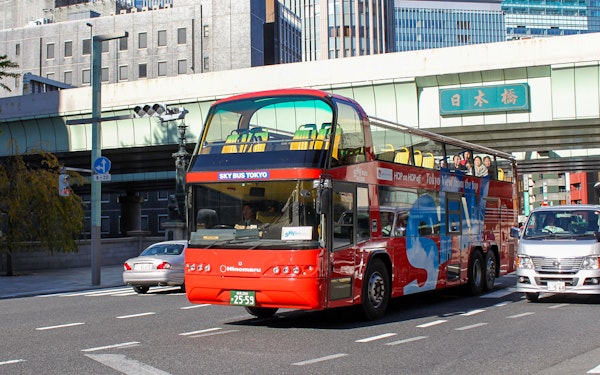
Sky Hop Bus: Tokyo Hop-On Hop-Off Bus Tour
4.1(929)ViewFrom$30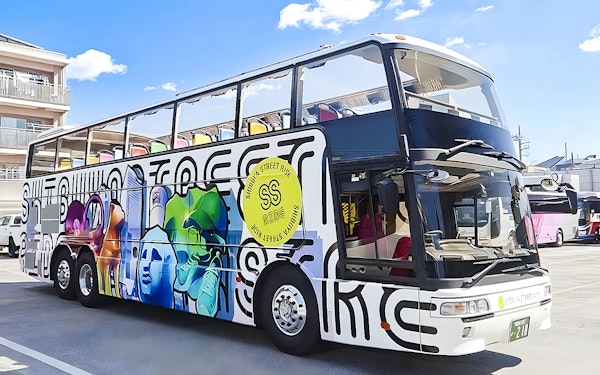
Shibuya Street Ride: Tokyo Panoramic Bus Tour
3.9(8)2 hoursViewFrom$13
1 Day Tokyo Private Custom Tour
5.0(6)10 hoursViewFrom$325
Tokyo Highlights Asakusa Shibuya and Meiji Shrine Tour
5.0(1)5 hr 30 minViewFrom$162Tokyo Layover Customized Tour from Narita, Licensed Guide
4.6(5)8 hoursViewFrom$204
Evening
Stay in the old-town mood with a quiet izakaya dinner near Asakusa, or cross town to see the Shibuya crossing light up after dark, the famous scramble is at its best from a window above it once the screens and crowds come alive. If you still have energy, the lantern-lit lanes of Shinjuku's Omoide Yokocho or Golden Gai give you a dense, atmospheric introduction to Tokyo nightlife in miniature. Either way, keep day one's evening light; jet lag is real and the next two days are busier. A short first evening that ends early sets you up to start day two fresh.
Day 2: Food and the central districts
Tokyo is one of the great eating cities on earth, and day two is the day to lean into it. Markets in the morning, a food crawl in the afternoon or evening, and the central districts in between. The guided food tours are the highest-value experiences in the city: several small tastings across local eateries you would struggle to find or order in alone.
Morning: Tsukiji and the markets
Top Tokyo market and food tours
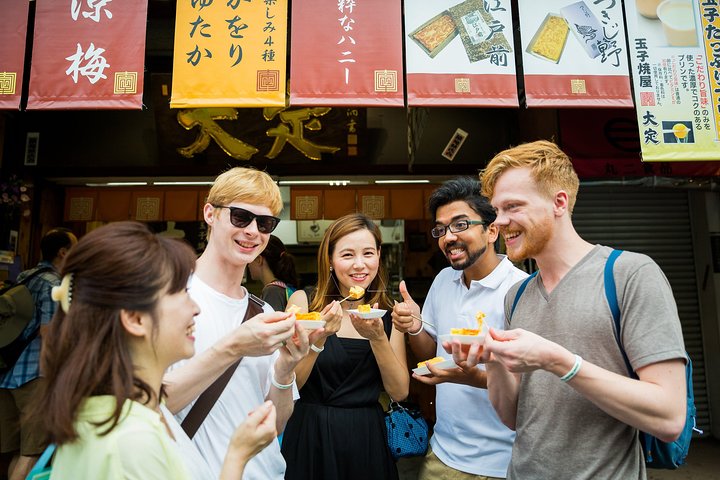
Tokyo Tsukiji Fish Market Food Walking Tour with 5 Tastings
A guided morning crawl through the Tsukiji outer market with five tastings built in - the most-reviewed market food tour in the city.
4.9(3,622)3 hoursViewFrom$107
Tokyo: Tsukiji Fish Market Food and Walking Tour
A lower-priced Tsukiji food walk with very high ratings - the value pick if you want the market tastings without the bigger ticket.
4.9(1,937)2 hoursViewFrom$31
Tsukiji Fish Market: Street Food Tour with Tasting
5.0(75)1 hr 30 minViewFrom$66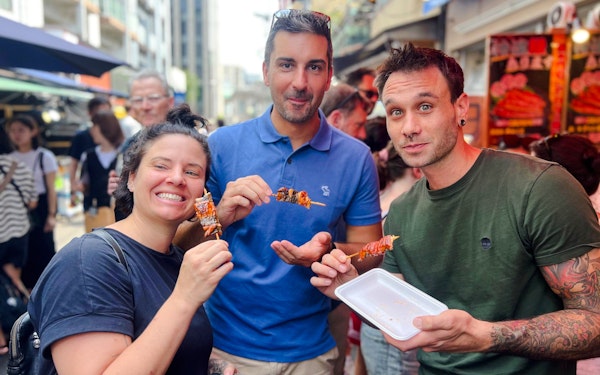
Tokyo Food Tour: Tsukiji Fish Market Walking Tour with Temple Visit
0.0(0)2 hoursViewFrom$31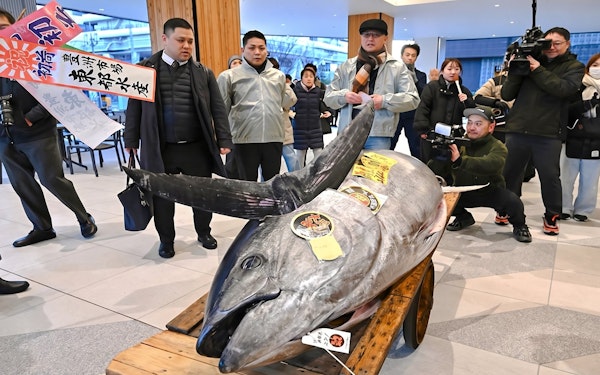
Tokyo: Toyosu Tuna Auction and Tsukiji Market Guided Walking Tour
0.0(0)3 hr 30 minViewFrom$125
Tokyo Tsukiji Fish Market Food and Walking Tour
4.8(118)2 hoursViewFrom$21
Tsukiji BBQ Tour with National licensed Guide
3 hoursViewFrom$191
Tsukiji Fish Market: Street Food & Culture Walking Tour
5.0(1,434)1 hr 30 minViewFrom$13
Learn Sushi-grade fish with a licensed guide @Yokohama fishmarket
5.0(4)2 hoursViewFrom$54
Tokyo Tsukiji Fish Market Walking Culture Tour
4.9(158)1 hr 45 minViewFrom$36
Midday: Meiji Shrine and Harajuku
Between the morning market and the evening food crawl, cross to the west side for a complete change of register. The Meiji Shrine sits in a forested precinct that swallows the city noise within a few steps of the gate, and it backs directly onto Harajuku, the loudest youth-fashion street in Tokyo. The contrast, calm shrine forest one minute, crepe stalls and boutiques the next, is one of the city's signature whiplash pairings, and a guided walk threads the two together with the context the shrine quietly rewards.
Top Meiji Shrine and Harajuku tours

Tokyo: Meiji Shrine Walking Tour, Shintoism & Imperial Symbolism
A guided walk through the Meiji Shrine forest with the Shinto context that makes the precinct legible - one of the highest-rated shrine tours in the city.
5.0(407)2 hoursViewFrom$25
Tokyo: Meiji Shrine and Shinto Culture Walking Tour
A short, very highly rated Meiji Shrine walk built around Shinto culture - a calm midday counterweight to the Harajuku streets right next door.
5.0(416)2 hoursViewFrom$20
Harajuku Meiji Shrine Walking Tour in Tokyo
5.0(112)2 hoursViewFrom$25Tokyo Highlights Asakusa Shibuya and Meiji Shrine Tour
5.0(1)5 hr 30 minViewFrom$162
Private Walking Tour in Tokyo - See all Highlights in 1 Day
5.0(1)8 hoursViewFrom$380
Art Gallery Okonomiyaki Cooking in Harajuku
5 hoursViewFrom$220
All Inclusive Private Neo Tokyo Tour on a Luxury Car
5.0(1)8 hr 30 minViewFrom$617
Tokyo Full Day Sightseeing Private City Tour with English Guide
5.0(10)8 hours - 10 hoursViewFrom$319
Tokyo Early Morning Tour Asakusa Meiji Shrine Private Opt
5.0(79)5 hoursViewFrom$59
Harajuku Private Tour: Kawaii Fashion & Animal Cafe Included
5.0(82)4 hoursViewFrom$122
Afternoon and evening: the Shinjuku food crawl
Top Shinjuku food and night tours

Tokyo: Shinjuku Food Tour (13 Dishes at 4 Local Eateries)
Thirteen dishes across four local Shinjuku eateries with a guide - one of the highest-volume, highest-rated food crawls in Tokyo.
4.9(8,626)3 hoursViewFrom$79
Tokyo: Shibuya Food Tour (13 dishes and 3 Eateries)
The Shibuya counterpart - a guided crawl through 13 dishes if you are based on that side of the city rather than Shinjuku.
4.9(1,100)3 hoursViewFrom$82
Shinjuku Night Tour Include Drinks and Food with Local Guide
5.0(1)3 hoursViewFrom$98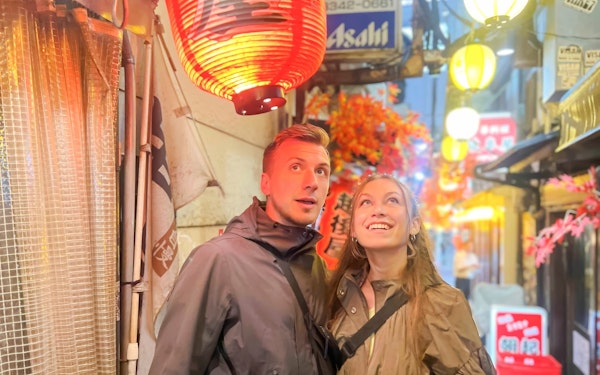
Tokyo: Shinjuku Night Food Tour With 13 Dishes Across 4 Eateries
5.0(1)3 hoursViewFrom$81![[1 Group Only] Tokyo Shinjuku Food Tour for Family](https://media-cdn.tripadvisor.com/media/attractions-splice-spp-480x320/15/b4/69/50.jpg)
[1 Group Only] Tokyo Shinjuku Food Tour for Family
4.9(308)3 hr 30 minViewFrom$77
Experience Izakaya With A Mini Food Tour Of Tokyo
5.0(2)3 hoursViewFrom$158
Best of Shinjuku: Izakaya Food Tour (3-4 Stops, 14+ Tastings)
5.0(3,599)3 hr 30 minViewFrom$90
Tokyo Shinjuku Food Tour 15 Dishes and 4 Eateries
4.9(274)3 hoursViewFrom$97
Tokyo Bar Hopping in Shinjuku: Free-flow, Full Dinner, Golden Gai
4.9(4,035)3 hoursViewFrom$109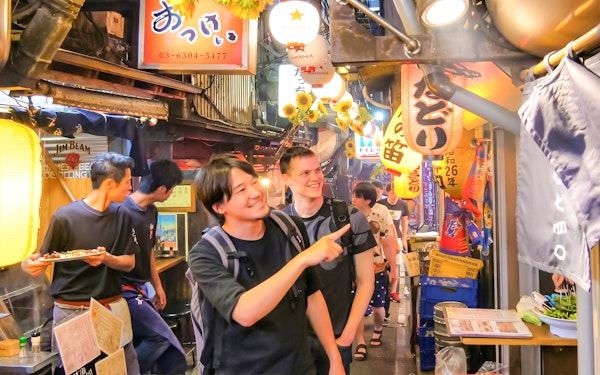
Tokyo: Shinjuku Bar Hopping Tour with All-You-Can-Drink and Dinner
0.0(0)3 hoursViewFrom$106
Insider tip
Food-tour timing. Book the food crawl for the slot you have the most appetite for, not just the cheapest time. The Shinjuku and Shibuya evening tours run across 13 small dishes; go in genuinely hungry and skip a big lunch. Tours fill the local-favorite seats first, so reserve the popular ones a few days ahead in peak season.
Day 3: Go deep, or go to Fuji
Day three is the flexible one. Two good ways to spend it: stay in the city and go deeper with a private guide who tailors the day to what you missed, or take the classic day trip out to Mt Fuji and Hakone if the forecast is clear.
Option A: A private custom day in the city
Top private guided days in Tokyo

Tokyo 6hr Private Tour with Government-Licensed Guide
A six-hour private day with a licensed guide who builds the route around what you want to see - the most-reviewed private option in the city.
4.9(4,465)6 hoursViewFrom$140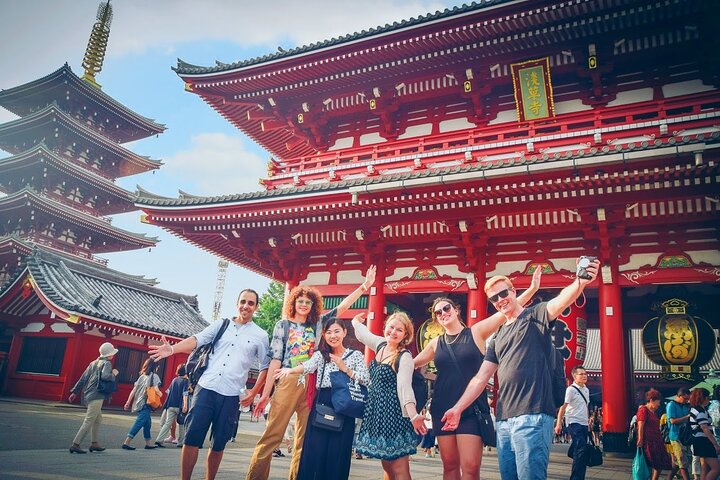
Tokyo Customized Private Tour: See Top Attractions in 1 Day
A fully customizable private day for hitting the must-see places you have left - very high ratings, ideal for a focused final day.
5.0(1,817)4 hoursViewFrom$140
Tokyo Guided Small-Group Biking Tour
A small-group cycle across the city for a different angle on day three - one of the highest-rated active experiences in Tokyo.
5.0(1,283)6.5 hoursViewFrom$105
Private Day Tour in Tokyo with Government-Licensed Guide
5.0(63)6 hoursViewFrom$109
Tokyo Highlights Private Custom Tour with Licensed Guide & Driver
5.0(63)8 hoursViewFrom$528
Tokyo Customized Private Tour Explore Your Way in 1 Day
5.0(31)4 hours - 8 hoursViewFrom$125
Japanese Food History and Art Tour with Licensed Guide in Tokyo
6 hoursViewFrom$1,429
Private Tokyo with Exceptional Guide Tailored to Your Needs
5.0(45)4 hours - 8 hoursViewFrom$158
Tokyo Private Customized Tour with a Next-Gen Local Guide
5.0(131)1 hour - 8 hoursViewFrom$201 Day Tokyo Private Custom Tour
5.0(6)10 hoursViewFrom$325
Option B: The Mt Fuji and Hakone day trip
Top Mt Fuji and Hakone day trips from Tokyo

Mt Fuji and Hakone 1-Day Bus Tour Return by Bullet Train
The most-booked Fuji format by review volume - coach out, bullet-train back to skip the evening traffic, with the full Hakone loop.
4.8(30,203)11 hoursViewFrom$157
Day Trip to Hakone from Tokyo with National Licensed Guide
9 hoursViewFrom$575
Mt. Fuji and Hakone Day Trip From Tokyo with Bullet Train Option
4.2(628)11 hoursViewFrom$119
Hakone customized private one day tour
5.0(1)7 hoursViewFrom$192
From Hakone: Mt Fuji and Lake Kawaguchiko Area Bus Tour
7 hours - 9 hoursViewFrom$112
Mt. Fuji and Hakone Day Tour with Bullet Train Return
3.7(44)10 hoursViewFrom$116
Private Tour - Hakone Day Trip! A Tour to Explore All Must-Sees!
4.9(88)7 hr 30 minViewFrom$182
Tokyo: Mt. Fuji Cruise & Hakone Ropeway Day Trip by Bus
4.9(353)10 hoursViewFrom$83
Visiting Historical Sites in Hakone with a View of Mount Fuji
7 hoursViewFrom$170
Mount Fuji Full Day Sightseeing Tour from Tokyo
4.8(2,127)10 hoursViewFrom$54
If you choose Fuji, check the live cameras the morning of and accept that the mountain may stay hidden; the Hakone half of the trip is the reliable Plan B. Our dedicated Mt Fuji guide goes deeper on which combo to pick and when to go.
Browse all Tokyo day trips →With more time in Tokyo
If your trip stretches to four or five days, the city gives you obvious ways to spend the extra time without repeating yourself. A day trip to Nikko or Kamakura adds temples and shrines in a different setting from the city; a half day in Odaiba on the bay leans modern and family-friendly; and a deeper dive into a single district, the electronics and anime warren of Akihabara, the upscale calm of Ginza, or the youth fashion of Harajuku, fills an afternoon easily. The two day trips most first-timers add are Mt Fuji and Hakone for the mountain and onsen, both covered in their own guides. The rule that holds across any length of stay is the same one this itinerary is built on: cluster by area, give each day a theme, and leave room to wander.
Practical tips
Carry cash. Tokyo is more card-friendly than it was, but small eateries, shrines, and market stalls still run on coins and notes.
Stand left on Tokyo escalators (the opposite of Osaka). Walkers pass on the right.
Pace the train days. Three days of district-hopping is a lot of walking; build in a long sit-down meal each day rather than grazing on the move.
Book the big guided day first. Whether it is the Fuji trip or the private city day, that is the one with capped availability; slot it in, then fill the food and walking tours around it.
Download an offline map and a transit app before you arrive. Tokyo's stations are vast, with multiple exits that can leave you a long walk from where you meant to be, and an app that names the right exit saves real time. Pocket Wi-Fi or an eSIM keeps you connected between the free Wi-Fi spots.
Quick compare: anchor experiences by day
| Day | Theme | Anchor experience | From | Rating |
|---|---|---|---|---|
| 1 | Old Tokyo | Asakusa & Old Tokyo Walking Tour | $30 | ★4.9 (929) |
| 1 | Orientation | 1-Day Tokyo Bus Tour | $124 | ★4.9 (15,841) |
| 2 | Food | Shinjuku Food Tour (13 dishes) | $79 | ★4.9 (8,626) |
| 2 | Markets | Tsukiji Food Walking Tour | $107 | ★4.9 (3,622) |
| 3 | Private | Tokyo 6hr Private Tour | $140 | ★4.9 (4,465) |
| 3 | Day trip | Mt Fuji & Hakone (bullet-train return) | $157 | ★4.8 (30,203) |
Plan your trip
See all Tokyo tours and experiences →Is 3 days enough for Tokyo?
Three days is enough to see the city's main districts and get a real feel for it, but not enough to exhaust it. The trick is to cluster by area rather than crisscross: one day for old Tokyo around Asakusa, one for food and the central districts, one for a deeper dive or a day trip. You will leave with a long list of reasons to come back, which most first-timers do.
How do you get around Tokyo as a tourist?
The train and subway network covers almost everything you will want to see. Buy a Suica or Pasmo IC card on arrival and tap through gates rather than buying single tickets. Trains stop around midnight, so plan late nights around that. For the first day, a guided tour or a bus loop can take the navigation pressure off while you learn the system.
What is the best area to stay in Tokyo for first-timers?
Shinjuku and Shibuya put you on major transit hubs with food and nightlife on the doorstep, which suits first-timers who want energy and easy connections. Asakusa and Ueno are quieter, more traditional, and usually better value, with fast subway links to the rest of the city. Tokyo Station and Ginza are central and polished but pricier.
Should I do a Mt Fuji day trip from Tokyo on a 3-day trip?
Only if seeing Fuji matters more to you than seeing more of Tokyo, and only on a clear-forecast day. A Fuji or Hakone day trip eats a full day and the mountain is famously shy. On a tight three-day trip, many travelers keep all three days in the city and save Fuji for a return visit, but if it is a bucket-list item, build it in as day three and check the morning visibility before committing.
How much should I budget for tours in Tokyo?
Tokyo has unusually good value at the low end: short walking tours and food crawls often run from $20 to $40, while half-day private guides and the Mt Fuji coach days run higher. A reasonable plan is one paid experience per day - a food tour, a walking tour, and one bigger guided day - which keeps the itinerary anchored without overspending.
What food should I try in Tokyo?
Sushi at or near the Tsukiji outer market, ramen in Shinjuku, monjayaki and street snacks in the old-town districts, and whatever the seasonal special is at a neighborhood izakaya. The easiest way to cover a lot of it without research is a guided food tour, which lines up several small tastings across local eateries you would not find alone.
When is the best time to visit Tokyo?
Spring (late March to April) for cherry blossoms and autumn (October to November) for clear skies and color are the two sweet spots, both busy. Summer is hot and humid; winter is cold but dry and clear, which is also the best Mt Fuji visibility window. Whatever the season, the indoor districts and food scene work year round.
Is the Tokyo subway hard to navigate as a tourist?
It looks daunting on the map but is straightforward in practice. Stations and signs carry English, lines are color-coded and numbered, and an IC card (Suica or Pasmo) lets you tap through without buying individual tickets. Apps that plot the route by station number remove almost all the guesswork. The main thing to watch is the rush-hour crush around 08:00 and 18:00, which is worth avoiding with luggage.
Do you need to speak Japanese to visit Tokyo?
No. Major stations, tourist sites, and many restaurants have English signage or menus, and staff are generally patient and helpful. A few polite phrases (hello, thank you, excuse me) go a long way and are appreciated. For deeper neighborhoods and small eateries, a translation app covers the gaps, and a guided tour removes the language friction entirely for that part of the day.
Keep reading
More reads
More guides to help you plan your trip

2 Days in Tokyo: Two Districts, Done Properly
Two days in Tokyo is enough for two districts and nothing else - and that is the right plan. A day-by-day route, what to book, and what to deliberately skip.

5 Days in Tokyo: How to Use a City With No Centre
Five days in Tokyo, organised by district rather than by sight - a day-by-day plan, the day trip worth taking, and why the fifth day should not be booked.

The Best Walking Tours in Tokyo: Which Ones Actually Help
Tokyo is the city where a guide earns their money. A guide to the walking tours worth booking - by neighbourhood, by theme, and by what you need explained.

Tokyo in Summer: How to Enjoy a City That Is Genuinely Hot
Summer in Tokyo is hot, humid, and full of things worth seeing. How to structure days around the heat, what to book, and when the season is actually at its best.

The Best Day Trips from Tokyo: Mt Fuji, Kamakura, Nikko and More
The best day trips from Tokyo ranked by what is worth a full day: Mt Fuji and Hakone, Kamakura, Nikko, Yokohama, and Kawagoe, with the top-rated tours for each.

Tokyo in Winter: Clear Skies, Illuminations, and the Best Fuji Views
Tokyo in winter is the underrated season: crisp clear skies, the year's best Mt Fuji visibility, city-wide illuminations, onsen day trips, and thin crowds.

Things to Do in Tokyo with Kids: A Family Guide That Actually Works
The best things to do in Tokyo with kids: teamLab, the Skytree, a theme park day, animal cafes and parks, plus the transit and hotel logistics that matter.

The Best Time to Visit Tokyo: A Month-by-Month Guide
The best time to visit Tokyo, month by month: the real trade-offs between weather, crowds, and prices, plus the two sweet-spot windows for cherry blossom and autumn colour.