TokyoNikkoDay tripsShrinesJapan
Nikko Day Trip from Tokyo: Shrines, Waterfalls and Tours
Plan a Nikko day trip from Tokyo: guided group tours vs private guides, the Kegon Falls and Lake Chuzenji nature route, going by train, and the top-rated options.
Av SimilarTours Editorial · Travel Research · · 14 min läsning

A Nikko day trip from Tokyo is the one that quietly does two things at once. In a single day out of the city you get a cluster of famously ornate mountain shrines set among towering cedars, and then, up a winding road above the town, genuine national-park scenery: one of Japan's tallest waterfalls and a high lake ringed by peaks. Where Hakone is about onsen and Mt Fuji is about the mountain, Nikko is shrines and forest and falling water, and in autumn the hillsides turn a gold that draws travellers from across the country.
This guide walks the Nikko day trip in full: guided group tours versus a private licensed guide, the nature-focused route to Kegon Falls and Lake Chuzenji, doing it independently by train, and how to get there and when to go. Every tour referenced is currently bookable through our partner OTAs and ranked on real ratings and review counts, verified July 2026.
Browse all Tokyo and Nikko day trips →The core decision: which kind of Nikko day
Almost every Nikko tour leans one of four ways. Some are guided group coach days that string the shrines together with the national-park scenery. Some are private tours with a licensed guide who sets the pace. Some are built around the natural side, the waterfall and the lake, rather than the shrines. And some are essentially a train ticket plus a walking tour, leaving you the freedom of rail. Knowing which is which is most of the planning.
| Format | Best for | Typical length | Emphasis |
|---|---|---|---|
| Guided group full-day | First visit, breadth | 10-11 hours | Shrines plus scenery |
| Private with licensed guide | Control, expert context | 6 hours on site | Flexible, tailored |
| Nature-focused | Kegon Falls, Lake Chuzenji | 11 hours | Waterfall and lake |
| Independent by train | Budget, own pace | Self-paced | Shrines, walking |
1. Guided group day tours: the first-visit pick
For most first visits, the guided group day is the natural choice. Someone else solves the long haul north from Tokyo, the timing between the shrine complex and the scenery above it, and the narration that makes the ornate shrine buildings legible rather than just handsome. These are the full days, typically running 10 to 11 hours door to door, that cover the most ground.
Top guided group Nikko day tours

Nikko, Kegon Waterfall & Chuzenji Lake from Tokyo
The best-reviewed group day by a wide margin - it pairs the Nikko shrines with the mountain scenery above town, Kegon Falls and Lake Chuzenji, in one full day.
4.8(1,642)11 hoursViewFrom$109
Nikko World Heritage One Day Tour from Tokyo
A shrine-focused World Heritage day, built around the ornate temple and shrine complex rather than the national-park scenery further up the valley.
4.5(76)10.5 hoursViewFrom$114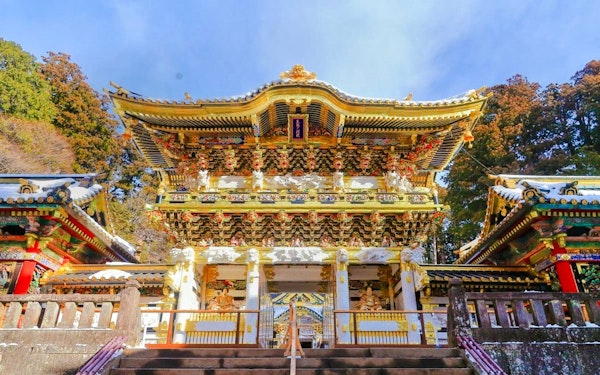
Nikko World Heritage Site Day Tour with Hotel Transfers: Tōshōgū Shrine, Kegon Falls, Lake Chūzenji, & More
4.5(2)10 hoursViewFrom$94
Nikko, Kegon Waterfall & Chuzenji Lake from Tokyo
4.0(2)10 hours - 11 hoursViewFrom$141
Magnificent Nikko World Heritage and Breathtaking Scenic Beauty in one day
4.6(5)12 hoursViewFrom$319
Nikko Highlights Day Trip Private Car & Local Guide from Tokyo
8 hoursViewFrom$570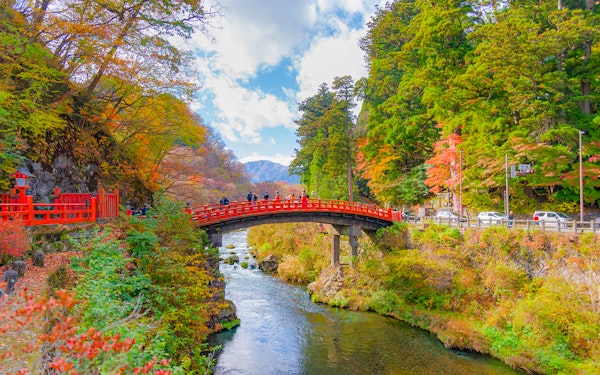
Nikko World Heritage Site Day Tour: Tōshōgū Shrine, Kegon Falls, Lake Chūzenji, & More
3.7(3)11 hoursViewFrom$93
Nikko Private Guided Tour with Lunch & Hotel Transfers
0.0(0)8 hoursViewFrom$114
Nikko World Heritage Full Day Trip
5.0(5)10 hoursViewFrom$500
Nikko UNESCO Heritage and Nature Customized Private Tour
4.0(1)6 hours - 12 hoursViewFrom$161
Insider tip
Read for the scenery, not just the shrines. Nikko's shrine complex sits in the town, while Kegon Falls and Lake Chuzenji are up a winding mountain road above it. Some tours cover both, some stay with the shrines. If the waterfall and the high lake are part of why you are going, choose an itinerary that names all three, rather than assuming a "Nikko day trip" includes the drive up the valley.
2. Private guided and driver tours
Private tours buy control. A government-licensed guide sets the pace to your interests, lingers longer at the shrines or pushes on to the falls, and answers the questions a coach headset cannot. They run more per person than a group seat, but for a small group or a family the per-head math narrows, and the flexibility on a long day out of the city is real.
Top private Nikko day tours

Nikko Full-Day Private Tour with Government-Licensed Guide
The leading private Nikko day - a licensed guide, a pace set to your interests, and expert context across the shrine complex, at a keener price than most private tours.
4.9(297)6 hoursViewFrom$149Nikko Private Guided Tour with Lunch & Hotel Transfers
0.0(0)8 hoursViewFrom$114
From Tokyo Private Nikko Shrines and Nature Day Tour
5.0(8)10 hoursViewFrom$336
Nikko Tour from Tokyo with Licensed Guide via Private Car
10 hoursViewFrom$935Nikko UNESCO Heritage and Nature Customized Private Tour
4.0(1)6 hours - 12 hoursViewFrom$161
Nikko Customized Private Car Tour: English Driver, No Guide
5.0(1)6 hoursViewFrom$228
Nikko Half-Day Private Car Tour: English Driver, No Guide
5.0(2)4 hoursViewFrom$162
Nikko Toshogu, Edo Wonderland, and more | Licensed Guide &Driver
5.0(116)11 hoursViewFrom$632Nikko World Heritage Site Day Tour with Hotel Transfers: Tōshōgū Shrine, Kegon Falls, Lake Chūzenji, & More
4.5(2)10 hoursViewFrom$94
Tokyo Nikko Guided Private Tour With AC Car and Local Guide
6 hr 8 minViewFrom$570
3. Nature-focused tours: the waterfall and the lake
The other face of Nikko is the national park above the town. A steep, switchbacking road climbs to Kegon Falls, one of Japan's tallest waterfalls, and on to Lake Chuzenji beneath the mountains. In autumn this drive is the reason many people come at all, the hillsides turning gold and copper on the way up. Tours that name the falls and the lake are the ones built to take you there, not just to the shrines.
Nikko tours featuring Kegon Falls and Lake Chuzenji
Nikko, Kegon Waterfall & Chuzenji Lake from Tokyo
The clearest nature-and-shrines combination in the catalog - it names Kegon Falls and Lake Chuzenji directly and builds the mountain drive into the day.
4.8(1,642)11 hoursViewFrom$109Nikko, Kegon Waterfall & Chuzenji Lake from Tokyo
4.0(2)10 hours - 11 hoursViewFrom$141
Tokyo Nikko Day Tour
9 hoursViewFrom$95
Nikko World Heritage One Day Tour from Tokyo
4.6(73)10 hr 30 minViewFrom$115Nikko World Heritage Site Day Tour with Hotel Transfers: Tōshōgū Shrine, Kegon Falls, Lake Chūzenji, & More
4.5(2)10 hoursViewFrom$94Nikko World Heritage Site Day Tour: Tōshōgū Shrine, Kegon Falls, Lake Chūzenji, & More
3.7(3)11 hoursViewFrom$93Nikko Highlights Day Trip Private Car & Local Guide from Tokyo
8 hoursViewFrom$570Tokyo Nikko Guided Private Tour With AC Car and Local Guide
6 hr 8 minViewFrom$570Magnificent Nikko World Heritage and Breathtaking Scenic Beauty in one day
4.6(5)12 hoursViewFrom$319
Nikko Three Waterfalls E-Bike Tour: Kegon, Ryuzu and Yudaki Falls
3 hoursViewFrom$96
4. Doing it independently by train
Nikko is genuinely reachable on your own, and the rail links are good. The bullet train runs to Utsunomiya with a short local connection into Nikko, putting the town within about two hours of central Tokyo, and direct limited-express trains run from Asakusa straight through without a change. Some tours are essentially this: a train leg plus a walking tour once you arrive, which pairs the speed of rail with a guide on the ground.
Nikko by train and on foot
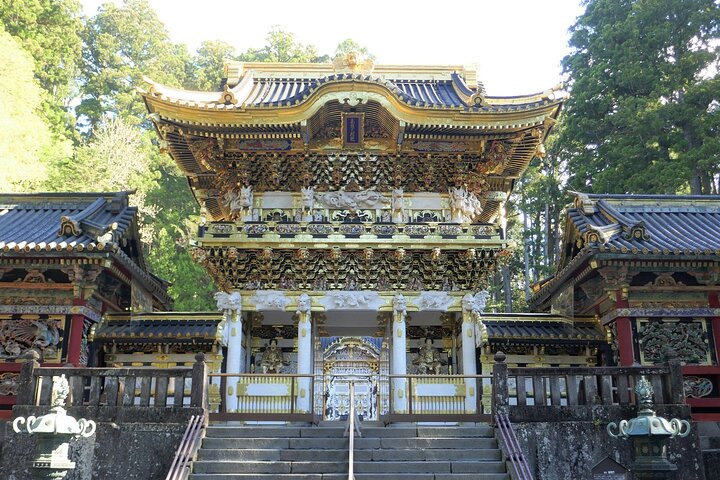
Nikko World Heritage Walking Tour from Tokyo with Lunch & Train
The highest-rated of the train-based days - a walking tour of the World Heritage shrines with lunch included, reaching Nikko by rail rather than coach.
4.9(63)11 hoursViewFrom$158
Nikko World Heritage Walking Tour with Toshogu Shrine & Lunch
4.0(3)4 hoursViewFrom$82Nikko World Heritage Site Day Tour with Hotel Transfers: Tōshōgū Shrine, Kegon Falls, Lake Chūzenji, & More
4.5(2)10 hoursViewFrom$94
Two Days Nikko Cycling Tour guided by a Local Monk
2 daysViewFrom$671Nikko World Heritage Full Day Trip
5.0(5)10 hoursViewFrom$500
Nikko: Sacred Mountains, Shoguns, & Japan’s Spiritual Heart
3 hoursViewFrom$166
Private Morning Hike Around Nikko Toshogu Shrine
4 hoursViewFrom$150Magnificent Nikko World Heritage and Breathtaking Scenic Beauty in one day
4.6(5)12 hoursViewFrom$319Nikko World Heritage Site Day Tour: Tōshōgū Shrine, Kegon Falls, Lake Chūzenji, & More
3.7(3)11 hoursViewFrom$93Nikko World Heritage One Day Tour from Tokyo
4.6(73)10 hr 30 minViewFrom$115
Getting to Nikko
Nikko sits about 140 km north of Tokyo, in the mountains of Tochigi. There are two clean ways to reach it by train: the bullet train to Utsunomiya, then a short local hop into Nikko, which brings the town within roughly two hours of central Tokyo; or a direct limited-express straight from Asakusa, slower but with no change. Guided coach tours are door to door but slower on the road, and many mix a coach or walking segment with a train leg to trim the day. However you go, an early start pays off: the distance means the day fills quickly once you factor in both the shrines and the scenery above them.
Best season: autumn colour and the rest of the year
Autumn is Nikko's signature season. Roughly mid-October to early November, the hillsides and the winding road up to Lake Chuzenji turn vivid, and the combination of ornate shrines and gold forest is why Nikko draws crowds from across Japan in those weeks. It is also the busiest window, so tours book out early and the mountain road runs slow with traffic. Spring brings fresh green and mild walking weather; summer is lush and can be humid, with the higher altitude of the lake offering some relief; winter is cold and quiet, the shrines hushed under occasional snow. The shrine complex rewards a visit in any season, but if the waterfall-and-lake scenery is a priority, autumn is the one to aim for.
Booking lead time and cancellation
Peak season for Nikko day trips tracks the autumn colour: in the mid-October to early-November weeks, the best-rated tours sell out 1 to 2 weeks ahead, and the private licensed-guide days go earliest. Off-peak you can often book a few days out. Most tours offer free cancellation up to 24 hours before departure, the policy worth filtering for if your dates or the weather are still in flux, and worth double-checking on the private tours, where terms can be stricter.
Practical tips for the day
Dress in layers. The shrine complex sits among tall cedars where the air stays cool, and the drive up to Lake Chuzenji climbs into genuinely colder, breezier mountain air.
Start early. Nikko is a long day north, and fitting both the shrines and the national-park scenery in comfortably rewards an early departure over a leisurely one.
Carry cash. Smaller stops around the shrines and up at the falls and lake do not always take cards.
Check the itinerary for the falls and lake. If Kegon Falls and Lake Chuzenji are part of why you are going, confirm the tour names them, since the shrine-focused World Heritage days may not make the drive up the valley.
Pace the shrines. The complex rewards a slower walk through the cedar avenues than a tick-box march; on a guided day, the narration is much of what makes it land.
Quick compare: the best Nikko day trips from Tokyo
| Tour | Format | From | Duration | Rating |
|---|---|---|---|---|
| Nikko, Kegon Waterfall & Chuzenji Lake | Group (shrines + scenery) | $109 | 11h | ★4.9 (1,642) |
| Nikko Full-Day Private (Licensed Guide) | Private | $149 | 6h | ★4.9 (297) |
| Nikko World Heritage Walking Tour + Train | Train + walking | $158 | 11h | ★4.9 (63) |
| Nikko World Heritage One Day Tour | Group (shrines) | $114 | 10.5h | ★4.5 (76) |
Nikko, Hakone or Mt Fuji: choosing your day trip
If you are weighing Nikko against the other big Tokyo day trips, it comes down to what you want the day to feel like. Nikko is ornate shrines set in forest plus a waterfall-and-lake landscape above the town, and it is quieter and less package-tourism than the Fuji circuit. Hakone leans onsen, a volcanic valley, and a lake cruise; a Mt Fuji trip lives or dies on whether the mountain shows. Over a longer stay, many travellers do more than one. But for shrines, forest, and autumn colour specifically, Nikko is the standout, and it is the day trip that most surprises people who came to Tokyo expecting only the city.
Plan your trip
See all Tokyo and Nikko day trips →How far is Nikko from Tokyo?
Nikko sits about 140 km north of Tokyo, in the mountains of Tochigi. The fastest way is the bullet train to Utsunomiya and a short local connection, which brings the town within roughly two hours of central Tokyo. Direct limited-express trains from Asakusa take a little longer but drop you right in Nikko. Most guided day trips run by coach, which is slower but door to door, and many pair the drive with a train leg to save time.
Is Nikko worth a day trip from Tokyo?
Yes. Nikko is one of the most rewarding day trips from Tokyo, pairing a cluster of ornate mountain shrines with genuine national-park scenery: waterfalls, a high lake, and hillsides that turn gold in autumn. It packs shrine sightseeing and nature into a single day, which is why it ranks alongside Hakone and Mt Fuji as a first-choice escape from the city.
What is there to see in Nikko?
The headline sights are Nikko's ornate shrine and temple complex, set among towering cedar trees, and the national-park scenery above the town: Kegon Falls, one of Japan's tallest waterfalls, and Lake Chuzenji beneath the mountains. Many tours combine the shrines with the falls and lake, so you get both the cultural and the natural side of Nikko in one day.
Should I do a guided tour or go to Nikko independently?
Both work. A guided group tour handles the transport and narrates the shrines, which suits a first visit on limited time. Going independently by train gives you freedom of pace and is very doable, since Nikko is well connected. A private tour with a government-licensed guide sits between the two: full flexibility with expert context, at a higher price that makes most sense for small groups and families.
How long is a Nikko day trip from Tokyo?
Guided day trips typically run 10 to 11 hours door to door, given the distance north from Tokyo and the ground to cover between the shrines, the falls, and the lake. Private tours can be shorter and more focused, around 6 hours on site, when they skip the coach logistics. Independent visits are self-paced, but an early start is worth it to fit the shrines and the national-park scenery into one day.
Can you see both the shrines and Kegon Falls in one day?
Yes, and the best-rounded tours are built to do exactly that. The shrine complex sits in the town, while Kegon Falls and Lake Chuzenji are up a winding mountain road above it, so a full day links the two. Nature-focused tours lean into the falls and lake, while World Heritage tours lean into the shrines. If you want both, look for an itinerary that names all three.
When is the best time to visit Nikko?
Autumn, roughly mid-October to early November, is the standout, when the hills and the road up to Lake Chuzenji turn vivid with colour. It is also the busiest window, so tours book out early. Spring brings fresh green and mild days, summer is lush but can be humid, and winter is cold and quiet with the shrines under a hush of snow. The shrines reward a visit year round; the national-park scenery is at its most dramatic in autumn.
How do I get from Tokyo to Nikko by train?
Two main routes. The bullet train runs to Utsunomiya, where a short local connection reaches Nikko, putting the town within about two hours of central Tokyo. Alternatively, direct limited-express trains run from Asakusa straight to Nikko without a change. Some guided tours include a train leg as part of the day, combining the speed of rail with a coach or walking tour on arrival.
Is Nikko better than Hakone or Mt Fuji as a day trip?
It depends on what you want. Nikko is the pick for ornate shrines set in forest plus waterfall-and-lake scenery, and it is quieter than the Fuji circuit. Hakone leans onsen, volcanic valley, and a lake cruise; Mt Fuji is about the mountain itself when it shows. Many travellers do more than one over a longer stay. For shrines and autumn colour specifically, Nikko is hard to beat.
Do Nikko day tours include the waterfalls and lake?
Some do and some do not, so read the itinerary. Nature-focused tours name Kegon Falls and Lake Chuzenji directly and build the mountain drive into the day. World Heritage and walking tours focus on the shrine and temple complex and may not go up to the falls. If seeing the waterfall and lake matters to you, choose a tour that lists them by name rather than assuming they are included.
How far ahead should I book a Nikko day trip?
In peak windows, especially the autumn colour weeks of mid-October to early November, popular Nikko tours sell out 1 to 2 weeks ahead, so book early. Off-peak you can often reserve a few days out. Many tours offer free cancellation up to 24 hours before departure, which is worth filtering for if your plans or the weather are still fluid.
Keep reading
Fler läsningar
Fler guider för att hjälpa dig planera din resa

2 Days in Tokyo: Two Districts, Done Properly
Two days in Tokyo is enough for two districts and nothing else - and that is the right plan. A day-by-day route, what to book, and what to deliberately skip.

5 Days in Tokyo: How to Use a City With No Centre
Five days in Tokyo, organised by district rather than by sight - a day-by-day plan, the day trip worth taking, and why the fifth day should not be booked.

The Best Walking Tours in Tokyo: Which Ones Actually Help
Tokyo is the city where a guide earns their money. A guide to the walking tours worth booking - by neighbourhood, by theme, and by what you need explained.

Tokyo in Summer: How to Enjoy a City That Is Genuinely Hot
Summer in Tokyo is hot, humid, and full of things worth seeing. How to structure days around the heat, what to book, and when the season is actually at its best.

The Best Day Trips from Tokyo: Mt Fuji, Kamakura, Nikko and More
The best day trips from Tokyo ranked by what is worth a full day: Mt Fuji and Hakone, Kamakura, Nikko, Yokohama, and Kawagoe, with the top-rated tours for each.

Tokyo in Winter: Clear Skies, Illuminations, and the Best Fuji Views
Tokyo in winter is the underrated season: crisp clear skies, the year's best Mt Fuji visibility, city-wide illuminations, onsen day trips, and thin crowds.

Things to Do in Tokyo with Kids: A Family Guide That Actually Works
The best things to do in Tokyo with kids: teamLab, the Skytree, a theme park day, animal cafes and parks, plus the transit and hotel logistics that matter.

The Best Time to Visit Tokyo: A Month-by-Month Guide
The best time to visit Tokyo, month by month: the real trade-offs between weather, crowds, and prices, plus the two sweet-spot windows for cherry blossom and autumn colour.