TokyoBest time to visitJapanCherry blossomSeasons
The Best Time to Visit Tokyo: A Month-by-Month Guide
The best time to visit Tokyo, month by month: the real trade-offs between weather, crowds, and prices, plus the two sweet-spot windows for cherry blossom and autumn colour.
Von SimilarTours Editorial - Travel Research · · 18 Min. Lesedauer

The best time to visit Tokyo comes down to two windows most travellers agree on: the cherry blossom of late March to early April, and the autumn colour of late October to November. Both bring mild, dry, walkable weather and the city at its most photogenic, which is exactly why both are also the busiest and priciest times to go. Everything between those two peaks is a set of trade-offs between weather, crowds, and cost, and this guide breaks down each month by what visitors actually experience so you can pick the window that fits your priorities.
If you want the answer in one line: late March to early April for blossom, or late October to November for autumn colour. Everything below makes the case for the other months and lays out the trade-offs of the two favourites.
Browse all Tokyo tours and experiences →At a glance: peak, shoulder, and off-season
Tokyo's calendar sorts neatly into three tiers. Use this as the quick map before the month-by-month detail.
| Season | Months | Weather | Crowds | Prices |
|---|---|---|---|---|
| Peak | Late Mar-early Apr, late Oct-Nov | Mild, dry, ideal | Very high | High |
| Shoulder | Mid Apr-May, Jun, early Sep-mid Oct, early Dec | Warm to mild, some rain | Moderate | Mid-range |
| Off-season | Jan-Feb, Jul-Aug, late Dec holidays | Cold-crisp or hot-humid | Low, except domestic holidays | Low (winter) to high (holidays) |
The one wrinkle to hold in mind: Japan's domestic holidays run on their own clock. New Year in early January, Golden Week in late April to early May, and Obon in mid-August each send domestic travel and prices sharply up even when the international crowd is thin. Those three are worth planning around whatever the weather says.
Tokyo in January
- Weather: Cold and crisp, roughly 2-10C, but frequently clear and sunny. Tokyo winters are dry, so the cold is bracing rather than damp.
- Crowds: Very low once the New Year period ends in the first week. The rest of January is one of the quietest stretches of the year.
- Prices: Year-low after New Year. Flights and hotels sit well below spring and autumn rates.
- Signature happenings: New Year (shogatsu) shrine visits in the first days, winter illuminations still glowing across the city, and the clearest Mt Fuji odds of the year.
- What to pack: A warm coat, layers, and gloves for the mornings; the buildings are well heated, so easy-to-remove layers help.
Winter is the Mt Fuji window
The cold, dry air of January and February gives the best chance of a clean Mt Fuji sighting all year. If seeing the mountain matters, this is the season to gamble on, ideally with an early start before any afternoon cloud builds.
Tokyo in February
- Weather: Still cold, roughly 3-11C, often clear. The first plum blossoms open toward month-end, the early hint of spring.
- Crowds: Low. Sites and restaurants are easy to walk into.
- Prices: Among the year's lowest, a strong value window.
- Signature happenings: Plum-blossom viewing in the parks and gardens, Setsubun bean-throwing rituals at temples in early February, and continued strong Mt Fuji visibility.
- What to pack: The same winter layers as January; add a scarf for the wind.
Tokyo in March
- Weather: Warming and variable, roughly 5-14C. Early March can feel like late winter; the last week often flips into spring.
- Crowds: Rising fast as the cherry blossom forecast firms up. The final stretch of March is when the peak begins.
- Prices: Climbing steeply toward the blossom peak.
- Signature happenings: The start of cherry blossom season in a typical year, usually from around the last days of March, with parks filling for hanami picnics.
- What to pack: Layers for swingy weather, a light jacket, and a compact umbrella for spring showers.
Tokyo in April
- Weather: Mild and pleasant, roughly 10-19C, with reliable sun from mid-month. The most comfortable walking weather of spring.
- Crowds: Peak in the first week or two for the blossom, then Golden Week crowds arrive from late April.
- Prices: High through the blossom window and again into Golden Week.
- Signature happenings: The tail of cherry blossom in early April, fresh green everywhere after, and the start of the Golden Week holiday cluster at month-end.
- What to pack: Light layers, comfortable shoes for long walks, and a thin rain shell.
The second half of April is quietly ideal
Once the blossom drops and before Golden Week ramps up, the middle of April offers the same mild, dry weather with a noticeable dip in crowds and pricing. It is one of the best-value spring windows most visitors overlook.
Tokyo in May
- Weather: Warm and comfortable, roughly 15-24C, generally sunny. Many locals rate May the single most pleasant month.
- Crowds: Very high through Golden Week (late April into the first week of May), then eases meaningfully.
- Prices: Peak during Golden Week, falling back afterward.
- Signature happenings: Golden Week festivals and events early in the month, then a calm, green, easy-going city for the rest of May.
- What to pack: Light clothing with a layer for cool evenings; sunglasses.
The stretch after Golden Week, from about the second week of May, is a genuine sweet spot: excellent weather, long daylight, and crowds back to normal. It is the moment to lean into the city's neighbourhoods and food scene, and a guided food walk is one of the best ways to do it.
Tokyo city and food experiences for late spring

Tokyo: Shinjuku Food Tour (13 Dishes at 4 Local Eateries)
The most-reviewed Tokyo food walk by a wide margin - 13 dishes across four local Shinjuku eateries, ideal for a warm, long-daylight evening.
4.9(8,903)3 hoursViewFrom$82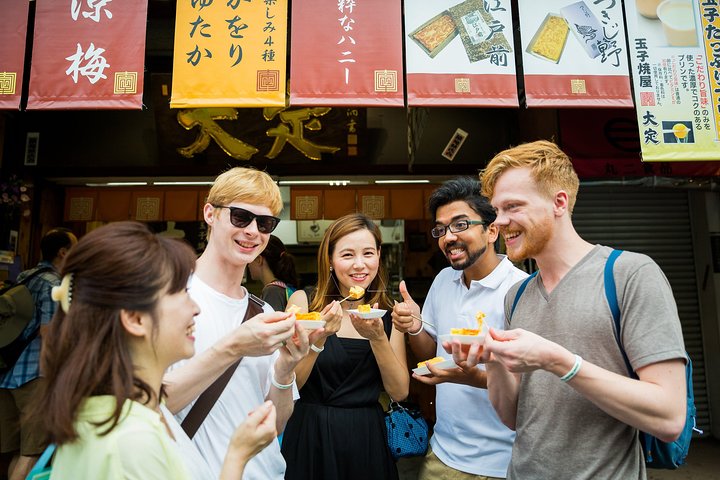
Tokyo Tsukiji Fish Market Food Walking Tour with 5 Tastings
A morning graze through the Tsukiji outer market with five tastings, a strong pairing with the fresh, mild weather of late spring.
4.9(3,657)3 hoursViewFrom$95
Best of Shinjuku: Izakaya Food Tour (3-4 Stops, 14+ Tastings)
An evening izakaya crawl through Shinjuku with 14-plus tastings across three to four stops - the after-dark side of the city at its most comfortable.
5.0(2,960)3.5 hoursViewFrom$89
1-Day Tokyo Bus Tour
The highest-rated full-day city overview in the catalog, chaining the major districts in one coach day - a strong first-visit orientation.
4.9(16,054)10 hoursViewFrom$124
Tsukiji Fish Market: Street Food Tour with Tasting
5.0(45)1 hr 30 minViewFrom$64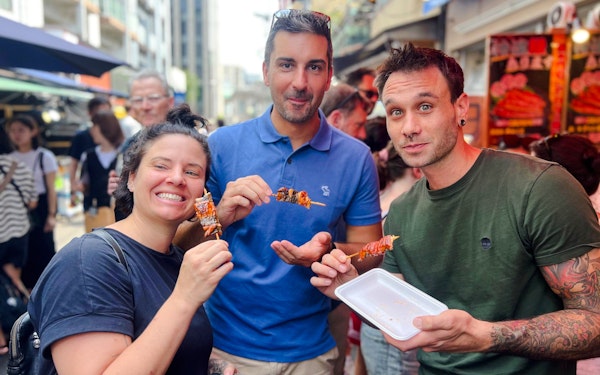
Tokyo Food Tour: Tsukiji Fish Market Walking Tour with Temple Visit
0.0(0)2 hoursViewFrom$31
Experience Izakaya With A Mini Food Tour Of Tokyo
5.0(2)3 hoursViewFrom$158
Shinjuku Night tour Include drinks and food w/ Local Guide
5.0(1)3 hoursViewFrom$96
Tsukiji BBQ Tour with National licensed Guide
3 hoursViewFrom$191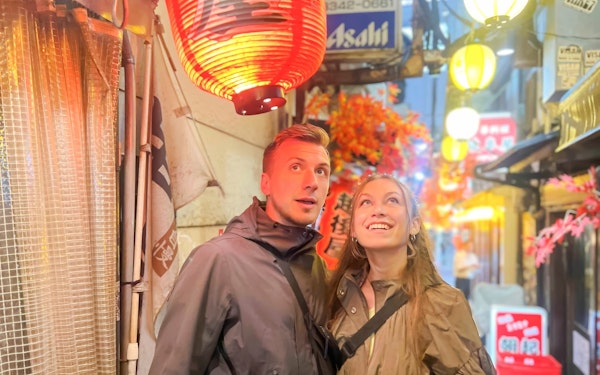
Tokyo: Shinjuku Night Food Tour With 13 Dishes Across 4 Eateries
5.0(1)3 hoursViewFrom$81
Tokyo in June
- Weather: Warm and increasingly humid, roughly 19-26C. The rainy season (tsuyu) usually sets in from early June, bringing showery, muggy spells.
- Crowds: Lower than the spring peak, as the rain deters some visitors. A quieter, more local feel.
- Prices: Mid-range, softer than the shoulder months either side.
- Signature happenings: Hydrangeas at their peak in the gardens and temple grounds, a genuine highlight of the wet season, and the first summer festivals warming up.
- What to pack: A compact umbrella, a light rain layer, and quick-dry clothing; it rarely pours all day.
Insider tip
The rainy season is far from a write-off. It rarely rains all day, crowds thin, and the hydrangeas are spectacular. The trick is to keep a couple of indoor options ready for the wettest afternoons and stay flexible with your outdoor plans.
Tokyo in July
- Weather: Hot and humid, roughly 23-30C, with the rainy season usually clearing mid-month into full summer heat.
- Crowds: Moderate, building toward the August domestic peak. International crowds are lighter than spring.
- Prices: Mid-range early, rising toward the Obon period in August.
- Signature happenings: The heart of the summer festival (matsuri) and fireworks (hanabi) calendar, with major riverside displays lighting up the city.
- What to pack: The lightest breathable clothing, a hat, sunglasses, sunscreen, and a refillable water bottle; the humidity is relentless.
Tokyo in August
- Weather: The hottest and most humid stretch, roughly 24-31C, with a risk of typhoons late in the season.
- Crowds: High around Obon in mid-August, when domestic travel surges; quieter at the edges of the month.
- Prices: Peak around Obon, softer before and after.
- Signature happenings: The Obon holiday and its traditions, plus the tail of the summer festival and fireworks season.
- What to pack: As July, plus a plan for indoor midday breaks; the afternoon heat is genuinely draining.
Midday in high summer
July and August afternoons in Tokyo are hot and sticky enough to sap a full day of sightseeing. Front-load outdoor plans to the morning, retreat indoors through the worst of the afternoon, and save the streets for the cooler evening. Watch the forecast for late-summer typhoons, which can disrupt transport.
Tokyo in September
- Weather: Still warm and humid early, roughly 21-28C, easing through the month. Typhoon risk lingers into early September.
- Crowds: Lower after the summer holidays end, a calmer, more comfortable city.
- Prices: Easing from the summer peak, good value before the autumn rush.
- Signature happenings: The transition into autumn, with cooler evenings arriving and the festival season winding down.
- What to pack: Light layers with a rain shell for the occasional storm; the humidity fades as the month goes on.
Early to mid September is an underrated shoulder window: warm enough for long days out, but past the worst of the summer crush and before the autumn-colour crowds arrive. It is a good time to fold in a Mt Fuji day trip, though summer haze can still hide the mountain, so favour a clear-forecast morning.
Tokyo in October
- Weather: Mild, dry, and comfortable, roughly 15-22C, with clear, crisp days settling in. Among the best walking weather of the year.
- Crowds: Rising through the month as autumn colour approaches, but manageable in the first half.
- Prices: Climbing toward the late-autumn peak.
- Signature happenings: The very start of autumn colour toward month-end in a typical year, and the return of clear Mt Fuji views as the air dries out.
- What to pack: Comfortable walking shoes and light layers; the clear air makes it prime day-trip weather.
The clear, dry air of late October is exactly when a Mt Fuji day trip pays off, with the best summit-visibility odds since winter and pleasant temperatures at the viewing areas.
Mt Fuji day trips for clear autumn views

Mt Fuji and Hakone 1-Day Bus Tour Return by Bullet Train
The most-reviewed Fuji day trip by a wide margin - coach out, bullet train back, with the full Hakone loop as insurance if the summit hides.
4.8(30,713)11 hoursViewFrom$156
Tokyo: Mt. Fuji Cruise & Hakone Ropeway Day Trip by Bus
A value coach day pairing a Lake Ashi cruise with the Hakone Ropeway - strong ratings and the best of the region beyond Fuji itself.
4.9(326)10 hoursViewFrom$89
Mount Fuji Full Day Sightseeing Tour from Tokyo
One of the most affordable full-day Fuji-and-region trips in the catalog, covering the headline viewing spots in a straightforward coach format.
4.8(1,051)10 hoursViewFrom$58
Mt.Fuji Full-Day Private Tour By Public Transportation
11 hoursViewFrom$198%20Pass%2018.jpg?w=600&auto=format%2Ccompress&fit=crop&q=75)
Mount Fuji & Hakone Premium Tour by Bullet Train
4.5(2,588)11 hoursViewFrom$106
Mt Fuji Hidden Gem & Gotemba Premium Outlets with Local Driver
5.0(44)11 hoursViewFrom$623
Mt. Fuji Half-Day Private Cultural Tour: Shinkansen Stopover
5.0(20)4 hoursViewFrom$216
Mt. Fuji Private Guided E-Bike Tour : Fuji City
5.0(34)3 hoursViewFrom$109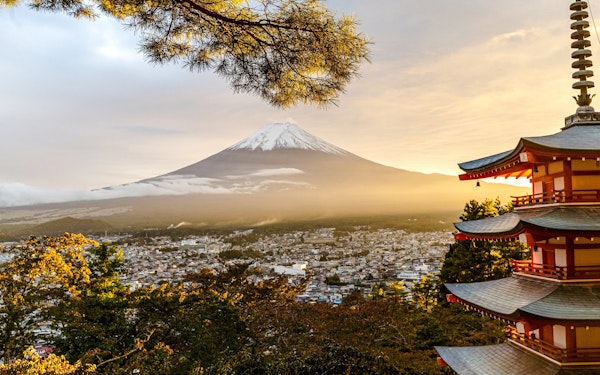
Mount Fuji, Lake Ashi & Big Buddha Day Tour with Native English/Spanish Guide
4.3(108)11 hoursViewFrom$49
Mt Fuji Customized Private Tour See Top Attractions in 1 Day
5.0(11)8 hours - 12 hoursViewFrom$198
Tokyo in November
- Weather: Cool, dry, and clear, roughly 9-17C, with the crisp light autumn is known for. One of the two best months to visit overall.
- Crowds: Very high, especially in the second half when autumn colour peaks. The international autumn rush.
- Prices: High, matching the spring blossom peak.
- Signature happenings: Autumn colour at its height, usually from mid to late November, with ginkgo avenues and maple gardens turning gold and red.
- What to pack: Layers for cool days and cold evenings, a light jacket, and a camera; the low, golden light is superb.
November is the autumn twin of the spring blossom peak: postcard weather, glowing foliage, and the same trade-off of heavy crowds and high prices. Book the popular sites and any day trips well ahead.
Tokyo in December
- Weather: Cold and clear, roughly 5-13C, dry and often sunny. Short days, with early sunsets.
- Crowds: Light through mid-December, then rising sharply into the New Year holiday from around the 28th.
- Prices: Mid-range and good value early in the month; peak over the year-end holidays.
- Signature happenings: City-wide winter illuminations at their most elaborate, plus the return of the year's best Mt Fuji visibility.
- What to pack: A warm coat, layers, and gloves; the buildings are heated, so pack for easy adjustment.
Early to mid December is a quietly excellent, better-value window: crisp, clear weather, thin crowds, and the illuminations lighting the city before the year-end holiday surge takes over.
Best time for cherry blossom
The blossom (sakura) typically peaks in Tokyo for a short window around late March to early April, though the exact dates shift a week or two each year with the weather. Full bloom lasts only about a week to ten days, so if the blossom is the reason for your trip, track the annual forecasts and build in a couple of buffer days. This is the single busiest tourist window of the year, so book flights and hotels well ahead, and expect the parks to be lively with hanami picnics. The reward is Tokyo at its most magical, with pink canopies over rivers, parks, and temple grounds.
Best time for autumn colour
Autumn colour (koyo) usually peaks from mid to late November, later than many visitors expect, with the ginkgo avenues turning gold and the maple gardens deep red. The weather in this window is the year's most reliable: cool, dry, and clear, ideal for long days on foot. Like the blossom, it draws heavy crowds and high prices, and the clear autumn air also gives some of the best Mt Fuji odds outside winter, which makes late October and November a strong window to pair a city stay with a mountain day trip.
Best time for fewer crowds
If thin crowds are the priority, the winter months of January and February are the clear answer, outside the New Year holiday: cold but frequently sunny, with short queues and easy restaurant walk-ins. The second half of April, after the blossom drops and before Golden Week, and early to mid September, after the summer holidays, are the other quiet windows that still offer pleasant weather. Whenever you go, plan around the three domestic peaks, New Year, Golden Week, and Obon, which crowd sites and transport regardless of the international season.
Best time for budget travellers
The cheapest time to visit Tokyo is January and February, outside New Year: winter weather is cold but crisp, crowds are thin, and flights and hotels run well below the spring and autumn peaks. Early to mid December, before the year-end holidays, is the other strong value window with still-comfortable weather and the bonus of the city illuminations. Avoid the domestic holiday spikes of Golden Week and Obon, when prices climb even in otherwise quieter seasons.
The value-window shortcut
For the best mix of weather, crowds, and cost, aim for the second half of April or early to mid December. Both dodge the peak-season pricing while keeping mild, walkable days and easy access to the city's food scene and day trips.
Plan your trip
See all Tokyo tours and experiences → Compare Tokyo tours and tickets in one search →Common questions
What is the best time of year to visit Tokyo?
Late March to early April for cherry blossom, and late October to November for autumn colour, are the two clear winners. Both bring mild, dry, walkable weather and the city at its most photogenic. The trade-off is that both are peak periods, so crowds are heavy and flights and hotels price up. If you want the same comfortable weather with fewer people, aim for the second half of April or early December.
When is cherry blossom season in Tokyo?
Tokyo's cherry blossom typically peaks for a short window around late March to early April, though the exact dates shift a week or two each year with the weather. Full bloom lasts only about a week to ten days, so it is worth tracking the annual forecasts if the blossom is the reason for your trip. Book flights and hotels well ahead, because this is the single busiest tourist window of the year.
When is the cheapest time to visit Tokyo?
January and February, outside the New Year holiday, are the price low. Winter weather is cold but crisp and often sunny, crowds are thin, and flights and hotels run well below the spring and autumn peaks. Early to mid-December, before the year-end holidays, is the other quiet, better-value window with still-pleasant weather.
Is summer a bad time to visit Tokyo?
Summer, especially July and August, is the hardest season. It is hot, very humid, and prone to sudden downpours, and late summer overlaps with typhoon season. The upside is a packed festival and fireworks calendar and long daylight. If your dates are fixed to summer, plan indoor stops for the afternoon heat and keep the schedule flexible around the weather.
When is the best time to see Mt Fuji from a Tokyo day trip?
Winter and the clear, dry days of late autumn give the best odds of seeing Mt Fuji, when the air is crisp and cloud is least likely to hide the summit. Summer afternoons are the worst, when haze and cloud build fast and the mountain often stays hidden. On any day trip, an early-morning start is your best chance before the afternoon cloud rolls in.
What is the rainy season in Tokyo?
Tokyo's rainy season, tsuyu, usually runs from early June to mid-July, bringing humid, showery weather. It rarely rains all day every day, so a trip in this window is far from a write-off, and hydrangeas at their peak are a highlight. Pack a compact umbrella and a light rain layer, and keep a few indoor options ready for the wettest afternoons.
When are the biggest crowds in Tokyo?
The three domestic peaks to plan around are the New Year period in early January, Golden Week in late April to early May, and Obon in mid-August. In these windows domestic travel surges, popular sites and transport fill up, and prices climb. Cherry blossom season in late March to early April is the biggest international peak. If you can, book well ahead or shift your dates to the edges of these periods.
Is Tokyo worth visiting in winter?
Yes. Winter is underrated: cold but frequently clear and sunny, with the year's thinnest crowds, the best Mt Fuji visibility, illuminations across the city, and lower prices. As long as you pack warm layers, the short queues and crisp light make it one of the most comfortable seasons for sightseeing, even if the days are short.
How many days do you need in Tokyo?
Three to four days is enough for a strong first visit covering the main districts, a food tour, and one day trip. Five days or more lets you add a second day trip, such as Mt Fuji or Hakone, and slow down to explore neighbourhoods at a local pace. Whatever the length, matching your dates to spring or autumn makes the days outdoors far more pleasant.
Keep reading
Mehr Lektüre
Weitere Leitfäden zur Reiseplanung

2 Days in Tokyo: Two Districts, Done Properly
Two days in Tokyo is enough for two districts and nothing else - and that is the right plan. A day-by-day route, what to book, and what to deliberately skip.

5 Days in Tokyo: How to Use a City With No Centre
Five days in Tokyo, organised by district rather than by sight - a day-by-day plan, the day trip worth taking, and why the fifth day should not be booked.

The Best Walking Tours in Tokyo: Which Ones Actually Help
Tokyo is the city where a guide earns their money. A guide to the walking tours worth booking - by neighbourhood, by theme, and by what you need explained.

Tokyo in Summer: How to Enjoy a City That Is Genuinely Hot
Summer in Tokyo is hot, humid, and full of things worth seeing. How to structure days around the heat, what to book, and when the season is actually at its best.

The Best Day Trips from Tokyo: Mt Fuji, Kamakura, Nikko and More
The best day trips from Tokyo ranked by what is worth a full day: Mt Fuji and Hakone, Kamakura, Nikko, Yokohama, and Kawagoe, with the top-rated tours for each.

Tokyo in Winter: Clear Skies, Illuminations, and the Best Fuji Views
Tokyo in winter is the underrated season: crisp clear skies, the year's best Mt Fuji visibility, city-wide illuminations, onsen day trips, and thin crowds.

Things to Do in Tokyo with Kids: A Family Guide That Actually Works
The best things to do in Tokyo with kids: teamLab, the Skytree, a theme park day, animal cafes and parks, plus the transit and hotel logistics that matter.

Kamakura Day Trip from Tokyo: The Great Buddha and Beyond
Plan a Kamakura day trip from Tokyo: the Great Buddha and temples, Kamakura plus Enoshima combos, guided walks vs the train on your own, and the top-rated tours.