TokyoWinterJapanMt FujiSeasons
Tokyo in Winter: Clear Skies, Illuminations, and the Best Fuji Views
Tokyo in winter is the underrated season: crisp clear skies, the year's best Mt Fuji visibility, city-wide illuminations, onsen day trips, and thin crowds.
由SimilarTours Editorial撰写,Travel Research · · 21分钟阅读

Ask people the best time to visit Tokyo and they will say cherry blossom season. Ask people who have done both, and a surprising number will say Tokyo in winter. December to February is the city's clear-sky season: cold, dry, often sunny, with the year's best odds of seeing Mt Fuji, elaborate illuminations strung across whole districts, outdoor onsen day trips at their steaming best, and the thinnest crowds and lowest prices of the year outside the New Year week. Winter in Japan generally means snow country up north; winter in Tokyo mostly means crisp blue mornings and early, glittering evenings.
This guide covers what the season is actually like and the things to do in Tokyo in winter that make it work: the Fuji window, the illuminations, the onsen day trips, and the indoor city. Every tour and ticket referenced is currently bookable through our partner OTAs and ranked on real ratings and review counts, verified July 2026. For the full season-by-season picture, our month-by-month guide to the best time to visit Tokyo covers the whole calendar.
Browse all Tokyo tours and experiences →What winter in Tokyo is really like
The weather is the pleasant surprise. Winter in Tokyo runs cold but dry, with daytime highs typically around 10C, mornings near freezing, and long runs of clear, sunny days; snow in the city center is rare and rarely settles. The dryness matters: the cold feels bracing rather than damp, and the same dry air is what keeps the sky clear and the views long. The catch is daylight, with sunsets arriving late afternoon, so winter days are built front-loaded: outdoor sights in the morning, indoor stops mid-afternoon, illuminations and food after dark.
Crowds follow a simple pattern. From early December to just before the New Year, and again from mid-January through February, the city is as quiet as it ever gets, with short queues at sights that demand timed tickets in spring. The exception is the New Year period itself, roughly the last days of December into the first week of January, when domestic travel surges, some smaller shops and restaurants close, and prices spike. Plan around that one window and the rest of the season is easy.
What to pack: a proper warm coat, layers you can shed indoors, gloves, and a scarf for the wind. Trains, shops, and restaurants are well heated, sometimes aggressively so, which makes one heavy sweater the wrong strategy and a shell over shed-able layers the right one. Comfortable waterproof-ish walking shoes cover the rare wet day, lip balm and moisturizer earn their space in the dry air, and the heat packs sold at every konbini, slipped into pockets or gloves, are the cheap local trick that makes a whole illumination evening comfortable.
Winter month by month: December, January, February
December. The gateway month, and two seasons in one. Early to mid-December is one of the best-value windows of the entire Tokyo year: crisp and clear, the illuminations at full blaze, the autumn color often still hanging on in the gardens in the first days, crowds thin, and hotel prices soft. Then the year-end holiday flips the switch: from around the last week of December, domestic travel surges, prices climb steeply, and many small independent restaurants and shops begin closing for the holidays. If you can choose your December week, choose an early one.
January. The month of two halves. The first days belong to the New Year, with shrine visits drawing enormous crowds, the department stores selling their famous lucky bags, and much of the small-business city still shuttered. From the second week, Tokyo exhales: the quietest, cheapest, clearest stretch of the whole year begins, and it runs for weeks. This is the connoisseur's window, when you can walk into restaurants that need bookings in spring, ride the observation decks without queues, and catch Fuji on the horizon morning after morning.
February. Still cold, still clear, still quiet, with one bonus spring cannot offer: the plum blossoms open toward the end of the month in the gardens and shrine grounds, a quieter, older-fashioned preview of the cherry season with a fraction of the crowds. February is also peak season for the snow-country day trips north and west of the city, when the monkeys are in the hot springs and the mountain valleys are white. Pack the same layers as January and add a scarf for the wind, which is February's one sharp edge.
The Mt Fuji window
If seeing Mt Fuji matters to you, winter is the season to gamble on. The cold, dry air gives the highest summit-visibility odds of the year, and the mountain wearing its full snowcap is the version everyone pictures. From the city you can catch it from the observation decks on a clear morning, but the proper move is a day trip to the Fuji Five Lakes or Hakone area, where the mountain fills the horizon instead of decorating it. The rule that matters: go early. Cloud builds around the summit as the day warms, so the tours with morning arrivals at the viewpoints hold the advantage, and a clear forecast is worth rearranging your itinerary for.
Top Mt Fuji day trips for winter views

Mt Fuji and Hakone 1-Day Bus Tour Return by Bullet Train
The most-reviewed Fuji day trip in the catalog by a wide margin - coach out, bullet train back, with the Hakone loop as insurance if the summit hides.
4.8(30,802)11 hoursViewFrom$155
Tokyo: Mt. Fuji Cruise & Hakone Ropeway Day Trip by Bus
Pairs a Lake Ashi cruise with the Hakone Ropeway - the highest-rated of the big Fuji-region days and strong value.
4.9(327)10 hoursViewFrom$88
Mount Fuji Full Day Sightseeing Tour from Tokyo
One of the most affordable full-day Fuji trips available, covering the headline viewing spots in a straightforward coach format.
4.8(1,065)10 hoursViewFrom$58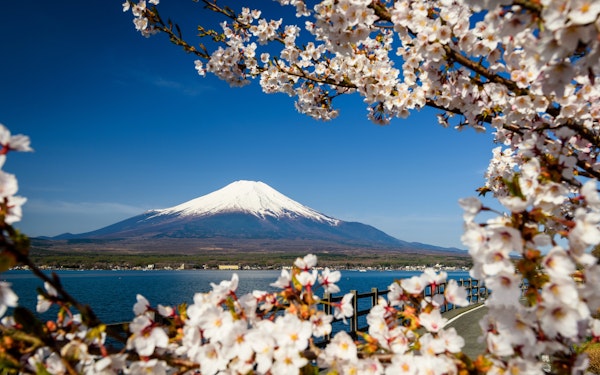
Mount Fuji Guided Day Tour with Lake Kawaguchi & Lake Yamanaka
A guided lakes-focused day around Kawaguchi and Yamanaka, the classic winter reflection views of the snowcapped mountain.
4.4(471)10 hoursViewFrom$45
1 Day Private Tokyo to Hakone Gotemba Fuji Tour
7 hoursViewFrom$189
Mt.Fuji Full-Day Private Tour By Public Transportation
11 hoursViewFrom$198
Private Tour of Mount Fuji with English speaking driver
5.0(51)8 hours - 9 hoursViewFrom$356
Private Mt Fuji Tour with English Speaking Driver
5.0(64)10 hoursViewFrom$485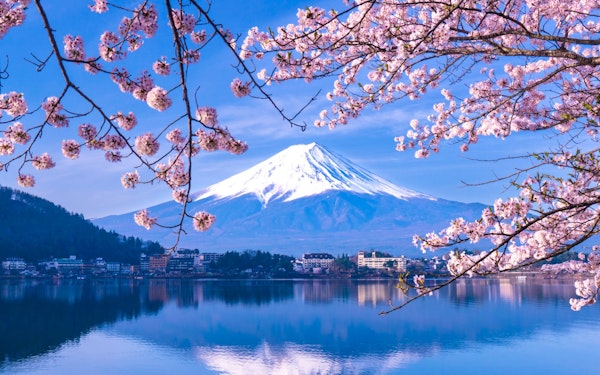
From Tokyo: Mt. Fuji Area & Lake Kawaguchiko Full-Day Tour
0.0(0)12 hoursViewFrom$94
Mt Fuji Hidden Gem & Gotemba Premium Outlets with Local Driver
5.0(44)11 hoursViewFrom$623
Book the clear morning
Fuji tours run year-round, but winter is when they pay off. Watch the forecast a few days out, put the tour on the clearest morning of your trip, and treat a cloudy-day slot as the fallback rather than the plan. Temperatures at the lakes and viewpoints run well below Tokyo's, so dress a layer warmer than the city needs.
Illuminations and the early-dark evenings
Winter's early sunsets are not a bug in Tokyo; they are the feature. From roughly November through the New Year, and in some districts deep into February, the city strings whole neighborhoods with light: avenues of trees turned into tunnels of blue and gold, station plazas, shopping streets, and bay-side promenades. They are free, they switch on at dusk, and because dusk comes early you can walk a display and still make dinner.
Where to look is less about one famous venue than about knowing which kinds of districts do it best. The polished business-and-shopping avenues around the central station area typically dress their tree-lined streets in warm champagne-colored lights, the upscale nightlife-and-gallery districts on the west side mount the big showpiece displays with crowds to match, and the tree-lined boulevards of the fashionable shopping quarters turn their whole length into a lit canopy you simply walk under. The bay-side promenades add skyline and water reflections to the formula. The practical strategy: pick whichever illumination district sits near your dinner plans rather than commuting across town for a specific display, because in season you are rarely more than a couple of stops from a good one.
The other way to use the early dark is to point a camera at it, the neon districts are at their most photogenic in crisp winter air, or to take the evening indoors at the teamLab digital art museums, which feel purpose-built for a cold night.
Winter evenings: night tours and indoor art

Tokyo by Night Photography Tour (Private Option Available)
A superbly rated after-dark photo walk through the neon districts - winter's clear air is the best backdrop it gets.
5.0(183)2.5 hoursViewFrom$101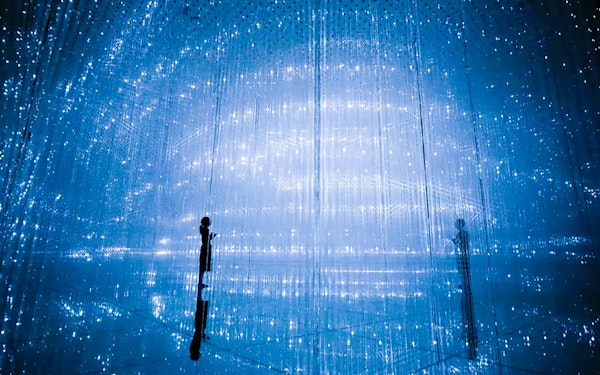
teamLab Planets TOKYO Tickets
The barefoot walk-through digital art world - the city's definitive indoor evening and a fixture of any winter itinerary.
4.6(4,224)2 hoursViewFrom$21- tiqets
teamLab Planets Tokyo: Entry Ticket
The same timed entry from a second seller - useful for comparing slots in the busy early-evening window.
4.6(303)ViewFrom$22 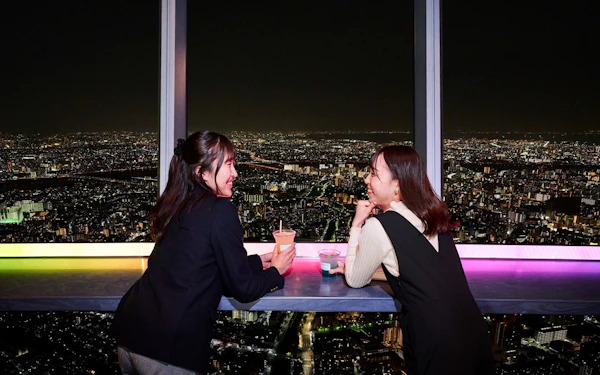
TOKYO SKYTREE Tembo Deck Night Entry Tickets with Alcoholic Drink
The tallest deck in the city after dark with a drink included - the aerial version of the illuminations below.
4.3(43)ViewFrom$17
Tokyo After Dark Scenic Night Tour
5.0(7)5 hoursViewFrom$192
Tokyo Twilight Expedition Car Tour – Nighttime City Cruise!
5.0(1)2 hours - 3 hoursViewFrom$532
Tokyo Private Tour: teamLab Borderless & Tokyo City View
4.3(6)4 hoursViewFrom$134
YOIAKARI SENDAI Entry Ticket
30 minutes - 1 hourViewFrom$6
TeamLab Planets TOKYO Admission Entry Ticket
4.4(5)2 hours - 3 hoursViewFrom$47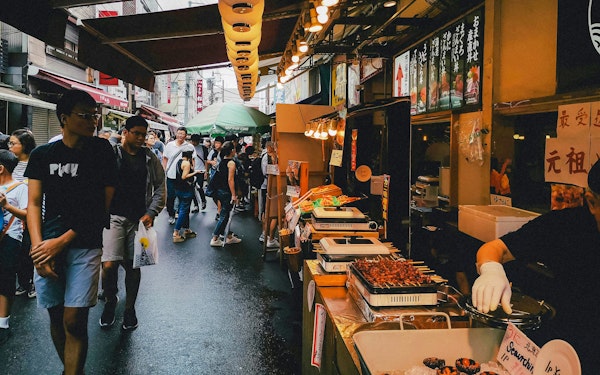
Tokyo Night Tour: Dinner cruise,Tokyo Tower,Tsukiji & Shinjuku
4.3(3)5 hoursViewFrom$130
Onsen day trips: Hakone in the cold
An outdoor hot spring bath is good in any season and unforgettable in winter, steam rising off the water into cold mountain air, ideally with Fuji somewhere on the horizon. Hakone, the hot spring region in the hills southwest of the city, is the classic Tokyo onsen day trip, and most of the big Fuji-and-Hakone loops pass through it, combining the ropeway, the volcanic valley, and Lake Ashi with the mountain views. Some tours fold in an onsen stop directly; otherwise the region's day-use baths make it easy to add one to a self-guided Hakone day using the area's transport pass. Two practical notes: tattoos are still refused at some traditional baths, so check ahead if that applies to you, and winter is exactly when the region is at its most atmospheric and least crowded.
Top Hakone and onsen day trips from Tokyo

Mt. Fuji 5th, Oshino Hakkai, Onsen Full-Day Trip From Tokyo
The day trip that builds the hot spring in: Fuji's 5th Station and the Oshino Hakkai spring village with an onsen stop on the way home.
4.6(67)10 hoursViewFrom$54Mt Fuji and Hakone 1-Day Bus Tour Return by Bus
The all-coach version of the catalog's most popular Fuji-Hakone loop - the same route at a lower price than the bullet train return.
4.6(956)11 hoursViewFrom$129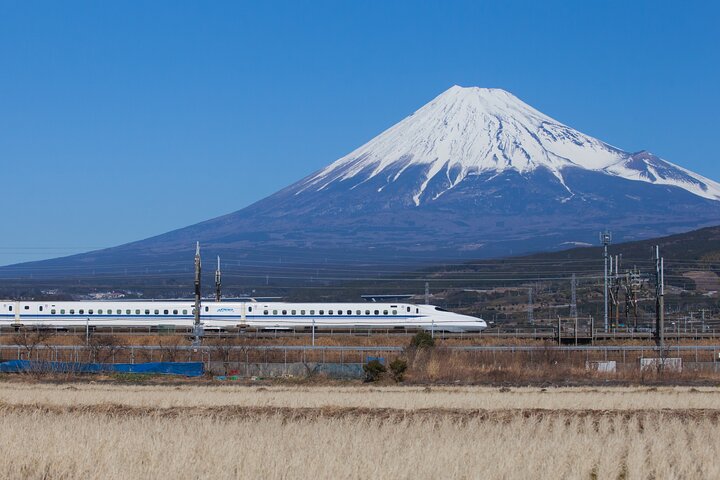
Mt. Fuji and Hakone Day Trip From Tokyo with Bullet Train Option
A high-volume Fuji-Hakone day with the option to ride the shinkansen back - a solid mid-range pick on this route.
4.1(510)11 hoursViewFrom$117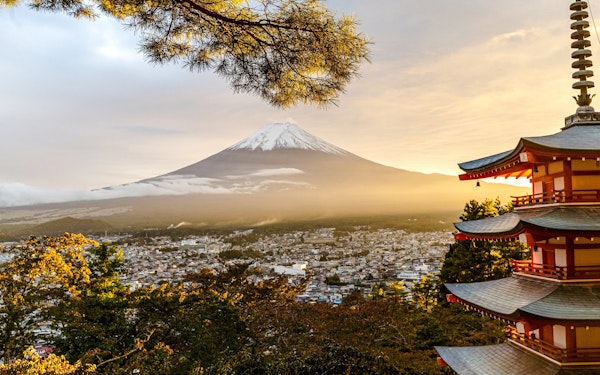
Mount Fuji, Lake Ashi & Big Buddha Day Tour with Native English/Spanish Guide
A guided day that adds Kamakura's Great Buddha to the Fuji and Lake Ashi circuit - two winter-clear icons in one run.
4.3(107)11 hoursViewFrom$75
Hakone Onsen Experience, Lake Ashi, Open-Air Museum Tour
7 hoursViewFrom$233
Hakone customized private one day tour
5.0(1)7 hoursViewFrom$192
Private Tour - Hakone Day Trip! A Tour to Explore All Must-Sees!
4.9(77)7 hr 30 minViewFrom$176
Hakone hot spring day trip from Tokyo with private driver
5.0(4)7 hours - 10 hoursViewFrom$490
Day Trip to Hakone from Tokyo with National Licensed Guide
9 hoursViewFrom$575Hakone Full-Day Private Tour
4.8(5)7 hoursViewFrom$252
Snow country in a day: monkeys, mountains, and hot springs
Tokyo itself rarely sees settled snow, but real winter sits within a long day trip's reach, and the season's most distinctive excursions lean into it. The famous one is the snow monkey day to the Nagano mountains, where wild macaques soak in a steaming hot spring pool surrounded by snowbanks, one of those only-in-Japan scenes that photographs cannot oversell, usually paired with a proper hot lunch on the long ride. Closer to home, the mountain valleys on Tokyo's western edge, Okutama and the Mt Takao area, deliver forest trails, river gorges, and hot spring baths within the city's own prefecture, a half-day-to-full-day dose of winter nature without the coach marathon. These trips are winter's answer to the summer beach day: pick one, dress properly, and let the cold be the point rather than the obstacle.
Top winter nature day trips from Tokyo

Nagano Snow Monkey 1 Day Tour with Beef Sukiyaki Lunch from Tokyo
The classic winter-only spectacle: wild macaques soaking in a steaming mountain hot spring, with a sukiyaki lunch built into the long day.
4.6(158)13 hoursViewFrom$145
Tokyo Okutama Day Trip Tour
A well-rated full day in the mountain valleys on Tokyo's own western edge - winter forest and gorge scenery without leaving the prefecture.
4.8(55)14 hoursViewFrom$189
Full Day Hiking Tour at Mt.Takao including Hot Spring
A guided hike up Tokyo's favorite mountain with a hot spring soak at the end - the cold-air-then-hot-bath formula at its simplest.
4.9(59)5.5 hoursViewFrom$114
Day Trip Snow Monkey in Nagano from Tokyo by bullet train
5.0(1)11 hoursViewFrom$1,191
1-Day Winter Tour From Nozawa Onsen: Snow Monkeys, Zenko-ji Temple & Sake
5.0(42)8 hours - 9 hoursViewFrom$139
Myoko and Madarao Day Tour Snow Monkeys, Zenkoji and Sake
5.0(9)8 hours - 10 hoursViewFrom$146
Snow Monkeys, Obuse & Sake: A Perfect Day in Nagano
5.0(29)7 hours - 8 hoursViewFrom$158
Private Snow Monkey Tour - Conveniently Resort Hop and Sightsee
5.0(56)8 hours - 10 hoursViewFrom$413
Nagano Winter Special Tour "Snow Monkey and Snowshoe Hiking"!!
5.0(3)9 hoursViewFrom$511
Private Nagano 1-Day Tour:Snow Monkeys,Zenko-ji,Obuse,Sake,Onsen
5.0(75)8 hoursViewFrom$326
New Year in Tokyo: the exception week
The one stretch of winter that plays by different rules is the New Year. It is the most important holiday of the Japanese year, and it reshapes the city: millions make their first shrine visit of the year in the opening days, department stores stage their famous lucky-bag sales, and the atmosphere around the big shrines is festival-like day and night. It is genuinely worth experiencing once, with two caveats. Prices and crowds spike to peak levels precisely when the rest of winter is cheapest, and a meaningful slice of the small-restaurant, small-shop city simply closes for the holidays, so the Tokyo you get is the big-venue version. If the holiday itself is not the draw, arrive after the first week of January and inherit the empty, cheap, brilliant city the holiday leaves behind.
Winter food: the season Tokyo eats best
Cold weather is when Tokyo's food culture makes the most sense. Ramen queues feel justified rather than eccentric, hotpot and oden appear everywhere from izakaya menus to convenience store counters, and the city's endless small counters are at their coziest when it is cold outside. Winter is also citrus and seafood season on the menus, roast sweet potato carts and steamed-bun cases appear at the konbini, and the izakaya lantern glowing down a cold side street becomes the best-looking doorway in the city. Even the vending machines join in, switching half their rows to hot cans of coffee and tea, a small ritual that visitors adopt within a day. Street-food streets around the old temple districts serve hot snacks made for gloved hands, and the department store basement food halls are a warm, dazzling lunch solution on the coldest days. A guided food walk earns its place in winter more than any other season, because it strings the best warm rooms in a neighborhood together and saves you the cold-street indecision between them.
Top Tokyo food tours for cold evenings

Tokyo: Shinjuku Food Tour (13 Dishes at 4 Local Eateries)
The most-reviewed food walk in the city - 13 dishes across four local Shinjuku spots, ideal for an early winter evening.
4.9(8,957)3 hoursViewFrom$82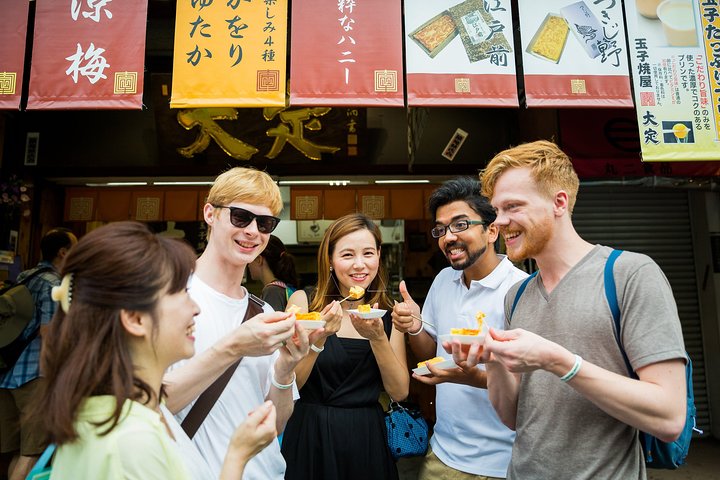
Tokyo Tsukiji Fish Market Food Walking Tour with 5 Tastings
A morning graze through the Tsukiji outer market with five tastings - hot street food is the market's winter specialty.
4.9(3,662)3 hoursViewFrom$95
Tokyo: Shibuya Food Tour (13 dishes and 3 Eateries)
The Shibuya edition of the city's top-rated food-walk format - 13 dishes across three eateries in the neon heart of town.
4.9(1,158)3 hoursViewFrom$82
2026 Small Town in the Big City: Tasting Tokyo’s Kichijoji
4.9(37)6 hoursViewFrom$195
Tokyo Ginza Authentic Food Tour (Izakaya Hopping by local guide)
5.0(33)3 hours - 4 hoursViewFrom$190
Experience Izakaya With A Mini Food Tour Of Tokyo
5.0(2)3 hoursViewFrom$158
Tokyo Ginza Friendly Food Tour Explore Taste Enjoy By Local Guide
5.0(2)4 hoursViewFrom$180
A Taste of Sapporo! Sushi, Snacks and Seasonal Tasting
5.0(2)2 hoursViewFrom$48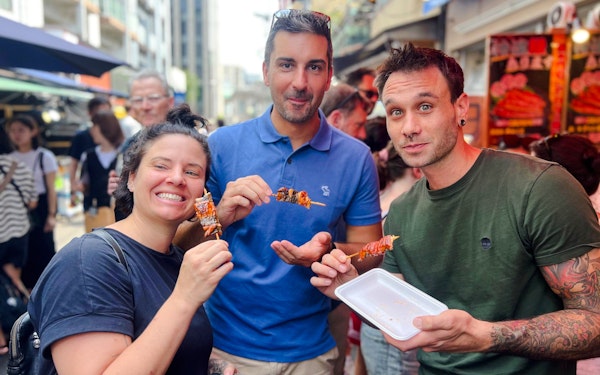
Tokyo Food Tour: Tsukiji Fish Market Walking Tour with Temple Visit
0.0(0)2 hoursViewFrom$31
Tokyo Ueno Food Tour Sushi Ramen and Local Favorites
5.0(63)3 hoursViewFrom$108
Winter vs cherry blossom season: the honest trade
Spring gets the postcards, but the comparison is closer than it looks. Cherry blossom season brings the city at its prettiest and its most crowded and expensive, with hotel rates at their annual peak and timed tickets selling out weeks ahead. Winter brings bare trees and early dark, and in exchange: the clearest skies of the year, the best Fuji odds, illuminations that spring cannot match, hot springs at their best, short queues everywhere, and flights and hotels at the annual low in January and February. If your trip is about the blossom itself, go in spring and book early. If it is about the city, the food, the views, and your budget, winter quietly wins more categories than it loses.
Practical tips
Front-load the daylight. Sunset comes late afternoon in midwinter, so do outdoor sights in the morning, save museums and food halls for mid-afternoon, and give the evenings to illuminations and izakaya.
Put the Fuji trip on your clearest forecast day. Winter gives the best odds of the year, but morning clarity is still the pattern, so favor early starts.
Avoid the New Year week if flexibility allows. Domestic travel peaks, small businesses close, and prices spike from the last days of December into the first week of January; either side of it, the city is at its calmest.
Dress in layers, not bulk. Outside is cold; trains, shops, and restaurants are warm. A good coat over shed-able layers beats one heavy sweater.
Book teamLab slots and any Fuji tour a few days ahead, and everything else on the fly. Winter's thin crowds mean most of the city can be done spontaneously, which is half its charm.
Quick recap: Tokyo in winter
The season: cold, dry, frequently sunny, with early sunsets, thin crowds, and the year's lowest prices outside the New Year week.
The headline moves: a Mt Fuji or Hakone day trip on the clearest morning, illuminations and teamLab in the early-dark evenings, an outdoor onsen while the air is cold, and the food scene at its seasonal best.
Winter in Tokyo is not the compromise season. It is the connoisseur's one.
Plan your trip
See all Tokyo tours and experiences → Compare Tokyo tours and tickets in one search →Is Tokyo worth visiting in winter?
Yes, and it is arguably the most underrated season for the city. December to February brings cold but frequently clear and sunny days, the thinnest crowds of the year outside the New Year week, the best Mt Fuji visibility, elaborate illuminations across the city, and prices well below the spring and autumn peaks. If you pack warm layers, winter sightseeing in Tokyo is genuinely comfortable.
How cold is Tokyo in winter?
Cold but civilized. Daytime highs typically sit around 10C with mornings and evenings near or a little above freezing, and the air is dry rather than damp, so the cold feels bracing rather than miserable. Snow in central Tokyo is rare and rarely settles. A warm coat, layers, and gloves cover it, and buildings and trains are well heated, so easy-to-remove layers work best.
Can you see Mt Fuji from Tokyo in winter?
Winter is the best season of the whole year for it. The cold, dry air keeps the sky clear far more often than in the humid months, so the summit shows up from the city's observation decks and, more dramatically, on day trips to the Fuji Five Lakes and Hakone areas. Mornings are the reliable window; cloud tends to build around the mountain as the day warms.
What are Tokyo's winter illuminations?
From roughly November through the New Year, and in some districts well into February, Tokyo strings whole neighborhoods with elaborate light displays: avenues of trees, station plazas, shopping streets, and bay-side promenades. They are free to wander, they turn on around dusk, and because winter sunsets come early you can fit them in before dinner. They are the city's answer to the early dark, and they are genuinely worth planning evenings around.
Is winter cheaper than cherry blossom season in Tokyo?
Substantially. January and February, outside the New Year holiday, are the price low of the Tokyo year, with flights and hotels running well below late-March and April rates. You also skip the blossom-season crowds at the big sights. The trade is shorter daylight and bare trees instead of pink ones, which for many travelers is a fair exchange for a calmer, cheaper trip.
What should I avoid in Tokyo in winter?
The one window to plan around is the New Year period, roughly the last days of December into the first week of January, when domestic travel surges, many small shops and restaurants close for the holiday, and prices spike. The rest of the season is easy. Also note the early sunsets: outdoor sightseeing is best front-loaded into the morning and early afternoon, with the illuminations and indoor stops taking the evening.
Are day trips from Tokyo good in winter?
Winter is one of the best seasons for them. The clear air gives Mt Fuji and Hakone trips their highest summit-visibility odds, an outdoor onsen is at its absolute best in cold weather, and the tour buses are less crowded than in spring and autumn. Pack for the cold at altitude, which runs noticeably below Tokyo temperatures, and favor tours with early starts to catch the mountain before any cloud builds.
Can you see the snow monkeys on a day trip from Tokyo?
Yes, though it is the longest day on the winter menu: the wild macaques that soak in a mountain hot spring live in the Nagano mountains, and the guided coach days from Tokyo run roughly 13 hours door to door, usually with lunch included. Winter is exactly when to do it, because the monkeys use the hot pool most reliably when the surrounding valley is cold and snowy. Book a tour rather than attempting it independently; the park sits well off the rail network.
Which month is best for a winter trip to Tokyo?
For most travelers, the second week of January through February is the sweet spot: the New Year crowds are gone, prices sit at the annual low, the skies are at their clearest for Fuji, and by late February the plum blossoms add an early hint of spring. Early to mid-December is the close runner-up, trading slightly higher prices for the illuminations at their fullest. The week to avoid on a value basis is the year-end holiday itself.
What is there to do in Tokyo in winter on a rainy or very cold day?
Tokyo may be the world's best-equipped city for staying indoors: the teamLab digital art museums, the observation decks, department store food halls, arcades, and museums can fill several days without stepping outside for long. Food is the other winter headline, with ramen, hotpot, and the izakaya scene all at their seasonal best, and a guided food walk is an easy way to lean into that.
Keep reading
更多阅读
更多指南帮助您规划旅行

2 Days in Tokyo: Two Districts, Done Properly
Two days in Tokyo is enough for two districts and nothing else - and that is the right plan. A day-by-day route, what to book, and what to deliberately skip.

5 Days in Tokyo: How to Use a City With No Centre
Five days in Tokyo, organised by district rather than by sight - a day-by-day plan, the day trip worth taking, and why the fifth day should not be booked.

The Best Walking Tours in Tokyo: Which Ones Actually Help
Tokyo is the city where a guide earns their money. A guide to the walking tours worth booking - by neighbourhood, by theme, and by what you need explained.

Tokyo in Summer: How to Enjoy a City That Is Genuinely Hot
Summer in Tokyo is hot, humid, and full of things worth seeing. How to structure days around the heat, what to book, and when the season is actually at its best.

The Best Day Trips from Tokyo: Mt Fuji, Kamakura, Nikko and More
The best day trips from Tokyo ranked by what is worth a full day: Mt Fuji and Hakone, Kamakura, Nikko, Yokohama, and Kawagoe, with the top-rated tours for each.

Things to Do in Tokyo with Kids: A Family Guide That Actually Works
The best things to do in Tokyo with kids: teamLab, the Skytree, a theme park day, animal cafes and parks, plus the transit and hotel logistics that matter.

The Best Time to Visit Tokyo: A Month-by-Month Guide
The best time to visit Tokyo, month by month: the real trade-offs between weather, crowds, and prices, plus the two sweet-spot windows for cherry blossom and autumn colour.

Kamakura Day Trip from Tokyo: The Great Buddha and Beyond
Plan a Kamakura day trip from Tokyo: the Great Buddha and temples, Kamakura plus Enoshima combos, guided walks vs the train on your own, and the top-rated tours.