TokyoDay tripsMt FujiKamakuraNikko
The Best Day Trips from Tokyo: Mt Fuji, Kamakura, Nikko and More
The best day trips from Tokyo ranked by what is worth a full day: Mt Fuji and Hakone, Kamakura, Nikko, Yokohama, and Kawagoe, with the top-rated tours for each.
SimilarTours Editorialによる · Travel Research · · 21分間の読むことができます

Tokyo is ringed by an unusually strong supporting cast. Within a couple of hours of the city sit Japan's most famous mountain, a seaside town of temples and a giant bronze Buddha, an elaborately decorated shrine complex in the cedar forests, a harbor city with the country's biggest Chinatown, and a preserved merchant town that still looks like the Edo period. The problem with the best day trips from Tokyo is not finding one; it is matching the right one to the day you actually want, because they range from an easy suburban train ride to a 12-hour coach loop.
This guide ranks the day trips that are genuinely worth a full day, sorted by what kind of day each one delivers, with the trains-versus-coach question answered for each and the top-rated tours attached. We keep dedicated deep-dive guides to the Mt Fuji, Hakone, Kamakura, and Nikko trips, linked throughout, so this page stays the overview that helps you choose. Every tour referenced is currently bookable through our partner OTAs and ranked on real ratings and review counts, verified July 2026.
Browse all Tokyo tours and day trips →How to choose your day trip
Two questions sort the field. First, scenery or history? The Fuji and Hakone direction is a landscape day: mountain views, a lake, a ropeway. Kamakura, Nikko, and Kawagoe are heritage days built around temples, shrines, and old streets. Yokohama is the city-flavored wildcard for food and family attractions.
Second, train or guided coach? Kamakura, Yokohama, and Kawagoe are simple, cheap train rides you can do entirely on your own. The Fuji and Hakone region is the opposite: its sights are scattered across lakes, mountain roads, and ropeways, which is exactly what a guided coach loop solves. Nikko sits in the middle, reachable by direct train but spread out enough that a tour saves real friction.
| Destination | Best for | Typical length | Getting there |
|---|---|---|---|
| Mt Fuji and Hakone | The mountain, lake, and ropeway | 10-12 hours | Guided coach loop |
| Kamakura | Great Buddha, temples, the coast | 6-10 hours | Easy direct train or tour |
| Nikko | The grand shrine complex, waterfalls | 10-11 hours | Direct train or guided tour |
| Yokohama | Chinatown, harbor, families | Half to full day | Suburban train, ~30 minutes |
| Kawagoe | Edo-era streets, food strolling | Half day | Private-line train, ~30 minutes |
| Mt Takao and Okutama | Hiking, forest, hot springs | Half to full day | Direct train or guided hike |
Mt Fuji and Hakone
The headline act, and the one direction where the guided coach clearly beats the train. The classic loop pairs a Mt Fuji viewpoint, often the 5th Station partway up the mountain when the road is open, with the Hakone circuit: a cruise on Lake Ashi, the ropeway over the steaming Owakudani valley, and mountain scenery the whole way. It is a long day, usually 10 to 12 hours, and it carries one honest risk: the summit hides in cloud on many days, which is why the Fuji-and-Hakone combination is the smart format, the lake and ropeway carry the day even when the mountain sulks. Book it on the clearest forecast day of your trip and favor early starts. Our dedicated Mt Fuji day trip and Hakone day trip guides go deeper on both halves.
Top Mt Fuji and Hakone day trips from Tokyo

Mt Fuji and Hakone 1-Day Bus Tour Return by Bullet Train
The most-reviewed day trip in the entire region - the full Fuji and Hakone loop with a bullet train ride home as the finale.
4.8(30,802)11 hoursViewFrom$155
Tokyo: Mt. Fuji Cruise & Hakone Ropeway Day Trip by Bus
The highest-rated of the big Fuji-region days - Lake Ashi cruise plus the Hakone Ropeway at a strong price.
4.9(327)10 hoursViewFrom$88
Mount Fuji Full Day Sightseeing Tour from Tokyo
The value pick for a Fuji-focused day, covering the headline viewpoints in a straightforward coach format.
4.8(1,065)10 hoursViewFrom$58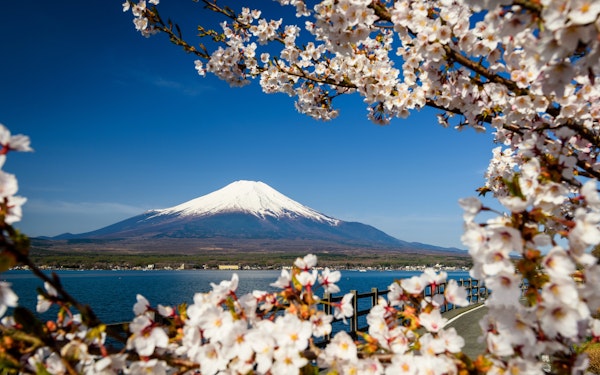
Mount Fuji Guided Day Tour with Lake Kawaguchi & Lake Yamanaka
A lakes-first alternative built around Kawaguchi and Yamanaka, the classic reflection views of the mountain.
4.4(471)10 hoursViewFrom$45
Hakone customized private one day tour
5.0(1)7 hoursViewFrom$192
Mount Fuji Majesty with Hakone Wonders Exclusive Private Day Trip
5.0(2)10 hoursViewFrom$459
Hakone Full-Day Private Tour
4.8(5)7 hoursViewFrom$252
Day Trip to Hakone from Tokyo with National Licensed Guide
9 hoursViewFrom$575
From Hakone: Mt Fuji and Lake Kawaguchiko Area Bus Tour
7 hr 15 min - 9 hr 10 minViewFrom$109
Visiting Historical Sites in Hakone with a View of Mount Fuji
7 hoursViewFrom$170
Insider tip
The cloud rule. Fuji visibility is a lottery weighted by season: winter and crisp autumn mornings give the best odds, summer afternoons the worst. Whatever the month, tours that reach the viewpoints in the morning beat afternoon arrivals, and a Fuji-and-Hakone combination is the sensible hedge because the day still works if the summit never shows.
Kamakura and Enoshima
The easy history day. Kamakura is a small seaside town an hour south of Tokyo, dense with temples and shrines and anchored by the Great Buddha, a giant bronze figure sitting in the open air. It is the day trip that needs no coach: a direct train drops you in the middle of it, the sights connect by short walks and a charming coastal line, and tours still earn their place here for the storytelling, a walking guide turns a pretty temple town into an era. Several well-rated coach days also pair Kamakura with a Fuji viewpoint for a two-icon day. Our Kamakura day trip guide covers the full route in detail.
Enoshima, the small island just offshore, is the natural second act. The little coastal electric railway that connects it to Kamakura is half the charm, rattling between houses and along the beachfront, and the island itself stacks a shrine-lined climb, sea caves, garden lookouts, and seafood shacks into an afternoon. On clear days the views run down the coast toward Fuji, and in summer the beaches on the mainland side fill with Tokyo day-trippers. If your Kamakura morning runs long, Enoshima flexes down to a sunset hour; if the temples finish early, it comfortably absorbs the rest of the day.
Top Kamakura day trips and tours

Mount Fuji, Kamakura, Big Buddha, & Lake Ashi Day Trip
The most-reviewed Kamakura option - a two-icon day pairing the Great Buddha with a Fuji viewpoint and Lake Ashi.
4.9(1,307)11 hoursViewFrom$49
From Tokyo: Kamakura & Enoshima 1-Day Bus Tour
The dedicated Kamakura-and-Enoshima coach day - temples, the Buddha, and the island without any navigation.
4.5(246)10 hoursViewFrom$63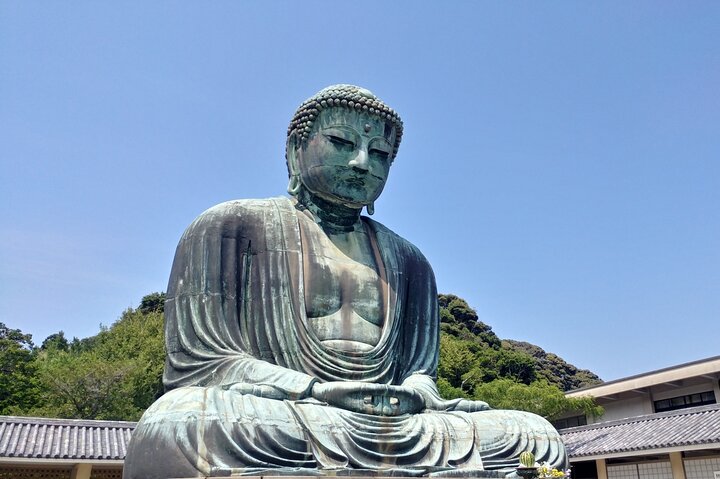
Kamakura Walking Tour - The City of Shogun
A flawlessly rated walking tour for travelers arriving by train - the storytelling layer that a self-guided temple day misses.
5.0(137)3.5 hoursViewFrom$35
Exciting Kamakura - One Day Tour from Tokyo
A top-rated private full day through the temple town for travelers who want the pace set to their own group.
4.9(51)8.5 hoursViewFrom$139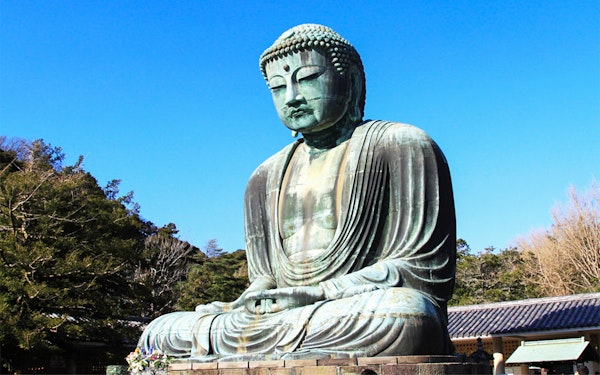
From Tokyo: Kamakura & Hasedera Day Trip with Kotoku In Temple, Enoshima, Enoden Train, & More
4.0(6)10 hoursViewFrom$61
Day Trip Kamakura from Tokyo with National Licensed Guide
7 hours - 9 hoursViewFrom$300
Kamakura Customized Half-Day Tour with Licensed Local Guide
4.9(63)4 hoursViewFrom$96
Introducing all the Famous Spots in Kamakura and Enoshima!
5.0(7)7 hoursViewFrom$123
Private Kamakura and Enoshima Day Tour from Tokyo
5.0(1)9 hr 30 minViewFrom$479
Kamakura Scenic Bike Tour
4.9(13)6 hoursViewFrom$147
Nikko
The grand one. Nikko, in the mountains a couple of hours north, is built around a lavishly decorated shrine complex set in old cedar forest, with the scenery escalating beyond it: a winding road up to Lake Chuzenji and the Kegon waterfall plunging out of it. It is the most visually opulent single sight on this list and the strongest pure-history day out of Tokyo. It is also the farthest of the classic trips, which is why the guided coach day earns its keep here, folding the shrines, the lake, and the falls into one run without you managing the mountain buses. Independent travelers can take the direct limited express and focus on the shrine area alone. The full route, timings, and what to skip are in our dedicated Nikko day trip guide.
Top Nikko day trips from Tokyo

Nikko, Kegon Waterfall & Chuzenji Lake from Tokyo
The most-reviewed Nikko day - the shrine complex plus the lake and waterfall circuit in one guided run.
4.8(1,658)11 hoursViewFrom$109
Nikko Full-Day Private Tour with Government-Licensed Guide
The private format with a licensed guide - superb ratings and a pace set entirely by your own group.
4.9(297)6 hoursViewFrom$148
Nikko World Heritage One Day Tour from Tokyo
A solid mid-priced coach day focused on the World Heritage shrine area - the straightforward way to do Nikko's headline sight.
4.5(76)10.5 hoursViewFrom$114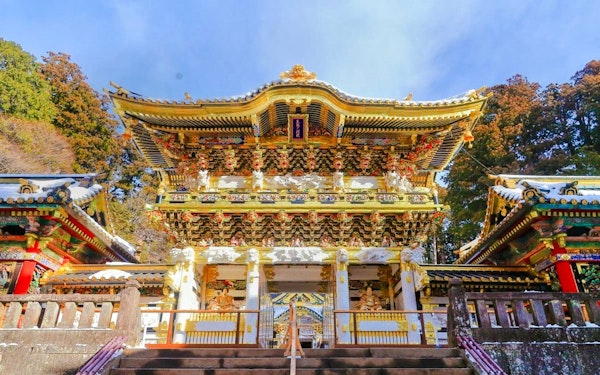
Nikko World Heritage Site Day Tour with Hotel Transfers: Tōshōgū Shrine, Kegon Falls, Lake Chūzenji, & More
4.5(2)10 hoursViewFrom$94
Nikko, Kegon Waterfall & Chuzenji Lake from Tokyo
4.0(2)10 hours - 11 hoursViewFrom$141
Magnificent Nikko World Heritage and Breathtaking Scenic Beauty in one day
4.6(5)12 hoursViewFrom$319
Nikko Highlights Day Trip Private Car & Local Guide from Tokyo
8 hoursViewFrom$570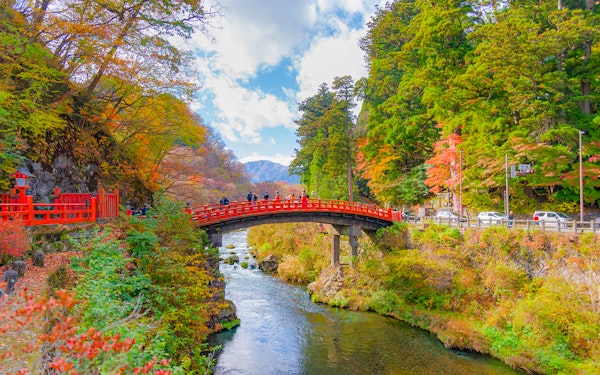
Nikko World Heritage Site Day Tour: Tōshōgū Shrine, Kegon Falls, Lake Chūzenji, & More
3.7(3)11 hoursViewFrom$93
Nikko Private Guided Tour with Lunch & Hotel Transfers
0.0(0)8 hoursViewFrom$114
Nikko World Heritage Full Day Trip
5.0(5)10 hoursViewFrom$500
Yokohama
The closest and most casual entry on the list, and the one most travelers wrongly skip. Yokohama is Japan's second city, half an hour away by suburban train, with a personality Tokyo does not duplicate: the country's biggest Chinatown for a grazing lunch, a redeveloped harbor front of red-brick warehouses and promenades, an amusement park with a landmark Ferris wheel over the water, and a run of quirky museums that make it the easiest family day out of the capital. The shape of a good Yokohama day is simple: arrive late morning, graze Chinatown until you cannot, walk it off along the waterfront past the old warehouses, give the afternoon to whichever museum or the amusement park suits your group, and stay for the harbor lights after dark, which are the city's best trick. It needs no tour to enjoy, which is exactly its charm, though a guided walk adds the history of the port that opened Japan to the world, and because the whole day is flat, close, and cheap to reach, it is the perfect recovery day after one of the long coach loops.
Kawagoe
The time-travel half day. Kawagoe, a short private-line ride northwest, preserves a district of Edo-period merchant warehouses, dark clay-walled buildings under heavy tiled roofs, with a famous bell tower rising over the main street and an alley dedicated entirely to old-fashioned candy shops. It is a strolling-and-snacking town rather than a sightseeing checklist: sweet potato treats, street food, small shrines, and kimono-rental photo opportunities, and the town's grilled eel restaurants are the sit-down lunch worth planning around. Weekends bring domestic crowds thick enough to slow the main street to a shuffle, so a weekday morning is the connoisseur's slot. As the shortest trip on this list it pairs well with a slow Tokyo morning, and the food-first tours lean into what the town does best.
Top Yokohama and Kawagoe experiences

Kawagoe Unagi Food Experience Tour near Tokyo
A superbly rated small food tour built around the old town's grilled eel specialty - Kawagoe done the way the town deserves.
5.0(31)2 hoursViewFrom$76
Kawagoe 4hr Private Tour with Licensed Guide (Kawagoe Dep)
A flawlessly rated private half day through the merchant district with a licensed guide.
5.0(13)4 hoursViewFrom$104
Yokohama 4hr Private Tour with Government-Licensed Guide
The guided version of the harbor city - Chinatown, the waterfront, and the port story in a private half day.
4.9(42)4 hoursViewFrom$104
Yokohama Private Tour
A well-rated flexible private tour of Yokohama's highlights, paced to your own group.
4.8(23)4.3 hoursViewFrom$76
Kawagoe Highlights Private Day Trip from Tokyo
5.0(1)8 hoursViewFrom$310
Kawagoe Old Town Walking Tour from Tokyo
5.0(2)6 hoursViewFrom$139
Half-day Kawagoe Walking Tour
3.5(2)4 hoursViewFrom$96
Experience Seasonal Green Tea Picking in Sayama and Nostalgic Walk in Kawagoe!
5.0(4)6 hoursViewFrom$128
Kawagoe Private Custom Tour with Local Guide
5 hoursViewFrom$192
Private Tour to Kawagoe with Photographer and Spanish-Speaking Guide
5.0(1)5 hours - 6 hoursViewFrom$310
Mount Takao and Okutama
The nature day that most first-time visitors never hear about. Mount Takao sits at the western end of one of Tokyo's own commuter lines, a forested mountain laced with trails of honestly graded difficulty, a cable car for the ascent-averse, a temple partway up, and summit views that reach to Fuji on clear days. It is where Tokyo itself goes hiking, which tells you the value-for-effort ratio. Deeper west, the Okutama valleys deliver proper mountain scenery, river gorges, suspension bridges, and cedar forest, still technically inside Tokyo's prefecture. Both pair naturally with a hot spring soak at the end, and the guided versions bundle the trail choice, the timing, and the bath into one decision. Choose Takao for the easy, half-day-scale classic and Okutama for the full wilderness day.
Top Mt Takao and Okutama day trips

Full Day Hiking Tour at Mt.Takao including Hot Spring
The classic Takao formula, a guided forest hike topped off with a hot spring bath, with excellent ratings.
4.9(59)5.5 hoursViewFrom$114
Tokyo: Mt. Takao Tour with Ramen and Tattoo-Okay Hot Spring
A flawlessly rated Takao day that solves two traveler problems at once: a post-hike ramen stop and a hot spring that welcomes tattoos.
5.0(29)8 hoursViewFrom$108
Tokyo Okutama Day Trip Tour
The deep-nature option: a well-rated full day in the gorges and cedar forests of Tokyo's own mountain west.
4.8(55)14 hoursViewFrom$189
Casual Mt. Takao Hiking Tour feeling Nature and Culture in Tokyo
5.0(1)4 hours - 6 hoursViewFrom$94
Half Day Hiking at Mt Takao Back to Shinjuku by Noon
5.0(1)3 hoursViewFrom$80
Tokyo: Mt. Takao Hidden Gem Hike & Summit Ramen (Gear Included)
5.0(2)6 hoursViewFrom$128
Mt. Takao with Hot Spring Private Tour
10 hoursViewFrom$412
Gourmet Tour in Mountain Takao, Tokyo
5.0(1)3 hr 30 minViewFrom$180
Hakone Valley Hike, Forest Bathing and Wagashi shop (Half-day)
5.0(2)3 hr 30 minViewFrom$112
1Day Tokyo Backcountry Okutama with E-bike
5.0(1)6 hoursViewFrom$201
When to go: the day-trip calendar
The trips on this list are year-round, but each has a season where it over-delivers. Winter and crisp late autumn are Fuji's window, when the dry air gives the best summit odds of the year and the mountain wears its full snowcap; summer afternoons are its worst, when haze and cloud hide it for days at a stretch. Kamakura and Enoshima peak in the warm months, when the coastal line and the island feel like a proper seaside outing, though the temples themselves are arguably better in the quiet of winter. Nikko is the autumn superstar, its mountain road and lake framed in color, which also makes it the one trip where autumn weekends genuinely jam; go midweek in the season or embrace winter's empty, occasionally snow-dusted version. Takao is famous for autumn leaves and busy to match, while Kawagoe and Yokohama are true all-weather picks with enough indoor fabric to shrug off rain. Two calendar notes apply everywhere: Golden Week in late April to early May and the New Year period send domestic crowds surging onto exactly these routes, and the cherry blossom weeks price up everything with a coach attached.
Getting there: train vs guided tour
The rule of thumb splits cleanly by geography. Kamakura, Yokohama, Kawagoe, and Mt Takao are true train trips: direct, cheap, frequent, and with the sights walkable from the station, so going independently costs little more than patience with a transit app. Nikko has a direct limited express too, but its sights spread from the shrine complex up a mountain road, so independent visitors usually see less of it than a coach day covers.
The Fuji and Hakone region is the coach's home turf. Its highlights, viewpoints, lake, ropeway, hot spring areas, are scattered across mountain terrain with no single rail spine, and the guided loops exist precisely because stringing those together yourself burns hours of connections. If you take one guided coach day from Tokyo, spend it there, and do the closer towns by train.
Booking lead time and cancellation
Peak demand tracks the scenery: the cherry blossom weeks, Golden Week in late April to early May, and the autumn color window book out first, and the Fuji coach tours in those periods can sell out one to two weeks ahead, with small-group and private formats going earliest. Winter and midsummer are far looser, often bookable days out. Most big coach tours offer free cancellation up to 24 hours before departure, which matters more here than in most cities because Fuji visibility is weather-dependent; a flexible ticket lets you chase the clear forecast. Private tours and specialty food experiences tend to carry stricter terms, so read them before locking a date.
Practical tips for the day
Start early whatever the destination. The coach days leave central Tokyo in the early morning, and even the train trips reward beating the domestic crowds to the headline sights.
Check the forecast before committing your Fuji day. It is the one trip on this list that weather can genuinely blank, so put it on your clearest day and keep a town trip as the swap.
Carry cash for the small stuff. The temple towns and old streets still run plenty of cash-only food stalls and shrine offerings, even as the cities go cashless.
Dress for a season colder than Tokyo. Hakone, Nikko, and the Fuji lakes all sit at altitude and run noticeably cooler than the city, in every season.
Do not stack two long days back to back. The 11-hour loops are wonderful and exhausting; alternate them with city days and the whole trip breathes better.
Quick compare: the best day trips from Tokyo
| Tour | Destination | From | Duration | Rating |
|---|---|---|---|---|
| Mt Fuji and Hakone 1-Day Bus Tour, Bullet Train Return | Mt Fuji + Hakone | $155 | 11h | ★4.81 (30,802) |
| Mt. Fuji Cruise & Hakone Ropeway Day Trip | Mt Fuji + Hakone | $88 | 10h | ★4.93 (327) |
| Mount Fuji, Kamakura, Big Buddha & Lake Ashi | Kamakura + Fuji | $49 | 11h | ★4.86 (1,307) |
| Nikko, Kegon Waterfall & Chuzenji Lake | Nikko | $109 | 11h | ★4.85 (1,658) |
| Kawagoe Unagi Food Experience | Kawagoe | $76 | 2h | ★4.97 (31) |
| Mt.Takao Hiking with Hot Spring | Mt Takao | $114 | 5.5h | ★4.88 (59) |
Plan your trip
See all Tokyo tours and day trips →What is the best day trip from Tokyo?
By review volume and rating, the Mt Fuji and Hakone loop is the clear number one: the country's most famous mountain, a lake cruise, and a ropeway over a volcanic valley in one long day, and it is the most-booked tour in the region by a wide margin. If you have already seen Fuji or want history instead of scenery, Kamakura's Great Buddha and Nikko's shrine complex are the two strongest alternatives.
Can you do day trips from Tokyo by train?
Yes, several of the best ones. Kamakura and Yokohama are simple suburban rail rides, Kawagoe is a short private-line hop, and Nikko has a direct limited express. The exception is the Mt Fuji and Hakone region, where the sights are scattered across lakes, ropeways, and mountain roads; a guided coach that strings them together usually beats a do-it-yourself train day there.
Is a Mt Fuji day trip worth it if the weather is cloudy?
It is a real risk to price in: the summit hides in cloud on many days, especially in the humid summer months. The best defenses are booking a tour on the clearest forecast day of your trip, favoring early starts because cloud builds as the day warms, and choosing a Fuji-and-Hakone combination so the lake cruise, ropeway, and hot spring scenery still carry the day if the mountain does not show.
How far in advance should I book day trips from Tokyo?
For the popular Mt Fuji and Hakone coach tours, book one to two weeks ahead in the spring and autumn peaks, and further out for the cherry blossom window. The private and small-group formats sell out earliest because their capacity is fixed. Off-peak, a few days is usually enough, and the train-based trips to Kamakura, Yokohama, and Kawagoe need no advance booking at all if you go independently.
Which day trip from Tokyo is best for families?
Yokohama is the easiest with younger children: close, stroller-friendly, and stacked with a giant Chinatown, a harbor-front amusement park, and interactive museums. Kamakura works well for school-age kids thanks to the Great Buddha, the coastal train, and Enoshima island. The Fuji and Nikko days are long coach commitments, so they suit families with older children who can handle an early start and a late return.
Is Nikko or Kamakura the better history day trip from Tokyo?
They scratch different itches. Nikko is the grander spectacle: an elaborately decorated shrine complex in cedar forest with waterfalls and a mountain lake beyond, but it is roughly twice as far from Tokyo. Kamakura is closer and easier, a seaside town of temples and the open-air Great Buddha you can pair with the island of Enoshima. Choose Nikko for the single most impressive sight, Kamakura for the easier and more varied day.
Can you combine Mt Fuji and Kamakura in one day trip?
Yes, several well-rated coach tours run exactly that pairing, hitting a Fuji viewpoint and Lake Ashi before or after Kamakura's Great Buddha. It makes for a long day with big blocks of driving, and each stop gets less time than a dedicated tour would give it, but if your schedule has room for only one day out of Tokyo it is an efficient way to bank two icons at once.
Is Mount Takao worth a day trip from Tokyo?
Yes, especially if you want nature without a coach commitment. Takao sits at the end of one of Tokyo's own train lines, offers trails from gentle to genuinely steep plus a cable car, and rewards the climb with a mountaintop temple and, on clear days, views toward Fuji. It scales from a half day to a full one, and the guided versions that end in a hot spring bath solve the best part of the plan for you. Its popularity is the one caveat: autumn-leaf weekends get crowded, so go midweek in that season.
What is the best day trip from Tokyo in winter?
Winter is Fuji season: the cold, dry air gives the year's best summit-visibility odds, which flips the Fuji and Hakone loop from a gamble into the closest thing it has to a sure bet. Hakone's hot springs are also at their most appealing in the cold. The train-based town trips, Kamakura, Kawagoe, and Yokohama, all work fine in winter too, with the bonus of thin crowds; the one seasonal caution is Nikko, where mountain-road conditions can bite in the deepest cold.
How many day trips should I plan on a Tokyo visit?
On a typical five-to-seven-day visit, one or two is the comfortable maximum. Each full-day tour runs 10 to 12 hours door to door, which is a real bite out of a short trip. The classic pattern is one big scenery day, usually Mt Fuji and Hakone, plus one closer, gentler outing like Kamakura or Yokohama, with the rest of the time kept for the city itself.
Keep reading
その他の読み物
あなたの旅行計画に役立つガイド

2 Days in Tokyo: Two Districts, Done Properly
Two days in Tokyo is enough for two districts and nothing else - and that is the right plan. A day-by-day route, what to book, and what to deliberately skip.

5 Days in Tokyo: How to Use a City With No Centre
Five days in Tokyo, organised by district rather than by sight - a day-by-day plan, the day trip worth taking, and why the fifth day should not be booked.

The Best Walking Tours in Tokyo: Which Ones Actually Help
Tokyo is the city where a guide earns their money. A guide to the walking tours worth booking - by neighbourhood, by theme, and by what you need explained.

Tokyo in Summer: How to Enjoy a City That Is Genuinely Hot
Summer in Tokyo is hot, humid, and full of things worth seeing. How to structure days around the heat, what to book, and when the season is actually at its best.

Tokyo in Winter: Clear Skies, Illuminations, and the Best Fuji Views
Tokyo in winter is the underrated season: crisp clear skies, the year's best Mt Fuji visibility, city-wide illuminations, onsen day trips, and thin crowds.

Things to Do in Tokyo with Kids: A Family Guide That Actually Works
The best things to do in Tokyo with kids: teamLab, the Skytree, a theme park day, animal cafes and parks, plus the transit and hotel logistics that matter.

The Best Time to Visit Tokyo: A Month-by-Month Guide
The best time to visit Tokyo, month by month: the real trade-offs between weather, crowds, and prices, plus the two sweet-spot windows for cherry blossom and autumn colour.

Kamakura Day Trip from Tokyo: The Great Buddha and Beyond
Plan a Kamakura day trip from Tokyo: the Great Buddha and temples, Kamakura plus Enoshima combos, guided walks vs the train on your own, and the top-rated tours.