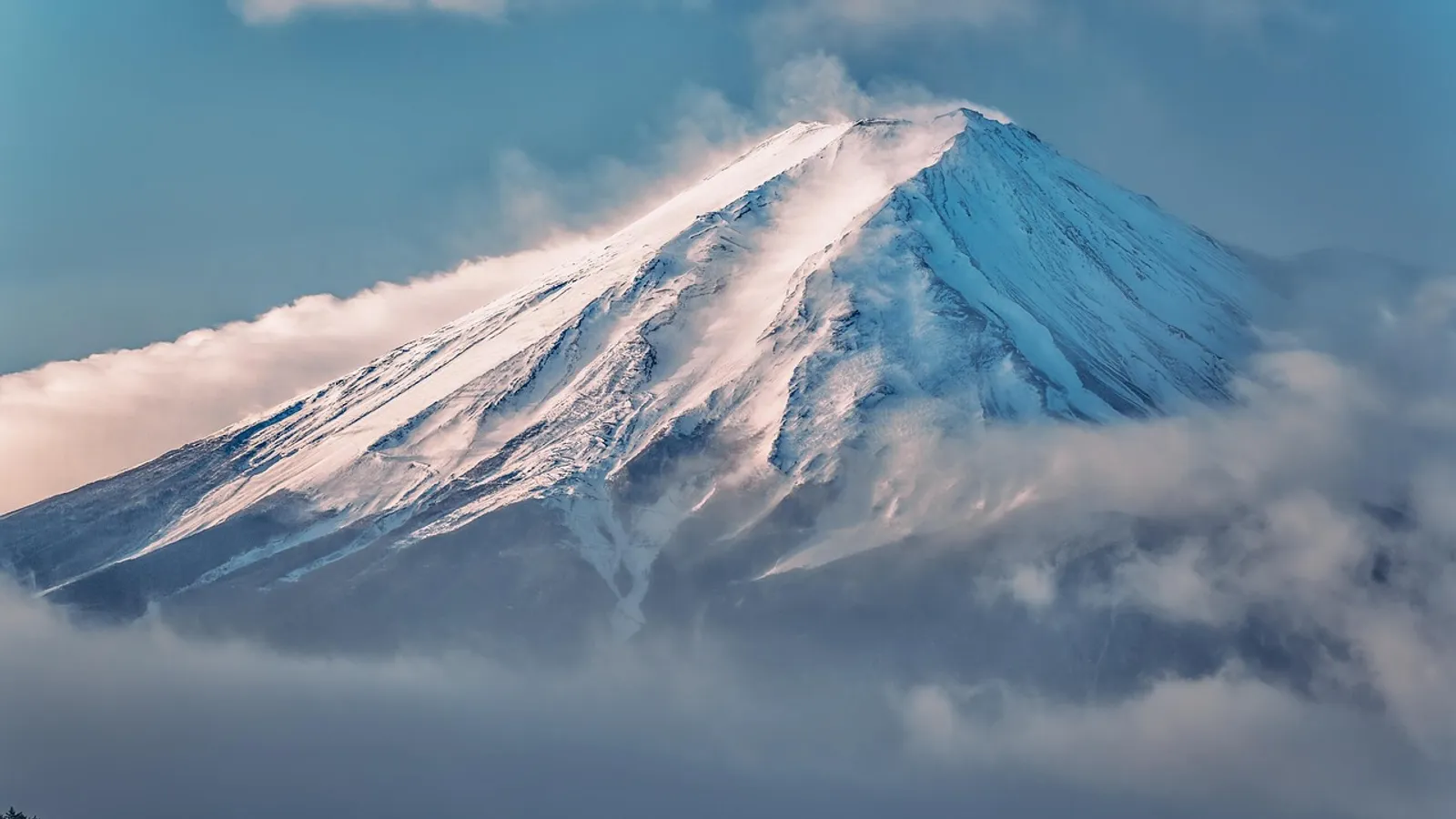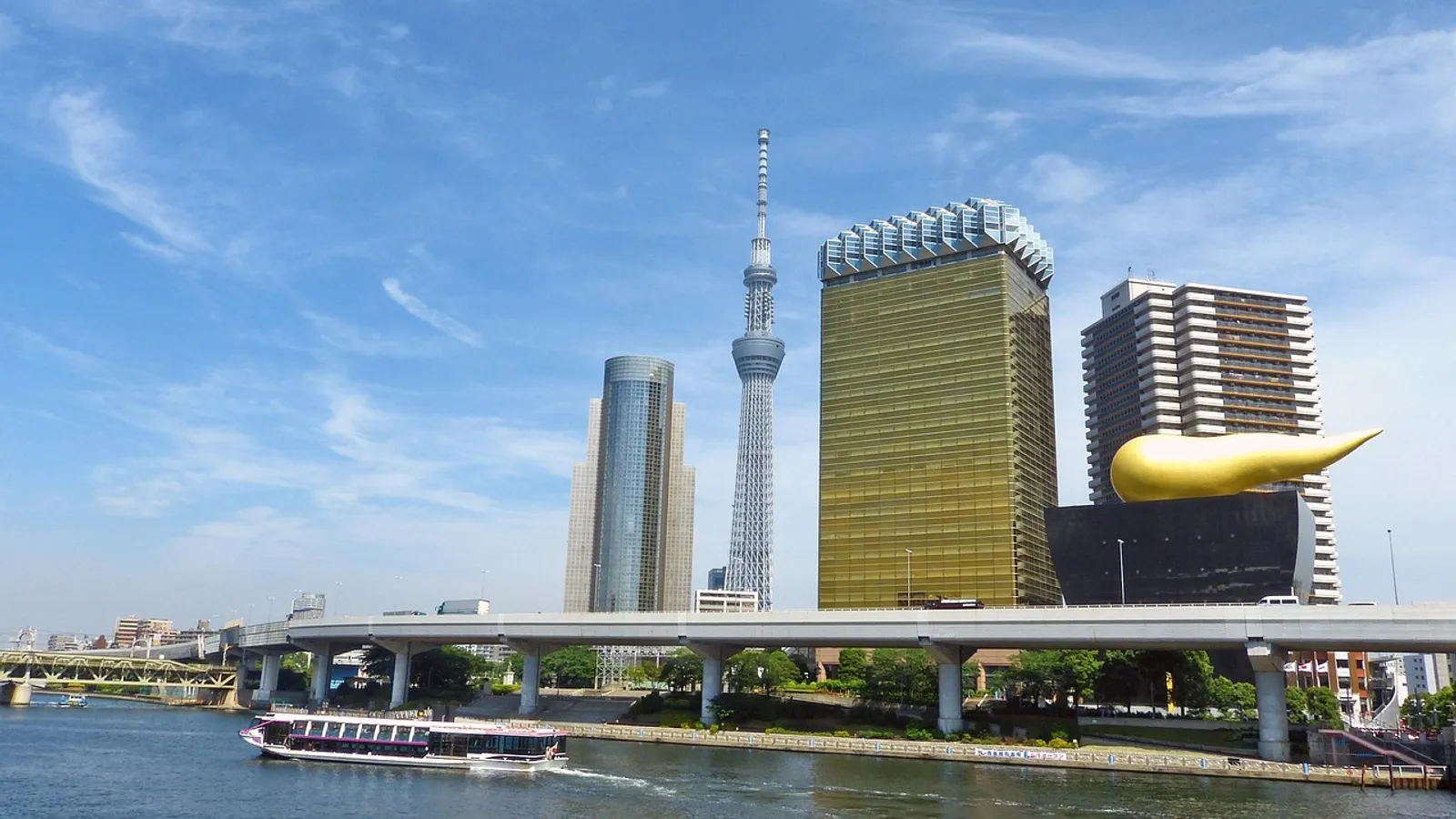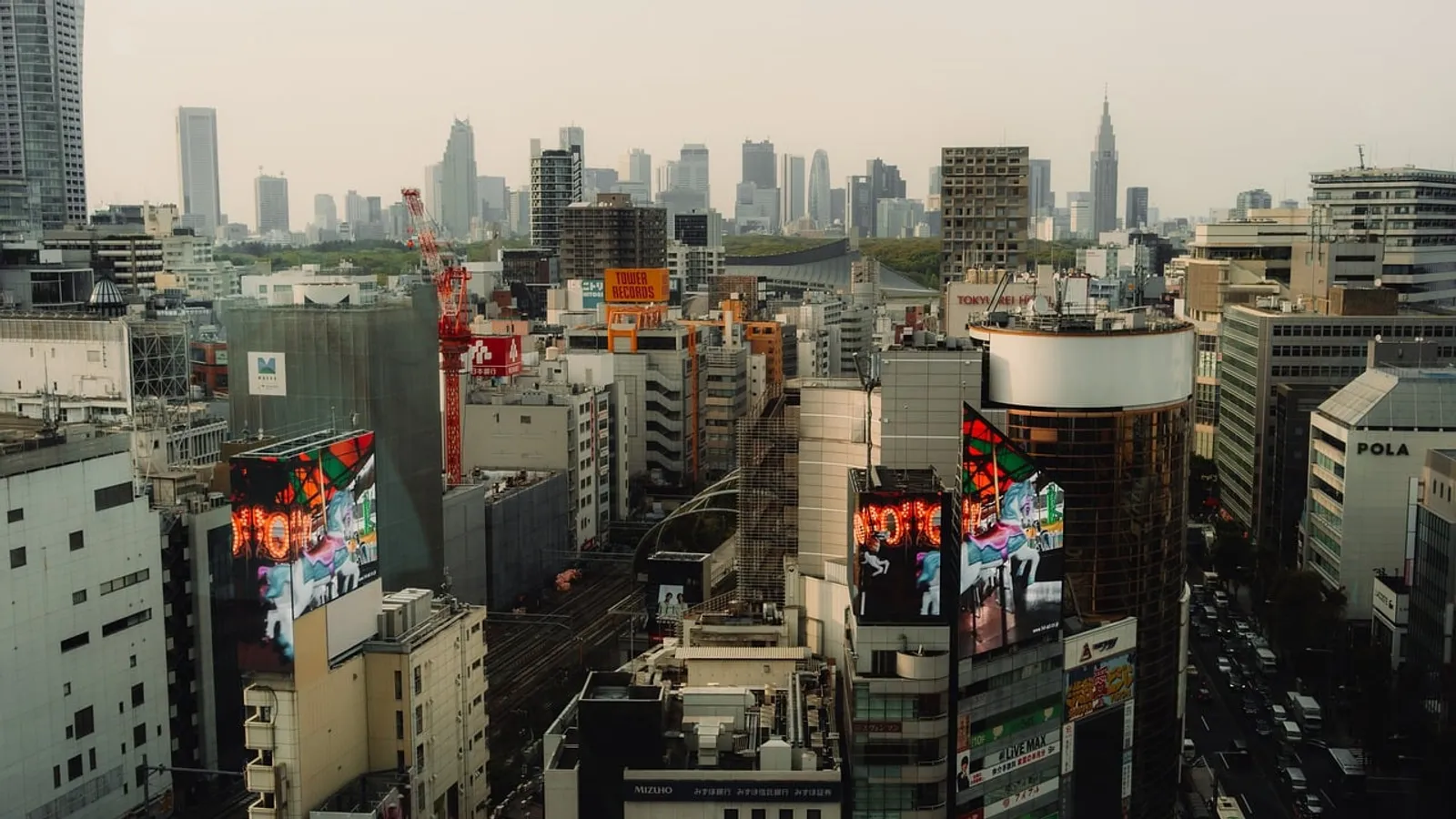
Five days is enough for a first visit to Tokyo, as long as you give each day one part of the city instead of chasing landmarks across it. This plan spends day one arriving, day two in Asakusa, Ueno and Yanaka, day three in Harajuku, Shibuya and Shinjuku, day four on a day trip, and day five in Kichijoji, on the bay or back in the district you liked most.
Read this 5 days in Tokyo itinerary as a frame, not a timetable. Every opening hour, price and booking rule below was checked on official sites on 13 November 2026, and the closing-days table shows which day to swap when a museum shuts.
- Plan
- Arrival walk, old Tokyo, west Tokyo, day trip, your pick
- Book first
- Ghibli Museum, Shibuya Sky, teamLab Planets, Romancecar seats
- Day trip
- Kamakura, Nikko, Hakone or Mt Fuji, one only
- Transport
- An IC card such as Welcome Suica, no rail pass
- Watch for
- Monday and Tuesday museum closures
- Facts checked
- 13 Nov 2026, official sources
Is 5 days enough for Tokyo
For a first trip it is, and five days is the length at which Tokyo stops feeling rushed. Three days covers the two classic halves of the city: the temple and museum quarter in the east and the shopping and nightlife districts in the west. The fourth day is what lets you leave the city once, and the fifth is slack, which matters more than it sounds: it absorbs a rainy day, a closed museum or a district you want to see twice.
What five days will not do is cover Tokyo and Kyoto properly. If you are splitting a week between cities, follow the three-day plan for Tokyo instead and keep the extra days for the next city.
The 5 day Tokyo itinerary in one table
Each day stays inside one cluster of districts, linked by a single train line where possible, so you spend your time walking streets rather than changing trains.
| Day | Where | Anchor of the day | Book before you go? |
|---|---|---|---|
| 1 | Ginza, Nihonbashi and the palace gardens, or Shinjuku | A short walk after landing | No |
| 2 | Asakusa, Ueno, Yanaka | Senso-ji at opening, the Tokyo National Museum | No (Skytree optional) |
| 3 | Harajuku, Shibuya, Shinjuku | Meiji Jingu, the Shibuya crossing, Shibuya Sky | Shibuya Sky |
| 4 | Kamakura, Nikko, Hakone or Mt Fuji | One day trip | Romancecar seat for Hakone |
| 5 | Kichijoji and Shimokitazawa, or the bay | Ghibli Museum or teamLab Planets | Yes, either one |
The order is not fixed. Days 2 and 3 swap freely, and day 4 can move to any day the forecast looks clear. The two things that pin dates are closing days and your booked slots, covered further down.
Day 1: arrive and walk one neighbourhood
Keep the first day short and close to your hotel. After a long-haul flight, an ambitious first day usually costs you the next morning, and day two is the one that needs an early start.
Getting in from the airport
Tokyo's official tourism site, GO TOKYO, gives typical travel times from both airports. From Haneda, Ginza is 35 minutes by limousine bus or 50 minutes by train, and Shinjuku is 55 minutes by bus or train. From Narita, both Ginza and Shinjuku are about 1 hour 35 minutes by train (GO TOKYO, Ginza; Shinjuku).
Buy your IC card at the airport station before you ride anywhere. Welcome Suica machines stand at Narita Airport Terminal 1, Narita Terminal 2·3 and Haneda Terminal 3 (Tokyo Monorail) stations, according to JR East, and the TOURIST PASMO card is sold at the Keikyu stations at Haneda and the Keisei information centres at Narita (PASMO).
If you land early and your room is not ready, send the bags ahead. Japan's national tourism organization notes that Narita and Haneda both offer delivery to your hotel, and that station coin lockers usually cost between 300 and 600 yen but fill quickly in busy places (JNTO, luggage).
If you are staying on the east side: the palace gardens, Nihonbashi and Ginza
The Imperial Palace East Gardens make a good first walk on this side of the city. The Imperial Household Agency, which runs them, says they use former sections of Edo Castle and opened to visitors in 1968. Entry costs nothing. In winter (1 November to the end of February) the gardens keep a 9:00 am to 4:00 pm day, nobody is admitted after 3:30 pm, and the gardens shut on Mondays and Fridays (Imperial Household Agency, as of 13 Nov 2026). Bags are inspected at the gate, so this is a walk to do after you have checked in, not with a suitcase.
Afterwards, head for Nihonbashi, which GO TOKYO describes as an easy walk from Tokyo Station. In the Edo period this was where the five main roads across Japan started, and distances are still measured from here. Mitsukoshi on its main street began in 1673 as a kimono shop called Echigoya and became Japan's first department store in 1904 (GO TOKYO, Nihonbashi). Ginza is close by, and its main street becomes a pedestrian zone on weekends, which makes a Saturday or Sunday arrival the better day for this walk.
If you are staying on the west side: Shinjuku
Shinjuku's two observation decks in the Tokyo Metropolitan Government Building sit at 202 metres and cost nothing to visit. The city government warns that they may close at short notice for bad weather (TMG). After dark, the east side around Kabukicho is where the tiny bars and ramen counters are, and GO TOKYO points to an area north of the station nicknamed the ramen "battleground" for its concentration of ramen stands.
Shinjuku Gyoen, the former imperial garden, is the daytime option if you land in the morning. Its winter day, 1 October to 14 March, runs 9:00 am to 4:30 pm; entry closes at 4:00 pm. Admission is ¥500 for adults, and the entry gates take IC cards (Shinjuku Gyoen admission page, as of 13 Nov 2026). Monday is its closing day, except during the chrysanthemum exhibition from 1 to 15 November.
Day 2: Asakusa, Ueno and the old streets of Yanaka
This is the day for the oldest-feeling part of the city, and it works best with an early start. The three areas are close together, joined by the Tokyo Metro Ginza Line and the JR Yamanote Line, so you walk or ride a few stops between them and never cross the city.
Senso-ji before the crowds
Be at Senso-ji when the main hall opens. The temple's own page gives the hall's hours as 6:00 am to 5:00 pm, with a 6:30 am opening from October to March (Senso-ji, checked 13 Nov 2026). Arriving at opening gives you time to look at the buildings themselves: the Hozo-mon gate, whose first version went up in 942 and whose current one was rebuilt in 1964, and the five-storied pagoda, which burned in the air raid of March 1945 and was rebuilt in 1973 (Senso-ji, English).
Asakusa is also a river town. The pier for the waterbus is a three-minute walk from Asakusa Station, with boats to Hinode Pier, Odaiba Marine Park and Toyosu (GO TOKYO, Asakusa). Keep that in mind if you choose the bay for day five.
Ueno Park and the Tokyo National Museum
Take the Ginza Line from Asakusa to Ueno. Ueno Park holds a cluster of museums, a large pond, a shrine with a pagoda and Ueno Zoo, which GO TOKYO calls Japan's oldest and describes as half a day's visit with about 2,500 animals (GO TOKYO, Ueno).
If you visit one museum in Tokyo, make it the Tokyo National Museum. Its standard hours run from 9:30 am until 5:00 pm, stretching to 8:00 pm on Fridays and Saturdays, and new visitors are admitted until half an hour before closing time. The collection galleries cost an adult ¥1,000; anyone under 18 or over 70 pays nothing on showing proof of age (Tokyo National Museum, checked 13 Nov 2026). Two rules catch first-time visitors: the museum is closed on Mondays, and since 1 August 2026 suitcases are not allowed inside. The counters can have waits of more than 30 minutes at busy times, so buy the ticket on your phone; it stays valid for two months.
A Friday or Saturday for day two
The museum's late opening on Fridays and Saturdays lets you reverse the afternoon: Yanaka first while the light lasts, then the galleries until 8:00 pm.
Yanaka and Nezu in the late afternoon
From the museum, carry on into Yanaka on foot; the museum lists Nezu Station, one of the stations for Yanaka and Nezu, as 15 minutes' walk away. GO TOKYO describes the two as neighbourhoods of the old downtown that escaped major damage in the world wars and in natural disasters, with Yanaka Cemetery, Nezu Shrine, wooden houses and small coffee shops along narrow lanes. Its shopping street, Yanaka Ginza, has around 60 shops along a lantern-lined 170-metre stretch, which you can walk end to end in a few minutes and eat your way down for longer (GO TOKYO, Yanaka and Nezu). For the ride back, Nippori on the JR Yamanote Line is 12 minutes from Tokyo Station.
Old Tokyo walks through Asakusa, Ueno and Yanaka

Yanaka and Asakusa Walk around DOWNTOWN TOKYO like a local
5.0(36)3 hr 30 minViewFrom$123
Tokyo: Private Asakusa Walking Tour with Sensoji Temple
5.0(1)1 hr 30 minViewFrom$33
Tokyo: Asakusa, Senso-ji temple & Shrine Walking Tour
5.0(116)2 hoursViewFrom$23
Explore Tokyo’s History on Foot Asakusa Kappabashi and Ueno
4.9(27)3 hoursViewFrom$52
Asakusa History and Kappa Street (Kappabashi Dogugai) Tour
4.7(15)2 hoursViewFrom$22
Asakusa and Sensoji Guided Tour in Tokyo 90min
5.0(11)1 hr 30 minViewFrom$21
Half-day Kawagoe Walking Tour
3.5(2)4 hoursViewFrom$98
EXPERIENCE TAKAYAMA OLD TOWN 30 MINUTES walk
5.0(12)30 minutesViewFrom$28
Half-Day Takayama Walking Tour with an English Speaking Guide
5.0(1)3 hr 30 minViewFrom$124
Walking Tour in Takayama Old Town and Historic Streets
5.0(6)2 hoursViewFrom$104
An evening option: Tokyo Skytree
If you want a high view on this side of the city, Tokyo Skytree is about a 5-minute ride from Asakusa (access). Its calendar for November 2026 to January 2027 has the decks opening, on most days, at 10:00 am Monday to Friday and an hour earlier at weekends, and closing at 10:00 pm on most nights, with the last admission an hour before that. Tickets for the Floor 350 deck start at ¥1,800 for adults, both decks start at ¥3,000, and buying at the 4th-floor counter or the machines adds ¥500 per ticket (Tokyo Skytree tickets, checked 13 Nov 2026, and hours, checked 14 Nov 2026). How the ticket types differ is set out in how Skytree tickets work. If you plan Shibuya Sky on day three, pick one of the two; see what to cut, below.
Day 3: Harajuku, Shibuya and a Shinjuku evening
Day three is the modern west, and it follows the JR Yamanote Line: Harajuku sits between Shibuya and Shinjuku on the loop (GO TOKYO, Harajuku), and Shibuya to Shinjuku is 7 minutes by train.
Meiji Jingu in the morning
Start at Meiji Jingu, which GO TOKYO names as one of the reasons people get off at Harajuku Station. It opens at sunrise and closes at sunset, so its hours move every month: 6:10 am to 4:10 pm in November and 6:40 am to 4:00 pm in December. The page lists admission charges only for Meiji Jingu Gyoen, the shrine's garden, and for the museum, at ¥500 each (Meiji Jingu, checked 13 Nov 2026). In winter the shrine closes well before dinner, so it belongs at the start of the day, never the end.
On foot from Harajuku to Shibuya
Walk rather than ride. GO TOKYO puts Omotesando, the boulevard of flagship stores, about 10 minutes from Harajuku Station and the Shibuya area about 20 minutes away. On the way, Takeshita Street is the centre of Harajuku's street-fashion shops, from goth to punk.
The Shibuya Scramble Crossing is right outside Shibuya Station, and GO TOKYO describes the crowd surging across it every two minutes (GO TOKYO, Shibuya). Watch a couple of changes from street level, then cross it yourself.
Shibuya Sky at sunset
Shibuya Sky, the rooftop deck of Shibuya Scramble Square with its ticket counter on the 14th floor, sells entry in 20-minute slots. Hours are 10:00 am until 10:30 pm, final entry 9:20 pm. Sales for each date start at midnight Japan time, two weeks ahead. On the official site, adult tickets cost ¥2,700 for entry until 2:59 pm and ¥3,400 from 3:00 pm; at the counter they are ¥3,000 and ¥3,700 (Shibuya Sky, checked 13 Nov 2026).
The rule that matters: once the online adult tickets for a slot are gone, the counter has none left to sell either (Shibuya Sky FAQ). If the slot you want is around sunset, book it on the day sales open rather than counting on the counter.
Harajuku and Shibuya walks with a local guide

Harajuku Meiji Shrine Walking Tour in Tokyo
5.0(145)2 hoursViewFrom$25
Private Walking Tour in Tokyo - See all Highlights in 1 Day
5.0(1)8 hoursViewFrom$388
ENJOY ALL SHINJUKU《Red-Light-District-Walking》with DEEPEST INFO!
4.9(52)1 hr 30 minViewFrom$25
Tokyo Private Discovery Tour | Unique Insights & Must Sees
5.0(294)4 hours - 8 hoursViewFrom$141
Tokyo Walking Tour with Licensed Guide Shinjuku
4.8(114)1 hourViewFrom$19
Art Gallery Okonomiyaki Cooking in Harajuku
5 hoursViewFrom$220
Harajuku Private Tour: Kawaii Fashion & Animal Cafe Included
5.0(85)4 hoursViewFrom$120
Tokyo in 6 Hours: Private Subway Tour with Licensed English Guide
5.0(2)6 hoursViewFrom$183
Private Tokyo Walking Tour with Local Guide
5.0(2)1 hour - 6 hoursViewFrom$32
Tokyo: Shibuya, Harajuku & Shinjuku 75-Min Go-Karting Experience by Monkey Kart
4.3(3)1 hr 15 minViewFrom$91
Shinjuku after dark
End in Shinjuku, 7 minutes up the line. If you skipped it on day one, this is the time for the Metropolitan Government Building, where GO TOKYO notes a projection-mapping show on the facade, or for the bars of Kabukicho and the ramen streets north of the station. Hanazono-jinja shrine is about 10 minutes from the station if you want one quiet stop before dinner.
Day 4: a day trip out of Tokyo
Take one day trip on a 5-day visit, not two. Four places are realistic in a day, and the right one depends on where you are staying and what you want from the day. More options are in our roundup of Tokyo day trips; the table below covers the four that fit this plan.
| Day trip | Leave from | Travel time, one way | Ticket worth knowing about |
|---|---|---|---|
| Kamakura | Shinjuku (Odakyu) or central Tokyo | About 1 hour from Tokyo | Enoshima-Kamakura Freepass, ¥1,640 from Shinjuku, one day |
| Nikko | Tobu Asakusa | About 1 hour 50 minutes to Tobu-Nikko by limited express | Limited Express SPACIA runs direct |
| Hakone | Shinjuku | About 80 minutes to Hakone-Yumoto by Romancecar | Hakone Freepass, ¥7,100 from Shinjuku, two days |
| Mt Fuji (Lake Kawaguchi) | Shinjuku | Direct JR limited express to Kawaguchiko | Last stretch is on the Fujikyu Railway |
Times and prices from the operators and the Kamakura tourism association, checked 13 Nov 2026; sources are linked in each section below.
Kamakura: the shortest trip
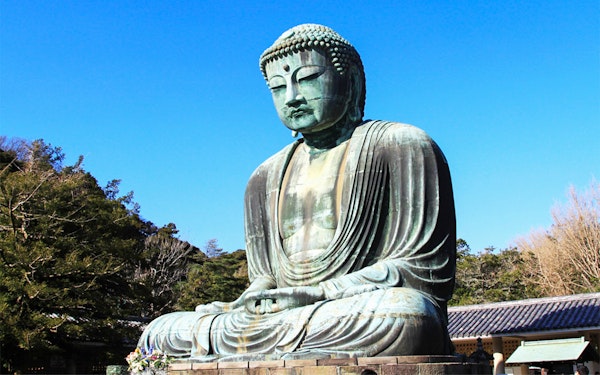
Kamakura is about an hour from Tokyo, according to the Kamakura City Tourism Association, which also warns that the roads in and around the town stay congested for long periods and recommends public transport. Inside the town, the Enoden railway and the Keikyu buses reach the main temples and shrines. The simplest ticket is Odakyu's one-day Enoshima-Kamakura Freepass, ¥1,640 per adult when bought for a Shinjuku start; it takes in the return trip and unlimited local rides around Enoshima and Kamakura, and a Romancecar seat to Katase-Enoshima adds ¥750 each way (Odakyu). For the route through town, see Kamakura from Tokyo in a day.
Kamakura day trips from Tokyo to compare
From Tokyo: Kamakura & Hasedera Day Trip with Kotoku In Temple, Enoshima, Enoden Train, & More
4.0(6)10 hoursViewFrom$52
Day Trip Kamakura from Tokyo with National Licensed Guide
8 hoursViewFrom$300
Kamakura Customized Half-Day Tour with Licensed Local Guide
4.9(67)4 hoursViewFrom$98
Kamakura Full-Day Private Tour
5.0(6)6 hr 30 minViewFrom$163
Introducing all the Famous Spots in Kamakura and Enoshima!
5.0(8)7 hoursViewFrom$125
Kamakura Tours with an expert guide, PRIVATE, CUSTOMIZABLE, FUN
5.0(20)8 hoursViewFrom$65
Kamakura Scenic Bike Tour
4.9(16)6 hoursViewFrom$148
4-hour Private Tour of Kamakura with Government-Licensed Guide
5.0(2)4 hoursViewFrom$116
Kamakura Highlights Great Buddha Shrine and Scenic Enoden Ride
5.0(2)2 hr 30 minViewFrom$83
Kamakura & Enoshima Private Tour | Licensed Guide & Driver
5.0(77)10 hoursViewFrom$582
Nikko: the Tobu line from Asakusa
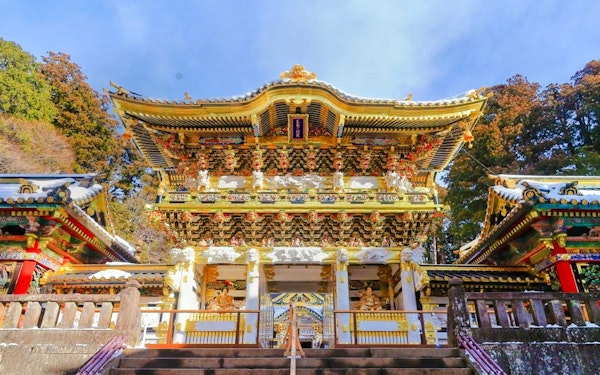
Nikko suits a base in Asakusa. Tobu's limited express from Tobu Asakusa runs direct to Tobu-Nikko in about 1 hour 50 minutes (Tobu Railway). If you are staying on the west side, some JR trains run through onto Tobu tracks from Shinjuku, and those are the ones a JR TOKYO Wide Pass covers (see getting around, below). How long to give the shrines is covered in the Nikko day trip article.
Nikko day trips from Tokyo
Nikko World Heritage Site Day Tour with Hotel Transfers: Tōshōgū Shrine, Kegon Falls, Lake Chūzenji, & More
4.5(2)10 hoursViewFrom$71
From Tokyo: Guided Day Trip to Nikko World Heritage Sites
4.6(98)10 hr 30 minViewFrom$116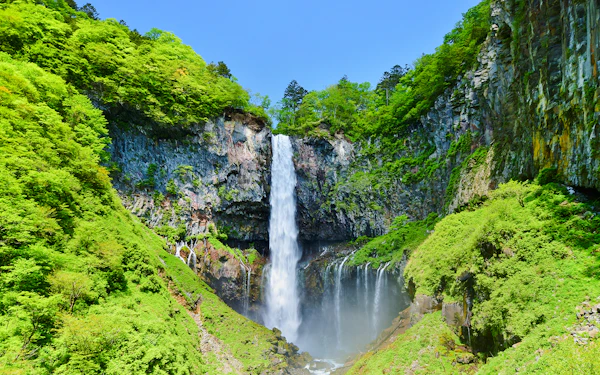
Nikko Private Guided Tour with Lunch & Hotel Transfers
5.0(1)8 hoursViewFrom$197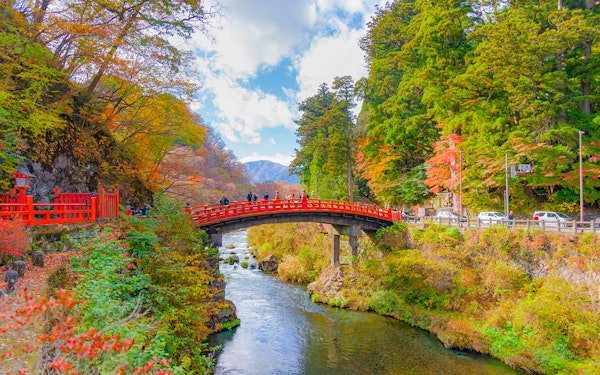
Nikko World Heritage Site Day Tour: Tōshōgū Shrine, Kegon Falls, Lake Chūzenji, & More
4.0(4)11 hoursViewFrom$94
Nikko UNESCO & Nature Private Tour (Tokyo Departure Optional)
4.5(2)6 hours - 12 hoursViewFrom$163
Nikko World Heritage Full Day Trip
5.0(5)10 hoursViewFrom$437
Magnificent Nikko World Heritage and Breathtaking Scenic Beauty in one day
4.6(5)12 hoursViewFrom$323
From Tokyo Private Nikko Shrines and Nature Day Tour
4.9(57)10 hours - 11 hoursViewFrom$343
Nikko Tour from Tokyo with Licensed Guide via Private Car
10 hoursViewFrom$935
Nikko Highlights Day Trip Private Car & Local Guide from Tokyo
7 hoursViewFrom$570
Hakone: a loop by train, ropeway and boat
Hakone suits a base in Shinjuku. Odakyu's Romancecar, an all-reserved limited express, reaches Hakone-Yumoto from Shinjuku in roughly 80 minutes, and its seats are released at 10:00 am Japan time a month ahead of the travel date (Odakyu Romancecar). For the day itself, the two-day Hakone Freepass bought in Shinjuku is ¥7,100 per adult. That price takes in the return ride between Shinjuku and Odawara and unlimited use of eight types of transport around Hakone, the pirate ship on Lake Ashi among them; a Romancecar seat costs ¥1,200 more per direction (Hakone Freepass, as of 13 Nov 2026). Odakyu says it has sold more than 10 million of these passes in the past 20 years. The loop around the lake is laid out in our Hakone day trip from Tokyo article.
Mt Fuji: only on a clear day
The FUJI EXCURSION limited express runs direct from Shinjuku to Kawaguchiko, with the last section on the Fujikyu Railway (Japan Rail Pass, scope of validity; Fujikyu Railway). The view is the reason to go, so keep this one flexible and swap it with day five if the forecast turns. For the lakes and viewpoints, read our Fuji planning guide.
Day 5: go back to what you liked, or head west to Kichijoji
The last day is yours. By now you will know whether you want more of one district, and spending day five there is often the best use of it. If nothing pulls you back, pick one of the two days below.
Kichijoji, Inokashira Park and the Ghibli Museum
The JR Chuo Line Rapid gets you from Shinjuku to Kichijoji in 14 minutes. Inokashira Park is a few minutes from the station, with a boating lake, woodland paths and a red Benten shrine, and GO TOKYO notes that November is when its leaves turn. North of the station, Harmonica Yokocho is a knot of alleys whose standing bars open as the sun sets (GO TOKYO, Kichijoji).
The Ghibli Museum is about a 15-minute walk from Kichijoji Station, and it is the booking to make first on this trip. The museum's directions page is blunt about it: "Entrance to the Ghibli Museum is strictly by advance purchase of a reserved ticket which specifies the entry date and time of the reservation." Sales for a whole month open on the 10th of the month before, at 10:00 am Japan time, and tickets cost ¥1,000 for visitors aged 19 and over, ¥700 for ages 13 to 18, ¥400 for 7 to 12 and ¥100 for 4 to 6 (Ghibli Museum tickets, checked 13 Nov 2026). It opens at 10:00 am, closes at 6:00 pm and shuts on most Tuesdays; its calendar also shows it closed from 27 December 2026 to 2 January 2027.
Finish the day in Shimokitazawa, which the Keio Inokashira Line links to Kichijoji. GO TOKYO describes it as a district of vintage clothing, music shops, bookstores and small cafes that does not get going until lunchtime, so it suits an afternoon and evening rather than a morning (GO TOKYO, Shimokitazawa).
teamLab Planets and the bay
The other way to spend day five is on the water side of the city. teamLab Planets in Toyosu is an art museum where you walk through water barefoot, sometimes up to the knee. teamLab's normal day is 8:00 am to 10:00 pm (last entry 9:00 pm), and nothing is sold at the door; each ticket carries a set entry time. The official price list shows ¥3,800 for adults, ¥2,800 for junior high and high school students and ¥1,500 for ages 4 to 12, with a note that prices are dynamic (as of 13 Nov 2026 on the teamLab Planets site). Two Thursdays are closing days this winter, 3 December 2026 and 14 January 2027, and the venue's run is set to end at the close of 2027. Slot choice is covered in more detail in booking teamLab Planets.
Pair it with Odaiba, the island in Tokyo Bay that the Edo shogunate built in the 1850s as a defence against attack from the sea. The JR Saikyo Line runs direct from Shinjuku to Tokyo Teleport Station in 22 minutes, and the Yurikamome line runs out from Shimbashi. Since March 2026 Odaiba Seaside Park has staged Tokyo Aqua Symphony, a daily fountain show that GO TOKYO says reaches 150 metres high and 250 metres wide and costs nothing to watch (GO TOKYO, Odaiba). Walking across the Rainbow Bridge takes about 30 minutes.
teamLab Planets entry and Tokyo Bay experiences

Sanrio Puroland Tokyo Ticket
4.8(5)1 hour - 2 hoursViewFrom$45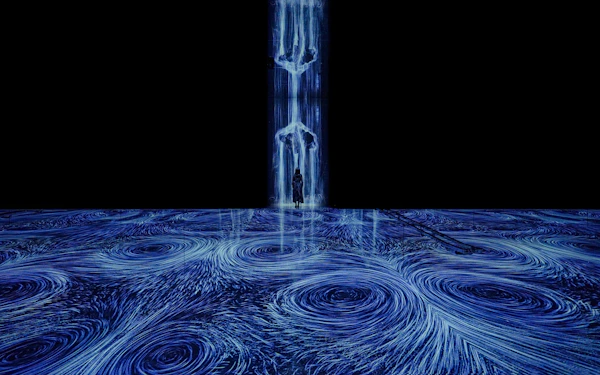
teamLab Planets TOKYO Tickets
4.7(5,647)ViewFrom$22
Tokyo: TeamLab Planets Art & Tsukiji Market Food Tour
4.9(40)4 hoursViewFrom$135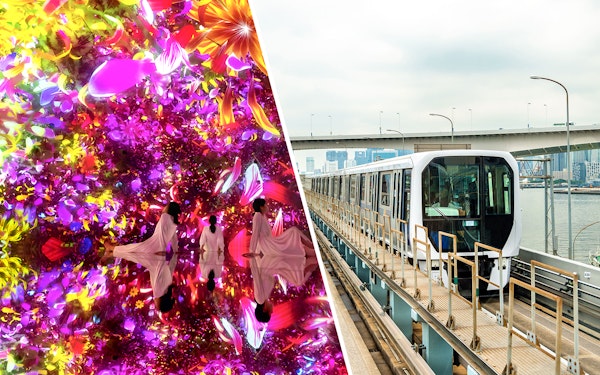
Combo: teamLab Planets TOKYO Tickets + Tokyo Subway Pass
4.6(650)ViewFrom$34
Japan TeamLab Planets Tokyo Admission Ticket
4.3(4)30 minutesViewFrom$56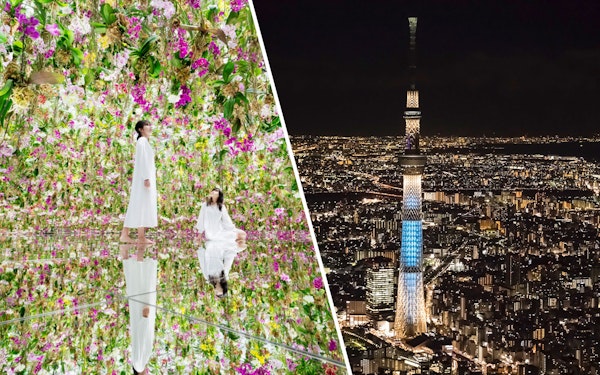
Combo: teamLab Planets Tokyo + Tokyo Observation Decks Tickets
4.6(305)ViewFrom$54
TeamLab Planets TOKYO Admission Entry Ticket
4.1(19)2 hours - 3 hoursViewFrom$51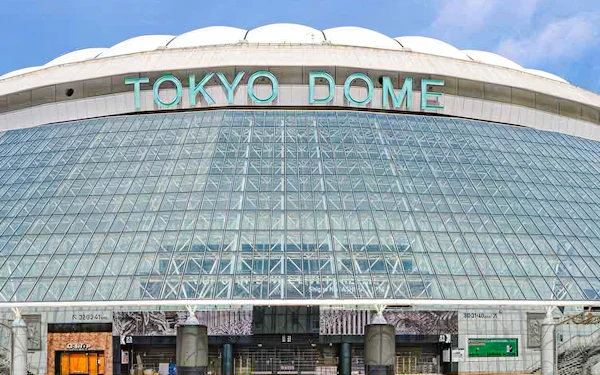
Tokyo Dome City Space Travelium TeNQ Tickets
0.0(0)ViewFrom$15
Tokyo TeamLab Planets Admission Ticket
2.3(4)3 hours - 4 hoursViewFrom$47
teamLab Planets Skip-the-Line Tickets [Premium Pass]
4.8(643)ViewFrom$86
What to book before you fly
Only a handful of things on this plan sell out or open on a fixed date. Put these release times in your calendar in Japan time.
| What | When sales open | Rule to know |
|---|---|---|
| Ghibli Museum | 10:00 am on the 10th, for the following month | No tickets sold at the museum |
| Imperial Palace guided tour (online) | 5:00 am on the 1st of the month before your visit | Online booking closes 11:59 pm, four days before |
| Shibuya Sky | Midnight, 14 days before the entry date | Online sell-out means counter sell-out |
| Romancecar seats (Hakone, Enoshima) | 10:00 am, one month before departure | All seats reserved |
| teamLab Planets | No tickets sold at the venue | Entry time fixed on the ticket |
Release rules from the Ghibli Museum, Imperial Household Agency, Shibuya Sky, Odakyu and teamLab, all as of 13 Nov 2026.
The Imperial Palace guided tour is the easiest of these to overlook. It runs as a morning and an afternoon tour of the palace grounds, about 2.2 km and an hour on foot, except on Sundays, Mondays and national holidays (Saturday holidays excepted). There is no afternoon tour from 1 July to 30 September, and no tour at all from 28 December to 4 January. Book it online if you want a fixed place, or try for a same-day ticket at the gate (see the questions at the end).
Closing days that move the plan
The weekdays below decide which order the five days go in. Check them against your arrival date before you fix anything.
| Day or date | What is closed | How to plan around it |
|---|---|---|
| Mondays | Tokyo National Museum, Shinjuku Gyoen, Imperial Palace East Gardens, palace tours | Make Monday your day trip |
| Tuesdays | Ghibli Museum (most weeks) | Don't put the Kichijoji day on a Tuesday |
| Fridays | Imperial Palace East Gardens | Walk them on day one only if it isn't Monday or Friday |
| Sundays and holidays | Imperial Palace tours, Toyosu Market | Use these for Harajuku or Shibuya |
| After a Monday holiday | Tokyo National Museum, Shinjuku Gyoen and the East Gardens close on the Tuesday instead | 11 Jan 2027 is a holiday, so these close on Tue 12 Jan |
| Late December | East Gardens from 28 Dec, palace tours from 28 Dec, Shinjuku Gyoen from 29 Dec, the Tokyo National Museum from 26 Dec | Plan museum days before 22 December |
Closing days as each venue publishes them (checked 13 Nov 2026); national holidays from the Cabinet Office. The Tokyo National Museum is also closed on 15 December 2026, and from 22 to 25 December only two of its buildings, the Gallery of Horyuji Treasures and the Kuroda Memorial Hall, are open. Shibuya Sky closes for regular opening on New Year's Day.
Where to stay for 5 days in Tokyo
Stay where your day trip leaves from. Shinjuku puts you on the Odakyu Romancecar for Hakone, the Odakyu trains toward Enoshima and Kamakura and the direct train to Mt Fuji; Asakusa puts you at the Tobu station for Nikko, and GO TOKYO puts nearby Ueno around 1 hour 20 minutes from Narita by train. The area around Tokyo Station and Ginza is the compromise, central for both halves of the city. Our guide to where to stay in Tokyo weighs the neighbourhoods against each other in more depth.
Getting around: IC cards and whether a rail pass pays
Use a rechargeable IC card for everything inside the city and pay for day trips separately. No rail pass beats that on a 5-day plan with one trip out, for the reasons below.
Welcome Suica, TOURIST PASMO and paying by card
The Welcome Suica works on trains, subways and buses in the Tokyo area, including the Tokyo Monorail from Haneda, and in shops and coin lockers. It needs no deposit, lasts 28 days from the day you buy it, tops up to ¥20,000 and only with yen (not a credit card), and the balance is not refunded (JR East, Welcome Suica and purchase rules). Seven Bank ATMs in 7-Eleven and other convenience stores can top it up. TOURIST PASMO works the same way: no deposit, 28 days, sold at the two airports.
You can also tap a contactless credit or debit card, or a phone, at Tokyo Metro gates. Tokyo Metro's tap-to-ride service charges the normal ticket fare and lets you transfer between 11 railway operators in the region, Tokyo Metro, Toei, Odakyu and Keio among them, but not onto JR East trains, and only at adult fares (Tokyo Metro). Since this plan uses the JR Yamanote Line on most days, an IC card is simpler.
The Tokyo Subway Ticket, worked out
For ¥1,000, ¥1,500 or ¥2,000, an adult gets 24, 48 or 72 hours of unlimited travel across the whole Tokyo Metro and Toei Subway network with the Tokyo Subway Ticket. Only overseas visitors, and residents of Japan living beyond Tokyo and seven nearby prefectures, can buy it (Tokyo Metro, checked 13 Nov 2026).
A single IC-card ride on Tokyo Metro costs ¥178 up to 6 km, or ¥209 between 7 and 11 km (Tokyo Metro fares). So the 72-hour ticket pays for itself after 12 short subway rides, or 10 medium ones, inside those three days. Days two and three of this plan lean on the JR Yamanote Line, which the ticket does not cover, so most visitors on this itinerary will not reach that count. Buy it only if your hotel is on a subway line and you expect four or more subway rides a day.
The JR TOKYO Wide Pass
JR East's TOKYO Wide Pass costs ¥16,000 for adults and ¥8,000 for children aged 6 to 11, and is valid for three consecutive days. It covers JR East lines around Tokyo, the Fujikyu Railway, the Rinkai Line to Odaiba and the JR trains that run through to Nikko on Tobu tracks; the reserved seats on Fujikyu's own express trains cost extra (JR East, checked 13 Nov 2026). It makes sense if two of your days are long JR trips, such as Nikko and Mt Fuji on a 6- or 7-day stay. For a single day trip, price the return fare on the operator's site first; the Kamakura and Hakone passes above cost far less.
Money and cards
Carry some cash, but expect cards to work in most places. JNTO says international credit, debit and prepaid cards are generally accepted around the country, though shops may not display the card logos, and short train and subway fares can't always be paid by card (JNTO, credit cards).
For cash, Japan Post Bank ATMs and Seven Bank ATMs (mainly in 7-Eleven stores) take cards issued abroad, and Seven Bank's screens run in 12 languages. JNTO adds that ATM fees can depend on the time of day, that not every ATM runs 24 hours, and that machines in central areas sometimes run out of cash (JNTO, currency). Take out enough for two or three days at a time rather than relying on finding a machine late at night.
Where to eat along the way
Eat in whichever district the day has brought you to; a dinner reservation on the far side of town undoes the plan. On day two, Yanaka Ginza's stalls sell street food as you walk, and Ameyoko, the market street a short walk from Ueno Station, has street food at stalls and small restaurants. In Shinjuku, the basement food halls of the department stores around the station are the quick lunch, and the ramen streets north of the station are the late one. Kichijoji's Harmonica Yokocho and the small cafes of Shimokitazawa cover day five. For a sit-down dinner you care about, book through the restaurant itself, and expect to pay a service charge rather than leave a tip.
When to go
Late autumn is the easiest season for this plan. Tokyo's climate normals from the Japan Meteorological Agency, averaged over 1991 to 2020, give November an average high of 16.7°C and 96.3 mm of rain, against 234.8 mm in October; December comes in at 12.0°C and 57.9 mm (JMA). For a month-by-month view, see Tokyo through the year.
5 days in Tokyo with kids
The plan works with children if you swap one museum for something hands-on. Ueno Zoo can take half of day two, and visitors under 18 enter the Tokyo National Museum collection at no charge. teamLab Planets and the Ghibli Museum both have reduced child prices, listed above, and both need booking. Remember that the card tap-to-ride service charges adult fares, so give children their own IC cards. Our guide to Tokyo with kids goes through it by age.
Cutting it to 4 days in Tokyo
Drop day five, not the day trip. With four days in Tokyo, arrive and walk on day one, do the east on day two and the west on day three, and leave the city on day four. If you land in the morning, fold the day-one walk into the afternoon of your arrival and start day two in Asakusa as planned. Shorter still, the two-day Tokyo plan keeps only the two city days.
If you have 6 or 7 days
With a week in Tokyo, add a second day trip and an unhurried city day. A 7-day Tokyo itinerary could look like this:
- Day 6: the second day trip, picked to differ from the first. If day four was Kamakura, make it Nikko or Hakone. The Hakone Freepass is valid for two days, so it also covers an overnight stay there.
- Day 7: the day-five option you didn't take, Kichijoji or the bay, or the Imperial Palace tour followed by an afternoon at the museums of Ueno Park.
Two trips out of the city on JR lines inside three days is the case the JR TOKYO Wide Pass is built for; price both return fares against its ¥16,000 before you buy it. A 6-day trip takes just one of the two extra days; make it the second day trip if you want variety, or the slow city day if the first five felt rushed.
What to cut on a 5-day trip
Cut a second observation deck before anything else. Skytree, Shibuya Sky and the Metropolitan Government Building all show you the same sea of buildings from different sides, and the government building costs nothing. Pick the paid one whose slot fits your day, or skip both.
Don't fit two theme museums into one day either. teamLab and the Ghibli Museum each fix your entry time, and they sit at opposite ends of the city, Toyosu on the bay and Mitaka out west. And resist a second day trip on five days: the time on trains comes straight out of the slack that makes day five worth having.
If it rains or it is very hot
A wet day needs only a reshuffle on this plan. When it rains, move the Tokyo National Museum or teamLab Planets onto it; at Odaiba, GO TOKYO points to indoor attractions such as Miraikan, the science museum, and the indoor amusement parks at DECKS Tokyo Beach. Keep Meiji Jingu, the palace gardens and Yanaka for dry days, since those are walks.
Heat is the bigger problem in summer. JMA's averages give Tokyo an average August high of 31.3°C and an average low of 23.5°C. Start early: from May to August, Meiji Jingu opens at 5:00 am. Leave the open-air sights for the evening, when Shibuya Sky and teamLab both stay open late, and note that the palace tour route is described by the Imperial Household Agency as having limited shade. Our guide to Tokyo in summer has more on planning around the heat.
For everything that can be booked on this route, from walking tours of old Tokyo to day trips, browse Tokyo tours, where we compare the same experience across booking sites.
Compare Tokyo experiences on several booking sitesCommon questions
Is a Japan Rail Pass worth it for 5 days in Tokyo?
Not for a trip based in Tokyo. The 7-day pass for standard cars costs ¥50,000 bought on the official site, and it is built for long journeys across Japan. Inside the city it covers JR lines such as the Yamanote loop and the Tokyo Monorail, but not Tokyo Metro or Toei subways, and the private railways to Hakone and Nikko charge their own fares. It starts to pay only if Tokyo is one stop on a longer route by shinkansen.
Which day trip from Tokyo is easiest to fit into a 5-day trip?
Kamakura, if you want the least planning. The local tourism association puts it about an hour from Tokyo, so a late start still leaves a full afternoon, and the one-day Odakyu pass from Shinjuku covers the return journey. Nikko and Hakone take longer to reach, so they reward an early start, and Mt Fuji depends on the weather.
Which Tokyo tickets can you leave until you arrive?
Most of them. Meiji Jingu lists admission charges only for its Gyoen garden and its museum, the Imperial Palace East Gardens cost nothing to enter, and the Tokyo National Museum sells collection tickets online that stay valid for two months. Tokyo Skytree also sells at the building, though tickets bought at the 4th-floor counter or the machines carry a ¥500 fee per ticket. The things that cannot wait are the timed or capped ones listed in the booking table.
Can you get into the Ghibli Museum without buying ahead?
No. Nothing is sold at the door: the tickets page rules out both reserving and buying at the museum itself, and each ticket is valid only for its stated date and entry time. It also states that buying tickets for resale is not allowed, so buy through the official channels listed on that page.
Can you join the Imperial Palace tour without booking?
Yes, if you arrive early. Numbered tickets for same-day tours are handed out at Kikyo-mon Gate from 9:00 am for the morning tour and from 12:30 pm for the afternoon tour, first come, first served, one per person, with 300 places a tour; from July to September only the morning tour runs. Bring your passport or another original ID; photocopies are refused.
Can you change a teamLab Planets ticket?
Yes, if you bought it from the official ticket store. You can change the date and time up to three times, as long as you do it at least two hours before your entry time. Tickets bought elsewhere follow the seller's own terms.
Do you tip in Tokyo?
No. Japan's national tourism organization says tipping for service in bars, cafes, restaurants, taxis and hotels is not common. The one exception it mentions is a private guide or interpreter used to overseas customs, and even then a tip is not expected; if you give one, put it in an envelope.
Sources
All checked on 13 November 2026.
- GO TOKYO, the official Tokyo travel guide: Asakusa, Ueno, Yanaka and Nezu, Harajuku, Shibuya, Shinjuku, Ginza, Nihonbashi, Kichijoji, Shimokitazawa, Odaiba
- Imperial Household Agency: East Gardens and Imperial Palace guided tours
- Senso-ji, hours and history
- Tokyo National Museum, visitor information
- Meiji Jingu, opening hours and admission
- Shinjuku Gyoen National Garden, hours and admission
- Tokyo Metropolitan Government Building observatories
- Tokyo Skytree: tickets and hours
- Shibuya Sky: tickets and FAQ
- teamLab Planets
- Ghibli Museum, Mitaka: tickets and calendar and hours and directions
- Kamakura City Tourism Association, access
- Odakyu: Romancecar, Hakone Freepass, Enoshima-Kamakura Freepass
- Tobu Railway, access to Nikko
- Fujikyu Railway, access
- JR East: Welcome Suica, Welcome Suica purchase and refunds, JR TOKYO Wide Pass
- PASMO, TOURIST PASMO
- Tokyo Metro: Tokyo Subway Ticket, fares, tap to ride
- Japan Rail Pass (JR Group): prices, scope of validity, eligibility
- JNTO: plan your trip, credit cards, currency, tipping, luggage
- Japan Meteorological Agency, monthly normals for Tokyo
- Toyosu Market visitor pamphlet (Tokyo Metropolitan Government)
- Cabinet Office: public holidays for 2026 and 2027