MilanCity pillarPlanningFirst-timer
The Ultimate Milan Travel Guide for First-Time Visitors (2026)
A field-tested 2026 Milan travel guide - where to stay by neighbourhood, how the metro and trams work, when to go, and the first-timer mistakes worth avoiding.
Av SimilarTours Editorial · Travel Research · · 20 min läsning

Milan is the Italian city travellers most often underestimate, and the reason is that it does not perform for visitors the way Venice or Florence do. There is no single postcard route through it. It is a working city with a serious art collection, a cathedral roof you can walk on, a football stadium worth the metro ride, and a chain of lakes and walled towns within an hour of its stations. Get the planning layer right - where to base yourself, which two things need booking weeks ahead, and how the transport works - and it stops feeling like a stopover.
If you have ten minutes, skip to the neighbourhood section and the booking-strategy section. Those two decisions shape a Milan trip more than anything else.
Browse all Milan experiences and tickets →Why visit Milan
Milan rewards a specific kind of curiosity. The headline sights are genuinely world-class: the cathedral and its rooftop terraces, Leonardo's mural behind the hardest reservation in the country, a great picture gallery in the middle of the city's most attractive district, and an opera house that still functions as the centre of Italian musical life. But the thing people remember is usually not a monument. It is the aperitivo hour along the canals, when the whole city seems to be outside with a drink. It is the fashion district window displays staged like exhibitions. It is the shock of standing among the spires on the cathedral roof after seeing the same building from below all morning.
It is also compact and extremely well connected. The historic centre is walkable end to end, the metro handles everything beyond it, and the rail links out to the lakes and to other northern cities are frequent and fast. That combination makes Milan an unusually efficient base: you can spend a morning in a great museum and an afternoon on a lake without renting a car or committing to a long transfer.
When to go
Milan has a real four-season climate, flat and inland, and the differences matter more here than on the coast.
- April to June - the best window. Warm without being oppressive, the parks and terraces open up, and the air is usually clear enough to see the Alps on the northern horizon from a high viewpoint. Book earlier than you think, because this is also the busiest stretch of the trade-fair calendar.
- July and August - hot, humid and hazy. The city itself thins out in the second half of August, when many independent restaurants, bakeries and shops close for a stretch while the Milanese head for the coast and the mountains. Great for museum queues, poor for eating well.
- September and October - the other sweet spot. Comfortable walking weather, the city fully back at work, and the light softer than in early summer. Fashion week and the autumn fairs push hotel prices up on specific dates.
- November to March - cold, often grey, sometimes foggy, and the cheapest time to come. Museums and ticketed interiors are at their calmest, the Christmas period brings markets and lights to the centre, and the lakes are quiet but many lakeside businesses run reduced hours.
Check the fair calendar before you book
Milan's hotel prices are driven by trade fairs and fashion weeks more than by tourist season. A midweek stay during a major fair can cost several times the same room a week later, and availability tightens across the whole city rather than just near the venue. Shifting your dates by a few days is the single biggest saving available on a Milan trip.
Getting there and getting around
Three airports serve Milan and they are not interchangeable. The main long-haul airport sits northwest of the city and connects to the central station by a dedicated express train and by frequent coach services. A second, closer airport has its own rail link with a short run into central Milan and is the easiest arrival if your flight uses it. A third sits well outside the metropolitan area, is served by coaches only, and is worth factoring into the true cost of a cheap fare. Milan is also a major rail hub, so arriving by train from elsewhere in Italy or from across the Alps is often the smoother option.
Once you are here, transport is simple:
- Metro - the backbone. A handful of colour-coded lines cover the Duomo, the castle, the station, the stadium and the outer districts, and trains are frequent enough that you never plan around a timetable.
- Trams - the nicer way to cross the centre, including some older wooden carriages that are an attraction in themselves. Slower than the metro, far more pleasant for a short hop.
- Buses - useful for the edges and for a few gaps the rail network leaves.
- Walking - the centre is genuinely compact. The Duomo to the castle, or the Duomo to Brera, is a short and interesting walk rather than a slog.
One ticket type covers metro, tram and bus within the central zone, and day or multi-day passes pay for themselves quickly if you are moving around. Taxis exist but are not the default here the way they are in some cities, and traffic in the centre is restricted.
Validate before you ride
Milan's transport runs on validation rather than barriers in some cases, and inspectors do check. Tap or stamp your ticket every time you board a tram or bus and at the metro gates, keep it until you leave the system, and do not assume a day pass validated once covers you without further taps. Fines are issued on the spot and the excuse of being a visitor does not help.
Where to stay - neighbourhood guide
Milan is small enough that no central district is a mistake, but the character varies sharply.
Duomo and the centre - maximum convenience at maximum price. You step out of the door into the cathedral square, the Galleria and the shopping streets, which is worth a great deal on a short stay. The trade-off is that the immediate area empties of life after the shops close and the restaurants right beside the sights are the weakest in the city. Best for one or two nights when walking distance is the priority.
Brera - the sweet spot for most first-time visitors. Narrow streets and small squares just north of the centre, the picture gallery on its doorstep, and the best concentration of restaurants and bars within easy walking distance of the Duomo. It is quieter at night than Navigli and more atmospheric than the streets around the station. The best all-round balance of location, character and comfort.
Navigli and Porta Genova - the evening district, built around the canals, where the aperitivo scene runs at full volume. Stay here if the nightlife is a feature rather than a bug, and if you would rather walk home from dinner than take the metro. It is a short ride from the Duomo, less convenient for early sightseeing, and noisier at weekends.
Porta Romana and Porta Venezia - the value picks inside the ring. Both are residential, well served by the metro, close to the parks, and full of neighbourhood restaurants at prices the centre cannot match. Porta Venezia in particular puts you next to the city's biggest central park and a short tram ride from everything.
Isola and Porta Nuova - the modern Milan option, under and around the high-rise district north of the centre. Isola keeps a low-rise, independent, food-heavy character right beside the glass towers, and the contrast is one of the most interesting things about the city now. Good for a second visit or a longer stay.
Central station area - convenient for transport and generally the cheapest central beds, but the least charming address in this list and the part of the city where petty crime is most concentrated after dark. Fine if the price difference matters and you are travelling on early trains, not the choice for atmosphere.
Stay inside the tram ring
The practical rule in Milan is to stay inside the ring the trams follow around the historic core. Anywhere in that circle puts you within a short walk or one metro stop of everything on a first-visit list, and the price difference between a room there and one further out rarely covers the transport time and hassle you buy back.
Top experiences to book
Milan splits cleanly into things you must reserve and things you simply walk up to. Two sights carry real booking pressure. Leonardo's Last Supper runs in small timed groups for a short window, which keeps daily numbers low and makes it the hardest reservation in Italy; sort it before you book anything else on your trip, and look at guided allocations when the official slots for your dates are gone. The Duomo rooftop terraces run on timed entry that fills through the afternoon in season, and the choice between climbing the stairs and taking the lift affects both what you pay and how the visit feels.
Beyond those two, a walking tour of the centre on your first morning pays for itself in orientation, an aperitivo walk in Navigli or Brera is the food experience most people are glad they booked, and a Lake Como day trip is the strongest use of a third day. Our things to do in Milan guide ranks 24 of them in full, the Duomo Milan tickets guide compares every cathedral ticket family, and the Last Supper tickets guide explains the release system in detail.
Top experiences in Milan

Private Milan Walking Tour with Last Supper and Duomo
5.0(12)3 hoursViewFrom$350
Best of Lake Como Experience from Milan, Cruise and Landscapes
4.6(472)10 hoursViewFrom$65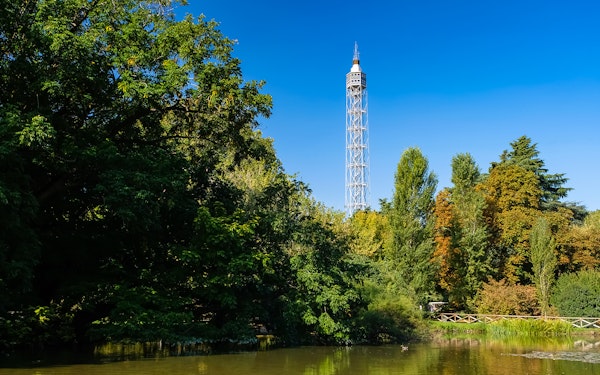
Torre Branca & Sforza Castle Guided Tour with Park Walk
4.5(2)2 hr 30 minViewFrom$41
Best of Milan Experience Including Da Vinci's The Last Supper and Milan Duomo
4.7(1,699)6 hoursViewFrom$167
Milan: Private Tour. Duomo, Gelato Tasting & Last Supper
5.0(18)3 hoursViewFrom$700
Official San Siro Stadium and Museum Tour in Milan
3.8(475)1 hourViewFrom$42
Milan: Private Walking Tour with Duomo, Castle and Gelato
5.0(37)2 hours - 3 hoursViewFrom$95
Milan Gourmet Tour: A Premium Tasting Experience by Do Eat Better
4.9(286)3 hr 30 minViewFrom$88
Milan Must‑Sees Private Walking Tour with Gelato for Newcomers.
5.0(19)2 hoursViewFrom$81
Milan Super Saver: Skip-the-line Duomo and Rooftop Tour
4.4(436)2 hoursViewFrom$90
Day trips from Milan
This is where Milan quietly outperforms every other Italian base. Lake Como is the headline, roughly an hour north by train, with lakeside towns linked by ferries and Bellagio sitting on the headland between the two arms of the water. Doing it independently is entirely possible but means locking yourself to ferry and train timings; organised day trips take that decision away, which is worth more than it sounds when the weather turns.
Bergamo is the underrated one: a walled upper town on a hill, reached by funicular, close enough to Milan that a half-day works and cheap enough to add without much thought. Verona is the pick if you would rather see a second city than a lake, with an intact Roman arena at its centre and a straightforward train connection. Lake Maggiore offers island gardens reached by boat and noticeably thinner crowds than Como in the peak weeks. And the surrounding wine country and smaller Lombard towns fill out the list for anyone staying longer.
Top Lake Como day trips from Milan

Lake Como Day Trip from Milan by Train: Private & Personalized
5.0(12)10 hoursViewFrom$489
Unique Lake Maggiore Day Trip from Milan
4.5(102)7 hours - 10 hoursViewFrom$165
Lake Como & Bellagio Day Trip with Boat Cruise from Milan
4.1(2,632)10 hoursViewFrom$120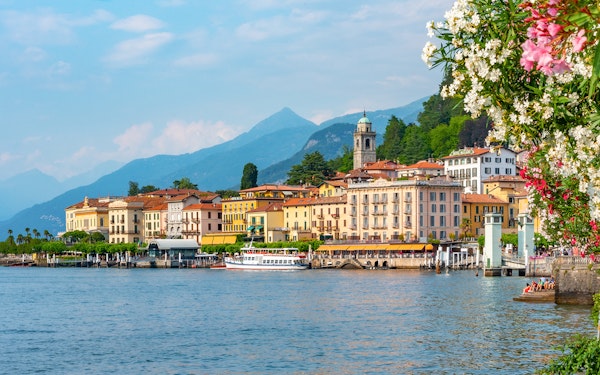
From Milan: Lake Como & Bellagio by Bus with Private Boat Tour
4.4(1,385)10 hoursViewFrom$68
Lake Como Boat Cruise, Bellagio & Lugano Day Trip from Milan
4.5(2,253)10 hr 30 minViewFrom$81
Lake Como: Bellagio and Varenna Day Trip From Milan
5.0(32)10 hoursViewFrom$94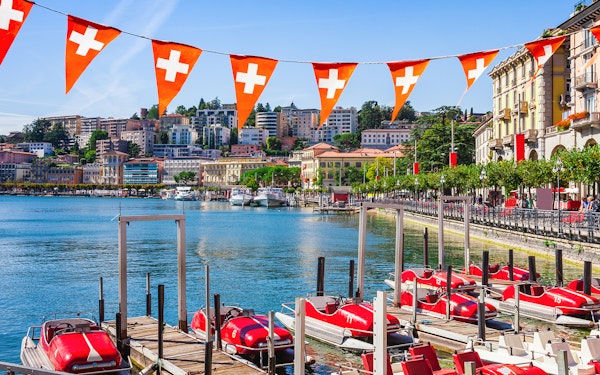
From Milan: Lake Como & Lugano Day Trip with Cruise
4.5(144)10 hoursViewFrom$106
From Milan: Como and Bellagio Day Trip with Scenic Lake Cruise
4.1(179)10 hoursViewFrom$106Best of Lake Como Experience from Milan, Cruise and Landscapes
4.6(472)10 hoursViewFrom$65
Lake Como Day Tour: Villas, Iconic Landscapes, and Scenic Cruise
5.0(6)10 hours - 12 hoursViewFrom$1,008
Food, aperitivo and culture
Milanese food is Lombard rather than the southern Italian cooking most visitors picture when they think of Italy. Expect rice rather than pasta as the regional staple, slow-cooked meat dishes, butter where the south uses oil, and a bread and pastry culture of its own. The single most useful thing to understand is aperitivo: from roughly early evening, bars serve drinks accompanied by food, ranging from a bowl of snacks to a spread substantial enough to replace dinner. It is a genuine local institution rather than a visitor invention, it is the cheapest good-value eating in an expensive city, and Navigli and Brera are the two districts where it is easiest to find.
A few habits are worth adopting. Coffee is taken standing at the counter and costs far less that way than at a table. Lunch is a real meal rather than a snack, and the set lunch offer in a neighbourhood restaurant is consistently better value than dinner. And the restaurants directly facing the cathedral are, as in every European city, the ones to walk past.
Culturally, Milan carries more weight than its business-city reputation suggests. The great picture gallery in Brera, the collections inside the Sforza Castle, the opera house, the design and furniture culture that the city exports worldwide, and a contemporary art scene housed in converted industrial buildings all sit within a compact area. You do not need to be an art specialist to feel the difference between this and a purely commercial city.
Top Milan food and aperitivo tours
AperiTOur, enjoy the typical aperitif in Turin wandering in the city center
5.0(2)2 hr 30 minViewFrom$356
Milan Navigli Food and Drinks Tour with Aperitivo
4.9(537)3 hr 30 minViewFrom$124
Sunset Navigli Boat Tour in Milan with Optional Aperitivo
3.0(290)50 minutesViewFrom$23
Milan: Sunset Navigli Food & Drinks Tour by Do Eat Better
4.7(628)3 hr 30 minViewFrom$106
The art of the Italian Aperitivo with a local: Learn & Enjoy in Maranello
2 hoursViewFrom$125
Milan’s Most Authentic Street Food Tour – Local & Milanese
4.7(813)3 hoursViewFrom$114
Aperitif with Alta Langa
5.0(1)45 minutesViewFrom$24
Milan Street Food Tour and City Sightseeing with Local Guide
4.7(16)2 hr 30 minViewFrom$58
Milan Aperitivo Street Food Tour
5.0(2)3 hr 30 minViewFrom$138
EatinTOur ®, experience a progressive dinner in the most iconic historic venue
5.0(2)3 hoursViewFrom$415
Money, safety and etiquette
Milan runs on the euro and is the most card-friendly city in Italy, though carrying a little cash is still sensible for small bars and market stalls. Hotels are the line item that makes Milan expensive, and they are driven by the fair calendar rather than by tourist season, so moving your dates a few days is the biggest single saving available. Beyond that, the city is more reasonable than its reputation: transport is cheap, an aperitivo covers drinks and food together, and stepping one street back from the cathedral cuts restaurant prices sharply.
On safety, Milan is a normal large European city. Violent crime is rare in the areas visitors use; pickpocketing is the genuine risk and it clusters in three places - the crush in and around the Duomo square, packed metro carriages at rush hour, and the central station and its approaches. Keep bags closed and in front of you in crowds, be deliberate on busy platforms and escalators, and take standard care late at night around the station and the quieter edges of the canal district.
A few points of etiquette smooth the visit. Dress codes apply at the cathedral and other religious sites, so shoulders and knees covered is the safe default and a light layer in your bag saves a wasted trip in summer. The Milanese dress well and it is noticed, though nobody expects a visitor to compete. And do not order a cappuccino after a meal unless you enjoy the look you will get.
Eat one street back
The reliable rule in Milan is the same as anywhere in Italy, just sharper here because the centre is so commercial. A restaurant with a photo menu, a tout at the door and a view of the cathedral is the one to skip. Walk one or two streets into Brera, Porta Romana or the canal side streets, look for a short seasonal menu and a room full of people speaking Italian, and the difference in both quality and price is immediate.
What first-time visitors most regret
The same handful of mistakes come up again and again.
- Leaving the Last Supper too late. It is the hardest reservation in Italy and it is not a queue you can beat by arriving early. Book it before you book anything else.
- Skipping the cathedral rooftop. Plenty of people see the Duomo from the square, tick it off and move on. The roof is the actual experience, and missing it is the most common regret on this list.
- Treating Milan as a one-day stopover. A single day gets you the centre and nothing else. Two nights changes the impression of the city completely.
- Booking during a trade fair by accident. Paying triple for a hotel because your dates happened to land on a fair week is avoidable with one search before booking.
- Coming in mid-August. The weather is at its worst and a meaningful share of the best independent restaurants and shops are shut.
- Eating on the cathedral square. The location premium is steep and the food rarely justifies it.
- Not planning around San Siro fixtures. If a stadium tour is on your list, check the match calendar first, because access shortens or closes around home games.
Travelling with kids
Milan works better with children than its business-city image suggests, mostly because the best things here are physical rather than contemplative. The cathedral roof is the obvious winner: a climb or a lift ride ending in a walkway among spires and statues, with a view over the square, lands as an adventure rather than a museum visit. The Sforza Castle has open courtyards to run across and a large park directly behind it, the trams are a novelty in themselves, and a San Siro stadium tour is a straightforward hit with football-minded kids of any age.
The things to plan around are the crowds and the heat. The Duomo square at midday in summer is hot, exposed and packed, so front-load the sightseeing into the morning and use the middle of the day for a park, an indoor collection or a long lunch. Keep the ticketed interiors short and specific rather than comprehensive, and remember that the Last Supper's brief, strictly timed visit works well with children precisely because it is over quickly. Gelato remains, as everywhere in Italy, the most reliable negotiating tool available.
A first-timer's rhythm for the day
The habit that improves a Milan trip most is treating the centre as an early-morning and evening place, and the neighbourhoods as a midday place. Do the Duomo and its roof at opening, when the square is still emptying of commuters and the light is best on the marble. Move to a museum, a gallery or a long lunch when the crowds peak. Then spend the late afternoon and evening in Brera, Navigli or Isola, where the city belongs to the Milanese and the aperitivo hour does the work of both a drink and a first course.
Build one unbooked half-day into a three-day stay. Milan's pleasures are not evenly distributed across a checklist, and the afternoon you spend wandering the design streets or sitting on a canal terrace with no plan is usually the one that changes your mind about the city.
Compare Milan tours and tickets in one search →Common questions
What is the best neighbourhood to stay in Milan for a first visit?
Brera is the sweet spot for most first-timers - central, walkable to the Duomo, full of good restaurants, and quieter at night than the streets right behind the cathedral. The Duomo area itself is the maximum-convenience choice at a price premium, Navigli suits people who want the evening scene on their doorstep, and Porta Romana and Isola are the value picks with easy metro access. Anywhere inside the tram ring works, because the city is compact and the transport is genuinely good.
How do you get around Milan?
The metro is the backbone and it is fast, clean and simple, with a handful of colour-coded lines that cover almost everything a visitor needs. Trams fill in the gaps and are far more pleasant for short hops across the centre, and buses handle the edges. One ticket type covers metro, tram and bus within the central zone, and day or multi-day passes pay off quickly. The centre itself is walkable end to end in well under an hour.
When is the best time to visit Milan?
Late April through June and September into October are the two clear windows - comfortable walking weather, long light, and the city fully open. July and August are hot and hazy, and a stretch of August sees many independent restaurants and shops close while the Milanese leave town. Winter is cold, grey and often foggy, but it is also the cheapest time and the museums are at their emptiest. Watch out for the big trade fairs and fashion weeks, which spike hotel prices for a few days at a time.
How many days do you need in Milan?
Two full days covers the centre properly: the Duomo and its rooftop terraces, the Galleria, the Sforza Castle, Brera, an evening in Navigli, and one big ticketed sight. A third day is what most people are glad they added, because it buys a lake day trip to Como or a shorter run out to Bergamo. Milan works as a one-night stopover, but it is a better city than that suggests.
Do you need to book Milan attractions in advance?
The Last Supper, absolutely - it runs on tiny timed groups and the popular dates go long before you arrive. The Duomo rooftop terraces use timed entry that fills through the afternoon in season, so book a slot rather than turning up. San Siro stadium tours and popular aperitivo or food walks are worth a few days notice in peak months. Everything free stays free and needs nothing.
Is Milan expensive?
It is the priciest Italian city for hotels, especially during trade fairs and fashion weeks, and that is where the budget goes. Day to day it is more reasonable than its reputation: transport is cheap, an aperitivo covers drinks and enough food to skip a starter, and a coffee taken standing at the counter costs a fraction of the same coffee at a table. The savings come from timing your dates around the fair calendar and eating one street back from the cathedral.
How do you get from the airport into Milan?
Milan is served by three airports and the route in differs for each. The main long-haul airport connects to the central station by a dedicated express train and by frequent coaches. The second airport, closer to the city, has its own rail link into central Milan and a short journey time. The third sits well outside the city and is coach-served only. In all three cases the coaches are the cheaper option and the trains the more predictable one, and both drop you within easy metro reach of most hotels.
Is Milan safe for tourists?
Broadly yes, with the usual big-city caveats. Violent crime is rare in visitor areas; pickpocketing is the real risk, concentrated in the crush around the Duomo, on packed metro carriages and around the central station. Keep bags closed and in front of you in crowds, be alert on the escalators and platforms at the busiest interchanges, and take normal care late at night around the station and the quieter edges of the Navigli.
Is Milan a good base for day trips?
It is one of the best in Italy. Lake Como is the headline option and reachable in about an hour by train, Bergamo and its walled upper town are a comfortable half-day, Verona is an easy train ride for anyone wanting a second city, and Lake Maggiore offers island gardens and thinner crowds. The rail connections are frequent enough that a day out never feels like a commitment, and organised trips handle the ferry and timing puzzles on the lakes.
Fler läsningar
Fler guider för att hjälpa dig planera din resa

Duomo Milan Tickets in 2026: Every Ticket Type Compared
A 2026 guide to Duomo Milan tickets - cathedral entry, rooftop terraces by stairs or lift, fast-track, guided tours and combined passes compared.

Saker att göra i Milano: 24 upplevelser värt att boka 2026
En Milanoguide för 2026 - 24 taköppningar, konstbokningar, designpromenader, fotbollsturor, aperitivo-crawl och sjödagar grupperade efter tema, med vad du ska boka i förväg.

Last Supper-biljetter i Milano: Guide till 2026 för Italiens svåraste bokning
En praktisk guide för 2026 om hur du ser Leonardos Last Supper - hur 15-minuterssystemet fungerar, varför officiella biljetter försvinner på dagar, och hur du bokar när de är slutsålda.

Accademia Gallery Tickets in 2026: Types, Skip-the-Line and Combos Compared
A 2026 guide to Accademia Gallery tickets in Florence - timed entry, skip-the-line reserved slots, guided tours, Uffizi combos and walking tours with entry.

Arc de Triomphe-biljetter 2026: Takåtkomst, Paket och Hur du Hoppar över Kön
En 2026-guide till Arc de Triomphe-biljetter - takterrass med tidsbokad inträde, hoppa över kön, Paris utsiktspunkter och Seine-kryssningspaket, samt guidade promenader på Champs-Élysées.

Den ultimata Berlinresehandboken för förstagångsbesökare (2026)
En väl testad Berlinresehandbok för 2026 - var du bor efter stadsdel, hur transportbiljetterna fungerar, när du ska åka och de misstag som förstagångsbesökare bör undvika.

Buckingham Palace-biljetter 2026: Typer, turer och hur du hoppar över kön
En guide för 2026 till Buckingham Palace-biljetter - State Rooms tidsbunden entré, hoppa över kön, Changing of the Guard-turer och kungliga kombinationer jämförda.

Den ultimata Budapest-guiden för förstagångsbesökare (2026)
En praktisk Budapest-guide 2026 - vilka stadsdelar du bör bo i, hur tunnelbanan och spårvagnen fungerar, vilket termalbad du ska välja, när du ska åka och vad förstagångsbesökare oftast ångrar.