TokyoItineraryFive daysPlanning
5 Days in Tokyo: How to Use a City With No Centre
Five days in Tokyo, organised by district rather than by sight - a day-by-day plan, the day trip worth taking, and why the fifth day should not be booked.
Av SimilarTours Editorial · Travel Research · · 21 min lesing

Tokyo does not have a centre, and that single fact should drive the entire shape of a five-day itinerary.
Visitors who arrive with a list of attractions spend a great deal of the trip on trains, crossing between districts that are each an hour apart and each substantial enough to have filled the day. Visitors who arrive with a list of districts and do everything in each one see more, walk more, and come home with a sense of the city rather than a set of photographs.
Five days is enough for four or five districts, one day out of the city, and time left over. That last part matters more here than in most places.
Compare Tokyo tours and tickets →The shape of the five days
| Day | Focus | Fixed bookings |
|---|---|---|
| 1 | Arrival district, orientation walk, early night | 0-1 |
| 2 | Historic east - temples, markets, old streets | 1 |
| 3 | Modern west - crossings, shopping, nightlife | 1 |
| 4 | Day trip out of the city | 1 |
| 5 | Whatever you liked most, revisited, plus nothing | 0 |
Four bookings, maximum. Every over-scheduled Tokyo trip has more.
Insider tip
One district per day is the rule that makes Tokyo work. Not one attraction, not three neighbourhoods - one district, walked properly, including the parts that are not on any list. This is the single change that separates people who found Tokyo overwhelming from people who found it the best city they have visited.
Day 1: land, walk, sleep early
Do not schedule anything demanding. Jet lag from Europe or North America is significant and the first day is not the day to fight it.
Walk your own neighbourhood. Find the nearest convenience store and the nearest station, work out which exit you need, and eat somewhere close. This sounds like a waste of a day and it is not - the ordinary infrastructure of Tokyo takes a little learning, and doing it on day one makes the next four smoother.
If you have energy, an orientation walking tour in the late afternoon is the single best day-one purchase, for reasons covered at length elsewhere: it front-loads all the practical knowledge that would otherwise take you three days to assemble.
Day-one orientation walks

Tokyo: Imperial Palace and Shogun Historical Walking Tour
Two hours of central historical context - the classic orientation walk.
4.9(2,819)2 hoursViewFrom$22.36
Tokyo: Shibuya Highlights Walking Tour & Secret View Spot
A short walk through the busiest district, including a viewpoint.
4.9(605)1 hour 30 minutesViewFrom$12.78
Tokyo: Shinjuku Historical Walking Tour & Secret Backstreets
Ninety minutes off the main road - short enough for an arrival day.
4.9(984)1 hour 30 minutesViewFrom$16.37
Tokyo Castle & Imperial Palace - Shogun Walking Tour
The castle-focused version of the central historical walk.
4.9(1,235)2 hoursViewFrom$23.00
Tokyo: Asakusa, Senso-ji temple & Shrine Walking Tour
5.0(101)2 hoursViewFrom$13
Private Customizable Walking Tour of Tokyo
5.0(89)4 hours - 8 hoursViewFrom$202
Harajuku Meiji Shrine Walking Tour in Tokyo
5.0(112)2 hoursViewFrom$25
Tokyo: 1 Hour Imperial Palace Introduction from Tokyo Station
4.9(79)1 hourViewFrom$10
Tokyo: Know about Traditional Performing Kabuki and Ginza Walking
5.0(4)2 hoursViewFrom$56
Tokyo: Asakusa Walking Tour with Local guide and Photographer
5.0(4)2 hoursViewFrom$63
Day 2: the historic east
Temples, older streets, markets, and the version of Tokyo that most closely matches what people picture before they arrive.
Start early. The major temple districts are genuinely transformed by arriving before the day's crowds, and in summer the temperature makes it non-negotiable. A market walk is the natural pairing - the market areas run early and function as breakfast.
Then stay in the district. The streets around the major sites reward wandering, and the temptation to hop on a train to something else in the afternoon is exactly the temptation to resist.
Market and historic district walks
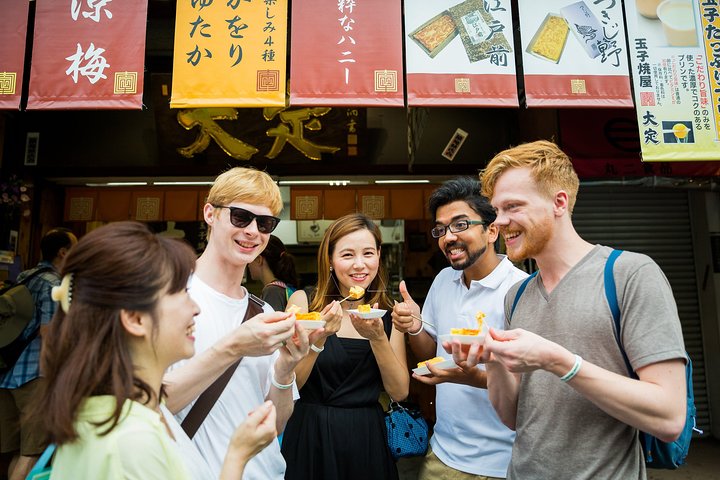
Tokyo Tsukiji Fish Market Food Walking Tour with 5 Tastings
An early-morning market walk with tastings - doubles as breakfast.
4.8(3,685)3 hoursViewFrom$93.63
Tsukiji Fish Market: Street Food & Culture Walking Tour
The shorter, cheaper market walk at ninety minutes.
4.9(1,071)1 hour 30 minutesViewFrom$12.78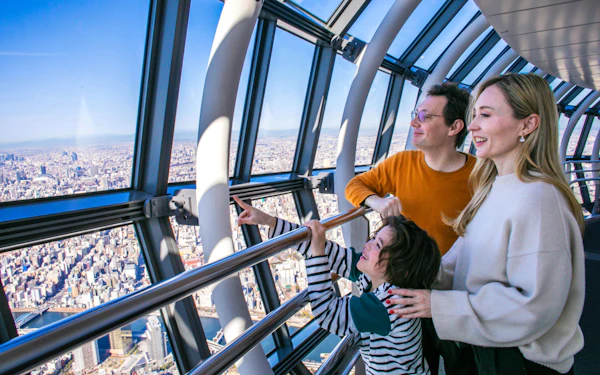
TOKYO SKYTREE Tickets
A high viewpoint on the eastern side - good on a clear day.
4.5(4,924)1 hourViewFrom$13.43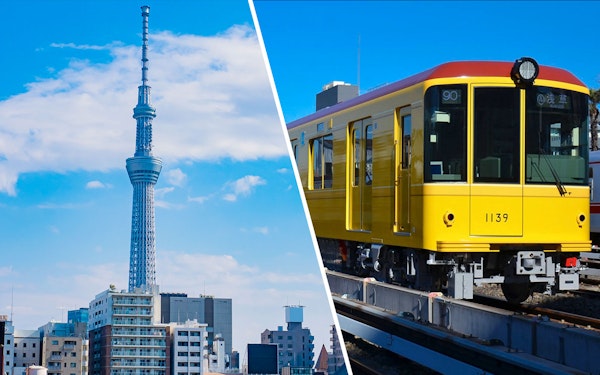
Combo: TOKYO SKYTREE Tembo Deck & Galleria + 1-Day Subway Tickets
The viewpoint bundled with a day of unlimited subway travel.
4.5(2,628)ViewFrom$27.28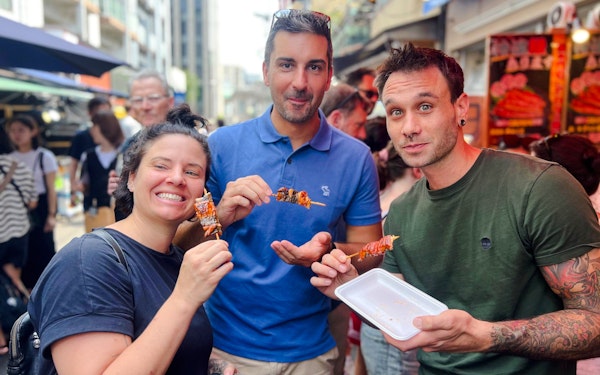
Tokyo Food Tour: Tsukiji Fish Market Walking Tour with Temple Visit
0.0(0)2 hoursViewFrom$31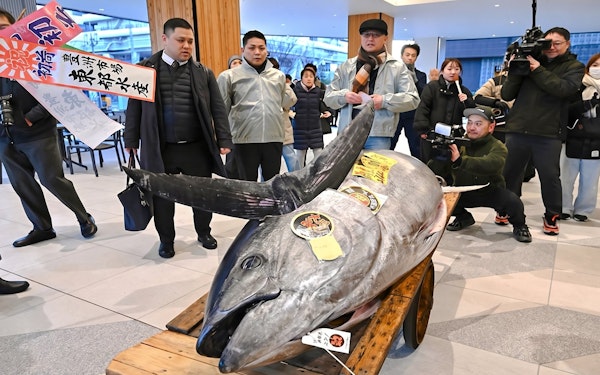
Tokyo: Toyosu Tuna Auction and Tsukiji Market Guided Walking Tour
0.0(0)3 hr 30 minViewFrom$125
Tsukiji Fish Market: Street Food Tour with Tasting
5.0(75)1 hr 30 minViewFrom$66
Tsukiji BBQ Tour with National licensed Guide
3 hoursViewFrom$191
Tokyo Full Day Sightseeing Private City Tour with English Guide
5.0(10)8 hours - 10 hoursViewFrom$319
Sapporo: Nijo Market Guided Tour with Seafood Meal
5.0(1)1 hr 30 minViewFrom$121
Day 3: the modern west
The other Tokyo - dense, vertical, commercial, and busiest after dark. This is the day to be out late rather than out early.
Give the afternoon to walking and the evening to eating. The western hubs are where the food and bar tours concentrate, and they are the right way to spend this particular evening: they get you into places that are genuinely hard to enter alone on a first trip, and they double as dinner.
One viewpoint is worth including on this day if the weather is clear. Two is one too many.
Evening food and bar tours in the western districts

Tokyo: Shinjuku Food Tour (13 Dishes at 4 Local Eateries)
Four stops through a dense nightlife district - substantial enough to be dinner.
4.9(8,560)3 hoursViewFrom$79.84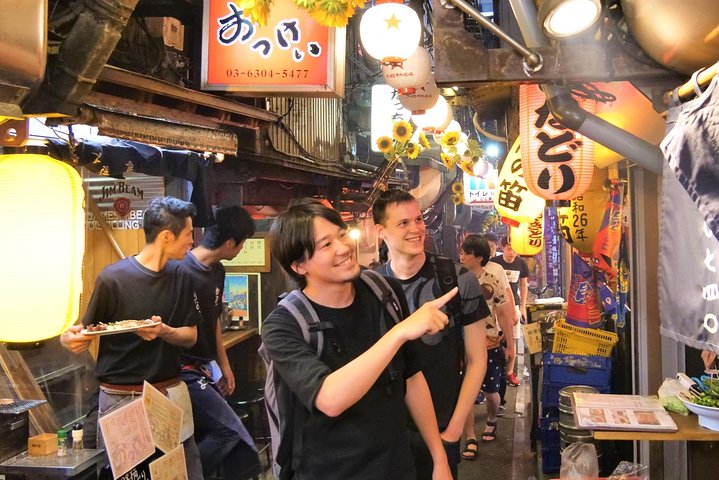
Tokyo Bar Hopping in Shinjuku: Free-Flow, Full Dinner, Golden Gai
A guided evening through the small-bar district, dinner included.
4.9(3,906)3 hoursViewFrom$106.29
Best of Shinjuku: Izakaya Food Tour (3-4 Stops, 14+ Tastings)
An izakaya crawl - the format hardest to attempt cold on a first trip.
4.9(2,825)3 hours 30 minutesViewFrom$89.37
Official Street Go-Kart in Shibuya
The non-walking way to see the district at street level.
4.9(3,786)1 hour 15 minutesViewFrom$105.39
Shinjuku Tokyo Bar Exploration Tour
5.0(1)3 hoursViewFrom$800
Experience Izakaya With A Mini Food Tour Of Tokyo
5.0(2)3 hoursViewFrom$158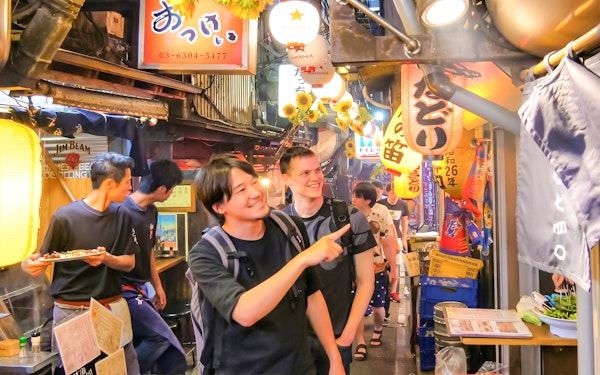
Tokyo: Shinjuku Bar Hopping Tour with All-You-Can-Drink and Dinner
0.0(0)3 hoursViewFrom$106
Shinjuku Night Tour Include Drinks and Food with Local Guide
5.0(1)3 hoursViewFrom$98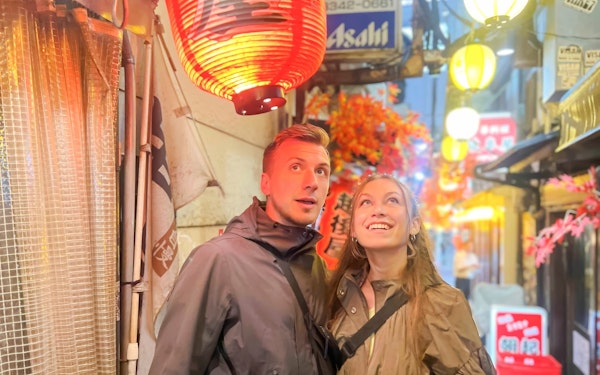
Tokyo: Shinjuku Night Food Tour With 13 Dishes Across 4 Eateries
5.0(1)3 hoursViewFrom$81
Tokyo: Shinjuku Golden Gai Bar Hopping that only locals know
5.0(3)2 hoursViewFrom$96
Day 4: leave the city
The contrast is the point. After three days of dense urban districts, a day of mountains, lakes, or coast resets the trip in a way that a fourth district would not.
The mountain and lake areas west of the city are the standard choice and deservedly so - the change of scale is dramatic and the journey is straightforward. In summer they are also several degrees cooler than Tokyo, which turns the day trip from an excursion into a relief.
One caution: these are long days. Do not plan an evening activity for when you return.
Day trips from Tokyo

Mt Fuji and Hakone 1-Day Bus Tour with Bullet Train Return
The most-booked option, returning by fast train rather than road.
4.8(5,552)11 hoursViewFrom$157.24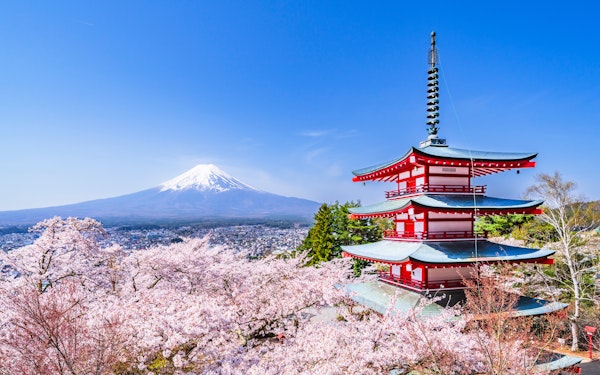
Mount Fuji Highlights Tour: Chureito Pagoda, Lake Kawaguchi & More
A lakeside circuit taking in several classic viewpoints.
4.7(3,170)10 hoursViewFrom$52.71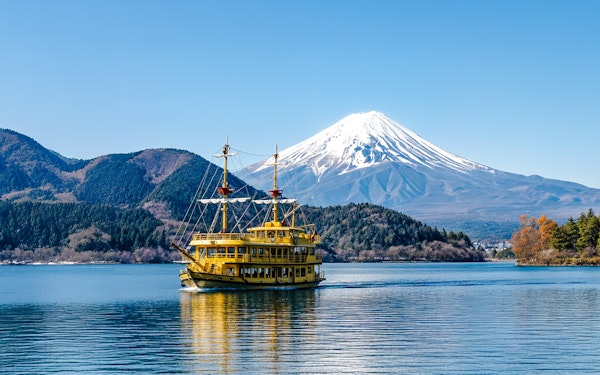
Mount Fuji Tour with Hakone Ropeway, Lake Ashi & Hakone Shrine
A mountain-and-lake day with a ropeway and a boat.
4.6(2,778)10 hours 30 minutesViewFrom$55.58
Private Tour to Mt. Fuji and Hakone (Fully Licensed Operator)
The private version, at your own pace and with a flexible route.
4.8(2,314)10 hoursViewFrom$501.42
Hakone customized private one day tour
5.0(1)7 hoursViewFrom$192
Mount Fuji Majesty with Hakone Wonders Exclusive Private Day Trip
5.0(2)10 hoursViewFrom$459
Hakone Full-Day Private Tour
4.8(5)7 hoursViewFrom$261
Visiting Historical Sites in Hakone with a View of Mount Fuji
7 hoursViewFrom$170
Hakone for Children to Enjoy! Japanese Crafts Experience
5.0(1)6 hoursViewFrom$178
Day Trip to Hakone from Tokyo with National Licensed Guide
9 hoursViewFrom$575
Day 5: go back to whatever you liked
Book nothing.
By day five you will have a favourite district, and the single best use of the final day is to return to it and do it slowly. Not to add a fifth neighbourhood, not to catch the attraction you did not fit in - to go back somewhere you already know and see what it looks like when you are not navigating.
If you want one structured thing, make it an indoor attraction that has been on your list, ideally one that is weather-independent and does not require a long journey.
Ticketed attractions worth the final day
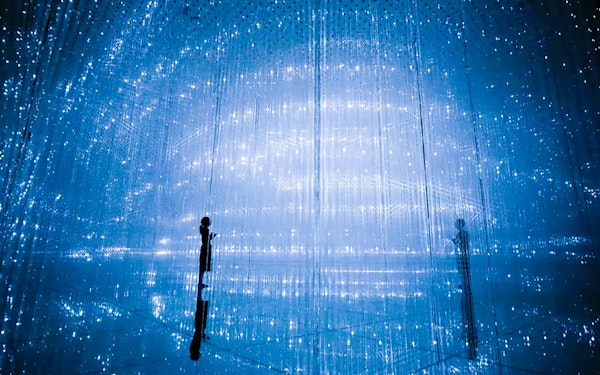
teamLab Planets TOKYO Tickets
A timed-entry immersive art space - book ahead, slots do sell out.
4.6(4,224)2 hoursViewFrom$20.78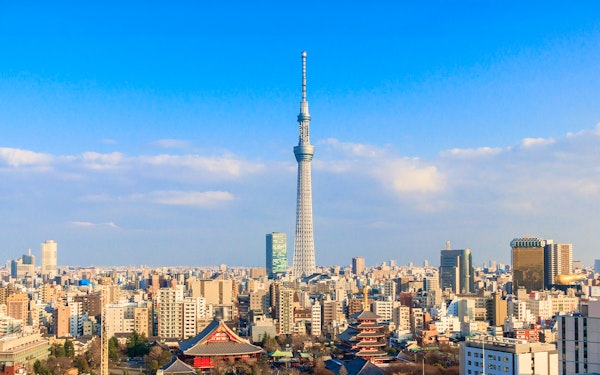
TOKYO SKYTREE Tembo Deck & Tembo Galleria Tickets
The full two-level viewpoint - worth saving for a clear day.
4.5(2,748)1 hourViewFrom$19.13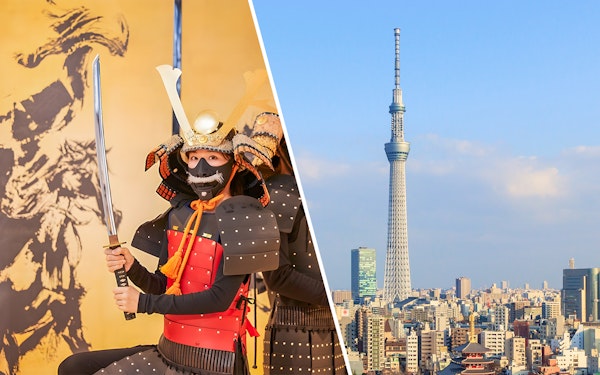
Combo: Samurai Ninja Museum Guided Tour + TOKYO SKYTREE Tickets
A small guided museum paired with the viewpoint.
4.5(4,715)ViewFrom$36.28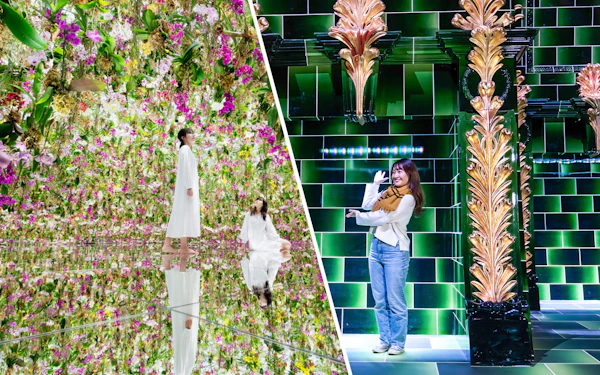
Combo: teamLab Planets TOKYO + Warner Bros. Studio Tour Tokyo
Two large indoor attractions - a full day if the weather turns.
4.7(3,904)ViewFrom$58.30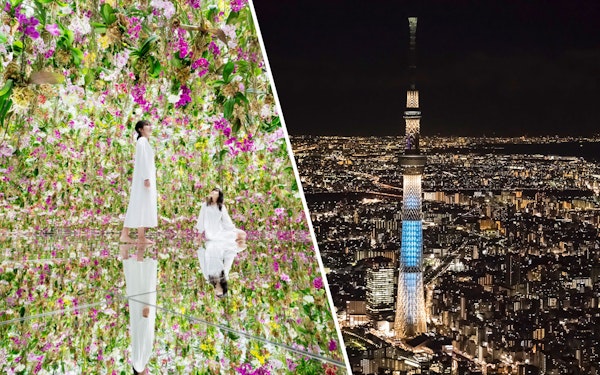
Combo: teamLab Planets Tokyo + Tokyo Observation Decks Tickets
4.6(286)ViewFrom$54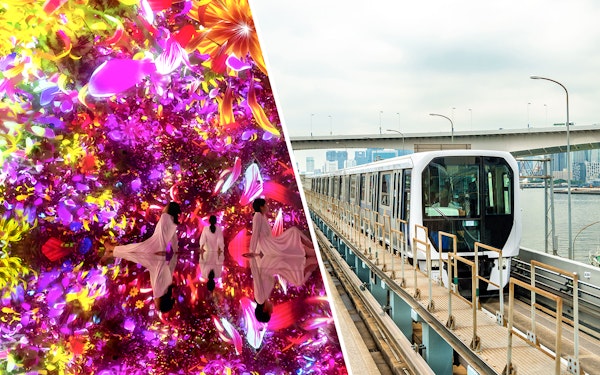
Combo: teamLab Planets TOKYO Tickets + Tokyo Subway Pass
4.6(648)ViewFrom$30TOKYO SKYTREE Tickets
4.5(5,020)ViewFrom$15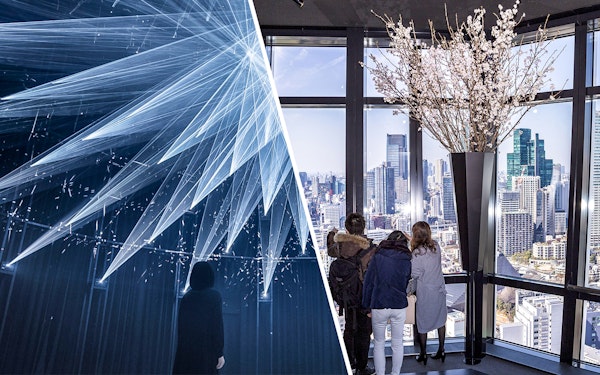
Combo (Save 7.5%): teamLab Planets TOKYO + Tokyo Tower Main Deck Tickets
4.7(364)ViewFrom$32![teamLab Planets Skip-the-Line Tickets [Premium Pass]](https://cdn-imgix.headout.com/media/images/63658f937f475e757a859abbf0d0e820-18403-tokyo-team-lab-planets-tokyo-admission-ticket-05.jpg?w=600&auto=format%2Ccompress&fit=crop&q=75)
teamLab Planets Skip-the-Line Tickets [Premium Pass]
4.8(568)3 daysViewFrom$85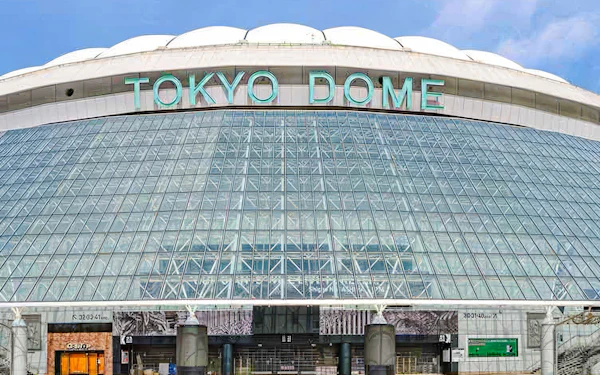
Tokyo Dome City Space Travelium TeNQ Tickets
0.0(0)ViewFrom$15
Choosing which four districts
The itinerary above names two by character rather than by name, deliberately - the right four depend on what you are interested in. A working framework:
One historic district. Temples, older streets, traditional shops. This is the Tokyo of most people's mental image, and skipping it on a first visit would be strange. It is also the best early-morning district, which makes it a natural day-two anchor.
One dense modern district. Crossings, towers, department stores, and the nightlife that the city is known for. Best experienced late rather than early, and best on a day when you have nothing scheduled the following morning.
One residential or creative district. Smaller streets, independent shops, cafés, less obvious sightseeing. This is where visitors most often say the trip clicked, and it is the one people cut when they are behind schedule. Do not cut it.
One area chosen by interest. Electronics, fashion, books, food, art, anime, architecture - Tokyo has a district that concentrates almost any specific interest, and going to the one that matches yours is more rewarding than a generically famous alternative.
Pick these four before you arrive and resist adding a fifth. If you finish a district early, the correct response is to walk further into it rather than to get on a train.
Where to stay for a five-day trip
Accommodation location matters more here than in a compact European city, because the distances are real.
Stay near a major interchange. Not necessarily in a famous district - near a station where several lines meet. That single factor does more for the quality of a five-day trip than the character of the neighbourhood, because it shortens every journey you make.
Central-west or central-east both work. The two halves of the itinerary above sit either side of the middle, and anywhere reasonably central puts both within a manageable ride.
Avoid optimising purely on price. Saving money by staying a long ride from the centre costs you the late evenings, which are among the best parts of a Tokyo trip. Coming home at eleven should be a short journey.
Rooms are small, and that is normal. Budget and mid-range rooms are compact by international standards. On a five-day trip where you are out from morning until late, this matters less than the guidebooks suggest.
Money, cards, and the practical layer
Small frictions that are worth knowing before rather than discovering.
Cards are widely accepted and cash still matters. Major restaurants, shops, and attractions take cards without issue. Small bars, market stalls, some older restaurants, and shrine offerings often do not. Carrying some cash removes the problem entirely.
The transit card is also a payment card. It works in convenience stores, vending machines, and many small shops, which makes it more useful than its name suggests.
Convenience stores are genuinely convenient. Cash machines that accept foreign cards, decent food at any hour, and everything you forgot to pack. They are a fixture of daily life here rather than a last resort.
Tipping is not customary. It can cause confusion rather than pleasure. The service is included in the price and in the culture.
Luggage forwarding exists and is excellent. If your five days in Tokyo are part of a longer trip, sending bags ahead rather than dragging them through stations is a standard, inexpensive service and it transforms travel days.
When to go
Five days is long enough to absorb one poor weather day, which widens the range of workable seasons.
Spring and autumn are the best conditions - comfortable walking, clear light, and the seasonal displays that Japan is known for. They are also the busiest and most expensive, and the small-group tours book out furthest ahead.
Summer is hot and humid enough to reshape the daily structure, but the festival calendar is the densest of the year. The itinerary above adapts by pushing outdoor time to early morning and evening.
Winter is cold, dry, and clear, with the best long-distance visibility of the year and noticeably fewer visitors. It is an underrated season for a city trip here, and the day trip is at its most rewarding when the air is clear.
Late summer carries tropical storm risk, which mainly matters for the day trip. Keep that booking flexible if your dates fall in that window.
Getting around over five days
The rail network is the best thing about practical life in Tokyo and it removes most of the friction of a multi-district itinerary.
Get a rechargeable transit card on arrival. It works across the different operators, it removes the need to think about individual fares, and it also works in convenience stores and vending machines. This is the first thing to do on day one.
Allow extra time at the big stations. They are enormous, multi-level, and served by several operators. The station name is not the destination; the exit is. Ten extra minutes the first three times you use a major station saves a great deal of frustration.
Rail passes are usually wrong for a Tokyo-only trip. The nationwide passes exist for long-distance intercity travel and will not repay themselves on local journeys. If your five days are part of a longer multi-city trip, price it separately.
Walk more than the map suggests you need to. Adjacent districts are frequently walkable, and the walk between two neighbourhoods is often more interesting than either endpoint.
Pacing, and the mistake everyone makes
The failure mode on five days in Tokyo is not laziness, it is enthusiasm.
There is more here than any itinerary can hold, the transport makes everything look reachable, and the natural response is to add another district, another viewpoint, another attraction. The result is five days of transit with sightseeing attached.
The corrective is uncomfortable but reliable: decide what you are not doing before you arrive. Pick four districts. Accept that three or four famous things will go unvisited. Leave day five open even though it feels wasteful.
Every visitor who reports Tokyo as overwhelming had a fuller schedule than the one above. Every visitor who reports it as their favourite city had a lighter one.
Insider tip
Jet lag is a tool, not just a problem. Arriving from Europe or North America, you will likely be awake very early and fading by evening for the first two days. Rather than fighting it, use it - the temple districts and markets at six in the morning are extraordinary and nearly empty, and no amount of discipline gets a well-rested traveller there at that hour.
Five days with children
The district-per-day structure suits families well, because it removes the transit that wears children out fastest.
Cut one district. Three across five days is plenty, with the freed time going to parks, indoor attractions, and slower mornings. The city has a strong supply of large-scale family attractions, and they are exactly what you want in the middle of a hot or wet afternoon.
Keep the day trip, but choose an active one. Mountains, lakes, and ropeways beat a long coach ride to a scenic viewpoint, which will read as an adult activity.
And lean on the trains as entertainment rather than transport. The network is a genuine attraction for a certain age group, and a journey that adults experience as a transfer can be the highlight of a child's day.
If you have a sixth or seventh day
Should five days become six or seven, the priority order is not another Tokyo district.
Add a second day trip, ideally to somewhere different in character from the first - coast if the first was mountains, or a historic town if the first was scenery. The variety is what extra days buy you.
Or, better, go to another city. Five days is enough for Tokyo; days six and seven are the point at which a fast train to somewhere else becomes the strongest use of the time, and the rail-pass calculation that made no sense for a Tokyo-only trip starts to change.
If you are staying put, the honest answer is to add depth rather than breadth: a second visit to a district you liked, a specialist guided tour, or a day spent entirely in one neighbourhood without a plan.
What to skip on five days
- A fifth and sixth district. Four is the right number; five is a stretch.
- Two day trips. One provides the contrast. Two costs you the neighbourhood time.
- Multiple viewpoints. They are genuinely similar. One on a clear day beats three on average ones.
- Anything booked for day one. Arrival days run late and jet lag is real.
- A rail pass bought reflexively. Price it against your actual journeys.
- Filling day five. The strongest temptation and the worst decision.
If it rains, or if it is very hot
Five days gives you enough slack to move things, which is the main advantage over a shorter trip.
Rain: swap the day trip and an in-city day if the forecast is clearly split. Tokyo handles rain well - the covered arcades, the underground station networks, and the sheer density of indoor options mean a wet day here is far less of a loss than in a city built for outdoor sightseeing.
Heat: invert the days rather than changing them. Outdoors early and late, indoors in the middle. The day trip becomes more attractive rather than less, because the mountain and lake areas are meaningfully cooler than the city.
Storms: in the late-summer window, keep the day trip flexible where the booking terms allow. It is the one component of the itinerary that a disrupted transport day can remove entirely.
Compare Tokyo tours, tickets, and day trips →Five days, summarised
One district per day, four districts, one day out of the city, and a final day with nothing in it. Four bookings total: a food or small-group tour, a day trip, and one or two timed-entry attractions.
That is a trip with room in it. Tokyo is large enough that no itinerary can be complete, so the only sensible goal is to understand a few parts of it well - and five days, spent this way, is comfortably enough for that.
Is five days enough for Tokyo?
Five days is a good first-visit length - enough to cover four or five districts properly, take one day trip, and still have unscheduled time. It is not enough to see Tokyo, because nothing is; the city is too large and too varied for completeness to be a sensible goal. Treat five days as enough to understand how Tokyo works, which is a better outcome than a longer list of places visited.
How should I structure a five-day Tokyo itinerary?
By district, not by sight. Tokyo has no single centre, and the sights are scattered across neighbourhoods that are each substantial in their own right. Give each day to one or two adjacent districts and do everything in them, rather than crossing the city three times a day to tick off individual attractions.
What should I book in advance for five days in Tokyo?
Small-group and food tours first, because they cap low and fill early. Any day trip second. One or two ticketed attractions with timed entry after that. Everything else - the districts, the shrines, the shopping streets, the restaurants that do not take bookings - is walk-up. Four or five bookings across five days is right.
Should I do a day trip from Tokyo on a five-day visit?
Yes, one. It is the clearest advantage five days has over three, and the contrast with the city is genuinely valuable - mountains, lakes, or coast after three days of dense urban districts. Two day trips is possible and starts eating the neighbourhood time that makes a longer trip worthwhile.
How do I get around Tokyo in five days?
By train, and it is excellent. The network is dense, punctual, and covers everything you will want. Get a rechargeable transit card on day one and stop thinking about individual fares. The one thing to plan for is that the major stations are enormous - allow extra time the first few times, and note the specific exit rather than just the station name.
How many districts can you cover in five days in Tokyo?
Four or five, done properly. Each of the major districts has enough in it to fill most of a day, and the pleasure of Tokyo comes from spending long enough in one place to notice it rather than from arriving in many. Visitors who attempt eight districts in five days describe the trip as a blur, which is an accurate description of what they did.
Is a rail pass worth it for five days in Tokyo?
For travel within Tokyo, generally not - the nationwide passes are designed for long-distance travel between cities, and if you are staying in Tokyo you will not come close to the break-even. A rechargeable local transit card is the right answer. If your five days are part of a longer trip involving other cities, the calculation changes completely.
What is the biggest mistake on a five-day Tokyo itinerary?
Building the plan around a list of attractions rather than a sequence of districts. Tokyo punishes that approach specifically, because the travel time between scattered sights is substantial and the districts themselves are the attraction. The second biggest mistake is booking something for every morning - five days in Tokyo is much better with genuinely open time in it.
Keep reading
Itinerary
3 days in Tokyo: a realistic itinerary
The shorter version, and what has to be cut to make it fit.
Read more
Tokyo pillar
Tokyo travel guide: first-time visitor essentials
Where to stay, how the rail network really works, and what to book ahead.
Read more
Day trips
Best day trips from Tokyo
Which trip out of the city to give your fourth day to.
Read more
Tours
The best walking tours in Tokyo
Which guided walks actually help, and when to do them.
Read more
Mer lesing
Flere guider for å hjelpe deg med reiseplanlegging

2 Days in Tokyo: Two Districts, Done Properly
Two days in Tokyo is enough for two districts and nothing else - and that is the right plan. A day-by-day route, what to book, and what to deliberately skip.

The Best Walking Tours in Tokyo: Which Ones Actually Help
Tokyo is the city where a guide earns their money. A guide to the walking tours worth booking - by neighbourhood, by theme, and by what you need explained.

Tokyo in Summer: How to Enjoy a City That Is Genuinely Hot
Summer in Tokyo is hot, humid, and full of things worth seeing. How to structure days around the heat, what to book, and when the season is actually at its best.

The Best Day Trips from Tokyo: Mt Fuji, Kamakura, Nikko and More
The best day trips from Tokyo ranked by what is worth a full day: Mt Fuji and Hakone, Kamakura, Nikko, Yokohama, and Kawagoe, with the top-rated tours for each.

Tokyo in Winter: Clear Skies, Illuminations, and the Best Fuji Views
Tokyo in winter is the underrated season: crisp clear skies, the year's best Mt Fuji visibility, city-wide illuminations, onsen day trips, and thin crowds.

Things to Do in Tokyo with Kids: A Family Guide That Actually Works
The best things to do in Tokyo with kids: teamLab, the Skytree, a theme park day, animal cafes and parks, plus the transit and hotel logistics that matter.

The Best Time to Visit Tokyo: A Month-by-Month Guide
The best time to visit Tokyo, month by month: the real trade-offs between weather, crowds, and prices, plus the two sweet-spot windows for cherry blossom and autumn colour.

Kamakura Day Trip from Tokyo: The Great Buddha and Beyond
Plan a Kamakura day trip from Tokyo: the Great Buddha and temples, Kamakura plus Enoshima combos, guided walks vs the train on your own, and the top-rated tours.