


Budapest Travel Guide for First-Time Visitors
A first trip to Budapest, planned properly: which area to stay in, the airport bus and trams, bath rules, what the Budapest Card covers, winter markets and the scams to avoid.
Budapest anchors most trips to Hungary - you'll find it's the natural hub for multi-day tours fanning out to Vienna, Prague, or deep into Romania and the Balkans. Many travellers base themselves here for 5-10 days, mixing city exploration with guided regional loops. Day trips work well too: Lake Balaton draws sailors and wine tasters, while Transylvania and Bukovina pull adventurers into castles and mountain scenery. Small group and private tours dominate the booking data, suggesting Hungary works best as a base for Central European exploration rather than a standalone destination.
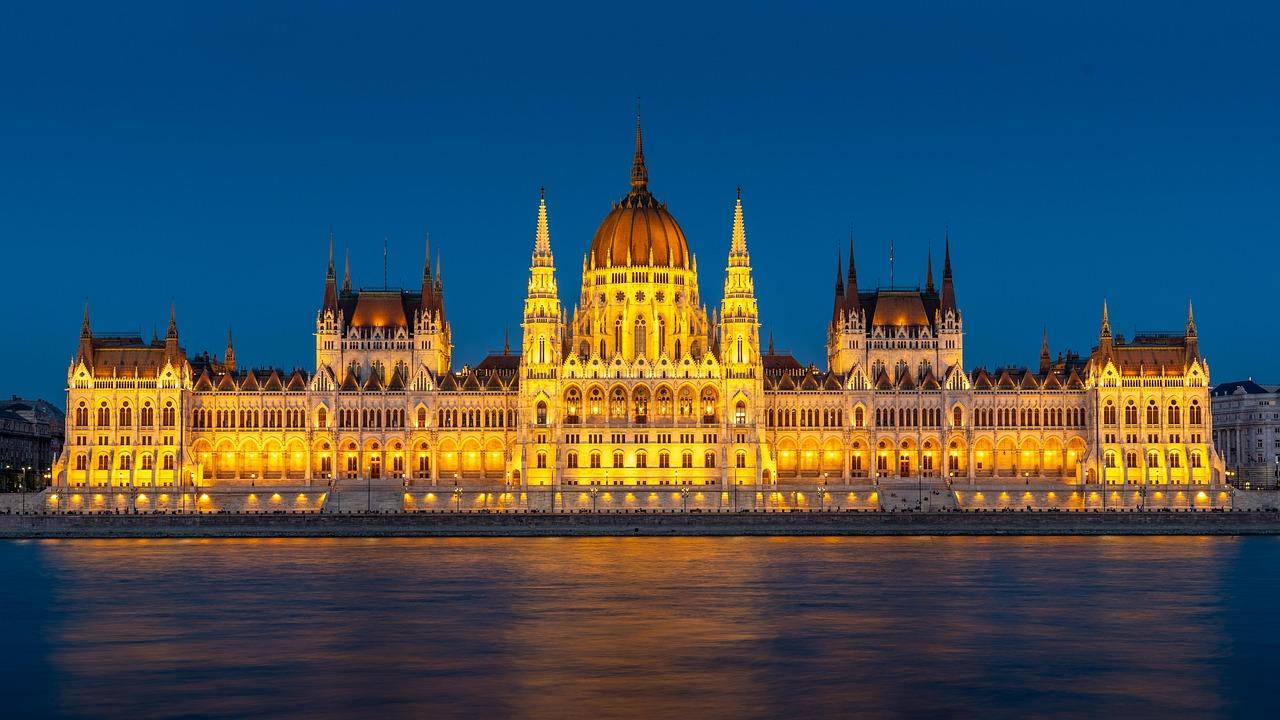
8 experiences available in Budapest


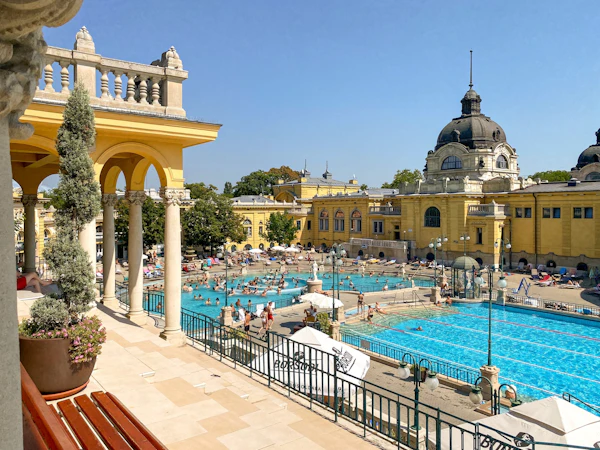


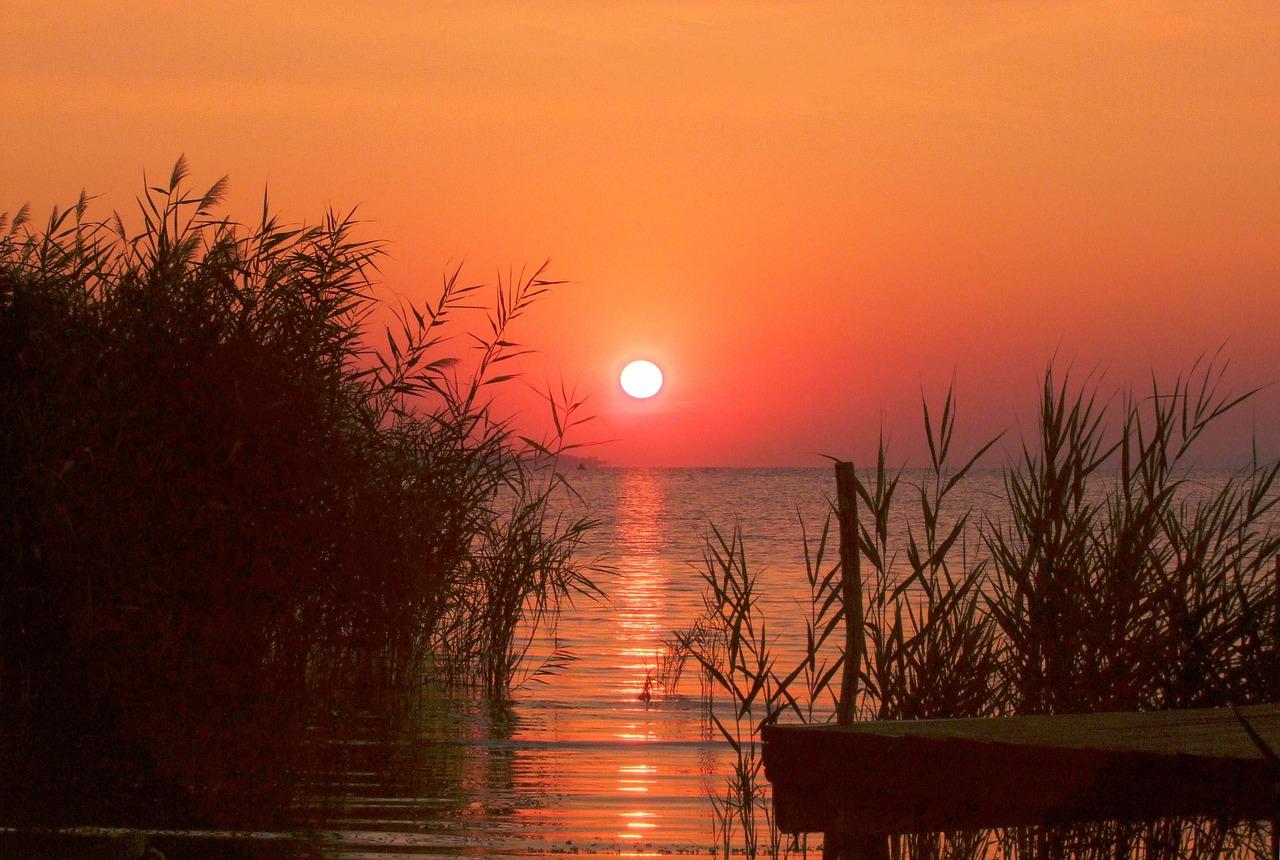
3 experiences available in Lake Balaton


7 experiences available in Szentendre


3 experiences available in Pécs


3 experiences available in Sopron


4 experiences available in Debrecen


Editorial guides written for Hungary trip planning
A first trip to Budapest, planned properly: which area to stay in, the airport bus and trams, bath rules, what the Budapest Card covers, winter markets and the scams to avoid.
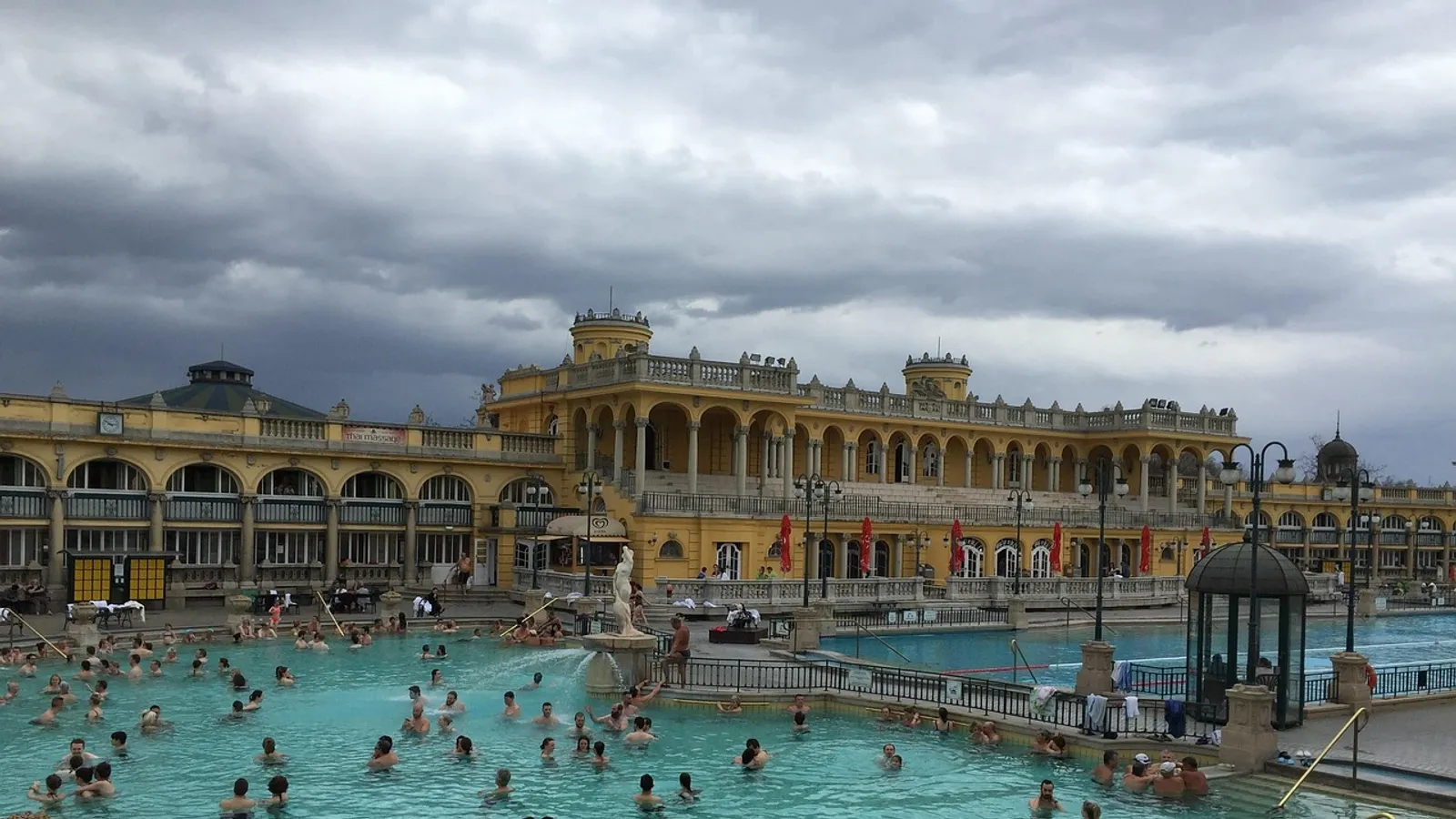
The bath says Szechenyi Baths tickets cost the same online and at the door. The official prices, fast track and its entry windows, locker or cabin, the age limit and what to pack.
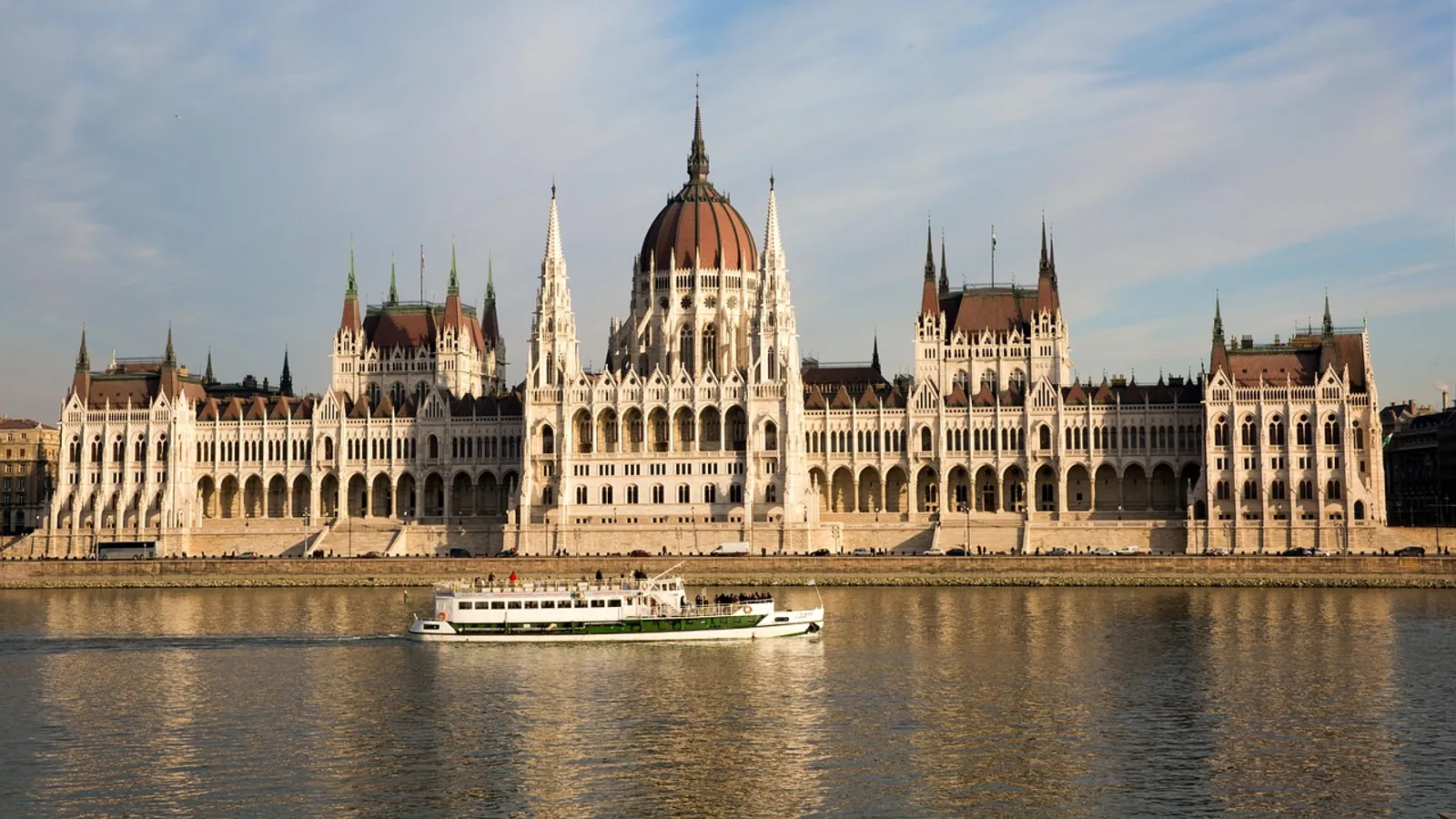
The best things to do in Budapest, grouped by Buda, Pest, the baths, the river and the evenings, with official prices, winter hours and the closures that change a plan.
Common questions about booking Hungary experiences through SimilarTours
Budapest is the main hub, but people regularly day-trip to Lake Balaton for sailing and wine tasting, or use the city as a springboard for longer guided tours into Romania, Transylvania, and the Balkans. If you're after quieter spots, Szentendre and Sopron appeal to some, though the booking data shows most travellers treat Hungary as part of a bigger Central European loop.
Five to seven days is standard if you're basing in Budapest and taking day trips or a 2-3 day regional tour. Longer 8-10 day itineraries typically branch into Vienna, Prague, Romania, or the Balkans. If Lake Balaton and smaller towns matter to you, add another 2-3 days.
The booking data is clear - people choose private and small group tours over independent travel here. Guides add real value on multi-country loops (Budapest to Prague to Vienna) and into regions like Transylvania where context and logistics matter. For a solo Budapest weekend, you might skip it; for anything beyond, a guide typically saves time and hassle.
May through September is peak season - warm enough for Lake Balaton sailing and comfortable for urban walking. April and October are quieter and pleasant. Check before you go for specific festivals or weather in regions you're targeting.
Trains connect Budapest to most towns efficiently, though guided tours often handle transport as part of the package. Lake Balaton is an hour or so by car or train. For multi-country tours (Budapest to Romania or the Balkans), organized tours simplify logistics considerably.
Budapest itself is fairly navigable, and lake-based day trips like sailing at Lake Balaton work well for families. Check before you go on specific accessibility details for older castles and rural tour routes - tour operators can advise on what works for your group.
If you're venturing to Vienna, Prague, Romania, or the Balkans, the booking patterns show most people choose organized tours - they handle borders, transport, and itineraries smoothly. Staying within Budapest and a day trip or two? Independent travel works fine.
Every Hungary city we cover - tap a city to see its full lineup of tours, tickets, and activities