ParisWinterSeasonalFrancePlanning
Winter in Paris: What to Expect and What to Book
What winter in Paris is really like - short days, thin crowds, festive lights, and the museum tours, cabaret shows, and food experiences worth booking.
Par SimilarTours Editorial - Travel Research · · Temps de lecture : 22 min

Paris does not hibernate. While the summer crowds are the version everyone plans for, winter in Paris is the version many travelers quietly prefer: the Louvre without the crush, cafe windows steamed up against the cold, festive lights strung down the big avenues, and hotel prices at their friendliest of the year. From November through February the city runs at full strength with a fraction of the queue.
This guide covers what Paris in winter actually feels like, the short days, the damp cold, the thin crowds, and what to book to make the season work for you: the museum tours, cabaret nights, food walks, and illuminated evenings that winter serves better than any other season. Every tour and ticket referenced is currently bookable through our partner OTAs and ranked on real ratings and review counts, verified July 2026.
Browse all Paris tours and experiences →Before you go: what winter in Paris is really like
The weather. Winter Paris is cold, damp, and grey more often than snowy. Days typically sit in the low single digits Celsius, and rain arrives as light, intermittent showers rather than washouts. Snow happens occasionally and melts quickly, usually leaving one photogenic morning behind. It is coat weather, not survival weather, and nothing in the city closes for it.
The days are short. Sunset lands around five in the deep of winter, which reorders the day rather than shrinking it. Daylight hours go to outdoor sights and neighborhoods; the long evenings go to museums with late openings, food, shows, and the illuminations, which winter turns on early and generously.
The crowds are the reward. Outside the Christmas-to-New-Year week, winter runs the thinnest crowds of the year. Museum queues shrink to a fraction of their summer length, restaurant tables appear without reservations, and the famous viewpoints stop requiring patience. Prices follow: January and February hotel rates run far below summer.
What to wear. A proper warm coat, layers, scarf, gloves, and waterproof shoes. The damp is the real opponent, so waterproofing counts as much as warmth. Parisians winter-dress with polish, dark layers and good outerwear, and you will blend in better and last longer outdoors by copying them.
What to book ahead. Timed Louvre entry, cabaret shows on weekend nights, and anything in the holiday week itself. Beyond that, winter is the low-pressure season: most tours, cruises, and food experiences can be booked days rather than weeks out.
Museum season: the Louvre and the Orsay at their best
If museums are why you come to Paris, winter is your season. The Louvre in July is an exercise in crowd navigation; the Louvre in January is a museum. The famous rooms still draw people year round, which is why a timed entry or a guided tour remains the smart play, but the difference in pace is dramatic. A guided visit earns its keep here in any season, turning the world's most overwhelming collection into a walkable story, and in winter the guide is not shouting over a crowd. The Orsay, in its grand converted railway hall across the river, is the natural second museum day, and combo tickets pair it neatly with a warm seat on the Seine.
Top Louvre and Orsay tickets and tours

Louvre Museum Masterpieces Guided Tour with Access
The most-reviewed Louvre tour in the catalog by a wide margin - a guided masterpieces route with entry included, the efficient way through the collection's greatest hits.
4.5(12,868)2.5 hoursViewFrom$75
Louvre Museum Essential Guided Tour Semi Private 6 GUESTS MAX
The highest-rated Louvre option here - an essential tour capped at six guests, which in the quiet winter galleries feels close to a private visit.
5.0(4,046)2.5 hoursViewFrom$73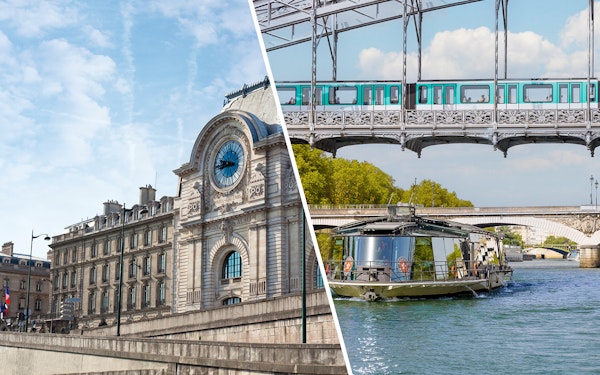
Combo: Orsay Museum & Seine River Cruise Tickets
A high-volume combo pairing Orsay entry with a Seine sightseeing cruise - a full winter day of impressionists and an enclosed, heated ride past the lights.
4.7(13,361)ViewFrom$48
Louvre Museum Access Guided Tour with Mona Lisa
The value pick among the guided Louvre visits - access plus a led route to the headline works at a lower price point.
4.6(1,242)2.5 hoursViewFrom$52
Paris: Orsay Museum Daily Entry Ticket
The straightforward Orsay entry ticket - the budget route into the impressionist collection for a self-paced winter afternoon.
4.3(808)4 hoursViewFrom$23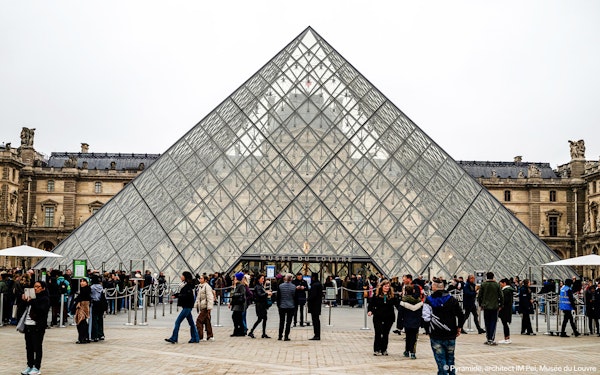
Louvre Museum + Orsay Museum Semi-Private Guided Tour
5.0(2)5 hr 30 minViewFrom$300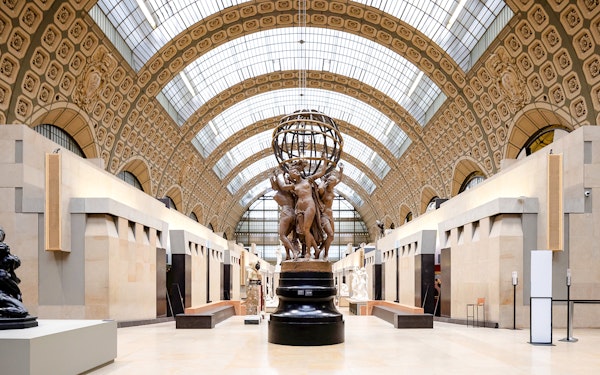
Orsay Museum Guided Tour with Fast-Track Tickets
4.5(61)2 hoursViewFrom$68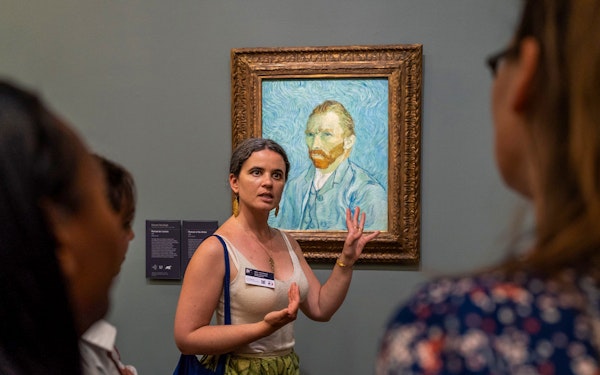
Orsay Museum Guided Tour
4.5(89)2 hoursViewFrom$68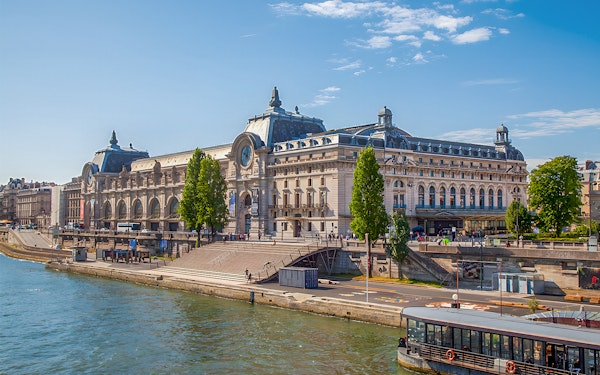
Orsay Museum Entry Tickets
4.5(12,947)2 hoursViewFrom$16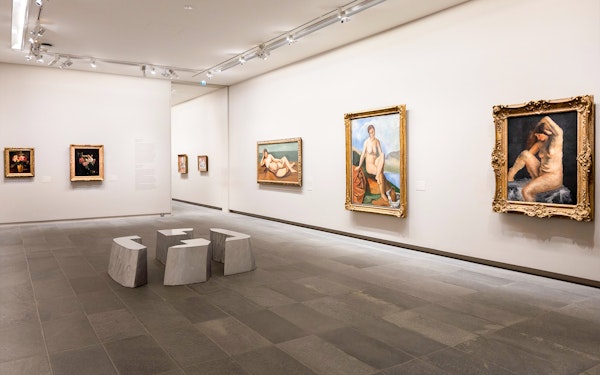
Orangerie Museum Semi-Private Tour
5.0(1)2 hoursViewFrom$162
Insider tip
Plan around the closing days. The big Paris museums each take a fixed weekly day off, and in winter, when museums carry more of your itinerary, a closed door costs you a whole afternoon. Check the current closing day for each museum on your list before you assign it a date, and keep one flexible museum slot in the plan as a swap. Winter forgives most planning mistakes; this is the one it does not.
Winter neighborhoods: Montmartre, the passages, and the Marais
Winter changes which parts of the city reward a wander. Montmartre, mobbed in summer, gives its best self to the cold months: the steep lanes empty out, the cafe windows glow, and on the rare snowy morning the hilltop village turns into the most photographed corner of France. Go up in the morning light or at dusk, take the back streets rather than the funicular-to-main-square shortcut, and let a guided walk fill in the stories the empty lanes no longer perform on their own.
The most winter-proof walking in Paris, though, is indoors. The city's covered passages, the glass-roofed shopping arcades of an earlier century threaded through the Right Bank, were built for exactly this weather: bookshops, print dealers, tearooms, and toy shops under painted glass, linkable into a dry afternoon route while the rain does its worst outside. Pair them with the grand department stores, whose winter window displays are an event in their own right, and you have a full bad-weather day that never opens an umbrella.
The Marais rounds out the winter trio, dense with galleries, boutiques, and cafes packed close enough that no dash between doors lasts more than a minute, and its old mansions-turned-museums give the quarter more indoor shelter per block than anywhere else in the city.
Top Montmartre and neighborhood experiences

Paris Montmartre Walking Tour Best Art Culture and Food
The most-reviewed Montmartre walk - a compact ninety minutes of art, culture, and food through the village lanes, at their quietest in winter.
4.8(2,818)1.5 hoursViewFrom$37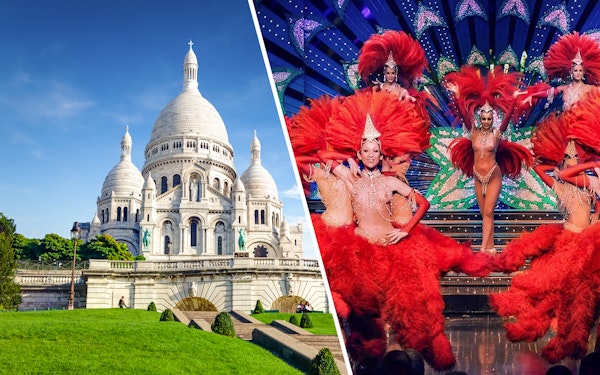
Combo: Montmartre and Sacré Coeur Basilica Tour + Moulin Rouge Show
The full winter-evening formula in one booking - a guided Montmartre and basilica walk paired with the famous cabaret show, strongly rated.
4.7(1,209)ViewFrom$143
Paris: Small Group Moulin Rouge &Sacré Cœur Montmartre Tour
A small-group walk covering both ends of the hill, the basilica and the windmill-cabaret district - intimate format, strong ratings.
4.8(161)2 hoursViewFrom$57
Montmartre Walking Guided Tour
5.0(111)2 hoursViewFrom$35
Montmartre Private Walking Tour: Famous Artists and Cabarets
5.0(21)2 hr 15 minViewFrom$341
Montmartre Paris Hidden Gems Small Group Walking Tour
5.0(14)2 hoursViewFrom$235
Montmartre guided walking tour with local guide in small group
5.0(17)2 hr 20 minViewFrom$41
The food, wine & tragedies tour of Montmartre
5.0(18)2 hr 40 min - 3 hr 10 minViewFrom$75
Explore Montmartre like a local - Private walking tour
5.0(17)2 hr 30 minViewFrom$281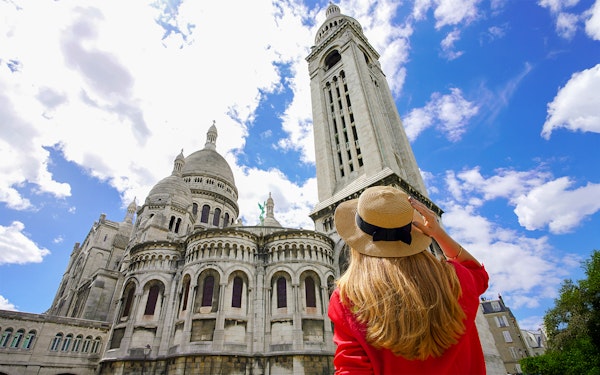
Montmartre & Sacré-Cœur Guided Walking Tour
3.0(1)1 hr 30 minViewFrom$50
Cabaret and shows: winter's signature evening
The classic Parisian night out was built for this season: a warm room, a stage full of feathers and sequins, and champagne while it is cold outside. Winter is when the cabarets of Montmartre and the grand revues make the most sense, filling the long dark evenings with the kind of spectacle no other city does quite the same way. The famous names run nightly year round, from the windmill-topped institution of Montmartre to the modern glamour of the Crazy Horse, and the dinner-and-show packages turn one booking into the whole evening. Weekend shows sell out ahead even in winter, so this is one of the season's few book-early items.
Top Paris cabaret and show tickets

Moulin Rouge Show with Champagne
The famous Montmartre revue with champagne included - the highest-rated route into the city's best-known cabaret night.
4.7(1,234)2 hoursViewFrom$132
Paris La Nouvelle Eve Cabaret Show in Montmartre
A well-rated Montmartre cabaret alternative to the big-name revues - a more intimate room at a friendlier price.
4.5(493)1.5 hoursViewFrom$115- tiqets
Crazy Horse Paris: Cabaret Show
The avant-garde end of the Paris cabaret scene - a sleek, art-directed show that draws strong ratings from its audience.
4.6(497)ViewFrom$135 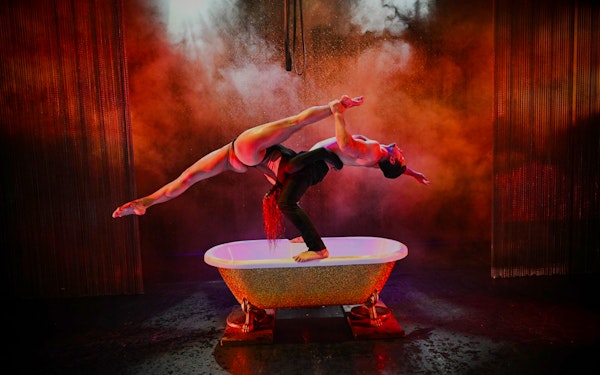
Paradis Latin Show with Optional Champagne
The Latin Quarter's classic cabaret with an optional champagne upgrade - the value pick among the full-scale revues.
4.5(1,251)4 hoursViewFrom$95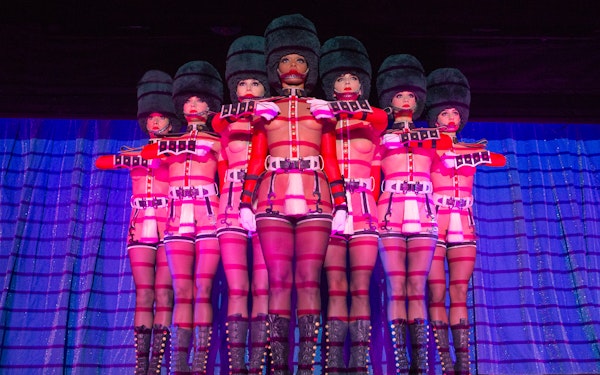
Crazy Horse Show Tickets
4.5(2,444)2 hoursViewFrom$141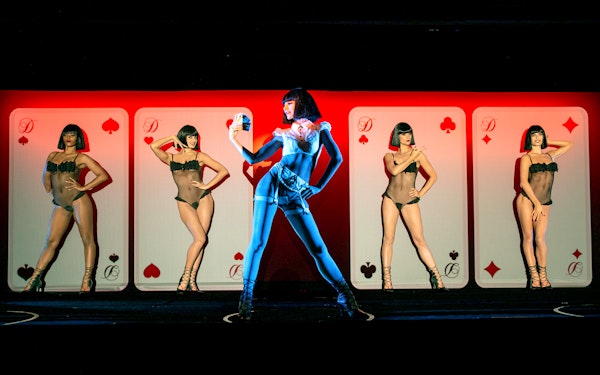
Crazy Experience Tickets
4.6(17)ViewFrom$409
Moulin Rouge Show with Dinner
4.7(415)4 hoursViewFrom$334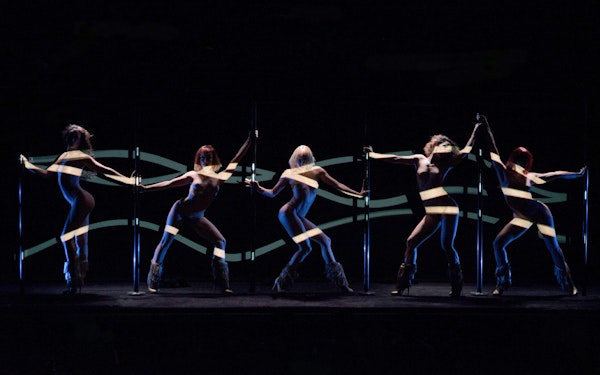
Crazy Horse Show Tickets with Dinner at Ginger Restaurant
4.7(131)2 hoursViewFrom$238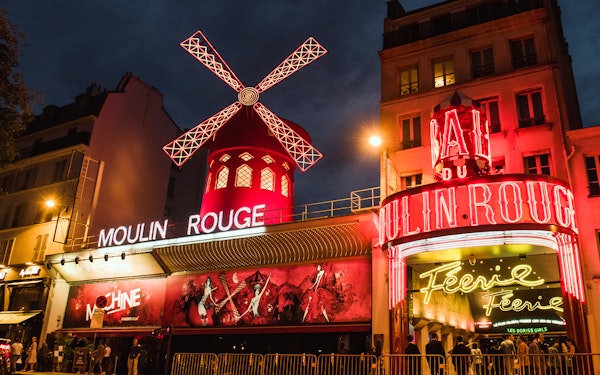
Moulin Rouge Show & Paris City Tour
4.4(58)4 hoursViewFrom$220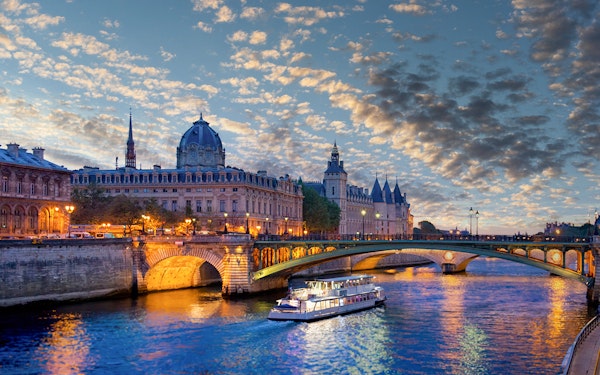
Seine River Cruise & Moulin Rouge Show with Champagne and Return Transfers
4.2(1,024)4 hoursViewFrom$227
Food tours: eat your way through the cold
Winter is the eating season. The city's food culture moves indoors, into fromageries, chocolate shops, bakeries warm with the smell of the morning's bread, and a guided food walk strings the best of them together with a local doing the talking. The format fits the weather perfectly: short stretches outside, long stops inside, and a steady supply of warm things to hold. Morning pastry tours catch the bakeries at their best hour; the Montmartre and Marais walks fold neighborhood wandering into the tastings. In a season with fewer postcard moments outdoors, a food tour is reliably the day people rate as the trip's best.
Top Paris food tours

Devour Paris Ultimate Food Tour
The top-rated big-name food walk in the city - a three-hour tasting route with serious review volume behind it.
4.9(2,760)3 hoursViewFrom$118
Paris Food Tour: Eat Like a Local with Cheeses, Wines & Secrets
The most-reviewed food tour in this group - cheeses, wines, and neighborhood stops over three and a half hours.
4.8(5,190)3.5 hoursViewFrom$87
Paris Montmartre Guided Food Tour: A Full Meal by Do Eat Better
A Montmartre walk built around a full progressive meal - village lanes and tastings in the city's most atmospheric winter neighborhood.
4.9(1,348)3.5 hoursViewFrom$104
Paris Food Tour in the Morning: Croissants, Baguettes & Chocolate
The morning version - croissants, baguettes, and chocolate at the hour the bakeries are warmest, and the highest-rated pick here.
5.0(687)2.5 hoursViewFrom$115
French Cheese Pairing & Tasting Experience
5.0(2)2 hr 15 minViewFrom$110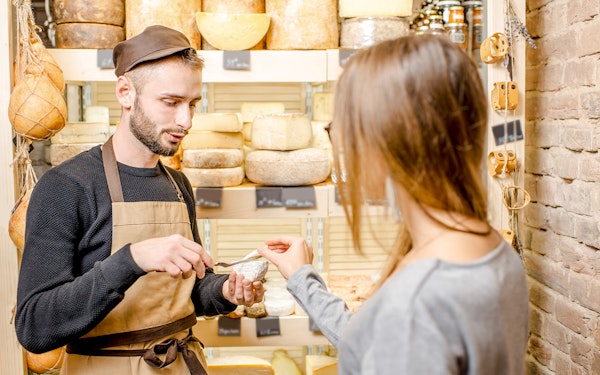
Cheese Museum Guided Tour & Tastings
4.8(14)1 hourViewFrom$23
Chocolate and Pastry Walking Tour in Montmartre, Paris
5.0(20)2 hours - 2 hr 30 minViewFrom$117
Paris Small-Group Montmartre Chocolate & Pastry Walking Tour
5.0(54)3 hoursViewFrom$101
Paris: Le Marais Private Guided Food Tour with 10 French Tastings
5.0(128)3 hr 30 minViewFrom$272The food, wine & tragedies tour of Montmartre
5.0(18)2 hr 40 min - 3 hr 10 minViewFrom$75
Lights and illuminations: the early sunset is the feature
Because darkness falls in the late afternoon, winter Paris turns its lights on early and wears them for hours. From late November through the holidays the big avenues add festive illuminations, the department stores dress their windows, and the Christmas markets glow through December, with the Eiffel Tower's hourly sparkle running over it all year round. An evening cruise is the warmest way to take the show in: the boats are enclosed and heated, and by early evening the full illuminated skyline is already up. The open-top night bus does the land version for less, and a Louvre-plus-evening-cruise combo stacks the museum day and the lights into one ticket.
Top ways to see Paris illuminated

Combo: Louvre Museum Priority Entry with Paris Illuminated Evening Cruise
The winter-day-in-one-ticket combo - priority Louvre entry plus an evening cruise past the illuminated banks, and strongly rated at volume.
4.5(10,327)ViewFrom$83
Paris Seine River Sunset & Evening Champagne Cruises
A one-hour evening cruise with champagne - in winter the early dusk means even the first sailings run fully illuminated.
4.2(352)1 hourViewFrom$44
Paris Big Bus Open Top Panoramic Night Tour
The land route through the lights - a panoramic night loop of the illuminated landmarks and the volume pick for an easy evening.
3.7(913)2 hoursViewFrom$34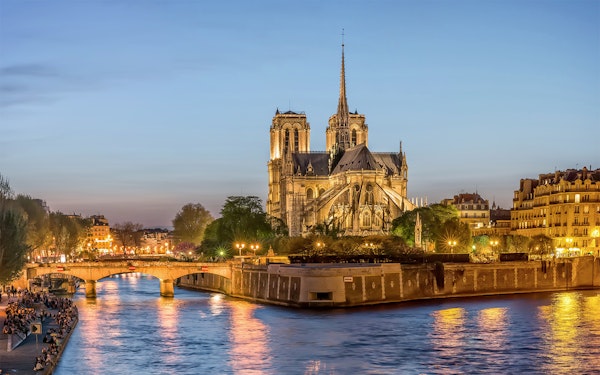
1-Hour Paris Illuminated Evening Sightseeing Cruise
4.5(10,773)1 hourViewFrom$21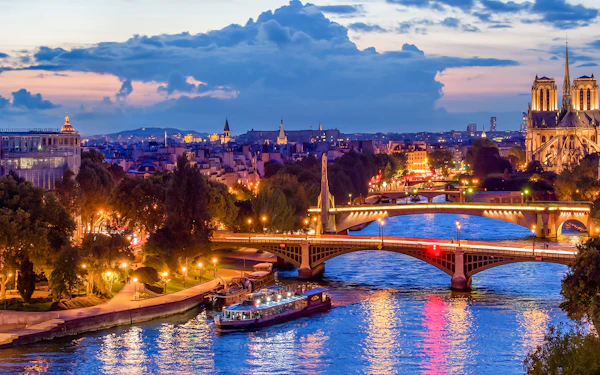
Paris En Scène - Dinner Cruise on the Seine in Paris
4.6(223)1 hr 45 minViewFrom$75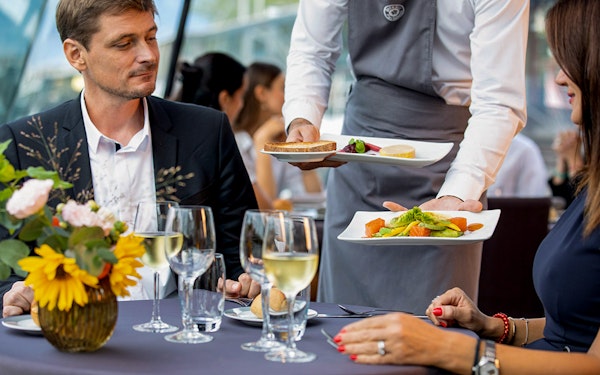
Bateaux Parisiens Seine River Early Evening Dinner Cruise with Gourmet Menu
4.5(89)1 hr 15 minViewFrom$115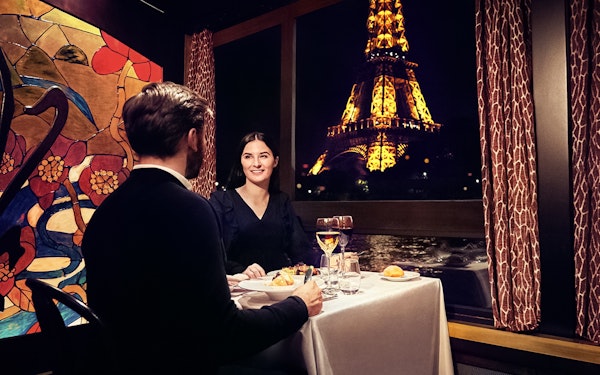
Maxim's Seine River Dinner Cruise with Live Music and Bistro Menu
4.6(136)1 hr 15 minViewFrom$191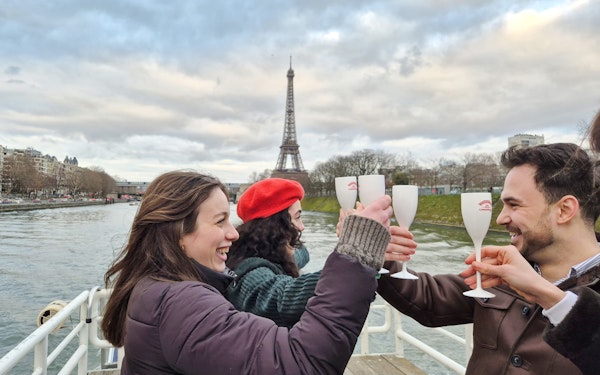
Paris: Seine River Sightseeing Sunset Cruise with Champagne
5.0(2)1 hourViewFrom$42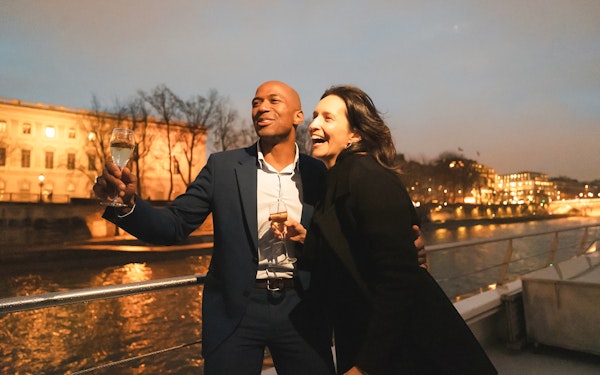
Bateaux Mouches® Seine River Dinner Cruise with Live Music & French Menu
4.4(939)2 hr 15 minViewFrom$156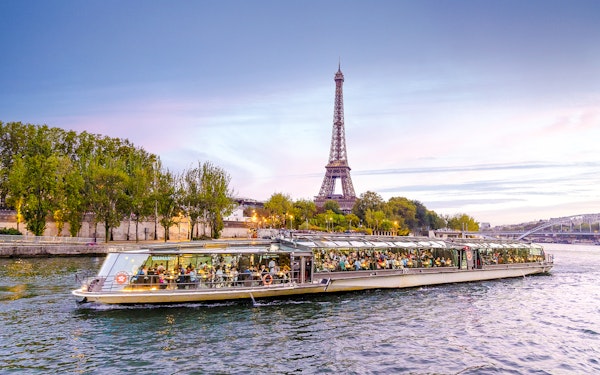
Bateaux Parisiens Seine River Dinner Cruise with French Premium Menu
4.4(4,823)2 hr 30 minViewFrom$133
What to eat in Paris in winter
Winter is when French comfort food makes complete sense. The bistro classics that feel heavy on a June evening, onion soup under its lid of melted cheese, slow braises, duck in all its forms, hearty mountain dishes of melted cheese and potatoes, are exactly what a cold, damp evening calls for, and the cozy dining rooms that serve them are half the pleasure. This is the season to book the small neighborhood bistros that summer visitors fight over; in January you can often walk in.
The sweet side of winter is its own itinerary. Parisian hot chocolate is a serious, thick, almost dessert-like affair with famous salons dedicated to it, and a steaming cup mid-afternoon is the city's best cold-weather ritual. January brings the galette des rois, the flaky almond-filled cake sold everywhere for the new year with a charm hidden inside, a tradition worth joining at least once. Crepe stands earn their keep on cold walks, the winter windows of the chocolatiers and patisseries are dressed like galleries, and the season's oysters and shellfish pile up on brasserie ice displays, the classic festive-week indulgence.
A guided food walk stitches all of this together better in winter than in any other season, short cold stretches between long warm stops, which is exactly why the food tours above rate as highly as they do in the cold months.
What a winter trip costs
Winter is the value season, and the math is worth spelling out. Hotels are the big win, running far below summer rates in January and February, with December moderate until the holiday week. The experiences themselves hold their year-round prices, but winter changes what you get for them: the same Louvre tour buys calmer galleries, the same cruise ticket buys an illuminated skyline from a heated deck.
On the activities side, plan roughly like this: entry tickets and evening cruises sit in the $20 to $50 band; guided museum tours and food walks mostly land between $50 and $120; and the cabaret shows, winter's signature splurge, run from around $95 for a show-only seat to well over $200 with dinner. A workable winter budget is one anchor experience per day, a museum tour, a food walk, a show, with the illuminations, window displays, and neighborhood wandering filling the rest for free. Against a summer trip of the same length, the winter version routinely comes out hundreds cheaper on lodging alone.
A sample winter day in Paris
Morning. Start slow the way the city does: coffee and a croissant somewhere warm, then be at a museum for opening, the Louvre with a booked slot, or the Orsay's grand hall in the thin morning light. Winter mornings are the quietest museum hours of the year, and two or three unhurried hours here are the day's anchor.
Midday and afternoon. A long bistro lunch is the season's centerpiece meal, ideally the onion-soup-and-braise kind. Spend the early afternoon on the day's outdoor act while the light lasts, Montmartre's lanes, a neighborhood market street, the river banks, and as the sky starts to drop toward the five o'clock sunset, duck into the covered passages or a department store for the warm, glass-roofed version of a stroll.
Evening. The lights are on by five, so the evening starts early and runs long. A hot chocolate as the illuminations come up, then the night's main event: an enclosed cruise past the lit-up banks, a cabaret show, or in December the markets and window displays. Dinner late and warm, and no guilt about an early night; tomorrow's museums open calm again. Repeat with a food-tour day and a show night, and a winter week fills itself.
December, January, February: how the months differ
December is the festive month: illuminations on the avenues, Christmas markets through the month, dressed store windows, and an atmosphere no other winter month matches. Crowds and prices stay moderate until the holiday week, when both spike; the first three weeks are the sweet spot. January is the quiet month, and the best one for pure sightseeing: after the first week the city empties to its year-low, museum queues all but vanish, and hotels hit their cheapest. The winter sales also make it the season's shopping month. February runs close to January with marginally longer days, one price bump around the middle of the month, and the first hints of the light coming back. For a first winter visit, December for atmosphere or late January for calm-and-cheap are the two clean answers.
Practical tips for winter in Paris
Dress for damp cold, not deep cold. Waterproof shoes and a real coat beat any amount of stacked light layers, and warm feet are what decide whether an evening at the markets or on a night walk lasts.
Order the day around the five o'clock sunset. Outdoor sights and neighborhoods in the morning and early afternoon, museums and food as the light drops, lights and shows after dark. The day holds just as much; it just runs in a different order.
Book the Louvre and the cabarets ahead; improvise the rest. Winter's thin crowds mean most experiences can be booked a day or two out, which makes it the best season for deciding tomorrow over tonight's dinner.
Use the cafes the way locals do. Winter is the season the Paris cafe was built for: a long coffee, a window seat, and no rush. Build the warm-up stops into the plan rather than treating them as lost time.
Watch the holiday week. Christmas through New Year behaves like August in pricing and crowds. If your dates are flexible, landing either side of that week buys you winter's advantages without its one expensive pocket.
Quick recap: winter in Paris
Winter trades warmth and daylight for space, price, and atmosphere. The museums run at their calmest, the cabarets and food tours fill the long evenings, the illuminations start at five, and outside the holiday week everything costs less and queues less than any other season. Pack a real coat, book the Louvre and a show, and let the short days push you into the warm, lit-up version of the city that summer visitors never quite see.
Plan your trip
See all Paris tours and experiences →Is Paris worth visiting in winter?
Yes, and for some travelers it is the best version of the city. Winter trades mild weather for the year's thinnest crowds and lowest prices outside the holiday week: the Louvre at its most walkable, short queues at the Eiffel Tower, and hotel rates far below summer. December adds festive lights and markets; January and February add near-empty museums. The trade-offs are short days, frequent light rain, and cold that rewards a proper coat, none of which stops anything from being open.
How cold does Paris get in winter?
Cold but rarely brutal. Typical winter days sit in the low single digits Celsius, roughly the high thirties to mid forties Fahrenheit, with damp air that makes it feel colder than the number. Snow is rare and usually light; rain is the more regular companion, falling as intermittent showers rather than all-day washouts. A warm coat, a scarf, gloves, and waterproof shoes handle it comfortably, and the payoff is a city that photographs beautifully in low winter light.
What should I wear in Paris in winter?
A proper warm coat is the anchor, with layers under it, a scarf, gloves, and waterproof shoes for the damp pavements. Paris winter is more wet-cold than snow-cold, so waterproofing matters as much as insulation. You will be outdoors more than you expect, walking between sights and waiting at crossings, and warm feet decide how long an evening lasts. Parisians dress with polish in winter, dark layered pieces and good outerwear, so a neat coat fits the city as well as it fights the cold.
What are the best things to do in Paris in winter?
Winter is the museum season: the Louvre and the Orsay at their calmest, with walk-up queues a fraction of the summer crush. It is also the season of indoor spectacle, cabaret shows in Montmartre and along the Champs-Elysees, and of food, when a long guided food walk or a morning pastry tour fits the weather perfectly. In December the festive lights and markets layer on top. The one-line version: indoors by day, illuminations by night, and everything easier to book than in summer.
Is December a good time to visit Paris?
December is the most atmospheric winter month: the big shopping streets lit up, department-store window displays, Christmas markets running through the month, and the Eiffel Tower sparkling over it all. Crowds and prices stay reasonable through most of the month, then jump for the week between Christmas and New Year, which is the one expensive pocket of winter. If you want festive Paris without holiday-week pricing, the first three weeks of December are the sweet spot.
Are the museums crowded in Paris in winter?
Winter is the quietest museum season of the year. Outside the holiday week, the Louvre and the Orsay run their shortest queues, and the galleries themselves feel walkable in a way peak season never allows. It is still worth booking timed entry for the Louvre, since the famous rooms draw a crowd year round, but winter is the one season when the museum experience matches the postcard: unhurried, uncrowded, and easy to take at your own pace.
Is a Seine cruise worth doing in winter?
Yes, with the right format. The boats are enclosed and heated, so a winter cruise is a warm seat with the illuminated city sliding past, and because darkness falls in the late afternoon, even an early-evening cruise runs fully lit. A dinner cruise is the classic winter version, turning a cold evening into the trip's most atmospheric meal. The one thing you lose against summer is the open-deck golden hour; what you gain is the lights, which winter serves earlier and longer.
What should I book ahead for Paris in winter?
Less than in summer, which is part of winter's charm, but a few things still deserve advance booking. Timed Louvre entry saves the one queue that persists year round. Cabaret shows, especially dinner packages on weekend nights, sell out ahead. And anything in the Christmas-to-New-Year week behaves like peak season and should be locked in early. Outside those, winter is the season of spontaneity: most tours and cruises can be booked a day or two out.
What should I eat in Paris in winter?
Winter is the season for the bistro classics: onion soup under melted cheese, slow braises, duck, and the hearty melted-cheese-and-potato dishes that feel excessive in any other month. The sweet side matters just as much, with the city's famously thick hot chocolate as the cold-weather ritual, the almond-filled galette des rois everywhere in January, and crepe stands earning their keep on cold walks. Winter is also the easiest season to get a table at the small neighborhood bistros that summer visitors compete for.
How short are the days in Paris in winter?
Short: in the depths of winter the sun sets around five in the afternoon. That sounds like a limitation and plays like a feature. The city's illuminations, monument lighting, and festive displays start early, so an evening's worth of lit-up Paris fits before dinner. Plan outdoor sightseeing and daylight-dependent stops for the morning and early afternoon, then switch to museums, food, shows, and lights. Winter days in Paris are not shorter on experiences, just differently ordered.
Keep reading
Plus à lire
Plus de guides pour vous aider à planifier votre voyage

1 jour à Paris : l'itinéraire qui fonctionne, et celui qui ne fonctionne pas
Un jour à Paris, planifié autour des vraies distances - ce qu'il faut réserver, ce qu'il faut marcher, ce qu'il faut ignorer, et pourquoi trois musées en un jour est l'erreur classique.

The Best Food Tours in Paris: Which Ones Are Worth the Money
Paris food tours are expensive and the good ones are excellent. How to tell them apart - by neighbourhood, by format, and by what you actually want to learn.

Arc de Triomphe Tickets in 2026: Rooftop Access, Combos and How to Skip the Line
A 2026 guide to Arc de Triomphe tickets - rooftop terrace timed entry, skip-the-line, Paris viewpoint and cruise combos, and guided Champs-Elysees walks.

Musee d'Orsay Tickets in 2026: Types, Skip-the-Line and Combos Compared
A 2026 guide to Musee d'Orsay tickets - timed entry, skip-the-line, guided highlights tours, Louvre and Orangerie combos and pass options compared.

5 Days in Paris: The Perfect Itinerary at a Relaxed Pace
A 5-day Paris itinerary at a human pace: the icons, Montmartre and Le Marais, a full day at Versailles, and the tours travelers rate highest for each day.

The Best Walking Tours in Paris: Highlights, Montmartre, Food and More
Every kind of walking tour of Paris compared: classic highlights, Montmartre, food walks, Le Marais, and night walks, ranked on real ratings and reviews.

Christmas Markets in Paris: The Best Festive Spots and Tours
The best Christmas markets in Paris, from the Tuileries to La Défense, plus when the season runs, how to plan around crowds, and the top festive experiences.

Summer in Paris: What to Expect and What to Book
What summer in Paris is really like - long evenings, heat waves, August closures, and the Seine cruises, Eiffel Tower visits, and day trips worth booking.