ParisTicketsMusee d'OrsaySkip the lineBuying guide
Musee d'Orsay Tickets in 2026: Types, Skip-the-Line and Combos Compared
A 2026 guide to Musee d'Orsay tickets - timed entry, skip-the-line, guided highlights tours, Louvre and Orangerie combos and pass options compared.
Por SimilarTours Editorial - Travel Research · · 9 minutos de lectura

The Orsay is the museum most Paris visitors love best. It is smaller and more legible than the Louvre, the building itself is part of the appeal, and the upper floors hold the paintings that people travel to see. All of which means it gets busy, and the ticket you buy decides whether your visit starts with a walk straight in or a stretch of standing on the riverside pavement.
"Orsay tickets" covers a small family of options: a standard timed-entry ticket, a skip-the-line version with a reserved lane, a guided highlights tour, combined tickets that pair the museum with the Louvre or the Orangerie, and the wider Paris museum passes. This guide compares them, explains who each one suits, and covers how to avoid the queue, without quoting prices that move by date and season.
Browse all Paris experiences and tickets →Which Musee d'Orsay ticket should you buy?
| Your situation | Best ticket |
|---|---|
| First visit, want the collection explained | Guided highlights tour |
| Confident going solo, just want in fast | Skip-the-line timed ticket |
| Flexible timing, visiting off-season | Standard timed entry |
| Pairing it with the Orangerie or the Louvre | Combined ticket |
| Several major museums over a few days | Paris museum pass |
Standard timed-entry ticket
- What it is: General admission with a booked entry window.
- Best for: Off-season visitors and anyone with flexible timing who does not mind a short wait.
- Availability: Good, though the popular late-morning windows go first at weekends.
The standard ticket is the baseline. It gets you inside for your chosen window and leaves you free to move at your own pace. The trade-off is that a timed slot is not the same as a fast lane: when the museum is full, everyone with a slot still funnels through the same entrance. Visit in a quiet month, take an early window, and this is all you need. Add the museum's audio guide if you want structure without a live guide.
See all Paris skip-the-line tickets →Skip-the-line ticket
- What it is: A reserved timed ticket with priority entrance access, so you bypass the general line.
- Best for: Summer travelers, weekend visitors, anyone on a tight schedule.
- Availability: Sells out on peak weekends; book a few days ahead.
This is the sweet spot for most independent travelers. You keep the freedom to wander alone but skip the part of the day that sours an Orsay visit, which is queueing on the quayside with no shade and no clear idea how long it will take. It is the obvious buy for July and August, for any Sunday, and for the first properly wet afternoon of your trip, when half of Paris decides to go indoors at once.
Top Musee d'Orsay skip-the-line tickets

Orsay Museum Entry Tickets
4.5(12,947)2 hoursViewFrom$16
Musee d'Orsay Anytime Entry ticket in Paris with Audio
3.4(221)1 hr 30 min - 4 hoursViewFrom$23
The Musee d Orsay Guided Tour Orsay Museum Semi Private 6ppl Max
5.0(1,095)2 hours - 2 hr 30 minViewFrom$72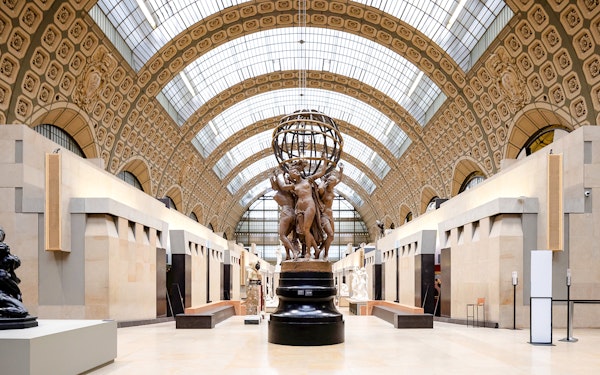
Orsay Museum Guided Tour with Tickets
4.5(61)2 hoursViewFrom$53
Paris: Orsay Museum Daily Entry Ticket
4.3(985)2 hours - 4 hoursViewFrom$23
Orsay Museum Guided Tour
4.5(93)2 hoursViewFrom$53
Musée d'Orsay Admission Ticket
3.9(186)3 hoursViewFrom$38
Museum of Orsay Paris : Small Group Tour Max. 6
5.0(69)2 hours - 2 hr 30 minViewFrom$160
Paris Musée d'Orsay Fully Guided Skip the Line Tour
4.5(643)2 hoursViewFrom$54
Paris Orsay Museum with Optional Seine River Cruise Tickets
4.0(69)3 hoursViewFrom$31
Guided highlights tour
- What it is: A guided walk through the museum's key rooms, typically 1.5 to 2 hours, with reserved entry included.
- Best for: First-time visitors who want a route and context rather than a floor plan.
- Availability: Strong across the year; morning slots fill first in peak season.
A guided tour fixes the quiet problem with the Orsay: the collection reads as a sequence, and without someone joining the dots it can turn into a pleasant blur of rooms. A highlights tour sets the order, tells you what you are standing in front of, and steers you to the upper floors while you still have the energy for them. Reserved entry is built in, so the queue takes care of itself. For a first visit, this is the format we would book.
Top Musee d'Orsay guided tours in Paris
The Musee d Orsay Guided Tour Orsay Museum Semi Private 6ppl Max
5.0(1,095)2 hours - 2 hr 30 minViewFrom$72Orsay Museum Guided Tour
4.5(93)2 hoursViewFrom$53Paris Musée d'Orsay Fully Guided Skip the Line Tour
4.5(643)2 hoursViewFrom$54Museum of Orsay Paris : Small Group Tour Max. 6
5.0(69)2 hours - 2 hr 30 minViewFrom$160Musee d'Orsay Anytime Entry ticket in Paris with Audio
3.4(221)1 hr 30 min - 4 hoursViewFrom$23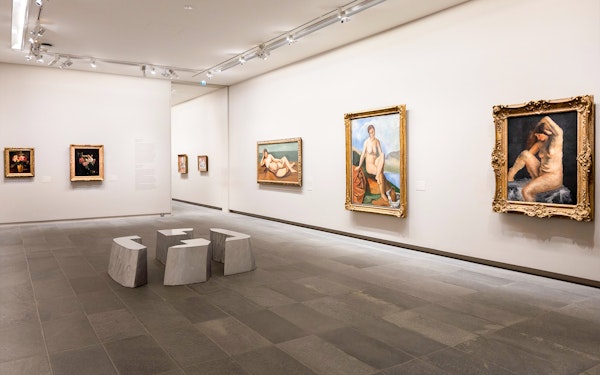
Orangerie Museum Semi-Private Tour
5.0(3)2 hoursViewFrom$157
Paris: Musée d’Orsay Guided Tour with an Expert
4.7(1,209)1 hr 45 minViewFrom$80
Family Friendly Musee d Orsay Private Guided Museum Tour
5.0(39)2 hr 30 minViewFrom$374Paris: Orsay Museum Daily Entry Ticket
4.3(985)2 hours - 4 hoursViewFrom$23Orsay Museum Guided Tour with Tickets
4.5(61)2 hoursViewFrom$53
Combined tickets: Orsay with the Louvre or the Orangerie
- What it is: A single purchase covering the Orsay plus another major Paris museum.
- Best for: Travelers doing more than one big museum and wanting fewer separate bookings.
- Availability: Widely sold; flexible validity across days is the main draw.
The Orangerie is the natural partner. It sits across the river in the Tuileries, it is small enough to see properly in an hour or so, and the walk between the two is one of the better short walks in central Paris. Pairing them in a single day works well.
The Louvre pairing is different. Both museums are heavyweight, and stacking them into one day is how people end up remembering neither. Buy the combined ticket by all means, then use it across two days. Our Louvre tickets guide breaks down that museum's own ticket options, and best museums in Paris helps you decide which pairing actually matches your taste rather than your checklist.
Top Paris museum combo tickets

Anthropology Museum Skip-the-Line Tickets
4.5(200)5 hoursViewFrom$31
Rodin Museum Paris Entry Ticket with Skip the line and Audio
3.6(37)1 hr 30 min - 2 hr 30 minViewFrom$24
Louvre Museum Mona Lisa & Highlights Express Guided Tour
4.3(566)2 hoursViewFrom$86
Prado Museum Small Group Tour with Skip the Line Ticket
4.9(1,949)1 hr 30 minViewFrom$51
Skip the Line: Musée National Adrien Dubouché Ticket - Open Visit
4.8(12)1 hour - 1 hr 30 minViewFrom$8
Skip the line Vatican Museums, Sistine Chapel and St Peters Tour
4.7(3,607)3 hoursViewFrom$21
Skip the Line: Vatican Museums & Sistine Chapel Tour + Basilica
4.7(6,548)1 hour - 3 hoursViewFrom$40
Louvre Museum Guided Tour with Artist
5.0(102)2 hoursViewFrom$223
Paris: Rodin Museum skip the line Daily Ticket
3.9(46)1 hour - 3 hoursViewFrom$20
Rodin Museum & Sculptures Garden Skip-the-Line Tickets with Official Audio Guide
4.5(2,148)2 hoursViewFrom$17
Paris museum passes
- What it is: A multi-day, multi-site pass covering a broad list of Paris museums and monuments.
- Best for: Culture-heavy trips of three days or more with several big sites planned.
- Availability: Easy to buy; reservation rules vary by site, so check before you rely on it.
A pass earns its keep on volume. If your itinerary already includes several major museums and monuments across consecutive days, it removes the buy-a-ticket-every-morning friction and encourages you to drop into places you would otherwise skip. If you are only doing the Orsay and one other site, it rarely pays, and a dedicated timed ticket gives you a firmer entry slot. The other thing to check: some sites still want a separate reservation even with a pass, so read the terms rather than assuming the pass is the whole answer.
How to skip the line at the Musee d'Orsay
The reliable route is unglamorous: book a timed or skip-the-line ticket in advance, arrive a few minutes before your window, and use the reserved entrance instead of the general queue. The crush builds from mid-morning through the early afternoon as tour groups cycle through, so an opening slot or a late slot near the end of the day is noticeably calmer. Guided tours include reserved entry, which covers the queue without you thinking about it. Whichever ticket you hold, travel light. Security checks are quicker with a small bag, and the cloakroom line is its own small tax on your afternoon.
Best time to visit
Early morning is the calmest hour of any day here, with the last couple of hours before closing a decent second choice. Weekends and school holidays are the busiest, and wet days in any season push crowds indoors, which is the one weather pattern that catches people out. Spring and autumn give you the best balance of comfortable queues and comfortable streets outside.
If you are still shaping the trip around it, our things to do in Paris guide places the Orsay against the rest of the city's headline experiences, and the Paris travel guide covers the practical layer: neighbourhoods, getting around, and how many museums a day is genuinely enjoyable rather than merely possible.
Compare every Musee d'Orsay ticket and tour option →Common questions
What is the difference between a standard Orsay ticket and skip-the-line?
A standard ticket carries a timed slot and gets you in, but you can still spend time in the entrance queue when the museum is busy. A skip-the-line ticket adds a reserved lane so you move past the general line. On a quiet winter weekday the gap is minor; on a summer weekend or a rainy Paris afternoon it can be the difference between walking straight in and losing half an hour outside.
Is a guided tour of the Musee d'Orsay worth it?
For a first visit, usually yes. The building is compact compared with the Louvre, but the upper floors hold the works most people came for and it is easy to burn your energy on the lower levels first. A guided highlights tour sets a route, explains what you are looking at, and includes reserved entry. If you already know the collection, a skip-the-line ticket and an audio guide is the better value.
Can I combine the Orsay with the Louvre or the Orangerie?
Yes. Combined tickets and multi-museum passes are widely sold, and the Orangerie sits across the river in the Tuileries within easy walking distance, which makes it the natural pairing. The Louvre pairs well too, but treat it as a separate day rather than a same-afternoon add-on, since both museums deserve more time than a rushed double bill allows.
How do I skip the line at the Musee d'Orsay?
Book a timed or skip-the-line ticket ahead, turn up a few minutes before your slot, and use the reserved entrance rather than the general queue. Mid-morning and early afternoon draw the heaviest crowds, so an opening slot or a late-in-the-day slot is calmer. Guided tours include reserved entry, so booking one solves the queue automatically.
Is a Paris museum pass better than a single Orsay ticket?
It depends how many museums you plan to visit. A pass makes sense if you are hitting several major sites over consecutive days and want to stop buying tickets one by one. For a single Orsay visit, or two museums across a long weekend, a dedicated timed ticket is simpler and you keep a guaranteed entry slot rather than fitting into pass availability.
How long should I plan for the Musee d'Orsay?
Around 2 to 3 hours suits most first visits. That is enough to work the upper-floor highlights properly and still take in the main hall and a couple of side galleries. Serious art travelers can easily spend longer, but if you are pairing the Orsay with anything else that day, keep it to a focused half-day.
Do I need to book Orsay tickets in advance?
In peak season and at weekends, yes. Timed slots do sell out and the walk-up line builds quickly once the morning tour groups arrive. In quieter months you can often buy on the day, but pre-booking still removes the queue risk for very little effort. Guided tours and combo tickets should always be booked ahead.
Más lecturas
Más guías para ayudarte a planificar tu viaje

1 Día en París: El Itinerario Que Funciona, y el Que No
Un día en París, planificado alrededor de distancias reales - qué reservar, qué caminar, qué saltarse, y por qué tres museos en un día es el error clásico.

The Best Food Tours in Paris: Which Ones Are Worth the Money
Paris food tours are expensive and the good ones are excellent. How to tell them apart - by neighbourhood, by format, and by what you actually want to learn.

Arc de Triomphe Tickets in 2026: Rooftop Access, Combos and How to Skip the Line
A 2026 guide to Arc de Triomphe tickets - rooftop terrace timed entry, skip-the-line, Paris viewpoint and cruise combos, and guided Champs-Elysees walks.

5 Days in Paris: The Perfect Itinerary at a Relaxed Pace
A 5-day Paris itinerary at a human pace: the icons, Montmartre and Le Marais, a full day at Versailles, and the tours travelers rate highest for each day.

The Best Walking Tours in Paris: Highlights, Montmartre, Food and More
Every kind of walking tour of Paris compared: classic highlights, Montmartre, food walks, Le Marais, and night walks, ranked on real ratings and reviews.

Christmas Markets in Paris: The Best Festive Spots and Tours
The best Christmas markets in Paris, from the Tuileries to La Défense, plus when the season runs, how to plan around crowds, and the top festive experiences.

Summer in Paris: What to Expect and What to Book
What summer in Paris is really like - long evenings, heat waves, August closures, and the Seine cruises, Eiffel Tower visits, and day trips worth booking.

Winter in Paris: What to Expect and What to Book
What winter in Paris is really like - short days, thin crowds, festive lights, and the museum tours, cabaret shows, and food experiences worth booking.