ParisSummerSeasonalFrancePlanning
Summer in Paris: What to Expect and What to Book
What summer in Paris is really like - long evenings, heat waves, August closures, and the Seine cruises, Eiffel Tower visits, and day trips worth booking.
由SimilarTours Editorial撰写,Travel Research · · 25分钟阅读

Ask people to picture Paris and they usually picture it in summer: long evenings on the river, cafe terraces spilling onto the pavement, picnics under the Eiffel Tower at nine at night with the sky still light. Summer in Paris delivers exactly that, and it also delivers the year's biggest crowds, peak prices, and the occasional heat wave in a city that is famously short on air conditioning. The difference between a great summer trip and a sweaty, queue-heavy one is mostly planning.
This guide covers what Paris in summer actually feels like from June through August, what to book before you fly, and how to use the season's one great gift, daylight until late evening, to stay ahead of both the heat and the lines. Every tour and ticket referenced is currently bookable through our partner OTAs and ranked on real ratings and review counts, verified July 2026.
Browse all Paris tours and experiences →Before you go: what summer in Paris is really like
The weather. Most summer days in Paris are warm rather than hot, comfortable for walking with a light layer for the evening. The caveat is the heat wave: a few times each summer, temperatures spike hard for several days, and because many older buildings, hotels, and Metro lines lack air conditioning, those days feel hotter than the forecast reads. Confirm your hotel has cooling before you book, and keep your plan flexible enough to swap a walking afternoon for a museum one.
The crowds. June through August is peak season. The Eiffel Tower, the Louvre, and Versailles run their longest queues of the year, and walk-up waits regularly pass an hour at midday. The fix is not complicated: book timed entries ahead, hit the big sights at opening or in the evening, and save the middle of the day for parks, food, and neighborhoods.
August closures. August is when Parisians themselves go on vacation, and a noticeable share of family-run bistros and small shops close for several weeks. The famous sights stay open and busy; it is the neighborhood texture that thins. It is a reason to lean on experiences that run all summer, cruises, guided tours, the big museums, rather than building your food plans entirely around small independent spots in mid-August.
What to wear. Light, breathable clothes, one warmer layer for the long cool evenings, and shoes you can walk all day in. Parisians dress simply but neatly even in the heat, so plain, light pieces travel better here than beach gear. A hat and sunglasses for heat-wave days, and a compact umbrella regardless; summer storms roll through.
What to book ahead. Anything with a timed slot and a famous name: Eiffel Tower summit access, the Louvre, Versailles. Those sell out days or weeks ahead in summer. Cruises and evening tours are more forgiving, usually bookable a day or two out except on peak weekends.
The Seine is the center of summer
In summer the river stops being scenery and becomes the main event. The quays fill with walkers, picnickers, and pop-up summer life, and the most comfortable seat in the city on a warm evening is on the water with a breeze. A sightseeing cruise is the classic one-hour version; a sunset or champagne cruise times the same loop for the golden hour, which in a Paris summer arrives conveniently after dinner; a lunch or dinner cruise makes the river the meal's backdrop. If you only book one inexpensive thing for a summer trip, make it a cruise.
Top Seine river cruises for summer

Bateaux Parisiens Seine River Gourmet Lunch & Sightseeing Cruise
The highest-rated of the big-name meal cruises - a sit-down gourmet lunch while the landmarks slide past, and a smart midday escape from the summer heat.
4.7(2,836)2 hoursViewFrom$97- tiqets
Seine River: Cruise by Bateaux Parisiens
The straightforward one-hour sightseeing loop at the budget end - a high-volume classic and the easy first-evening booking.
4.3(9,444)1 hourViewFrom$19 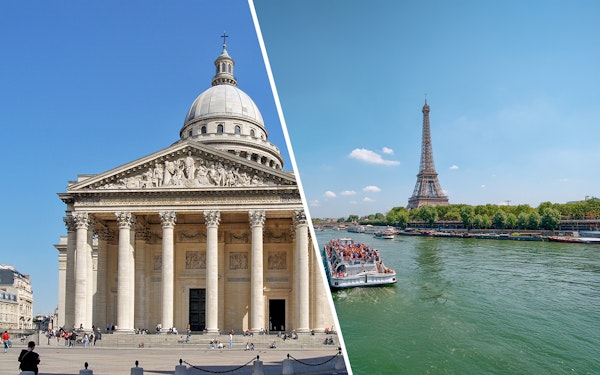
Combo: Panthéon Tickets & Seine River Sightseeing Cruise
A well-rated combo that pairs the river loop with Panthéon entry - good value if you want a cool, grand indoor stop bundled with the cruise.
4.6(17,378)ViewFrom$34
Paris Seine River Sunset & Evening Champagne Cruises
The golden-hour option - a one-hour evening cruise with champagne, timed for the long summer dusk when the light on the river is at its best.
4.2(352)1 hourViewFrom$44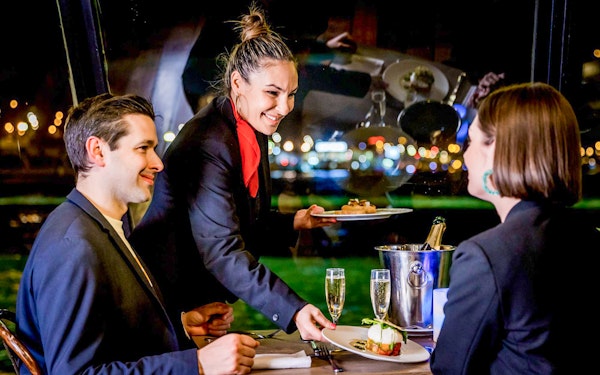
Romantic Seine River Dinner Cruise
4.5(2)1 hr 15 minViewFrom$156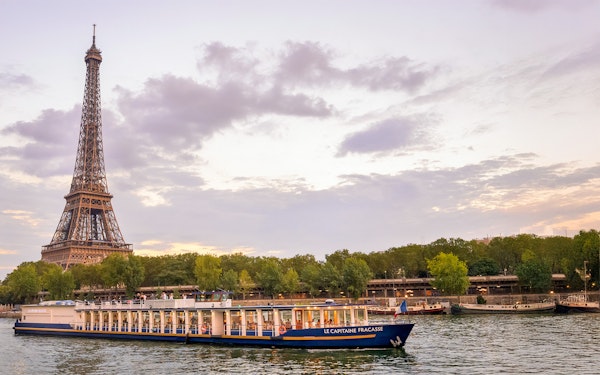
Capitaine Fracasse Seine River Dinner Cruise
4.8(24)2 hoursViewFrom$121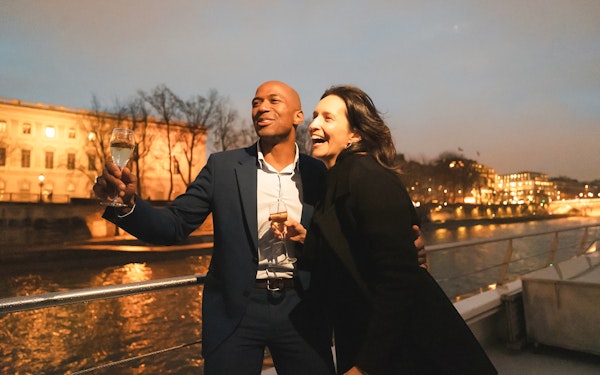
Bateaux Mouches® Seine River Dinner Cruise with Live Music & French Menu
4.4(939)2 hr 15 minViewFrom$156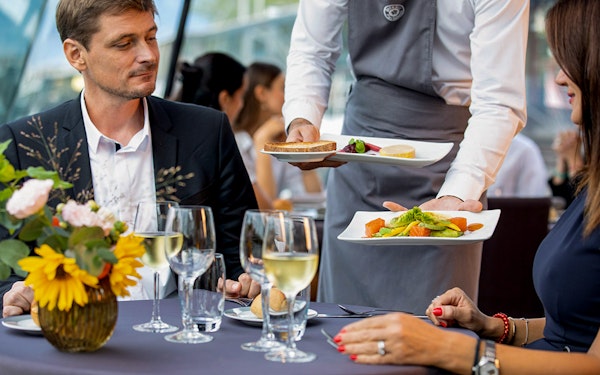
Bateaux Parisiens Seine River Early Evening Dinner Cruise with Gourmet Menu
4.5(89)1 hr 15 minViewFrom$115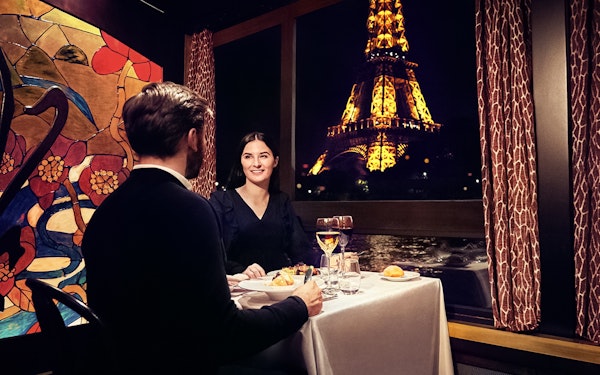
Maxim's Seine River Dinner Cruise with Live Music and Bistro Menu
4.6(136)1 hr 15 minViewFrom$191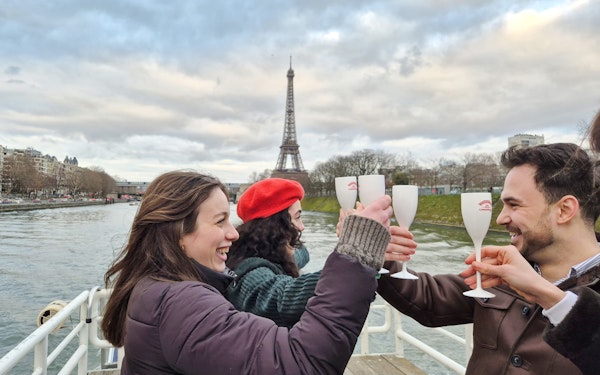
Paris: Seine River Sightseeing Sunset Cruise with Champagne
5.0(2)1 hourViewFrom$42
Insider tip
Use the long evenings. Summer daylight in Paris stretches to roughly ten at night in late June, the longest evenings of any major European city. That is the season's real luxury: you can do a full sightseeing day, a slow dinner, and still have light left for a cruise or a walk. Shift the famous outdoor sights into that window and you skip both the midday heat and the midday crowds in one move.
The Eiffel Tower: go in the evening
The Eiffel Tower in summer is a tale of two visits. At midday, it is the longest security line of your trip and full sun on an exposed esplanade. In the evening, the same visit catches daylight views, sunset, and the tower's after-dark sparkle in a single slot, with the temperature dropping as you go up. If the summit matters to you, book that access specifically and early; summit tickets are the first thing in Paris to sell out in summer. The stairs to the second floor are the budget-and-shorter-queue route, and in the cool of the evening the climb is genuinely pleasant rather than a slog.
Top Eiffel Tower tickets and tours

Eiffel Tower Guided Tour by Stairs with Optional Summit by Lift
The highest-rated Eiffel option with serious review volume - a guided climb by the stairs with an optional lift to the summit, and usually a faster way through than the main elevator lines.
4.8(4,730)2 hoursViewFrom$51
Eiffel Tower Elevator Tour with Optional Summit & Cruise Access
The elevator route with a summit option and a cruise add-on - the pick if stairs are off the table and you want the tower and the river handled in one booking.
4.5(1,263)1.3 hoursViewFrom$84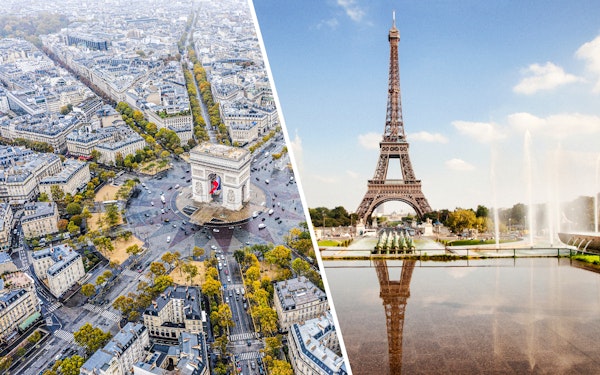
Combo: Arc de Triomphe with Rooftop Access & Eiffel Tower Guided Tour by Elevator
A high-volume combo that stacks the Arc de Triomphe rooftop with a guided Eiffel elevator visit - two of the city's best viewpoints in one purchase.
4.4(26,529)ViewFrom$42
Eiffel Tower Climbing Tour with Optional Summit with Elevator
Another strongly rated stairs-first climb with an elevator option to the top - a solid alternative when the lead tour's slots are gone, which in summer they will be.
4.6(2,055)2 hoursViewFrom$52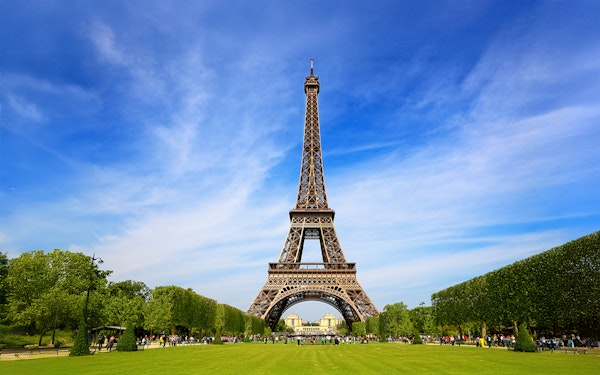
Eiffel Tower Guided Climb by Stairs
4.2(7,255)2 hoursViewFrom$48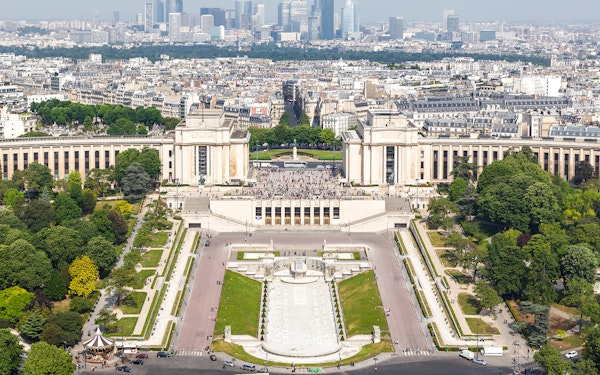
Eiffel Tower Dedicated Reserved Summit Access by Elevator
4.4(10,182)1 hourViewFrom$65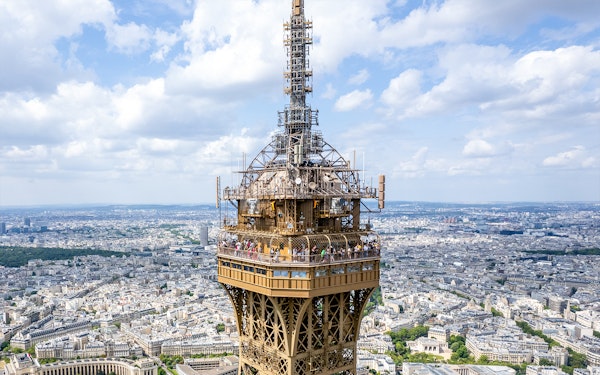
Eiffel Tower Ticket: Summit with Host + Audioguide
5.0(1)ViewFrom$87
Eiffel Tower Guided Tour by Elevator: Reserved Entry to the Summit or Second Floor
4.4(21,426)1 hourViewFrom$42
Illumination Tour of Paris and Eiffel Tower 2nd Floor (Reserved Access)
0.0(0)3 hoursViewFrom$83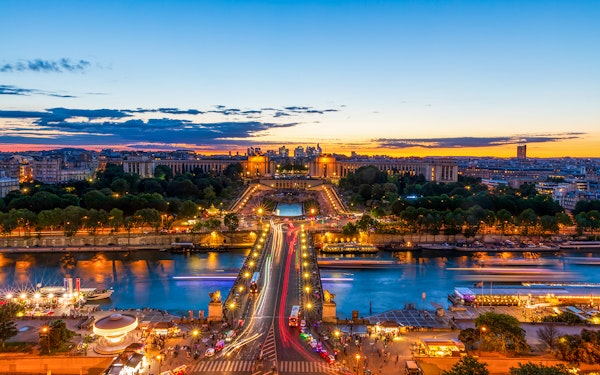
Paris Evening Sightseeing Tour with Eiffel Tower Summit Tickets
3.4(9)3 hoursViewFrom$97
Parks, picnics, and the free side of summer
Summer is when Paris's parks earn their reputation, and the best midday plan on a warm day often costs nothing. The Luxembourg Gardens are the classic: chairs by the fountain, shade under the trees, and the city's most civilized people-watching. The Tuileries run the same idea between the Louvre and the Place de la Concorde. For the local version, the hillside lawns of the Buttes-Chaumont in the northeast fill with picnicking Parisians on summer evenings, and the Canal Saint-Martin does the same at the water's edge.
The picnic is the move to copy. A baguette, cheese, and fruit from any neighborhood shop, eaten on the Champ de Mars as the Eiffel Tower starts to sparkle, is one of the best evenings in the city and one of the cheapest. In high summer the riverbanks themselves turn into an open-air scene, with deck chairs, pop-up bars, and events along the quays. Treat the parks as your air conditioning: when the afternoon peaks, that is where the city goes.
Summer neighborhoods: where the city lives outdoors
The monuments carry the postcards, but summer Paris happens at street level, and a few neighborhoods do the season better than the rest. Montmartre is the headline act: the hilltop village of steep lanes, artists' squares, and long staircases is at its best on a summer evening, when the day-trip crowds have drained away and the view from the basilica steps stretches over the whole city in the late light. Go up in the late afternoon, wander the back lanes away from the main square, and stay for dusk.
Down at river level, the Canal Saint-Martin is the locals' summer living room, its banks lined with picnickers and its footbridges busy until late. Le Marais keeps its shops and galleries open through the season and its falafel-and-ice-cream street life spills outdoors, while the Latin Quarter's student energy moves onto the squares. And the Île Saint-Louis, the smaller of the two river islands, exists in summer mostly as a slow loop: an ice cream in hand, a lap of the quays, and a seat on the stone edge with your feet over the water.
A guided walk is the efficient way to unlock the neighborhoods early in the trip, and in summer the morning departures beat the heat. The Montmartre walks in particular repay the guide, because the village's story lives in lanes you would otherwise walk straight past.
Top Paris neighborhood walking tours

Paris Top Sights Half Day Walking Tour with a Fun Guide
The big-picture option - a half-day guided walk across the center's headline sights, top-rated at serious volume and an ideal first-morning orientation.
4.8(3,136)5 hoursViewFrom$75
Paris Montmartre Walking Tour Best Art Culture and Food
The most-reviewed Montmartre walk - ninety minutes of art, culture, and food through the hilltop village's lanes at a budget price.
4.8(2,818)1.5 hoursViewFrom$37
Paris: Small Group Moulin Rouge &Sacré Cœur Montmartre Tour
A small-group Montmartre walk that takes in the windmill-cabaret end of the hill as well as the basilica - strong ratings in an intimate format.
4.8(161)2 hoursViewFrom$57
Montmartre Walking Guided Tour
5.0(111)2 hoursViewFrom$35
Montmartre Private Walking Tour: Famous Artists and Cabarets
5.0(21)2 hr 15 minViewFrom$341
Montmartre Paris Hidden Gems Small Group Walking Tour
5.0(14)2 hoursViewFrom$235
Montmartre guided walking tour with local guide in small group
5.0(17)2 hr 20 minViewFrom$41
The food, wine & tragedies tour of Montmartre
5.0(18)2 hr 40 min - 3 hr 10 minViewFrom$75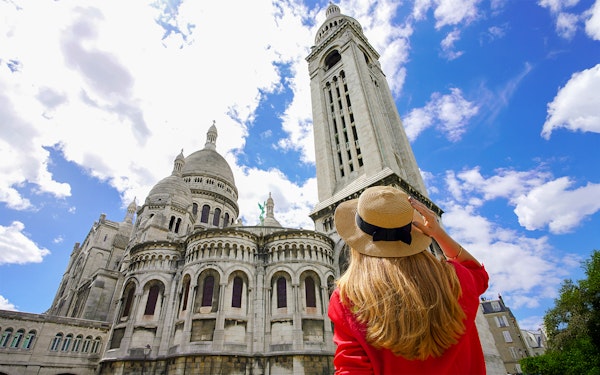
Montmartre & Sacré-Cœur Guided Walking Tour
3.0(1)1 hr 30 minViewFrom$50
Explore Montmartre like a local - Private walking tour
5.0(17)2 hr 30 minViewFrom$281
What to eat in Paris in summer
Summer changes how Paris eats more than what it eats. The terrace is the point: from June the cafe seating doubles onto the pavement, and the long evenings stretch the apero, the pre-dinner drink-and-snacks hour, well past its usual slot. Do as the city does and make one unhurried terrace session part of each day, whether that is a morning coffee watching a market street wake up or a six o'clock glass on a shaded square.
The season's specific pleasures are simple ones. Ice cream is a summer institution, with the Île Saint-Louis the traditional pilgrimage and long queues at the famous scoops on hot afternoons. The markets overflow with stone fruit and berries, which is half the picnic solved, and the picnic itself is the defining summer meal: a baguette, cheese, fruit, and something cold, assembled from any neighborhood's shops and eaten on the Champ de Mars, the canal bank, or a riverside quay. For sit-down meals, book the terraces you care about; on warm evenings the outdoor tables go first everywhere.
One seasonal warning repeated because it bites hardest at dinner time: in August many small family-run restaurants close for vacation weeks. The brasseries and tourist-facing places stay open, but if a specific neighborhood bistro is on your list for late summer, check it is open before you cross town for it.
Day trips: trade the heat for gardens and coast
Summer is the best season to leave Paris for a day, because the classic day trips are at their peak exactly when the city is at its most crowded. Versailles in summer is really about the gardens, so choose an option that includes them and take the earliest slot you can get, before the heat and the coach groups arrive together. Giverny, with Monet's lily ponds and flower gardens in full summer form, is the most seasonal trip of all. Further afield, the Loire Valley castles and the Normandy coast both run as full guided days from Paris and swap the city's pavement heat for green country and sea air.
Top summer day trips from Paris

Versailles Palace and Gardens Tour by Train from Paris
The highest-rated Versailles option in this group - a guided palace-and-gardens visit that handles the train logistics from central Paris for you.
4.7(974)3 hoursViewFrom$102
Giverny Monet's Home & Versailles Palace Day Trip from Paris
The two big garden destinations in one guided day - Monet's Giverny at its summer peak plus Versailles, the most season-specific pairing on this list.
4.5(901)11.5 hoursViewFrom$156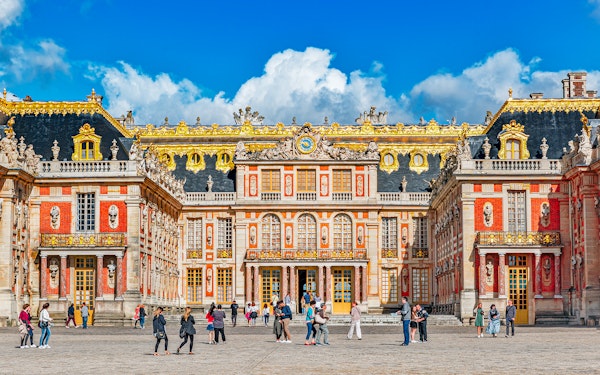
From Paris: Versailles Palace & Giverny Guided Day Trip
The same Versailles-plus-Giverny formula from another operator - a well-rated alternative when the lead trip's summer dates are gone.
4.4(1,298)10 hoursViewFrom$122
Loire Valley Castles Day Trip from Paris with Complementary Wine
A full guided day among the Loire castles with wine along the way - the green, unhurried counterpoint to a hot week in the city.
4.7(4,445)13 hoursViewFrom$127
Normandy D-Day Sites & Cemetery Day Trip from Paris with Lunch
The best-rated big day trip from Paris by a clear margin - the D-Day beaches and cemetery with lunch included, sobering and consistently described as worth the long day.
4.8(8,929)14 hoursViewFrom$128
From Paris: Giverny & Versailles Small-Group Guided Day Trip
0.0(0)9 hoursViewFrom$290
Versailles Palace and Giverny Private Guided Tour from Paris
4.9(72)9 hoursViewFrom$803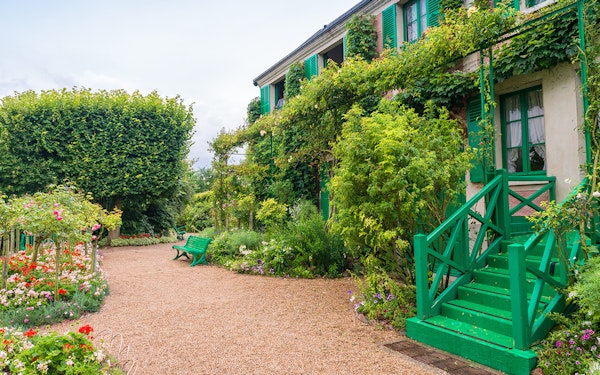
Versailles & Giverny AudioGuided Tour with Lunch
4.5(18)9 hr 45 minViewFrom$161
Versailles from Rouen | Private Roundtrip Transfer
9 hoursViewFrom$1,099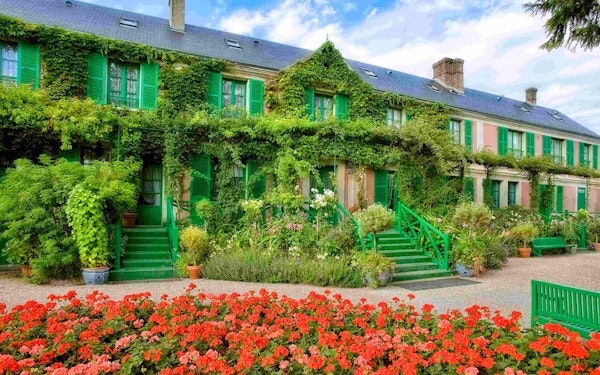
From Paris: Giverny Day Trip with Monet's House & Gardens Entry
4.4(3,971)5 hoursViewFrom$46
Summer evenings: the city after dark
The long dusk is when summer Paris is at its best, and the evening experiences are built for it. An evening bike tour rolls through the city as the light turns and the monuments switch on, covering more ground than a walk while the temperature drops. A night walking tour trades ground for atmosphere, working the old lanes with stories as the crowds thin. And the open-top night bus is the zero-effort version: a seat, a breeze, and the illuminated landmarks in a loop. All of them end with the Eiffel Tower doing its hourly sparkle, which no summer evening in Paris should miss.
Top Paris evening and night tours

Paris Evening Snapshot Bike Tour
The highest-rated evening option here - a guided bike loop through the center as the lights come on, covering far more of the city than an evening walk.
4.7(827)2.5 hoursViewFrom$45
Paris by Night Walking Tour: Ghosts, Mysteries and Legends
A story-led night walk through the old city's darker legends - the atmospheric budget pick for a warm evening on foot.
4.3(960)2 hoursViewFrom$17
Paris Big Bus Open Top Panoramic Night Tour
The open-top night loop of the illuminated landmarks - the volume pick and the easiest possible way to see the city lit up with zero walking.
3.7(913)2 hoursViewFrom$34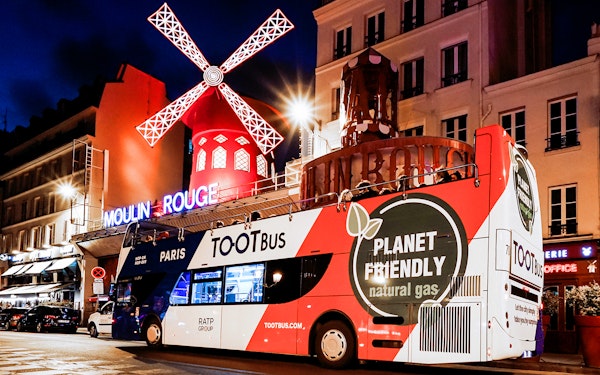
Tootbus: Paris Night Bus Tour
4.6(1,170)2 hoursViewFrom$32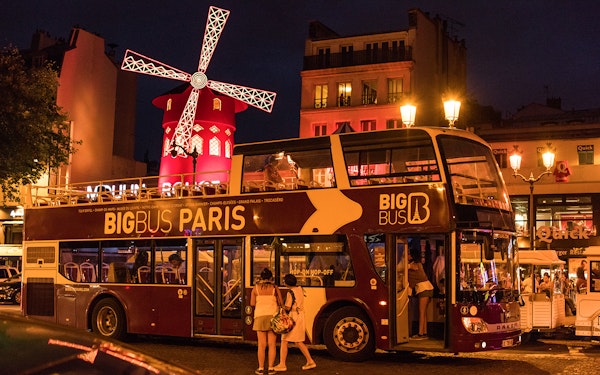
Big Bus: Paris Panoramic Night Bus Tour
4.4(2,055)ViewFrom$35
Paris: Segway Night highlights small group tour
5.0(22)1 hr 30 minViewFrom$83
Tootbus: Paris Hop-on Hop-off Bus Tour with Night Tour
4.6(5)ViewFrom$63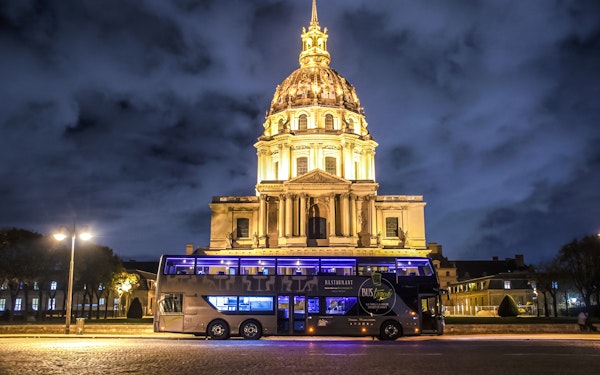
From Arc de Triomphe: Bus Toqué Signature Dinner with Paris Views
4.4(117)2 hoursViewFrom$127
Paris by night in a Private Tuktuk Tour
5.0(11)2 hoursViewFrom$540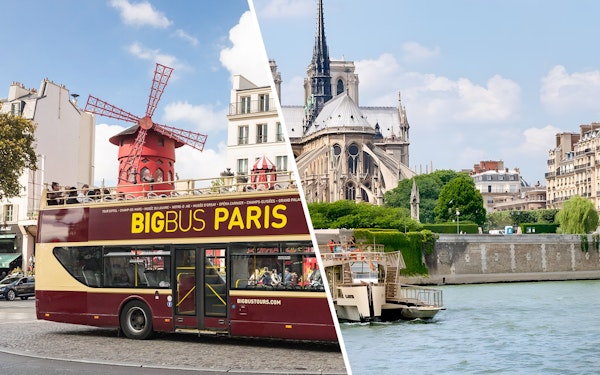
Big Bus: Paris Hop-On Hop-Off Bus Tour + Seine River Cruise
4.4(689)ViewFrom$52
June, July, and August: how the months differ
June is the connoisseur's summer month. The days are at their absolute longest, with usable light stretching to roughly ten at night by the end of the month, the gardens are at their peak, and while peak season has clearly begun, the deep-summer crush has not. Mid-June brings the city's big free music night, when open-air performances take over streets and squares for one evening, one of the best nights of the Paris year to simply wander. If you can choose your summer dates freely, choose June.
July is full summer: warm, busy, and expensive, with the national holiday in the middle of the month as its centerpiece. The celebrations around it, a grand parade on the main avenue in the morning and fireworks over the Eiffel Tower at night, are a genuine spectacle and a genuine planning event; hotels near the action book out far ahead, and the fireworks evening draws enormous crowds to the river and the Champ de Mars. The end of the month often brings the finish of the country's famous cycling race into central Paris, which closes streets and fills hotels for that specific weekend.
August is the strange month: the tourist sights run at full crowded strength while the city's own residents thin out, and with them a share of the small shops and family restaurants, closed for annual vacations. The upside is a slower, quieter feel in residential neighborhoods and summer-only life along the river, where the quays turn into an open-air seasonal scene. August works fine for a first visit built around the headline sights; it is the trip built on neighborhood food and small independent places that suffers.
What a summer trip costs
Summer is peak pricing across the board, but the experiences themselves stay reasonable; it is the hotels that carry the premium. On the activities side, plan roughly like this: the inexpensive daily layer, a sightseeing cruise or an evening walk, sits in the $20 to $50 band; the anchor experiences, a guided Eiffel visit, a Louvre tour, a sunset champagne cruise, mostly land between $45 and $105; and the full guided day trips to Versailles-plus-Giverny, the Loire, or Normandy run roughly $100 to $160. A sensible summer budget is one anchor per day plus one big day trip per trip, with the free layer, parks, picnics, neighborhoods, the riverbanks, doing more work in summer than in any other season.
Two summer-specific savings are worth knowing. First, the picnic dinner is not a compromise here; on a warm evening it is the better meal, and it returns an hour and a restaurant bill to your day. Second, the long daylight means one paid experience stretches further: an evening cruise booked at the normal price effectively includes the sunset show that day-trippers miss.
Practical tips for summer in Paris
Book the timed-entry giants before you fly. Eiffel summit, Louvre, Versailles: those three are where summer sellouts and hour-plus walk-up queues actually happen, and a booked slot is the difference between seeing them and queuing for them.
Structure days around the heat curve. Big outdoor sights early, museums or parks through the hot early afternoon, and the marquee outdoor experiences in the long evening light. The day has enough daylight for all three phases.
Check your hotel for air conditioning. It is not standard in older Paris buildings, and during a heat spike it is the single thing you will care about most. If your dates land in a heat wave, the museums, churches, and a seat on the river are your coolest hours.
Carry water and use the fountains. Paris has public drinking fountains across the city, and on a hot walking day refilling a bottle beats buying one at tourist prices every few hours.
Expect August to feel different. The sights run at full tilt but many small family businesses close for the month. If a specific bistro or shop is on your list for an August trip, check it is open before you build a day around it.
A sample summer day in Paris
Here is how the pieces fit on the ground, using the heat curve instead of fighting it.
Morning. Be at your one big timed-entry sight for the first slot of the day, the Louvre one day, a guided Eiffel climb another, while the air is cool and the coach groups are still at breakfast. By late morning, when the queues peak, you are already done and drifting through a neighborhood, Montmartre's lanes or the Marais, with a market-street stop for picnic supplies.
Midday and afternoon. Lunch long and shaded, either a terrace in the quiet side streets or the picnic under the trees of the Luxembourg Gardens. Give the hottest hours to whatever is cool: a museum you have not booked, a church, the perfume of an air-conditioned department store, or simply the park chairs by a fountain. This is the siesta phase of a summer day and skipping it is the classic first-timer mistake.
Evening. Back out at six, when the light turns golden and the city exhales. An apero on a square, dinner late the way the locals eat it, and then the season's gift: light until nearly ten. Spend it on the water, a sunset or champagne cruise, or on foot with an evening tour, and end wherever you can see the Eiffel Tower sparkle on the hour. Repeat daily with different neighborhoods and a day trip threaded in, and a week disappears.
Quick recap: summer in Paris
Summer in Paris rewards a simple playbook: timed entries booked before you fly, mornings and long evenings for the famous sights, parks and museums through the heat, the river threaded through everything, and one big garden day trip while the season is at its peak. June for the longest days, July for the spectacle, August with eyes open about closures, and the picnic as the season's official meal.
Plan your trip
See all Paris tours and experiences →Is summer a good time to visit Paris?
Yes, with eyes open. Summer gives Paris its longest days, its best terrace and picnic weather, and a packed calendar of outdoor life along the Seine. The trade-offs are real: the biggest crowds of the year at the headline sights, peak hotel prices, and the occasional heat wave in a city where air conditioning is not a given. If you book the timed-entry attractions ahead, plan the middle of the day around shade or museums, and lean into the long evenings, summer in Paris is a genuinely great trip.
How hot does Paris get in summer?
Most summer days are warm rather than punishing, typically in the mid twenties Celsius, or the high seventies Fahrenheit. The exception is the heat wave: several times a summer the temperature can spike well above that for a few days at a time, and because many older Paris buildings and hotels lack air conditioning, those stretches feel hotter than the number suggests. Check your hotel's cooling situation before you book, and plan heat-spike days around parks, museums, and the river.
What should I wear in Paris in summer?
Light, breathable clothing with one warmer layer for evenings, which cool off noticeably after the long dusk. Comfortable walking shoes matter more than anything else, because summer Paris is a walking city. Parisians lean toward neat, simple pieces over athletic wear, so light trousers or dresses, plain tops, and a light jacket or scarf for the evening fit the city better than shorts-and-jersey beachwear. A hat and sunglasses earn their place on heat-wave days, and a compact umbrella still makes the bag; summer storms do happen.
Is Paris empty in August?
The opposite at the tourist sights and quieter in the neighborhoods. August is when many Parisians take their own vacation, so a noticeable share of small family-run restaurants and shops close for several weeks, while the Eiffel Tower, the Louvre, and Versailles stay open and busy. The city does not shut down, but the local texture thins out. If neighborhood bistros and small food shops are a big part of your plan, June, July, or September serve that better than mid-August.
What should I book ahead for Paris in summer?
The timed-entry heavyweights: the Eiffel Tower, especially summit access, the Louvre, and Versailles all sell out of prime summer slots days or weeks ahead. Book those first and build each day around the slot. Seine cruises, evening tours, and food experiences are easier to grab a day or two out, though dinner cruises on summer weekends fill up too. The general rule for summer: anything with a fixed capacity and a famous name, reserve before you fly.
Are Seine river cruises worth it in summer?
Summer is the best season for them. The long evenings mean a standard one-hour cruise can catch golden light well after dinner, and the riverbanks are at their liveliest, so the view from the water includes the city actually living on its quays. A daytime sightseeing cruise is the budget option, a sunset or champagne cruise is the atmosphere option, and a dinner cruise turns the river into the evening's main event. On a hot day, the breeze on the water is also simply the most comfortable place in central Paris.
How do I beat the crowds in Paris in summer?
Go early, go late, and book timed entries. The big sights are calmest right at opening and in the last entry slots, while late morning through mid afternoon is the peak crush. Timed and skip-the-line tickets matter most in summer, when walk-up queues at the Louvre and the Eiffel Tower stretch past an hour. The long days work in your favor: with daylight until late evening, you can shift sightseeing into hours when day-trippers and tour groups have gone.
What are the best day trips from Paris in summer?
Versailles is the classic, and in summer the gardens are the point, so pick an option that includes them and go early before the heat and the coach groups. Giverny, with Monet's gardens at their summer peak, is the season's most rewarding half day. Further out, the Loire Valley castles and the Normandy coast both run as guided full days from Paris and trade the city's heat for green country or sea air. All of them sell out prime summer dates, so book the fixed-date trips ahead.
How much should I budget for tours in Paris in summer?
The experiences stay reasonable even in peak season; it is hotels that carry the summer premium. Sightseeing cruises and evening walks sit in the $20 to $50 band, anchor experiences like guided Eiffel Tower visits, Louvre tours, and champagne cruises mostly land between $45 and $105, and full guided day trips run roughly $100 to $160. A workable plan is one anchor experience per day plus one big day trip per trip, with the free layer of parks, picnics, and riverbanks doing more work in summer than in any other season.
Is the Eiffel Tower better during the day or at night in summer?
In summer, the evening wins. Daytime visits mean the biggest queues and the strongest sun on the esplanade, while the long summer dusk lets an evening visit catch daylight views, sunset, and the tower's nighttime sparkle in one go. If you want the summit, book that specific access ahead; summit tickets are the first to sell out in summer. Climbing the stairs to the second floor is cheaper and often quicker through security, and in the evening the temperature makes the climb far more pleasant.
Keep reading
更多阅读
更多指南帮助您规划旅行

1 Day in Paris: The Itinerary That Fits, and the One That Does Not
One day in Paris, planned around real distances - what to book, what to walk, what to skip, and why three museums in a day is the classic mistake.

The Best Food Tours in Paris: Which Ones Are Worth the Money
Paris food tours are expensive and the good ones are excellent. How to tell them apart - by neighbourhood, by format, and by what you actually want to learn.

Arc de Triomphe Tickets in 2026: Rooftop Access, Combos and How to Skip the Line
A 2026 guide to Arc de Triomphe tickets - rooftop terrace timed entry, skip-the-line, Paris viewpoint and cruise combos, and guided Champs-Elysees walks.

Musee d'Orsay Tickets in 2026: Types, Skip-the-Line and Combos Compared
A 2026 guide to Musee d'Orsay tickets - timed entry, skip-the-line, guided highlights tours, Louvre and Orangerie combos and pass options compared.

5 Days in Paris: The Perfect Itinerary at a Relaxed Pace
A 5-day Paris itinerary at a human pace: the icons, Montmartre and Le Marais, a full day at Versailles, and the tours travelers rate highest for each day.

The Best Walking Tours in Paris: Highlights, Montmartre, Food and More
Every kind of walking tour of Paris compared: classic highlights, Montmartre, food walks, Le Marais, and night walks, ranked on real ratings and reviews.

Christmas Markets in Paris: The Best Festive Spots and Tours
The best Christmas markets in Paris, from the Tuileries to La Défense, plus when the season runs, how to plan around crowds, and the top festive experiences.

Winter in Paris: What to Expect and What to Book
What winter in Paris is really like - short days, thin crowds, festive lights, and the museum tours, cabaret shows, and food experiences worth booking.