ParisItinerarEn dagPlanering
1 dag i Paris: Schemat som passar, och det som inte gör det
En dag i Paris, planerad kring verkliga avstånd - vad du bör boka, vad du kan gå, vad du ska hoppa över, och varför tre museer på en dag är klassiska misstaget.
Av SimilarTours Editorial · Travel Research · · 18 min läsning

Paris straffar den ambitiösa endags-itineraren hårdare än de flesta städer, för dess berömda sevärdheter är spridda, individuellt stora och var och en kan ta upp en halv dag på egen hand. Besökaren som anländer med en lista på sex avslutar med sex fotografier av fasader och ett starkt minne av Tunnelbanan.
Versionen som fungerar är snävare och långsammare: en korridor längs floden, en betydande inomhusupplevelse, en lång måltid och en kväll som du inte planerar. Den här guiden skisserar denna dag, med ärliga anmärkningar om vad du ska hoppa över och varför.
Jämför Paris-turer och biljetter →Beslutet som formar allt
Innan någon timing, ett val: vilket är det enda som du skulle bli besviken på att missa?
Inte de tre bästa. Ett. Den saken blir din förmiddagsankarpunkt, och allt annat under dagen ordnar sig omkring den. Det är den enda frågan som spelar någon roll på en endag-resa, för Paris ger dig gärna en hel dag för någon av dess stora sevärdheter, och det ger dig en dålig dag om du försöker ge den tre.
När du har ditt svar blir resten av denna itinerar en ram du kan hänga det på.
Insider tip
Två fasta punkter, inte mer. En bokad tidsbegränsad entré på morgonen och ett bokat bord på kvällen. Varje ytterligare möte du lägger till minskar dagens tolerans för de vanliga saker som går fel - en långsam kö, en felväg, en lunch som löper långt. I en stad du inte känner till är denna tolerans värd mer än säkerhet.
Förmiddag: var inomhus innan folkmassan anländer
Vad du än väljer, gör det först, och gör det vid öppningstid.
Skillnaden mellan en stor Paris-attraktion klockan nio på morgonen och samma attraktion vid ett på dagen är inte marginal. Det är skillnaden mellan att röra sig i sin egen takt och att skuffa sig fram. På en endag-resa kan du inte köpa den tiden tillbaka senare.
De realistiska alternativen, ungefär i ordningen efter hur mycket av din dag de tar:
Ett stort museum - det mest givande om konst är anledningen du kom, och det dyraste i tid. Budgetera två till tre timmar minst och behandla det som dagens mittpunkt snarare än som en post.
En medelstort samling - det gyllene snittet för de flesta endags-besökare i Paris. Väsentlig nog för att kännas som ett verkligt besök, liten nog för att avsluta på nio minuter, och i allmänhet mycket lättare att komma in i.
En högutsiktspunkt - den snabbaste, och den som ger utdelning senare, för att allt du går förbi resten av dagen kommer att ge mening när du har sett det från höjden.
En guidad promenad - inte en inomhusupplevelse alls, men möjligtvis den högsta avkastningen på en morgon under en enda dag, av skäl som behandlas nedan.
Paris-morgonankarpunkter värda en tidslot
- tiqets
Musée d'Orsay: Dedicated Entrance
En stor samling i överblickbar storlek - det bästa förhållandet mellan tid och tillfredsställelse i staden.
4.7(17,229)ViewFromFrån $14.80 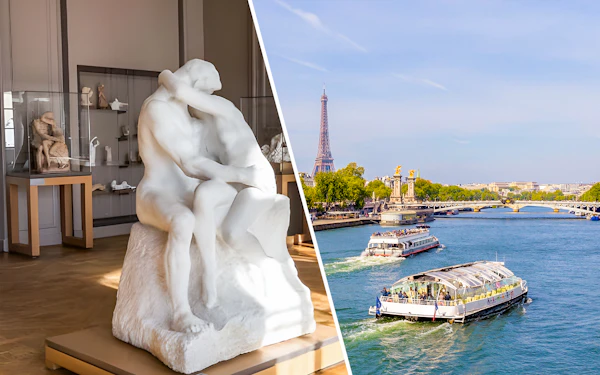
Combo: Rodin Museum Skip-the-Line Tickets + 1-Hour Seine River Cruise
Ett kompakt museum plus flodtid - två av dagens slots på en bokning.
4.7(13,603)ViewFromFrån $33.15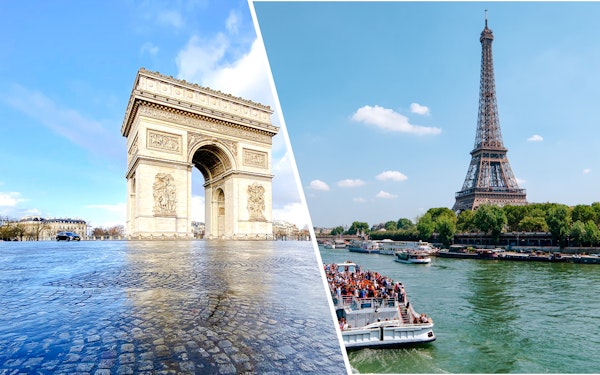
Combo: Arc de Triomphe Rooftop & Seine River Cruise Tickets
En takutsikt och en kryssning - orientering först, sedan floden.
4.6(19,370)ViewFromFrån $34.75
Sen förmiddag: köp två timmar orientering
En guidad promenad är det mest undervärderade köpet på en endag-Paris-resa.
Anledningen är specifik för denna stad. Paris är läsbar på ett sätt som belönar förklaring - gatorna, broarna, hur distrikten förhåller sig till varandra - och en guide komprimerar på två timmar förståelsen som du annars skulle samla långsamt under tre dagar. På en resa där du har en dag är det ett rakt bra bytesval att köpa det istället för att bygga det.
Gör det på sen förmiddag, efter din ankarpunkt och före lunch. En promenad som startar på eftermiddagen anländer för sent för att förändra hur du ser resten av dagen.
Promenerande i Paris

Paris Top Sights Half Day Walking Tour with a Fun Guide
En längre guidad promenad som täcker de centrala sevärdheterna till fots.
4.8(3,086)4 timmar 30 minuterViewFromFrån $74.99
Paris Montmartre Walking Tour: Best Art, Culture and Food
En 90-minuters stadsdelsrundvandring - kort nog för att passa utan att dominera dagen.
4.8(2,786)1 timme 30 minuterViewFromFrån $37.59
Paris Notre-Dame Interior or Exterior Walking Tour
En fokuserad promenad omkring öarna, rätt i mitten av dagens korridor.
4.8(2,293)1 timme 30 minuterViewFromFrån $34.97
Montmartre Hill French Gourmet Food and Wine Tasting Walking Tour
En promenad som även fungerar som lunch - användbar om du hellre inte stannar separat.
4.7(2,712)3 timmar 15 minuterViewFromFrån $139.19
Lunch: detta är inte måltiden att skynda igenom
Här skiljer sig Paris från de flesta endag-itinerarer, och standardrådet att äta snabbt och fortsätta framåt är fel.
En lång lunch är något av det du kom för. Det är också rätt strukturellt drag: det faller i mitten av dagen när sevärdheterna är som busiest, det får dig på fötterna innan eftermiddagen, och det är det enskilt enklaste sättet att göra en komprimerad resa att kännas som en semester snarare än ett ärende.
Budgetera 90 minuter och be inte om ursäkt för det. Du kommer att missa en attraktion och få den faktiska upplevelsen av att vara i staden.
Eftermiddag: gå längs floden och boka ingenting
Seinen genom det historiska centrum är denna itinerars ryggrad, och eftermiddagen är när du promenerar den.
Inga biljetter, inga möten. Korsa en bro för att du gillar utsikten. Följ kajerna. Gå på sidospår till vilken gata som än drar dig från huvudlinjen. Öarna och Vänsterkanten i mitten av eftermiddagen är den del av dagen som människor beskriver när de kommer hem, och ingenting av det kräver en bokning.
Det här är också din buffert. Något på morgonen kommer att löpa över - det gör det alltid - och en obokad eftermiddag absorberar det utan att det kostar dig något.
Insider tip
Motstå det andra museet. Det är det vanligaste endag-Paris-misstaget efter överbokningar. I mitten av eftermiddagen är du trött, och en andra stor samling blir en forcerad marsch genom rum du är för utmattad för att titta på. Om du vill ha mer kultur, gör det till något litet - en enskild kyrka, ett kompakt galleri, högst en timme.
Sen eftermiddag: floden, från floden
Om benen är slut - och efter en morgonankarpunkt plus en guidad promenad plus en flodstrandspromenad på eftermiddagen är de det förmodligen - är båten rätt svar.
Det löser två problem på en gång. Det får dig att sitta ner, och det ger dig staden från en vinkel du inte har haft hela dagen, vilket gör att det känns som en aktivitet snarare än en vila. På en endag-resa är allt som samtidigt är en paus och en upplevelse värt sitt pris.
Seinkryssningar och kombinerade biljetter
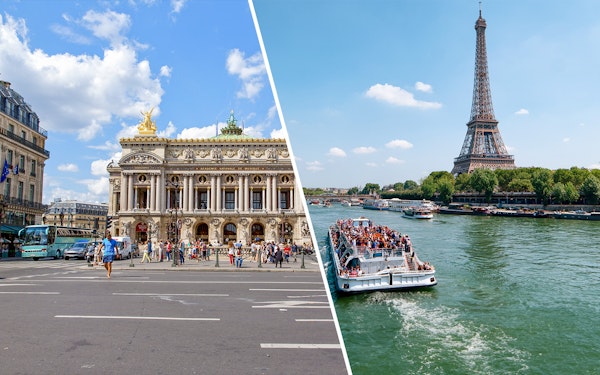
Combo: Opéra Garnier Tickets + Seine River Paris Sightseeing Cruise
Ett kort inomhusbesök kombinerat med flodtid - båda centrala, båda snabba.
4.7(14,130)ViewFromFrån $46.47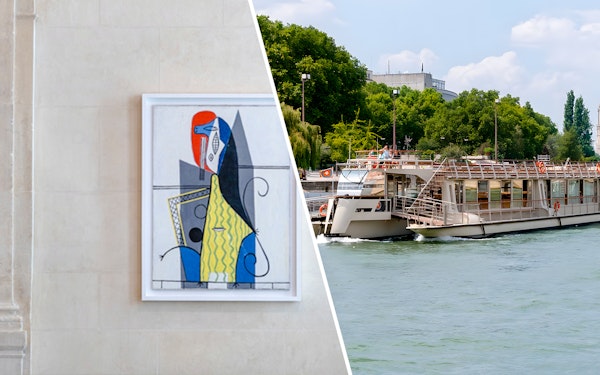
Combo: Picasso Museum Tickets + Seine River Cruise
Ett kompakt museum plus båten - ett vettigt pairing för en trött eftermiddag.
4.6(17,186)ViewFromFrån $34.75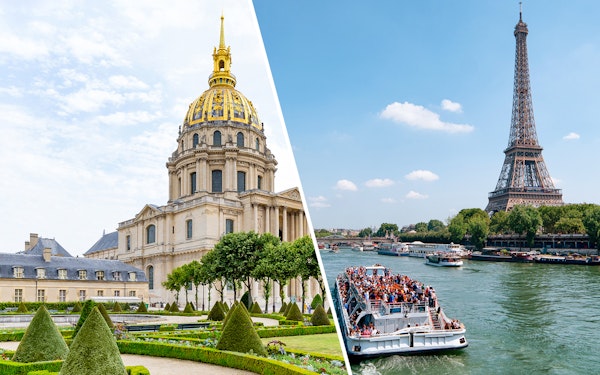
Combo: Napoleon's Tomb & Army Museum Skip-the-Line + Seine River Cruise
En stor inomhusplats kombinerad med flodtransport.
4.7(13,457)ViewFromFrån $35.80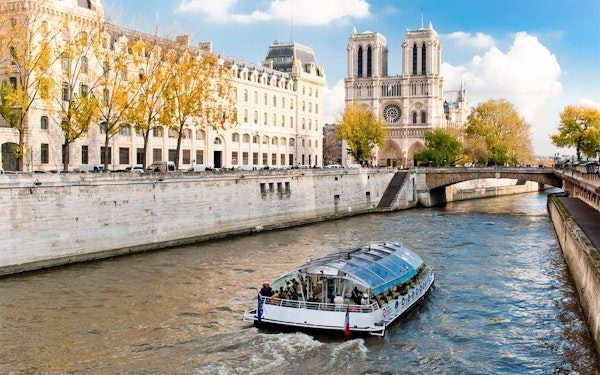
Combo: Seine River Cruise + Louvre Museum / Eiffel Tower Tickets
En kryssning paketerad med ditt val av de två huvudattraktionerna.
4.5(44,174)ViewFromFrån $63.77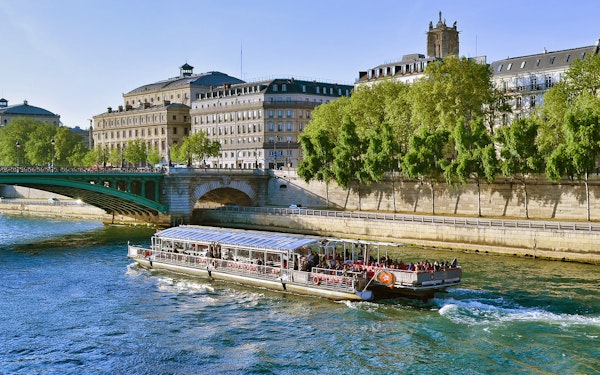
Seine River Cruise and Paris City Tour Combo
3.5(570)3 hoursViewFrom$45
Seine River Cruise with Champagne from Notre-Dame
4.5(10)1 hourViewFrom$45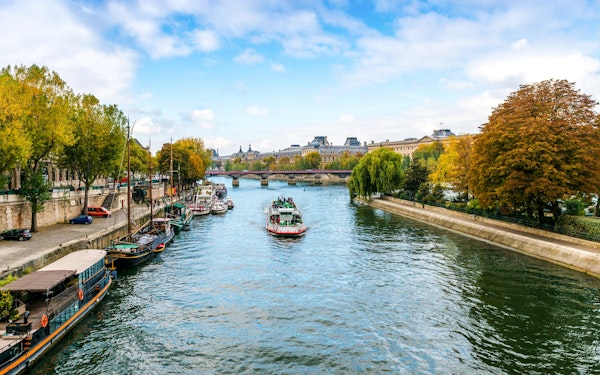
Bateaux Mouches® Seine River 1-Hour Sightseeing Cruise with Live Commentary
4.4(4,563)1 hr 10 minViewFrom$20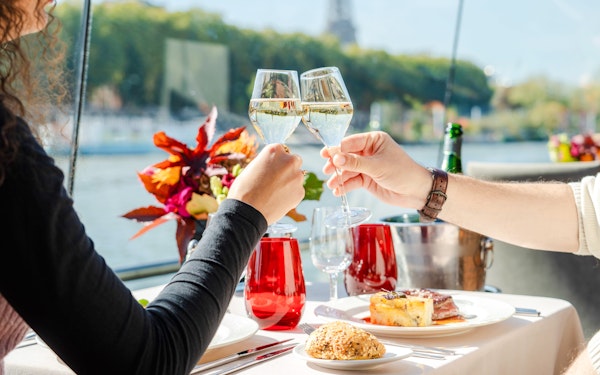
Bateaux Mouches® Seine River Lunch Cruise with Live Music
5.0(1)2 hoursViewFrom$104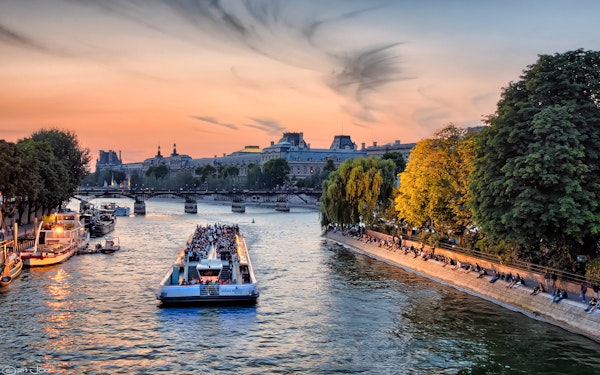
Seine River Cruise from Pont de l'Alma with Sparkling Champagne
4.5(2,084)1 hr 10 minViewFrom$70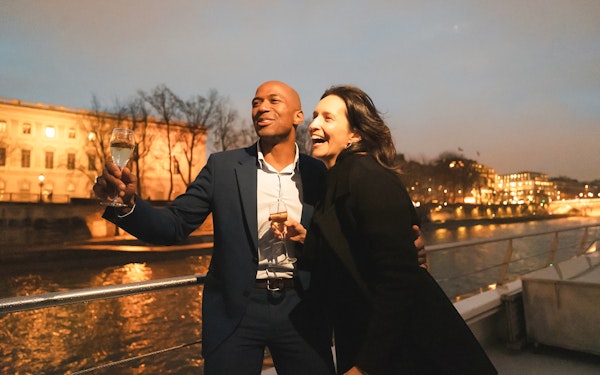
Bateaux Mouches® Seine River Dinner Cruise with Live Music & French Menu
4.4(939)2 hr 15 minViewFrom$156
Kväll: den andra bokningen, och sedan ingenting
Middag är din andra fasta punkt, och den bör bokas. Centrala Paris vid middagstid utan reservation är antingen en väntan eller en kompromiss, och efter en lång dag kommer du inte att vilja förhandla om något av dem.
Boka det senare än du skulle göra hemma. Sedan, efteråt, gör det som kostar ingenting och som alla kommer ihåg: gå tillbaka längs floden med byggnader upplysta. Det är den enskilt bästa gratis halvtimmen i staden, och det är ett långt bättre sätt att använda en Paris-kväll än någon biljett.
Korridoren, timme för timme
En form snarare än ett schema. Tiderna kommer att glida, och den obokade eftermiddagen är det som absorberar det.
| Tid | Vad | Bokat? |
|---|---|---|
| 09:00 | Din ena ankarpunkt, första entrétimeslot | Ja - boka i förväg |
| 11:00 | Guidad promenad, eller en självguidad stadsdelsloop | Valfritt |
| 13:00 | En lång, ordentlig lunch | Nej |
| 14:30 | Flodkorridor till fots, ostrukturerad | Nej |
| 16:30 | Båt, eller ett litet inomhusbesök | Boka samma dag |
| 18:00 | Sitt någonstans med utsikt och sluta röra dig | Nej |
| 20:30 | Middag | Ja - boka i förväg |
Två rader har en bokning. Allt annat är medvetet löst.
Att röra sig omkring när klockan är begränsningen
På en längre resa är transport en preferens. På en dag är det en budget, och varje alternativ spenderar den olika.
Promenader är standardalternativet, och i centrala Paris är det mer konkurrenskraftigt än nybörjare förväntar. Avstånden mellan sevärdheterna inuti korridoren är ofta kortare till fots än samma resa under jorden när du räknar trappor, perongtid och desorientering från att dyka upp någonstans du inte känner igen. Promenaden är också den del av Paris folk kommer ihåg.
Tunnelbanan är rätt för ett eller två långa hopp och fel för allt annat. Det är snabbt, frekvent och billigt, och det är också den enskilt största tysta konsumenten av en endag-itinerar i Paris. Varje körning kostar ungefär 15 minuter från dörr till dörr oavsett vad kartan säger, och det tar dig bort från staden medan du åker.
Bussen är långsammare, över marken, och håller dig orienterad. För en kort körning tvärs över stan på dagtid är det ofta det bättre valet för en dag, och utsikten från fönstret är värd de extra minuterna.
Floden är transport som även fungerar som sightseeing. Där en båtservice går ungefär i den riktning du var på väg ändå, ta den - du får vilan och utsikten utan att spendera en slot.
Den bakomliggande regeln: gör aldrig en resa som är rent en resa. Antingen promenera den, eller gör själva överflyttningen till en del av dagen.
Om din ena dag faller konstigt
En måndag eller tisdag. Detta är fällan i Paris specifikt, för stora museer är stängda på olika veckodagar, och de två största är stängda på olika dagar. Om din enda dag är tidigt i veckan, kontrollera att din ankarpunkts öppningsdag innan du bygger något omkring det. Att få detta fel kostar dig itinerärens mittpunkt.
En söndag. De flesta stora sevärdheter har normala öppettider, och staden är som mest behaglig för promenader för att en ansenlig del av vanlig trafik försvinner. Några mindre butiker och specialiserade platser är stängda, vilket spelar mindre roll en besöksdagen än det verkar.
En allmän helgdag. Attraktioner är vanligtvis öppna och är ofta busigare än en normal helg; transport kör ett reducerat schema. Det tidiga startandet spelar mer roll, inte mindre.
I augusti. En märkbar del av stadens egna restauranger och små företag stängs för månaden. Din bokade middag blir viktigare, inte mindre, och att improvisera en kvällsmåltid i ett bostadsområde är mindre tillförlitlig än på andra årstider.
En dag med barn
Korridorplanen anpassas, med tre förändringar som är värda att göra medvetet.
Ersätt halva promenaden med båten. Den täcker samma område, det läses som en aktivitet snarare än en överflyttning, och det köper dig den sittande timmen som håller eftermiddagen från att kollapsa.
Flytta ankarpunkten till vilken tidslot som helst som passar dina barns bästa timmar snarare än automatiskt till öppningstid. Rådet om tidigt start finns för att undvika folkmassor; med små barn är energi den tightare begränsningen, och en kö klockan nio kostar mindre än utmattning klockan tre.
Skär ut den guidade promenaden, eller byt den mot något med en fysisk komponent. Två timmar stående och lyssnande är ett hårt försäljningsargument under ungefär tio år, och den orientering det köper är värd mindre för en familj än friheten att ändra planer på plats.
En sak som fungerar bättre med barn här än i de flesta städer: parkerna och trädgårdarna inuti korridoren är verkligen bra, gratis och placerade exakt där du behöver en paus. Bygga in en snarare än att behandla det som en fallback.
Vad en dag kostar dig, uttalat helt öppet
Det är värt att vara explicit om byteshandeln, för alternativet är att upptäcka det klockan fyra på eftermiddagen.
Du kommer inte att se de två huvudmuseerna. Du kommer att se ett, eller inget. Du kommer inte att få till Versailles, Montmartre och öarna samma dag - välj ett. Du kommer inte att göra en mattur, ett museum, en utsiktspunkt och en kryssning; två av dessa fyra är en hel dag.
Det du får istället är en version av Paris som har en form: en flod du promenerade, en måltid som tog så lång tid som den skulle, och en uppsättning gator du kan föreställa dig snarare än en lista över entréer du stod i kö vid. På en enda dag är det den bättre souvenir, och den är tillgänglig för alla som är villiga att planera för mindre.
Vad du ska hoppa över på en dag
- Versailles. Magnifikt, och en annan resa. Att inkludera det betyder att dagen handlar om Versailles, inte Paris.
- Ett andra stort museum. Täckt ovan, och värt att upprepa.
- Disneyland. Också en annan resa, och en hel sådan.
- Något mer än ungefär 30 minuter från centrum. Rundresan plus besöket är en fjärdedel av din dag för en post.
- En varuhuseftermiddag. Behaglig och helt utbytbar mot saker du inte kan få någon annanstans.
- Två guidade turer. En är orientering. Två är ett schema.
Om det regnar
Korridorplanen håller upp bättre än de flesta, för flodpromenaden har inomhusalternativ strängda längs dess hela längd.
Byt den obokade eftermiddagen mot en kyrka, en täckt passage eller ett litet museum, och håll båda fasta punkter exakt som planerat. Gör flodpromenaden ändå om det är lätt regn - Paris under grå himmel är inte en försämrad version av staden, och folkmassan tunnare märkbart.
Det enda som är värt att återväga är en högutsiktspunkt. I låga moln betalar du för en kö och en vit vägg. Om det var din morgonankarpunkt och prognosen är dålig, byt den kvällen innan snarare än samma dag.
En dag när du är i transit
Många endag-Paris-resor är mellanlandningar. Två justeringar.
Bär inte ditt bagage och planera inte att gå tillbaka för det - lagring vid huvudstationerna finns precis för detta, och den timmen det sparar är värd mer än avgiften.
Sedan arbeta bakåt från din avgång med mer marginal än vad som känns nödvändigt. Flygplats- och stationstransporter här tar längre tid än vad tidsplanen antyder vid rusiga timmar, och en dag som slutar i en sprint är inte en bra dag vad som än var i mitten. Att sluta nära din avgångspunkt snarare än på andra sidan av staden är värt att omorganisera hela rutten för.
Den realistiska sammanfattningen
En dag ger dig en korridor av Paris promenerard ordentligt, en betydande inomhusupplevelse, en måltid värd att komma ihåg, och en kväll på floden. Det är en bra dag och det är en komplett upplevelse av ett slag - bara inte en komplett upplevelse av staden.
De besökare som uppskattar en enda dag mest är de som bestämde sig på planeringsstadiet för att se mindre. Välj en ankarpunkt, boka två saker, gå genom mitten, och låt eftermiddagen gå dit den vill.
Jämför Paris attraktioner, museer och guidade turer →Räcker en dag för att se Paris?
Nej, och att acceptera det tidigt är det som gör dagen bra. En dag räcker till en flodstrandskorridor som genomkorsas ordentligt, en betydande inomhusupplevelse, en lång måltid och en kvällsutsikt - vilket är en verkligt minnesvärd dag. Det räcker inte till den berömda listan, och besökare som försöker ta sig genom listan spenderar dagen på Tunnelbanan. Välj djup före omfattning och du kommer att åka hem nöjd.
Vad bör jag boka i förväg för en dag i Paris?
Två saker. En tidsbegränsad attraktion, helst tidigt på morgonen, och middag. Det är rätt antal fasta möten för en enda dag. Allt mer och en försening någonstans på morgonen skapar en dominoeffekt som gör att du missar slots du redan har betalat för. Om din ena attraktion är ett större museum eller Eiffeltornet, boka långt i förväg - dessa två är de som verkligen blir fullt bokade.
Bör jag besöka Louvren om jag bara har en dag i Paris?
Bara om konst är anledningen till att du kom. Det är enormt, och ett meningsfullt besök tar två till tre timmar plus kön och promenaden. På en enda dag är det en fjärdedel av din vakna tid. En mindre samling ger dig det mesta av tillfredsställelsen för en tredjedel av tiden, och lämnar resten av dagen intakt. Om du väljer det, gör det till din ena sak och bygg allt annat omkring det.
Hur får jag mig omkring i Paris på en dag?
Gå genom mitten, använd Tunnelbanan för ett eller två längre hopp, och behandla floden som ett alternativ när benen ger upp. Centrum av Paris är kompakt nog att det mesta du vill se ligger inom en promenadbar korridor, och promenaden är en stor del av det som gör staden njutbar. Varje Tunnelbanekörning kostar dig mer i trappor, väntan och desorientering än kartan antyder.
Är Eiffeltornet värt det med bara en dag?
Att gå upp är värt det om en högutsikt är verkligen det du vill ha och du har bokat en tidslot - utan en är kön kan ta upp en stor del av eftermiddagen. Många besökare får mer av att se det på avstånd och spendera den tiden någonstans annat. Det finns inget fel svar, men det finns en fel metod: att dyka upp på eftermiddagen utan biljett och hoppas.
Kan jag besöka Versailles på en endag-Paris-resa?
Du kan, men det ersätter Paris istället för att lägga till det. Versailles tar en halv till full dag när du räknar in resor, inträde och parken, och det ligger utanför staden. Om det är det enda du mest vill se, bygg dagen omkring det och acceptera att du kommer att se mycket lite av centrala Paris. Annars, spara det för en resa med fler dagar.
Vilket är det bästa området för en endag-itinerar i Paris?
Sträckan längs Seinen genom det historiska centrum, ungefär från västra monumenten till öarna och Vänsterkanten. Nästan allt som en förstagångsbesökare föreställer sig ligger inom eller precis utanför denna korridor, och den är promenadbar från än till än. Att stanna inom den betyder att din restid spenderas på att titta på staden snarare än på en tunnel.
Vilket är det största misstaget folk gör med en dag i Paris?
Att försöka se tre berömda saker i tre olika distrikt. Avstånden mellan Paris-attraktioner är större än kartan antyder när du räknar in trappor, byten och köer, och en dag byggd på det sättet blir en serie ankomster snarare än ett besök. En ankarpunkt, en korridor och en verkligt långsam lunch slår det varje gång.
Keep reading
Itinerar
2 dagar i Paris: vad andra dagen låser upp
Museerna, stadsdelarna och den långsammare takten som en dag inte kan passa in.
Read more
Paris pillar
Paris resehandbok: viktiga tips för förstagångsbesökare
Var du ska bo, hur du rör dig omkring och biljettprincipen för huvudsevärdheterna.
Read more
Lista
Saker att göra i Paris: upplevelserna som är värda att boka
Paris-listan, rankad efter vad som faktiskt är värt din tid.
Read more
Dagsutflykter
Bästa dagsutflykterna från Paris
Vilka utflykter från staden som motiverar en hel dag - och vilka som inte gör det.
Read more
Fler läsningar
Fler guider för att hjälpa dig planera din resa

The Best Food Tours in Paris: Which Ones Are Worth the Money
Paris food tours are expensive and the good ones are excellent. How to tell them apart - by neighbourhood, by format, and by what you actually want to learn.

Arc de Triomphe-biljetter 2026: Takåtkomst, Paket och Hur du Hoppar över Kön
En 2026-guide till Arc de Triomphe-biljetter - takterrass med tidsbokad inträde, hoppa över kön, Paris utsiktspunkter och Seine-kryssningspaket, samt guidade promenader på Champs-Élysées.

Musee d'Orsay-biljetter 2026: Typer, hoppa över kön och paket jämfört
En guide 2026 till Musee d'Orsay-biljetter - tidsbokade inträden, hoppa över kö, guidade höjdpunktsturner, Louvre- och Orangerie-paket och passalternativ jämförda.

5 Days in Paris: The Perfect Itinerary at a Relaxed Pace
A 5-day Paris itinerary at a human pace: the icons, Montmartre and Le Marais, a full day at Versailles, and the tours travelers rate highest for each day.

The Best Walking Tours in Paris: Highlights, Montmartre, Food and More
Every kind of walking tour of Paris compared: classic highlights, Montmartre, food walks, Le Marais, and night walks, ranked on real ratings and reviews.

Christmas Markets in Paris: The Best Festive Spots and Tours
The best Christmas markets in Paris, from the Tuileries to La Défense, plus when the season runs, how to plan around crowds, and the top festive experiences.

Summer in Paris: What to Expect and What to Book
What summer in Paris is really like - long evenings, heat waves, August closures, and the Seine cruises, Eiffel Tower visits, and day trips worth booking.

Winter in Paris: What to Expect and What to Book
What winter in Paris is really like - short days, thin crowds, festive lights, and the museum tours, cabaret shows, and food experiences worth booking.