ParigiCity pillarPianificazionePrimo visitatore
Guida di Parigi: essenziali per i visitatori al primo viaggio nel 2026
Una guida di Parigi 2026 collaudata sul campo - dove stare, come funziona davvero la Metro, strategia di biglietti per il Louvre ed Eiffel, orari dei pasti, e i sette errori che i principianti più si pentono.
Di SimilarTours Editorial · Travel Research · · Lettura di 15 minuti

Parigi è ben mappata, ben calpestata, e ben servita dai trasporti - ma la città ha il suo ritmo proprio che sorprende i visitatori al primo viaggio. La cena non inizia prima delle 19:30. La maggior parte dei ristoranti chiude domenica. La Metro è più veloce di quanto ti aspetti per i tragitti brevi e più lenta di quanto ti aspetti per quelli lunghi (i trasferimenti tra linee possono consumare 15 minuti). Il Louvre è enorme in un modo che non è ovvio fino a quando non ti stai dentro. Questa guida è lo strato pratico che i dépliant saltano.
Se hai dieci minuti, la sezione sulla strategia dei biglietti è la più utile di tutte - ti farà risparmiare le peggiori ore della gita in coda.
Sfoglia tutti i 2.000+ tour e biglietti di Parigi →Quando andare
Città a quattro stagioni; scegli in base alla tolleranza per folle, pioggia e prezzi.
- Aprile + maggio - la finestra di consenso migliore. Fiori di ciliegio a Parc de Sceaux, giardini che riaprono, giorni che si allungano, sole pieno da metà maggio. Folle pesanti da Pasqua in poi.
- Giugno + inizio settembre - calore estivo massimo, serate lunghe (tramonto alle 21:45 a giugno), ma folle al massimo.
- Fine luglio + agosto - i parigini lasciano per le vacanze; molti ristoranti familiari chiudono a metà agosto. La città stessa è più tranquilla per i turisti ma le chiusure incidono sull'esperienza.
- Settembre + ottobre - forte finestra di spalla. Mite, folle più piccole, ristoranti autunnali che riaprono, energia della fashion week.
- Novembre fino a febbraio - tranquillo, spesso grigio, occasionale pioggia. I prezzi della bassa stagione sono reali (sconto 40-60% su hotel). Mercatini natalizi a dicembre.
- Marzo - il mese della scommessa. Alcuni giorni caldi, per lo più fresco. Finestra primaverile più economica.
Il sweet-spot di 3 settimane
Dalla metà di aprile all'inizio di maggio e dalla metà di settembre all'inizio di ottobre sono le due finestre che consistentemente combinano meteo accettabile con folle gestibili. La maggior parte dei viaggiatori esperti di Parigi tornano specificamente a una di queste due finestre.
Dove stare - i quattro quartieri pratici
Le Marais (3º e 4º arrondissement) - la scelta più popolare per chi visita per la prima volta. Strade medievali, Place des Vosges, scena gastronomica densa, l'unico quartiere che rimane vivo di domenica (il quartiere ebraico è aperto). A piedi dal Louvre + Notre-Dame; accesso Metro via Saint-Paul e Rambuteau. Prezzo medio-alto.
Saint-Germain-des-Prés (6º) - la sponda sinistra letteraria. Caffè dove Sartre ha scritto, i Giardini del Lussemburgo, Shakespeare & Company vicino. Più tranquillo di Le Marais; la stessa distanza a piedi dai siti principali via il Pont des Arts.
Quartier Latin (5º) - atmosfera di quartiere studentesco, il Panthéon, la Sorbona. Più economico di Saint-Germain, leggermente più sporco; la strada del mercato Mouffetard è l'ancora gastronomica.
7º arrondissement (Eiffel + Invalides) - tranquillo, residenziale, la Torre Eiffel alla fine della tua strada. Migliore per gli amanti delle foto dell'Eiffel + viaggiatori che danno priorità alla slot mattutina dell'Eiffel; il resto di Parigi è a una corsa di Metro o RER.
Evita per prime visite: il 1º arrondissement intorno a Châtelet (ogni ristorante è una trappola turistica), qualsiasi cosa vicino a Gare du Nord di notte (pratica per i treni, poco attraente dopo il tramonto), e Pigalle vera (vivace ma squallida).
Muoversi
Parigi è una delle città più dense di trasporti al mondo. Pezzi:
- Metro (14 linee) - veloce, frequente (ogni 2-4 minuti nelle ore di punta), circola dalle 5:30 a circa l'1:00 (2:00 venerdì + sabato). Un singolo biglietto metro/RER costa circa 2,55 euro (controlla la tariffa attuale - i prezzi sono aumentati a gennaio 2026). Il vecchio carnet di 10 è stato ritirato e i biglietti cartacei stanno per essere eliminati nel 2026; acquista i biglietti dal telefono o carica una carta Navigo Easy riutilizzabile (una carta di 2 euro che ricarichi). Un pass Navigo di un giorno è l'opzione per uso pesante in un singolo giorno.
- RER (5 linee, da A a E) - ferrovia suburbana verso Versailles (RER C), CDG (RER B), Disneyland (RER A). Lo stesso biglietto della Metro nella zona centrale di Parigi.
- Autobus - utile per rotte che la Metro non raggiunge (soprattutto lungo la Senna), ma i tempi di viaggio sono imprevedibili. Salta se non vai da qualche parte che la Metro non raggiunge.
- A piedi - i quartieri adiacenti sono quasi sempre più veloci a piedi che connessioni Metro a 2 linee. Dal Louvre a Notre-Dame sono 20 minuti via la Senna vs. 15 minuti su Metro con il trasferimento. Camminare vince sul valore scenico.
- Taxi + Uber + Bolt - tutti reali, tutti tassametro, tutti nella stessa fascia di prezzo (10-20 euro per tipici hop centrali di Parigi). Stai in una fila di taxi (luce verde del taxi = disponibile); non salire mai in un "taxi" con qualcuno che ti si avvicina a CDG o Gare du Nord.
- Vélib' bike share - pass di 5 euro al giorno; città piatta, piste ciclabili. Utile in estate per i moli della Senna.
Consapevolezza dei borseggi
Il complesso Metro Châtelet-Les Halles + Linea 1 durante le ore di punta + l'area immediatamente intorno alla Torre Eiffel sono i tre hotspot dei borseggi di Parigi. Tasche anteriori; borsa zippata + visibile; ignora chiunque ti chieda di firmare una petizione per "bambini sordi". La petizione è la truffa attiva più comune nel 2026.
Biglietti - la strategia che salva il tuo viaggio
I due siti dove la pre-prenotazione è non negoziabile: Torre Eiffel e Museo del Louvre. L'ingresso senza prenotazione in entrambi può significare code all'aperto di 90+ minuti in qualsiasi stagione e 2,5+ ore in estate.
Prenota 4-8 settimane prima in estate:
- Accesso summit della Torre Eiffel (lo slot che vende out più veloce)
- Tour guidati del Museo del Louvre (gli operatori di piccoli gruppi con il rating più alto)
- Palazzo di Versailles + Sala degli Specchi (competizione di slot picco)
- Moulin Rouge o Crazy Horse slot venerdì + sabato
Prenota 1-3 settimane prima in estate:
- Torre Eiffel secondo piano elevatore
- Ingresso con orario fisso diretto del Museo del Louvre
- Sainte-Chapelle + interno di Notre-Dame (post-riapertura 2024 - capacità limitata)
- Catacombe
Presentati liberamente:
- Esterno Notre-Dame + Île de la Cité
- Basilica Sacré-Cœur (interno gratuito; la salita della cupola ha un biglietto di circa 8 euro)
- Giardini Tuileries + Lussemburgo (gratuiti)
- La maggior parte dei musei più piccoli (Orangerie, Rodin, Picasso di solito hanno scorte dello stesso giorno)
I migliori biglietti di Parigi da prenotare

Eiffel Tower Elevator Tour with Optional Summit & Cruise Access
Il formato Eiffel più prenotato - ascensore secondo piano, add-on summit, voucher crociera sulla Senna.
4.5(1,223)2 oreViewFromDa $40
Louvre Museum Masterpieces Guided Tour with Access
Il tour del Louvre più prenotato - 12k+ recensioni, rotta di highlight curata di 3 ore.
4.5(12,534)3 oreViewFromDa $88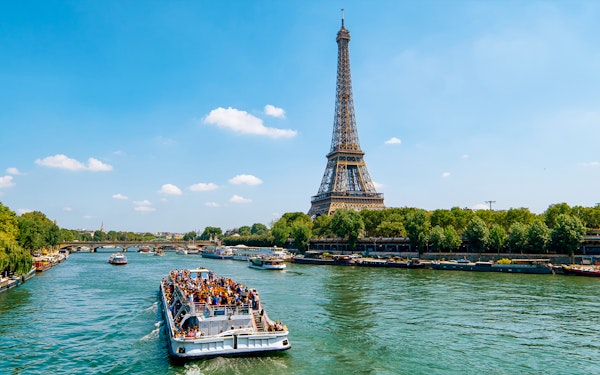
Eiffel Tower Tickets with City Tour & Seine River Cruise
4.4(6,959)4 hoursViewFrom$111
Arc de Triomphe Entrance Ticket with Terrace Access
3.8(78)2 hoursViewFrom$50
Paris Sightseeing Tour with Eiffel Tower 2nd Floor Tickets
0.0(0)3 hoursViewFrom$100
Disneyland® Paris Parks Admission Tickets
3.5(4,219)1 day - 4 daysViewFrom$62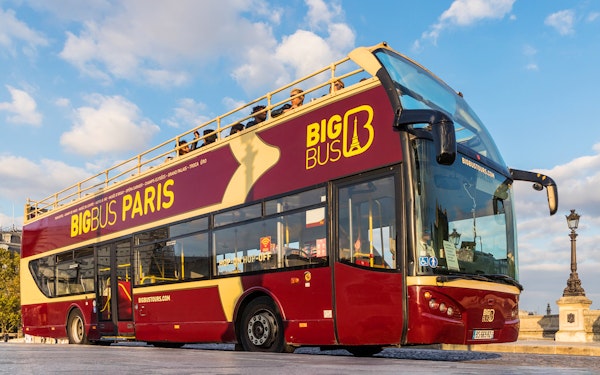
Big Bus: Paris Hop-on Hop-off Bus Tour & Pantheon Entry Tickets
3.6(16)ViewFrom$61
Paris Big Bus Hop On Hop Off Tour with Optional River Cruise
3.9(7,057)2 hr 15 minViewFrom$45
Turbopass Paris Essentials City Pass: Access to 20+ Attractions
4.0(1)ViewFrom$157
Paris: Orsay Museum Daily Entry Ticket
4.3(991)2 hours - 4 hoursViewFrom$23
Quanto tempo richiedono le cose
- Torre Eiffel (secondo piano + summit): 2 ore andata e ritorno
- Tour guidato Louvre highlight: 2,5-3 ore
- Passeggiata esterna Notre-Dame + Île de la Cité: 1 ora
- Sainte-Chapelle: 45 minuti
- Musée d'Orsay: 2 ore
- Musée de l'Orangerie (Ninfee di Monet): 1 ora
- Tour guidato mezza giornata Versailles: 5 ore incluso il trasporto
- Giornata intera Versailles con Trianon + Hameau: 8 ore
- Crociera panoramica Senna 1 ora: 1 ora (+ tempo di viaggio)
- Tour gastronomico Le Marais: 3 ore, sostituisce la cena
- Catacombe: 1 ora sottoterra
- Gita di un giorno champagne a Reims + Épernay: 10 ore
- Gita di un giorno Normandia D-Day: 12+ ore
Mangiare - la versione pratica
Tre regole:
-
Non mangiare nel vicinato immediato delle attrazioni principali. Intorno all'Eiffel, intorno alla Piramide del Louvre, sugli Champs-Élysées - uniformemente male e caro. Cammina 3-4 isolati; la qualità sale immediatamente.
-
Il pranzo è dalle 12:00 alle 14:30. La cena è dalle 19:30 alle 22:30. Al di fuori di queste finestre, solo le brasserie (servizio continuo) sono aperte. La distinzione brasseria + bistro è reale - le brasserie sono grandi e servono tutto il giorno; i bistro sono piccoli e rispettano le finestre di pranzo + cena.
-
La mancia è cultura di arrotondamento, non percentuale americana. Il servizio è incluso per legge ("service compris"). Ai caffè, arrotonda 1-2 euro per un pranzo casual; lascia il 5-10% solo alle cene di lusso se il servizio è stato particolarmente buono. La frase "il servizio è incluso" non preclude la mancia - chiarisce solo che non sei obbligato a darla.
I piatti parigini da ordinare: steak-frites (con salsa béarnaise), confit de canard, soupe à l'oignon, escargot di Borgogna (se li mangi), boeuf bourguignon, croque-monsieur, il menu pranzo prezzo fisso (la maggior parte dei ristoranti non turistici offre un pranzo da 2 o 3 piatti per 18-28 euro). Salta il "menu impostato vista Eiffel" ovunque; la vista è gratuita fuori, il cibo non sarà buono.
Dall'editore
I caffè sulle piccole strade dietro Le Marais e Saint-Germain - quelli con lavagne scritte a mano, nessun cartello in lingua inglese, e un server che sembra gestire il posto - sono dove vuoi davvero mangiare. I posti con menu fotografici e dépliant tri-piega laminati sono quelli da cui passare oltre.
Sicurezza + consapevolezza delle truffe
Parigi è sicura per i visitatori al primo viaggio. I rischi sono a livello di fastidio:
- Borseggi sulla Linea 1, intorno alla Torre Eiffel e alla funicolare di Sacré-Cœur, e nel complesso Metro Châtelet-Les Halles. Solo tasche anteriori.
- Truffa del braccialetto dell'amicizia intorno a Sacré-Cœur e all'Eiffel - uomini si avvicinano per legare un braccialetto al tuo polso, poi chiedono 20+ euro. Vattene il momento in cui iniziano.
- Truffa della petizione nelle zone turistiche centrali - qualcuno ti porge una lavagnetta chiedendo di firmare per "bambini sordi" o simile. Distrazione attiva in modo che un complice possa sollevarti il portafoglio.
- Truffa dell'anello d'oro - uno sconosciuto raccoglie un anello "d'oro" vicino a te, chiede se è tuo, poi offre di venderlo a buon prezzo. Vai avanti; l'anello è ottone.
- Taxi senza licenza a CDG e Gare du Nord. Prendi la fila al parcheggio dei taxi; non accettare mai un passaggio da qualcuno che ti si avvicina.
Questo è l'elenco. La criminalità violenta nelle zone turistiche è rara.
Cosa i visitatori al primo viaggio più si pentono
- Non aver prenotato il summit dell'Eiffel in anticipo. "Abbiamo provato a presentarci sul posto. Esaurito per i prossimi quattro giorni."
- Aver prenotato il biglietto sbagliato per l'Eiffel. Il secondo piano e il summit sono livelli di biglietto separati; l'ascensore del summit va dal piano 2, quindi un biglietto del "secondo piano" non include la salita al summit.
- Aver mangiato agli Champs-Élysées o alla base dell'Eiffel. "Peggiore croque-monsieur del viaggio; 22 euro."
- Non aver prenotato il Louvre in anticipo. "Abbiamo comprato i biglietti alla porta; la coda alla porta era di 80 minuti."
- Fare il Louvre da solo senza piano. "Abbiamo visto la Gioconda e poi abbiamo camminato per un'ora senza trovare altro che riconoscevamo." Un tour guidato di 2 ore lo risolve.
- Saltare l'Orsay. "Abbiamo fatto il Louvre e siamo stati così stanchi che abbiamo cancellato l'Orsay. Gli amici hanno detto che l'Orsay era il loro preferito."
- Non aver fatto budget per una prenotazione a cena di domenica. Molti ristoranti chiudono domenica; gli aperti prenotano da venerdì.
Domande comuni
Qual è il miglior quartiere dove stare a Parigi per una prima visita?
Il 4º arrondissement (Le Marais) è la scelta più popolare per chi visita per la prima volta - centrale, a piedi dal Louvre + Notre-Dame, scena gastronomica densa, e aperto di domenica (la maggior parte di Parigi chiude domenica ma Le Marais no). Il 6º (Saint-Germain) è l'alternativa letteraria leggermente più tranquilla. Evita il 1º (Châtelet - ristoranti trappola turistica) e qualsiasi cosa al di fuori dei ring dal 1º all'11º per soggiorni brevi.
La Metro di Parigi è sufficiente per muoversi?
Sì - 14 linee numerate più il RER (ferrovia suburbana verso Versailles, CDG, Disneyland) coprono ogni attrazione principale. Un singolo biglietto metro/RER costa circa 2,55 euro (verifica la tariffa attuale - i prezzi sono aumentati a gennaio 2026). Il vecchio carnet di 10 è stato ritirato e i biglietti cartacei stanno per essere eliminati nel 2026; carica i biglietti su una carta Navigo Easy riutilizzabile (2 euro) o acquistali dal telefono. I treni circolano approssimativamente dalle 5:30 alle 1:00 (2:00 venerdì e sabato). Camminare tra quartieri adiacenti è spesso più veloce di una connessione metro a 2 linee.
A che orari aprono davvero i ristoranti di Parigi?
Il pranzo è dalle 12:00 alle 14:30; la cena è dalle 19:30 alle 22:30 (più tardi nei fine settimana). Molti ristoranti familiari chiudono di domenica, alcuni anche di lunedì. L'ora del tè e della pausa caffè è dalle 15:00 alle 18:00; l'aperitivo e l'ora dell'apéro colmano le 18:00 alle 19:30. Le brasserie della città (servizio continuo) sono l'eccezione - aperte dalla mattina fino a mezzanotte.
Devo prenotare i tour di Parigi in anticipo o posso presentarmi sul posto?
La Torre Eiffel summit e il Museo del Louvre dovrebbero sempre essere prenotati in anticipo - l'ingresso senza prenotazione può significare code di 90 minuti anche in bassa stagione, multiple ore in estate. Allo stesso modo Versailles + Sainte-Chapelle + Catacombe. Ristoranti per cena venerdì e sabato: prenota 1-2 settimane prima per qualsiasi posto consigliato; i posti alla moda vanno prenotati 3-4 settimane in anticipo.
È sicuro Parigi di notte per i visitatori al primo viaggio?
Sì per gli arrondissement turistici centrali (1º-8º, più 11º e 14º). I borseggi sulla Metro (soprattutto Linea 1, il complesso Châtelet-Les Halles, Trocadéro, e intorno alla Torre Eiffel) sono l'unico problema comune - evita di portare un portafoglio nella tasca posteriore. Il Trocadéro di notte e intorno alla funicolare di Sacré-Cœur di notte attraggono le truffe più comuni; non impegnarti con gli estranei che provano a iniziare una amicizia da braccialetto.
Quanti contanti dovrei portare a Parigi?
Le carte funzionano quasi ovunque - contactless su ogni tornello della Metro + la maggior parte dei caffè. Porta 30-50 euro in contanti per i banconi delle boulangerie, piccoli ristoranti con mancia obbligatoria, il raro mercato cartaceo, e il fallback del giornaliero Metro. La mancia non è nello stile americano: arrotonda il conto ai caffè (1-2 euro), lascia il 5-10% solo alle cene di lusso se il servizio è stato particolarmente buono.
Quali sono le migliori gite di un giorno da Parigi?
Versailles è la mezza giornata facile - 45 minuti su RER C, il palazzo + Sala degli Specchi + giardini. Le grandi gite di un giorno intero sono gestite in tour perché la logistica è difficile da soli: spiagge del D-Day in Normandia (12+ ore, la più prenotata), degustazione di champagne a Reims + Épernay (10 ore), Mont-Saint-Michel (14 ore, molto lungo), i castelli della Loira, e Giverny + giardino di Monet (mezza giornata, aprile-ottobre). La Normandia e lo Champagne sono i due posti per cui la maggior parte delle persone è felice di aver prenotato una guida.
Vale la pena la gita di un giorno a Versailles, e come ci si arriva?
Sì, è la gita di un giorno più straordinaria da Parigi. Prendi il RER C fino a Versailles Château Rive Gauche (circa 45 minuti, stessa estensione della zona di biglietto), poi una passeggiata di 10 minuti. Prenota in anticipo un ingresso al palazzo con orario fisso o un tour guidato - la coda senza prenotazione va da 60-90 minuti in estate. Preventiva mezza giornata per il palazzo + Sala degli Specchi + giardini, o un intera giornata per aggiungere i Trianon e l'Hameau di Maria Antonietta. Gli spettacoli delle fontane funzionano nei fine settimana da aprile a ottobre.
Keep reading
Listicle di Parigi
Cose da fare a Parigi: 24 esperienze da prenotare nel 2026
La shortlist di Parigi - 24 attrazioni, musei, esperienze gastronomiche, e gite di un giorno classificate per quello che vale veramente il tuo tempo.
Read more
Itinerario di Parigi
3 giorni a Parigi: un itinerario percorribile a piedi per il 2026
Un itinerario di Parigi di 3 giorni collaudato sul campo costruito intorno alle realtà di prenotazione 2026 - cosa fare, in quale ordine, e quali tour ti fanno risparmiare tempo.
Read more
Tempistica di Parigi
Miglior periodo per visitare Parigi: guida mese per mese per il 2026
Compromessi tra pioggia, folle, code ai musei, e prezzi - con le due finestre sweet-spot per i viaggi a Parigi.
Read more
Guida ai biglietti di Parigi
Biglietti Torre Eiffel: accesso al summit, scale, e il tour dal miglior rapporto qualita-prezzo
Ogni tipo di biglietto Eiffel confrontato, quando l'accesso al summit è non negoziabile, e l'hack delle scale che la maggior parte dei viaggiatori perde.
Read more
Guida ai biglietti di Parigi
Biglietti Museo del Louvre: skip-the-line, accesso anticipato, e il miglior tour guidato
Ogni tipo di biglietto del Louvre confrontato, gli hack della porta di ingresso che ti fanno risparmiare 40 minuti, e quale formato guidato batte davvero camminarlo da solo.
Read more
Altre letture
Altre guide per aiutarti a pianificare il tuo viaggio

1 Giorno a Parigi: L'Itinerario che Funziona, e Quello che Non Funziona
Un giorno a Parigi, pianificato intorno alle distanze reali - cosa prenotare, cosa camminare, cosa saltare, e perché tre musei in un giorno è l'errore classico.

The Best Food Tours in Paris: Which Ones Are Worth the Money
Paris food tours are expensive and the good ones are excellent. How to tell them apart - by neighbourhood, by format, and by what you actually want to learn.

Arc de Triomphe Tickets in 2026: Rooftop Access, Combos and How to Skip the Line
A 2026 guide to Arc de Triomphe tickets - rooftop terrace timed entry, skip-the-line, Paris viewpoint and cruise combos, and guided Champs-Elysees walks.

Musee d'Orsay Tickets in 2026: Types, Skip-the-Line and Combos Compared
A 2026 guide to Musee d'Orsay tickets - timed entry, skip-the-line, guided highlights tours, Louvre and Orangerie combos and pass options compared.

5 Days in Paris: The Perfect Itinerary at a Relaxed Pace
A 5-day Paris itinerary at a human pace: the icons, Montmartre and Le Marais, a full day at Versailles, and the tours travelers rate highest for each day.

The Best Walking Tours in Paris: Highlights, Montmartre, Food and More
Every kind of walking tour of Paris compared: classic highlights, Montmartre, food walks, Le Marais, and night walks, ranked on real ratings and reviews.

Christmas Markets in Paris: The Best Festive Spots and Tours
The best Christmas markets in Paris, from the Tuileries to La Défense, plus when the season runs, how to plan around crowds, and the top festive experiences.

Summer in Paris: What to Expect and What to Book
What summer in Paris is really like - long evenings, heat waves, August closures, and the Seine cruises, Eiffel Tower visits, and day trips worth booking.