A Nikko day trip from Tokyo works if you leave early. Asakusa to Tobu-Nikko takes about 1 hour 50 minutes on the Tobu limited express, and from November to March Toshogu Shrine closes at 4:00 pm. That gives you a full day among the shrines and temples, or a faster loop that adds Kegon Falls and Lake Chuzenji up in the mountains. Guided day tours from Tokyo cover the same ground with the transport arranged.
- Train from Tokyo
- About 1 h 50 min, Asakusa to Tobu-Nikko
- Toshogu Shrine
- ¥1,600 adults, checked 13 Nov 2026
- Toshogu hours, Nov to Mar
- 9:00 am to 4:00 pm, last entry 3:30 pm
- Kegon Falls elevator
- ¥600 return; 8:00 am to 5:00 pm Mar to Nov, 9:00 am to 4:30 pm Dec to Feb
- Bus to Lake Chuzenji
- About 50 minutes from the stations
- UNESCO listing
- Shrines and Temples of Nikko, inscribed 1999
Nikko is a city in Tochigi Prefecture. Its centre holds the World Heritage shrines. The higher ground beyond the Irohazaka road, known as Okunikko, sits in the middle of Nikko National Park and holds Kegon Falls, Lake Chuzenji and the Senjogahara marshes (Visit Nikko).
Nikko day tours from Tokyo compared
A Nikko day tour from Tokyo suits you if you want both the shrines and the lake without managing two train companies, a bus network and a road that jams in autumn. Two tours with similar names can be quite different days, so check these points before price:
- What the day covers. Some tours stay in the shrine area. Others drive up the Irohazaka road to Kegon Falls and Lake Chuzenji, which leaves less time at Toshogu.
- How you travel. Some go by coach from central Tokyo. Others ride the train with a guide and use local buses or a hired car in Nikko.
- Entry fees. Toshogu alone costs ¥1,600 for an adult. Check whether that, the Rinnoji and Futarasan tickets and the Kegon Falls elevator are included or extra.
- Return time. A coach's arrival back in Tokyo depends on the traffic, and in October and November the mountain road can add hours.
- Group size and language. Check the maximum group size and the language the guide speaks.
Where more than one booking site sells the same Nikko tour, SimilarTours shows them side by side, so you can set the prices against each other before you choose.
Nikko day tours from Tokyo to compare
Nikko World Heritage Site Day Tour with Hotel Transfers: Tōshōgū Shrine, Kegon Falls, Lake Chūzenji, & More
4.5(2)10 hoursViewFrom$94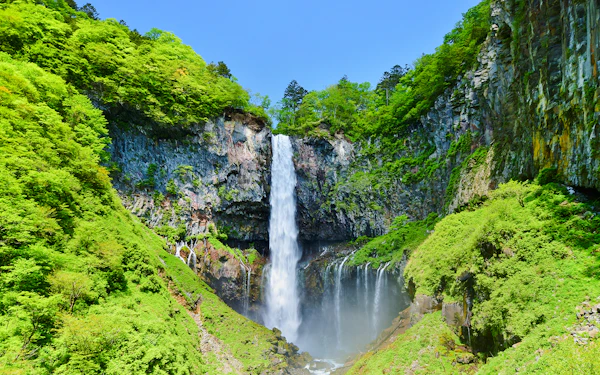
Nikko Private Guided Tour with Lunch & Hotel Transfers
5.0(1)8 hoursViewFrom$197
From Tokyo: Guided Day Trip to Nikko World Heritage Sites
4.6(98)10 hr 30 minViewFrom$116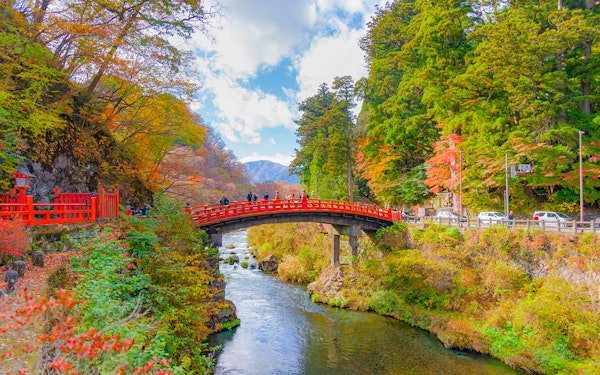
Nikko World Heritage Site Day Tour: Tōshōgū Shrine, Kegon Falls, Lake Chūzenji, & More
4.0(4)11 hoursViewFrom$94
Nikko UNESCO & Nature Private Tour (Tokyo Departure Optional)
4.5(2)6 hours - 12 hoursViewFrom$163
Nikko World Heritage Full Day Trip
5.0(5)10 hoursViewFrom$437
Magnificent Nikko World Heritage and Breathtaking Scenic Beauty in one day
4.6(5)12 hoursViewFrom$323
From Tokyo Private Nikko Shrines and Nature Day Tour
4.9(57)10 hours - 11 hoursViewFrom$343
Nikko Tour from Tokyo with Licensed Guide via Private Car
10 hoursViewFrom$935
Nikko Highlights Day Trip Private Car & Local Guide from Tokyo
7 hoursViewFrom$570
Is Nikko worth the long day from Tokyo
Yes, if Japanese architecture and mountain scenery are what you came for. The UNESCO listing for the Shrines and Temples of Nikko counts 103 buildings across a 50.8-hectare site: 42 at Toshogu, 38 at Rinnoji and 23 at Futarasan (UNESCO World Heritage Centre, checked 13 Nov 2026). UNESCO notes that they are arranged on the mountain slopes to create different visual effects, so the walk between them is part of the visit.
The cost is time. You spend close to four hours on trains, and the shrines close early in winter, so the day has little slack. If your stay in Tokyo is three days or fewer, a closer trip leaves more time in the city. If you have a week, or you are in Japan for the autumn colour, Nikko earns its place.
Who it suits less: travellers who want a relaxed day with a long lunch and an onsen, and anyone visiting at the height of the foliage season who expects to see the lake as well as the shrines in one go. That second group is better off staying a night.
Getting from Tokyo to Nikko
The Tobu line from Asakusa is the simplest route: one train, no change. JR works if you hold a rail pass, with a change at Utsunomiya or a direct train from Shinjuku. Times below come from Tobu and from Toshogu's access page, checked 13 Nov 2026.
| Route | From | Journey time | Pass notes |
|---|---|---|---|
| Tobu limited express (SPACIA X, Kegon, Revaty Kegon) | Asakusa | About 1 h 50 min | NIKKO PASS covers the fare, not the express ticket |
| Tobu local trains | Asakusa | About an hour longer than the limited express | Basic fare only, no express ticket |
| Through limited express Nikko (JR and Tobu) | JR Shinjuku | About 2 h | Covered by the JR Tokyo Wide Pass |
| Shinkansen, then JR Nikko Line | Tokyo or Ueno, change at Utsunomiya | About 45 min on the Nikko Line | Covered by the Japan Rail Pass |
Sources: Tobu, access to Nikko; Nikko Toshogu, access (Japanese); Visit Nikko, getting here for the local trains.
Tobu limited express from Asakusa
From Asakusa, a direct Tobu limited express needs about 1 hour 50 minutes (Tobu). Each passenger needs two tickets: a basic fare ticket (or a NIKKO PASS, or a PASMO card for the fare) and a limited express ticket for the seat, bought before boarding (Tobu, how to buy express tickets). Express tickets go on sale at 9:00 am one month before the travel date. Tobu's pages for the SPACIA and Revaty trains state that all seats are reserved.
The newest train is the SPACIA X. Its timetable, checked 13 Nov 2026, shows the first service leaving Asakusa at 7:50 am and reaching Tobu-Nikko at 9:39 am, and the last one back leaving Tobu-Nikko at 5:44 pm for a 7:35 pm arrival in Asakusa (SPACIA X boarding information). The same page carries an operation calendar, so check your date there. Other Tobu limited expresses run through the day, listed in Tobu's limited express timetable.
On a tight budget, the slower trains cost much less. The Nikko city tourism association says a trip on local trains from Asakusa adds about an hour but costs about half the limited express fare (Visit Nikko, getting here).
JR via Utsunomiya, or the direct train from Shinjuku
JR is the route for rail-pass holders. Take the Shinkansen from Tokyo or Ueno to Utsunomiya, then the JR Nikko Line, which takes about 45 minutes to Nikko Station (Toshogu). The tourism association calls this route more expensive and notes the change of train.
The other JR option is the limited express Nikko from Shinjuku, which runs through onto Tobu tracks and takes about two hours to Tobu-Nikko. Tobu lists Ikebukuro as a boarding point too, which helps if your hotel is nearer those two stations than Asakusa. The pass rules on both JR routes are in the FAQ below.
Nikko area passes
Tobu sells two NIKKO PASS versions to foreign visitors, both including one return trip between Asakusa and Shimo-Imaichi plus Tobu trains beyond it to Tobu-Nikko (Tobu, NIKKO PASS world heritage area; all area, checked 13 Nov 2026):
| Pass | Adult | Child | Valid | Buses included |
|---|---|---|---|---|
| NIKKO PASS world heritage area | ¥3,000 | ¥1,500 | 2 days | Tobu buses in the World Heritage area only |
| NIKKO PASS all area | ¥8,000 | ¥4,000 | 4 days | All Tobu buses in Nikko, plus the Lake Chuzenji cruise to 30 Nov |
Neither pass includes the limited express ticket or any shrine or temple entry fee. For a day trip that stays in the shrine area, the World Heritage version is the one to price against ordinary tickets. If you are going up to Kegon Falls, the all area pass covers the mountain bus and the lake boat, but it is priced for a longer stay. Tobu Bus also sells its own bus passes at the Tobu-Nikko Station tourist centre: a World Heritage loop bus pass for ¥600, valid on the day, and a Chuzenji Onsen pass for ¥2,300, valid two days (Tobu Bus, Nikko passes, Japanese, checked 13 Nov 2026).
Getting around Nikko by bus
Buses do the work once you arrive. Tobu Bus runs a World Heritage loop from both Nikko Station and Tobu-Nikko Station past the shrines, and the tourism association says regular buses between the stations and the main sights run as often as every 15 minutes. The ride to the Omotesando stop for Toshogu takes about 10 minutes, then it is a five-minute walk (Nikko tourism association, Toshogu, Japanese).
For Kegon Falls and Lake Chuzenji, take a bus bound for Chuzenji Onsen. The ride takes about 50 minutes from the stations (Nikko tourism association, Kegon Falls, Japanese), and the falls are a five-minute walk from the Chuzenji Onsen stop (Kegon Falls Elevator, access, Japanese).
A one-day Nikko route
Two plans work from Tokyo. Both assume an early limited express and the return in the early evening.
Plan A: the shrines and the gorge, at an easy pace. Arrive around 9:30 am and take the loop bus to Toshogu, which deserves most of the morning, inner shrine included. Then visit Futarasan Shrine and Taiyuin, which share a bus stop on the same loop. After lunch near Shinkyo Bridge, ride out to the Kanmangafuchi Abyss and its row of stone statues, then take a late-afternoon train back.
Plan B: shrines plus Kegon Falls and Lake Chuzenji. This is the fuller Nikko day trip from Tokyo itinerary, and it needs discipline. Go up the mountain first: take the Chuzenji Onsen bus straight from the station, ride the elevator down to the Kegon Falls viewing platform, and walk to the lakeshore. Be back on a bus by early afternoon. Come down to Shinkyo, then see Toshogu before its 3:30 pm last entry from November to March.
The order matters because of two closing times. Toshogu stops admitting visitors 30 minutes before its 4:00 pm winter closing (Toshogu, hours and fees, Japanese). And Rinnoji sells its set ticket for the Sanbutsudo and Taiyuin only until 1:30 pm from November to March (Rinnoji, visitor information, Japanese). If you will reach the temple later than that, buy the separate Taiyuin ticket, which is sold until the last entry.
Check the road before you go up the mountain
From mid-October to mid-November the bus to Lake Chuzenji shares the Irohazaka road with every car heading for the autumn colour. If you are visiting in that window, go up on the first bus you can catch, or drop the lake and give the day to the shrines.
Nikko entry fees and opening hours
Each shrine and temple charges separately, and the shared ticket for the shrines and temples is suspended for now (Rinnoji). The table gives official adult and child prices and the November to March hours.
| Site | Adult | Child | Hours, November to March |
|---|---|---|---|
| Toshogu Shrine | ¥1,600 (with high school students) | ¥550 (elementary and junior high) | 9:00 am to 4:00 pm, last entry 3:30 pm |
| Rinnoji set ticket, Sanbutsudo and Taiyuin | ¥900 | ¥400 | Sold until 1:30 pm |
| Taiyuin only | ¥550 | ¥250 | 8:00 am to 4:00 pm, last entry 3:30 pm |
| Sanbutsudo only | ¥400 | ¥200 | 8:00 am to 4:00 pm, last entry 3:30 pm |
| Futarasan Shrine garden | ¥500 | ¥200 (up to high school) | 9:00 am to 4:00 pm, last entry 3:30 pm |
| Shinkyo Bridge | ¥300 | ¥200 high school, ¥100 younger | 9:30 am to 3:30 pm |
| Kegon Falls elevator, return | ¥600 (junior high and up) | ¥400 elementary, under school age no charge | 8:00 am to 5:00 pm, 1 Mar to 30 Nov; 9:00 am to 4:30 pm, 1 Dec to end of Feb |
| Lake Chuzenji cruise, full loop | ¥2,000; ¥2,200 in the busy periods | ¥1,000; ¥1,100 in the busy periods (elementary) | Mid-April to 30 Nov |
Official prices from each site's own page or the Nikko city tourism association, checked 13 Nov 2026. Most pages are in Japanese. The cruise's busy periods run from the third Saturday of July to 31 August and from the second Saturday of October to the third Sunday of November; its season dates come from Tobu's NIKKO PASS page.
A day that covers Toshogu, the Rinnoji set ticket, Shinkyo and the Kegon elevator comes to ¥3,400 per adult in entry fees, before transport. From April to October, Toshogu, Rinnoji and Futarasan close an hour later, at 5:00 pm.
Things to do in Nikko on a day trip
These are the seven sights that fit a day from Tokyo: the five in and around the shrine area first, then the two up in the mountains.
1. Toshogu Shrine
Nikko Toshogu Shrine is the centrepiece of the World Heritage site. It was founded in 1617 to honour Tokugawa Ieyasu, first shogun of the Tokugawa line, and rebuilt under the third shogun, Iemitsu (Nikko Toshogu, Japanese). Most of today's buildings date from that rebuilding, which the shrine says took only one year and five months to finish in 1636 (Toshogu, the buildings, Japanese).
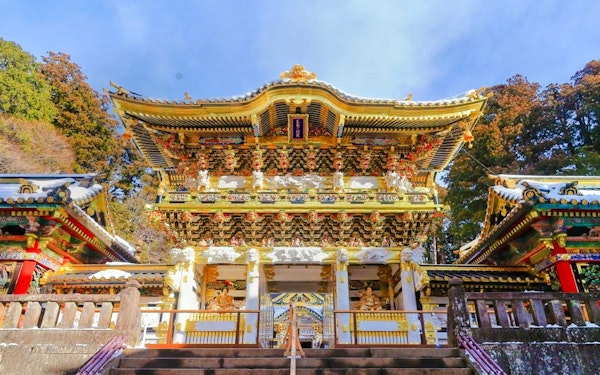
Inside the ticketed area, look for three things. The sacred stable carries eight panels of monkey carvings that tell the course of a human life, including the "see no evil, speak no evil, hear no evil" trio. The Yomeimon gate, a National Treasure, has more than 500 carvings. And in the east corridor sits the sleeping cat attributed to Hidari Jingoro, which marks the way to the inner shrine and Ieyasu's tomb. The ticket also covers the Honjido, home of the Nakiryu, or crying dragon (Toshogu, hours and fees).
Toshogu rents an audio guide for ¥500 a day, in Japanese, English and Chinese, covering 29 buildings; from November to March it is lent from 9:00 am to 3:00 pm. For wheelchair users, the tourism association notes a sloped entrance and access from the main gate as far as the steps below the Yomeimon.
Guided visits to Toshogu Shrine

Nikko World Heritage Walking Tour with Toshogu Shrine & Lunch
4.3(4)4 hoursViewFrom$84From Tokyo: Guided Day Trip to Nikko World Heritage Sites
4.6(98)10 hr 30 minViewFrom$116
Nikko Private Custom Tour with Local Guide
5.0(3)6 hoursViewFrom$194
Nikko Customized Private Tour in 1 Day with Licensed Guide
4.9(317)6 hoursViewFrom$153
Private Nikko Shogun & Nature Tour: UNESCO Shrines & Waterfall
5 hours - 7 hoursViewFrom$165From Tokyo Private Nikko Shrines and Nature Day Tour
4.9(57)10 hours - 11 hoursViewFrom$343
Tokyo Nikko Day Tour
5.0(2)9 hoursViewFrom$94
Exclusive Nikko: A Private Journey into Tokugawa’s Sacred World
2 hr 30 minViewFrom$310
From Tokyo: Nikko Toshogu Shrine and Kegon Waterfall Tour
4.1(63)11 hoursViewFrom$76
Nikko Private: Toshogu & Edo Wonderland | Licensed Guide & Driver
5.0(118)11 hoursViewFrom$647
2. Rinnoji Temple and Taiyuin
Rinnoji is the Buddhist side of the World Heritage site. Its Sanbutsudo hall is the largest wooden building on the mountain and houses three Buddha statues, one for each of Nikko's three sacred peaks (Nikko tourism association, Rinnoji, Japanese). Rinnoji's own page suggests 10 to 20 minutes for it.
Taiyuin is the mausoleum of Iemitsu, the shogun who rebuilt Toshogu. It is smaller and less ornate than his grandfather's shrine, and the tourism association notes that its buildings face Toshogu, as if keeping watch (Taiyuin, Japanese). Rinnoji suggests 30 minutes to an hour there, so if you have time for only one of the two halls, Taiyuin is the fuller visit.
3. Futarasan Shrine
Futarasan Shrine worships Mount Nantai itself as its sacred body. The tourism association (Futarasan, Japanese) calls it the shrine where faith in Nikko's mountains began, and its roots go back to the opening of Mount Nikko as a holy site more than 1,200 years ago. The ¥500 ticket it lists is for the main shrine's garden. Futarasan also owns Shinkyo Bridge.
4. Shinkyo Bridge
The red lacquered Shinkyo Bridge spans the Daiya River at the entrance to the shrine area. The shrine gives its size as 28 m long, 7.4 m wide and 10.6 m above the water, and says it was opened to the general public only in 1973; before that, it was reserved for shoguns and imperial messengers (Shinkyo, Futarasan Shrine). Crossing it costs ¥300. Note that it opens at 9:30 am in winter, half an hour after Toshogu, so it fits better on the way back to the station.
5. Kanmangafuchi Abyss
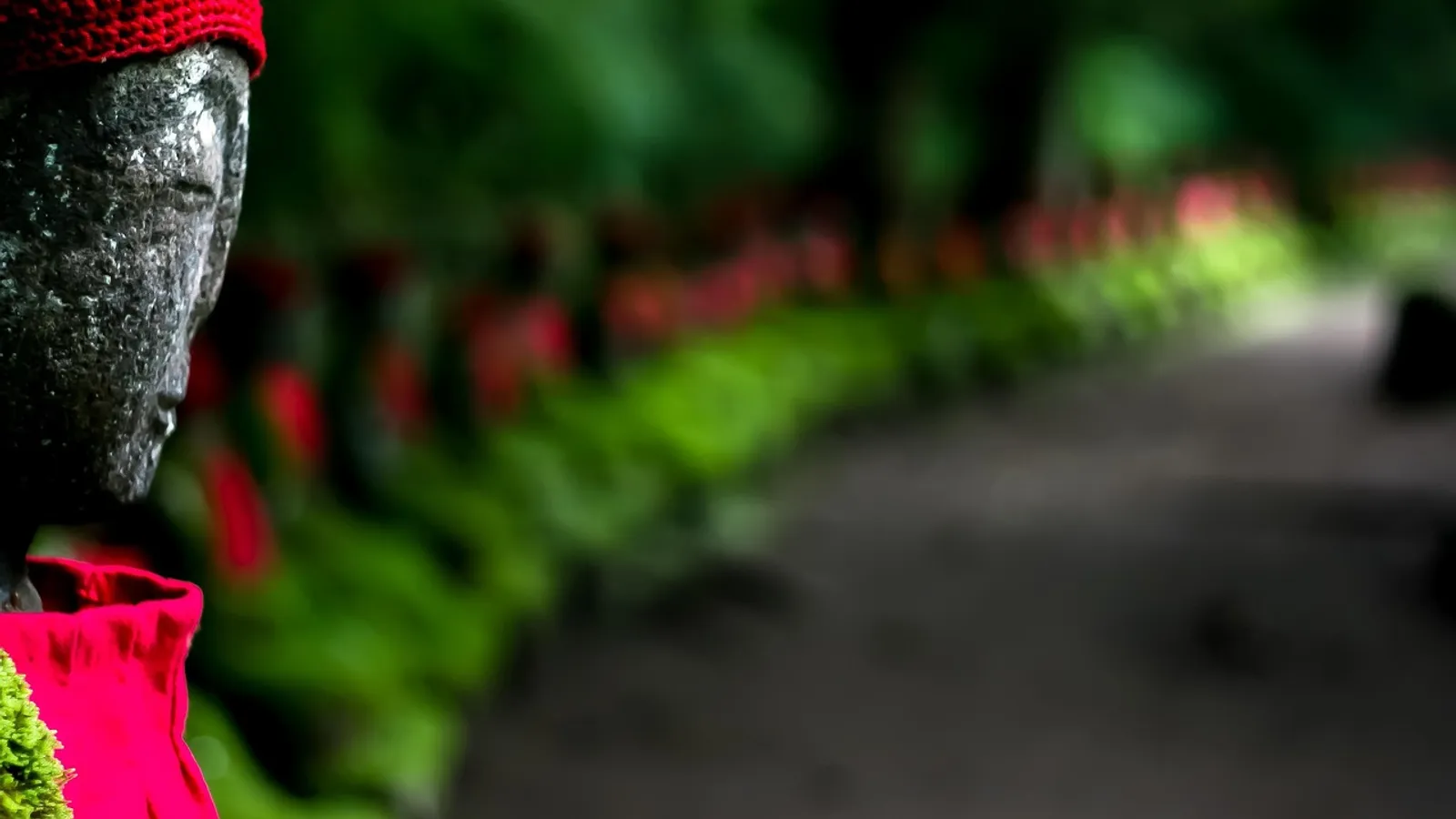
The Kanmangafuchi Abyss is a short gorge on the Daiya River, formed by lava from Mount Nantai. Its draw is a row of about 70 stone Jizo statues on the south bank, called the Bake Jizo because the count is said to change each time you walk past (Nikko tourism association, Kanmangafuchi, Japanese). The association gives the access as an 8-minute bus ride to the Yasukawacho stop and a 20-minute walk. It warns of mountain leeches on the nearby walking trails, especially on rainy days from June to October and the day after. The association's page lists no admission fee for it.
6. Kegon Falls
Kegon Falls drops about 97 m from Lake Chuzenji and is about 7 m wide. The elevator company, which has run its lift since 1930, counts it among Japan's three great waterfalls (Kegon Falls Elevator, Japanese). The elevator takes you 100 m down to a viewing platform in about a minute, facing the plunge pool. The return trip costs ¥600 for adults, and no booking is needed.
If you are comparing day tours from Tokyo to Nikko National Park, check that the itinerary gives time here. On your own, it is a five-minute walk from the Chuzenji Onsen bus stop. The tourism association's page says the lift's last entry is 20 minutes before closing, and that it can stop without notice in bad weather.
Kegon Falls and Lake Chuzenji tours
Tokyo Nikko Day Tour
5.0(2)9 hoursViewFrom$94
Nikko, Kegon Waterfall & Chuzenji Lake from Tokyo
4.0(2)10 hours - 11 hoursViewFrom$141
Nikko Three Waterfalls E-Bike Tour: Kegon, Ryuzu and Yudaki Falls
3 hoursViewFrom$97From Tokyo: Guided Day Trip to Nikko World Heritage Sites
4.6(98)10 hr 30 minViewFrom$116
Nikko: Kegon Falls & Lake Chuzenji 3-Hour E-Bike Tour
5.0(3)3 hoursViewFrom$84
Kanazawa Day Tour: Shomyo Falls & Tateyama Mountain Walks
4.8(5)10 hoursViewFrom$216Nikko World Heritage Site Day Tour: Tōshōgū Shrine, Kegon Falls, Lake Chūzenji, & More
4.0(4)11 hoursViewFrom$94
Exploring Nikko Private Tour
5.0(1)10 hoursViewFrom$1,076
Tokyo Nikko Guided Private Tour With AC Car and Local Guide
6 hr 8 minViewFrom$570
Shiraito Falls and Mt Fuji World Heritage Centre /6VG(3stops)
5.0(7)6 hoursViewFrom$952
7. Lake Chuzenji
Lake Chuzenji sits at 1,269 m above sea level, about 25 km around and up to about 163 m deep (Nikko tourism association, Lake Chuzenji, Japanese). It formed when lava from Mount Nantai dammed a valley, roughly 20,000 years ago. On a day trip, a walk along the shore near the bus terminal is enough. With more time, the sightseeing boat's full loop takes 55 minutes (Chuzenjiko cruise timetable, Japanese). From 5 November its departures from the main pier run from 10:00 am to 2:30 pm, and the season ends on 30 November.
One thing you cannot do: the Akechidaira Ropeway is suspended from 16 January 2026 to 31 August 2027, and Tobu warns the closure may be extended (Tobu, NIKKO PASS all area).
Guided tour or on your own
Doing Nikko without a guide is easy enough if you can book a reserved seat and read a bus timetable, and it lets you linger where you like. Book a guided Nikko tour from Tokyo if you want the lake and the shrines in one day without the timing risk, or if you want the carvings explained.
| On your own | Group day tour | Private guide | |
|---|---|---|---|
| Transport | Train plus local buses; you book the express seat | Coach or train with the group | Car, or train and taxi, with the guide |
| Pace | Yours | Set by the group | Set by you |
| Lake and falls | Possible, but tight in the autumn peak | Depends on the itinerary | Easiest to fit in |
| Entry fees | Paid at each gate | Check whether included | Check whether included |
| Best for | Confident travellers, tight budgets | First-timers who want it all arranged | Families, small groups, photographers |
Group day tour
A group day tour from Tokyo removes the two problems that trip people up: the express seat reservation and the mountain bus. The trade-off is time at each site and a fixed return. Read the itinerary to see whether it reaches Kegon Falls and the lake, and how long it gives Toshogu. Tobu also advertises a guided tour of the World Heritage area on Mondays and Fridays on its NIKKO PASS pages, for travellers who want a guide in Nikko but not a full day tour from Tokyo.
Private guide
A private guide makes sense for a family or a group of three or four, where the cost is split and a car is more flexible than buses. If you would rather ride the train yourself, look for a guide who meets you at the station in Nikko.
Private Nikko tours with a guide or driver
From Tokyo Private Nikko Shrines and Nature Day Tour
4.9(57)10 hours - 11 hoursViewFrom$343Nikko Private Guided Tour with Lunch & Hotel Transfers
5.0(1)8 hoursViewFrom$197Nikko UNESCO & Nature Private Tour (Tokyo Departure Optional)
4.5(2)6 hours - 12 hoursViewFrom$163Nikko Tour from Tokyo with Licensed Guide via Private Car
10 hoursViewFrom$935
Private Car Nikko Tour from Tokyo
5.0(1)8 hr 30 minViewFrom$784
Nikko Half-Day Private Car Tour: English Driver, No Guide
5.0(2)4 hoursViewFrom$177Exploring Nikko Private Tour
5.0(1)10 hoursViewFrom$1,076
Nikko Customized Private Car Tour: English Driver, No Guide
5.0(1)6 hoursViewFrom$258Nikko Customized Private Tour in 1 Day with Licensed Guide
4.9(317)6 hoursViewFrom$153Nikko Private: Toshogu & Edo Wonderland | Licensed Guide & Driver
5.0(118)11 hoursViewFrom$647
Best time to visit Nikko
Nikko fall foliage is the main event, and it moves down the mountain over several weeks. The city's tourism association notes that because of the height differences across Nikko, autumn colour can be seen somewhere from early September to late November (Nikko tourism association, autumn leaves report, Japanese). Its English site gives late September to late October for the high Okunikko area and late October to mid-November for central Nikko (Visit Nikko FAQ).
The association's report for 2026 shows how that played out. On 11 November it rated the World Heritage shrine area at its peak, while its entries for Lake Chuzenji and Kegon Falls (10 November) and the Irohazaka road (11 November) put them in the last stage of their colour. So in November, the lower town is the place to be; in October, go higher.
The catch is traffic. The Irohazaka is a pair of one-way roads, one up and one down, with 48 sharp bends between them and a height difference of about 440 m. The tourism association says the climb normally takes about 20 minutes, but in a jam it often takes two to three hours, so it asks for extra time in the foliage season; during a holiday period the queue once reached six hours (Irohazaka, Japanese). Its English site puts it this way: "Travel time from Nikko Station to Lake Chuzenji may increase from the usual 45 minutes to over 4 hours." It gives the peak as mid-October to mid-November and recommends staying overnight if you want Okunikko in that window.
Winter shortens the day at every site. The shrines keep their shorter hours to the end of March, the Kegon elevator closes earlier from December, and the lake boat stops after 30 November. In return, the tourism association says the small falls around Kegon freeze in January and February. May brings fresh green at Kegon Falls, and early summer brings azaleas around the lake. Tokyo's own seasons are covered in the best time to visit Tokyo article.
Nikko or another day trip from Tokyo
Choose Nikko for shrines and mountains. Choose Kamakura for an easier day with the sea; our Kamakura day trip from Tokyo covers it. Choose Hakone for hot springs, set out in the Hakone day trip from Tokyo guide, or Mount Fuji for the mountain itself, in the Mt Fuji day trip article. To weigh all of them together, see more day trips from Tokyo.
Edo Wonderland and the Kinugawa hot springs are 35 to 45 minutes by train from Tobu-Nikko, according to the tourism association. That is a different day; combining it with the shrines leaves little time for either. For tours based in Nikko itself, browse Nikko tours, and for everything else in the capital, Tokyo tours. More ideas across the country are under experiences in Japan.
Compare Nikko day trips from TokyoNikko day trip FAQ
Can you use the Japan Rail Pass to get to Nikko?
Yes, on the JR route: the Shinkansen to Utsunomiya and the JR Nikko Line, which the Nikko city tourism association describes as fully covered by the pass. The direct Nikko express from Shinjuku runs onto Tobu tracks, and the pass site lists the Kurihashi to Tobu-Nikko stretch as needing a separate fare. Tobu trains from Asakusa are not covered at all.
Can you see Toshogu, Kegon Falls and Lake Chuzenji in one day?
Yes, outside the autumn traffic peak, if you are on an early train and keep the lake visit short. From mid-October to mid-November the mountain road can stretch a bus ride of about 50 minutes into several hours, so in that window choose the shrines or the lake, not both.
How long does a Nikko day trip from Tokyo take?
Plan on at least 12 hours door to door. Using the first SPACIA X of the day and the last one back, the timetable checked on 13 Nov 2026 gives a 7:50 am departure from Asakusa and a 7:35 pm return, which leaves about eight hours in Nikko.
Do you need to book Tobu limited express seats in advance?
Yes, buy the limited express ticket before boarding; the seat is part of it. Bought through Tobu's online service, it can be changed once with no handling charge. A change on the day must be made before your booked train leaves and at least 3 minutes before the new one departs, on your own phone, as station staff cannot make it for you.
Who can buy the NIKKO PASS?
Foreign travellers. Tobu sells the pass only to visitors from abroad, though Japanese nationals travelling with them may buy one too. It goes on sale a month before travel, and an unused, still-valid pass can be refunded at any sales outlet for a cancellation fee.
Is there one ticket for all of Nikko's shrines and temples?
Not at the moment, as the shared shrine-and-temple ticket is suspended. Rinnoji's widest ticket costs ¥1,000 for adults and ¥500 for children and adds its treasure hall and garden to the Sanbutsudo and Taiyuin. Rinnoji sells it only at the Sanbutsudo ticket window or on its e-ticket site, and Toshogu and Futarasan still charge separately.
Where can you leave luggage in Nikko?
In coin lockers. The Nikko city tourism association lists them at the main stations, including Tobu-Nikko Station and JR Nikko Station, which is useful if you arrive with a bag and head straight for the shrines.
Do you need cash in Nikko?
Yes, carry some. The tourism association says many hotels, shops and other businesses take Visa, Mastercard and other major cards, but some places, restaurants in particular, still accept only cash. It also says restaurant opening hours and closing days vary, so check before you build lunch into the plan.
Sources
Checked 13 November 2026; (JA) marks a page in Japanese.
- UNESCO World Heritage Centre: Shrines and Temples of Nikko
- Nikko Toshogu: home page, hours and fees, access and the buildings (JA)
- Nikko-zan Rinnoji: visitor information (JA)
- Futarasan Shrine: Shinkyo
- Kegon Falls Elevator: hours and fees, access and home page (JA)
- Chuzenjiko cruise: fares and timetable (JA)
- Nikko City Tourism Association: Toshogu, Rinnoji, Taiyuin, Futarasan, Shinkyo, Kanmangafuchi, Kegon Falls, Lake Chuzenji, Irohazaka and autumn leaves report (JA)
- Visit Nikko: home page, getting here and around and FAQ
- Tobu Railway: access to Nikko, how to buy limited express tickets, SPACIA and Revaty train pages, SPACIA X timetable, NIKKO PASS world heritage area and all area
- Tobu Bus: Nikko bus passes (JA)
- JR East: JR Tokyo Wide Pass and Japan Rail Pass: scope of validity