LisbonItineraryPortugalSintraFood tours
3 Days in Lisbon: The Perfect First-Timer's Itinerary
A 3-day Lisbon itinerary that flows: the historic hills on day one, Belem and a food tour on day two, and Sintra on day three, with the top-rated tours at each stop.
Von SimilarTours Editorial - Travel Research · · 17 Min. Lesedauer

Most first-timers underestimate how much Lisbon asks of your legs and overestimate how much you can cram into a day. This is a city built across seven hills, where the distance between two viewpoints on the map can hide a steep cobbled climb, and where the reward for slowing down is the whole point. 3 days in Lisbon is enough to see it properly, as long as you cluster by area and give each day a shape rather than crisscrossing the hills chasing a checklist.
This first-timer's Lisbon itinerary does exactly that: the historic centre and its viewpoints on day one, Belem and the river paired with a food tour on day two, and the palaces of Sintra on day three. Every tour referenced is currently bookable through our partner OTAs and ranked on real ratings and review counts, verified July 2026.
Browse all Lisbon tours and experiences →Before you go
Where to stay. Baixa and Chiado for the flat, central grid within walking distance of most sights; Alfama for atmosphere at the cost of steep, luggage-unfriendly lanes; Principe Real and Avenida for a calmer, slightly more upmarket base with easy transit. Pick one and stay put for all three nights. Lisbon is compact enough that a single central base serves the whole trip, and switching hotels mid-stay costs you time you would rather spend on the hills.
How to get around. Central Lisbon is walkable but genuinely hilly, so use the historic trams, the funiculars, and the metro to skip the worst climbs. Buy a rechargeable Viva Viagem card at any metro station and load it with zapping credit, which works across trams, buses, funiculars, and the metro. The famous tram 28 doubles as a sightseeing loop through the old quarters, but it is packed and a magnet for pickpockets, so ride it early or off-peak and watch your bag.
What to book ahead. The popular small-group food tours and the Sintra day trips sell out in peak season. Short walking tours you can usually book a day or two out. If you plan to enter Sintra's Pena Palace on your own, reserve a timed ticket in advance.
Money and etiquette. Portugal is on the euro and increasingly card-friendly, but carry some cash for small cafes, tips, and market stalls. A modest tip, rounding up or a euro or two, is appreciated but never obligatory. Portuguese is the language, though English is widely spoken in the centre; a hello and a thank you in Portuguese go a long way.
Pace it. Three days of hill-walking adds up, often well past 15,000 steps a day on cobbles that punish thin soles. Build one proper sit-down meal into each day rather than grazing on the move, and leave slack in the schedule. Lisbon rewards an hour spent nursing a coffee at a miradouro viewpoint as much as any booked tour.
Day 1: The historic centre and the viewpoints
Start where the city is oldest and highest. The Alfama, Lisbon's oldest hillside quarter of tiled lanes and viewpoints, the grand riverside squares of the Baixa below it, and the elegant streets of the Chiado give you the essential Lisbon on day one. A morning walking tour is the easiest way to land softly, learn the layout of the hills, and get your bearings before you strike out on your own.
Morning: the old city on foot
Top Lisbon city and walking tours

Lisbon City Center Tour - The Unmissable Lisbon
The most-reviewed Lisbon experience in the catalog by a wide margin - a guided loop of the central sights that does the day-one orientation for you.
5.0(24,489)2.5 hoursViewFrom$3
Best of Lisbon Small-Group Guided Walking Tour
A longer half-day small-group walk that strings the historic quarters together - the highest-volume proper guided walking tour in the city.
4.9(5,295)4 hoursViewFrom$22
Lisbon - Small Group Walking Tour
A tightly rated small-group walk through the centre - a calmer, more intimate alternative if you want a smaller group and a slower pace.
5.0(258)3 hoursViewFrom$38
Lisbon city tour on history, culture and current topics
5.0(70)3 hr 30 minViewFrom$47
Almada’s Tale: A Self-Guided Audio Tour
1 hr 30 min - 2 hoursViewFrom$12
Halfday Tuk Tuk Tour Lisbon Highlights-Viewpoints-Local Stories
5.0(67)3 hours - 4 hoursViewFrom$78
Alfama and the Castle of Saint George Skip the line Tour
5.0(58)3 hoursViewFrom$39
Lapa and Santa Teresa Private Walking Tour
5.0(9)3 hours - 4 hoursViewFrom$70
Lisbon's authentic Food and Wine tour with a Winemaker
5.0(71)3 hoursViewFrom$129
All City Premium Private Guided Tour by Tuk-Tuk in Lisbon
5.0(286)4 hoursViewFrom$176
Afternoon: viewpoints and a tuk-tuk through the hills
After lunch, chase the miradouros, the terraced viewpoints scattered across the hills, each framing the tiled rooftops and the river below from a different angle. Alfama is the densest cluster and the hardest on the legs, which is exactly where a tuk-tuk earns its keep: the little three-wheelers thread the narrow lanes and haul you up the climbs you would otherwise sweat, hitting several viewpoints in one loop.
Top Lisbon tuk-tuk and hill tours

Lisbon TukTuk City Tour | Lisbon Private Sightseeing Tours
A private tuk-tuk loop through the hillside quarters - the easy way to reach the steep Alfama viewpoints without the climb, good for tired legs.
4.8(36)4 hoursViewFrom$17
Discover the hills and historic neighborhoods of Lisbon in tuk tuk
5.0(81)2 hours - 2 hr 30 minViewFrom$211Halfday Tuk Tuk Tour Lisbon Highlights-Viewpoints-Local Stories
5.0(67)3 hours - 4 hoursViewFrom$78All City Premium Private Guided Tour by Tuk-Tuk in Lisbon
5.0(286)4 hoursViewFrom$176
3 Hour Lisbon Private Guided Tour via Tuk Tuk
5.0(130)3 hoursViewFrom$115
Lisbon Hills secrets, soul and insights all in 1 TukTuk ride
5.0(65)1 hr 30 minViewFrom$164
Lisbon: Private Tuk-tuk Me Around
5.0(80)4 hoursViewFrom$65
Private Tuk-Tuk: Certified Guide & Inn Pickup
5.0(47)2 hoursViewFrom$64
Private Tour Through Lisbon Half Day Experience by Tuk tuk
5.0(55)2 hours - 8 hoursViewFrom$116
Lisbon Highlights by Tuk Tuk
5.0(80)3 hoursViewFrom$411
Evening
Stay in the old-city mood with dinner in the Alfama or the Bairro Alto, the two quarters where the small tiled restaurants and the sound of live fado music spill into the lanes after dark. Fado, the melancholy Portuguese song tradition, is at its best in a small room over dinner rather than a big theatre. If you have energy left, climb to one of the western viewpoints for the sunset over the river, then work your way down through the bars of the Bairro Alto. Keep day one's evening manageable, the next two days are busier, and an early night sets you up to start Belem fresh.
Browse all Lisbon walking tours →Day 2: Belem, the river, and a food tour
Day two swings west and downhill to Belem, the riverside district of monasteries, monuments, and the age-of-discoveries waterfront, then leans into the thing Lisbon does best after views: eating. Belem in the morning, the river in the afternoon, and a guided food and wine tour to anchor the day. The food tours are among the highest-value experiences in the city: several small tastings across local spots you would struggle to find or order in alone.
Morning: Belem and the waterfront
Belem sits a short tram or train ride west of the centre, strung along the river where Portugal's explorers once set sail. The monastery, the riverside tower, and the discoveries monument cluster within an easy walk, and the district is home to the original custard-tart bakery whose queue is its own landmark. Give it a full morning; it is flat, walkable, and rewards a slow pace with a coffee and a pastel de nata warm from the oven.
Afternoon and evening: the food and wine tour
Top Lisbon food and wine tours

Winner 2026 Undiscovered Lisbon Food & Wine Tour by Eating Europe
The highest-rated, highest-volume food and wine tour in the city - a guided crawl through local tastings away from the tourist strip.
5.0(7,969)3.5 hoursViewFrom$121
Lisbon Small-Group Portuguese Food and Wine Tour
A high-volume small-group crawl through Portuguese food and wine - the value pick if you want the tastings without the top-tier ticket.
4.8(4,508)3 hoursViewFrom$77
Lisbon Food Tour with 10+ Tastings of Local Delicacies & Wines
Ten-plus tastings of local delicacies and wines with a guide - one of the highest-rated food crawls in the catalog, built for genuine appetite.
5.0(1,399)3 hoursViewFrom$94
2 Hour Lisbon Sunset and Wine Sailing Tour
A sunset sail on the river with wine - the water-and-wine alternative if you would rather toast the evening from the deck than the table.
5.0(2,808)2 hoursViewFrom$64
Lisbon Food Tour: Pesticos and Wine Tasting
0.0(0)3 hoursViewFrom$80Lisbon's authentic Food and Wine tour with a Winemaker
5.0(71)3 hoursViewFrom$129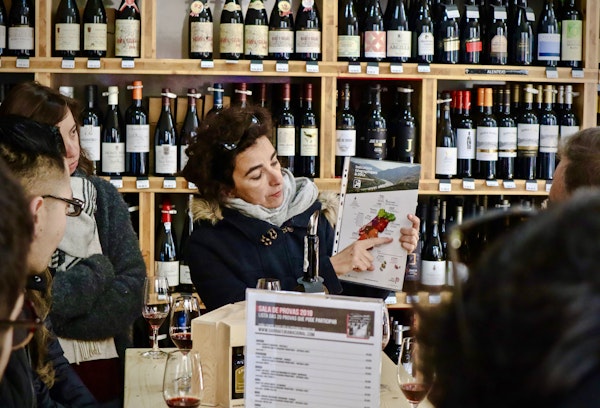
Authentic Lisbon Food Walk in Mouraria
5.0(1)3 hr 20 minViewFrom$95
Private Guimaraes Walking Food Tour with Tastings
5.0(5)2 hoursViewFrom$76
NEW VIP Lisbon Progressive Dinner & Wine Tour with Eating Europe
5.0(58)3 hoursViewFrom$181
Brodie´s Taste of Lagos
5.0(8)4 hoursViewFrom$93
Insider tip
Food-tour timing. Book the food crawl for the slot you have the most appetite for, not just the cheapest time. The Lisbon tours run across many small tastings, so go in genuinely hungry and skip a big lunch. Popular tours fill the local-favourite seats first, so reserve a few days ahead in peak season.
Day 3: The Sintra day trip
Day three is the one that makes the trip. Sintra, the palace-dotted hill town in the forested slopes northwest of Lisbon, is close enough to visit and return the same day and unlike anything in the city. The hilltop Pena Palace with its riot of colours, the romantic gardens and hidden tunnels of the Quinta da Regaleira, and the Atlantic cliffs of Cabo da Roca beyond are the headline stops. The catch is logistics: Sintra's roads are narrow, parking is a nightmare, and the palaces run on timed entry that sells out, which is why a guided day trip is the low-stress choice for a first visit.
Top Sintra day trips from Lisbon

Sintra and Cascais Small-Group Day Trip from Lisbon
The most-reviewed Sintra day trip in the catalog - a small-group loop pairing the palaces of Sintra with the coast at Cascais.
4.8(7,646)8 hoursViewFrom$69
Best Sintra Day Trip From Lisbon – Pena, Cabo Da Roca & Cascais
A very highly rated full day linking Pena Palace, the Cabo da Roca cliffs, and Cascais - strong ratings at a lower price point.
5.0(499)8 hoursViewFrom$58
Sintra, Pena Palace, Cabo da Roca, Cascais Day Trip from Lisbon
One of the highest-rated Sintra loops in the catalog - Pena Palace, the westernmost cliffs of mainland Europe, and the Cascais coast in a full day.
5.0(396)9 hoursViewFrom$134
Sintra Half Day with Pena Palace and Regaleira from Lisbon
A shorter half-day focused on the two headline sights, Pena Palace and the Quinta da Regaleira - the pick if you want Sintra without a full day out.
4.9(450)5.5 hoursViewFrom$92
Pena Palace Jeep Safari
5.0(37)6 hoursViewFrom$93
Private Sintra Tour from Lisbon: Pena Palace, Cabo Roca & Cascais
5.0(113)8 hoursViewFrom$171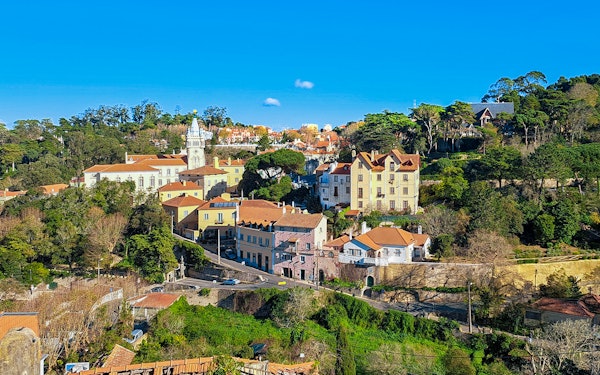
From Lisbon: Sintra, Belém, Pena Palace & Cascais Small Group Full-Day Trip
4.8(19)9 hoursViewFrom$83
From Lisbon: Sintra, Pena Palace & Quinta da Regaleira Full-Day Trip
4.6(38)8 hoursViewFrom$111
Sintra, Pena Palace, Cabo da Roca & Cascais Small-Group Tour
5.0(68)8 hoursViewFrom$90
Tour Sintra from Lisbon
5.0(81)7 hours - 8 hoursViewFrom$260
Whichever format you choose, start early. Sintra gets crowded by late morning, and the hilltop palaces have timed entry that fills up in peak season. The small-group tours handle the timing and the transport for you; if you go independently by train, buy your Pena Palace ticket in advance and take the local bus or a tuk-tuk up the hill rather than trying to walk it.
Browse all Lisbon day trips →More day trips and add-ons
If your trip stretches to four or five days, Lisbon gives you obvious ways to fill the extra time. The beach town of Cascais and the surf coast make an easy half day; the walled village of Obidos, the pilgrimage town of Fatima, and the towering monastery at Batalha pair up on a longer northern day trip; and the wine country and cliffs of the Arrabida peninsula south of the river reward anyone who has had their fill of city hills. Back in the city, a second Lisbon day lets you go deeper into a single quarter, the tiled churches and flea market of the Alfama, the boutiques of the Principe Real, or the riverfront and markets down by the water, without repeating yourself. The rule that holds across any length of stay is the one this itinerary is built on: cluster by area, give each day a theme, and leave room to wander.
Practical tips
Wear proper shoes. Lisbon's cobbles, the traditional calcada paving, are beautiful and treacherously slippery, especially on a slope or after rain. Thin soles and smooth-bottomed shoes are a mistake here.
Carry some cash. The city is card-friendly, but small cafes, tips, market stalls, and the odd tram fare still run more smoothly with coins and notes.
Watch your bag on tram 28. The famous sightseeing tram is also the city's busiest pickpocket route; ride it early or off-peak and keep valuables zipped and in front of you.
Start the Sintra day early. The palaces and the town both crowd by late morning, and timed entry to Pena Palace sells out; an early start buys you the quieter, cooler window.
Pace the hills. Three days of climbing is a lot on the legs, so build in a long sit-down meal each day and use the funiculars and trams for the steepest stretches rather than powering up every hill on foot.
Quick compare: anchor experiences by day
| Day | Theme | Anchor experience | From | Rating |
|---|---|---|---|---|
| 1 | Historic centre | Lisbon City Center Tour | $3 | ★4.9 (24,489) |
| 1 | Viewpoints | Lisbon TukTuk City Tour | $17 | ★4.8 (36) |
| 2 | Food | Undiscovered Lisbon Food & Wine Tour | $121 | ★5.0 (7,969) |
| 2 | River | Lisbon Sunset and Wine Sailing Tour | $64 | ★5.0 (2,808) |
| 3 | Day trip | Sintra and Cascais Small-Group Day Trip | $69 | ★4.8 (7,646) |
| 3 | Day trip | Sintra, Pena Palace, Cabo da Roca, Cascais | $134 | ★5.0 (396) |
Plan your trip
See all Lisbon tours and experiences →Is 3 days enough for Lisbon?
Three days is enough to see central Lisbon properly and still fit one big day trip, which for most first-timers is Sintra. The trick is to cluster by area rather than crisscross the hills: one day for the historic centre and viewpoints, one for Belem and the river with a food tour, and one out to Sintra. You will leave with a list of reasons to come back, which is exactly how most people feel about Lisbon.
How do you get around Lisbon as a tourist?
Central Lisbon is walkable but very hilly, so pace yourself and use the historic trams, funiculars, and the metro to skip the steepest climbs. Buy a rechargeable Viva Viagem card at any metro station and load it with zapping credit to tap onto trams, buses, funiculars, and the metro. For Sintra and Belem, trains and the region's own transport handle the distance, and a guided day trip removes the connection-juggling entirely.
What is the best area to stay in Lisbon for first-timers?
Baixa and Chiado put you in the flat, central grid within walking distance of most sights, which suits first-timers who want everything on the doorstep. Alfama is atmospheric and steeply historic but harder on the legs and on wheeled luggage. Principe Real and Avenida are calmer and a little more upmarket, with easy transit links. Wherever you stay, a base near a metro or tram line saves time everywhere.
Should I do a Sintra day trip on a 3-day Lisbon trip?
Yes, for most first-timers Sintra is the single best use of a third day. Its palaces and forested hills are unlike anything in the city, and it is close enough to visit and return the same day. Book a guided day trip or go independently by train, but start early: Sintra gets crowded by late morning and the hilltop palaces have timed entry that sells out in peak season.
How much should I budget for tours in Lisbon?
Lisbon is unusually good value. Short guided walking tours often start in the low double digits or run on a tips basis, food and wine tours sit in the middle, and full-day Sintra trips run higher because they include transport and a long day. A sensible plan is one paid experience per day, a walking tour, a food tour, and the Sintra day trip, which anchors the itinerary without overspending.
What food should I try in Lisbon?
A pastel de nata custard tart, bacalhau (salt cod) in one of its many forms, grilled sardines in season, a bifana pork sandwich, and a glass of vinho verde or a local red. Ginjinha, the cherry liqueur, is the classic small-glass nightcap. The easiest way to cover a lot of it without guesswork is a guided food and wine tour, which lines up several tastings across local spots you would not find alone.
Is 3 days in Lisbon enough to also see Sintra?
Yes, and it is the standard plan. Two full days in the city plus one day in Sintra is the classic three-day shape, and it works because Sintra is a straightforward day trip rather than a separate journey. If you would rather stay in the city, you can swap Sintra for a second, deeper day in Lisbon, but most first-timers are glad they made the trip out.
Do you need to book Lisbon tours in advance?
The popular food tours and the small-group Sintra day trips sell out in peak season, so book those a few days to a week ahead. Short walking tours you can usually pick up a day or two out. If you plan to enter Sintra's Pena Palace independently, reserve a timed ticket in advance, because on-the-day tickets often sell out by midday in the busy months.
Is Lisbon a walkable city?
Yes, but with a serious caveat: it is built across seven hills, so walkable does not mean flat. Central Baixa is level, but Alfama, the Bairro Alto, and most of the best viewpoints involve real climbs and cobbled, sometimes slippery streets. Wear proper shoes, and lean on the trams and funiculars for the steepest stretches rather than powering up every hill on foot.
When is the best time to visit Lisbon?
Spring (April to June) and early autumn (September to October) are the sweet spots: warm, bright, and less crowded than midsummer. July and August are hot and busy, with peak crowds in Sintra and along the coast. Winter is mild, quiet, and often sunny, with the trade-off of shorter days and cooler evenings. The city works year round, and the food and viewpoints do not close for the season.
Keep reading
Mehr Lektüre
Weitere Leitfäden zur Reiseplanung

2 Days in Lisbon: The Itinerary That Handles the Hills
Two days in Lisbon, planned around the terrain rather than the map - what to book, what to walk, and why the second day should leave the city.

The Best Day Trips from Lisbon: Sintra, Cascais, Obidos and More
The best day trips from Lisbon ranked by what deserves a full day: Sintra, Cascais and Cabo da Roca, Obidos and Fatima, and Evora, with top-rated tours.

Lisbon Travel Guide: First-Time Visitor Essentials for 2026
A practical 2026 Lisbon travel guide: where to stay, how to handle the hills, the Belem ticket strategy, fado and food, and the day trips worth planning around.

Belem Tower Tickets: The 2026 Guide to Entry, Jerónimos Monastery, and the Best Belem Tours
A no-fluff 2026 guide to Belem Tower tickets - entry options compared, how to combine with Jerónimos Monastery, and the best bike and walking tours of Belem.

Sintra-Tagesausflug von Lissabon: Tickets, Züge und welche Paläste man sehen sollte
Alles für einen Sintra-Tagesausflug: Welche Palasttickets man kaufen sollte, wie der Zug von Lissabon funktioniert, welche Sehenswürdigkeiten Priorität haben, und ob eine Führung sinnvoll ist.

Dinge, die man in Lissabon tun kann: 20 Erlebnisse, die sich 2026 lohnen
Eine Lissabon-Kurzliste für 2026 - 20 Erlebnisse, Tagesausflüge und Food-Touren, bewertet nach echtem Wert, mit Nachbarschaftstipps und ehrlicher Preisangabe.

1 Tag in London: Ein realistischer Reiseplan, der den Tag nicht verschwendet
Ein Tag in London, geplant rund um das, was wirklich machbar ist - eine Strecke zu Fuß durch die Innenstadt, die zwei Dinge, die sich zu buchen lohnen, und die Fallen, die je eine Stunde fressen.

1 Tag in Paris: Das Programm, das passt, und das, das nicht passt
Ein Tag in Paris, geplant nach echten Entfernungen - was man buchen sollte, was man zu Fuß erledigt, was man auslässt und warum drei Museen an einem Tag der klassische Fehler ist.