LisbonListicleDay tripsFoodPortugal
Things to Do in Lisbon: 20 Experiences Worth Booking in 2026
A 2026 Lisbon shortlist - 20 experiences, day trips, and food tours ranked by what's actually worth booking, with neighborhood notes and honest price-band guidance.
By SimilarTours Editorial · Travel Research · · 21 min read

Lisbon rewards the kind of traveler who likes to walk and look up. The city spreads across seven hills above the Tagus, stacked with tiled facades, hilltop castles, and viewpoints that turn an ordinary stroll into the best part of your day. It's compact enough to cover on foot, cheap enough to linger in, and close enough to a world-class day trip (Sintra) that most people wish they'd booked an extra night.
This guide is the shortlist. 20 experiences worth booking in 2026, grouped so you can grab the right block depending on whether you're here for the historic core, the food, the river, or a day out of town. Each entry has the basics - rough price band, where it sits, and one specific reason it earns a slot - plus what to skip if you're tight on time.
Prices and availability come from our partner OTAs at fetch time; every "from" figure below is the lowest live adult fare we've seen this week. Final cost depends on date, group size, language, and any add-ons at checkout.
Browse all Lisbon tours and tickets →The historic core
Start here. Belém and Alfama hold most of Lisbon's headline sights, and they bookend the city east to west along the river.
1. Jerónimos Monastery (Belém)
Quick facts
- Price band - Around €12-€18 entry · guided combos higher
- Duration - 1-1.5 hours inside
- Neighborhood - Belém - 15 minutes west by tram 15 or train
- Best for - First visits, architecture, anyone doing Belém
- Book ahead? - Yes in summer - the line builds by mid-morning
The single most impressive building in Lisbon. The Jerónimos Monastery is a sprawling 16th-century complex in the ornate Manueline style, all carved stone ropes, sea monsters, and cloisters that took most of a century to finish. It's a UNESCO World Heritage site and the reason Belém is on every itinerary. Go early or late - the midday queue for a self-guided ticket can swallow an hour. The adjoining church (free to enter, separate from the paid cloister) holds the tomb of Vasco da Gama.
2. Belém Tower
Quick facts
- Price band - Around €8-€12 entry
- Duration - 45 minutes
- Neighborhood - Belém riverfront, 10-minute walk from the monastery
- Best for - Photos, history, pairing with the monastery
- Book ahead? - Worth it in peak season
The other half of Belém's UNESCO pairing - a small fortified tower jutting into the Tagus, built in the early 1500s to guard the harbor. The inside is modest and the spiral stairs get a one-in-one-out bottleneck at busy times, so the tower is as much about the photo from the riverbank as the climb. Combine it with the monastery, the nearby Monument to the Discoveries, and a pastel de nata in one easy half-day on foot.
Belém timing
Do Belém first thing or late afternoon. The monastery and tower both run timed-entry queues that peak 11am to 3pm, and the famous custard-tart shop nearby has its own line by lunchtime. A morning start clears all three before the crowds.
3. Alfama district + tram 28
Quick facts
- Price band - Free to wander · tram fare a few euros
- Duration - 2-3 hours
- Neighborhood - Alfama - the old Moorish quarter east of the center
- Best for - Atmosphere, photography, no booking needed
Alfama is the oldest part of Lisbon and the one that survived the 1755 earthquake - a maze of stepped lanes, drying laundry, and tiny fado bars that's best explored without a map. The classic yellow tram 28 grinds right through it, and the ride from Martim Moniz up through Graça and Alfama is a sightseeing trip in itself. Two honest warnings: tram 28 is famously crowded and a known pickpocket spot, so ride early and keep your bag in front. If the queue is brutal, walk it instead - the lanes are the point.
Top Lisbon walking tours

Best of Lisbon Small-Group Guided Walking Tour
Alfama, Baixa, and the viewpoints with a local guide - the standard orientation walk for a first morning.
4.9(5,220)3 hoursViewFrom$22
Lisbon city tour on history, culture and current topics
5.0(73)3 hr 30 minViewFrom$47
Alfama and the Castle of Saint George Skip the line Tour
5.0(60)3 hoursViewFrom$39
Best of Lisbon Private Walking Tour
4.9(425)3 hoursViewFrom$80
Walking Tour of Mouraria & Alfama with Dinner & Live Fado Show
5.0(1)ViewFrom$75
Lisbon Walking Tour - The Perfect Introduction to the City
4.9(742)2 hr 30 minViewFrom$1
Almada’s Tale: A Self-Guided Audio Tour
1 hr 30 min - 2 hoursViewFrom$12
Lisbon City Center Tour - The Unmissable Lisbon
5.0(26,895)2 hr 30 minViewFrom$3
Lisbon Guided Walking Tour
0.0(0)3 hoursViewFrom$22
Historical Walking Tour of Lisbon
4.9(82)2 hr 45 minViewFrom$3
4. São Jorge Castle
Quick facts
- Price band - Around €15 entry
- Duration - 1.5 hours
- Neighborhood - Top of the Alfama hill
- Best for - City views, pairing with an Alfama walk
- Book ahead? - Skip-the-line ticket helps in summer
A Moorish-era hilltop castle crowning Alfama, more about the ramparts and the panorama than grand interiors. The walk up is steep (this is where a tuk-tuk earns its fare), but the payoff is the best 360-degree view in central Lisbon, out over the red roofs to the river and the 25 de Abril Bridge. Time it for late afternoon and stay for the light.
5. Praça do Comércio + the Baixa grid
Quick facts
- Price band - Free
- Duration - 1 hour
- Neighborhood - Baixa - the flat downtown core
- Best for - First evening, easy walking, no booking
After the 1755 earthquake leveled downtown, Lisbon rebuilt the Baixa as a clean grid of pedestrian streets running down to the river. It ends at the Praça do Comércio, a huge riverfront square open to the Tagus on one side and framed by arcades on the other. Walk through the triumphal arch on Rua Augusta, climb it for a cheap rooftop view, and use the square as your orientation point - it's flat, central, and where most walking tours begin.
Food and drink
Lisbon eats well and cheaply. This is the block to build an evening around.
6. A Portuguese food tour
Quick facts
- Price band - From $70 (small group)
- Duration - 3-3.5 hours
- Neighborhood - Usually Mouraria, Alfama, or Baixa
- Best for - First-time food tour, evening, replacing dinner
The fastest way to understand Lisbon's food without trial and error. A good small-group tour runs 5-7 tastings - bacalhau (salt cod), petiscos (the Portuguese answer to tapas), cheese and cured meats, a pastel de nata, and a few glasses of Portuguese wine or a shot of ginjinha. Most start late afternoon and run into the evening, which means it doubles as dinner. The top-rated operators book out a week ahead in high season.
Top Lisbon food and wine tours

Devour Lisbon: The Ultimate Portuguese Food Tour
Small-group tasting crawl through local spots - one of the highest-rated food tours in the city.
4.9(2,051)3.5 hoursViewFrom$75
Lisbon Small-Group Portuguese Food and Wine Tour
A relaxed evening crawl of petiscos, cheese, and wine with a guide who knows the family-run places.
4.8(4,395)3 hoursViewFrom$78
Undiscovered Lisbon Food & Wine Tour by Eating Europe
The premium pick - more stops, smaller group, thousands of five-star reviews.
5.0(7,678)4 hoursViewFrom$123
Lisbon Food Tour: Pesticos and Wine Tasting
0.0(0)3 hoursViewFrom$80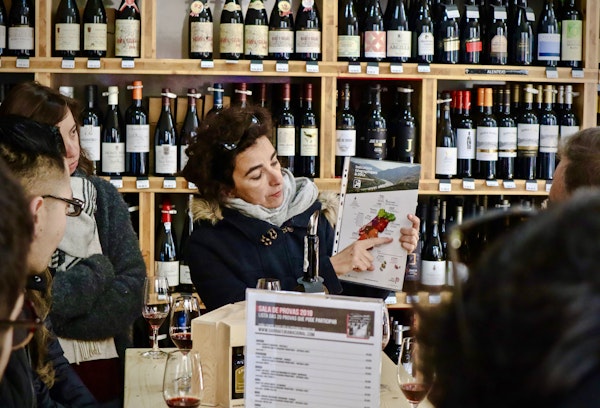
Authentic Lisbon Food Walk in Mouraria
5.0(1)3 hr 20 minViewFrom$95
Best of Lisbon Small-Group Guided Walking Tour
4.9(5,583)3 hours - 4 hoursViewFrom$22
Authentic Lisbon Food Walk in Baixa
4.0(1)3 hoursViewFrom$77
Brodie´s Taste of Lagos
5.0(8)4 hoursViewFrom$90Lisbon City Center Tour - The Unmissable Lisbon
5.0(26,895)2 hr 30 minViewFrom$3
Lisbon's authentic Food and Wine tour with a Winemaker
5.0(74)3 hoursViewFrom$130
7. Pastéis de nata at the source
Quick facts
- Price band - A couple of euros per tart
- Duration - 30 minutes
- Neighborhood - Belém (the original) or anywhere in the city
- Best for - Everyone - this is non-negotiable
The custard tart Lisbon is famous for. The original recipe has been served from the same shop near the Jerónimos Monastery since 1837, and the line moves faster than it looks because most of the volume is takeaway. You'll find excellent versions all over the city too, so don't stress if Belém's queue is long - dust yours with cinnamon and eat it warm.
8. Time Out Market
Quick facts
- Price band - Pay per dish · no entry fee
- Duration - 1-2 hours
- Neighborhood - Cais do Sodré, in the old Mercado da Ribeira hall
- Best for - Groups who can't agree, a fast survey of Portuguese food
A curated food hall where a couple of dozen of the city's chefs and restaurants run stalls under one roof. It's touristy and busy at peak meal times, but it's also a genuinely good single-stop survey of Portuguese cooking - seafood, steaks, pastries, and wine without committing to one restaurant. Go slightly off-peak (mid-afternoon or early evening) to actually find a seat.
9. A Lisbon cooking class
Quick facts
- Price band - $50-$90 typical
- Duration - 3-4 hours
- Neighborhood - Varies - often includes a market visit
- Best for - Rainy days, food lovers, a hands-on evening
A step beyond the food tour: many classes start with a market shop and end with you cooking (and eating) a Portuguese meal - often bacalhau or a seafood cataplana, finished with pastéis de nata from scratch. It's one of the better wet-weather options and a relaxed way to spend an evening with a small group.
See Lisbon cooking classes →On the water and through the hills
Lisbon is a river city built on slopes. Two of its best experiences play to exactly that.
10. A sunset cruise on the Tagus
Quick facts
- Price band - From $40
- Duration - 2 hours
- Neighborhood - Departs from Belém or Doca de Santo Amaro
- Best for - Couples, golden hour, a calm evening
The skyline reads differently from the water - the castle, the bridge, and the Belém monuments all line up along the riverbank, and the light at sunset is the reason to go. Options range from quiet traditional sailboats with a glass of wine to livelier catamaran party cruises, so read the description before you book. April through October is the reliable window.
Top Lisbon sunset cruises

2-Hour Lisbon Traditional Boats Sunset Cruise with White Wine
A calm sail on a classic wooden boat with wine included - thousands of reviews and a steady favorite.
4.7(2,188)2 hoursViewFrom$41
Lisbon Sunset Catamaran Cruise on the Tagus River
A roomier catamaran option for groups who want space to move and a drink in hand at golden hour.
4.8(132)2 hoursViewFrom$53
Cascais to Lisbon Sunset Cruise With Open Bar
5.0(24)2 hoursViewFrom$45
Lisbon Sunset DJ Party Cruise with Pizza & Drinks
4.6(209)2 hoursViewFrom$40
Lisbon Sunset Cruise on Tagus River
4.6(32)1 hr 30 minViewFrom$40
Lisbon Boat ride on Tagus river
4.1(340)1 hr 40 minViewFrom$22
Lisbon Sunset Experience: Cruise, Wine and Live Music by the Capt
5.0(72)2 hours - 3 hoursViewFrom$53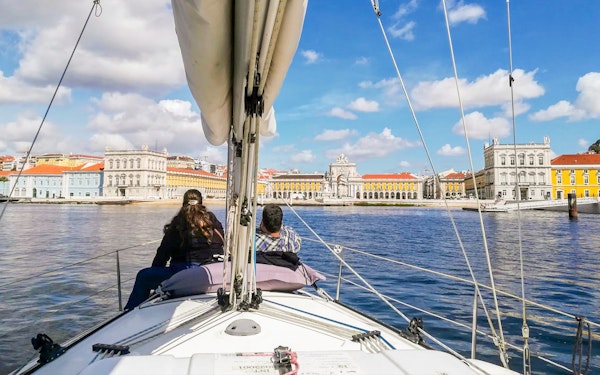
Private Sailing Cruise on Tagus River with Sunset Cruise
0.0(0)2 hoursViewFrom$481
Lisbon Sunset Cruise with Wine and Snacks
3.7(428)2 hoursViewFrom$35
2-Hour Night Cruise of Lisbon
4.5(2)2 hoursViewFrom$52
11. A tuk-tuk tour of the seven hills
Quick facts
- Price band - From $17 (shared) · private higher
- Duration - 1-3 hours
- Neighborhood - Alfama, Belém, and the viewpoints
- Best for - Skipping the climbs, older travelers, a fast overview
Lisbon's hills are charming until you're climbing your fifth set of stairs in the afternoon heat. A tuk-tuk fixes that - a small open electric three-wheeler that nips up the narrow Alfama lanes a car can't reach, hitting the castle, the cathedral, and the best miradouros in a single loop. It's the most efficient way to see the high ground without wearing yourself out, and the drivers double as guides.
Top Lisbon tuk-tuk tours

Private Lisbon Sightseeing Tuk-Tuk Tour: Alfama, Belem and More
A private loop through Alfama and Belém that skips the climbs - one of the most-booked tuk-tuk tours in the city.
4.9(4,696)2 hoursViewFrom$17
Lisbon Highlights: Private Tuk Tuk Tour Adventure
A longer private route covering the viewpoints and old town with a near-perfect rating.
5.0(3,796)3 hoursViewFrom$101
Experience Tuk-Tuk Lisbon Tour 1 - 3hours
5.0(65)3 hoursViewFrom$53
3 Hour Lisbon Private Guided Tour via Tuk Tuk
5.0(130)3 hoursViewFrom$115
All City Premium Private Guided Tour by Tuk-Tuk in Lisbon
5.0(288)4 hoursViewFrom$175
Private Tuk-Tuk: Certified Guide & Inn Pickup
5.0(48)2 hoursViewFrom$65
Welcome Tour to Lisbon in Private Eco Tuk Tuk with a Local
4.9(2,156)1 hour - 4 hoursViewFrom$16
Lisbon Hills secrets, soul and insights all in 1 TukTuk ride
5.0(66)1 hr 30 minViewFrom$166
Private Tuk-tuk Tour of Lisbon and Belém
5.0(46)4 hours - 4 hr 30 minViewFrom$118
Lisbon Historic City Tour by Tuk-Tuk
4.8(123)1 hr 30 min - 4 hoursViewFrom$69
Music and after dark
12. A fado show in Alfama
Quick facts
- Price band - From $20 (show) · $60-$90 (dinner + show)
- Duration - 1.5-2.5 hours
- Neighborhood - Alfama or Bairro Alto
- Best for - An evening, culture lovers, couples
Fado is Lisbon's soul music - melancholic, voice-and-guitar laments that were born in the working-class quarters and are now recognized by UNESCO as intangible cultural heritage. The intimate venues in Alfama are the real thing; you can book a ticket-only show or a dinner-and-fado evening. The smaller the room, the better the experience, so favor the venues that cap the audience over the big tour-bus halls.
Top Lisbon fado shows

Lisbon: Fado Show With Wine and History
A small-room fado evening with wine and context - the easy, well-reviewed introduction.
4.8(101)2 hoursViewFrom$23
Fado Show with Port Wine at Historic Lisboa em Fado
A historic Alfama venue pairing live fado with a glass of port - intimate and central.
4.7(295)1.5 hoursViewFrom$19
Fado Concert with Welcome Drink
5.0(105)1 hourViewFrom$14
Tickets to Fado in Chiado
4.7(92)50 minutesViewFrom$27
Fado in Chiado - Live Show in Lisbon on Stage for 17 Years
4.6(682)50 minutesViewFrom$26
Porto: Fado Show with Guided Tour in a Historic Monastery
5.0(1)ViewFrom$30
Lisbon Fado Experience: Walking Tour, Dinner and Live Music Show
4.5(394)4 hoursViewFrom$63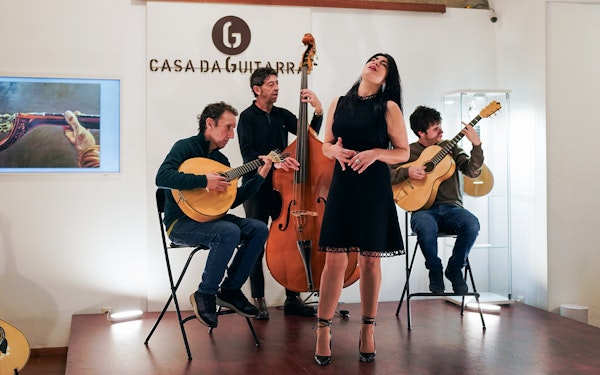
Tickets to Fado Show at Casa da Guitarra
4.8(32)1 hourViewFrom$23
Lisbon: Authentic Live Fado Show in Alfama With Port Wine
5.0(59)1 hourViewFrom$22Walking Tour of Mouraria & Alfama with Dinner & Live Fado Show
5.0(1)ViewFrom$75
13. The miradouros at golden hour
Quick facts
- Price band - Free
- Duration - As long as you like
- Neighborhood - Scattered across the hills
- Best for - Sunset, photography, a cheap drink with a view
Lisbon's viewpoints - the miradouros - are a genuine attraction, not an afterthought. Senhora do Monte gives the widest panorama, Portas do Sol frames Alfama tumbling down to the river, and São Pedro de Alcântara looks across at the castle from Bairro Alto. Several have a kiosk café, so the move is a sunset drink with the whole city below you, for the price of a beer.
Day trips
14. Sintra (with Cabo da Roca + Cascais)
Quick facts
- Price band - From $59 (small-group day tour) · train + tickets cheaper but more work
- Duration - Full day
- Neighborhood - 40 minutes northwest of Lisbon
- Best for - Everyone with a spare day - the standout day trip
- Book ahead? - Yes - Pena Palace uses timed entry and sells out
If you do one thing outside the city, do Sintra. A forested hill town of fairytale palaces - the candy-colored Pena Palace up top, the romantic gardens and initiation well of Quinta da Regaleira, and the ruined Moorish Castle on the ridge. It's stunning and it's busy, which is exactly why a small-group day tour pays off: it handles the transport, the timed Pena entry, and usually adds Cabo da Roca (the westernmost point of mainland Europe) and the seaside town of Cascais on the way back. Doing it solo by train is cheaper but you'll spend the day managing logistics and queues.
Top Sintra day trips from Lisbon

Sintra and Cascais Small-Group Day Trip from Lisbon
The most-booked Sintra tour - Pena Palace, Cabo da Roca, and Cascais in one well-run day with thousands of reviews.
4.8(7,533)8 hoursViewFrom$70
Best Sintra Day Trip: Pena, Cabo da Roca and Cascais
A tightly-run small-group route with a near-perfect rating - good value for the full Sintra loop.
5.0(469)8.5 hoursViewFrom$59
Sintra Private Customizable Day Trip from Lisbon
The private upgrade - your own pace and stops, ideal for families or anyone wanting to skip the group timetable.
5.0(1,679)8 hoursViewFrom$165
PRIVATE Unforgettable Full Day Tour to Sintra from Lisbon
5.0(264)10 hours - 11 hoursViewFrom$182
From Lisbon: Sintra, Pena Palace & Quinta da Regaleira Full-Day Trip
4.6(38)8 hoursViewFrom$111
From Lisbon: Sintra, Pena Palace, Cabo da Roca, Cascais & Quinta de Regaleira Full-Day Trip
4.7(419)8 hoursViewFrom$28
Tour Sintra from Lisbon
5.0(81)7 hours - 8 hoursViewFrom$260
Private Sintra Tour from Lisbon: Pena Palace, Cabo Roca & Cascais
5.0(113)8 hoursViewFrom$171
Sintra, Pena Palace, Cabo da Roca, Cascais Day Trip from Lisbon
5.0(404)8 hours - 9 hoursViewFrom$97
Private Monuments Tour in Sintra from Lisbon
5.0(64)8 hoursViewFrom$296
15. Cascais and the Estoril coast
Quick facts
- Price band - Train fare only if self-guided
- Duration - Half to full day
- Neighborhood - 40 minutes west by train along the coast
- Best for - Beaches, an easy half-day, summer
A breezy seaside town at the end of a scenic coastal train line from Cais do Sodré. Cascais has a walkable old center, a marina, and a string of beaches that make it the easiest summer escape from the city. The train itself runs right along the water - sit on the left going out. If you're not doing a full Sintra tour, this is the low-effort coastal day.
16. Óbidos or the Arrábida coast
Quick facts
- Price band - Day-tour pricing varies
- Duration - Full day
- Neighborhood - 1 hour north (Óbidos) or south (Arrábida)
- Best for - Second-day-trip travelers, slower itineraries
Once you've done Sintra, the next-tier day trips split two ways. Óbidos is a perfectly preserved walled medieval village north of Lisbon, famous for ginjinha served in a chocolate cup. South across the bridge, the Arrábida Natural Park has some of the clearest beaches near the capital and the wine town of Setúbal. Both are quieter than Sintra and reward a return visit.
Modern and offbeat
17. LX Factory
Quick facts
- Price band - Free to wander
- Duration - 1-2 hours
- Neighborhood - Alcântara, under the 25 de Abril Bridge
- Best for - Coffee, design shops, a change of pace
A former industrial complex turned creative village - independent shops, street art, bookstores, cafés, and restaurants packed into old factory buildings literally beneath the big red bridge. It's the antidote to monument fatigue, good for a relaxed lunch or a Sunday browse, and the architecture-meets-graffiti backdrop is one of the city's better photo spots.
18. MAAT and the Belém waterfront walk
Quick facts
- Price band - Around €5-€11 museum entry · the walk is free
- Duration - 1-2 hours
- Neighborhood - Belém riverfront
- Best for - Architecture, a riverside stroll, modern art
The Museum of Art, Architecture and Technology is a sleek wave-shaped building on the Belém waterfront whose roof you can walk up for river views even without a ticket. Pair it with the riverside promenade past the Monument to the Discoveries - it's the modern counterpoint to Belém's 16th-century stone, and the walk back toward the bridge at sunset is one of the city's quiet pleasures.
19. Oceanário de Lisboa
Quick facts
- Price band - Around €25 entry
- Duration - 1.5-2 hours
- Neighborhood - Parque das Nações, east of the center
- Best for - Families, rainy days, kids
One of Europe's largest aquariums, built around a single enormous central tank you can view from multiple levels. It anchors the modern Parque das Nações riverfront (the old Expo '98 site), which also has a cable car and open promenades. It's the best rainy-day option in the city for families and consistently one of Lisbon's top-rated paid attractions.
20. Unusual Lisbon: street-art and viewpoint walks
Quick facts
- Price band - Free to low-cost guided
- Duration - 2-3 hours
- Neighborhood - Mouraria, Graça, Marvila
- Best for - Repeat visitors, photographers, slow travelers
Once the headline sights are done, Lisbon's offbeat side opens up: the large-scale murals around Mouraria and Graça, the up-and-coming riverside warehouses of Marvila with their craft-beer taprooms, and the quieter viewpoints the tour groups skip. A themed guided walk surfaces the corners you'd never find alone, and it's the kind of half-day that makes a second Lisbon trip feel different from the first.
How to pick from this list, fast
- One day in Lisbon: Belém in the morning (monastery + tower + a pastel de nata), Alfama and the castle in the afternoon, fado in the evening.
- Two days: Add the Baixa and Bairro Alto, a food tour, and a sunset cruise or the miradouros.
- Three days: Add a Sintra day trip - it's the one thing worth rearranging your schedule for.
- Four days: Add Cascais or LX Factory and the Belém waterfront, plus a cooking class or the Oceanário.
- Five days: Add a second day trip (Óbidos or Arrábida) and a slow, offbeat neighborhood walk.
Common questions
How many days do you need in Lisbon?
Two to three full days covers the city comfortably - one day for Belém and the riverfront, one for Alfama and the castle hill, and a third for Bairro Alto, the viewpoints, and a food tour. Add a fourth day if you want to do Sintra, which deserves its own day rather than a rushed afternoon.
What are the top things to do in Lisbon?
The headline list is the Jerónimos Monastery and Belém Tower in Belém, the Alfama district topped by São Jorge Castle, a ride on tram 28, the Time Out Market food hall, a fado show in the evening, and a day trip to Sintra. Those six anchor almost every first-time itinerary.
Is Sintra worth a day trip from Lisbon?
Yes - it's the single best day trip from Lisbon. The Pena Palace, the Moorish Castle, and Quinta da Regaleira sit in a forested hill town about 40 minutes by train from Rossio station. Most people pair Sintra with Cabo da Roca (mainland Europe's westernmost point) and the seaside town of Cascais on a small-group day tour.
What's the best way to get around Lisbon?
Walk the flat Baixa grid, take the metro for longer hops, and use the famous tram 28 for the hilly Alfama and Graça stretch. Lisbon is steep - a tuk-tuk tour is the easiest way to cover the seven hills without the climb, and rideshare is cheap for late nights.
What food should you try in Lisbon?
Start with a pastel de nata (custard tart) - the original recipe is still served near the Jerónimos Monastery. Then bacalhau (salt cod) in any of its many forms, grilled sardines in summer, fresh seafood, and a glass of ginjinha (sour-cherry liqueur) from a hole-in-the-wall bar. A guided food tour is the fastest way to taste all of it without guesswork.
What are some free things to do in Lisbon?
The miradouros (viewpoints) like Senhora do Monte and Portas do Sol cost nothing and frame the best city views. Wandering Alfama's lanes, standing in the riverfront Praça do Comércio, browsing the LX Factory creative complex, and watching the sunset from the Tagus waterfront are all free. The beaches along the Cascais train line are a free half-day in summer.
When is the best time to visit Lisbon?
Spring (March to May) and early autumn (September to October) are the sweet spots - warm, dry, and far less crowded than July and August, when the city is hot and the Sintra and Belém queues are longest. Winters are mild and cheap, with the trade-off of shorter days and occasional rain.
Do you need to book Lisbon attractions in advance?
For Sintra's Pena Palace, yes - it uses timed entry and sells out in peak months. Belém Tower and the Jerónimos Monastery are worth pre-booking to skip the worst lines, and popular fado dinners fill up. The viewpoints, neighborhoods, and the Time Out Market need no booking at all.
Keep reading
Nearby city
Things to do in Barcelona: the experiences worth booking
The Iberian peninsula's other great city break - Gaudí, the beach, and the food, ranked by what's actually worth your time.
Read more
Save money
Cheapest attraction tickets: how to pay less at the big sights
Where skip-the-line is worth it, where it isn't, and how to find the lowest live fare before you book.
Read more
Book smart
How to compare tour prices across booking sites
The same tour often lists at different prices on different sites - here's how to check before you commit.
Read more
Book smart
Are tour booking sites worth it?
When booking ahead online beats buying at the gate, and when it doesn't.
Read more
More destinations
Things to do in Rome: experiences worth your time
Another southern-Europe classic - the headline ruins, the food, and the day trips, cut down to a usable shortlist.
Read more
More reads
More guides to help you plan your trip

2 Days in Lisbon: The Itinerary That Handles the Hills
Two days in Lisbon, planned around the terrain rather than the map - what to book, what to walk, and why the second day should leave the city.

The Best Day Trips from Lisbon: Sintra, Cascais, Obidos and More
The best day trips from Lisbon ranked by what deserves a full day: Sintra, Cascais and Cabo da Roca, Obidos and Fatima, and Evora, with top-rated tours.

Lisbon Travel Guide: First-Time Visitor Essentials for 2026
A practical 2026 Lisbon travel guide: where to stay, how to handle the hills, the Belem ticket strategy, fado and food, and the day trips worth planning around.

3 Days in Lisbon: The Perfect First-Timer's Itinerary
A 3-day Lisbon itinerary that flows: the historic hills on day one, Belem and a food tour on day two, and Sintra on day three, with the top-rated tours at each stop.

Belem Tower Tickets: The 2026 Guide to Entry, Jerónimos Monastery, and the Best Belem Tours
A no-fluff 2026 guide to Belem Tower tickets - entry options compared, how to combine with Jerónimos Monastery, and the best bike and walking tours of Belem.

Sintra Day Trip from Lisbon: Tickets, Trains, and Which Palaces to Pick
Everything a Sintra day trip needs: which palace tickets to buy, how the train from Lisbon works, which sights to prioritise, and whether to take a tour.

The Cost of a Guided Walking Tour: What 50 Cities Actually Charge in 2026
We measured the price of every guided walking tour in our cross-platform catalog across 50 cities. The median is $50. The more useful number is how far prices spread inside a single city.

1 Day in London: A Realistic Itinerary That Does Not Waste the Day
One day in London, planned around what actually fits - a walkable route through the centre, the two things worth booking, and the traps that eat an hour each.