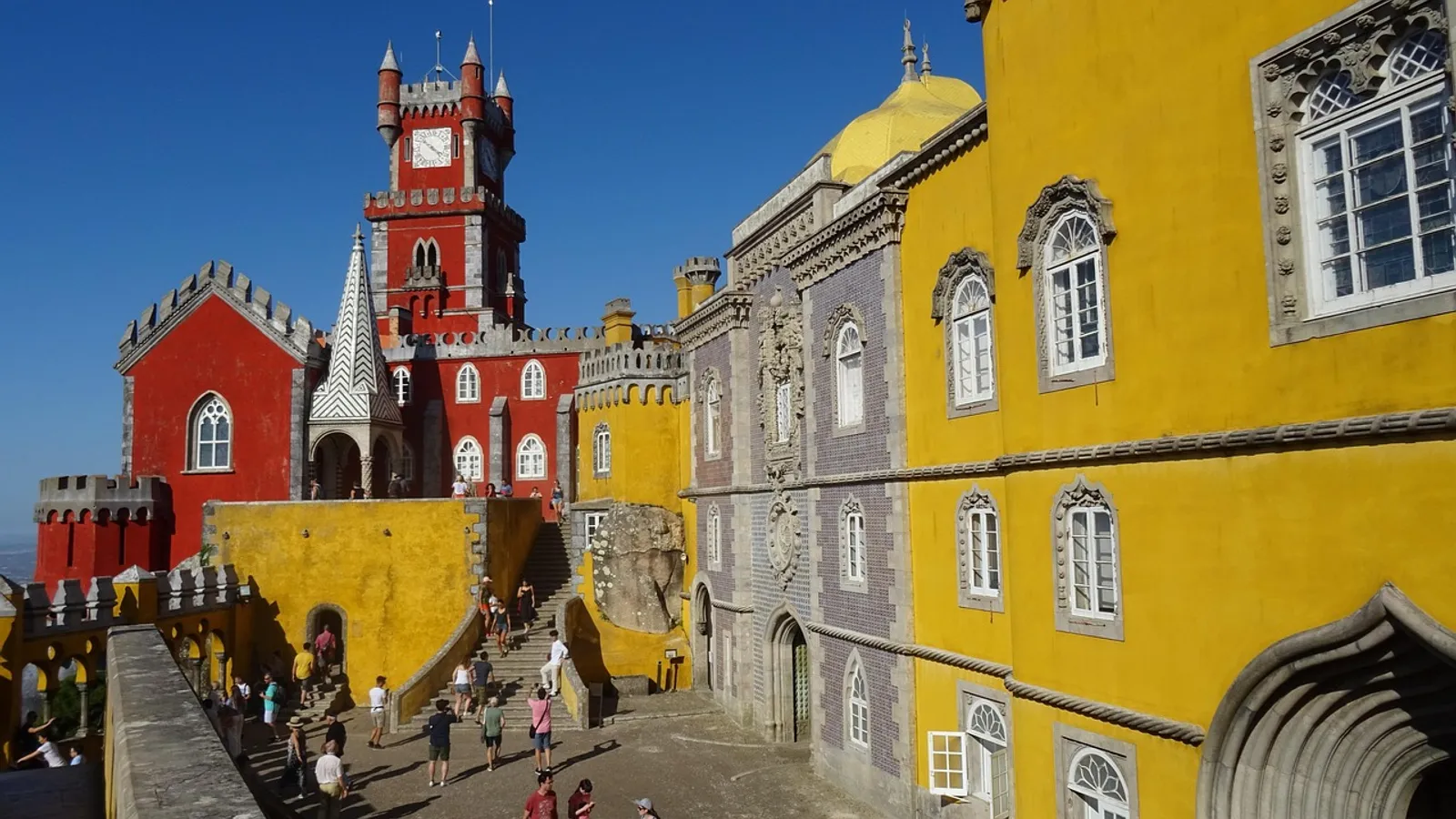
This Lisbon travel guide answers the five choices a first trip turns on. Come between April and June or in September for warm days and less rain. Stay in Baixa or Chiado to walk to most sights. Use the metro for distance and trams for the hills. Buy a Lisboa Card only if you'll visit several paid sights in its hours. Book Belém and Pena Palace ahead: Belém's tickets often sell out, and Pena has fixed entry times.
- Days needed
- Three for the city, a fourth for Sintra
- Mildest months
- April to June and September
- Wettest month
- November, about 134 mm of rain on average
- Airport to centre
- Metro to Saldanha in about 18 minutes, €1.92
- Lisboa Card
- €31, €51 or €62 for 24, 48 or 72 hours (adult), checked 13 Nov 2026
- Closed days
- Many main museums and monuments close on Mondays; the Gulbenkian on Tuesdays
Lisbon at a glance: hills, river and neighborhoods
Lisbon is a hill town on a river. The centre sits on the north bank of the Tagus estuary, and the old districts climb the slopes on either side of the downtown grid. Visit Lisboa's traveller page puts it simply: "It is continental Europe's westernmost capital." The same page gives about 600,000 people in the city itself and about 3 million in the wider region (Visit Lisboa, checked 14 Nov 2026).
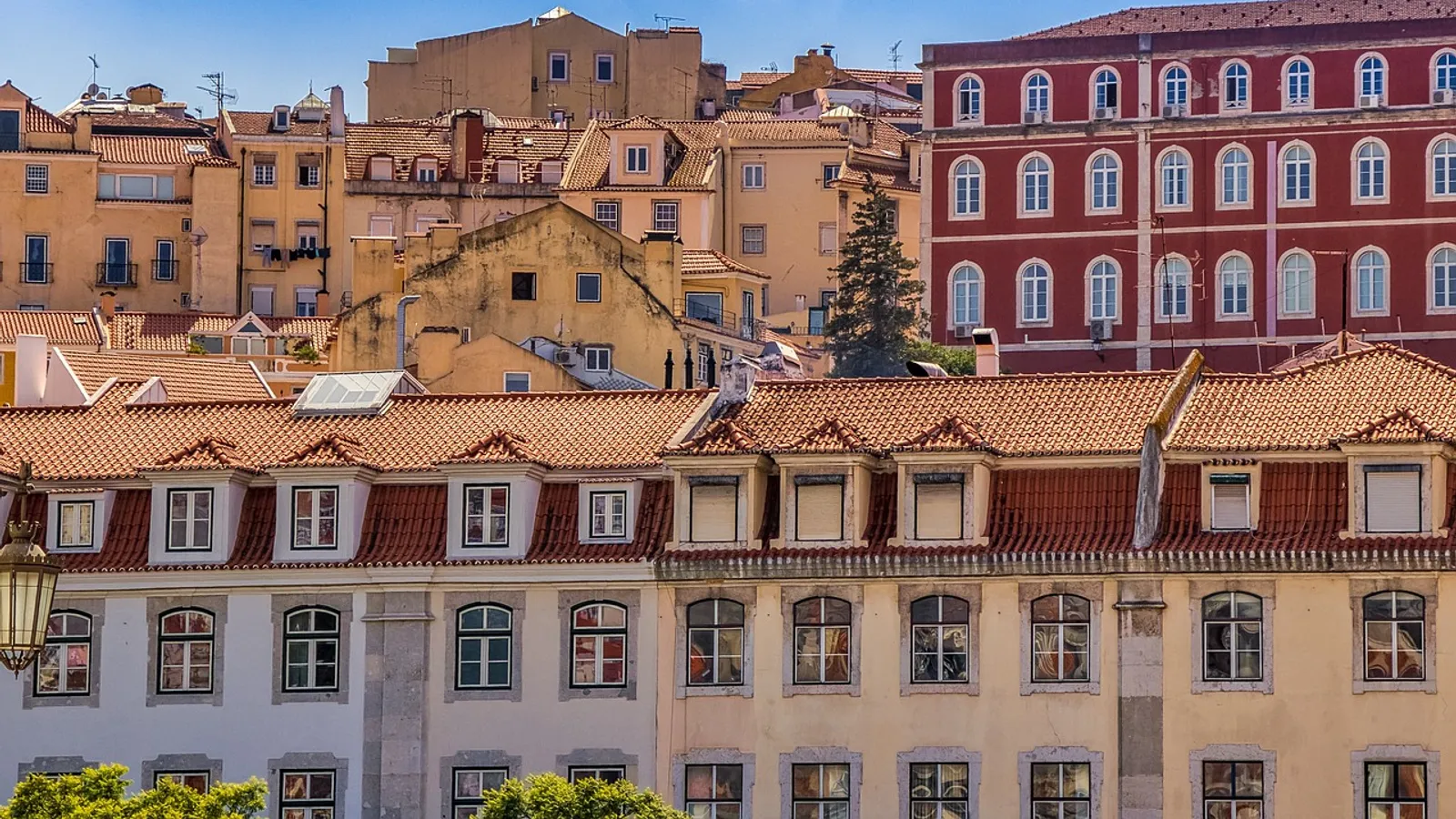
Baixa, the grid of straight streets between Rossio and Praça do Comércio, is the Pombaline downtown built after the 1755 earthquake (Visit Lisboa, Lisboa Centro). East of it, Alfama, Mouraria and Graça cover the castle hill. West of it, Chiado and Bairro Alto rise towards Príncipe Real. Belém lies downriver to the west, and Parque das Nações, the site of the 1998 World Exhibition, sits upriver in the east of the city (Visit Lisboa, Lisboa Oriente).
For the sights in each area, see things to do in Lisbon, sight by sight.
Arriving from the airport
The airport is about 7 km from the centre, according to Visit Lisboa. The metro station is a short covered walk from Terminal 1 arrivals, and Metropolitano de Lisboa gives the ride to Saldanha as 18 minutes, paid by tapping a contactless bank card at the gate for €1.92 (Metro, from the airport, checked 13 Nov 2026). For Rossio and Baixa you change at Alameda; for Marquês de Pombal, at Saldanha. The metro runs every day from 6:30 am to 1:00 am, the time the last train leaves each terminus (Metropolitano de Lisboa).
Best time to visit Lisbon
The best time to visit Lisbon for most first-timers is April to June or September. Average highs then run from about 20°C in April to about 27°C in September. April still sees about eight rainy days, but from May the count drops to six or fewer, so long days on foot are comfortable. July and August are the driest months but also the hottest. Rain picks up again in October and peaks in November.
IPMA, Portugal's national weather service, publishes 30-year averages (1991 to 2020) for its Lisboa Geofísico station, and the table uses them (IPMA climate normals, checked 13 Nov 2026).
| Month | Mean daily max | Mean daily min | Rain | Rainy days (1 mm or more) |
|---|---|---|---|---|
| January | 15.1°C | 8.6°C | 103.8 mm | 10.0 |
| February | 16.4°C | 9.1°C | 77.8 mm | 7.9 |
| March | 18.9°C | 11.0°C | 68.7 mm | 7.6 |
| April | 20.4°C | 12.3°C | 71.8 mm | 7.9 |
| May | 23.1°C | 14.4°C | 57.8 mm | 5.8 |
| June | 26.1°C | 16.8°C | 14.1 mm | 2.0 |
| July | 28.2°C | 18.2°C | 2.6 mm | 0.6 |
| August | 28.8°C | 18.8°C | 5.4 mm | 1.1 |
| September | 26.6°C | 17.6°C | 38.6 mm | 3.8 |
| October | 22.8°C | 15.3°C | 110.6 mm | 8.7 |
| November | 18.1°C | 11.8°C | 133.9 mm | 9.9 |
| December | 15.4°C | 9.4°C | 108.5 mm | 10.0 |
IPMA 1991 to 2020 normals, Lisboa Geofísico, checked 13 Nov 2026.
Two numbers in the same IPMA record change how summer feels. On average, August has about 10 days that reach 30°C or more, and July about 8.5, which is hard going on the hills at midday. At the other end, the normals show no days with a minimum at or below 0°C in any month, so winter in Lisbon means rain rather than cold.
June and September sit in between: hot afternoons and very little rain. If you plan a beach day on the coast, Visit Lisboa gives an average sea temperature of 19.5°C for July to September, against 17.5°C for April to June.
Lisbon in winter and the Christmas markets
Lisbon in winter is mild and wet: average highs of about 15°C to 16°C from December to February, and close to ten rainy days a month from November through January. Pack a waterproof and shoes with grip, because wet cobbles are slippery.
Winter brings shorter opening hours at some sights. Castelo de São Jorge, for instance, keeps winter hours from 1 November to the end of February: 9:00 am until 6:00 pm with the final admission at 5:30 pm, where summer closing is 9:00 pm (castle schedules, checked 13 Nov 2026). The castle shuts on 24 and 25 December, 1 January and 1 May, and from 1:00 pm on 31 December.
For Lisbon in December, the Christmas markets are the main draw. Visit Lisboa's event pages give these dates for the 2026 season (checked 14 Nov 2026):
- Rossio Christmas Market, from mid-November until 21 December 2026, with wooden stalls on Praça D. Pedro IV and an electric Christmas train that costs nothing to ride (event page). The organiser, the Associação de Dinamização da Baixa Pombalina, puts the train's ridership at more than 100,000 passengers in a year (ADBP).
- Wonderland Lisboa, 27 November 2026 to 3 January 2027 in Parque Eduardo VII, with a Ferris wheel, an ice rink and food stalls. Entry has no charge; the nearest metro stations are Parque and Marquês de Pombal (event page).
- Christmas lights, switched on at Praça do Comércio on 29 November 2026 at 6:30 pm, and with the programme running until 6 January 2027 (event page).
On a rainy day, head indoors to places that suit a long visit: the Gulbenkian Museum (closed on Tuesdays), the Oceanário (open every day), the National Coach Museum in Belém or the Fado Museum in Alfama. To fit these into a short winter break, see what to do with 3 days in Lisbon.
Where to stay in Lisbon on a first visit
Baixa or Chiado is the best area to stay in Lisbon on a first trip. Both are central, both connect to the metro, and from either you can walk to Alfama, Bairro Alto and the river. The other neighborhoods suit particular trips, and their drawbacks are mostly hills and noise.
| Area | Best for | Watch out for |
|---|---|---|
| Baixa and Chiado | First visits, short stays | Busy streets by day |
| Alfama, Mouraria and Graça | Old-town character, fado nights | Steep lanes, cobbles |
| Bairro Alto and Príncipe Real | Nightlife, restaurants, shops | Late-night noise in Bairro Alto |
| Cais do Sodré | Trains to Cascais, ferries, nightlife | Noisy at weekends |
| Avenida da Liberdade and Avenidas Novas | Wider streets, metro access | Less old-town feel |
| Belém | A quiet base by the river | A train or tram ride from the centre |
| Parque das Nações | Families, airport access | Far from the old districts |
Baixa and Chiado
Best for: a first trip of two to four days. Baixa runs from Rossio down to the riverside Praça do Comércio, the two squares joined by a pedestrian street, and Chiado sits on the slope just west of it. Visit Lisboa notes that leading figures of 19th and 20th century Portuguese culture met in Chiado's cafés, several of which are still there. From here you can reach Alfama, the castle and Bairro Alto on foot, and the metro stops at Rossio, Baixa-Chiado and Terreiro do Paço.
Alfama, Mouraria and Graça
Best for: travellers who want the old city outside the door. In Visit Lisboa's words, Alfama is the city's oldest and most traditional quarter; expect cobbles, steep inclines and fado houses (Alfama). Mouraria is where the Moors were allowed to live after the Christian conquest of 1147 and is linked to the early history of fado (Mouraria). Graça, above them both, has one of the city's best viewpoints. The trade-off is the climb: with heavy luggage or limited mobility, choose a street the taxi can reach.
Bairro Alto and Príncipe Real
Best for: evenings out. Visit Lisboa describes Bairro Alto, with its many bars and restaurants, as the place where a Lisbon night out begins (Bairro Alto). Príncipe Real is the calmer neighbour, with mansions, small gardens and shops, and sits by the São Pedro de Alcântara viewpoint (Príncipe Real). Light sleepers should pick Príncipe Real over Bairro Alto.
Cais do Sodré
Best for: day trips to Cascais and the coast. Cais do Sodré has the Cascais line terminus, a metro station and the ferry to Cacilhas, plus the Mercado da Ribeira food hall (Cais do Sodré). It is also where the night ends for many of Bairro Alto's crowd, so ask about soundproofing.
Avenida da Liberdade and Avenidas Novas
Best for: travellers who prefer wide, flatter streets and a quick metro ride everywhere. Avenida da Liberdade is the city's grand shopping avenue, and the Avenidas Novas beyond it have cycle lanes linking Marquês de Pombal, Saldanha and Entrecampos (Visit Lisboa, Lisboa Centro). Saldanha is the direct metro stop from the airport.
Belém
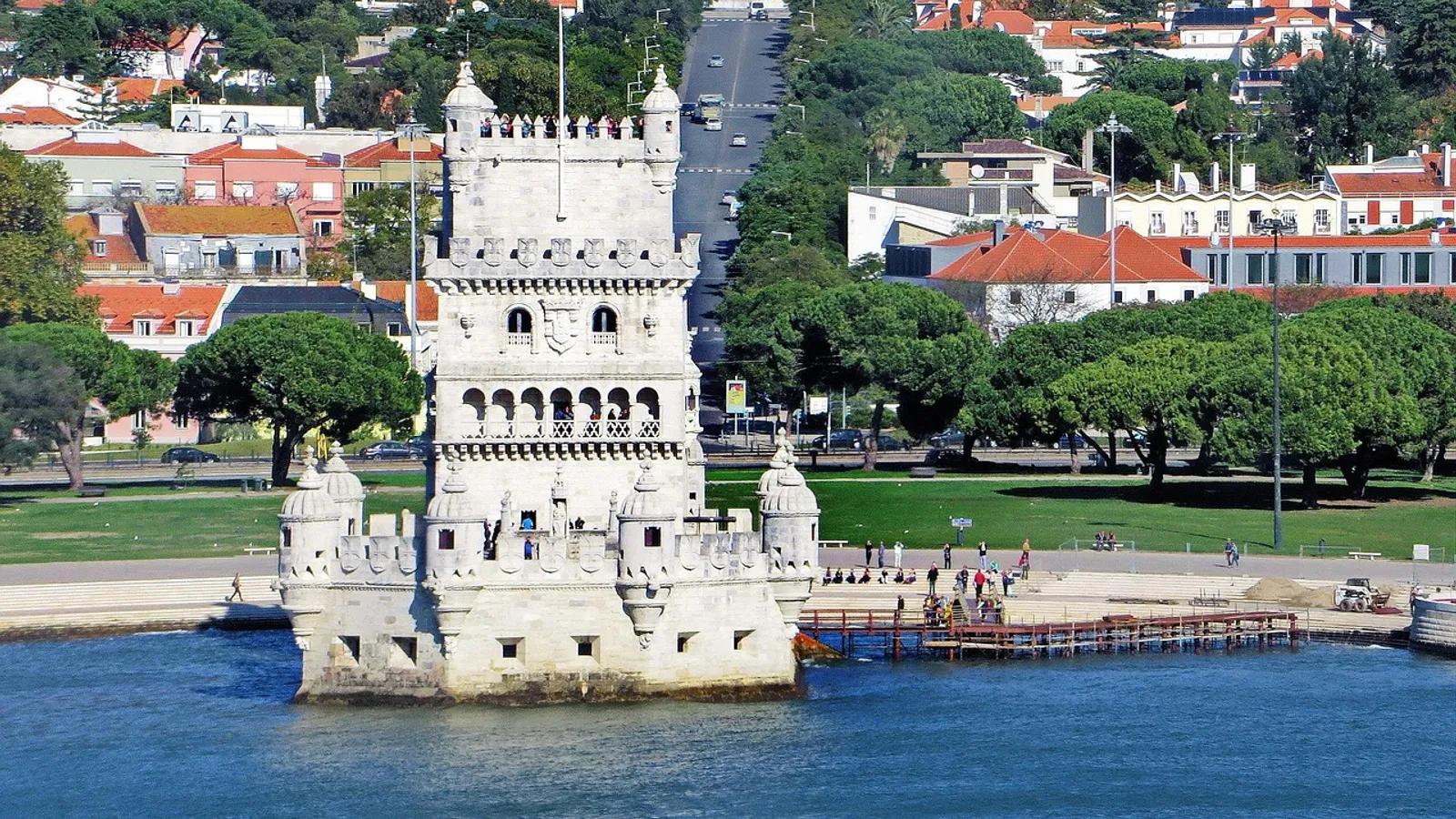
Best for: a calm stay focused on the monuments. Belém has Jerónimos Monastery and Belém Tower, both UNESCO World Heritage sites, plus a riverside with gardens and a cycle lane (Belém). Belém has its own station on the Cascais line, so the centre is a short train ride away.
Parque das Nações: where to stay in Lisbon with kids
Best for: families. Built on the 1998 Expo site, it has the Oceanário, the Pavilhão do Conhecimento science centre and a riverside park of about 90 hectares (Lisboa Oriente). Oriente station is 6 minutes from the airport by metro, according to Metropolitano de Lisboa.
Getting around Lisbon: trams, elevators, metro and ferries
Getting around Lisbon is cheapest with a reloadable navegante card; a contactless bank card is the simplest option for the metro. Use the metro for distance, the trams for the hills and the river ferries for the south bank. Walking covers the centre, but plan the hills: go up by tram or funicular and walk down.
| Fare | Price | Where it works |
|---|---|---|
| Tram ticket bought on board | €3.30 | That tram only, one trip |
| Bus ticket bought on board | €2.30 | That bus only, one trip |
| Funicular ticket bought on board | €4.30 | Up to two trips |
| Carris/Metro ticket on a navegante card | €1.90 | Carris and metro for 60 minutes |
| Metro journey by contactless bank card | €1.92 | One metro journey |
| 24-hour Carris/Metro | €7.25 | All Carris and metro |
| 24-hour Carris/Metro/Transtejo | €10.35 | Adds the Cacilhas ferry |
| 24-hour Carris/Metro/CP | €11.40 | Also covers CP trains to Sintra, Cascais, Azambuja and on the Sado line |
| Navegante occasional card | €0.50 | Reloadable for one year |
Fares from Carris and Metropolitano de Lisboa, checked 13 Nov 2026.
The table shows why the on-board fare is the expensive way to ride: a single tram trip bought from the driver costs more than an hour of unlimited Carris and metro travel loaded on a card. Two things to know about the 60-minute ticket: you can't enter the metro twice in a row on it, and a navegante card holds only one ticket type at a time, so use up one product before loading another.
The metro
The metro is the quickest way between the airport, the centre and Oriente. Metropolitano de Lisboa takes contactless bank cards at the gates, one card per person, and children up to the age of 3 travel at no charge with an adult holding a valid ticket (Metro).
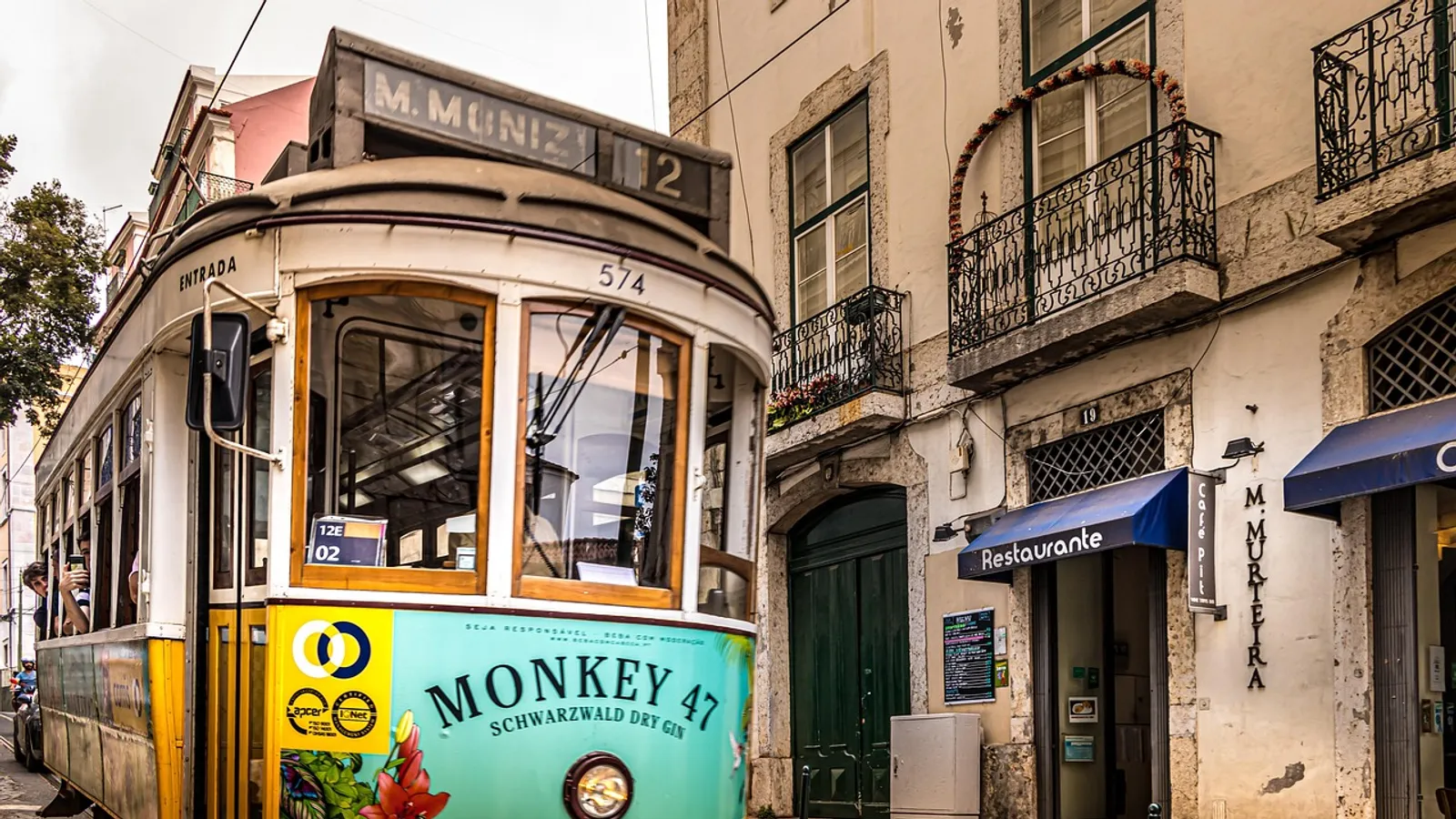
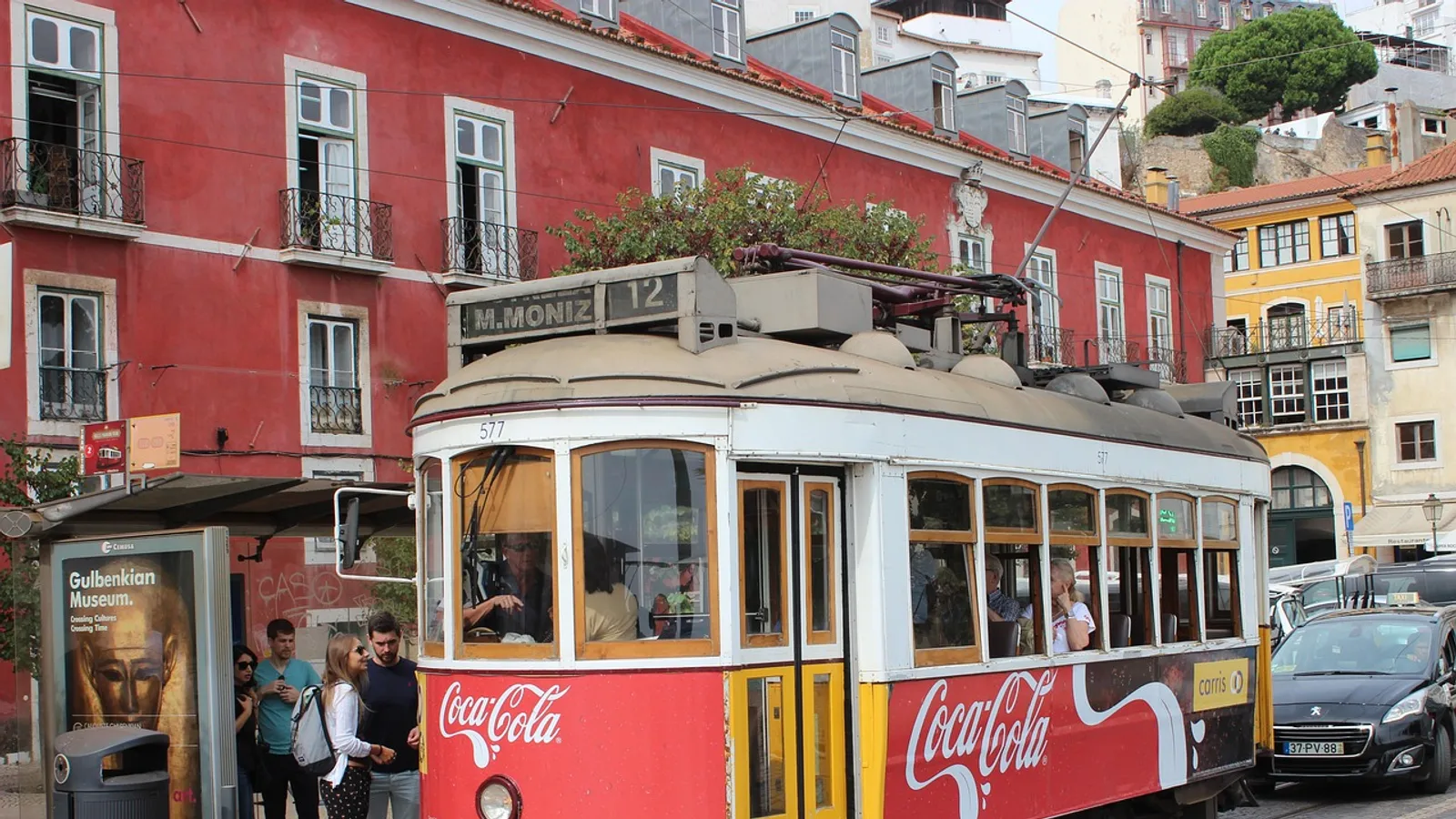
Tram 28 and the other trams
Tram 28 starts at Martim Moniz and ends at Prazeres in Campo de Ourique, climbing through Graça, past the Santa Luzia viewpoint, down to Baixa and back up through Chiado and Estrela (Carris route 28E, checked 13 Nov 2026). It's a regular Carris line on which navegante passes are valid, and a trip costs €3.30 on board, or nothing extra inside the 60 minutes of a loaded Carris/Metro ticket. GOV.UK's travel advice for Portugal, read on 14 Nov 2026, asks visitors to take care on public transport and at crowded bus and tram stops, and that includes this line (GOV.UK).
Tram 15E, the Praça da Figueira to Algés route, is the useful one for Belém: it runs along the river from Cais do Sodré, with stops at the Coach Museum and Jerónimos (Carris route 15E). From 2 to 24 November 2026, while part of Rua da Alfândega is closed, a Carris notice has these trams running only between Algés and Cais do Sodré, with buses covering the stretch to Praça da Figueira. On those dates, board at Cais do Sodré, and check service changes before you travel.
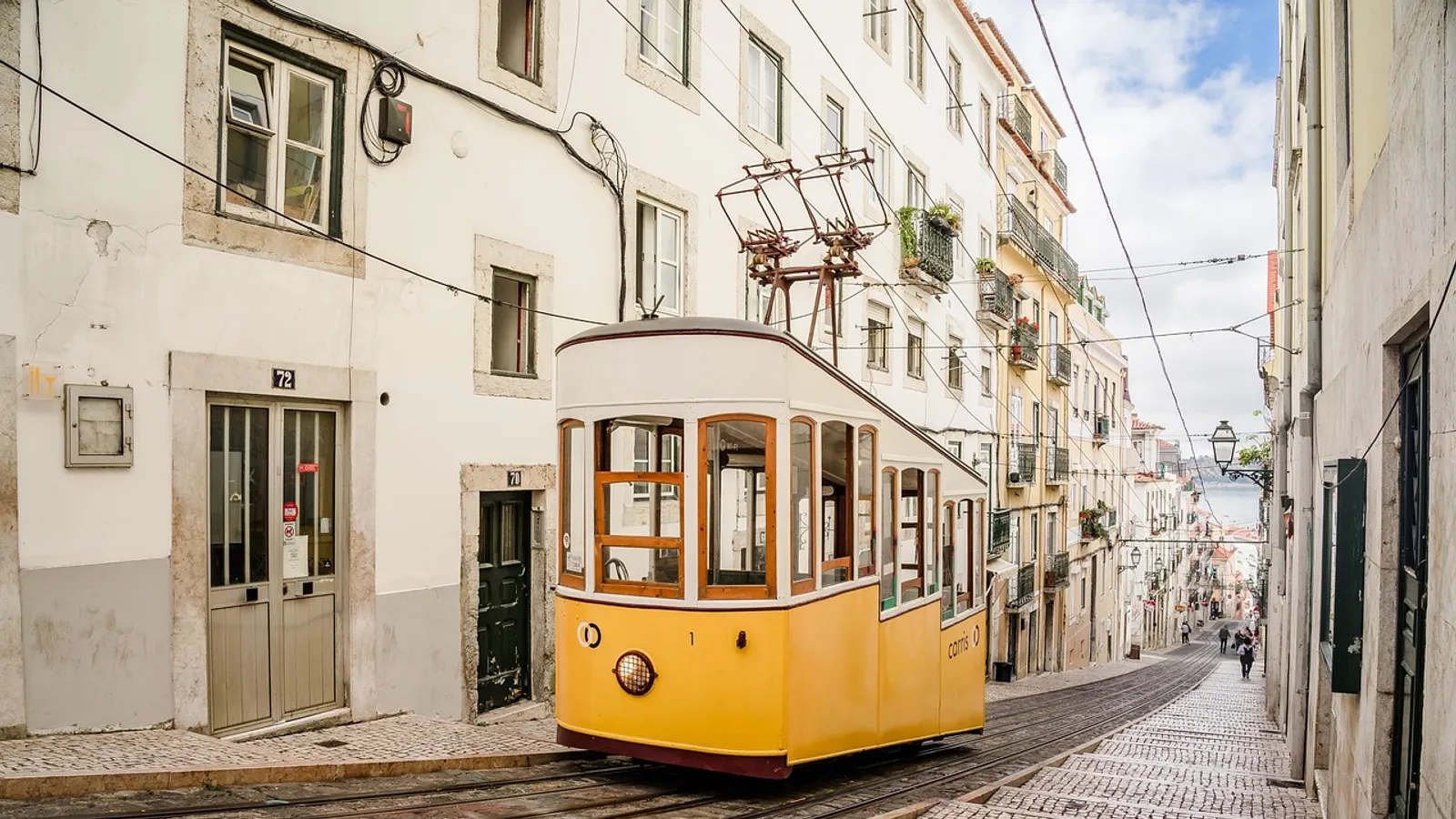
Funiculars and the Santa Justa lift
On 14 November 2026, Carris listed the Glória, Lavra and Bica funiculars and the Santa Justa lift as temporarily closed (ascensores, funiculars, lift). The Graça funicular, between Mouraria and Graça, was running; on board, it takes payment by bank card or MB Way only. Check the Carris pages before you build a day around any of them.
Ferries across the Tagus
The ferry from Cais do Sodré to Cacilhas, on the south bank, costs €2.00 one way, or €1.60 with zapping credit (Transtejo fares, checked 13 Nov 2026).
Trains to Sintra and Cascais
Sintra trains leave from Rossio, and the timetable CP links on its site shows a 40-minute run from Rossio to Sintra (CP Sintra line, in force since 30 June 2024). Cascais trains leave from Cais do Sodré and take between 34 and 41 minutes depending on the stops, according to the weekday timetable CP introduced on 8 November 2026 (CP Cascais line).
Is the Lisboa Card worth it
The Lisboa Card is worth it if you'll ride public transport and visit enough of its bigger included sights: two of the castle, Jerónimos and Belém Tower cover the 24-hour card, and the 72-hour card needs all three, or two plus a few smaller paid sights. If you mainly want to walk, eat and look at viewpoints, single fares and individual tickets cost less.
| Lisboa Card | Adult | Child (4 to 15) |
|---|---|---|
| 24 hours | €31 | €21 |
| 48 hours | €51 | €28 |
| 72 hours | €62 | €35 |
Prices on the official Visit Lisboa shop, VAT included and stated as valid until 31 March 2027, checked 13 Nov 2026.
The card covers Carris buses and trams, the metro and the trains to Sintra, Cascais and Setúbal, with admission to more than 50 museums, monuments and other sights, and discounts on others (what's included). Visit Lisboa's list of included sights takes in Castelo de São Jorge, Jerónimos Monastery and Belém Tower (Lisboa Card page).
How the Lisboa Card works
You buy a voucher online and collect the physical card at an Ask Me Lisboa desk, at least 30 minutes before the desk closes. The clock starts the first time you tap the card on public transport, not when you buy or collect it, and from then the hours run without a break (how it works). At most museums you show the card at the ticket desk. Belém Tower and Jerónimos are the two exceptions: once you've collected the card, you enter its number to pick a date and time. The seller adds that card holders can't reserve in advance and that entry depends on a daily allowance for them, so a card doesn't guarantee a Belém slot.
A worked example
Take a 72-hour stay with the castle (€17 standard), Jerónimos (€18), Belém Tower (€15) and the Fado Museum (€5), plus a 24-hour Carris/Metro ticket each day (3 × €7.25). That adds up to €76.75 at official prices (castle tickets, Jerónimos and Belém, Fado Museum, checked 13 Nov 2026). The 72-hour card is €62, so it saves about €15, more if you add the train to Sintra or other included museums. Drop two of those sights and the card loses.
When the Lisboa Card isn't worth it
- Your card hours include a Monday. Jerónimos, Belém Tower and the Fado Museum are closed on Mondays, and the card seller itself warns that the main monuments and museums close that day.
- You were counting on a closed museum. On 14 Nov 2026, the official Museus e Monumentos de Portugal pages showed the National Tile Museum, the National Archaeology Museum and the National Theatre and Dance Museum closed for refurbishment works, and the National Costume Museum temporarily closed, with its botanical park still open. The Santa Justa lift was closed too, per Carris. The National Museum of Ancient Art, also shut for works, set 21 November 2026 as its reopening date.
- You'll spend a card day in Sintra's palaces. The card gives only a discount there, claimed at the ticket office; the seller says it can't be used to book or buy tickets online. Pena's palace entry still needs a booked date and time.
- Your teenager is 13 to 15. The castle requires a ticket for that age group even with a child card.
What to book ahead in Lisbon
Book three things before you arrive: Jerónimos Monastery, Belém Tower and Pena Palace in Sintra. For the two Belém monuments, the official visitor page asks people to buy online in advance where possible, because tickets "often sell out and cannot be bought on the day itself". Pena sells palace entry for a set date and time. The castle and the Oceanário also sell tickets on the day.
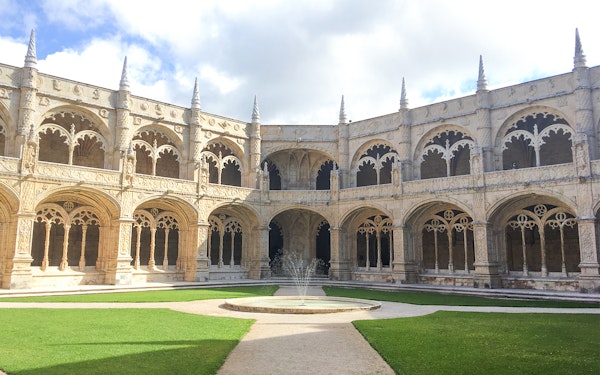
Belém's two monuments. Jerónimos Monastery's official ticket is €18 and Belém Tower's €15, with no charge for children up to 12. Both open Tuesday to Sunday, 9:30 am until 5:30 pm, with final admission half an hour before closing; the ticket offices shut at 4:30 pm (visitor page, checked 13 Nov 2026). A Lisboa Card holder can't reserve either monument in advance and gets in only while the daily allowance for card holders lasts, so if Belém is the point of your trip, an official ticket bought online is the surer way in. Pairing the two visits is covered in Belém Tower tickets explained.
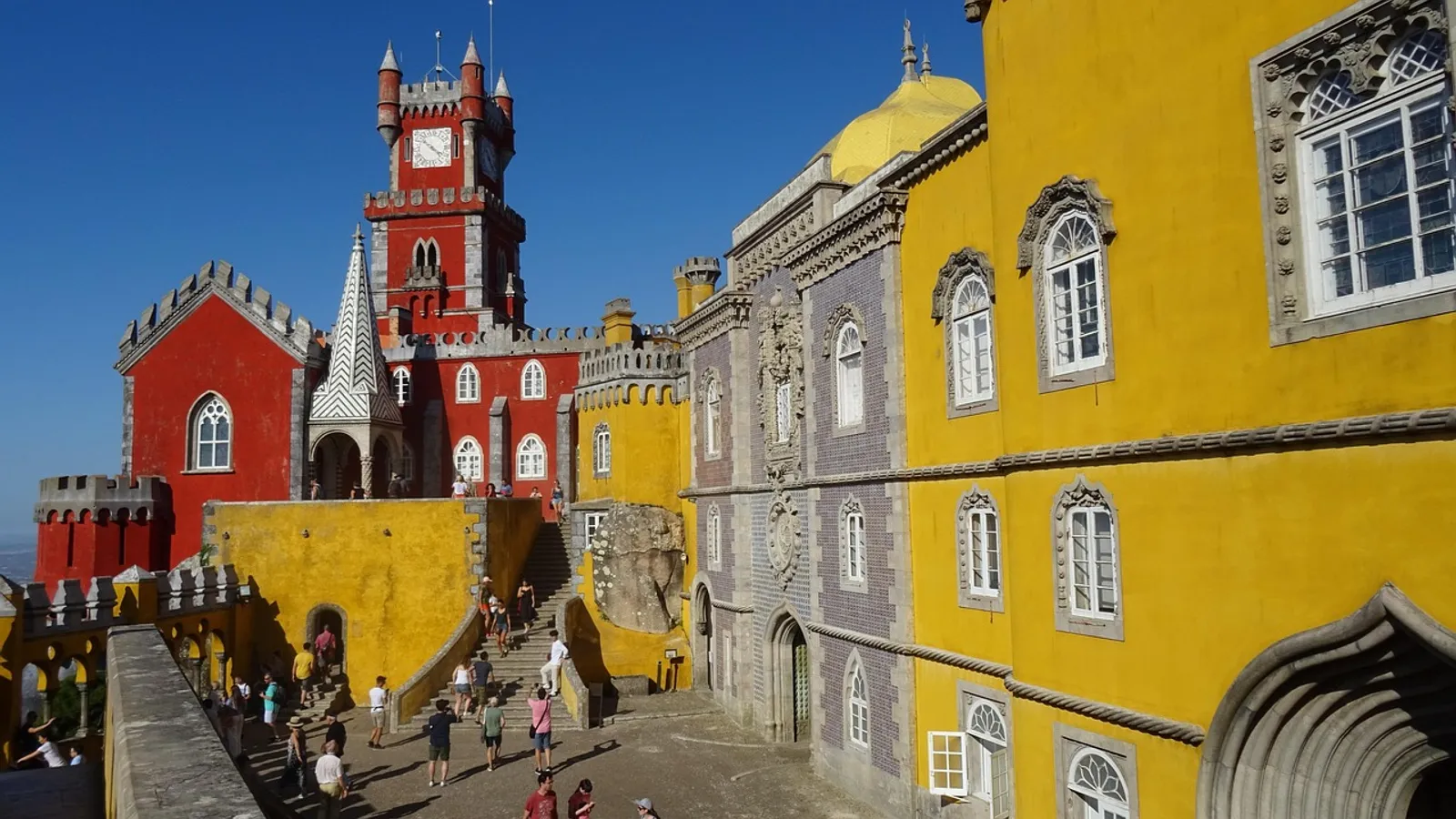
Pena Palace. Parques de Sintra sells Pena tickets with a fixed date and time for the palace interior, and a no-show can't be changed or refunded. Getting from the park entrance up to the palace door takes around half an hour (Pena tickets). The Sintra day trip from Lisbon guide covers trains, buses and the order to see the palaces in.
The Oceanário. Prices depend on the entry time: an adult pays €29.90 for a morning slot (10:00 to 11:30 am), while the late slots (4:00 to 6:30 pm) cost €25.50 (Oceanário, checked 13 Nov 2026). If the price matters, choose the late-afternoon slot.
Castelo de São Jorge. Tickets are sold online and at the gate, €17 for an adult, so this one can wait until the day.
Belém monument tickets and guided visits
Jerónimos Monastery Skip-the-Line Guided Tour
4.8(839)3 hoursViewFrom$46
Lisbon: Half-Day Small Group Tour with Belém & City Centre
4.9(187)4 hoursViewFrom$38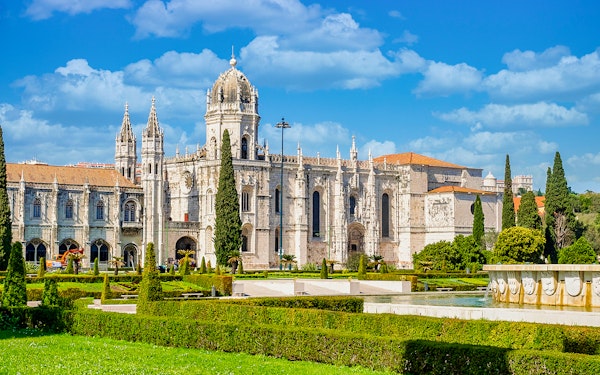
Jerónimos Monastery Entry Tickets
4.6(19,477)4 hoursViewFrom$21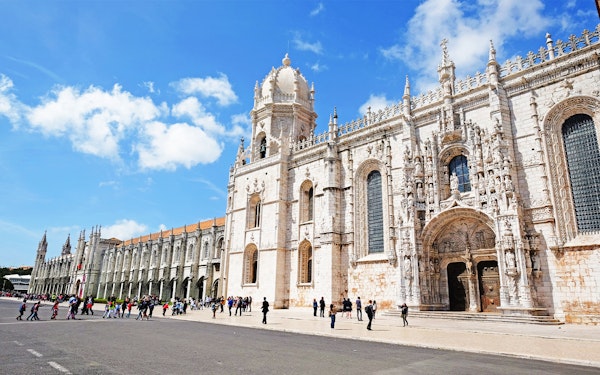
Jerónimos Monastery Tickets with Audio Guide
3.9(2,121)ViewFrom$25
UNESCO Masterpieces: Tomar, Batalha & Alcobaça Private Tour
5.0(6)8 hoursViewFrom$264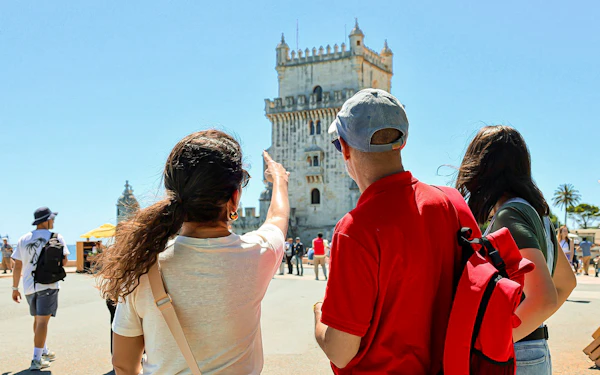
Lisbon & Belém Small Group Half-Day Tour
0.0(0)4 hoursViewFrom$38
Alcobaça and Batalha Monasteries: Private Tour
4.8(5)4 hours - 5 hoursViewFrom$106
All City Premium Private Guided Tour by Tuk-Tuk in Lisbon
5.0(299)4 hoursViewFrom$165
Pilgrims and Pioneers: A Self-Guided Tour Audio of Tomar
4.6(5)1 hr 30 min - 2 hoursViewFrom$10
Lisbon: Private Tuk Tuk Tour — Alfama, Belém & Viewpoints
5.0(147)4 hoursViewFrom$145
Day trips from Lisbon
Sintra is 40 minutes by train from Rossio; give it a full day. Cascais and the coast are a short run from Cais do Sodré, and both sit within the Lisboa Card's train coverage. For the other options, such as Évora and Óbidos, and how long each takes, see our Lisbon day trips guide.
Sintra and Pena Palace day trips to compare

Pena Palace Jeep Safari
5.0(37)6 hoursViewFrom$88
Private Sintra Tour from Lisbon: Pena Palace, Cabo Roca & Cascais
5.0(118)8 hoursViewFrom$162
Palace of Pena, Sintra, Cascais, Cape Roca, private tour, premium
5.0(79)8 hoursViewFrom$206
Sintra, Pena Palace, Cabo da Roca & Cascais Small-Group Tour
4.9(77)8 hoursViewFrom$95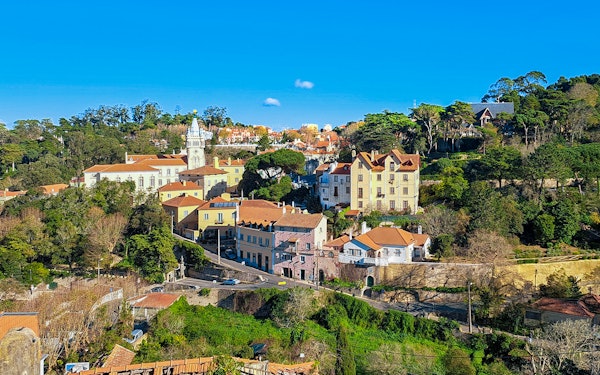
From Lisbon: Sintra, Belém, Pena Palace & Cascais Small Group Full-Day Trip
4.7(21)9 hoursViewFrom$71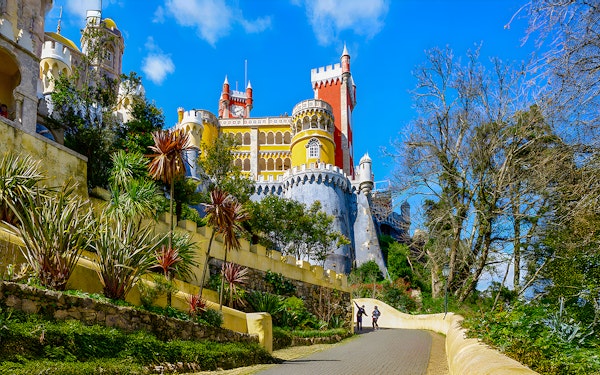
From Lisbon: Sintra, Pena Palace, Cabo da Roca & Cascais Full-Day Trip
4.4(57)8 hoursViewFrom$96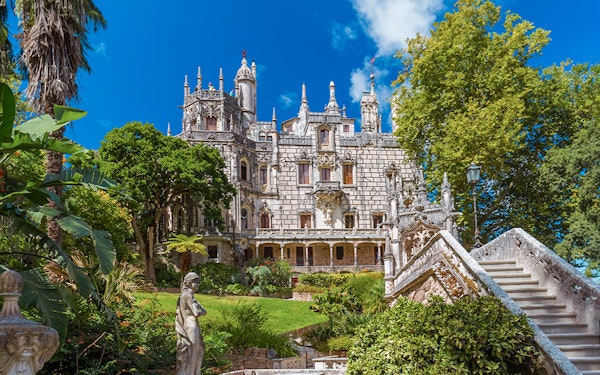
From Lisbon: Sintra, Pena Palace, Cabo da Roca, Cascais & Quinta de Regaleira Full-Day Trip
4.7(542)8 hoursViewFrom$24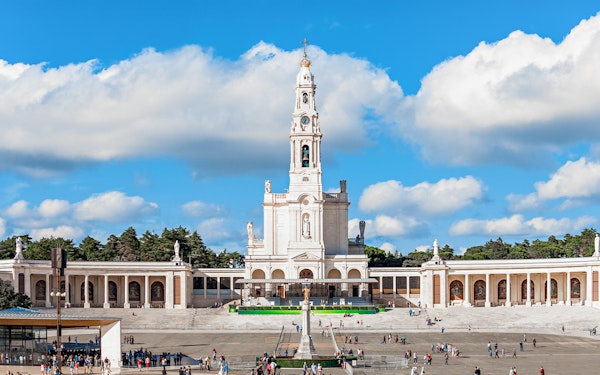
From Lisbon: Sintra, Nazaré, Fátima & Pena Park Full-Day Trip
4.9(23)10 hoursViewFrom$91
Tour Sintra from Lisbon
5.0(85)7 hours - 8 hoursViewFrom$246Full-Day Tour of Sintra, Pena Palace, Cabo da Roca & Cascais from Lisbon with Lunch
4.3(1,715)9 hoursViewFrom$106

Lisbon experiences compared
A guide is worth paying for in Lisbon where it saves climbing or explains what you're looking at: the old districts by tram or on foot, the Belém monuments, and a fado evening. Comparing two similar tours, read beyond the price: how many people share the guide, which tickets are in the price, how long it lasts, where it starts and what happens if you cancel. A walking tour that ends at the top of Alfama and one that ends by the river are different days.
SimilarTours exists for exactly that check: the cards below line up comparable tours sold on several booking sites.
Alfama walking tours and tram rides to compare

Alfama and the Castle of Saint George Skip the line Tour
5.0(66)3 hoursViewFrom$37
Lisbon city tour on history, culture and current topics
5.0(87)3 hr 30 minViewFrom$45
Almada’s Tale: A Self-Guided Audio Tour
1 hr 30 min - 2 hoursViewFrom$12
Walking Tour of Mouraria & Alfama with Dinner & Live Fado Show
5.0(1)ViewFrom$71
Halfday Tuk Tuk Tour Lisbon Highlights-Viewpoints-Local Stories
5.0(96)3 hours - 4 hoursViewFrom$89
Santa Teresa and Lapa Private Walking Tour
5.0(10)3 hours - 4 hoursViewFrom$90
Lisbon's authentic Food and Wine tour with a Winemaker
5.0(74)3 hoursViewFrom$123
Tour of Old Town (Alfama) - 2hr
5.0(70)1 hour - 2 hoursViewFrom$307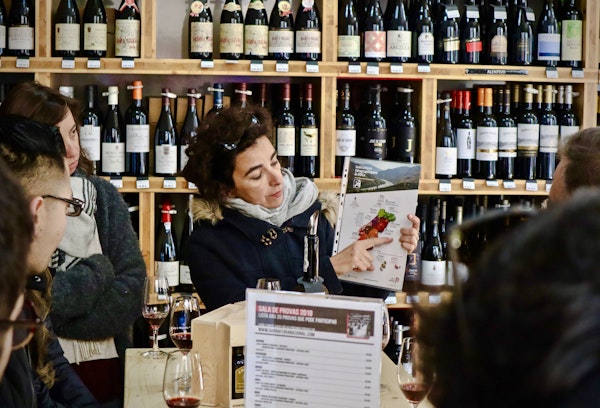
Authentic Lisbon Food Walk in Mouraria
5.0(1)3 hr 20 minViewFrom$90All City Premium Private Guided Tour by Tuk-Tuk in Lisbon
5.0(299)4 hoursViewFrom$165
Eating in Lisbon: the couvert, meal times and food tours
Eat on Lisbon's hours, not your own. Visit Lisboa gives restaurant hours as lunch from 12:00 to 3:00 pm and dinner from 7:00 to 10:00 pm (traveller information), so plan a mid-afternoon snack rather than an early dinner.
About the couvert: if bread, olives, butter or cheese reach the table before you've ordered, ask whether they're charged before you start on them, and say so straight away if you don't want them.
For an informal meal, Visit Lisboa points to the Mercado da Ribeira at Cais do Sodré as one of the city's main food halls. For pastries, Belém has the bakery that has made Pastéis de Belém since 1837, which says it follows an old recipe from Jerónimos Monastery (Pastéis de Belém). Food tours are the easiest way to taste several dishes in a few hours; compare them, along with walking tours and cooking classes, on our Lisbon tours page.
Lisbon food tours and tastings to compare

Lisbon Food Tour: Pesticos and Wine Tasting
0.0(0)3 hoursViewFrom$76Authentic Lisbon Food Walk in Mouraria
5.0(1)3 hr 20 minViewFrom$90
Brodie´s Taste of Lagos
5.0(8)4 hoursViewFrom$88
Private Guimaraes Walking Food Tour with Tastings
5.0(5)2 hoursViewFrom$73Lisbon's authentic Food and Wine tour with a Winemaker
5.0(74)3 hoursViewFrom$123
Lisbon Wine Tour: Private Food & Wine Tastings
5.0(73)3 hoursViewFrom$215
Porto: Private Walking Food Tour with Tastings
5.0(35)3 hoursViewFrom$95
Braga Small-Group Food Tour: Taste Real Portugal with Local Guide
5.0(5)3 hoursViewFrom$99
Ericeira Private Tour: 10 Tastings Food Tour
5.0(18)4 hoursViewFrom$138
Private Tile Painting, Cheese & Wine Tasting Tour from Lisbon
5.0(29)7 hoursViewFrom$211
Fado: where and how to hear it
For fado in Lisbon, go to Alfama, which Visit Lisboa credits with some of the oldest fado houses, or to Mouraria and Madragoa, where the tradition also runs. Fado has been on UNESCO's Representative List of the Intangible Cultural Heritage of Humanity since 2011. UNESCO's entry describes a solo singer, backed in the traditional line-up by a wire-strung acoustic guitar and the twelve-string, pear-shaped Portuguese guitarra (UNESCO).
- A fado house. The traditional setting, in the old districts, and Visit Lisboa's suggestion for after dark. Plan it as the evening's main event.
- A short concert. An early-evening show suits families and anyone with an early start. Visit Lisboa lists a 50-minute one in Chiado, Monday to Saturday at 5:30 pm and 7:00 pm, for ages 3 and up (event page).
- The Fado Museum. In Alfama, open daily except Mondays, 10:00 am until 6:00 pm (no entry after 5:30 pm), €5 for an adult and no charge for children up to 12 or adult Lisboa Card holders (Fado Museum, checked 13 Nov 2026). It's a good start before a fado night.
Fado shows and fado dinners in Lisbon

Fado Concert with Welcome Drink
5.0(114)1 hourViewFrom$17Walking Tour of Mouraria & Alfama with Dinner & Live Fado Show
5.0(1)ViewFrom$71
Lisbon: Fado Show With Wine and History
4.8(156)50 minutesViewFrom$22
Lisbon Fado Experience: Walking Tour, Dinner and Live Music Show
4.5(400)4 hoursViewFrom$61
Mesa de Frades Dinner in Lisbon Fado Show Portuguese Live Music
4.0(50)2 hours - 4 hoursViewFrom$67
Tickets to Fado in Chiado
4.7(94)50 minutesViewFrom$25
Downtown Lisbon Fado Show with Wine
5.0(2)50 minutesViewFrom$22
DINNER OR TAPAS in a Poruguese Home
5.0(19)2 hr 30 minViewFrom$106
Fado in Chiado - Live Show in Lisbon on Stage for 17 Years
4.6(689)50 minutesViewFrom$26
An Unforgettable Evening: Authentic Portuguese Dinner in Porto
5.0(29)3 hr 30 minViewFrom$113
Lisbon with kids
Lisbon with kids works best with a base in Parque das Nações or the centre, short walks broken up by trams, and one big indoor sight a day. The youngest travel and visit many sights at no cost.
- Transport. Children up to 3 ride Carris buses and trams and the metro at no charge (Carris discounts, Metro).
- Lisboa Card. The child card covers ages 4 to 15, from €21 for 24 hours.
- Castelo de São Jorge. No charge for children up to 12 (castle tickets).
- Oceanário. No charge up to age 2, and children from 3 to 12 pay from €15.50 in the late-afternoon slot. Under-12s need an adult with them (Oceanário, checked 13 Nov 2026).
- Pavilhão do Conhecimento. The science centre in Parque das Nações closes on Mondays (Pavilhão do Conhecimento).
- December. Wonderland Lisboa has a Ferris wheel, an ice rink and Santa's house, and Rossio's Christmas train costs nothing to ride.
Alfama's steep cobbled lanes are hard work with a pushchair, so plan the uphill legs by tram or funicular.
Mistakes first-time visitors make in Lisbon
Most first-trip mistakes in Lisbon come from the calendar and the hills, not from the sights. These are the Lisbon travel tips that save the most time.
- Planning a big sight for Monday. Belém Tower, Jerónimos, the National Coach Museum and the Fado Museum are all closed on Mondays. Use Monday for the castle, the Oceanário or the Monument to the Discoveries, which opens every day (Padrão dos Descobrimentos). The Gulbenkian is the opposite: it closes on Tuesdays (Gulbenkian).
- Building a day around a closed funicular or lift. Check the Carris pages first; the historic ones were closed on 14 Nov 2026.
- Starting the Lisboa Card on a light day. It starts at the first tap on transport. Tap it on a day full of included sights.
- Leaving Belém and Pena to chance. Belém's tickets often sell out, and a missed Pena entry time can't be changed.
- Buying single tram tickets from the driver. At €3.30, two rides cost almost as much as a 24-hour ticket at €7.25.
- Wrong shoes. Wear soles with grip for the cobbled lanes, more so after rain.
- Booking dinner for 6:00 pm. Visit Lisboa gives restaurant dinner hours as 7:00 to 10:00 pm.
Plan the rest of your Lisbon trip
For a full day-by-day plan, use our itinerary for 2 days in Lisbon on a short break, or the three-day version for a longer stay. To take the trip further, see what else to do in Portugal.
Compare Lisbon tours and ticketsLisbon travel guide FAQ
How many days should you spend in Lisbon?
Three days covers the city at an easy pace: one for Baixa, Alfama and the castle, one for Belém, and one for a neighborhood you liked or a museum. Add a fourth if you want Sintra, which takes a full day once you count the 40-minute train each way. With two days you can still see the centre and Belém if you buy the Belém tickets before you arrive. Our 2 days in Lisbon and 3 days in Lisbon itineraries lay out each day.
Is Lisbon walkable?
Partly. The riverside and the Baixa grid are easy going; the old districts on the hills are not. Visit Lisboa describes Alfama's lanes as steep and its inclines as gruelling, and the pavements are cobbled. Walk downhill where you can and take the metro, a tram or the Graça funicular for the climbs.
Is Lisbon safe for tourists?
Check your own government's travel advice before you go. GOV.UK's advice for Portugal, updated on 12 November 2026 and read on 14 November 2026, asks visitors to be alert to street crime and to take care on public transport and at crowded bus and tram stops, and says thieves use distraction techniques and often work in teams. In an emergency, Portugal's number is 112. Visit Lisboa lists a PSP tourism police station on Praça dos Restauradores.
Does the Lisboa Card cover the train to Sintra and the ferry?
The train, yes; the ferry, no. The Lisboa Card shop's FAQ lists the trains to Sintra, Cascais and Setúbal among the included transport, and answers no to the public boats. For the Cacilhas ferry, buy a €2.00 single or use a 24-hour Carris/Metro/Transtejo ticket instead (Transtejo fares, checked 13 Nov 2026).
Can you pay for Lisbon's metro and trams with a bank card?
Yes, on both, but it costs more than a loaded navegante card. A tap at a metro gate is €1.92 a journey, and a tram fare paid by card on board is €3.30, the driver's fare (checked 13 Nov 2026). At the metro gates each bank card pays for one person, so a family needs one card each.
Do you need cash in Lisbon?
Rarely, but carry a little. Visit Lisboa notes that cards, cash and transfers are all accepted in Portugal, and cards work at metro gates and on Carris validators. Carris drivers take cash on most vehicles, but not on its articulated trams, where you tap a card instead.
Sources
Pages were read on 13 November 2026. The Visit Lisboa pages, the Carris funicular and lift pages, the Museus e Monumentos pages and the GOV.UK page were read again, or for the first time, on 14 November 2026. The sources were read again on 18 November 2026.
- Visit Lisboa: traveller information, Lisboa Centro, Lisboa Oriente, Belém, Alfama, Mouraria, Bairro Alto, Príncipe Real, Cais do Sodré, Graça (Turismo de Lisboa)
- Visit Lisboa events: Rossio Christmas Market, Wonderland Lisboa, Christmas lights, Fado in Chiado; ADBP
- Lisboa Card shop, what's included, how it works, FAQ, important to know, Visit Lisboa Lisboa Card page
- IPMA climate normals 1991 to 2020
- Metropolitano de Lisboa, fares and from the airport
- Carris occasional fares, discounts, route 28E, route 15E, funiculars, ascensores and Santa Justa lift
- Transtejo fares; CP Sintra line timetable and Cascais line timetable
- Jerónimos Monastery and Belém Tower visitor page; Castelo de São Jorge schedules and tickets; Parques de Sintra: Pena tickets and how to get there
- Oceanário de Lisboa; Pavilhão do Conhecimento; Gulbenkian opening hours; Fado Museum; National Coach Museum; Padrão dos Descobrimentos; Pastéis de Belém
- UNESCO: Fado, urban popular song of Portugal
- Museus e Monumentos de Portugal: National Tile Museum, National Archaeology Museum, National Theatre and Dance Museum, National Costume Museum, National Museum of Ancient Art
- GOV.UK: Portugal safety and security