RomeFamily travelKidsColosseumItaly
Rome with Kids: A Family Guide That Actually Works
A practical guide to Rome with kids: the Colosseum and Vatican with children, gladiator school, pizza and gelato classes, and Villa Borghese downtime.
由SimilarTours Editorial撰写,Travel Research · · 21分钟阅读

Rome sells itself to adults on art and antiquity. It sells itself to kids on something better: gladiators, secret keyholes, coins thrown over shoulders into fountains, pizza they get to make themselves, and ice cream on a scale they did not know was legal. Doing Rome with kids well is mostly a matter of leaning into that version of the city instead of dragging children through the adult one at adult pace.
This family guide covers the four pillars of a Rome trip with children - the Colosseum, the Vatican, the food, and the downtime - plus the logistics that make or break the days between them. Every tour and class referenced is currently bookable through our partner OTAs and ranked on real ratings and review counts, verified July 2026.
Browse all Rome tours and experiences →Before you go: the family ground rules
One headline sight per day. This is the rule that saves Rome with children. The Colosseum, the Vatican, and the Forum are each half-day commitments with queues, heat, and walking; stacking two in a day breaks even enthusiastic kids. Anchor each day with one, then let the afternoon go soft - a park, a pool, a gelato crawl.
Book the timed sights before you fly. The Colosseum and the Vatican Museums both run on timed entry and both sell out prime slots in season. With kids, the early slots are doubly valuable: cooler, calmer, and done before the midday dip.
Choose family formats, not discounts. Rome has a genuine ecosystem of kid-specific tours - guides trained to run the Colosseum or the Sistine Chapel as a story and a game rather than a lecture. They cost more than a standard group ticket and are worth it roughly in proportion to how much you value not carrying a bored child through a two-hour tour.
Think in fountains and gelato. Rome's free drinking fountains - the little cast-iron "nasoni" spouts - are everywhere, cold, and safe; carry refillable bottles and make finding them a game. Gelato is the city's universal morale system. Budget for daily use.
Where to stay. Near a park or on the flatter, walkable center works best: the area around Villa Borghese and the Spanish Steps combines green space with sights, while Prati near the Vatican is calm, orderly, and full of family apartments. Apartments beat hotel rooms for most families here - kitchens and washing machines earn their keep on a kids trip.
What works at each age
The same city plays very differently at three, seven, and fourteen, and most family-trip friction comes from planning for the wrong band.
Toddlers and under-fives. Rome works better than expected at this age, as long as you stop treating the sights as the point. Small children experience the city as fountains, pigeons, piazzas to run across, and gelato; the monuments are backdrop. Keep any ticketed visit under an hour, use a carrier over a stroller for the crowded interiors, own the morning (Romans eat late, so early dinners are quiet), and build the day around one park block. The Bioparco zoo and the Villa Borghese pedal carts are the headline acts at this age, not the Forum.
Ages five to eight. The sweet spot for the story version of Rome. This band is why the family-format tours exist: a guide who frames the Colosseum as a tale of fighters and wild beasts holds a six-year-old for ninety minutes where a standard tour loses them in ten. Pizza classes land perfectly, the escape-game formats start to work, and the trick of carrying a spotting list (find five fountains, three obelisks, one cat) converts walking time into a game.
Ages nine to twelve. Peak Rome. Old enough for the full Colosseum-with-arena-floor experience and gladiator school, curious enough for the Vatican's highlights with a good guide, and sturdy enough for a full sightseeing day if it ends with proper food. This is the band where the trip's memories get made - spend the family-tour budget here without guilt.
Teenagers. Give them agency and stakes. Let them pick one anchor each day, hand over the food-finding job (a teenager on a mission to find the city's best pizza al taglio is a happy teenager), and trade the softer kid formats for the real thing: the arena floor, the e-bike tours, the evening walk through the lit-up center. The Vatican works at this age with a guide who leans into the strangeness and the scale rather than a checklist.
The Colosseum with kids: gladiators first
The Colosseum is the sight Roman trips with children are built around, and it rarely disappoints - an actual arena where actual gladiators fought needs no selling to anyone under twelve. What needs managing is the visit itself: big crowds, security lines, and a site that is essentially a hot stone bowl by midday. Book a morning slot, go with a family-format guide who tells it as a story, and strongly consider the arena-floor entrances, where you walk in at the level the fighters did rather than looking down from the stands.
Then, either the same day or later in the trip, close the loop at gladiator school: a couple of hours of tunics, padded swords, and drills from costumed instructors that converts everything they saw at the arena into something physical. Across years of family reviews it is one of the most consistently loved activities in the city - and parents are allowed to join in.
Top Colosseum family tours and gladiator experiences

Colosseum and Roman Forum Tour for Kids and Families
The most-reviewed of the dedicated family formats - the arena and the Forum run as stories and games by kid-focused guides.
4.9(465)2.5 hoursViewFrom$209
Gladiator's Gate: Special Access Colosseum Tour with Arena Floor
Enter through the gladiators' own gate onto the arena floor - the high-volume pick for the entrance kids remember.
4.7(4,121)3 hoursViewFrom$69
Colosseum & Ancient Rome for Kids Private Family Tour
A private family-only format with a near-perfect score across hundreds of reviews - your own guide, your own pace.
5.0(244)2.5 hoursViewFrom$286
Roman Gladiator School: Learn How to Become a Gladiator
Two hours of tunics, padded swords, and training drills - the classic gladiator class, with over 1,500 reviews behind it.
4.7(1,543)2 hoursViewFrom$104- tiqets
Gladiator School Museum Rome: Entry Ticket + 2-Hr Gladiator Training
The training session paired with a small museum of replica arms and armor - the fuller version of the gladiator morning.
4.8(85)2 hoursViewFrom$148 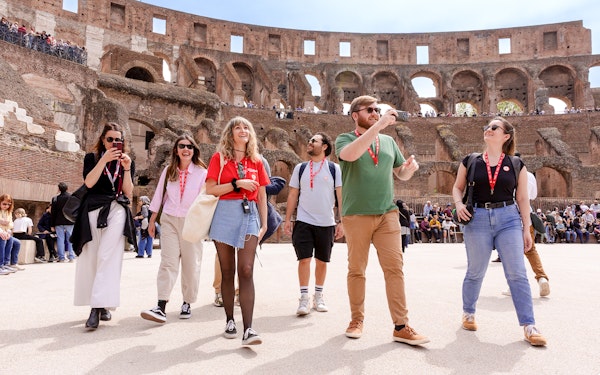
Colosseum, Palatine Hill & Roman Forum with Exclusive Arena Floor Guided Tour
4.5(12,332)2 hr 30 minViewFrom$75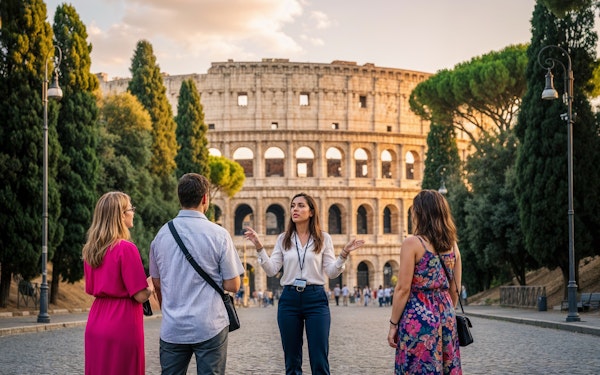
Evening Rome Walking Tour: Colossuem, Trevi Fountain & Roman Forum
3.8(5)2 hr 30 minViewFrom$81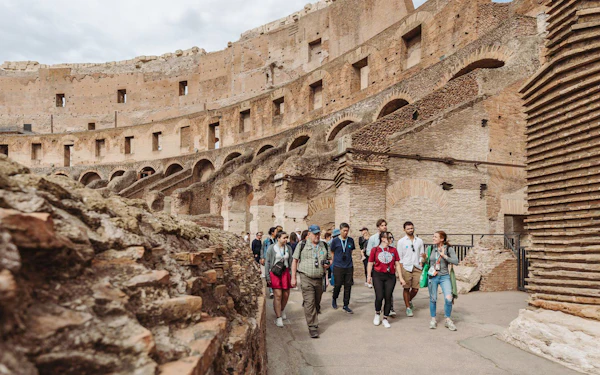
Colosseum Underground & Arena Floor Guided Tour
4.6(4,380)3 hoursViewFrom$156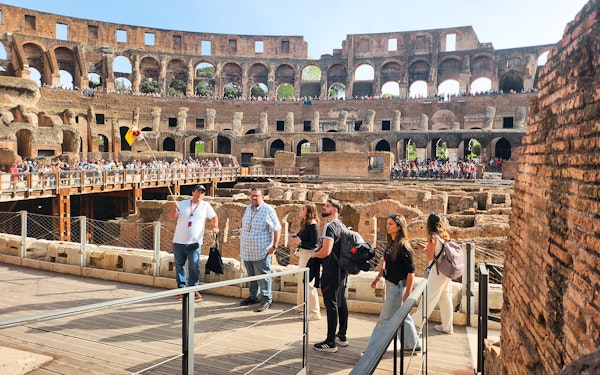
VIP Colosseum, Palatine Hill & Roman Forum Private Tour
4.1(7)3 hoursViewFrom$194
Best of Rome: Vatican & Colosseum Guided Tour
4.7(44)9 hr 30 minViewFrom$189
Insider tip
Do the Colosseum before gladiator school, not after. The arena gives the training its meaning: kids who have just stood on the arena floor throw themselves into the drills. And keep the Forum portion short with younger children - it is a field of hot stones without a guide who can bring it alive, so let the family-format guide carry that part and skip the completionist walk.
The Vatican with kids: shorter, earlier, guided
The honest version: the Vatican Museums are one of the world's great collections and one of its most exhausting visits - long corridors, dense crowds, and no natural stopping point until the Sistine Chapel. Adults find it tiring; children find it endless. The fix is the same trio as the Colosseum, applied harder. Book the earliest entry you can get. Use a family-specific tour, because the good ones cut a child-length route to the highlights, hand out spotting games, and get you to the Sistine Chapel while everyone still has legs. And end it there - St. Peter's Basilica is worth a look if energy allows, but treat it as a bonus, not a requirement.
Two practical notes: the dress code (covered shoulders and knees) applies to children as well as adults, and the museums are a poor stroller environment at peak times, so a carrier works better for the smallest visitors. Plan the afternoon as recovery - Villa Borghese, a pool, or a pizza class.
Top Vatican tours for kids and families
- viator
Private Family Tour - Vatican Sistine Chapel St. Peter's for Kids
The most-reviewed family Vatican format - a private, kid-paced route through the highlights to the Sistine Chapel and St. Peter's.
5.0(320)2.5 hoursViewFrom$315 
Skip the Line: Vatican & Sistine Chapel Tour for Kids & Families
A skip-the-line family private tour that compresses the museums into a child-length highlight run.
4.9(83)2.5 hoursViewFrom$279
Vatican Tour for Kids & Families in Rome with local guide Alessandra
A perfect-scored small operation built specifically around guiding families through the Vatican.
5.0(30)2.5 hoursViewFrom$361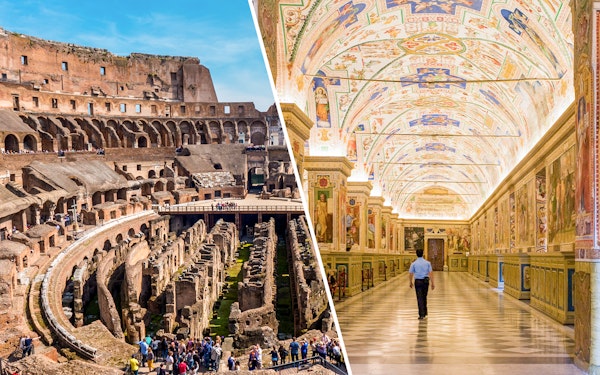
Combo: Colosseum + Vatican Museums Pass
The self-guided value route - both of the trip's timed headline entries on one booking, backed by the largest review count in this set.
4.5(47,081)ViewFrom$63
All Inclusive Kids Tour of Vatican, Sistine Chapel and St.Peter's
5.0(7)3 hoursViewFrom$419
Vatican Family Adventure: Kid-friendly Tour and Sistine Chapel
5.0(1)3 hoursViewFrom$389
Fast Track Family Friendly Vatican Museums & Sistine Chapel Tour
5.0(2)3 hoursViewFrom$330
Vatican for Kids Tour Fast Access Sistine Chapel
5.0(2)3 hoursViewFrom$419
Tour For Kids and Families Vatican Sistine Chapel
5.0(2)3 hoursViewFrom$448
Family Friendly Private Vatican & Sistine Chapel Tour
4.8(5)3 hoursViewFrom$353
Pizza, pasta, and gelato: the classes kids rank first
Ask families afterward what the kids' favorite part of Rome was and the food classes compete with the gladiators. The format is ideally shaped for children: two to three hours, hands in the dough from the start, an instructor who has seen every possible flour catastrophe, and the unbeatable ending of eating the pizza you made yourself. Several classes add gelato or tiramisu making, which turns the session into dinner and dessert. They are also the perfect bad-weather or too-hot-afternoon card to hold: book one mid-trip, after the big sights, when everyone needs a day without queues.
Top pizza and gelato classes for families in Rome

Cooking Class in the Heart of Rome: Pizza and Tiramisu Making
The most-reviewed pizza class in the city - dough to dinner plus tiramisu, in a central kitchen that handles families constantly.
4.9(1,626)2.5 hoursViewFrom$51
Pizza Cooking Class in Rome - Near Piazza Navona
A high-volume, well-priced class steps from Piazza Navona - easy to slot into a center-of-Rome day.
4.8(1,400)2 hoursViewFrom$45
Pizza, Gelato & Fun - a Tasty Cooking Class in Rome City Center
The pizza-plus-gelato double, explicitly pitched at fun - the highest-rated of the family class formats.
5.0(403)3 hoursViewFrom$61
Pizza and Gelato Making Class in the Heart of Rome
Another strongly rated pizza-and-gelato pairing in the center, a solid alternative when your preferred time slot is gone.
4.9(333)2.5 hoursViewFrom$115
Cesarine: Pizza & Tiramisu Class at a Local's Home in Pescara
5.0(3)3 hoursViewFrom$171
Private Pizza & Tiramisu Class at a Cesarina's home with tasting in Chieti
3 hoursViewFrom$171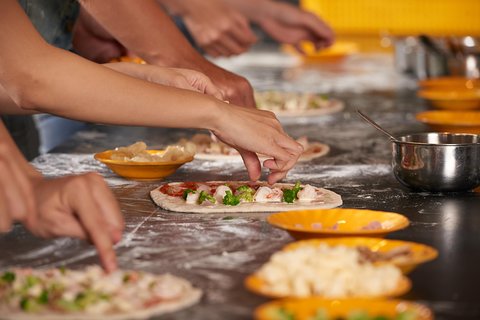
Pizza & Tiramisu Class at a Cesarina's home with tasting in Aosta
5.0(1)3 hoursViewFrom$171
Private Pizza & Tiramisu Class at Cesarina's home with tasting in Ascoli Piceno
3 hoursViewFrom$171Private Pizza & Tiramisu Class at a Cesarina's home with tasting in Syracuse
5.0(2)3 hoursViewFrom$171
Private Pizza & Tiramisu Class at Cesarina's home with tasting in Belluno
3 hoursViewFrom$171
Eating out with kids, beyond the classes: Roman restaurants are warmly child-tolerant, but the schedule is the trap - most kitchens do not open for dinner until 7:30 p.m. or later. The workarounds are the Roman institutions of pizza al taglio (by-the-slice, sold all day, eaten standing or in a park) and the early-evening aperitivo hour, when snacks appear with drinks. Lunch as the day's big meal plus an early slice-and-park dinner is a rhythm many families settle into by day two.
Picky eaters have an easier time in Rome than almost anywhere: plain pasta with butter or tomato, pizza margherita, and bread are on or near every menu, and no waiter will blink at the order. Breakfast is the reverse adjustment - the Roman version is a pastry and a coffee standing at a bar, not eggs and a table, so families who need a real morning meal should book accommodation with breakfast included or shop the night before. And set a gelato standard early: the good shops keep their colors muted and their pistachio brownish - the fluorescent mountains are for tourists.
Villa Borghese and downtime: the part families skip and regret
Every failed Rome-with-kids story has the same missing ingredient: unstructured time. Villa Borghese is where you put it. The park spreads across the hill above the Spanish Steps with rentable bikes and family pedal carts, a small boating lake, playgrounds, shaded lawns, a classic puppet theater, and panoramic terraces over the city; the Bioparco zoo sits on its grounds for younger kids, and the compact, timed-entry Borghese Gallery inside the park is the one art stop that works for older children precisely because it is small and ends before patience does. An open-air escape game in the park is another way to convert a rest afternoon into a mission for puzzle-minded kids. Do not schedule this day tightly - the whole point is slack.
Villa Borghese and easy-day experiences

Rome: Borghese Gallery & Gardens Small Group Guided Tour
The most-reviewed way into the park's compact gallery and its gardens - the right-sized art stop for families with older kids.
4.6(2,269)2.5 hoursViewFrom$65- tiqets
Borghese Gallery: Reserved Entry + 1-Day Rome Bus Tour
Reserved gallery entry paired with a day of hop-on sightseeing - a legs-saving combination on a downtime day.
4.7(4,085)ViewFrom$54 
Open Air Escape Game in Villa Borghese !
A puzzle hunt through the park itself - the way to turn a rest afternoon into a mission for game-minded kids.
4.5(149)2.5 hoursViewFrom$22
Villa Borghese E-bike Tour: Small Group in Rome's Beautiful Park
A small-group e-bike loop of the park's terraces and gardens - the highest-rated way to cover its full sprawl.
5.0(57)2.5 hoursViewFrom$70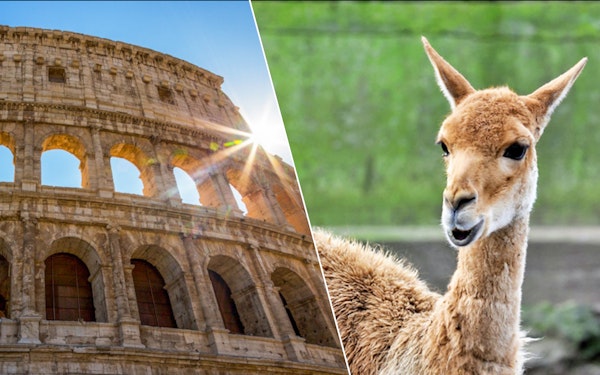
Combo: Colosseum + Rome Bioparco Tickets
The arena and the park's zoo on one booking - a high-volume combo that pairs the trip's biggest sight with its best younger-kid reward.
4.3(28,412)ViewFrom$68
Combo: Borghese Gallery Entry & 3-Hour Hop-On Hop-Off Bus Tour
0.0(0)5 hoursViewFrom$67
Day Trip Rome Car Tivoli Unesco Villa D'este & Hadrian Villa
5.0(87)6 hours - 9 hoursViewFrom$105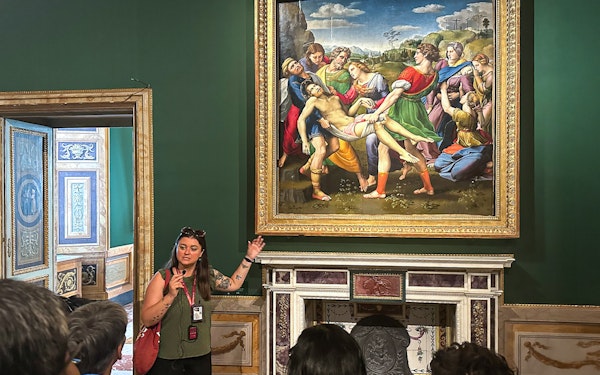
Borghese Gallery Small-Group Guided Tour
4.4(2,224)2 hoursViewFrom$58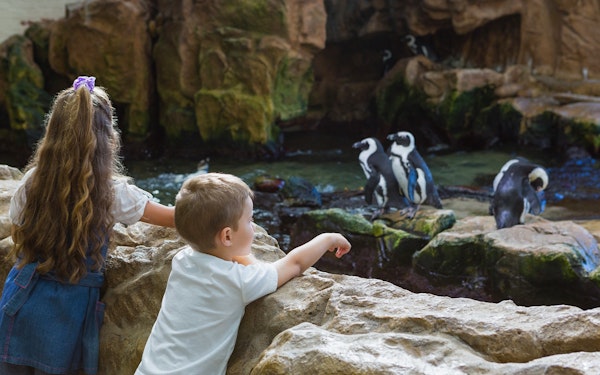
Tickets to Rome Bioparco
4.3(2,317)ViewFrom$30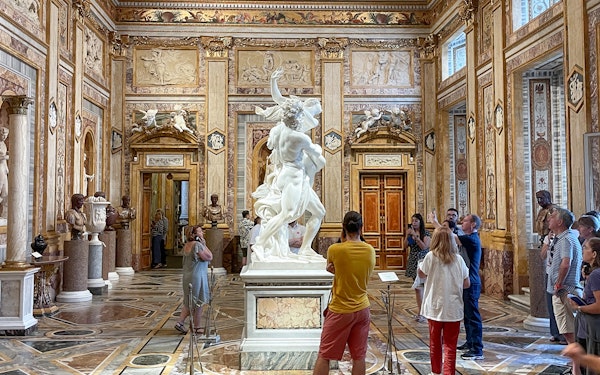
Borghese Gallery Entry Tickets
4.4(2,249)1 hourViewFrom$51
Beyond the park, Rome's free theater does a lot of family work: coin-throwing at the Trevi Fountain (go early morning or late evening to actually reach the edge), the hole-in-the-wall keyhole view on the Aventine Hill, the cats sunning themselves among the ruins of Largo di Torre Argentina, and the Pantheon's open dome, which costs little time and produces genuine awe. String these as short stops between gelato rather than as destinations in themselves.
The rainy-day and heatwave plan
Every Rome family trip needs one contingency day in its back pocket, because the two things you cannot book around are a stalled summer heat dome and a wet winter front. The good news is that the fallback list is strong enough that some families end up preferring it.
For rain: a pizza or gelato class is the single best conversion of a wet afternoon into a highlight, and the compact, timed Borghese Gallery beats the sprawling museums for children precisely because it ends before patience does. The Pantheon is a short, dry, awe-dense stop, and the food markets put lunch and shelter in the same building. Keep one class deliberately unbooked until you see the forecast - most have availability a day or two out except in peak season.
For heat: invert the day. Big sight at opening, indoors or shaded by noon, closed shutters and rest through the afternoon, and back out after five, when the light goes golden and the piazzas fill with local families doing exactly the same thing. Evening is Rome's secret family shift - the Trevi Fountain and the center's fountains and squares are cooler, calmer, and more magical after dinner than at any point in the day. If the apartment or hotel has a pool, treat it as itinerary, not amenity.
Practical family logistics
Getting around. Central Rome is a walking city, and with kids that means pacing: cluster each day's plan in one area and cap the walking. The metro is simple but sparse in the historic center; taxis from official ranks handle the tired-legs moments. Cobblestones punish cheap stroller wheels - bring a robust lightweight folder or a carrier, ideally both.
Heat management. From June through August, Rome's exposed sites are genuinely hard on children at midday. The pattern that works: big sight at opening time, long indoor or shaded lunch, siesta or pool, out again after five. The nasoni drinking fountains solve water; hats and refill bottles are non-negotiable.
Queues and bathrooms. Timed tickets kill most queue pain, but security lines at the Colosseum and Vatican remain - factor twenty to thirty minutes and pre-empt with snacks. Bathrooms inside major sights are decent; cafes expect a purchase. Go before the security line, always.
Budget shape. The family-format private tours are the big line items, and most families do exactly two - one Colosseum, one Vatican. Balance them with the cheap wins: the classes are moderate, the park is nearly free, and the city's best moments for kids - fountains, keyholes, gelato - cost pocket change.
Rome with kids: a sample shape for the trip
Day one: Colosseum family tour in the morning, Roman Forum briefly, long lunch, easy afternoon around the fountains. Day two: earliest-slot Vatican family tour, recovery afternoon at Villa Borghese with bikes or the zoo. Day three: gladiator school in the morning, pizza and gelato class for the early evening. Day four: slow center day - Pantheon, Trevi early, keyhole, markets - with nothing booked at all. Swap days freely by weather; only the Colosseum and Vatican slots are fixed points. For the grown-up version of the city and the fuller sight list, our Rome travel guide and things to do in Rome cover the ground this guide deliberately leaves soft.
Compare Rome family tours and experiences →Plan your trip
See all Rome tours and experiences →Is Rome a good city to visit with kids?
Genuinely, yes - better than its reputation for queues and churches suggests. Kids get gladiators, secret passages, coins in fountains, the best ice cream of their lives, and a city where ancient ruins appear around ordinary street corners. The failure mode is treating it like an adult art trip at adult pace. Cap the big sights at one per day, book family-specific tour formats, and build in park and gelato time, and Rome becomes one of Europe's best family cities.
Is the Colosseum worth visiting with kids?
It is usually the highlight of the whole trip - an actual gladiator arena beats any museum for most children. The keys are booking a timed slot ahead, going early before heat and crowds build, and choosing a family-format tour, where guides work in stories and questions rather than dates and dynasties. The arena-floor entrances land especially well, because walking in where the gladiators did is the version kids remember.
What is gladiator school in Rome?
A hands-on class where kids (and willing parents) put on tunics and learn basic gladiator training with padded weapons from costumed instructors, usually over about two hours. It consistently rates as a family favorite because it converts everything they just saw at the Colosseum into something physical. Formats include a class alongside a small museum of replica gear. Book ahead in season - sessions run at fixed times with limited spots.
How do you do the Vatican with children?
Shorter, earlier, and with a family-specific guide. The Vatican Museums are vast and packed, which exhausts children fast; family tours cut a kid-length route to the highlights and the Sistine Chapel with games and stories along the way. Book the earliest slot you can, set expectations about the dress code (covered shoulders and knees apply to everyone), and plan something physical for the afternoon - a park, not another museum.
Are there cooking classes in Rome suitable for kids?
Yes, and they are among the highest-rated family activities in the city. Pizza-making classes let kids stretch, top, and eat their own pizza, and several formats add gelato or tiramisu making. Most run two to three hours, which is the right length for young attention spans, and they double as dinner. They are also the perfect rainy-day or too-hot-afternoon fallback.
What is Villa Borghese, and is it good for kids?
Rome's most useful park for families - a large green space above the Spanish Steps with bikes and pedal carts for rent, a boating lake, playgrounds, viewpoints, and the city zoo on its grounds. The Borghese Gallery inside the park is a compact art stop that works for older kids precisely because it is small and timed. Plan at least one late afternoon here; downtime in green space is what keeps the rest of the trip working.
How many days do you need in Rome with kids?
Four days is comfortable: one for ancient Rome and the Colosseum, one for the Vatican, one for the fountains-and-squares center with a food class, and one slow day around Villa Borghese with room for repeats and rest. Three days works at a faster clip. With fewer, pick the Colosseum over the Vatican for most kids and keep the rest unstructured - a packed itinerary fails faster with children than any queue does.
Is a stroller practical in Rome?
Partially. The historic center's cobblestones rattle small wheels, many sights involve stairs, and buses get crowded, so a lightweight, foldable stroller or a carrier for younger children beats a full-size pram. The parks and the river paths roll fine. Most major sights let you bring a stroller but may require folding it or checking it at busy interiors, so a carrier as backup keeps options open.
When is the best time to take kids to Rome?
Spring and autumn, without hesitation. April to early June and September to October give warm walking weather without the July-August heat that wilts children in queue lines and on the exposed Forum. Summer works if you go early, siesta in the middle of the day, and lean on fountains, gelato, and evening walks. Winter is quiet and mild by northern standards - the trade is shorter days and some rain, against the shortest lines of the year.
Is Rome doable with a toddler?
Yes, with recalibrated expectations. Toddlers experience Rome as fountains, pigeons, open piazzas, and gelato, and on those terms the city delivers daily. Keep ticketed visits under an hour, favor a carrier over a stroller for cobbles and crowded interiors, base each day around a park block like Villa Borghese and its zoo, and use the quiet early-dinner window before Roman restaurants fill. The Colosseum and Vatican can wait for a return trip, or be split between parents while one takes park duty.
What should teenagers do in Rome?
Trade the kid formats for the real thing with agency attached. The Colosseum arena-floor entrances, gladiator school (teens fight harder than the eight-year-olds), e-bike tours of the parks, and the evening walk through the floodlit center all land well, and handing a teenager the job of finding the city's best pizza al taglio or gelato turns logistics into a quest. For the Vatican, a guide who leans into scale and strangeness beats a highlights checklist at this age.
Keep reading
更多阅读
更多指南帮助您规划旅行

5 Days in Rome: The Itinerary Where the City Finally Opens Up
Five days in Rome is where the checklist ends and the city begins. A day-by-day route with the two day trips worth taking and the mistakes that waste the extra time.

The Best Walking Tours in Rome: Which Ones Are Worth Booking
Rome is a walking city with more guided tours than any visitor can sort through. Which types actually help, when to do them, and what the free tours really cover.

Christmas Markets in Rome: What the Season Is Actually Like
Rome at Christmas is not a northern market city, and that is the point. What the season actually offers, when it runs, and how to plan a December trip around it.

2026年万神殿门票:价格、类型及跳过排队指南
2026年罗马万神殿门票实用指南 - 现在需要付费入场,门票类型对比、预订时机以及如何跳过排队。

2026年西斯廷礼拜堂门票:价格、类型及如何跳过排队
2026年西斯廷礼拜堂门票实用指南 - 通过梵蒂冈博物馆的入场方式、门票类型对比,以及何时值得购买跳过排队门票。

博格塞美术馆门票:2026年指南,定时入场、导游游览和如何应对售罄
2026年实用的博格塞美术馆指南 - 各类门票对比、严格的2小时时段制如何运作,以及官方门票售罄时的应对方案。

1 Day in Rome: The Itinerary and the Best Rome in One Day Tours
How to spend 1 day in Rome without losing it to queues: Colosseum morning, Vatican or historic center afternoon, and the full-day tours that solve it all.

Rome in Winter: Why November to February Is the Connoisseur's Season
Rome in winter means short queues at the Colosseum and Vatican, mild days, Christmas in the piazzas, and the city at its most local - here is how to plan it.