RomeItineraryItalyColosseumVatican
2 Days in Rome: The Perfect Weekend Itinerary
A 2-day Rome itinerary that actually flows: ancient Rome and the Colosseum on day one, the Vatican and centro storico on day two, with the tours travelers rate highest.
Door SimilarTours Editorial - Travel Research · · 17 min leestijd

Rome punishes the unplanned. Turn up without a strategy and you can lose a morning in the Colosseum queue and an afternoon in the one at the Vatican, and suddenly a short trip is mostly standing in line. 2 days in Rome is plenty of time to see the icons and feel the city, but only if you split the days cleanly and book the two big sites before you arrive. Do that, and the queues stop being your problem.
This 2 days in Rome itinerary is built for exactly that: ancient Rome and the Colosseum on day one, the Vatican and the historic center on day two, with an evening in Trastevere to turn dinner into the highlight. Every tour referenced is currently bookable through our partner OTAs and ranked on real ratings and review counts, verified July 2026.
Browse all Rome tours and experiences →Before you go
Where to stay. For a two-day trip, stay central and walk. The historic center around the Pantheon, Piazza Navona, and Campo de' Fiori puts most sights within walking distance. Monti, just behind the Colosseum, is atmospheric and close to the ancient sites. Trastevere is charming and perfect for evenings, though a little further from the Vatican. Whichever you pick, central is the point, because on a short trip the thing you are really buying is time.
How to get around. Rome's center is walkable, and most of this itinerary is on foot. The metro is cheap and simple with two main lines, useful for the longer hop out to the Vatican or back from a late night. Taxis and ride apps cover the gaps. Wear shoes you can walk all day in, because the cobbles are unforgiving and you will cover a lot of ground.
What to book ahead. This is the one that makes or breaks the trip. The Colosseum runs on timed entry and sells out, and the Vatican Museums draw long queues from the moment they open. Book a guided tour or a skip-the-line ticket for both before you arrive. On a two-day trip, the hours you save in line are the difference between seeing Rome and queuing for it.
Pace it. Two days of central Rome is a lot of walking on hard surfaces, often in strong sun. Start early to beat both the heat and the worst of the crowds at the big sites, build in a long sit-down lunch, and keep one evening genuinely relaxed. Rome rewards an aimless hour wandering as much as any booked ticket, so do not fill every slot.
Day 1: Ancient Rome
Give the first day to the ancient city. The Colosseum, the Roman Forum, and Palatine Hill sit directly next to each other, which is a gift for planning: one guided tour or one skip-the-line ticket covers all three in a single morning. Go early, when the light is soft and the crowds are thinnest.
Morning: the Colosseum, Forum and Palatine Hill
A guided tour is the easy call here. It gets you past the queue, walks you through all three sites in a sensible order, and turns a set of ruins into something you can actually read. The tours below are the highest-rated and most-reviewed in the Rome catalog for this cluster, best first.
Top Colosseum, Forum and Palatine Hill tours

Rome: Colosseum, Roman Forum and Palatine Hill Guided Tour
The most-reviewed Colosseum tour in the catalog by a wide margin - one guide, all three ancient sites, the reliable first-morning anchor.
4.5(24,960)3 hoursViewFrom$57
Colosseum, Roman Forum & Palatine Hill Guided Tour
A slightly shorter version of the same three-site walk at the same price - a strong, high-volume alternative if the top slot is booked out.
4.5(9,859)2.5 hoursViewFrom$57
Rome: Colosseum Guided Tour with Roman Forum and Palatine Hill
A higher-rated three-site tour for travelers who want the best reviews over the biggest crowd - the same ancient cluster, a smaller feel.
4.7(3,195)3 hoursViewFrom$63
Rome: Colosseum with Arena, Roman Forum and Palatine Guided Tour
Adds arena-floor access to the standard loop - the pick if you want to stand where the crowds once looked down, with strong review volume.
4.3(6,198)2.5 hoursViewFrom$76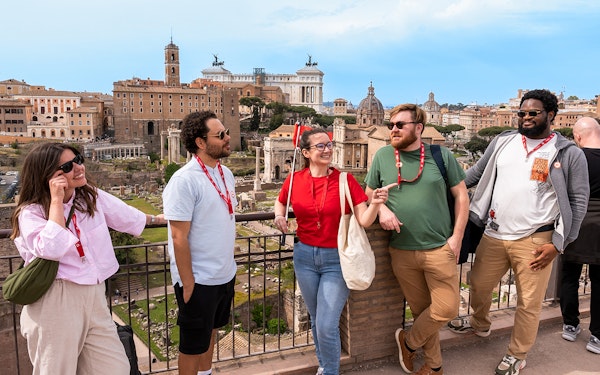
Colosseum, Palatine Hill & Roman Forum Guided Tour
4.5(18,719)2 hoursViewFrom$41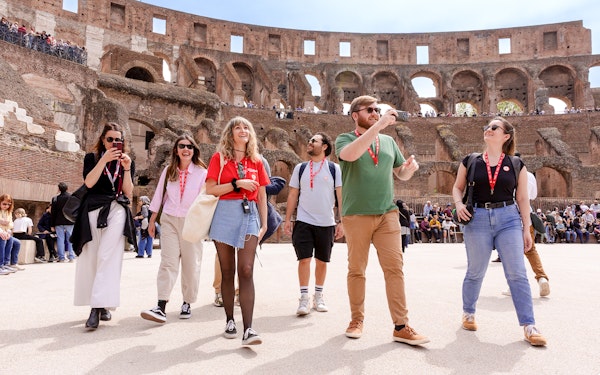
Colosseum, Palatine Hill & Roman Forum with Exclusive Arena Floor Guided Tour
4.5(12,332)2 hr 30 minViewFrom$75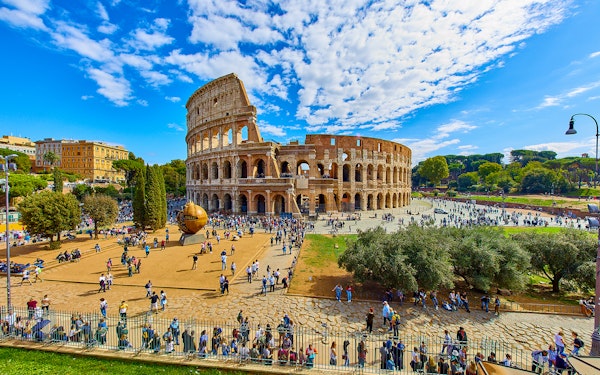
Colosseum, Palatine Hill & Roman Forum Pass
4.4(29,099)4 hoursViewFrom$28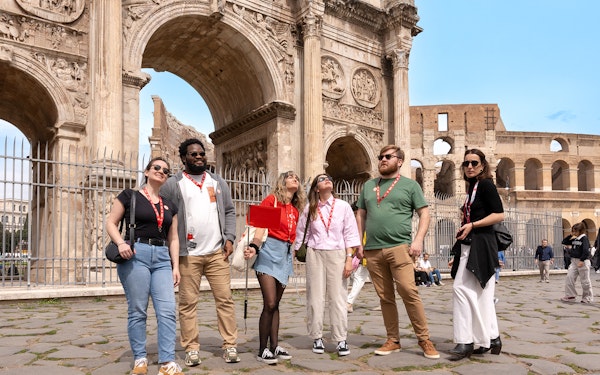
Colosseum, Palatine Hill & Roman Forum Small Group Tour
4.5(3,509)2 hr 30 minViewFrom$57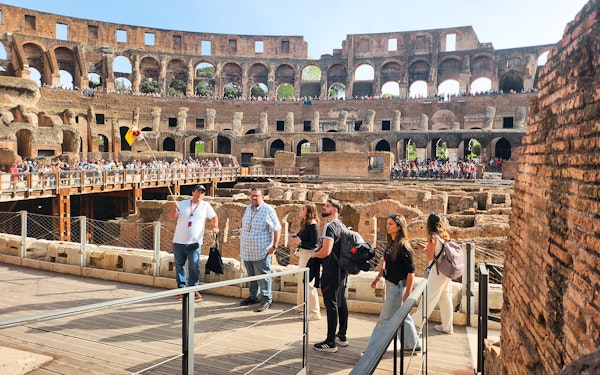
VIP Colosseum, Palatine Hill & Roman Forum Private Tour
4.1(7)3 hoursViewFrom$194
Private Rome Full-Day Tour by Golf Cart +Colosseum & Roman Forum
5.0(86)7 hoursViewFrom$1,606
Insider tip
Book the Colosseum first. Of everything on this trip, the Colosseum is the one to lock in earliest. Timed entry is required, the popular morning slots go first, and same-day tickets are unreliable in peak season. Reserve the guided tour or skip-the-line ticket as soon as your dates are fixed, then build the rest of the day around that time.
Afternoon: the ancient core on foot
With the big three behind you by lunch, the afternoon is for wandering the surrounding streets at your own pace. The area between the Forum and the river is dense with the ancient city: the Capitoline hill and its piazza, the columns and arches scattered through the archaeological zone, and the Monti neighborhood just behind the Colosseum, which trades ruins for ivy-draped lanes, small bars, and some of the best casual food near the ancient sites. Break for a long lunch somewhere in Monti, then drift rather than march. You have earned a slower afternoon, and the light on the old stone in the late day is worth slowing down for.
Evening: dinner in Trastevere
Cross the river as the sun drops. Trastevere is Rome's classic evening: a warren of cobbled lanes, trattorias, and wine bars packed into a small, walkable area, and it comes alive after dark. The single best way to eat here without spending the day researching reservations is a guided food tour, which strings together several tastings across local spots you would struggle to find or get into alone. The tours below are the highest-rated Trastevere food experiences in the catalog, best first.
Top Trastevere food and wine tours

Rome: Trastevere Luxury Food tour with Free-Flowing Fine Wine
The highest-rated Trastevere food tour in the catalog - a four-hour evening crawl with free-flowing fine wine, the splurge pick for a special night.
5.0(3,316)4 hoursViewFrom$146
Winner 2026 Rome Twilight Trastevere Food Tour by Eating Europe
The most-reviewed Trastevere food tour by a wide margin - a twilight walk through the neighborhood as it lights up, tastings built in.
4.9(6,097)4 hoursViewFrom$121
Rome: Award Winning Trastevere Group Food Tour with Wine
A high-rated, high-volume group crawl with wine at a friendlier price - the value pick that still hits the neighborhood's best bites.
4.9(2,748)3 hoursViewFrom$89
Rome Food & Wine Tour: 15 tastings in Trastevere & charming spots
Fifteen tastings across Trastevere and nearby corners - the widest spread of small bites for travelers who want to graze rather than sit.
4.9(3,499)3.5 hoursViewFrom$85
Twilight Food Tour in Trastevere
4.9(105)4 hoursViewFrom$121
Trastevere and Campo De' Fiori Food Tour With Jewish Ghetto
4.9(123)4 hoursViewFrom$51
Trastevere Food Tour
4.9(142)2 hr 30 minViewFrom$92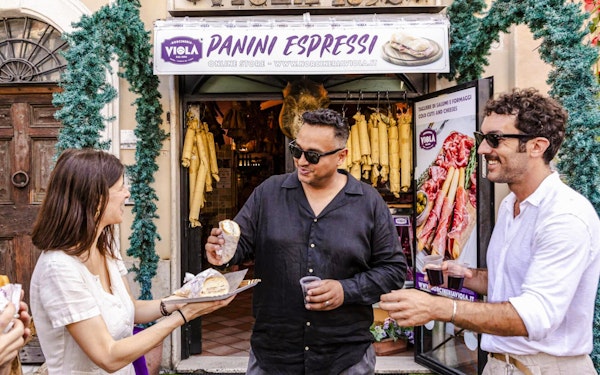
Eternal Rome: Trastevere Food Tour & Jewish Ghetto
4.9(119)4 hoursViewFrom$138
Rome by Night Tour with Top E-bike and optional Italian Dinner
5.0(78)2 hours - 4 hoursViewFrom$85
Trastevere and Jewish Ghetto Private Walking Tour
5.0(80)2 hoursViewFrom$176
Insider tip
Go hungry. The Trastevere food tours run across several tastings and several hours, so skip a big lunch and arrive with a real appetite. The popular twilight and evening slots fill first in peak season, so reserve a few days ahead, and check whether wine is included if that matters to how you plan the night.
Day 2: The Vatican and the centro storico
Day two swings to the other side of the center. The morning belongs to the Vatican, the one place that rivals the Colosseum for queues, and the afternoon threads together the greatest hits of the historic center: the Pantheon, the Trevi Fountain, and Piazza Navona, all within a short walk of each other.
Morning: the Vatican Museums, Sistine Chapel and St Peter's
The Vatican Museums draw long lines from opening, and the Sistine Chapel at the end of the route is the payoff most people come for. A guided tour with skip-the-line access is the smart move: you save the queue and get context for a collection that is overwhelming without it. Many tours also fold in St Peter's Basilica. The tours below are the top-rated Vatican options in the catalog, best first.
Top Vatican Museums and Sistine Chapel tours

Vatican Museums, Sistine Chapel & St Peter’s Basilica Guided Tour
The most-reviewed Vatican tour in the catalog by a huge margin - all three headline sites with a guide, the reliable day-two anchor.
4.5(40,809)3 hoursViewFrom$80
Skip-The-Line Vatican Museums, Sistine Chapel & Basilica Tour
The value pick for the full three-site visit - skip-the-line access to the museums, Sistine Chapel, and Basilica at a lower price point.
4.5(1,024)3 hoursViewFrom$52
Vatican Museums & Sistine Chapel Tour - Small Group Max 10ppl
A small-group cap of ten for travelers who want to hear the guide and move at a calmer pace - highly rated, focused on the museums and chapel.
4.5(619)3 hoursViewFrom$50
Vatican Museums, Sistine Chapel Tour and Basilica Access
A high-volume alternative to the top pick with Basilica access included - the same core route if the leading tour is sold out for your slot.
4.4(4,195)3 hoursViewFrom$80
Vatican Museums, Sistine Chapel & St. Peters Basilica Guided Tour
4.6(469)3 hoursViewFrom$129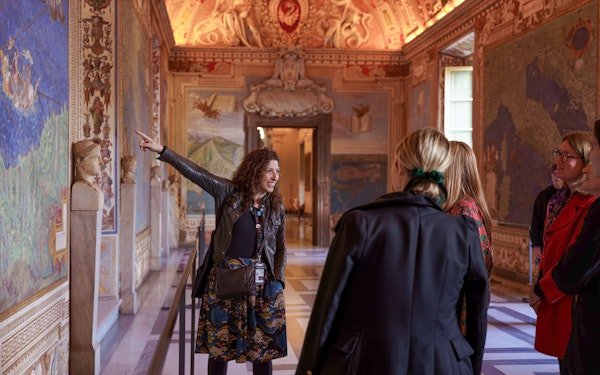
Vatican Museums & Sistine Chapel Guided Tour with St. Peter's Basilica
4.4(22,547)3 hoursViewFrom$67
Vatican Museums, Sistine Chapel & St. Peters Basilica Guided Tour
4.5(11)3 hoursViewFrom$130
Vatican Museums, Sistine Chapel & St. Peter's Basilica Tour
3.0(2)2 hr 40 minViewFrom$89
Vatican Museums, Sistine Chapel & St. Peter's Basilica Tour
5.0(7)2 hr 40 minViewFrom$89
Vatican , Sistine Chapel , St. Peter's Basilica , package price
5.0(1)4 hoursViewFrom$709
Insider tip
Dress code and timing. St Peter's Basilica and the Vatican enforce a dress code: shoulders and knees covered for everyone. Pack accordingly if your tour includes the Basilica, or you can be turned away at the door. Book an early slot to beat the worst of the crowds, and note that the Vatican is closed to tourists on Sunday mornings for most of the day, so plan day two around a weekday if you can.
Afternoon: the Pantheon, Trevi and Piazza Navona
After the Vatican, walk east into the historic center, where Rome's most photographed sights cluster within a few minutes of each other. The Pantheon sits at the heart of it, a vast domed space that is free to step into and unlike anything else in the city. From there it is a short stroll to the Trevi Fountain, best seen either very early or in the evening glow, when the crowds thin a little. Piazza Navona, with its fountains and cafe tables, is the place to sit with a coffee or an aperitivo and let the afternoon slow down. String them together on foot, ducking into the small churches and gelato spots between, and you have covered the centro storico's greatest hits in one easy loop.
For an evening on day two, you have options: another neighborhood dinner, a slow aperitivo in one of the piazzas, or a guided walk that ties the illuminated sights together after dark. If you want more structured food and drink recommendations across the center, our Rome food-and-drink guides collect the highest-rated options.
Browse Rome food and drink experiences →If you have an extra afternoon or a third day
Two days covers the icons, but Rome sits at the center of some of the best day trips in Italy, and even half a day extra opens options. If you can stretch the trip, two stand out.
Tivoli. An easy trip east of the city, Tivoli pairs two of the region's great villa gardens, with terraced fountains and grounds that feel a world away from the ancient core. It works as a relaxed half or full day and is a strong counterweight to two intense days in the center.
Pompeii. Further afield to the south, Pompeii is the day trip travelers most often add to a Rome base, a full day among the streets of a Roman town frozen in time. It is a longer haul and a full-day commitment, so it suits a genuine third day rather than a squeezed afternoon.
Both are covered in more depth, along with the rest of the options, in our dedicated guide to the best day trips from Rome.
Practical tips
Book the Colosseum and the Vatican before anything else. These are the two sites that sell out and eat hours in line; everything else on a two-day trip flexes around them.
Start early. Both big sites are calmest and coolest right at opening, and the historic-center piazzas are magical before the day-trip crowds arrive.
Carry water and refill at the nasoni, the free public drinking fountains dotted across the city. Rome's tap water is excellent and the fountains run cold all day.
Mind the dress code. Covered shoulders and knees are required at the Vatican and St Peter's, and it is enforced at the door.
Wear proper walking shoes. Two days of cobbles in the sun is hard on the feet, and this itinerary is almost entirely on foot.
Watch for pickpockets on the metro and around the busiest sights. Keep bags zipped and in front of you in crowds.
Quick recap: the 2-day plan
| Day | Focus | Anchor experience | From | Rating |
|---|---|---|---|---|
| 1 | Ancient Rome | Colosseum, Forum & Palatine Guided Tour | $57 | ★4.6 (24,960) |
| 1 | Evening | Trastevere Twilight Food Tour | $121 | ★4.9 (6,097) |
| 2 | The Vatican | Vatican, Sistine Chapel & St Peter's Tour | $80 | ★4.5 (40,809) |
| 2 | Afternoon | Pantheon, Trevi & Piazza Navona walk | Free | Self-guided |
The rhythm that makes two days work is one icon per day with the queues booked out in advance: the Colosseum and ancient Rome on day one, the Vatican and the centro storico on day two, and Trastevere for the evening that ties it together. Do that, and Rome gives you its best in a weekend.
Plan your trip
See all Rome tours and experiences →Is 2 days enough for Rome?
Two days is enough to see Rome's headline sights and get a real feel for the city, as long as you split it cleanly: ancient Rome and the Colosseum on one day, the Vatican and the historic center on the other. It is not enough to exhaust Rome, and you will leave with a list of reasons to return, but a focused two-day plan covers the icons without feeling rushed if you book the two big sites ahead.
What should I do on my first day in Rome?
Give the first day to ancient Rome: the Colosseum, the Roman Forum, and Palatine Hill sit side by side, so a single guided tour or skip-the-line ticket covers all three in one morning. Spend the afternoon wandering the surrounding streets and end the evening across the river in Trastevere, ideally on a food tour that turns dinner into the highlight of the day.
How do you get around Rome in 2 days?
Rome's center is walkable, and most of what you will see on a two-day trip is within reach on foot. The metro is useful for longer hops, such as from the center out to the Vatican, and it is cheap and simple with two main lines. Taxis and ride apps fill the gaps late at night. For two days, plan to walk most of it and use the metro to save your legs between the two big clusters.
Do you need to book the Colosseum and Vatican in advance?
Yes. Both sell out, especially in peak season, and same-day entry is unreliable. Timed-entry tickets are required at the Colosseum, and the Vatican Museums draw long queues from opening. Booking a guided tour or a skip-the-line ticket ahead locks in your slot and saves you hours in line, which matters more on a tight two-day trip than almost anything else you can plan.
What is the best area to stay in Rome for a short trip?
For a two-day trip, stay central and walk. The historic center around the Pantheon, Piazza Navona, and Campo de' Fiori puts you within walking distance of most sights. Monti and the area near the Colosseum are atmospheric and close to the ancient sites. Trastevere is charming and great for evenings but a little further from the Vatican. Anywhere central saves you the most valuable thing on a short trip, which is time.
Can you see the Colosseum and the Vatican in one day?
You can, but it is a long, rushed day that shortchanges both. The two sites sit on opposite sides of the center and each deserves a couple of hours, plus queue time. On a two-day trip the far better rhythm is one icon per day: the Colosseum and ancient Rome on day one, the Vatican and the historic center on day two. That split is what this itinerary is built around.
How much should I budget for tours in Rome?
Rome has strong value across the range. Guided Colosseum tours with the Forum and Palatine Hill often start in the $20 to $60 band, Vatican tours run from around $50 upward depending on group size and skip-the-line access, and Trastevere food tours sit in the $60 to $120 range for several tastings. A reasonable plan is the two big guided visits plus one food tour, which anchors the whole trip without overspending.
Where should I eat in Rome in the evening?
Trastevere is the classic evening choice: cobbled lanes, trattorias, and wine bars packed into a small area across the river. Campo de' Fiori and the Jewish Ghetto are also excellent for food and close to the center. The easiest way to eat well without research is a guided food tour, which lines up several tastings across local spots you would struggle to find or get into on your own.
When is the best time to visit Rome?
Spring (April to June) and autumn (September to October) are the sweet spots, with mild weather and slightly thinner crowds than high summer. July and August are hot and busy, with the Colosseum and Vatican at their most crowded, so book everything ahead and start early. Winter is quieter and cooler, with short queues and a very different, calmer feel to the city.
Is 2 days in Rome enough to see the main sights?
Yes, for the headline sights it is. Two focused days cover the Colosseum, the Roman Forum, Palatine Hill, the Vatican Museums, the Sistine Chapel, St Peter's Basilica, the Pantheon, the Trevi Fountain, and Piazza Navona, which is most people's must-see list. What you trade is depth and the smaller museums and neighborhoods, which is exactly what a return trip or a third day is for.
Keep reading
Meer lezingen
Meer gidsen om je reisplanning te helpen

5 Days in Rome: The Itinerary Where the City Finally Opens Up
Five days in Rome is where the checklist ends and the city begins. A day-by-day route with the two day trips worth taking and the mistakes that waste the extra time.

The Best Walking Tours in Rome: Which Ones Are Worth Booking
Rome is a walking city with more guided tours than any visitor can sort through. Which types actually help, when to do them, and what the free tours really cover.

Christmas Markets in Rome: What the Season Is Actually Like
Rome at Christmas is not a northern market city, and that is the point. What the season actually offers, when it runs, and how to plan a December trip around it.

Pantheon-kaartjes in 2026: Prijzen, soorten en hoe je de rij overslaat
Een praktische gids voor 2026 voor Pantheon-kaartjes in Rome - nu dat de entree betaald is, vergelijking van kaartsoorten, wanneer reserveren en hoe je de rij overslaat.

Kaarten voor de Sixtijnse Kapel in 2026: Prijzen, soorten en hoe je de rij overslaat
Een praktische gids voor 2026 voor kaarten voor de Sixtijnse Kapel - hoe toegang werkt via de Vaticaanse Musea, de verschillende kaartsoorten vergeleken, en wanneer rij overslaan de moeite waard is.

Galleria Borghese kaarten: 2026 gids voor getijdingangen, rondleidingen en uitverkochte vermijden
Een praktische gids voor Galleria Borghese in 2026 - elk kaarttype vergeleken, hoe het strikte 2-uurs slotensysteem werkt, en wat je doet als officiële kaarten uitverkocht zijn.

1 Day in Rome: The Itinerary and the Best Rome in One Day Tours
How to spend 1 day in Rome without losing it to queues: Colosseum morning, Vatican or historic center afternoon, and the full-day tours that solve it all.

Rome in Winter: Why November to February Is the Connoisseur's Season
Rome in winter means short queues at the Colosseum and Vatican, mild days, Christmas in the piazzas, and the city at its most local - here is how to plan it.