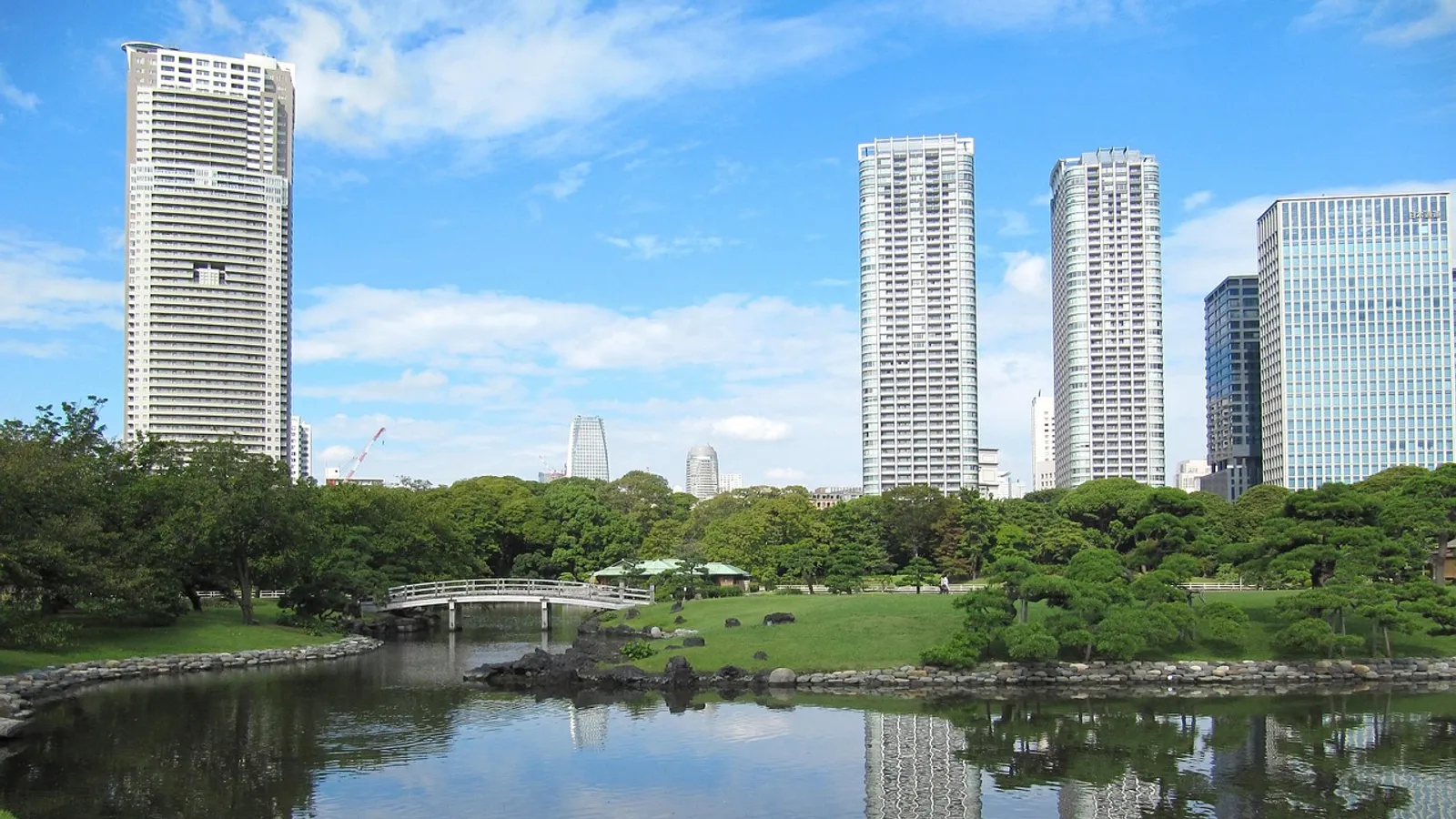
Summer in Tokyo runs from June to August and comes in two halves. June is the rainy season, warm and damp, with an average high of 26°C (79°F). After the rains end, usually around 19 July, July and August turn hot and humid, with average highs of 30 to 31°C (86 to 88°F) and some days above 35°C. It is the season of fireworks, shrine festivals and street dances, so plan early starts, cool afternoons indoors and long evenings out.
- Hottest month
- August, average high 31.3°C (88°F), 1991 to 2020
- Rainy season
- Normally 7 June to 19 July (Kanto-Koshin)
- Humidity
- 74% to 76% monthly average, June to August
- Heat alerts
- Issued from late April into October
- Most popular fireworks
- Sumida River, held 25 July in 2026
- Summer holidays
- Marine Day 19 July 2027, Mountain Day 11 August
Tokyo summer at a glance
Figures below are the 1991 to 2020 averages the Japan Meteorological Agency publishes for its Tokyo station (JMA normal values, checked 13 Nov 2026). For Fahrenheit, the average highs work out at about 79°F, 86°F and 88°F.
| Month | Average high | Average low | Humidity | Rain | Days at 30°C or more | What is on |
|---|---|---|---|---|---|---|
| June | 26.1°C | 18.5°C | 75% | 167.8 mm | 3.6 | Rainy season, hydrangeas and irises, Sanno Matsuri (big procession in even years) |
| July | 29.9°C | 22.4°C | 76% | 156.2 mm | 16.8 | Rains end mid-month, Hozuki-ichi at Senso-ji, Sumida River fireworks |
| August | 31.3°C | 23.5°C | 74% | 154.7 mm | 22.6 | Peak heat, Obon period, Fukagawa Hachiman Matsuri, Koenji Awa Odori |
Single summers stray a long way from these averages. The normal August has 3.0 days at 35°C (95°F) or above. August 2025 had 18 of them, with an average daily high of 34.4°C, while August 2026 came in close to normal at 31.5°C (JMA monthly records for 2025 and 2026). The swing between two recent summers is wider than the gap between July and August in a normal year.
Tokyo weather in summer: heat, humidity and the end of the rainy season
Tokyo weather in summer is hot, humid and changeable: a grey, wet June, then a stretch from late July through August when highs above 30°C are the norm and nights stay warm. Rain falls in all three months, but the kind of rain changes from steady drizzle to short, heavy storms.
When the rainy season starts and ends
The rainy season, tsuyu, normally begins around 7 June and ends around 19 July in the Kanto-Koshin region that includes Tokyo. The JMA marks each date as the midpoint of a changeover that lasts about five days, so treat them as approximate (JMA tsuyu dates since 1951, checked 13 Nov 2026). Individual years drift a long way from the average. In 2025 the season ran from about 22 May to about 28 June. In 2026 the JMA's confirmed dates are about 2 June to about 19 July.
For how the rainy season sits in the wider year, the best time to visit Tokyo guide has the month-by-month view.
Summer temperature in Tokyo, day and night
Daytime heat builds through July. In the 1991 to 2020 normals, July has 16.8 days at 30°C or more and August 22.6, and the average low in August is 23.5°C. The JMA also counts days when the temperature never drops below 25°C, even overnight; the August normal is 9.9 of them, and on those days the hour after dawn brings little relief.
Typhoons and thunderstorms
Typhoon season overlaps the summer and peaks just after it. On the JMA's 1991 to 2020 averages, a typhoon comes within 300 km of a weather station in the Kanto-Koshin region on average June 0.2, July 0.4, August 0.8 and September 1.2 times (JMA typhoon averages, checked 13 Nov 2026). Those are averages below one a month, so a close typhoon is far from certain on any one trip, but when one comes near it can cancel outdoor events; the Sumida River fireworks, for one, are called off in typhoon weather. August averages 3.2 days with thunder, and the official Tokyo guide notes that short, heavy downpours are common in the evenings (GO TOKYO, August).
Heatstroke alerts and how to use them
Japan's Ministry of the Environment and the JMA issue a Heat Stroke Alert when the forecast WBGT, a heat index built from air temperature, humidity and sunshine, reaches 33. It is announced at 5:00 pm the day before and updated at 5:00 am (Ministry of the Environment heat site, checked 13 Nov 2026). A higher Special Heat Stroke Alert is issued when the next day's forecast reaches 35 at every monitoring point in a prefecture. When that happens, municipalities open designated cooling shelters at set hours (Special alert outline, in Japanese). The 2026 alert season ended on 21 October and the next is due to start in late April.
On alert days the ministry's English advice is blunt: "Avoid going out as much as possible and keep the room cool with an air conditioner and the like." For a visitor that means moving the outdoor parts of the day to early morning and evening, and treating the middle of the day as indoor time.
Things to do in Tokyo in June
June suits travellers who do not mind rain and want the city before the full heat. Flowers are the main outdoor draw. The official guide lists the Bunkyo Hydrangea Festival at Hakusan Shrine, with about 3,000 plants, and iris viewing at Horikiri Shobuen and Koishikawa Korakuen (GO TOKYO, June, checked 13 Nov 2026). The guide's own tip is that hydrangeas look their best in mist and light rain.
Beer gardens open across the city in early summer, on department store rooftops, in Odaiba and at Mt Takao on the western edge of Tokyo. The legal drinking age in Japan is 20.
Hie Shrine's Sanno Matsuri runs through mid-June every year, with its grand procession in even-numbered years (details below). On the wettest days, move the plan indoors to aquariums and museums. June also has the city's lowest sunshine of the three summer months, 124 hours on average, so a rain plan matters more than a heat plan.
The best time to be outside is early. In 2027 the sun rises in Tokyo at about 4:25 am in the second half of June and sets close to 7:00 pm (NAOJ almanac for Tokyo).
Things to do in Tokyo in July
July is a month of two halves: rainy-season weather in the first weeks, then heat once the rains end, normally around 19 July. The events start early in the month. Tanabata, the star festival, falls on 7 July, and the official guide lists the Shitamachi Tanabata Matsuri and the morning glory fair in Iriya among the July events (GO TOKYO, July, checked 13 Nov 2026).
On 9 and 10 July, Senso-ji in Asakusa holds its Hozuki-ichi, the lantern-plant fair. Later in the month comes the Sumida River fireworks, which the official guide calls Tokyo's most popular fireworks festival. Both are covered in the festivals section below.
Marine Day, a national holiday, falls on the third Monday of July, which is 19 July in 2027 (holidays published by the Cabinet Office). It makes a three-day weekend, so plan busy sights around it. If you have a choice of dates inside July, the second half gives better odds of dry weather but hotter days; the first half is cooler but wetter.
Early-morning walking tours in Tokyo to compare

Kyoto Gion Early Morning Walking Tour
5.0(40)3 hoursViewFrom$48
Tokyo Early Morning Tour Asakusa Meiji Shrine Private Opt
5.0(82)5 hoursViewFrom$58
Nikko Early Morning Tour Tokyo Departure Option Available
5.0(12)6 hoursViewFrom$71
Takayama Early Morning Guided Walking Tour and Market Visit
5.0(3)2 hr 30 minViewFrom$161
Kyoto Early Morning Tour with English Speaking Guide
4.9(2,162)5 hours - 6 hoursViewFrom$86
Tokyo Early Morning Walking Tour (calm atmosphere!)
5.0(2)3 hours - 4 hoursViewFrom$77
Morning running tour of Yokohama - Morning running and breakfast - with local guide Minato Mirai and Chinatown
5.0(1)1 hr 30 minViewFrom$13
Explore Tokyo’s History on Foot Asakusa Kappabashi and Ueno
4.9(27)3 hoursViewFrom$52
Kamakura Early Morning Tour Tokyo Departure Available
5.0(35)6 hoursViewFrom$68
Tokyo Full Day Sightseeing Private City Tour with English Guide
5.0(24)8 hours - 10 hoursViewFrom$339
Things to do in Tokyo in August
Heat and festivals both peak in August. Shrines, parks and other local venues host bon-odori dances in the evenings, mostly from mid to late August according to the official guide, and the guide notes that anyone may wear a yukata to them (GO TOKYO, August, checked 13 Nov 2026).
Mountain Day, 11 August, is the month's national holiday. The days around 15 August are Obon, a customary period rather than a public holiday. On the evening of 15 August, Senso-ji holds a lantern memorial service in its main hall, a date the temple describes as the month-late Obon (Senso-ji annual events).
Other August dates in the official guide include the Asagaya Tanabata Matsuri in early August, along a 750-metre shopping arcade, and the Azabu-Juban Noryo Festival. The Fukagawa Hachiman Matsuri and Koenji Awa Odori are the two big ones; both have their own entries below.
By late August the sun rises at about 5:04 am and sets at about 6:24 pm (21 August 2027), so the cool early hours shrink as the month goes on.
Summer festivals and fireworks in Tokyo
Summer festivals in Tokyo fall into two kinds: shrine and temple festivals, which follow fixed calendars, and big civic events such as fireworks and dance festivals, which are dated year by year. Dates for summer 2027 had mostly not been announced when we checked on 13 November 2026, so the 2026 dates below show the usual timing. Check each organiser's site before you book flights around one.
Sanno Matsuri at Hie Shrine (June)
Hie Shrine in Akasaka holds the Sanno Matsuri every June. In 2026 it ran from 7 to 17 June. The grand procession, the Jinkosai, takes place only every two years: on 12 June 2026, about 500 people in court costume walked a route of about 23 km past the Imperial Palace, Tokyo Station and Ginza (Sanno Matsuri official site, checked 13 Nov 2026). On that two-year cycle, 2027 is not a procession year, though the festival itself is held every June.
Hozuki-ichi at Senso-ji (9 and 10 July)
Senso-ji's lantern-plant fair takes place every year on 9 and 10 July. Stalls selling hozuki plants fill the temple grounds on the two days of the Shimanrokusennichi festival (Senso-ji, checked 13 Nov 2026). The temple says a visit on 10 July carries the merit of 46,000 days of worship, the largest of its twelve such days in the year. Go in the morning, before the heat of the day.
Sumida River Fireworks Festival (late July)
The Sumida River fireworks were held on Saturday 25 July in 2026, the 49th edition, from 7:00 pm to 8:30 pm (festival plan summary, checked 13 Nov 2026). The date for 2027 has not been announced; do not assume a fixed weekday rule. There are two launch sites: the first, between Sakurabashi and Kototoibashi bridges, starts at 7:00 pm and the second, between Komagatabashi and Umayabashi, at 7:30 pm. Together they fire about 20,000 shells.
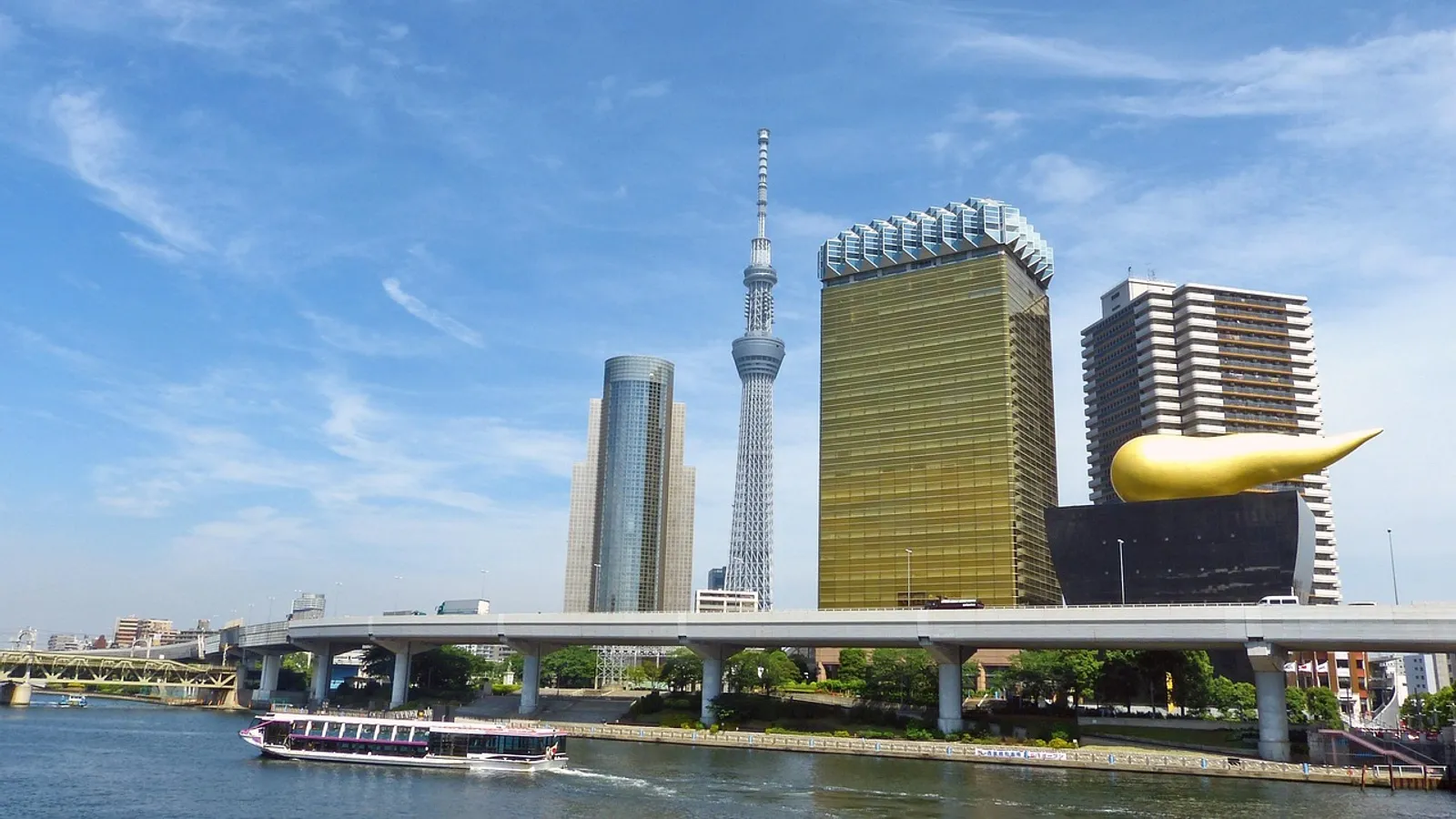
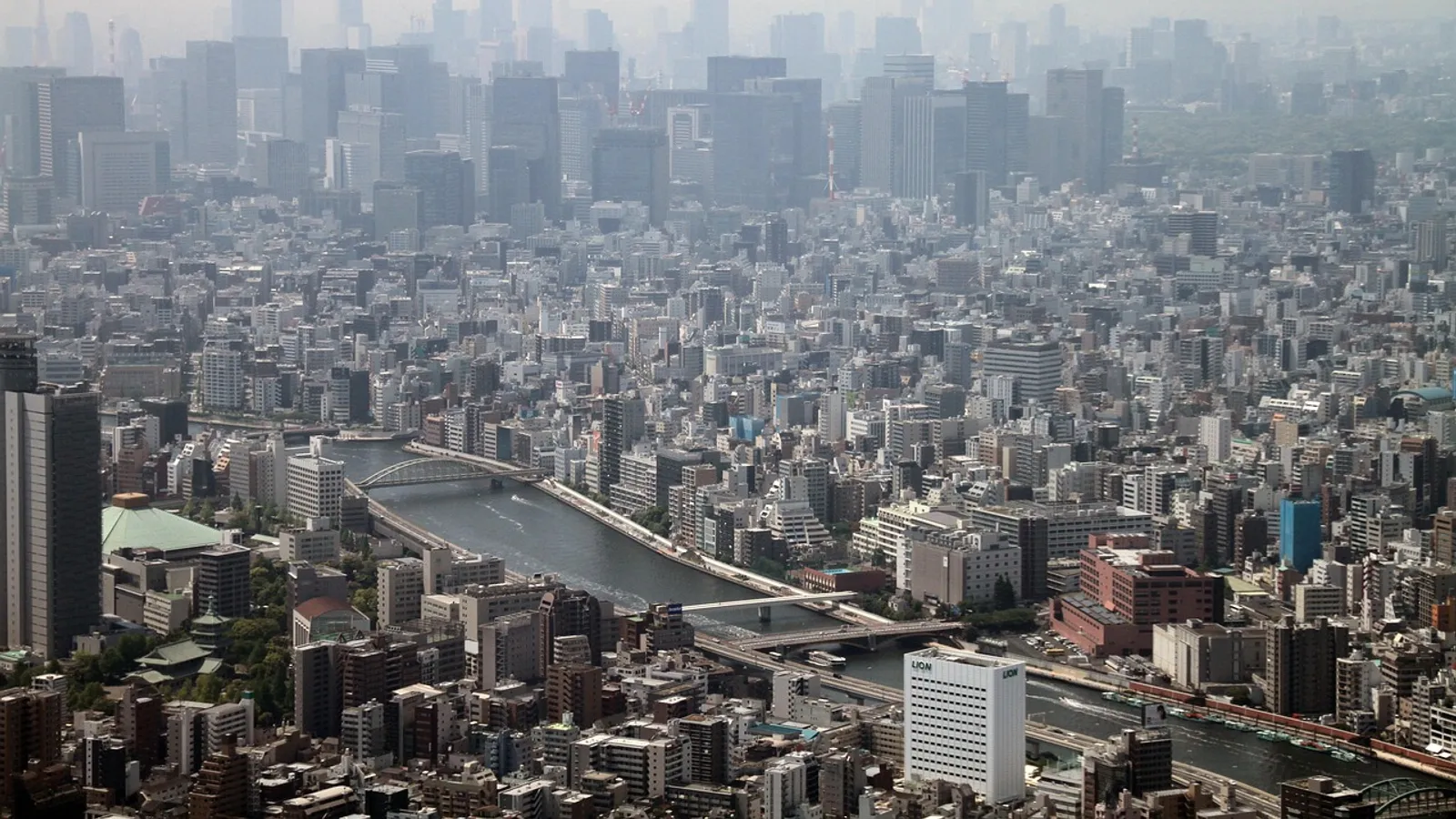
The Sumida has no open riverbank at the launch sites, so the organisers' FAQ says spectators watch from the bridges and nearby streets while walking. The only seats are the citizen-sponsor seats sold through the festival. Boats need an official flag to anchor and watch inside the area. The official Tokyo guide puts the average attendance at about 950,000 people a year (GO TOKYO, July). The organisers' 2026 return map warns that Asakusa Station on the Ginza, Asakusa and Tobu lines is very crowded from about 8:30 pm to about 11:00 pm. It points people on the Taito side to Iriya, Ueno, Asakusabashi or the Tsukuba Express Asakusa station, and people on the Sumida side to Ryogoku, Oshiage or Honjo-azumabashi (return map, in English).
The festival dates its roots to 1733, when restaurants near Ryogoku Bridge set off fireworks after a famine and epidemic, and it took its present name in 1978.
Fukagawa Hachiman Matsuri (around 15 August)
Tomioka Hachimangu's annual festival is held around 15 August and is counted, with the Sanno and Kanda festivals, as one of the three great festivals of Edo (Tomioka Hachimangu, checked 13 Nov 2026). Every third year is a main festival, when 53 neighbourhood mikoshi (portable shrines) parade together. Spectators throw water over the bearers as they pass, which gives it the nickname of the water-splashing festival. The official Tokyo guide gave the 2026 procession date as 16 August. Stand on the route only if you are happy to get soaked.
Koenji Awa Odori (late August)
The 67th Tokyo Koenji Awa Odori ran on Saturday 29 and Sunday 30 August 2026 (organisers, checked 13 Nov 2026). The official Tokyo guide counts about 10,000 dancers and about a million spectators over the weekend. The organisers also sell special viewing seats; for 2026 the details went up on their site in June.
Asakusa Samba Carnival moves to September in 2027
If you remember the Asakusa Samba Carnival as an end-of-August event, note the change. The 41st edition was held on 29 August 2026, but the organisers have set the 42nd for Saturday 25 September 2027 (Asakusa Samba Carnival, checked 13 Nov 2026). They say the parade draws about 500,000 people a year.
The official city guide also lists the Jingu Gaien Fireworks Festival at Meiji Jingu Gaien as an August event. It gives no date, so watch for the organiser's announcement before planning around it.
Evening river cruises and yakatabune dinner boats in Tokyo

Tokyo Yakatabune Dinner Cruise:Sukiyaki, Show&Tokyo Tower Option
4.5(97)1 hr 40 minViewFrom$76
Tokyo Yakatabune Cruise: 400yr Edo Tradition & Odaiba Route
4.7(650)1 hr 40 minViewFrom$76
Luxury Dinner Cruise in Tokyo
0.0(0)2 hoursViewFrom$139
Istanbul Bosphorus Dinner Cruise and Show with Private Table
4.9(226)3 hoursViewFrom$30
Public Hachinohe Yakata Boat Inner Harbor Tour
1 hr 30 minViewFrom$26
City Cruises New York: Signature Dinner Cruise
4.2(1,407)2 hr 30 minViewFrom$183
Dinner On Cruise In Ho Chi Minh City With Private Table
4.2(99)3 hours - 4 hoursViewFrom$45
Tokyo Private Night Cruise Experience
5.0(3)3 hr 30 minViewFrom$326
Tokyo: Sumida River Cherry Blossom Cruise & Japanese Cuisine
4.7(34)1 hr 40 minViewFrom$76
Dinner Cruise on HANAIKADA (Raft-Type Boat) with Scenic View of Miyajima
5.0(23)2 hr 30 minViewFrom$95
How to plan a summer day in Tokyo
The simplest rule for things to do in Tokyo in summer is to split each day into three parts: outdoors from dawn to late morning, indoors through the hottest hours, and outdoors again from about 5:00 pm.
Start early
Sunrise is around 4:25 am to 4:50 am from mid-June to the end of July. Meiji Jingu opens with the sun: its grounds open at 5:00 am in June, July and August, and close at 6:30 pm in June, 6:20 pm in July and 6:00 pm in August (Meiji Jingu visitor hours, checked 13 Nov 2026). Walking neighbourhoods such as Asakusa, Yanaka or the area around the Imperial Palace before 9:00 am is a different experience from doing it at 2:00 pm.
Guided walks that start early are worth comparing for this reason. See our pick of Tokyo walking tours for routes and formats, and check the start time on each option before you book.
Spend the hottest hours indoors
From late morning to mid-afternoon, choose places with air conditioning and a reason to stay a while: museums, aquariums, department stores and digital art spaces. A teamLab visit fits the middle of the day well, and the carousel below compares tickets for it. The official guide's list of aquariums includes Sumida Aquarium at Tokyo Skytree, Shinagawa Aquarium and Sunshine Aquarium in Ikebukuro.
Carry a thin layer. The official Tokyo guide warns that air conditioning creates a large gap between indoor and outdoor temperatures.
teamLab and indoor Tokyo tickets to compare

Sanrio Puroland Tokyo Ticket
4.8(5)1 hour - 2 hoursViewFrom$45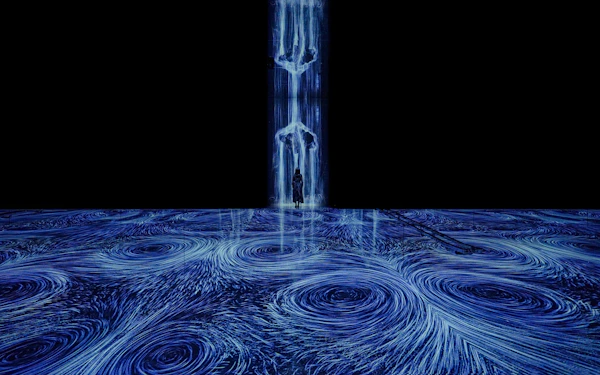
teamLab Planets TOKYO Tickets
4.7(5,595)ViewFrom$24
Japan TeamLab Planets Tokyo Admission Ticket
4.3(4)30 minutesViewFrom$56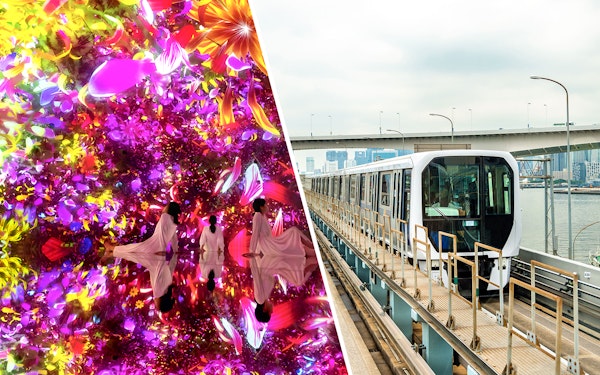
Combo: teamLab Planets TOKYO Tickets + Tokyo Subway Pass
4.6(650)ViewFrom$34
Tokyo: TeamLab Planets Art & Tsukiji Market Food Tour
4.9(39)4 hoursViewFrom$135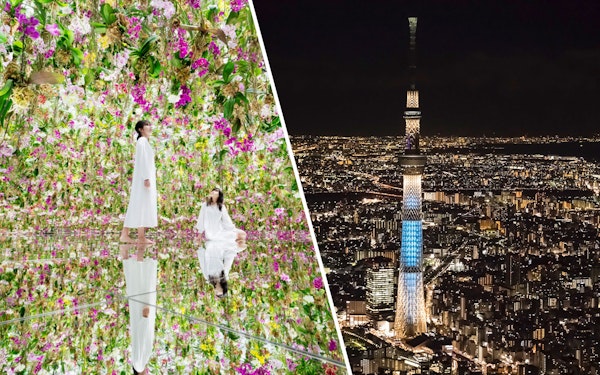
Combo: teamLab Planets Tokyo + Tokyo Observation Decks Tickets
4.6(305)ViewFrom$54
Tokyo TeamLab Planets Admission Ticket
2.3(4)3 hours - 4 hoursViewFrom$47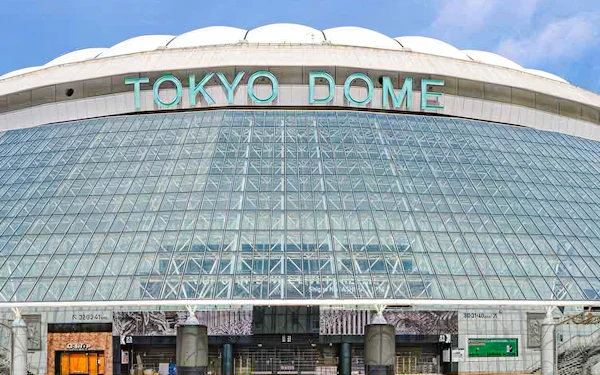
Tokyo Dome City Space Travelium TeNQ Tickets
0.0(0)ViewFrom$15
Tokyo TeamLab Planets Ticket with Optional Private Transfer
3 hours - 5 hoursViewFrom$57
teamLab Planets Skip-the-Line Tickets [Premium Pass]
4.8(643)ViewFrom$86
Go out again in the evening
Evenings are when summer in Tokyo works best. Food tours through izakaya streets, river and bay cruises, rooftop beer gardens and neighbourhood bon-odori all happen after the worst heat has passed. For a fireworks night, book a cruise as soon as the date is announced. A night food tour is also a practical way to try summer dishes without queueing in the heat.
Remember that the evening is no guarantee of cool air. On the 1991 to 2020 normals, August has 24.7 days when even the daily mean is 25°C or above.
Tokyo night food tours to compare

Bangkok by Night: Temples, Markets and Food Tuk-Tuk Tour
4.9(4,258)4 hoursViewFrom$38
Tokyo: Asakusa Food Tour- 15 Dishes and 4 Eateries
5.0(4)3 hoursViewFrom$265
Tokyo: Tsukiji Fish Market Food and Walking tour
4.9(2,159)2 hoursViewFrom$32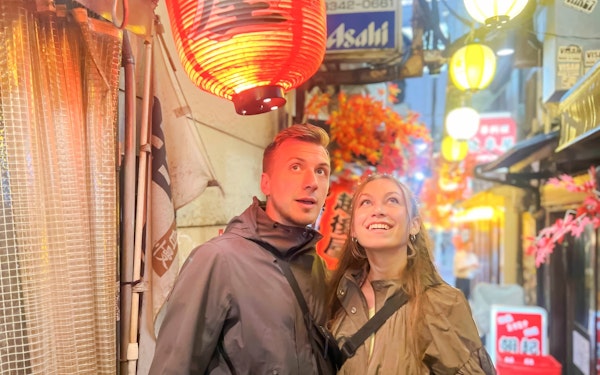
Tokyo: Shinjuku Night Food Tour With 13 Dishes Across 4 Eateries
5.0(1)3 hoursViewFrom$81
Shinjuku Food Tour in Tokyo Local Eateries
4.9(10,850)3 hoursViewFrom$84Tokyo Private Night Cruise Experience
5.0(3)3 hr 30 minViewFrom$326
Bangkok Midnight Food Tuk Tuk Tour
4.9(3,071)4 hoursViewFrom$76
Savor Tokyo After 5: Hidden Gems & Delicious Bites With Guide
5.0(1)4 hoursViewFrom$185
Tokyo Tsukiji Fish Market Food Walking Tour with 5 Tastings
4.9(3,910)3 hoursViewFrom$97
Shinjuku Night Tour Include Drinks and Food with Local Guide
5.0(1)3 hoursViewFrom$98
For everything else on offer during your dates, browse Tokyo tours and filter by time of day.
Cooler escapes from Tokyo in summer
For a break from the city, the hills and the coast are both within a day trip. Mt Takao and Okutama lie inside Tokyo's own Tama area to the west, and the official guide points to the beer garden on Mt Takao as a summer draw. Further out, Hakone in the hills and Kamakura on the coast both work as day trips.
The day trips from Tokyo round-up sets the options side by side by travel time and by who each suits. For the beaches and summer events on the coast, see the Kamakura day trip guide.
Hakone day trips from Tokyo to compare

Private Tour - Hakone Day Trip! A Tour to Explore All Must-Sees!
4.9(99)7 hr 30 minViewFrom$178
Private Hakone Day Trip from Tokyo: Lake Ashi, Owakudani & Onsen
5.0(4)7 hours - 10 hoursViewFrom$490
Private Hakone Half-day Car Tour with Hotel Pickup - Local Guide
4.9(108)4 hours - 5 hoursViewFrom$387
Day Trip to Hakone from Tokyo with National Licensed Guide
9 hoursViewFrom$575
Mt. Fuji and Hakone Day Trip From Tokyo with Bullet Train Option
4.2(669)11 hoursViewFrom$119
Mt Fuji Hakone Tour from Tokyo: Cable Car and Cruise Option
4.6(580)10 hoursViewFrom$77
Hakone customized private one day tour
5.0(1)7 hoursViewFrom$196
Mt Fuji and Hakone 1-Day Bus Tour Return by Bullet Train
4.8(33,688)11 hoursViewFrom$159
Hakone, majestic moment waiting!
4.4(5)6 hoursViewFrom$185
Mt. Fuji & Hakone Day Trip from Tokyo with Bullet Train Return
4.6(181)10 hoursViewFrom$129
Mt Fuji in summer
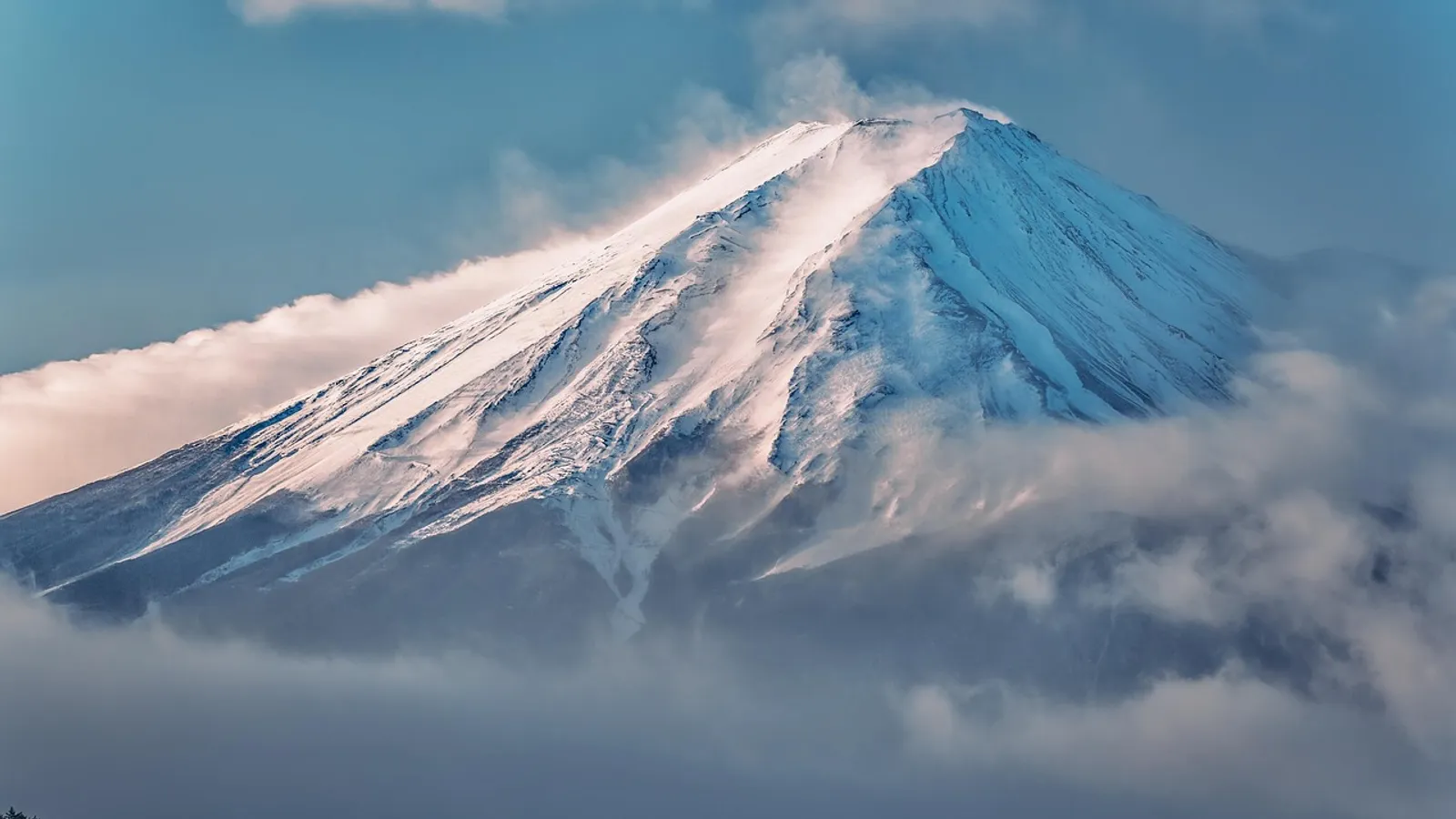
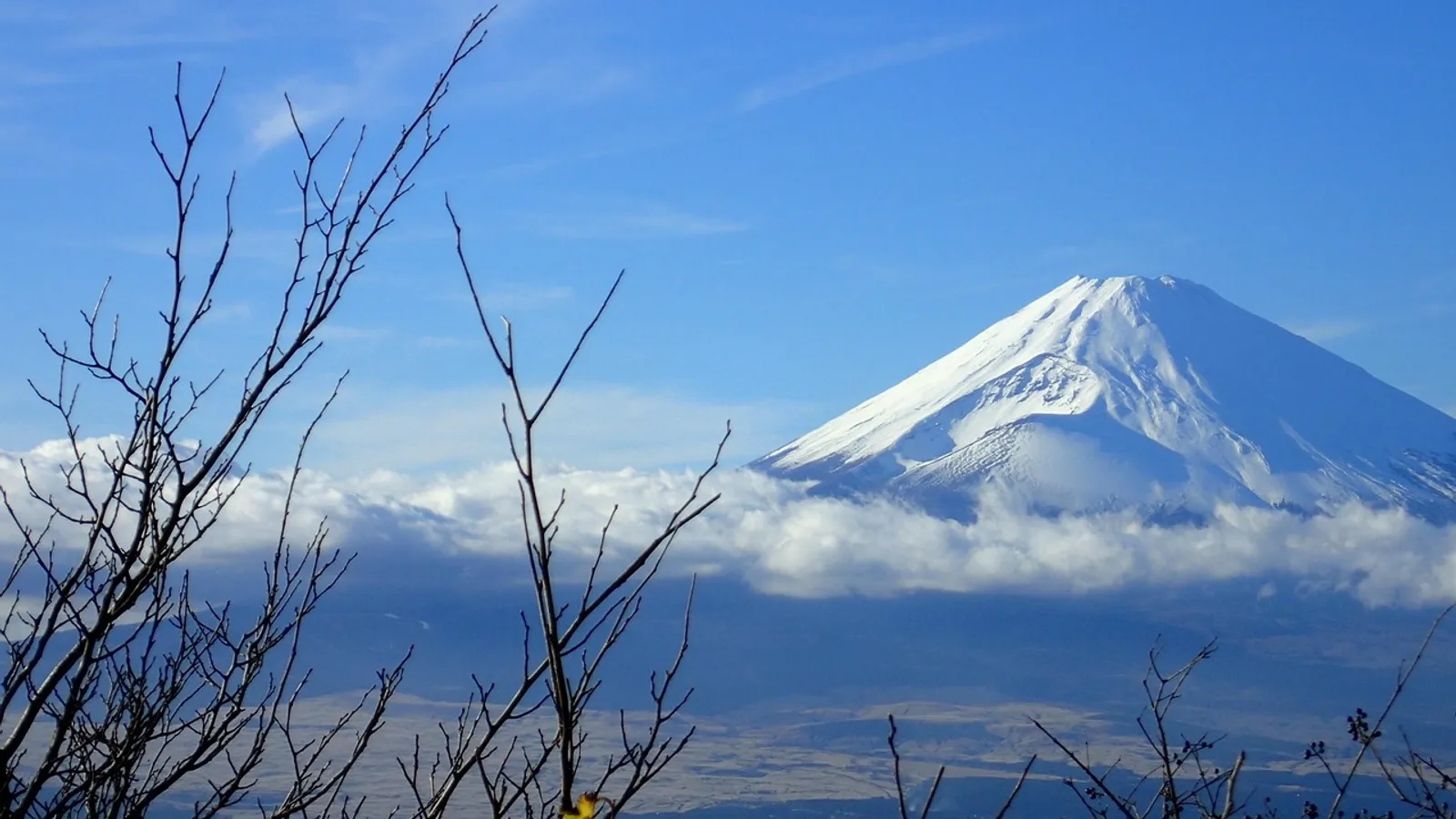
Summer is the only time the trails to the summit of Mt Fuji are open. In 2026 the Yoshida and Subashiri trails opened on 1 July, the Fujinomiya and Gotemba trails on 10 July, and all four closed on 10 September (Fujisan Climb season page, checked 13 Nov 2026). The site warns that climber numbers rise from mid-July and peak at weekends and during Obon, and that outside the season every route to the summit is closed. The 2027 dates were not yet published.
If a climb is not for you, a day tour to the Fuji lakes or a fifth station is the other way to see the mountain up close in summer. Both are covered in Mt Fuji day trip from Tokyo.
Mt Fuji day tours from Tokyo to compare

Mt Fuji Full Day Private Tour from Tokyo with English Driver
5.0(120)10 hoursViewFrom$430
Mt.Fuji Full-Day Private Tour By Public Transportation
11 hoursViewFrom$202
Mount Fuji Full Day Sightseeing Tour from Tokyo
4.8(2,886)10 hoursViewFrom$54
Mt Fuji Customized Private Tour See Top Attractions in 1 Day
5.0(11)8 hours - 12 hoursViewFrom$202
Mt. Fuji, Chureito Pagoda & Lake Kawaguchiko Day Tour from Tokyo
4.4(979)10 hours - 11 hoursViewFrom$62Mt Fuji Hakone Tour from Tokyo: Cable Car and Cruise Option
4.6(580)10 hoursViewFrom$77
Mt. Fuji Hidden Gems & Gotemba Outlets with Local Guide & Driver
5.0(46)11 hoursViewFrom$631Mt Fuji and Hakone 1-Day Bus Tour Return by Bullet Train
4.8(33,688)11 hoursViewFrom$159
Private Tour of Mount Fuji with English speaking driver
5.0(96)8 hours - 9 hoursViewFrom$385
Mount Fuji & Lake Kawaguchi Small Group Tour & Tokyo Hotel Pickup
4.6(117)10 hoursViewFrom$68
What to wear in Tokyo in summer
Pack for heat, humidity and sudden rain at once. Loose, breathable clothes in fabrics that dry quickly will do more than anything else. The official Tokyo guide recommends a folding umbrella with UV protection for July, which covers both sun and showers, and a light jacket for air-conditioned trains and shops.
For June, the guide suggests a raincoat or folding umbrella, and shoes that cope with wet pavements are worth the space. A yukata is welcome at bon-odori. Bring more than one pair of shoes so a soaked pair can dry, and a small towel for the sweat and the sudden showers.
Tokyo in summer with kids
The Ministry of the Environment lists children, along with older people, as more susceptible to heat illness, and advises regular breaks and drinking before you get thirsty. With kids, build the day around one outing in the morning and one in the evening, with a long indoor stop in between.
Aquariums are the easiest midday win in summer, and Sumida Aquarium sits inside the Tokyo Skytree Town complex, so it pairs with a trip up the tower. The Hozuki-ichi and local bon-odori make good short outings because children can join in and leave when they are tired. Big fireworks nights are harder with small children: at Sumida the organisers ask people to keep moving along the bridges and roads, and they warn that Asakusa Station is very crowded after the show.
For museums, parks and getting around with a stroller, Tokyo with kids goes into the family side of the city.
Compare Tokyo experiences for your summer datesSimilarTours shows one Tokyo experience side by side across several booking sites, so you can see which of them has your cruise or tour on your date and at your hour.
Tokyo in summer: FAQ
How hot is Tokyo in summer?
Hot by day and warm at night. In August 2025, Tokyo had 24 days when the temperature never fell below 25°C (77°F), even overnight, against a 1991 to 2020 average of about 10, and the peak reading that month was 38.5°C on 30 August. August 2026 was milder, with 6 such days and a top reading of 36.5°C.
When is summer in Tokyo?
June to August for planning, but the heat does not stop on 1 September. Tokyo's 1991 to 2020 normal for September is a daily high of 27.5°C, and in September 2025 the city still logged 4 days at 35°C or more. Japan's heat alert season starts in late April and ran until 21 October in 2026.
Is Tokyo humid in summer?
Yes. Average relative humidity at the Tokyo weather station is 75% in June, 76% in July and 74% in August (1991 to 2020 normals). Humidity is the reason Japan's heat warnings use the WBGT index, which combines temperature, humidity and sunshine, instead of air temperature alone.
Should you visit Tokyo in summer?
Yes, if festivals, fireworks and long evenings matter more to you than comfortable daytime walking. If your plan is mostly outdoor sightseeing from late morning to late afternoon, spring or autumn suit it better. Families with small children and anyone sensitive to heat should weigh the August heat seriously.
Is Obon a public holiday in Japan?
No. Obon does not appear on the Cabinet Office's list of national holidays. The holiday in that stretch is Mountain Day on 11 August. Obon itself is a customary period around 15 August, which Senso-ji describes as the month-late Obon. Expect crowds anyway: the official Mt Fuji climbing site says climbers bunch up at weekends and during Obon.
What happens if it rains on the night of the Sumida River fireworks?
The display goes ahead in light rain. The organisers cancel it in stormy weather such as a typhoon, and there is no reserve date. They decide on the day, normally at 8:00 am, and post the decision on the official website and the festival's X account.
What should you book ahead for a summer trip to Tokyo?
Mostly the things with fixed capacity, such as evening river cruises on fireworks nights and guided tours that start at dawn. For the Sumida River fireworks, the only seats are the citizen-sponsor seats, which went on sale on 10 May in 2026; sales had closed by 6 July.
Sources
Every page below was checked on 13 November 2026.
- JMA normal values, Tokyo station and day counts
- JMA monthly records for Tokyo, 2025 and 2026
- JMA rainy season start and end dates, Kanto-Koshin and JMA typhoon normals
- Ministry of the Environment: Heat Stroke Alert, alert outline and Special Heat Stroke Alert outline (Japanese)
- NAOJ sunrise and sunset tables for Tokyo, June 2027, July and August
- Japan's public holidays, Cabinet Office (Japanese)
- GO TOKYO, the official Tokyo travel guide: June, July and August
- Sumida River Fireworks Festival: about, home and news, FAQ, programme and venue (Japanese), plus the 2026 return map (English)
- Sanno Matsuri, Hie Shrine (Japanese)
- Senso-ji: Shimanrokusennichi and Hozuki-ichi and lantern memorial on 15 August (Japanese)
- Tomioka Hachimangu: Fukagawa Hachiman Matsuri (Japanese)
- Tokyo Koenji Awa Odori and Asakusa Samba Carnival (Japanese)
- Meiji Jingu: when the gates open
- Fujisan Climb: trail opening periods