BarcellonaInvernoStagionalePianificazione
Barcellona in inverno: la stagione che i locali preferiscono discretamente
Inverno a Barcellona - giorni miti, code vuote e i prezzi più bassi dell'anno. Cosa succede davvero con il meteo, cosa rimane aperto e cosa prenotare in anticipo.
Di SimilarTours Editorial · Travel Research · · Lettura di 21 minuti

Barcellona passa la maggior parte dell'anno con un enorme numero di persone tutte insieme. L'inverno è l'eccezione e cambia la città più di quanto il calo della temperatura suggerisca. Le code che si estendono per ore ad agosto diventano brevi. I ristoranti che richiedono una prenotazione tre settimane prima hanno tavoli disponibili. I quartieri che sembrano un passaggio in alta stagione tornano a essere i luoghi dove vivono le persone.
Il compromesso è reale e vale la pena dichiararlo chiaramente: giorni più brevi, serate più fresche e una costa che è per guardarla piuttosto che per nuotarvi. Se sei venuto per la spiaggia, questa non è la giusta stagione. Se sei venuto per la città, l'inverno è la versione che la maggior parte delle persone non vede mai e quella a cui i visitatori abituali continuano a tornare.
Confronta tour e biglietti di Barcellona →Cosa succede davvero con il meteo
La correzione più utile da fare prima di fare le valigie: Barcellona in inverno non è fredda nel modo in cui l'Europa del nord è fredda e non è calda nel modo in cui la sua reputazione estiva suggerisce. È una stagione mite, variabile, per lo più asciutta con un grande divario tra sole e ombra.
Le giornate sono spesso piacevoli. Luce invernale luminosa, temperature confortevoli per camminare e abbastanza sole da rendere una terrazza riparata a pranzo genuinamente gradevole. Questa è la parte che sorprende di più i visitatori.
Le serate calano rapidamente e notevolmente. Nel momento in cui tramonta il sole, la temperatura lo segue, e la differenza tra le tre del pomeriggio e le sette di sera è più grande di quanto i numeri suggeriscono.
Il lungomare è il suo microclima. Il vento dal mare rende la spiaggia e il porto considerevolmente più freddi della griglia di strade riparate all'interno. Una giacca comoda nel centro storico può essere inadeguata sul lungomare venti minuti dopo.
La pioggia succede, ma non è la caratteristica definente della stagione. L'inverno qui è più secco degli stessi mesi in gran parte dell'Europa e i temporali sono l'eccezione piuttosto che la regola.
La versione pratica: vesti come per una giornata primaverile fresca, aggiungi uno strato impermeabile al vento e sii pronto a indossarlo nel momento in cui ti dirigi verso l'acqua.
Insider tip
La regola dei strati, specifica per questa città. Lo scarto di temperatura che importa a Barcellona non è da giorno a giorno, ma da sole-a-ombra e da dentro-la-città-a-lungomare. Una singola giacca calda su un paio di strati leggeri gestisce entrambi e ti permette di togliere gli indumenti su una terrazza soleggiata senza portare una borsa piena di vestiti. Un cappotto pesante è eccessivo e passerà la maggior parte della giornata sul tuo braccio.
Il vero motivo per venire in inverno
Non il meteo. L'accesso.
Le principali attrazioni di Barcellona operano sotto una severa pressione di capacità per la maggior parte dell'anno. Gli ingressi a orario si esauriscono settimane prima, gli slot più popolari vanno per primo e una quantità significativa di pianificazione dell'alta stagione è spesa per affrontare quella scarsità - prenotando presto, pagando per l'accesso prioritario o ridisegnando i tuoi giorni attorno a qualsiasi slot tu sia riuscito a ottenere.
In inverno quella pressione si riduce in gran parte. Gli stessi siti rimangono aperti, con gli stessi biglietti, con lo stesso contenuto - e spesso puoi prenotarli uno o due giorni prima, entrare all'ora che volevi e spostarti attraverso di essi senza una folla tra te e quello che sei venuto a vedere.
Questo cambia la forma di un viaggio più di qualsiasi considerazione meteo. Un itinerario invernale può essere improvvisato. Uno estivo non può.
Le principali attrazioni di Barcellona, più accessibili in inverno
Dove l'inverno migliora davvero l'esperienza
I musei smettono di essere un compromesso
In alta stagione, scegliere un museo in una bella giornata sembra uno spreco del meteo. In inverno quella tensione scompare - una galleria all'inizio del buio è esattamente dove vuoi stare e le collezioni sono buone a gennaio come a luglio con una frazione delle persone davanti a loro.
Questa è la stagione per fare l'arte correttamente piuttosto che assaggiarla.
Musei e gallerie di Barcellona

Moco Museum Barcelona Admission Ticket: Modern & Contemporary Art
Una collezione compatta di arte moderna e contemporanea - un'ora facile in un pomeriggio freddo.
4.6(1,344)1 oraViewFromDa $18.04- tiqets
Spotify Camp Nou & FC Barcelona Museum: Entry Ticket
La visita del museo del club e dello stadio - per lo più al coperto e non influenzata dalla stagione.
4.4(8,551)ViewFromDa $38.34 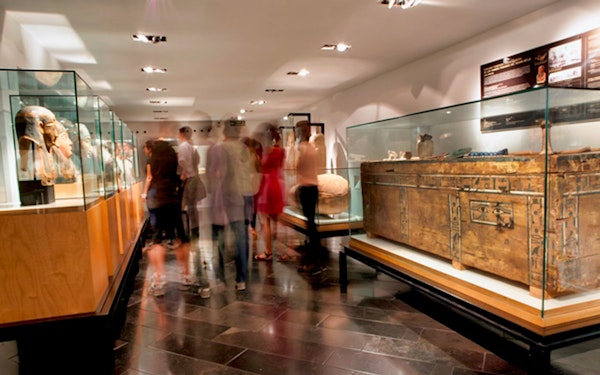
Egyptian Museum Tickets
Una piccola collezione focalizzata che raramente si affolla anche in alta stagione.
4.6(1,745)1 oraViewFromDa $14.12
Combo: Moco Museum Barcelona Tickets + Hop-on Hop-off Bus Tour
Una galleria più un giro in autobus - l'autobus è un modo caldo per coprire il terreno in una giornata ventosa.
4.3(6,015)ViewFromDa $48.79
Moco Museum Barcelona Tickets: Banksy & More
4.6(558)1 hr 15 minViewFrom$18
Articket Passport: Admission to 6 Museums with Guaranteed Slot at Picasso Museum
3.8(25)ViewFrom$55
Tickets to the Big Fun Museum
4.4(47)ViewFrom$18
Museu Tàpies Tickets
4.3(6)ViewFrom$17
Spotify Camp Nou Barça Museum Tickets
4.4(1,712)1 hourViewFrom$36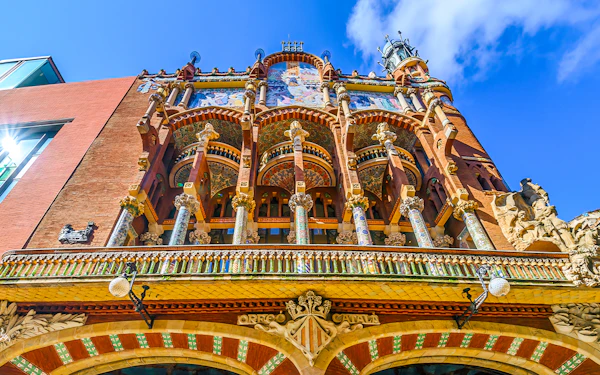
Palau de la Música Catalana Entry Tickets
4.4(1,793)50 minutesViewFrom$22
Mangiare bene diventa possibile di nuovo
La situazione ristorantiva a Barcellona in alta stagione è un vero vincolo del viaggio - i posti buoni sono prenotati, le opzioni a piedi sono quelli che sopravvivono al passaggio turistico e mangiare bene richiede una pianificazione settimane prima.
L'inverno ripristina tutto. I tavoli si liberano, il ritmo rallenta e la cucina stagionale è al suo meglio proprio quando la città è più tranquilla. Questa è la stagione in cui un food tour vale più che in estate, non meno, perché i posti che ti porta a visitare operano per i locali piuttosto che alla massima capacità per i visitatori.
Esperienze di cibo e tapas di Barcellona

Barcelona Tapas and Wine Experience Small-Group Walking Tour
Una passeggiata in piccolo gruppo di tapas e vino attraverso la città - tre ore, dentro e fuori.
4.8(6,229)3 oreViewFromDa $81.05
Barcelona Paella Cooking Class with Market Visit, Tapas & Sangria
Una visita al mercato più una lezione di cucina - un buon modo per passare un pomeriggio freddo al coperto.
4.9(2,908)3 oreViewFromDa $111.59
From Barcelona: Half-Day Montserrat, Tapas & Wine Tour
Una mezza giornata fuori dalla città che combina una visita in montagna con cibo e vino.
4.8(8,010)6 ore 30 minutiViewFromDa $58.13
Montserrat & Cogwheel Train, Gourmet Wine Tasting & Tapas Lunch
La ferrovia a cremagliera più un lungo pranzo - un'intera giornata per lo più seduto e riparato.
4.8(7,278)7 ore 30 minutiViewFromDa $62.38
Camminare per la città è più comodo, non meno
Questo è controintuitivo per i visitatori da paesi freddi, ma una lunga passeggiata attraverso Barcellona è più piacevole a gennaio che a luglio. Il caldo estivo qui rende la passeggiata a metà giornata genuinamente sgradevole e spinge tutto alle prime ore del mattino e alla sera. L'inverno ti dà il mezzo della giornata a una temperatura comoda.
Il vincolo si inverte: in estate pianifichi intorno al caldo, in inverno pianifichi intorno alla luce diurna. Il che ci porta al vero costo della stagione.
I veri svantaggi
La luce diurna è breve. Questo è il più grande limite pratico, più grande della temperatura. Il sole tramonta abbastanza presto che le viste esterne, i punti di vista e le passeggiate nei quartieri devono tutti avvenire in una finestra compressa nel mezzo della giornata. Pianifica la metà esterna del tuo viaggio per la luce diurna e metti musei, cibo e interni alla sera, e funzionerà. Pianifica come se avessi le ore estive e ti ritroverai a stare in piedi fuori da un parco al buio.
La costa è uno scenario, non una spiaggia. La passeggiata sul lungomare è eccellente. Il nuoto non sta succedendo e una parte dell'ospitalità del lungomare funziona con orari ridotti o chiude completamente per la stagione.
Alcune cose chiudono o accorciano. Gli orari di apertura invernali sono generalmente più brevi di quelli estivi e una minoranza di luoghi più piccoli o stagionali chiudono completamente. Nulla di principale non è disponibile, ma non puoi dare per scontato l'orario che hai letto in una guida scritta in estate.
Natale è l'eccezione a tutto. Grosso modo le ultime due settimane di dicembre e la prima settimana di gennaio sono affollate, costose e atmosferiche. Se stai ottimizzando per la tranquillità e il valore, quella finestra è l'unica parte dell'inverno da evitare. Se stai venendo per l'atmosfera stagionale, è l'unica parte che vale la pena di prendere di mira.
Insider tip
Da metà gennaio a fine febbraio è il dolce punto. Dopo che il periodo festivo finisce e prima che i prezzi primaverili inizino, la città è al suo più vuoto e più economico di tutto l'anno, mentre il meteo è essenzialmente lo stesso di dicembre. Se il tuo unico obiettivo è un buon viaggio in città a basso costo senza code, quella è la finestra.
Mese per mese
L'inverno non è una sola stagione qui. I tre mesi si comportano abbastanza diversamente da cambiare quale dovresti scegliere.
Dicembre è il mese atmosferico e il meno tipico dei tre. La prima metà è ancora genuinamente tranquilla ed economica, con le decorazioni stagionali che vanno su e la città che entra negli ultimi giorni dell'anno. La seconda metà si capovolge completamente: mercati, luci, famiglie, ristoranti pieni e prezzi che brevemente assomigliano all'estate. Se vuoi la versione festiva della città, prendi di mira il mezzo del mese, quando l'atmosfera è arrivata ma le folle no.
Gennaio è il mese più tranquillo dell'anno e dopo la prima settimana è drammaticamente così. Una volta che il periodo festivo chiude, la città si svuota, le tariffe degli hotel toccano il loro minimo annuale e le principali attrazioni diventano prenotabili in breve tempo. Il meteo è il più fresco dei tre mesi ma non in modo significativamente peggiore di dicembre. Per valore e accesso, niente lo batte.
Febbraio è gennaio con un po' di luce migliore. I giorni si allungano notevolmente durante il mese, la città è ancora tranquilla e i prezzi non hanno ancora iniziato la loro salita primaverile. Se vuoi il vantaggio della città vuota ma la breve luce di gennaio ti preoccupa, febbraio è il compromesso che non ti costa quasi nulla.
Il modello da ricordare: evita grosso modo da 20 dicembre a 6 gennaio se vuoi tranquillità ed economia, e prendi di mira esattamente quella finestra se vuoi atmosfera.
Cosa impacchettare davvero
Specifico piuttosto che generico, perché questo è quello in cui i visitatori sbagliano in entrambe le direzioni.
Porta:
- Una giacca calda - isolata, non un pesante cappotto di lana. Passerà le ore soleggiate sul tuo braccio.
- Due o tre strati leggeri da mettere sotto, così puoi regolare tra una terrazza soleggiata e una strada ombreggiata.
- Qualcosa di impermeabile al vento, anche se è solo un guscio sopra la giacca. Il lungomare è il motivo.
- Scarpe comode con una buona presa. L'inverno è la stagione per camminare correttamente questa città e alcune delle strade più vecchie sono di pietra levigata che diventa scivolosa quando umida.
- Un ombrello compatto. La pioggia è occasionale piuttosto che costante, ma arriva senza molto preavviso.
- Una sciarpa. Fa più per lo scarto di temperatura della sera di uno strato extra di volume.
Lascia a casa:
- Abbigliamento da spiaggia oltre il minimo ottimista.
- Un intero cappotto invernale, a meno che tu non sia estremamente sensibile al freddo.
- Qualsiasi cosa che funzioni solo in tempo caldo dopo il tramonto - le serate sono la parte più fresca della tua giornata, non la più calda.
Spostarsi nei mesi freddi
Il trasporto di Barcellona non cambia molto per l'inverno, ma il modo in cui lo usi dovrebbe.
La metro è la stessa tutto l'anno e rimane il modo più veloce per attraversare la città. Quello che cambia è che camminare diventa un'opzione più attraente: in estate, il caldo di metà giornata spinge le persone sottoterra per i viaggi che farebbero felicemente a piedi a gennaio. Se un viaggio è venti minuti a piedi, l'inverno è la stagione per camminarlo - vedrai di più e la temperatura è dalla tua parte.
Gli autobus meritano di essere riconsiderati in questa stagione per lo stesso motivo per cui sono buoni da evitare in estate. Sopra il suolo, riscaldati e più lenti - il che importa meno quando non stai correndo contro il caldo.
L'unica modalità dipendente dal meteo è qualsiasi cosa su due ruote. Le biciclette e gli scooter sono piacevoli in una giornata limpida d'inverno e genuinamente sgradevoli con vento o pioggia, e il vento è il problema più comune. Mantieni questi piani flessibili piuttosto che pre-prenotati.
Inverno con bambini
La stagione si adatta ai viaggi in famiglia meglio di quanto la sua reputazione suggerisca, con due avvertenze.
Il vantaggio è l'assenza di code ed è uno grande. Stare in fila è la parte più difficile delle visite turistiche di alta stagione con bambini e l'inverno per lo più lo elimina. Le attrazioni che significherebbero un'ora di noia gestita ad agosto diventano a piedi. Solo questo rende il viaggio notevolmente più facile.
La prima avvertenza è la luce diurna. Le giornate brevi significano che la parte esterna della giornata e le corse hanno un limite netto e le famiglie che pianificano una mattinata lenta si ritrovano con un'ora di luce utilizzabile. Metti in primo piano il tempo all'aperto.
La seconda è che la spiaggia - normalmente la valvola di sfogo affidabile in un viaggio in città con bambini - è fuori dal tavolo come attività. Sostituisci deliberatamente un equivalente al coperto piuttosto che scoprire il vuoto alle quattro del pomeriggio il secondo giorno.
La luce è migliore di quanto pensi
Un punto minore che importa più di quanto suoni: la luce invernale a Barcellona è eccellente. Il sole si siede più basso, il che significa che l'ora d'oro dura più a lungo e arriva a un'ora civile piuttosto che alle nove di sera e l'angolo basso fa cose lusinghiere ai lavori in pietra della città e alle facciate decorate con piastrelle.
Per chiunque si preoccupi dei fotografi, questo è un vero argomento a favore della stagione. Gli stessi edifici che fotografano piatti sotto il sole estivo alto sembrano considerevolmente migliori a gennaio e ci sono molte meno persone in piedi davanti a loro.
La conseguenza pratica è che il primo-tardo pomeriggio, che i visitatori invernali spesso scrivono come la giornata che finisce, è effettivamente l'ora migliore per stare all'aperto con una macchina fotografica. Pianifica l'architettura esterna per allora piuttosto che per la mattina.
Costruire una giornata invernale
La struttura che funziona qui è quasi l'inverso di una estiva.
Mattina: esci immediatamente. Questa è la tua luce diurna ed è finita. Passeggiate nei quartieri, architettura esterna, punti di vista, il lungomare se il vento lo consente. Inizia prima di quanto le giornate brevi ti rendano propenso a farlo.
Metà giornata: la parte più calda e luminosa della giornata e lo slot giusto per qualsiasi cosa che comporti stare all'aperto per un periodo prolungato - un parco, una lunga passeggiata, un'altura.
Primo pomeriggio: la transizione. Entra dentro mentre la luce scompare. Questo è lo slot naturale per un grande interno con biglietto e in inverno puoi solitamente prenotarlo tardi o salire.
Sera: cibo, gallerie con orari tardivi e la vita interna della città. Le serate sono lunghe in inverno perché il buio inizia presto e non è una perdita se lo riempi deliberatamente.
L'errore è trattare la luce diurna breve come un motivo per rallentare la mattina. Tutto il resto in un viaggio invernale è flessibile; la luce non lo è.
Uscire dalla città in inverno
Le gite di un giorno funzionano bene in questa stagione, con un adeguamento: scegli gite dove il valore non dipende dal meteo. Una visita in montagna, una cantina, un'escursione incentrata sul cibo o una città più piccola con un centro camminabile tutto regge a gennaio. Una gita il cui punto di vendita è una costa o una città balneare non lo fa.
Il vantaggio pratico è lo stesso della città - questi tour funzionano con una frazione della loro occupazione estiva, il che significa che le partenze in piccoli gruppi si sentono effettivamente piccole.
Vedi quali gite di un giorno da Barcellona funzionano tutto l'anno →Chi dovrebbe venire in inverno e chi no
Vieni in inverno se vuoi l'architettura e i musei senza folle, ti preoccupi del valore dell'hotel, preferisci improvvisare piuttosto che prenotare tutto settimane prima, ami una città che funziona normalmente piuttosto che che si esibisce per i visitatori, o sei stato prima in estate e l'hai trovato travolgente.
Non venire in inverno se la spiaggia è una parte significativa del motivo per cui hai scelto Barcellona, hai bisogno di serate lunghe all'aperto, stai viaggiando con persone a cui non piacerà una finestra di luce diurna breve, o le tue date cadono nella quindici giorni festivi e speravi nella versione tranquilla ed economica.
Confronta attrazioni, tour e abbonamenti di Barcellona →La versione breve
L'inverno a Barcellona scambia il meteo per l'accesso e per la maggior parte dei viaggi in città è un buon scambio. Ottieni giorni miti e camminabili, i prezzi più bassi dell'anno, musei e ristoranti che operano a un ritmo umano e la possibilità di decidere cosa fare al mattino piuttosto che tre settimane prima.
Rinunci alla spiaggia, alle serate lunghe e a circa due settimane a dicembre quando l'intero calcolo si capovolge.
Pianifica intorno alla luce diurna piuttosto che alla temperatura, metti una giacca invece di un cappotto e mantieni il mezzo della giornata all'aperto. Fai questo e vedrai una versione di questa città che la maggior parte dei suoi visitatori non vedrà mai.
Che meteo fa a Barcellona in inverno?
Mite secondo gli standard dell'Europa settentrionale e fresco secondo quelli mediterranei. L'inverno qui è una stagione da giacca piuttosto che da cappotto - le giornate sono spesso luminose e piacevoli per camminare, le serate scendono notevolmente una volta tramontato il sole, e il vento che viene dal mare rende il lungomare più freddo delle strade riparate all'interno. Non è un clima da spiaggia e non è nemmeno uno congelante. Prepara le valigie come per una giornata primaverile fresca e ci andrai vicino.
Vale la pena visitare Barcellona in inverno?
Per la maggior parte dei tipi di viaggio, sì - e per alcuni è la miglior stagione dell'anno. L'architettura, i musei, il cibo e i quartieri non sono affatto influenzati dalla stagione, mentre le code, le folle e i prezzi crollano drasticamente. Quello che perdi è il meteo da spiaggia e le serate lunghe. Se sei venuto per la città, l'inverno è un'ottima opportunità. Se sei venuto per la costa, non è la giusta stagione.
Cosa devo mettere in valigia per Barcellona in inverno?
Una giacca calda piuttosto che un cappotto pesante, strati leggeri sotto e qualcosa di impermeabile al vento per il lungomare. Aggiungi scarpe comode e un piccolo ombrello. L'errore che fanno i visitatori da entrambi i lati è fare le valigie per un'estate mediterranea o per un inverno del nord - la realtà sta nel mezzo, e lo scarto di temperatura tra un pomeriggio soleggiato e una sera all'ombra è quello per cui devi vestirti.
Le principali attrazioni di Barcellona rimangono aperte in inverno?
I principali siti rimangono aperti tutto l'anno, generalmente con orari leggermente ridotti in inverno. Quello che cambia non è la disponibilità ma l'esperienza: la stessa attrazione che richiede una prenotazione settimane prima ad agosto spesso è prenotabile uno o due giorni prima a gennaio, e la visita stessa è molto più piacevole con meno persone dentro. Controlla sempre gli orari di apertura specifici per le tue date, poiché gli orari invernali differiscono da quelli estivi.
Quanto è più economica Barcellona in inverno?
È l'alloggio dove la differenza è più evidente - l'inverno è la bassa stagione per i prezzi degli hotel al di fuori del periodo natalizio e di Capodanno, e il divario rispetto alle tariffe estive è sostanziale. I prezzi dei biglietti per le attrazioni stessi non oscillano molto, ma il costo pratico di un viaggio cala perché non stai pagando le tariffe di alta stagione per dormire, e sprechi molti meno soldi in saltafila che non ti servono più.
È una buona idea visitare Barcellona a Natale?
È l'unica parte dell'inverno che è genuinamente affollata, e l'atmosfera è il motivo per accettarlo. La città gestisce mercati stagionali e luci durante dicembre, e il periodo tra Natale e l'Epifania all'inizio di gennaio è un vero evento locale piuttosto che turistico. Aspettati che i prezzi e le folle aumentino per circa due settimane e poi crollino di nuovo - da metà gennaio in poi è il periodo più tranquillo e economico dell'anno.
Puoi andare in spiaggia a Barcellona in inverno?
Puoi camminare e molte persone lo fanno - il lungomare è una delle migliori passeggiate invernali della città in una giornata limpida. Nuotare è un'altra cosa; il mare è freddo e i bar sulla spiaggia funzionano con orari ridotti o chiudono del tutto. Considera la costa in inverno come scenario e esercizio piuttosto che come una giornata in spiaggia, e regge bene.
Quanti giorni ti servono a Barcellona in inverno?
Tre o quattro giorni funzionano bene, e l'inverno in realtà estende quello che puoi fare perché passi molto meno tempo in fila. Il vincolo è la luce diurna piuttosto che le folle - il sole tramonta presto, quindi le viste esterne e le passeggiate nei quartieri devono avvenire nel mezzo della giornata, mentre musei, cibo e interni prendono la sera.
Keep reading
Pilastro di Barcellona
Guida di viaggio a Barcellona: elementi essenziali per i visitatori per la prima volta
Dove stare, come muoversi e la strategia di biglietti per i principali siti.
Read more
Listicle
Cose da fare a Barcellona: le esperienze che vale la pena prenotare
La lista di Barcellona, classificata per quello che vale davvero la tua volta.
Read more
Itinerario
3 giorni a Barcellona: un itinerario camminabile
Tre giorni fatti bene, con l'ordine di prenotazione che evita le code.
Read more
Gite di un giorno
Le migliori gite di un giorno da Barcellona
Quali gite fuori dalla città giustificano un'intera giornata, in qualsiasi stagione.
Read more
Altre letture
Altre guide per aiutarti a pianificare il tuo viaggio

The Best Museums in Barcelona: Which Ones Are Worth Your Time
Barcelona's museums, sorted by who each one actually suits - the art collections, the architecture houses, the specialist rooms, and which to skip on a short trip.

Biglietti Casa Batllo nel 2026: Prezzi, Tipi e Come Saltare la Coda
Una guida pratica 2026 ai biglietti di Casa Batllo a Barcellona - confronto tra i tipi di biglietto, quando vale la pena saltare la coda, e le migliori combinazioni Gaudi da prenotare.

2 Days in Barcelona: What to See and How to Plan the Perfect Weekend
What to see in Barcelona in 2 days: the Sagrada Familia and the Gothic Quarter on day one, Park Guell, Montjuic, and the seafront on day two, plus top tours.

The Best Day Trips from Barcelona: Montserrat, Girona, Costa Brava and More
The best day trips from Barcelona ranked by what is worth a full day: Montserrat, Girona, Costa Brava, Sitges, Tarragona, and Dali's Figueres, with top tours.

Montserrat Day Trip from Barcelona: Tours, Trains and Tips
Plan a Montserrat day trip from Barcelona: guided tours vs the train, the wine and cava combos, private options, and the tours travelers rate highest in 2026.

Park Guell Tickets: The 2026 Guide to Skip-the-Line, Guided Tours, and the Free Zone
A practical 2026 guide to Park Guell tickets - the Monumental Zone vs free area, when skip-the-line matters, and the best guided tours to book.

3 Days in Barcelona: The Perfect First-Timer Itinerary for 2026
A walkable, well-paced 3 days in Barcelona itinerary for first-timers - Gaudi core, the Gothic Quarter, a Montserrat or Girona day trip, and what to pre-book.

Barcelona Travel Guide: First-Time Visitor Essentials for 2026
A practical 2026 Barcelona travel guide - where to stay, getting around, the Gaudí timed-entry strategy, food timing, day trips, and the pickpocket truth.