BarcelonaMuseumsArtPlanning
The Best Museums in Barcelona: Which Ones Are Worth Your Time
Barcelona's museums, sorted by who each one actually suits - the art collections, the architecture houses, the specialist rooms, and which to skip on a short trip.
By SimilarTours Editorial · Travel Research · · 19 min read

Barcelona has a museum problem that most visitors do not anticipate: there are more genuinely good ones than a normal trip can absorb, and they are different enough from each other that "the best museum in Barcelona" is not a question with a single answer. A visitor here for the art wants a completely different list from a visitor here for the architecture.
This guide sorts them by who each one actually suits, how long it realistically takes, and where it fits in a trip that also involves being outside. The organising principle is simple: on a short visit, two museums is the sensible ceiling, so the choice matters more than the ranking.
Compare Barcelona museum tickets →First, the honest framing
Barcelona is not primarily a museum city, and pretending otherwise leads people to plan badly. Its greatest cultural asset is outdoors and free to look at - the streets, the facades, the plan of the city itself. Museums here are a complement to that, not a substitute for it.
Which leads to the recommendation that runs through everything below: pick one art collection and one architectural interior, and give the rest of your time to walking. Visitors who do three or four museums in a Barcelona trip almost always report that they saw less of the city than the ones who did two.
Insider tip
Book the buildings, improvise the paintings. The architectural sites run timed entry under real capacity pressure, and popular slots disappear well ahead in high season. The art museums are far more forgiving - in the shoulder and winter months you can often walk up. If you only pre-book one thing, make it a building.
For the art: the collections worth your time
The Picasso collection - the best single choice for most people
This is the easiest recommendation in the city, and the reason is structural rather than reputational. It is focused, it is compact, and it tells a coherent story about how one artist's work developed rather than presenting a wall of famous images. That makes it satisfying in ninety minutes in a way that larger collections are not in three hours.
It suits people who like following an argument through a set of rooms. It suits people who have limited museum stamina, because it ends before fatigue does. It suits a rainy afternoon perfectly.
It does not suit anyone hoping for a greatest-hits gallery of the work they already know from posters. Come for the development, not the highlights.
Picasso Museum tickets and guided visits

Picasso Museum Skip-the-Line Guided Tour
A guided run through the collection - useful because the chronology is the point here.
4.4(1,265)1 hour 30 minutesViewFrom$43.45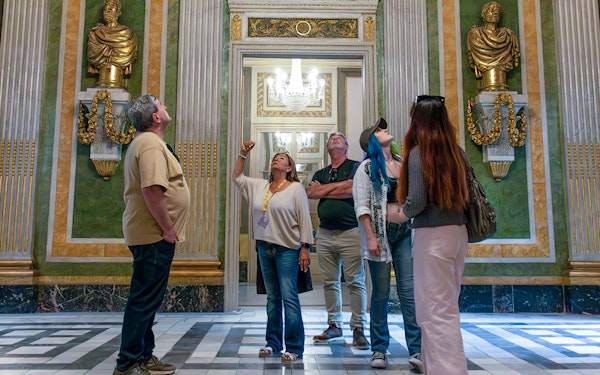
Picasso Museum Barcelona Skip-the-Line Guided Tour
Priority entry plus a guide, at ninety minutes.
4.4(849)1 hour 30 minutesViewFrom$37.31
Barcelona Picasso Museum and Walking Tour
Pairs the museum with a walk through the surrounding old-town streets.
4.8(627)2 hours 30 minutesViewFrom$51.69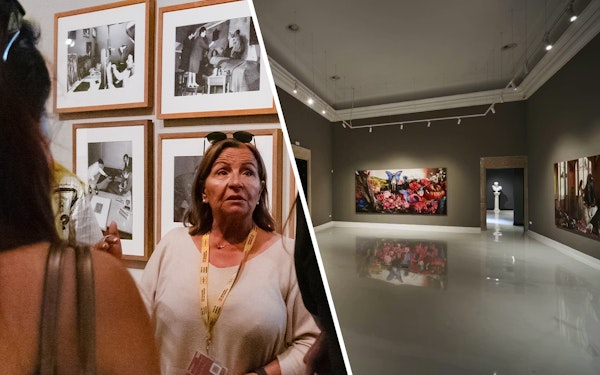
Combo: Picasso Museum + Moco Museum Guided Tour
Two contrasting collections - historic and contemporary - on one guided booking.
4.4(869)ViewFrom$81.56
Picasso Museum Barcelona Skip-the-Line Tickets with Free Gothic Quarter Tour
3.4(14)ViewFrom$27
Articket Passport: Admission to 6 Museums with Guaranteed Slot at Picasso Museum
3.8(25)ViewFrom$55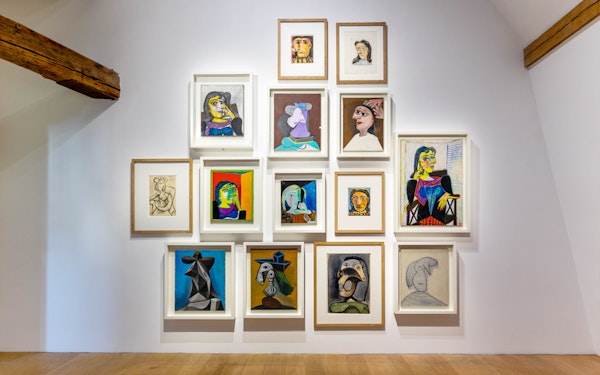
Picasso Museum Priority Access Tickets with Audioguide
4.9(56)ViewFrom$26
Picasso Museum in Barcelona: Guided Tour with Expert Guide
4.5(99)1 hr 30 minViewFrom$45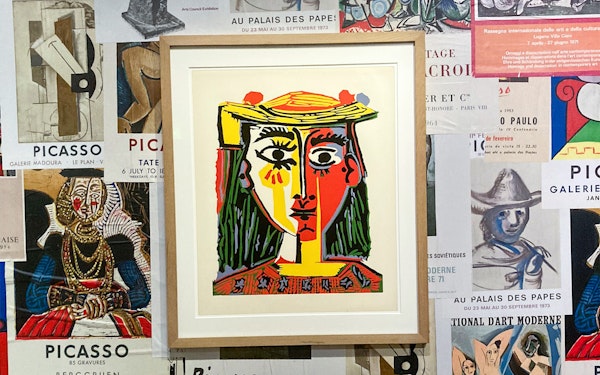
Picasso Museum Priority Access Tickets
4.3(5,742)15 minutesViewFrom$19
Moco Museum Barcelona Admission Ticket: Modern & Contemporary Art
4.6(1,362)1 hourViewFrom$17
The Miró foundation - the one for people who like modern work
A different proposition entirely: lighter, more contemporary in feel, and set in a building designed around the work rather than adapted to it. The hill setting means you get a view as part of the deal, which makes it a natural pairing with an outdoor afternoon rather than a rainy-day fallback.
It suits visitors who find historic collections heavy going, and anyone who wants a museum that does not feel like an obligation.
The national art collection - the survey option
The broadest sweep of the three, in the most dramatic setting, on the hill above the city. This is the choice for visitors who want a genuine survey of Catalan art across centuries rather than a single artist or period, and it comes with one of the better city views as a bonus.
The trade is size. This is a large institution and a proper visit is a commitment. If your instinct in a big museum is to see everything, budget accordingly or decide in advance which sections you are skipping.
The contemporary and specialist rooms
Barcelona has a healthy layer of smaller, more specialised collections beneath the headline names - contemporary art, design, individual historic houses, and focused thematic museums. Their value is precisely that they are small: an hour, no queue, and something you had not planned on.
These are the ones to reach for when you have a spare afternoon rather than the ones to build a day around.
Barcelona's smaller and specialist collections
- tiqets
Fundació Joan Miró: Skip The Line Ticket
Modern work in a purpose-built setting on the hill, with a view included.
4.6(2,586)ViewFrom$19.35 
Moco Museum Barcelona Admission Ticket: Modern & Contemporary Art
A compact contemporary collection - an easy hour, no stamina required.
4.6(1,344)1 hourViewFrom$18.04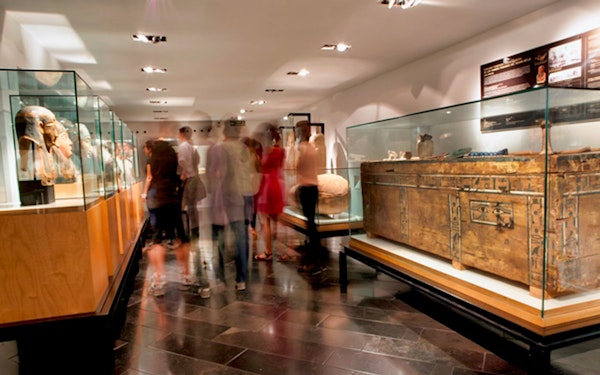
Egyptian Museum Tickets
A focused specialist collection that stays quiet even in high season.
4.6(1,745)1 hourViewFrom$14.12- tiqets
Palau de la Música Catalana: Guided Tour
A guided visit to a concert hall interior - closer to architecture than to a gallery.
4.7(1,514)1 hourViewFrom$27.32 
Moco Museum Barcelona Tickets: Banksy & More
4.6(558)1 hr 15 minViewFrom$18
Museu Tàpies Tickets
4.3(6)ViewFrom$17
Barcelona: FC Barcelona Museum "Barça Immersive Tour" Ticket
5.0(3)1 hour - 1 hr 20 minViewFrom$51Articket Passport: Admission to 6 Museums with Guaranteed Slot at Picasso Museum
3.8(25)ViewFrom$55
Moco Museum London Entrance Tickets with Banksy & More
4.7(1,196)1 hr 30 minViewFrom$25
Camp Nou Immersive Tour F.C.Barcelona Museum Ticket
3.9(1,349)1 hourViewFrom$34
For the architecture: the buildings you go inside
This is where Barcelona genuinely outperforms other European cities, and where most visitors should spend their second museum slot.
The distinction matters when you are planning. A gallery asks you to stand still and look carefully. A building asks you to move through it and look around. The second is considerably easier at the end of a long day, easier with companions of mixed enthusiasm, and easier with children - and in this city it is arguably more representative of what you came to see.
The major Modernista houses run timed entry, and they are the sites under the most genuine capacity pressure in the city. If you are visiting between roughly April and October, book these first and fit everything else around them.
Barcelona's architectural interiors
- tiqets
Casa Batlló: Entry Ticket
Timed entry to one of the city's signature interiors.
4.7(15,950)ViewFrom$35.29 - tiqets
Casa Milà - La Pedrera: Entry Ticket + Audio Guide
Entry with audio narration, including the roof terrace.
4.7(9,906)ViewFrom$28.46 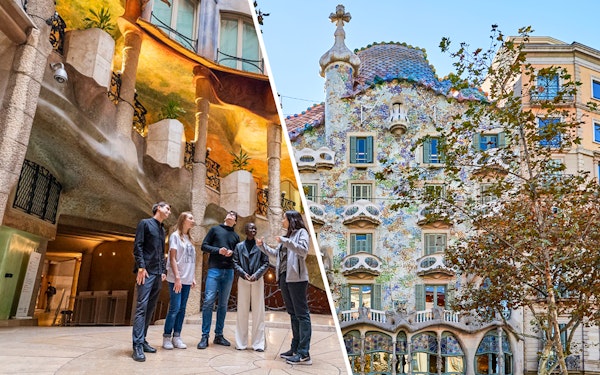
Combo: Casa Milà + Casa Batlló Entry Tickets with Audio Guide
Both houses on one booking - the efficient way to do the architecture in a single day.
4.6(9,178)ViewFrom$58.10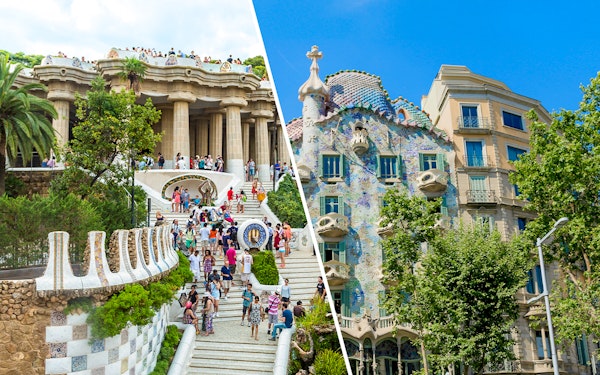
Combo: Park Güell + Casa Batlló Timed Entry Tickets
An outdoor site plus an interior - a good pairing for a mixed-weather day.
4.5(31,059)ViewFrom$59.81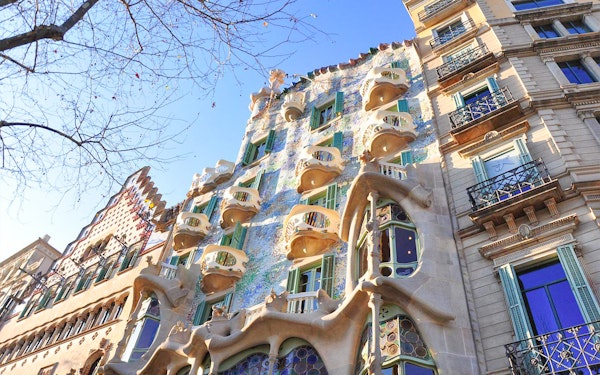
Casa Batlló Timed Entry Ticket with Free Immersive Audio Guide
4.6(3,624)ViewFrom$33
Casa Batllo Admission Ticket with Intelligent Audio Guide
4.4(3,440)1 hour - 2 hoursViewFrom$51
Gaudi Masterpiece: Casa Batlló with Expert Guide and STL Tickets
5.0(17)2 hoursViewFrom$172
Sagrada Familia Park Guell and Casa Batllo Complete Gaudi Tour
4.8(1,449)3 hr 30 min - 5 hr 30 minViewFrom$160
Casa Batllo Skip-the-Line Guided Tour
2.8(4)1 hr 15 minViewFrom$65
Casa Batlló : Night Tour with Copa de Cava
3.8(88)1 hourViewFrom$33
For a specific interest
Football. The stadium and club museum is one of the highest-attendance ticketed visits in the city, and it is a genuinely different experience from anything else on this list. It suits people who would find a fine-art gallery a chore, and it works well with teenagers, which is not something you can say about most museums here.
Music and performance. The historic concert hall visit sits between architecture and culture - you are looking at an interior rather than a collection, and it is short, visual, and impressive without demanding any prior knowledge.
Maritime and city history. Barcelona's relationship with the sea and its own past is covered by several institutions that get far fewer visitors than the art collections. If you have been to the city before and done the obvious things, this is where the second-visit value sits.
Specialist visits: football, music, and city history
- tiqets
Spotify Camp Nou & FC Barcelona Museum: Entry Ticket
The stadium and club museum - the city's most-visited non-art ticketed site.
4.4(8,551)ViewFrom$38.34 
Combo: FC Barcelona Museum Immersive Tour + Hop-on Hop-off Bus Tour
The club visit bundled with a bus loop for getting across the city.
4.4(10,141)ViewFrom$65.04- tiqets
Palau de la Música Catalana: Skip The Line Ticket
Entry to the concert hall interior without a guide.
4.6(2,170)ViewFrom$22.77 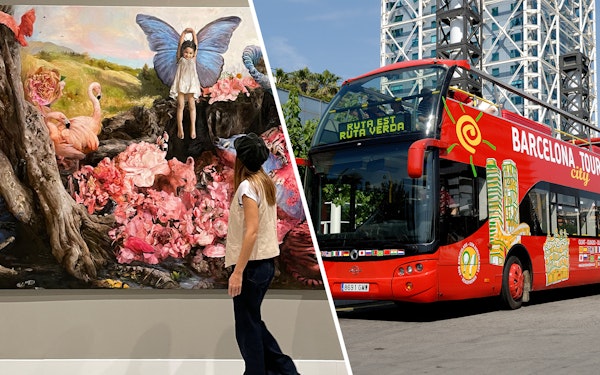
Combo: Moco Museum Barcelona Tickets + Hop-on Hop-off Bus Tour
A contemporary gallery plus transport, useful for spread-out itineraries.
4.3(6,015)ViewFrom$48.79
Spotify Camp Nou Barça Museum Tickets
4.4(1,712)1 hourViewFrom$36Camp Nou Immersive Tour F.C.Barcelona Museum Ticket
3.9(1,349)1 hourViewFrom$34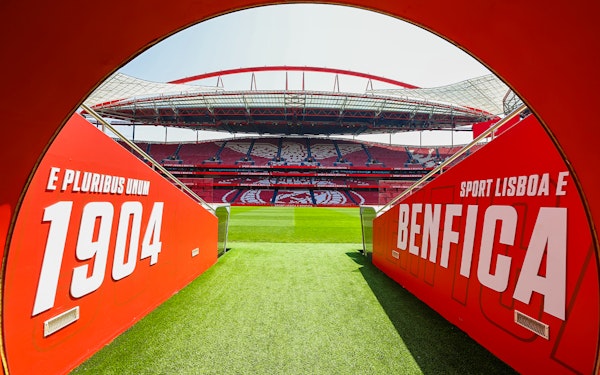
SL Benfica Stadium & Museum Self-Guided Tour
4.6(2,487)1 hourViewFrom$17Barcelona: FC Barcelona Museum "Barça Immersive Tour" Ticket
5.0(3)1 hour - 1 hr 20 minViewFrom$51
Tickets to the Big Fun Museum
4.4(47)ViewFrom$18Moco Museum Barcelona Admission Ticket: Modern & Contemporary Art
4.6(1,362)1 hourViewFrom$17
How long each kind of visit actually takes
Time is the constraint that decides everything else, and published "suggested visit" times are usually optimistic. These are working numbers to plan against.
| Type of visit | Realistic time | Includes |
|---|---|---|
| Focused single-artist collection | 1.5 hours | Entry, the full route, a slow lap |
| Compact contemporary gallery | 1 hour | Everything, unhurried |
| Architectural house interior | 1-1.5 hours | The rooms plus the roof terrace |
| Large survey museum | 2.5-3 hours | Selected sections, not the whole building |
| Stadium and club visit | 2 hours | The route plus the museum |
| Concert hall guided visit | 1 hour | A fixed guided route |
Add travel between sites, and add a queue in summer even where you have a timed ticket - a timed entry gets you in near your slot, not instantly. Two visits plus travel plus lunch is a full day. Three is a day you will not enjoy.
Getting the ticketing right
The mechanics differ by type of site, and getting this wrong is the most common way people lose an afternoon.
Timed entry means a window, not an appointment. For the high-demand architectural sites you are booking a slot, and arriving well outside it can mean being turned away. Arriving ten minutes early is right; arriving forty minutes early does not help.
Audio guides are worth it in the buildings and optional in the galleries. In an architectural interior there is nobody to tell you what you are looking at, and the narration carries the visit. In an art collection the labels usually do the job, and a guide can slow you down more than it helps.
Guided tours earn their money where chronology matters. A single-artist collection organised by period genuinely benefits from someone explaining the arc. A contemporary gallery of standalone works benefits far less.
Combination tickets are good value only if you were going to both sites anyway. They almost always undercut two separate entries, and they almost always come with a constraint on when the second entry must be used. Read that constraint before assuming the saving is free.
Check closing days before you build a day. Museums here do not all close on the same weekday, and a site that is shut on Monday will happily sell you nothing while you stand outside it.
Museums when the weather decides for you
Barcelona's weather makes the museum question situational rather than fixed, and the right response is to keep the plan flexible rather than pre-committing.
On a hot summer afternoon the museums become genuinely valuable as shelter, and the middle of the day is the worst time to be walking anyway. This is the one situation where stacking two indoor visits makes sense - it is what everyone else is doing too, so expect company.
On a rainy day the compact collections beat the large ones, because you are likely to be moving between shelter rather than settling in for three hours. Two short visits with a covered lunch between them beats one long one.
On a clear winter day do the opposite of your instinct: go outside first while the light lasts, and save the museum for the last two hours before closing, which are also the quietest.
On a perfect spring or autumn day consider skipping museums entirely. This is not a joke - the streets, the parks and the facades are the reason most people come, and a collection you can see in any weather is the wrong thing to spend a rare perfect afternoon on.
If you have already done the obvious ones
Repeat visitors run out of headline museums quickly, and the second-trip value in this city sits somewhere different.
Look at the smaller municipal collections, the historic house interiors that are not the famous two, and the thematic museums covering the city's own past - maritime history, industry, design. They are cheaper, quieter, and frequently more interesting than the marquee sites precisely because they are not built around visitor throughput.
The other repeat-visit move is to go deeper rather than wider: a guided visit to a site you have already seen on your own is a genuinely different experience, and it is the version most people should have done the first time.
A note on passes
City passes and multi-attraction cards come up constantly, and the honest answer is that they suit a specific kind of trip and not most trips.
They work when you are doing a lot of ticketed things in a short window, when the sites you want are all on the card, and when you are comfortable moving at the pace that requires. They do not work on a relaxed trip with two museums in it, because the break-even point is usually higher than a normal itinerary reaches.
The test is arithmetic rather than instinct: list the sites you would genuinely visit without the pass, price them individually, and compare. If the pass only wins once you add sites you were not otherwise going to bother with, it has not saved you money - it has sold you an itinerary.
How to fit museums into a real Barcelona trip
The scheduling advice is more useful than the ranking, because the common failure here is not picking the wrong museum, it is picking too many.
On a two-day trip: one museum, full stop. Make it whichever of the categories above matches why you came, and give the rest of your time to walking and eating. Two days is not enough to justify a second indoor commitment.
On a three or four day trip: two museums, on different days, ideally of different kinds. One gallery, one building. Put them in the afternoons - Barcelona's mornings are too good to spend indoors, and the museums are quietest in the last two hours before closing anyway.
On a longer stay or a repeat visit: this is when the specialist collections earn their place, and when a genuinely large survey museum becomes reasonable rather than punishing.
In winter: you can safely add one, because the daylight is short and an indoor afternoon costs you nothing. This is the season to do the big collection properly.
Insider tip
Museums are the afternoon, not the morning. Barcelona's outdoor architecture is best in daylight and its museums are identical at any hour. Front-load the streets, the parks, and the facades, and move indoors as the day cools or the light goes. Visitors who do it the other way round consistently report seeing less of the city.
What to skip, and when
Skipping is the harder half of planning, so here are the honest calls.
Skip a second art gallery if you have already done one on the same trip, unless art is specifically your reason for travelling. The marginal value drops sharply.
Skip the very large survey museum on a trip of two days or fewer. It is excellent and it does not fit.
Skip any museum entirely if the weather is exceptional and you have not yet walked the city properly. This sounds like odd advice in a museum guide, but it is the right call more often than not - Barcelona in good weather is a place to be outdoors, and the collections will be there next time.
Skip the free-entry window on a short trip. Free hours are the busiest hours of the month, and on a two-day visit an uncrowded paid visit is worth more than the saving.
The short version
Pick one art collection and one building. Book the building, improvise the gallery. Do both in the afternoon, and spend your mornings outside.
If you only take one recommendation: the Picasso collection is the safest single art choice for most visitors because it is focused enough to finish, and one of the Modernista houses is the safest single architectural choice because it is the thing this city does better than anywhere else. Between them you have a museum plan that fits inside a real holiday instead of replacing it.
Compare Barcelona museum tickets, passes, and guided tours →Which museum in Barcelona should I visit if I only have time for one?
It depends entirely on what you want. If you want art with a local connection, the Picasso collection is the obvious single choice and it is compact enough to do properly in ninety minutes. If you want the city's architecture rather than its paintings, one of the Modernista houses gives you more of what makes Barcelona distinctive. If you want a broad survey with a view over the city, the national art collection on the hill is the one.
How many days do you need to see Barcelona's museums?
Two days of dedicated museum-going covers the major collections comfortably without turning into a slog. On a typical three or four day city trip, plan for two museums total - one art collection and one architectural interior - and spend the rest of your time outdoors. Barcelona rewards walking more than most cities, and stacking museums back to back is the fastest way to stop enjoying either.
Do I need to book Barcelona museums in advance?
For the high-demand architectural sites, yes - those run timed entry and the popular slots go early, particularly in summer. For the mid-sized art museums, advance booking is useful in high season and often unnecessary in winter, when you can frequently buy on the day. As a rule: book the architecture, improvise the art.
Are Barcelona museums free at any time?
Several of the city's public museums offer free-entry windows on certain afternoons or specific days each month, and the policy varies by institution, so it is worth checking the individual museum for your dates. Be realistic about the trade-off, though: free windows are the busiest hours of the month, and on a short trip an uncrowded paid visit is often the better use of limited time.
Is the Picasso Museum in Barcelona worth it?
For most visitors, yes, and it is one of the easier recommendations in the city because it is focused rather than exhausting. It suits people who want to understand an artist's development rather than see a greatest-hits wall, and it fits comfortably into ninety minutes. If you have no particular interest in the artist, the architectural sites will give you more of Barcelona.
What is the best museum in Barcelona for kids?
The specialist and interactive collections beat the fine-art ones by a wide margin. Science, maritime, and football-focused visits all give children something to look at and do rather than something to be quiet in front of. If you do want to take children to an art museum, pick a small one and keep the visit under an hour.
Are the Gaudi houses museums?
They function as ticketed visitor attractions with timed entry, and most visitors treat them the way they would treat a museum, but the experience is different - you are moving through a building rather than looking at a collection. That distinction matters when planning: an architectural visit is usually shorter, more visual, and easier with restless companions than a gallery.
Can you do more than two museums in a day in Barcelona?
You can, and you probably should not. Two is the practical ceiling before diminishing returns set in hard, and even two works best when they are different in kind - one gallery and one building rather than two picture collections. The city's outdoor architecture is a large part of what you came for, and museums are the easiest thing to over-schedule at its expense.
Keep reading
Listicle
Things to do in Barcelona: the experiences worth booking
The Barcelona shortlist, ranked by what is actually worth your time.
Read more
Barcelona pillar
Barcelona travel guide: first-time visitor essentials
Where to stay, how to move around, and the ticket strategy for the big sights.
Read more
Seasonal
Barcelona in winter: the season locals quietly prefer
Mild days, no queues, and the lowest prices of the year - the season to do the museums properly.
Read more
Itinerary
3 days in Barcelona: a walkable itinerary
Three days done properly, with the booking order that avoids the queues.
Read more
More reads
More guides to help you plan your trip

Barcelona in Winter: The Season Locals Quietly Prefer
Winter in Barcelona - mild days, empty queues, and the lowest prices of the year. What the weather actually does, what stays open, and what to book ahead.

Casa Batllo Tickets in 2026: Prices, Types and How to Skip the Line
A practical 2026 guide to Casa Batllo tickets in Barcelona - the ticket types compared, when skip-the-line is worth it, and the best Gaudi combos to book.

2 Days in Barcelona: What to See and How to Plan the Perfect Weekend
What to see in Barcelona in 2 days: the Sagrada Familia and the Gothic Quarter on day one, Park Guell, Montjuic, and the seafront on day two, plus top tours.

The Best Day Trips from Barcelona: Montserrat, Girona, Costa Brava and More
The best day trips from Barcelona ranked by what is worth a full day: Montserrat, Girona, Costa Brava, Sitges, Tarragona, and Dali's Figueres, with top tours.

Montserrat Day Trip from Barcelona: Tours, Trains and Tips
Plan a Montserrat day trip from Barcelona: guided tours vs the train, the wine and cava combos, private options, and the tours travelers rate highest in 2026.

Park Guell Tickets: The 2026 Guide to Skip-the-Line, Guided Tours, and the Free Zone
A practical 2026 guide to Park Guell tickets - the Monumental Zone vs free area, when skip-the-line matters, and the best guided tours to book.

3 Days in Barcelona: The Perfect First-Timer Itinerary for 2026
A walkable, well-paced 3 days in Barcelona itinerary for first-timers - Gaudi core, the Gothic Quarter, a Montserrat or Girona day trip, and what to pre-book.

Barcelona Travel Guide: First-Time Visitor Essentials for 2026
A practical 2026 Barcelona travel guide - where to stay, getting around, the Gaudí timed-entry strategy, food timing, day trips, and the pickpocket truth.