LisbonCity pillarPlanningFirst-timerPortugal
Lisbon Travel Guide: First-Time Visitor Essentials for 2026
A practical 2026 Lisbon travel guide: where to stay, how to handle the hills, the Belem ticket strategy, fado and food, and the day trips worth planning around.
Par SimilarTours Editorial - Travel Research · · Temps de lecture : 21 min

Lisbon looks effortless in photos - the yellow trams, the tiled facades, the river light - and then you arrive and discover the city is built on hills that mean business, the famous tram has a queue around the block, and the Belem sights you came for sell out their best slots by mid-morning. This Lisbon travel guide is the practical layer under the postcards: where to stay, how to move around a vertical city, the ticket strategy that saves your Belem day, and where the food and fado actually live. It is written for a first visit to Lisbon, Portugal, and every experience referenced is currently bookable through our partner OTAs, verified July 2026.
If you have ten minutes, read the tickets section and the Tram 28 tip below. Those two things fix the most common first-timer mistakes in this city.
Browse all Lisbon tours and experiences →When to go
Lisbon is a genuinely year-round city - mild winters, an Atlantic breeze in summer, and famous light in every season. Pick by crowd tolerance:
- March through May - the consensus best window. Warm, bright, jacaranda trees in bloom by late spring, and the crowds still manageable. Easter week is the one spike to plan around.
- June - hot, festive, and full. The city's biggest month of street celebrations fills Alfama with grilled-sardine smoke and music. Wonderful atmosphere, peak crowds.
- July and August - hot and busy, though the Atlantic keeps Lisbon cooler than inland Iberia. Book the timed sights well ahead and do your walking early.
- September and October - the other sweet spot. Sea-warmed air, softer light, thinner lines, and the best window for the Sintra and coast day trips.
- November through February - mild, quiet, and cheap. Expect some rain and short days, but the miradouros are empty, the queues shrink, and the city feels like it belongs to the locals again.
The shoulder-season rule
April, May, September, and October give you Lisbon's weather and light without summer's lines at Jeronimos and Pena Palace. If your dates are flexible, aim there - the day trips in particular are far more pleasant when the palace terraces are not shoulder to shoulder.
Where to stay - the neighborhoods that make sense
Baixa and Chiado - the flat(ish) center and the default first-timer base. Baixa is the grand grid of squares running down to the river; Chiado is the elegant shopping-and-cafes quarter rising just west of it. You are on the metro, on the tram lines, and within walking distance of nearly everything in this guide. The trade-off is that Baixa's main drags are the most touristed streets in the city.
Alfama - the oldest quarter, a maze of tiled lanes, laundry lines, and fado houses tumbling down the hill below the castle. This is the Lisbon of the photographs, and staying inside it is atmospheric in a way few European city centers still manage. The honest caveats: steep climbs, stairs instead of streets, and rolling a suitcase over cobbles to a guesthouse a taxi cannot reach.
Bairro Alto and Principe Real - the nightlife-and-boutiques side of the center. Bairro Alto is quiet by day and loud by night, so pick your street carefully; Principe Real just above it is the leafier, calmer version with the city's best small-shop browsing. Good for second visits and travelers who rate evenings over monuments.
Avenida da Liberdade and around - the wide 19th-century boulevard north of Baixa, home to the bigger hotels. Less character, more comfort and space for the money, and still a short metro hop or downhill walk from everything.
A note on Belem: the monastery-and-tower district sits well west of the center along the river. Visit it, absolutely - but do not base yourself there. It is a sight cluster with a commute, not a neighborhood you live in.
Getting around - a city in three dimensions
The map lies in Lisbon. Two points that look 400 meters apart may be separated by a climb that leaves you rethinking the day. Plan movement in three dimensions:
- Walking - still the best way to experience the center, as long as you route intelligently: along the contour lines, not across them, and let the funiculars and the big street elevator handle the vertical work. Wear shoes with real grip; the polished calcada cobblestones are slippery, especially downhill.
- Metro - clean, quick, and simple, covering the flat center, the newer districts, and the airport. Tap in with a contactless card or load a rechargeable transit card.
- Trams - both transport and attraction. The historic lines rattle through the old quarters; the modern line runs the riverfront flat out to Belem, which is the practical way to get there.
- Funiculars and the elevator - short, steep, historic, and worth using as intended: to cheat the hills.
- Tuk-tuks and ride-hailing - tuk-tuks swarm the center offering hill tours; the good ones are genuinely useful for covering the viewpoints without the sweat. Ride-hailing apps work well and are reasonably priced for cross-town hops.
- Trains for day trips - suburban lines run from the center to Sintra and along the coast to Cascais, cheap and frequent. They are the backbone of the two classic day trips.
Tram 28 - ride it, but ride it smart
The famous Tram 28 route through Alfama and the hills is worth doing once - and everyone knows it. At midday the queue is long, the car is a crush, and that crush is where the city's pickpockets work. Ride at the start or end of the day, board at a terminus so you get a seat, and keep bags zipped and in front of you. If the line is hopeless, a guided hills tour or tuk-tuk covers the same ground with commentary and no queue.
A guided orientation on day one pays off more in Lisbon than in most cities, because a good guide teaches you the vertical logic - which funicular, which staircase, which viewpoint - that you then use for the rest of the trip.
Top-rated ways to get your bearings in Lisbon

Lisbon City Center Tour - The Unmissable Lisbon
The most-reviewed experience in the city by a wide margin - a guided walk through the center's essentials, and one of the cheapest ways to get oriented on day one.
5.0(24,550)2.5 hoursViewFrom$3
Best of Lisbon Small-Group Guided Walking Tour
A small-group half-day walk with thousands of reviews behind it - the thorough version of the orientation day.
4.9(5,301)4 hoursViewFrom$22
Private Lisbon Sightseeing Tuk-Tuk Tour: Alfama, Belem & More
The hills without the climb - a private tuk-tuk loop through Alfama and out to Belem, and the most-booked tuk-tuk format in the city.
4.9(4,819)4 hoursViewFrom$16
3-Hour Lisbon 7 Hills Electric Bike Tour
An e-bike flattens Lisbon's famous seven hills - a top-rated way to cover the viewpoints that would take a full day on foot.
4.9(915)3 hoursViewFrom$31
All City Premium Private Guided Tour by Tuk-Tuk in Lisbon
5.0(272)4 hoursViewFrom$176
Lisbon city tour on history, culture and current topics
5.0(67)3 hr 30 minViewFrom$47
Lisbon’s Top Sights – A Capital Experience
5.0(18)6 hours - 7 hoursViewFrom$243
Lisbon TukTuk City Tour | Lisbon Private Sightseeing Tours
4.8(38)1 hour - 4 hoursViewFrom$17
Lisbon: Small Group Half-Day City Tour & Belém Sites
5.0(67)4 hoursViewFrom$40
Transfer from Lisbon Airport to Lisbon City Hotels
4.7(104)ViewFrom$29
Tickets - the strategy that saves your trip
Lisbon itself is mostly a walk-up city: the squares, the miradouros, Alfama's lanes, and the riverfront cost nothing and need no reservation. The exceptions cluster in two places, and they are exactly the places everyone goes.
Book ahead, days to weeks in season:
- Jeronimos Monastery in Belem - the line here is the longest in the city, and a pre-booked entry is the single highest-value reservation in Lisbon
- Belem Tower - capacity-limited entry; pair it with the monastery on one booking where you can (our Belem Tower tickets guide compares the formats)
- Pena Palace in Sintra - technically a day trip, but it books out like a Lisbon headline sight because for most visitors it is one
Book a day or two ahead:
- Fado shows, food tours, and cooking classes - capacity-limited but rarely sold out far in advance
- Sao Jorge Castle in high summer, to skip the ticket window
Walk up freely:
- The miradouros (viewpoints), Alfama, Baixa's squares, the Chiado cafes, and the riverfront
- The LX Factory creative quarter and the food markets
On the Lisbon city pass: the Lisbon Card bundles public transport with entry to a set of headline sights including the Belem cluster. It rewards a dense, transit-heavy two-or-three-day visit and loses to individual tickets on a slow, walk-and-eat trip. Count the paid sights you will actually enter before buying.
Belem - the monument district, done right
Belem strings Lisbon's grandest monuments along the river west of the center: the Jeronimos Monastery with its carved cloisters, the fortified Belem Tower at the water's edge, the monument to the explorers, and the original home of the pastel de nata, where the custard tarts are still worth the line. It is half a day minimum, and the classic mistake is arriving at midday with no tickets: the monastery queue alone can eat an hour or more in season.
The play: book the monastery and tower ahead, arrive early, do the interiors first, then relax into the riverfront and the pastry. Getting there is easy - the riverside tram, a bike ride along the flat waterfront path, or a tuk-tuk if you are combining it with the hills.
Top Belem and Jeronimos tickets
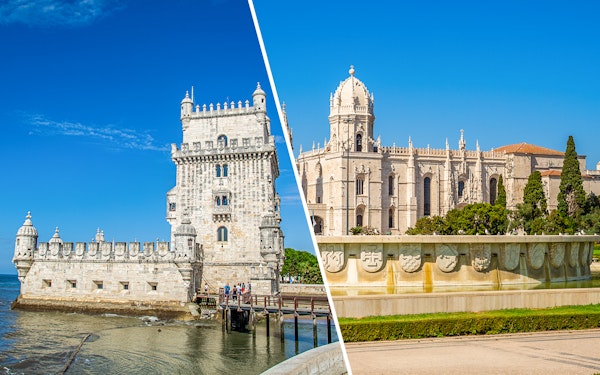
Belem Essential Combo: Belem Tower + Jeronimos Monastery Tickets
The two Belem headliners on one booking - the straightforward way to lock in the district's timed entries together.
4.7(30,516)ViewFrom$36
Jeronimos Monastery Entry Tickets
The monastery on its own - the single reservation that saves the most queue time anywhere in Lisbon.
4.5(18,523)ViewFrom$19
Bike Tours Lisbon - Center of Lisbon to Belem
The flat riverfront path from the center to Belem is Lisbon's easiest ride - a highly rated way to turn the transfer into the sightseeing.
4.9(707)5 hoursViewFrom$19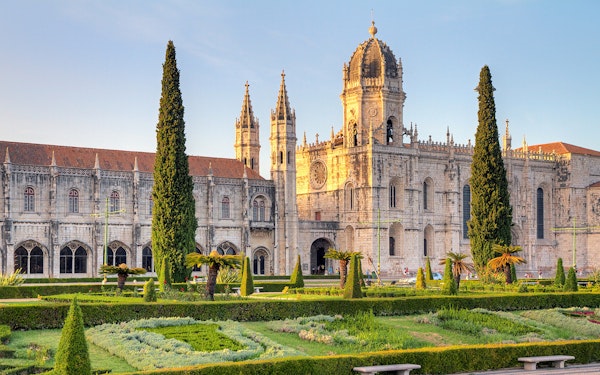
Lisbon Essential Combo: Jeronimos Monastery + Belem Tower + Pena Palace Tickets
The trip's three biggest timed entries - both Belem headliners plus Sintra's Pena Palace - bundled into one booking, backed by the largest review count in the Lisbon catalog.
4.6(55,105)ViewFrom$61
Ashdod port: Private Tour in Jerusalem and Bethlehem
5.0(1)9 hr 30 minViewFrom$1,000
Belem and Jeronimos Monastery Guided Small Group Walking Tour
4.9(424)3 hoursViewFrom$38
full day tour Jerusalem price per van up to 6 people
5.0(8)8 hoursViewFrom$650
Lisbon: Belem Walking Tour with Jeronimos Monastery Tks Included
4.9(168)3 hr 30 minViewFrom$80
Private Day Tour of Jerusalem
5.0(6)6 hoursViewFrom$600
Belém: Jeronimos Monastery, Tickets and Guided tour
4.8(13)2 hoursViewFrom$89
The things to do - a fast orientation
The full shortlist lives in our things to do in Lisbon guide, but the shape of a first visit is consistent: Alfama and the castle hill for the old city, Baixa and Chiado for the grand center and the cafes, Belem for the monuments, the miradouros at golden hour because the light is the point of Lisbon, one evening of fado, one proper food experience, and a day in Sintra. That fills three days without padding. What surprises most first-timers is how much of the best of Lisbon is free: the viewpoints, the tiled streetscapes, the river. Spend your budget on the timed sights, one good tour, and the table.
Eating - the practical version
Lisbon has become one of Europe's best-value food capitals, and the rules for eating well are simple:
-
Walk two streets off the main drags. The restaurants on Baixa's central spine and the big squares cater to foot traffic. The tascas and cervejarias a couple of blocks over serve better food at lower prices.
-
Eat what the city does best. The pastel de nata, warm, with cinnamon; grilled sardines in summer; bacalhau in any of its forms; a bifana (garlicky pork sandwich) for cheap lunch fuel; shellfish at a proper cervejaria; and Portuguese wine, which remains one of the continent's best bargains. Ginjinha, the sour-cherry liqueur, is sold in tiny standing bars for pocket change.
-
Mind the timing and the "couvert." Lunch runs roughly 12:30 to 3:00 p.m., dinner from about 7:30 p.m., later on weekends. The bread, olives, and cheese that land unbidden on your table are the couvert - not free, but rarely expensive; wave them off if you do not want them. Tipping is modest: round up or leave a few euros for good service.
A guided food tour early in the trip is the efficient move - it calibrates your ordering for every meal after it.
Top Lisbon food tours and fado shows

Winner 2026 Undiscovered Lisbon Food & Wine Tour by Eating Europe
The highest-profile food walk in the city, with nearly eight thousand reviews - neighborhood eating and drinking well off the tourist spine.
5.0(7,991)3.5 hoursViewFrom$121
Devour Lisbon: The Ultimate Portuguese Food Tour
A top-rated tasting walk through markets and family-run counters - the strong mid-priced pick among the big food tours.
5.0(2,138)3 hoursViewFrom$73
Lisbon Small-Group Portuguese Food and Wine Tour
The most-reviewed of the small-group food formats - Portuguese classics and wine in one compact evening.
4.8(4,517)3 hoursViewFrom$77
Fado in Chiado - Live Show in Lisbon on Stage for 17 Years
The long-running dedicated fado show in Chiado - a compact, high-volume introduction to Portugal's traditional song.
4.6(665)50 minutesViewFrom$27
Combo: Fado in Chiado + Jeronimos Monastery + Belem Tower Tickets
The evening show bundled with both Belem timed entries - one booking that covers a full Lisbon day and its night.
4.7(30,606)ViewFrom$61
Walking Tour of Mouraria & Alfama with Dinner & Live Fado Show
5.0(1)4 hoursViewFrom$66
Lisbon: Fado Show With Wine and History
4.8(111)50 minutesViewFrom$23
Tickets to Fado in Chiado
4.7(90)50 minutesViewFrom$24
Lisbon Fado Experience: Walking Tour, Dinner and Live Music Show
4.5(370)4 hoursViewFrom$67
Lisbon Food Tour: Pesticos and Wine Tasting
0.0(0)3 hoursViewFrom$72
On fado: Lisbon's traditional song is best met in one of two formats. The short dedicated shows in Chiado and downtown run under an hour and suit travelers who want the music without committing a whole evening; the fado-house dinners in Alfama stretch it over a meal with courses between sets. Either way, book a day or two ahead in season and go in expecting intimacy, not spectacle - a single voice, a Portuguese guitar, and a quiet room is the entire, considerable point.
Day trips - Sintra first, then the coast
Sintra is the non-negotiable one: a hill town of romantic palaces and gardens in a green microclimate less than an hour from the city, crowned by the technicolor Pena Palace. It needs a full day, not the half-day squeeze most first-timers attempt - our dedicated Sintra day trip guide covers the palace-by-palace strategy. Beyond Sintra, the coast at Cascais, the walled town of Obidos, the sanctuary at Fatima, the wine country of Arrabida, and the Alentejo city of Evora all work as day trips; we rank all of them in our best day trips from Lisbon guide.
Popular day trips from Lisbon

Sintra and Cascais Small-Group Day Trip from Lisbon
The most-reviewed day trip out of Lisbon - Sintra's palaces and the Cascais coast in one small-group loop.
4.8(7,658)8 hoursViewFrom$69
Sintra-Cascais-Pena Palace 8-People Small Group Tour from Lisbon
An eight-person cap and a near-perfect rating - the small-group pick for doing Pena Palace and the coast without the big-coach pace.
4.9(1,865)9 hoursViewFrom$64
Sintra, Pena, Regaleira, Roca & Cascais Guided Tour from Lisbon
The full-sweep version - Pena, the Regaleira gardens, the Cabo da Roca cliffs, and Cascais in one long guided day, at a strong price for the ground covered.
4.8(1,163)9 hoursViewFrom$40
PRIVATE Unforgettable Full Day Tour to Sintra from Lisbon
5.0(253)10 hours - 11 hoursViewFrom$194
From Lisbon: Sintra, Pena Palace & Quinta da Regaleira Full-Day Trip
4.5(28)8 hoursViewFrom$44
Tour Sintra from Lisbon
5.0(77)7 hours - 8 hoursViewFrom$254
Best Sintra Day Trip From Lisbon – Pena, Cabo Da Roca & Cascais
5.0(504)8 hoursViewFrom$58
From Lisbon: Sintra, Pena Palace, Cabo da Roca, Cascais & Quinta de Regaleira Full-Day Trip
4.6(289)8 hoursViewFrom$34
Sintra Private Trip from Lisbon Customizable Dreamlike Experience
5.0(1,800)8 hoursViewFrom$180
Private Sintra Tour from Lisbon: Pena Palace, Cabo Roca & Cascais
5.0(102)8 hoursViewFrom$172
Money, safety, and the small print
Money. Portugal is on the euro and Lisbon is thoroughly card-friendly; contactless works nearly everywhere, including the metro gates. Keep a small cash float for ginjinha counters, tiny tascas, and market stalls. Costs run noticeably below the western-European capital average: coffee and pastry are cheap, a full tasca lunch is modest, and wine is a bargain. The tourist-facing spine of Baixa and the Belem cafes charge a location premium - two streets over fixes it.
Tipping. Modest and appreciated rather than expected: round up, or leave five to ten percent for genuinely good table service. Do not tip for counter coffee.
Safety. Lisbon is one of the safer European capitals, and the central neighborhoods are comfortable after dark. The real list is short: pickpockets on Tram 28 and in the packed miradouros (crowds are the tell), the persistent sellers around Baixa offering sunglasses and trinkets, and the occasional inflated tourist-menu pricing near the big squares. A zipped bag worn in front and a firm "nao, obrigado" cover almost all of it.
The physical city. This is the one genuinely underrated practical point: Lisbon is steep, and its beautiful calcada pavements are slick underfoot. Shoes with grip, a routing strategy that respects the hills, and a willingness to take the funicular are not concessions - they are how locals do it.
Sample itineraries
If you are shaping the days now, our 3 days in Lisbon itinerary lays out the standard first-visit route: the center and Alfama on day one, Belem and the river on day two, Sintra on day three. Use this guide for the decisions - where to stay, what to book, when to come - and the itinerary for the hour-by-hour plan. With four or five days, add the coast at Cascais or a second day trip from our day-trips guide and let the city breathe a little; Lisbon rewards the traveler who leaves room for an unplanned miradouro hour.
Compare Lisbon tours and tickets →Plan your trip
See all Lisbon tours and experiences →Lisbon travel guide: common questions
What is the best neighborhood to stay in Lisbon for a first visit?
Baixa and Chiado are the safest first-time picks - flat by Lisbon standards, central, and connected to everything by metro and tram. Alfama is the atmospheric choice, all tiled lanes and fado houses, with the trade-off of steep climbs and luggage-hostile stairs. Bairro Alto and Principe Real suit travelers who want the nightlife and boutique end of the city. Avoid basing yourself out in Belem; it is a sight cluster, not a base, and you would commute back and forth every day.
How do you get around Lisbon?
A mix of metro, trams, funiculars, and your own legs. The metro is clean and simple and covers the flat center and the airport; the historic trams and funiculars handle the hills. Tap a contactless card on the metro and buses, or load a transit card if you prefer. The one honest warning is the hills themselves: distances that look short on the map can involve a serious climb, so route around the funiculars and viewpoints rather than straight up the contour lines.
Is the Lisbon city pass worth it?
The Lisbon Card bundles public transport with entry to a set of major sights, including the Belem cluster, and it tends to pay off on a packed two-to-three-day visit where you ride transit often and hit several paid attractions. On a slower trip built around walking, viewpoints, and food, individual tickets usually come out cheaper. Do the math against your actual plan: count the paid sights you will realistically enter, add transit, and compare.
Do I need to book Lisbon attractions in advance?
For the Belem cluster - Jeronimos Monastery and Belem Tower - and for Pena Palace in Sintra, yes. These run on timed or capacity-limited entry and the lines at Jeronimos in particular can swallow an hour or more in season. Book those ahead and build the day around the slot. The viewpoints, the squares, Alfama, and the food scene are all walk-up, and fado shows usually only need a day or two of notice.
Is Tram 28 worth it, and how do I avoid the crowds?
The route is genuinely one of the best city rides in Europe - it threads Alfama, the cathedral, and the hills in one rattling line. The catch is that everyone knows it: at midday the queues are long, the cars are packed, and pickpockets work the crush. Ride it early in the morning or in the evening, board at a terminus to get a seat, and keep valuables zipped and in front. If the queue is hopeless, a small-group tuk-tuk or hills tour covers the same ground with commentary.
What food is Lisbon known for?
Seafood and pastry, broadly. The pastel de nata - the caramelized custard tart - is the icon, best eaten warm with cinnamon. Beyond that, look for grilled sardines in summer, bacalhau (salt cod) in its many forms, bifanas (pork sandwiches), fresh shellfish at the cervejarias, and Portuguese wine at prices that surprise most visitors. A guided food tour on the first day is an efficient way to calibrate what to order for the rest of the trip.
What is fado and should I see a show in Lisbon?
Fado is Portugal's melancholic traditional song, usually a solo voice with Portuguese guitar, and Lisbon is its home. For a first visit it is worth an evening: the short dedicated shows in Chiado and Alfama run under an hour and make an easy introduction, while the fado-house dinner formats stretch the night out over a meal. Book a day or two ahead in season and keep expectations set to intimate rather than spectacular - that is the point.
How many days do you need in Lisbon?
Three days is the sweet spot: one for the center and Alfama, one for Belem, and one for a Sintra day trip. Two days covers the city itself at a brisk pace if you skip Sintra, which first-timers usually regret. Four or five days lets you add the coast at Cascais or a second day trip and slow the whole thing down to Lisbon's actual rhythm, which is unhurried. Our 3 days in Lisbon itinerary lays out the standard version hour by hour.
Is Lisbon safe for tourists?
Yes - Lisbon is one of Europe's safer capitals and the central neighborhoods are comfortable to walk at night. The two things to actually watch are pickpockets on Tram 28 and in the busiest miradouros and squares, and the persistent street sellers around Baixa offering sunglasses and other merchandise; a firm no and walking on settles it. Wear shoes with grip: the polished calcada cobblestones are genuinely slippery, especially downhill or after rain.
When is the best time to visit Lisbon?
Spring and early autumn are the sweet spots - warm, bright, and busy without peak crush. Summer is hot, festive, and crowded, with the June festivities filling Alfama's lanes; it is a great month for atmosphere if you tolerate heat and crowds. Winter is mild by European standards, quiet, and cheap, with short days and some rain. Lisbon's light is famous year-round, which is why photographers rarely have a bad month here.
What do first-time visitors to Lisbon most regret?
Not booking Jeronimos and Pena Palace ahead and losing hours to lines, treating Sintra as a half-day when it needs a full one, queuing for Tram 28 at noon instead of riding it early, packing the wrong shoes for the hills and cobbles, and eating on the main tourist drags of Baixa instead of two streets over. Almost all of it is fixable with an hour of planning, which is what this guide is for.
Keep reading
Plus à lire
Plus de guides pour vous aider à planifier votre voyage

The Best Day Trips from Lisbon: Sintra, Cascais, Obidos and More
The best day trips from Lisbon ranked by what deserves a full day: Sintra, Cascais and Cabo da Roca, Obidos and Fatima, and Evora, with top-rated tours.

3 Days in Lisbon: The Perfect First-Timer's Itinerary
A 3-day Lisbon itinerary that flows: the historic hills on day one, Belem and a food tour on day two, and Sintra on day three, with the top-rated tours at each stop.

Belem Tower Tickets: The 2026 Guide to Entry, Jerónimos Monastery, and the Best Belem Tours
A no-fluff 2026 guide to Belem Tower tickets - entry options compared, how to combine with Jerónimos Monastery, and the best bike and walking tours of Belem.

Excursion d'une journée à Sintra depuis Lisbonne : le guide de planification 2026
Planifiez votre excursion d'une journée à Sintra depuis Lisbonne : quels palais privilégier, faut-il ajouter Cascais et Cabo da Roca, petit groupe ou privé, et les tours les mieux notées par les voyageurs.

À faire à Lisbonne : 20 expériences à réserver en 2026
La sélection Lisbonne 2026 - 20 expériences, excursions d'une journée et visites culinaires classées par intérêt réel, avec notes de quartier et conseils de budget honnête.

Billets Galleria Borghese : Guide 2026 des entrées horaires, visites guidées et éviter les ruptures de stock
Guide pratique 2026 de la Galerie Borghese - tous les types de billets comparés, fonctionnement du système strict de 2 heures, et ce qu'il faut faire quand les billets officiels sont épuisés.

Billets Sainte-Sophie : Guide 2026 sur le tarif d'entrée, la salle de prière gratuite et les meilleures visites
Un guide pratique Sainte-Sophie 2026 - ce que le billet touristique couvre réellement, quand l'entrée est gratuite, le code vestimentaire, et quelles options guidées beat la queue.

Billets pour la Cène à Milan : le guide 2026 de la réservation la plus difficile d'Italie
Un guide pratique 2026 pour voir la Cène de Léonard - comment fonctionne le système de créneaux de 15 minutes, pourquoi les billets officiels disparaissent en quelques jours, et les solutions quand c'est le cas.