RomeItineraryItalyColosseumVatican
1 Day in Rome: The Itinerary and the Best Rome in One Day Tours
How to spend 1 day in Rome without losing it to queues: Colosseum morning, Vatican or historic center afternoon, and the full-day tours that solve it all.
Af SimilarTours Editorial - Travel Research · · 22 min læsning

One day in Rome sounds like a compromise, and badly planned, it is: two of Europe's most-queued sights, one compact but crowded center, and zero slack for mistakes. Done right, 1 day in Rome covers the Colosseum, the heart of the ancient city, and either the Vatican or the illuminated historic center, and still ends with dinner in Trastevere. The difference is entirely in the plan, and for many travelers the smartest version of the plan is a guided Rome in one day tour that handles every queue and transfer for you.
This one-day itinerary gives you both versions: the self-planned day, hour by hour, and the full-day tours that solve the logistics in a single booking. Every tour referenced is currently bookable through our partner OTAs and ranked on real ratings and review counts, verified July 2026.
Browse all Rome tours and experiences →Before you go
Book before you fly. This is the whole game on a one-day visit. The Colosseum runs on timed entry and sells out; the Vatican Museums draw queues that can eat half your day unbooked. Reserve the timed entries or a full-day tour the moment your date is fixed. A one-day plan with nothing booked is not a plan.
Start early. The big sites are calmest at opening, the light is at its best, and every hour you bank in the morning buys flexibility in the afternoon. Aim to be at the Colosseum for the first slots.
Travel light and walk. Rome's center is compact, and this itinerary is on foot except one metro or taxi hop between the ancient area and the Vatican. Large bags slow you at every security check, so carry as little as possible, wear broken-in shoes, and refill water at the free street fountains.
Pick your afternoon in advance. One day gives you the Colosseum plus one more big move: the Vatican, or the historic center at a humane pace. Decide before you arrive, because the afternoon booking depends on it.
If you only have one day, a full-day tour solves the logistics
Here is the honest arithmetic of a single day: the Colosseum and the Vatican both demand timed entries, sit on opposite sides of the center, and punish every mistimed connection. Independent travelers can absolutely thread it, but the margin for error is close to zero. A guided Rome in a day tour removes the risk entirely: reserved entries at both mega sights, transport between them, and a guide stitching the city together in the gaps. On a first and only day, that bundle is worth more than anywhere else you could spend the same money.
Top Rome in one day tours

Rome in a Day:Vatican, Sistine Chapel Colosseum & Historic Center
The most-reviewed full-day combination in the catalog - the Vatican, the Colosseum, and the historic center in one guided seven-and-a-half-hour run.
4.7(1,105)7.5 hoursViewFrom$199
Discover Rome in a Day - Private Driver Tour
A private driver for the whole day with a near-perfect rating - the door-to-door version of the one-day plan for groups who want zero logistics.
5.0(256)8 hoursViewFrom$676
Rome Private Tour with Driver: Colosseum and Vatican in a Day
Both mega sights with skip-the-line access and a private driver between them - the premium answer to the exact problem a one-day visit poses.
5.0(241)9 hoursViewFrom$756
Rome's 12 Best Highlights Full Day Private Tour
A private full-day sweep of a dozen highlights - the pick if you want breadth across the whole city rather than deep time inside the two big sites.
5.0(290)7 hoursViewFrom$490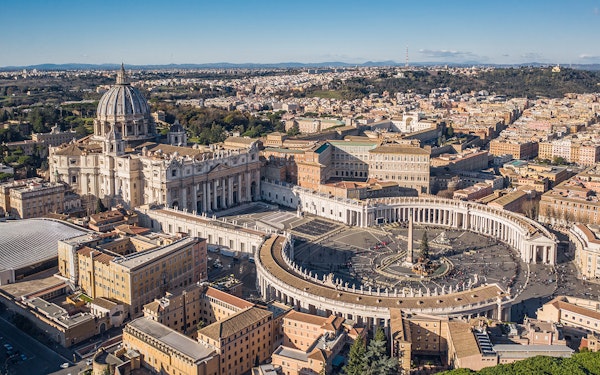
Rome in a Day: Vatican Museums & Colosseum Guided Tour
4.4(1,800)9 hoursViewFrom$139
Rome in a day private Tour with Vatican Museums and taxi transfer
5.0(7)6 hours - 7 hoursViewFrom$767
Rome in a Day Shore Excursion
5.0(3)9 hoursViewFrom$1,559
Private Shore Excursion Civitavecchia: Best of Rome and Vatican
4.9(38)9 hoursViewFrom$437
Private Rome Full-Day Tour by Golf Cart +Colosseum & Roman Forum
5.0(86)7 hoursViewFrom$1,606
Rome: Private Full Day Shore Excursion from Civitavecchia
5.0(6)8 hoursViewFrom$966
Insider tip
Group tour or private driver. The group full-day tour is the value play and covers the same core ground. The private-driver versions cost several times more but flex around your pace, carry your bags, and door-to-door the transfers, which matters most in summer heat, with kids, or on a tight layover-style visit. Either way, book the one-day tours early; they sell out faster than the individual site tickets.
The hour-by-hour plan
If you are running the day yourself, this is the clock that makes it work. Treat the two booked slots as fixed and everything else as elastic.
7:30 to 8:30. Coffee and a pastry standing at a bar near your hotel, Roman style, then move. Be walking toward the Colosseum before the coaches are; the streets around the ancient sites at this hour are the emptiest you will ever see them.
8:30 to 11:30. The Colosseum, Roman Forum, and Palatine Hill on the earliest slot you could book, ideally guided. Three hours covers all three sites at a real pace; resist the urge to linger past your exit time, because the afternoon depends on it.
11:30 to 12:30. Walk ten minutes into Monti, the lanes just behind the Colosseum, for an early lunch. Eating at noon rather than one buys you a table without a wait and puts you ahead of the afternoon clock.
12:30 to 13:00. The one transit hop of the day. If your afternoon is the Vatican, take the metro or a taxi across the river now, aiming to arrive comfortably before your early-afternoon slot. If your afternoon is the historic center, skip the transit entirely and walk north instead.
13:00 to 16:30. The afternoon branch: the Vatican Museums, Sistine Chapel, and St Peter's on a booked skip-the-line slot, or the centro storico loop at strolling pace. Either fills the slot honestly; neither leaves room for the other.
16:30 to 18:00. Decompression. A coffee or gelato sitting down, a look inside whichever church you are standing near, the first slow drift as the light goes gold. If your legs are done, this is the golf cart window.
18:00 to 20:00. The illuminated walk: Pantheon, Trevi Fountain, Piazza Navona, in whichever order your feet are pointing. After dark these three are a different city, and they cost nothing.
20:00 onward. Cross the river to Trastevere for dinner and stay as long as the evening deserves. The day is done; nothing after this needs a ticket or a clock.
Morning: the Colosseum, Roman Forum and Palatine Hill
If you are building the day yourself, give the morning to ancient Rome. The Colosseum, the Roman Forum, and Palatine Hill sit side by side, so one guided tour or one timed ticket covers all three in a single sweep, and the earliest slots get you soft light and the thinnest crowds of the day. A guide earns their keep here more than almost anywhere in Europe, turning a field of ruins into a readable city; if you go unguided, at minimum book the first timed entry and walk the Forum with a map.
Top Colosseum, Forum and Palatine Hill tours

Rome: Colosseum, Roman Forum and Palatine Hill Guided Tour
The most-reviewed Colosseum tour in the catalog by a wide margin - one guide, all three ancient sites, and the reliable anchor for a one-day morning.
4.5(24,990)3 hoursViewFrom$40
Colosseum, Palatine Hill and Roman Forum Guided Tour
The highest-rated of the high-volume three-site tours - the same ancient cluster with a smaller-group feel and strong recent reviews.
4.8(723)3 hoursViewFrom$64
Colosseum, Palatine Hill and Roman Forum with Guided Tour
A compact two-and-a-half-hour version of the three-site walk - the efficient pick when the afternoon plan is ambitious.
4.8(576)2.5 hoursViewFrom$50
Rome: Colosseum Guided Tour with Roman Forum and Palatine Hill
A skip-the-line three-site tour with thousands of reviews - a strong alternative when the top pick's morning slots are gone.
4.7(3,205)3 hoursViewFrom$63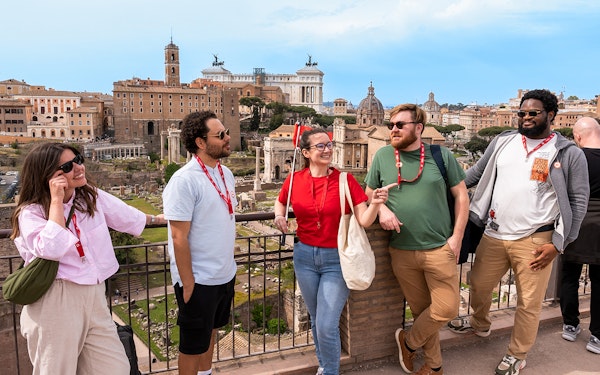
Colosseum, Palatine Hill & Roman Forum Guided Tour
4.5(18,719)2 hoursViewFrom$41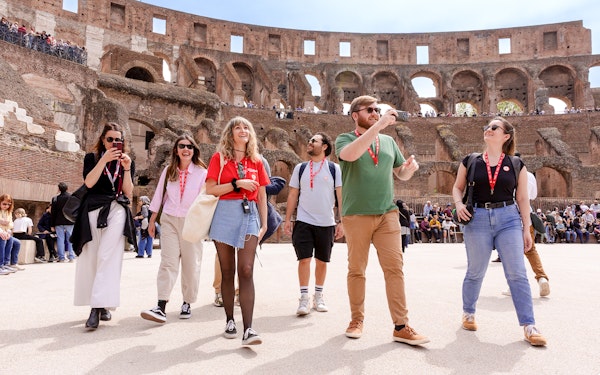
Colosseum, Palatine Hill & Roman Forum with Exclusive Arena Floor Guided Tour
4.5(12,332)2 hr 30 minViewFrom$75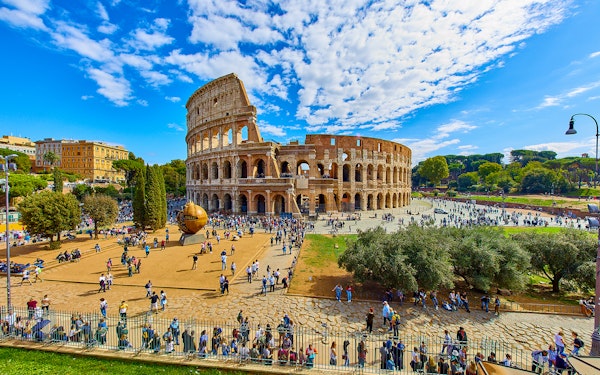
Colosseum, Palatine Hill & Roman Forum Pass
4.4(29,099)4 hoursViewFrom$28Private Rome Full-Day Tour by Golf Cart +Colosseum & Roman Forum
5.0(86)7 hoursViewFrom$1,606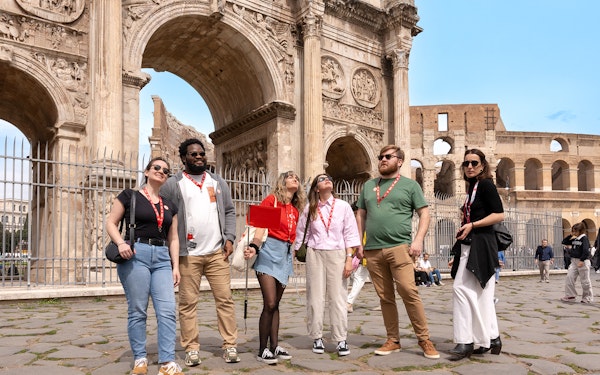
Colosseum, Palatine Hill & Roman Forum Small Group Tour
4.5(3,509)2 hr 30 minViewFrom$57
From Civitavecchia port with Vatican Museums & Tour Guide
5.0(10)9 hoursViewFrom$1,051
Insider tip
The first slot is the whole morning. Book the earliest Colosseum entry you can get. It sets the day's rhythm: ancient sites done by lunch, afternoon free for the second big move, evening free for the walk. A late-morning slot quietly deletes your afternoon.
Afternoon: the Vatican, or the historic center
After lunch near the ancient sites, the day forks, and you should have picked your branch before arriving. These are really two different one-day trips that share a morning, and it helps to be honest about which traveler you are.
Option one: the Vatican route. Cross the city for the Vatican Museums, the Sistine Chapel, and, if your ticket or tour includes it, St Peter's Basilica. This is the ambitious version of the day, the one that lets you say you saw both of Rome's giants, and it works, but only booked: an early-afternoon skip-the-line slot, the metro or a taxi to get there, and a firm exit time so the evening survives. Budget a full three hours inside; the museums are a long one-way route and the Sistine Chapel sits near the end of it, so there is no quick version. Note the dress code, shoulders and knees covered, enforced at the door, and remember that the Vatican closes to visitors on Sundays for most of the day, so a Sunday one-day visit takes this branch off the table. Choose this route if the Sistine Chapel is on your lifetime list; nothing else in Rome substitutes for it.
Option two: the historic center route. The calmer, equally Roman alternative: walk from the ancient area into the centro storico and take the greatest hits at strolling pace, the Pantheon's vast free-to-enter dome, the fountains of Piazza Navona, the lanes between them full of coffee and gelato, with detours into whichever churches and courtyards pull you in. There are no tickets, no clocks, and no transit on this branch, which changes the character of the whole day; you finish the afternoon rested instead of processed. You trade the Sistine Chapel for an unhurried Rome, which on a one-day visit is a legitimate trade, and the better one for travelers who expect to return. Choose this route if this is a first taste rather than a once-in-a-lifetime shot, or if you are traveling with kids or anyone whose patience has a museum-shaped limit.
Top Vatican skip-the-line tours and tickets

Skip-the-Line Group Tour of the Vatican, Sistine Chapel & St. Peter's Basilica
The most-reviewed skip-the-line Vatican tour in the catalog - all three headline sites in three hours, sized right for a one-day afternoon.
4.6(14,408)3 hoursViewFrom$40
Skip the Line: Vatican Museums & Sistine Chapel Tour + Basilica
The highest-rated of the big skip-the-line options - museums, chapel, and Basilica with a guide at a strong price.
4.7(6,433)3 hoursViewFrom$32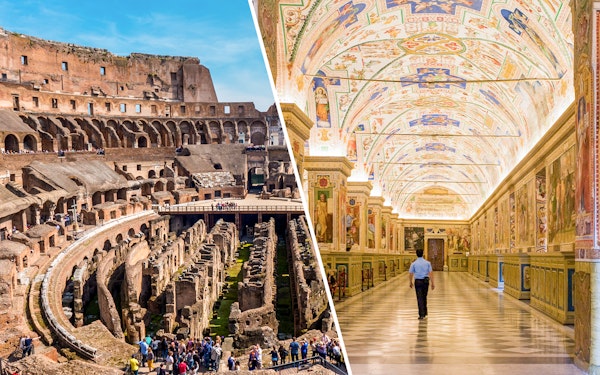
Combo: Colosseum + Vatican Museums Pass
The one-day pass play - both mega sights in a single combo booking with the largest review count in the Rome catalog, for travelers building the day themselves.
4.5(47,081)ViewFrom$63
Skip the line Vatican Museums, Sistine Chapel and St Peters Tour
The value pick for the full Vatican route - the lowest entry price in the cluster with solid ratings across thousands of reviews.
4.7(2,751)3 hoursViewFrom$21
Guided Tour Sistine Chapel & Vatican Museums Skip the Line entry
4.9(8)2 hours - 3 hoursViewFrom$105
Vatican Museums, Sistine Chapel Skip-the-Line Ticket with Greeter
4.9(1,338)45 minutesViewFrom$70
Vatican Museum's & Sistine Chapel No Line Private Tour
4.5(2)3 hoursViewFrom$1,410
Vatican Museums & Sistine Chapel Skip-the-Line Ticket
4.5(46)1 hour - 4 hoursViewFrom$76
Skip-the-line Private: Vatican Museums, Sistine Chapel&St Peter's
4.8(202)3 hoursViewFrom$419
Vatican Museums & Sistine Chapel Skip-the-Line Tickets
4.6(140)1 hour - 3 hoursViewFrom$29
The shortcut: see Rome by golf cart
There is a third way to spend the afternoon, and one-day visitors love it for a reason: a golf cart tour. In two to three hours a cart threads the lanes and piazzas that coaches cannot enter, covering ground that would take a full day on foot, with a guide narrating as you go. It is the best legs-saver in the city after a morning of ancient-site walking, it works brilliantly for families and mixed-mobility groups, and the evening departures roll past the illuminated landmarks as the city switches on.
Top Rome golf cart tours

Rome Highlights City Tour by Golf Cart with Gelato
The most-reviewed golf cart tour in the catalog - three hours of highlights with a gelato stop and a near-five-star rating.
4.9(1,582)3 hoursViewFrom$115
Golf Cart Small-Group Guided Tour: Rome City Highlights
A small-group cart with an equally strong rating - the pick if you want the guide's attention without going fully private.
4.9(1,228)2.5 hoursViewFrom$104
Explore Rome on a Golf Cart: Private Tour
The private option at a group-tour price - three hours with the cart to yourselves, well rated across hundreds of reviews.
4.8(898)3 hoursViewFrom$47
Rome by Night: Golf Cart Tour
The evening version - three hours past the illuminated landmarks, the natural closer for a one-day visit with tired legs.
4.5(1,137)3 hoursViewFrom$47
Private Golf Cart Tour Rome – Comfort, Privacy & Custom Routes
4.3(27)2 hoursViewFrom$82
Private Rome Express 1 Hour Golf Cart Ride
4.4(15)1 hourViewFrom$46
Rome private Golf Cart tour with entry to Colosseum or Catacombs
5.0(131)4 hours - 5 hoursViewFrom$529
Private Golf Cart Tour in Rome-4 hours
4.5(2)4 hoursViewFrom$319
Rome: 3 Hours Private/Group Golf cart Tour with hotel pickup
5.0(149)3 hoursViewFrom$57
Rome: Exclusive 6 hour sightseeing tour in Golf cart for Cruisers
5.0(26)6 hoursViewFrom$93
Where to eat when every hour counts
Food on a one-day visit is a routing problem, and Rome solves it generously if you eat where the day already puts you.
Breakfast is a stand-up affair: espresso or cappuccino and a cornetto at the bar counter, five minutes, a couple of euros, done. Any busy neighborhood bar near your hotel beats hunting for a sit-down breakfast, which is not really a Roman meal anyway.
Lunch belongs to Monti, the small neighborhood folded into the lanes behind the Colosseum. It is ten minutes on foot from the ancient sites, full of trattorias and casual counters, and eating there at noon means you sit immediately and get back on schedule. Order the Roman classics, a carbonara or a cacio e pepe, and keep it to one course; the big meal is tonight.
The afternoon bridge is gelato or coffee, taken sitting down once, deliberately, in the historic center. A short sit with something cold in a piazza does more for the last third of the day than any amount of pushing through.
Dinner is Trastevere, and it deserves the whole evening. Wander until a trattoria looks right, or book one of the neighborhood's food tours if you want your only Roman dinner curated across several stops. Do not book an early table; Roman dinner starts late, and arriving at eight or later puts you in the room with the locals rather than the tour groups.
One warning that saves one-day visitors real money: skip the restaurants with photo menus directly facing the Trevi Fountain, the Pantheon, and Piazza Navona. Walk two streets in any direction and both the food and the bill improve immediately.
What to skip with one day
A one-day plan is defined by what it leaves out, and leaving the right things out is a skill. Skip the Borghese Gallery, not because it is skippable in general but because it needs its own booked slot and a spare half day you do not have. Skip the catacombs and the Appian Way, which sit outside the center and cost more transit time than a single day can absorb. Skip the day trips entirely; Pompeii, Tivoli, and the hill towns are magnificent and belong to a longer visit. Skip climbing anything, dome or monument, since the queue-to-view ratio only works when time is cheap. And skip the completist urge itself: the traveler who tries to add "just one more" sight to this plan usually loses the illuminated evening walk, which is the best free thing Rome does. One day covers the icons and the feel of the city; it is a whole trip if you let it be one, and a frustrating preview if you treat it as a checklist.
Evening: the illuminated walk and Trastevere
However the afternoon went, the evening is fixed, free, and the most Roman part of the day. As the light drops, walk the centro storico loop if you have not already: the Pantheon, the Trevi Fountain, and Piazza Navona are within a short stroll of each other and at their best illuminated, after the day-trip crowds have gone. The Trevi in particular rewards the late visit.
Then cross the river to Trastevere for dinner. The cobbled lanes, trattorias, and wine bars come alive after dark, and no booking is needed to simply wander until a table looks right. If you want the eating handled properly on your only night, the neighborhood's guided food tours string together tastings across spots you would never find alone; they are covered in depth in our 2-day Rome itinerary, where the evening has more room.
Compare all Rome tours side by side →Practical tips
Book the Colosseum, and the Vatican if you are taking that branch, before anything else. On a one-day visit these bookings are the skeleton of the day; everything else is soft tissue.
Start at opening. The single highest-value hour of the day is the first one at the Colosseum.
Take the metro or a taxi between the ancient area and the Vatican. It is the one hop where walking wastes an hour you do not have.
Carry water and refill at the nasoni, the free street fountains. Rome's tap water is excellent and the fountains run cold all day.
Mind the dress code at the Vatican and St Peter's: shoulders and knees covered, enforced at the door.
Keep the evening unscheduled. The illuminated walk and Trastevere need no tickets, and after a day this dense, the unplanned hours are the ones you will remember.
Quick recap: the one-day plan
| Time | Focus | Anchor | From | Rating |
|---|---|---|---|---|
| Morning | Ancient Rome | Colosseum, Forum & Palatine Guided Tour | $40 | ★4.6 (24,990) |
| Afternoon A | The Vatican | Skip-the-Line Vatican, Sistine Chapel & Basilica | $40 | ★4.6 (14,408) |
| Afternoon B | Historic center | Pantheon, Trevi & Piazza Navona on foot | Free | Self-guided |
| All day | Zero logistics | Rome in a Day guided tour | $199 | ★4.7 (1,105) |
| Evening | The close | Illuminated walk + Trastevere dinner | Free | Self-guided |
One day in Rome is not the compromise it sounds like. Book the morning, choose one afternoon, keep the evening free, or hand the whole day to a full-day tour and just walk. Either way, Rome in a day is a real trip, not a preview.
Plan your trip
See all Rome tours and experiences →Is 1 day in Rome enough?
One day is enough to see Rome's headline sights and feel the city, but only with a plan and pre-booked tickets. The workable single-day shape is the Colosseum and ancient Rome in the morning, either the Vatican or the historic center in the afternoon, and an evening walk through the illuminated piazzas. What one day cannot do is both the Colosseum and a full Vatican visit at a relaxed pace plus wandering time; you pick two of the three and save the rest for a return trip.
Is a Rome in one day tour worth it?
If you genuinely have only one day, a guided full-day tour is often the single best money you can spend in Rome. The whole risk of a one-day visit is logistics: two timed-entry mega sights on opposite sides of the center, long queues, and no slack for mistakes. A full-day tour bundles the reserved entries, the transport between sites, and the guiding into one booking, which converts your only day from a logistics problem into a walk.
Can you see the Colosseum and the Vatican in one day?
Yes, but realistically only with pre-booked timed entries or a guided full-day tour that includes both. The two sites sit on opposite sides of the center and each takes two to three hours with entry. Independent travelers should book the Colosseum for opening and an early-afternoon Vatican slot, then move between them by metro or taxi. If either booking slips, the day breaks, which is exactly the failure a full-day tour is designed to prevent.
What should I skip with only one day in Rome?
Skip anything that requires a queue you have not pre-booked, and skip the temptation to see every neighborhood. The Borghese Gallery, the catacombs, and the day trips all deserve their own day. Inside the center, if you choose the Vatican for the afternoon, let the Pantheon and Trevi Fountain wait for the evening walk, when they are illuminated and the crowds thin; if you choose the historic center instead, save the Vatican entirely for a future trip rather than sprinting through it.
How much walking is 1 day in Rome?
A full single day in Rome is a genuinely long walking day, often well past 15,000 steps on cobbles and hard stone. The center is compact enough that almost everything in this itinerary is on foot, with one metro or taxi hop between the ancient area and the Vatican. Wear broken-in shoes, refill water at the free street fountains, and consider a golf cart tour if you want the highlights with less pavement time.
What is the best evening plan for one day in Rome?
The classic close is the illuminated walk: the Pantheon, the Trevi Fountain, and Piazza Navona sit within a short stroll of each other and are at their best after dark, when the day-trip crowds have gone. Pair the walk with dinner in Trastevere, the cobbled neighborhood across the river that comes alive in the evening. It is the least logistical, most Roman part of the whole day, and it needs no tickets.
Do I need to book ahead for one day in Rome?
Yes, more than for any longer visit. With multiple days you can absorb a sold-out slot; with one day you cannot. The Colosseum runs on timed entry and sells out, and the Vatican Museums queue can eat half a day unbooked. Reserve either the individual timed entries or one full-day guided tour as soon as your date is fixed, and treat everything else in the day as flexible around those bookings.
Is a golf cart tour of Rome worth it?
For one-day visitors, surprisingly often yes. A golf cart tour covers in two to three hours what would take a full day on foot, gets into lanes that buses cannot, and saves your legs for the sights where walking actually matters. It works especially well for families, for travelers with limited mobility, and as an evening loop past the illuminated landmarks after a day inside the big sites.
What time should I start one day in Rome?
Be moving by 7:30 and at the Colosseum for the earliest slot you could book. The first hour of the day is worth two of the afternoon: the ancient sites are at their emptiest, the light is at its best, and every minute banked early becomes flexibility later. A one-day plan that starts at ten has already spent its margin before the first queue.
Can you do Rome in one day from a cruise ship or a layover?
Yes, and it is one of the most common versions of the one-day visit, but the transfer time changes the math. The port and the airports all sit well outside the center, so a round trip costs two to three hours of your day before you see anything. For these visits the full-day guided tours and private-driver options earn their price fastest, since they compress the logistics and guarantee you are back for the departure. Build in a hard buffer; ships and flights do not wait for a queue that ran long.
Keep reading
Mere læsestof
Flere guider der hjælper dig med at planlægge din rejse

5 Days in Rome: The Itinerary Where the City Finally Opens Up
Five days in Rome is where the checklist ends and the city begins. A day-by-day route with the two day trips worth taking and the mistakes that waste the extra time.

The Best Walking Tours in Rome: Which Ones Are Worth Booking
Rome is a walking city with more guided tours than any visitor can sort through. Which types actually help, when to do them, and what the free tours really cover.

Christmas Markets in Rome: What the Season Is Actually Like
Rome at Christmas is not a northern market city, and that is the point. What the season actually offers, when it runs, and how to plan a December trip around it.

Pantheon billetter i 2026: Priser, typer og hvordan du springer køen over
En praktisk guide til Pantheon billetter i Rom i 2026 - nu hvor indgang er betalt, sammenligning af billettyper, hvornår du skal reservere, og hvordan du springer køen over.

Billetter til Sixtinerkappellet i 2026: Priser, typer og hvordan du springer køen over
En praktisk guide til billetter til Sixtinerkappellet i 2026 - hvordan adgang fungerer gennem Vatikanmuseet, sammenligning af billettyper, og hvornår spring-køen-over er værd det.

Galleria Borghese-billetter: 2026-guide til tidsbestemt indgang, guidede ture og undgåelse af udsoldinger
En praktisk 2026-guide til Borghese-galleriet - alle billettyper sammenlignet, hvordan det strenge 2-timers-slot-system fungerer, og hvad du skal gøre, når officielle billetter er udsolgte.

Rome in Winter: Why November to February Is the Connoisseur's Season
Rome in winter means short queues at the Colosseum and Vatican, mild days, Christmas in the piazzas, and the city at its most local - here is how to plan it.

Rome with Kids: A Family Guide That Actually Works
A practical guide to Rome with kids: the Colosseum and Vatican with children, gladiator school, pizza and gelato classes, and Villa Borghese downtime.