Embark on a journey through time in Kyoto and Nara, where tradition blends harmoniously with modernity.
In Nara Park, encounter the free-roaming deer that charmingly bow to you in hopes of a treat.
Explore the magnificent torii gates of Fushimi Inari Shrine, and visit the Arashiyama area, which includes the serene Bamboo Forest, Nonomiya Shrine, UNESCO World Heritage Site Tenryu-ji Temple, the iconic Togetsukyo Bridge, Arashiyama Rilakkuma Tea House and the beautiful Kimono Forest.
Depart from Osaka or Kyoto, experience a magical fusion of nature and history with our friendly and professional guide.
469 Zoshicho, Nara, Japan
Nara Park is one of the must-see areas in Nara City and is one of the oldest parks in Japan. The vast area covers 660 hectares and is renowned for its free-roaming deer and world-famous temples. These tame creatures are believed to be sacred messengers of the Shinto gods and walk freely in Nara. Over time, these cute deers have learned to bow to visitors-a sign for a treat. For over 1,300 years, humans and deer have peacefully coexisted in Nara. Today, they are protected as Natural Monuments, and revered as holy animals in Nara.
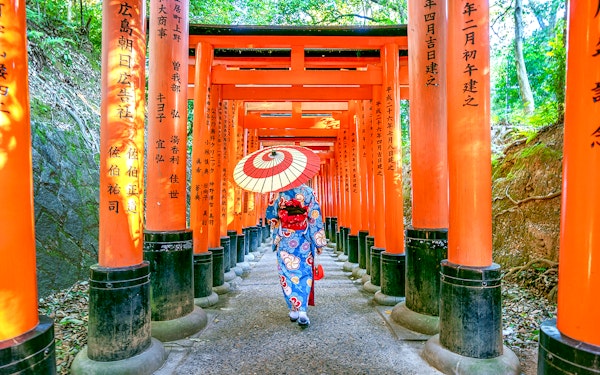
shrine, to worship the Shinto god of rice, Inari. The shrine is renowned for Senbon Torii, thousands of vermilion red torii gates, which create a stunning and immersive tunnel-like pathway up the sacred Mount Inari. In the 1300 years since its establishment in 711AD, people have gathered here to pray for bountiful harvests, business prosperity, the safety of their home and family, and the fulfillment of all other wishes.
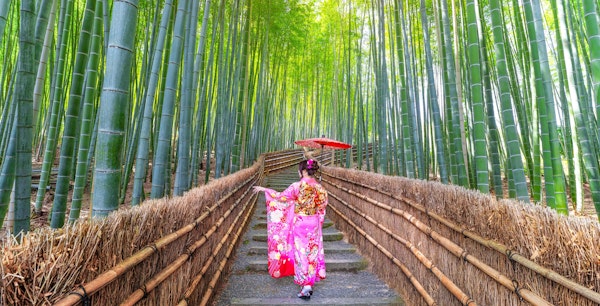
This stunning and serene natural attraction is known for its towering bamboo stalks and tranquil ambiance. Walking along the peaceful paths surrounded by lush greenery will help put your mind at ease. You can truly feel time slow down as you take in the beauty of nature. The groves are especially captivating when a light breeze dances through, causing the tall bamboo stalks to sway gently back and forth.
Sagano Miyamachi 1, Ukyo-ku, Kyoto, Japan
Nonomiya Shrine is a Shinto shrine in the Arashiyama district on the west side of the city of Kyoto. Unlike most shrines that feature iconic vermilion torii gates, Nonomiya Shrine has a distinctive black torii gate known as a kuroki torii. Despite its small size, the shrine has a lengthy history, founded in antiquity as a purification shrine for imperial princesses who were appointed as priestesses for Ise Shrine. Nonomiya Shrine has a reputation for helping and interceding on behalf of women, and many parishioners are women who want to find love or wish for children and a safe childbirth. Many of the omamori on sale at the shrine reflect the theme of women’s happiness, and you can find a variety of amulets available at the shrine office.
35-28 Sagatenryuji Tsukurimichicho, Ukyo-Ku, Kyoto, Japan
The Kimono Forest is a distinctive textile art installation made up of 600 clear acrylic cylinders, each standing 2 meters tall. These pillars are adorned with vibrant kimono fabrics featuring a range of designs, from elegant floral patterns to geometric shapes and traditional Japanese symbols. The installation showcases 32 traditional Kyo-yuzen designs. The Kimono Forest is a must-see attraction that provides a unique and enchanting perspective on traditional Japanese textiles and craftsmanship.
68 Saga Tenryuji Susukinobabacho, Ukyo-ku, Kyoto, Japan
Tenryu-ji Temple, a UNESCO World Heritage Site, is a true gem of the Arashiyama district in Kyoto and is ranked as the top among the city's five great Zen temples. While visiting Tenryu-ji, be sure to experience the stunning Sogenchi Garden. Designed by the renowned Zen master Muso Soseki, this garden has maintained its timeless beauty over the years. The picturesque landscape features a central pond surrounded by rocks, pine trees, and the forested mountains of Arashiyama.
It’s a lovely place to wander around and the Rilakkuma cafe & shop blend in beautifully. You will be drawn into Rilakkuma’s world, where you’ll embrace a lazy and relaxed lifestyle while enjoying everything Rilakkuma does. The first floor features a variety of exclusive items related to Rilakkuma that can only be found in Japan. The second floor is a café that offers lunch, drinks, and snacks, accompanied by cute Rilakkuma character. There are also Rilakkuma plushies on the tables to take photos with.
Sagatenryuji Susukinobabacho, Ukyo-ku, Kyoto, Japan
The Togetsukyo Bridge is the most iconic landmark in Arashiyama. Originally built during the Heian Period (794-1185), it was reconstructed most recently in the 1930s. This famous bridge spans the Katsura River and provides picturesque views of the surrounding mountains and riverscape.
To find your way, please search for "Kyoto Station Hachijo Entrance Square Sunken Garden" on Google Maps. From the JR Tokai Kyoto Station Hachijo East Exit, go straight for 110 meters.
Note: Please exit from Exit 2 of Kintetsu-Nippombashi Station.
For a full refund, cancel at least 24 hours before the scheduled departure time.
Browse Kyoto by category - skip-the-line tickets, walking tours, day trips, food experiences & more