RomBy-guidePlanleggingFørstegangbesøkende
Rom reiseføringeguide: Essensielt for førstegangbesøkende i 2026
En feltprøvd 2026 Rom-guide: hvor du bør bo, hvordan du kommer deg rundt, billettstrategier, måltidstider, og de syv tingene førstegangbesøkende oftest angrer på å hoppe over.
Av SimilarTours Editorial · Travel Research · · Oppdatert · 13 min lesing

Rom belønner deg hvis du forbereder deg. Byen er ikke vanskelig - de fleste besøkende går rundt i den uten problemer, maten er virkelig like god som du har blitt fortalt, og hovedattraksjonene ligger tett i tett. Men det er et lag med praktiske detaljer som brosjyrene hopper over: når restaurantene faktisk åpner, hvorfor et område fungerer bedre som base enn et annet, hvordan de billetterte stedene virkelig fungerer, og hvilke av tingene du er "ment" å gjøre du virkelig bør hoppe over. Dette er den guiden.
Hvis du har ti minutter, er avsnittet nedenfor om billettstrategier den eneste mest verdifulle delen - det vil spare deg for et halvdags kø.
Se alle 1500+ Rom-turer og billetter →Når du skal reise
En by for alle årstider; velg etter toleranse for folkemengder og varme.
- April og mai - det anerkjente beste tidsvinduet. Varmt, ikke ennå varmt, fullsol, hager i blomst, restauranter på terrasser. Folkemengder tunge, men fortsatt håndterbare. Påskeuken er toppsesongen som skal unngås (Vatikan-nedleggelser + vanvittige priser).
- Juni og september - lange dager, travel, men overkommelig. Juni nærmer seg 30°C på middag; september holder seg mildere.
- Juli og august - varmt (35°C+), overfylt, og mange romersk-drevne virksomheter stenger fra midten av august (Ferragosto) i to uker. Besøk bare hvis datoene dine ikke kan flyttes.
- Oktober og november - undervurdert. Mildt, gyllent lys, høstmatfestivalene, langt færre folkemengder. Regn blir mer sannsynlig.
- Desember, januar og februar - den stille sesongen. Kjølig (8-14°C), av og til regn, lave køer. Julemarkedene og Vatikan-juleguder messe hvis du bestiller på forhånd.
The shoulder-month sweet spot
Mid-april til mid-mai og mid-september til mid-oktober er de to vinduene der du får byen uten varme-og-folkemengde-straffen. De fleste erfarne Rom-reisende kommer tilbake til et av disse to vinduene spesifikt.
Hvor du skal bo - de fire praktiske områdene
Centro Storico (Pantheon / Piazza Navona) - postkortvalget. Du går ut døren og er i det historiske hjertet. Dyreste sone, men alle andre attraksjoner er 15-25 minutter å gå. Bra for korte 2-3 dagers turer der tid betyr mer enn penger.
Monti - lokalenes favorittmellomvalgvalg. Bohemsk, fullt av uavhengige barer og restauranter, 10 minutter fra Kolosseum til fots, 5 minutter fra Cavour-metrostasjonen. Best balanse av pris, atmosfære og tilgang.
Trastevere - det atmosfæriske kvartalet på den andre siden av elven. Brosteinsgatene, iveggplanter på vegger, den sterkeste matscenen. 20-25 minutters spasering til Forumet, ingen metro, men en trikk og hyppige busser. Velg for et 4+ dagers opphold der du verdsetter kveldene ute over hastigheten av tilgang.
Prati / Borgo - det rolige bolignettet bak Vatikanet. Gangavstand til St. Peters, metro linje A-tilgang til alt annet, og roligere restauranter. Velg hvis Vatikanmuseet er en prioritet og resten av byen er sekundær.
Unngå for første besøk: hvor som helst øst for Termini-stasjonen (Esquilino, San Lorenzo) - praktisk og godt forbundet, men gatene er flate og karakterløse og du vil angre på at du ikke hadde et postkortmoment når du gikk ut døren.
Å komme seg rundt
Roms transit er funksjonell, ikke elegant. Deler:
- Metro (linjene A + B + C) - ryggraden. Linjene A og B krysser ved Termini. Linje C bygges; ignorer. En standard 100-minutters enkeltbillett koster €1,50, 24-timerspass rundt €8,50. Kjøp på enhver tabacchi eller stasjonsioskhv, eller bruk kontaktløs kort.
- Buss + trikk - fyller hullene i centro storico som metroen mister. Samme billettesystem. Bussmerker er forvirrende; bruk Google Maps.
- Gåing - centro storico er virkelig gangbar. Fra Kolosseum til Vatikanet er 45 minutter til fots gjennom noen av verdens beste urbane scenery; gjør det en gang.
- Taxi - bare hvite biler (ingen annen farge er lovlig). Hent fra merket taxiranker (taksiblokker ved hovedtorg + Termini); signalisering på gaten er tillatt, men sjelden. Satser er metrerte og rettferdige. Ta ikke "taksi"-kjøreturer som tilbys av menn ved Vatikanet eller Termini - disse er umetrerte svindel.
- Ride-sharing - italiensk lov tvinger Uber + FREE NOW til å bruke bare lisensierte taxisjåfører. Funksjonelt en taxi-bookingapp, ikke billig forbriker-ride-sharing.
Advarsel om lommekrim i tog
Termini-områdetogas (metro A + B, regionaltog) er byens vanligste lommekrimzone. Hold lommeboken i forpocket; sekk på brystet i fulle vogner. Svindelen involverer vanligvis en "snubler" som bumler inn i deg mens en medskyldige løfter.
Billetter - strategien som redder turen din
Den eneste største årsaken til beklagelse på Rom-turer er å dukke opp på et billettert sted og oppdage at det er utsolgt, eller å stå i kø i 90 minutter når en $5-bookinggebyr ville ha hoppet det. Reglene:
Bestill 1-3 uker på forhånd om sommeren:
- Vatikanmuseet + Sistine-kapellet (ethvert guidet format)
- Kolosseum + Forum + Palatine kombinert
- Borghese-galleriet (alltid - selv lavsesongen selges dette ut)
Bestill 3-7 dager på forhånd om sommeren:
- Katakomber (noen av de tre nettverkene)
- Kapitoliummuseet (mindre kritisk, men jevnere)
- Castel Sant'Angelo (mindre kritisk)
Gå opp fritt:
- Pantheon (liten inngangsgebyr, rundt €5-€7; ingen virkelig kø)
- Trevifontenen, Spanish Steps, Piazza Navona (gratis, utendørs)
- St. Peters Basilica (gratis inngang; sikkerhetskø 30-60 min på toppen)
- Mindre basilikaaer (Santa Maria Maggiore, San Giovanni in Laterano, San Clemente - alle verdt det, alle går opp)
Top Rom-billetter å bestille

Rome: Colosseum, Forum, and Palatine Hill 3 hr Tour
Den riktige måten å gjøre alle tre på en morgen - hopp-i-køen + liten gruppe med lisensiert guide.
4.7(6,322)3 timerView
Skip the Line: Vatican Museums, Sistine Chapel & St. Peter's
Vatikankomboene som flest førstegangbesøkende bestiller - guidet, 3 timer, slutter inne i basilikaaen.
4.7(6,322)3 timerViewFromFra $34
Vatican Museums & Sistine Chapel Skip-the-Line Tickets
4.6(140)1 hour - 3 hoursViewFrom$29
Vatican Museums and Sistine Chapel with Skip The Line Ticket
4.3(42)2 hours - 3 hoursViewFrom$29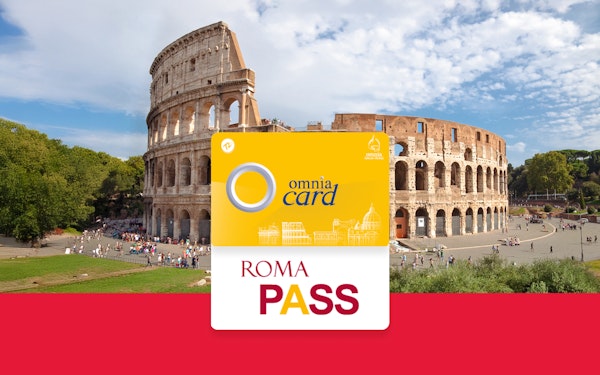
Omnia Card and Roma Pass: Access 10+ Attractions and Unlimited Public Transport
3.9(44)ViewFrom$173
Rome Big Bus Hop-on Hop-off Open-Top Sightseeing Tour
3.4(2,885)1 hr 40 minViewFrom$23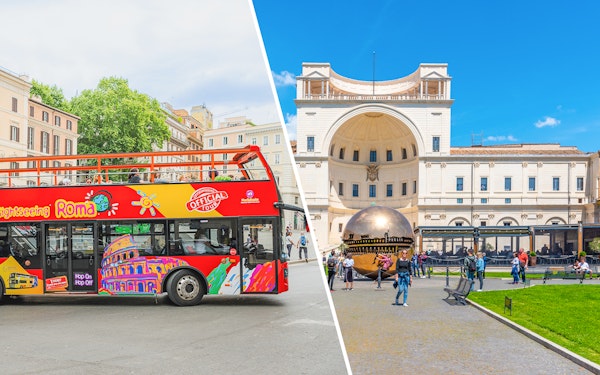
Combo: Rome Hop-on Hop-off Bus Tour + Vatican Museums Skip-the-Line Tickets
4.5(2)ViewFrom$99
Pantheon Rome Entry Ticket
4.5(698)30 minutes - 1 hourViewFrom$20
Combo: Mamertine Prison + Colosseum + Roman Forum + Palatine Hill Tickets
4.3(2,908)4 hoursViewFrom$45
Vatican Museums, Sistine Chapel Skip-the-Line Ticket with Greeter
4.9(1,433)45 minutesViewFrom$70
Hvor lenge ulike ting tar
Nyttig for planlegging:
- Kolosseum + Forum + Palatine kombinert (guidet): 3 timer
- Vatikanmuseet + Sistine-kapellet + St. Peters (guidet): 3-3,5 timer
- Pantheon: 30 minutter inne
- Trevifontenen stoppested: 15 minutter (lengre hvis du vil ha et foto uten fremmede)
- Borghese-galleriet: 2 timer, strengt håndhevet
- Trastevere-madtur (kveld): 3 timer
- Pompeii + Amalfikysten dagtur: helt 12-timers dag, starter kl. 6.45-7.00
- Tivoli (Villa d'Este + Hadrians villa): halvdag, 5 timer totalt
- Matlagingskurs med middag: 3 timer
- Vespa- eller golfkart-natttur: 2-3 timer
Spise - den praktiske versjonen
Tre regler dekker det meste:
-
Spis ikke nær hovedattraksjonene. Klyngen av kaféer rundt Trevi, Kolosseum, Piazza Navona og Vatikanet er enhetlig dårlig og overprissatt. Gå 4-6 kvartaler i hvilken som helst retning; kvaliteten hopper umiddelbart.
-
Lunsj er 12.30-14.30. Middag er 19.30-22.30. Utenfor disse vinduene er bare turistfelle-kjøkken åpne. Fyll gapene med espresso, gelato eller aperitivo (18.30-20.00 - drinker + gratis små retter på de fleste vinbarer).
-
Drikkepenger €1-2 per person ved lunsj, €2-5 ved middag - ikke en prosent. Mange regninger inkluderer "coperto" (en liten dekningsavgift) som tilsvarer et brødgebyr, ikke en servicegebyr. Service er sjelden inkludert; tips er verdsatt, men ikke U.S. prosenten.
De romerske rettene du spesifikt bør bestille: cacio e pepe, carbonara (eggeplommer + guanciale + pecorino + pepper; ingen fløte), amatriciana, supplì (stekte risboller), carciofi alla giudia (jødisk-stil stekt artisjakk), og pizza al taglio (rektangulær pizza etter vekt, lunsj-brensel). Hopp over "italiensk bryllupsuppe" - ikke en romersk ting.
Fra redaktøren
Trattoriaene på bakveigatene i Monti og Trastevere - de med papirmeny, ingen engelsk-språk skilt utenfor, og en trykt håndskrevet tavle - er de som skal bestilles. Stedene med fotomenyer, flerspråklige plakater og en tout utenfor som tar turister, er de som skal gås forbi.
Sikkerhet + svindelbevissthet
Rom er trygt for førstegangbesøkende. Risikoene er plagsom-nivå:
- Lommekrim på fulle metrollinjer (spesielt A nær Spagna + Vatikanet) + Termini-området. Forpocket, sikrede glidelås, ingen lommebo i en sekk du ikke kan se.
- Kolosseum "centurion"-fotoscenen - gutter i kostyme som tilbyr bilder. De krever €20+ etter at du allerede har posert. Avslå høflig og gå videre.
- Armbånds-binding + rose-handing svindel - noen nærmer seg og begynner å binde et armbånd rundt håndleddet ditt eller presse en rose inn i hånden din "gratis", og krever deretter betaling. Gå bort mid-forsøk; de forventer at triksen lander før du reagerer.
- Ulisensierte taxi ved Termini og Vatikanet. Bare hvite biler, med meter. Hvem som helst som tilbyr deg kjøretur utenfor det, er en svindel.
Det er listen. Voldelig kriminalitet er sjelden i turistsonene.
Hva førstegangbesøkende oftest angrer på
Mønstre fra tilbakemeldinger på tvers av partnergjennomganger våre:
- Ikke bestille Vatikanet på forhånd. "Vi trodde vi kunne bare dukke opp. Billettlinjen var 90 minutter og sikkerhetskøen var ytterligere 30."
- Bestille 6-timers Vatikan-turer. De høres grundige ut; de uttapper deg og du hopper over resten av dagen.
- Gå til Trevifontenen på middag i juli. Det er fullpakket; bildet du ønsket er umulig. Før 07.00 eller etter 22.00 er måten.
- Hoppa over Borghese-galleriet. "Vi skjønte ikke at du ikke kunne dukke opp - når vi prøvde, var det utsolgt." Bestill dag en av planleggingen din.
- Spise på det første stedet nær Kolosseum. "Verste pizza av turen; €18 for et glass husvin."
- Ikke budsjettere et halvdags for Trastevere. "Vi behandlet det som en rask gjennomgang; endte opp med å komme tilbake to kveldene til."
- Ikke bygge inn en hvileeftermiddag. Rom på varme dager er brutalt på føttene - kl. 16.00 siesta på hotellet ditt er den lokale måten av en grunn.
Vanlige spørsmål
Hvilket område bør jeg bo i Rom for første gang?
Monti eller Centro Storico-området nær Piazza Navona er de to tryggeste valgene for førstegangbesøkende - begge har gangavstand til hovedattraksjonene, begge er godt dekket av metro og buss, og begge har gode uavhengige restauranter. Trastevere er det atmosfæriske valget hvis du ikke har noe imot en 20 minutters spasertur til Forumet. Unngå hoteller øst for Termini-stasjonen på korte opphold - praktisk, men karakterløst.
Er Rom-metroen nok til å komme seg rundt?
For ringen av hovedattraksjonene, ja - linjene A og B skjærer hverandre ved Termini og stopper ved Kolosseum, Spagna, Vatikanet og Piazza del Popolo. For Centro Storico (Pantheon, Trevi, Piazza Navona) mangler metroen området; du må gå eller ta buss. Taxi er billig for korte turer på tvers av byen; ride-sharing (FREE NOW, Uber) er tilgjengelig, men begrenset til lisensierte taxibiler etter italiensk lov.
Når åpner restaurantene faktisk i Rom?
Lunsj er 12.30 til 14.30; middag er 19.30 til 22.30. Å komme kl. 18.00 for middag betyr bare turistfeller. Mange familiedrevne trattoriaer stenger søndagskveld og hele mandagen. Aperitivo (drinker + små retter) fylles fra 18.30 til 20.00 på de fleste vinbarer.
Må jeg bestille Rom-turer på forhånd eller kan jeg bare dukke opp?
Det fungerer å dukke opp bare for Pantheon, gratis utendørs attraksjoner (Trevi, Spanish Steps) og de fleste basilikaaer. Alt billettert - Kolosseum, Vatikanmuseet, Borghese-galleriet, Kapitolium, katakomber - bør bookes 1-2 uker i forveien i høysesongen. Samme uke er risikabelt fra mai til september; samme dag er vanligvis umulig for Borghese.
Er Rom trygt om natten for førstegangbesøkende?
Ja, i de sentrale turistområdene - Monti, Centro Storico, Trastevere, Prati, Borgo. Lommekrim på fulle busser og metroen er det eneste vanlige problemet; unngå å ha lommeboken i bakłommen og ignorer fremmede som prøver å snakke med deg ved Kolosseum eller Trevi. Termini-området er trygt, men styggere - ta taxi tilbake om natten i stedet for å gå.
Hvor mye kontanter bør jeg bære med meg i Rom?
Kort fungerer nesten overalt - selv små barer tar kontaktløs betaling. Bær €30-€50 kontanter for småtingene: vann fra kiosker, espresso ved disken, tips til guider, og de sjeldne trattoriaene som fremdeles bare tar kontant. Hopp over valutavekslingsvinduer på flyplassen; flyplassens minibanker gir bedre kurser.
Hva er de beste dagsturer fra Rom?
Fire stikker seg ut. Pompeii + Amalfikysten er høydepunktet - en hel 12-timers dag som starter rundt 07.00 for den gravde romerske byen pluss et stoppested på kysten. Tivoli (Villa d'Este + Hadrians villa) er det beste halve døgnet, rundt 5 timer med hager og ruiner en time østover. Firenze fungerer som en lang dag på høyhastighetstog (1,5 time hver vei), og Orvieto er det enkle under-the-radar-valget - en hilltop umbriansk by 75 minutter med tog. Hvis du bare gjør en, gjør det Tivoli for innsatsen i forhold til utbyttet, eller Pompeii hvis du aldri har sett det.
Er Rom-bypasset verdt det?
Bare for riktig reisende. Roma Pass (rundt €38 for 48 timer, mer for 72-timersversjonen) dekker offentlig transport pluss én eller to stedinnganger og hopp-i-køen ved deltagersteder - det lønner seg hvis du kjører mye metroen og treffer Kolosseum eller Kapitolium. Omnia-kortet legger til Vatikan-inngang og er dyrere. For de fleste 3-dagers førstegangsturer gir det en bedre opplevelse å bestille en guidet Kolosseum- + Vatikantour separat, siden passene ikke inkluderer Borghese-galleriet eller guidet tilgang.
Er Rom-katakombene verdt en tur?
Ja, hvis underjordisk historie appellerer til deg. De tre hovednettverkene - San Callisto, San Sebastiano og Domitilla - ligger langs Appian Way sør for sentrum og kan bare besøkes på en guidet tur (du kan ikke vandre dem alene). Inngang ligger på rundt €10, turer varer 30-45 minutter under jorden, og temperaturen holder seg kjølig året rundt. De fleste kombinerer katakombene med et Appian Way-halvdag. Book 3-7 dager før sommeren; ta med et lett lag selv i august.
Keep reading
Rom-liste
Ting å gjøre i Rom: 22 opplevelser som er verdt tiden din i 2026
Rom-shortlisten - 22 attraksjoner, dagsturer og matopplevelser rangert etter hva som er verdt å bestille.
Read more
Rom-itinerary
3 dager i Rom: en feltprøvd itinerary for 2026
En gangbar 3-dagers Rom-itinerary bygget rundt 2026-bookingsrealitetene - hva du skal gjøre, i hvilken rekkefølge, og hvilke turer sparer deg tid.
Read more
Rom-timing
Beste tid å besøke Rom: måned-for-måned guide for 2026
De virkelige avveiningene mellom varme, folkemengder, priser og hva som faktisk er åpent hver måned - med de to sweet-spot-vinduene.
Read more
Rom-billettguide
Kolosseum-billetter: hopp-i-køen, Arena Floor, og Underground sammenlignet
De fire Kolosseum-billetttypene sammenlignet, når hopp-i-køen er obligatorisk, og hvordan Arena Floor + Underground-nivåer virkelig fungerer.
Read more
Rom-billettguide
Vatikan-billetter: hopp-i-køen, tidlig tilgang, og etter-åpning sammenlignet
Vatikanmuseet + Sistine-kapellet + St. Peters - alle billettformater forklart med bookingsvinduene som betyr noe.
Read more
Mer lesing
Flere guider for å hjelpe deg med reiseplanlegging

5 Days in Rome: The Itinerary Where the City Finally Opens Up
Five days in Rome is where the checklist ends and the city begins. A day-by-day route with the two day trips worth taking and the mistakes that waste the extra time.

The Best Walking Tours in Rome: Which Ones Are Worth Booking
Rome is a walking city with more guided tours than any visitor can sort through. Which types actually help, when to do them, and what the free tours really cover.

Christmas Markets in Rome: What the Season Is Actually Like
Rome at Christmas is not a northern market city, and that is the point. What the season actually offers, when it runs, and how to plan a December trip around it.

Pantheon-billetter i 2026: Priser, typer og hvordan du unngår køen
En praktisk guide for 2026 til Pantheon-billetter i Rom - nå som inngang er betalt, billettypene sammenlignet, når du skal reservere, og hvordan du unngår køen.

Billetter til Sixtinkapellet i 2026: Priser, typer og hvordan du slipper køen
En praktisk guide for 2026 til billetter til Sixtinkapellet - hvordan inngangen fungerer gjennom Vatikanmuseet, sammenligning av billettyper, og når det er verdt å slippe køen.

Galleria Borghese-billetter: 2026-guide til tidsbestemte innslag, guidede turer og hvordan unngå utsolgt
En praktisk 2026-guide til Borghese-galleriet - alle billetttyper sammenlignet, hvordan det strenge 2-timers-slottsystemet fungerer, og hva du gjør når offisielle billetter er borte.

1 Day in Rome: The Itinerary and the Best Rome in One Day Tours
How to spend 1 day in Rome without losing it to queues: Colosseum morning, Vatican or historic center afternoon, and the full-day tours that solve it all.

Rome in Winter: Why November to February Is the Connoisseur's Season
Rome in winter means short queues at the Colosseum and Vatican, mild days, Christmas in the piazzas, and the city at its most local - here is how to plan it.