LondonSommerSesongbasertPlanlegging
London om sommeren: Hva du bør booke, hva du bør hoppe over, og hva du bør ta på i 2026
En praktisk guide til sommeren i London - hvordan sesongen oppfører seg faktisk, hvilke opplevelser som er verdt å booke på forhånd, og hva du bør pakke for vær som endrer seg hver time.
Av SimilarTours Editorial · Travel Research · · 19 min lesing

London om sommeren er en annen by enn London resten av året, og ikke bare på grunn av været. Lyset er den virkelige endringen: solnedgangen skyver seg forbi klokken ni om kvelden, som strekker en sightseeing-dag med timer og gjør parkene, elvebredden, og pubbterassene til steder folk faktisk blir værende. Det ekstra dagslyset er sesongens virkelige fordel, og de fleste besøkende bruker det for lite ved å holde vinteråpningstider.
Byttet er plass. Sommer er når London er fullest, dyrast, og minst forlengst med en vag plan. Denne guiden dekker hvordan sesongen virkelig oppfører seg, hva du skal ta på når himmelen endrer mening to ganger om dagen, og hvilke opplevelser som er verdt å forplikte seg til på forhånd i stedet for å improvisere.
Sammenlign London-turer og billetter ->Når sommeren faktisk starter
Kalendersommer og nyttig sommer er ikke helt det samme i London.
- Sent mai oppfører seg ofte allerede som sommer - lange kveldskvelder, varme ettermiddager, og priser som ikke helt har hentet opp sesongen ennå.
- Juni bringer årets lengste dager. Dette er måneden hvor det sene lyset er mest dramatisk, og det kommer før sommerferiebølgen fra skoler.
- Juli og august er toppen i enhver forstand: varmest, folkelest, dyrest, og månedene når forhåndsboking slutter å være valgfritt ved de store attraksjonene.
- Tidlig september er den stille favoritten. Været holder seg ofte, folkemengden tynnest merkbart når skoler starter igjen, og hotelltakstene begynner å bli mykere.
Hvis datoene dine er fleksible, gir de to overgangene - siste uke av mai og første to uker av september - deg det meste av det sommeren tilbyr med en meningsfylt bedre erfaring på bakken.
Insider tip
Booke småtingene først. Motintuitivt er opplevelsene som selges ut raskest i en London-sommer ikke gigantattraksjoner - det er smågruppe-gåturer, matopplevelser, og spesialiserte guidede besøk som er begrenset til ti eller tolv mennesker. Et stort museum kan absorbere tusenvis om dagen. En tolv-persons tur kan ikke det. Lås disse inn før du bekymrer deg for billettene med stor pris.
Hva du skal ta på i en London-sommer
Det eneste viktigste å forstå om å kle seg for denne byen om sommeren er at været ikke er ekstremalt, det er ustabilt. Du pakker ikke for varme. Du pakker for en dag som kan inneholde sol, en kjølig bris fra elven, et ti minutters regnbyge, og en kvelende T-banevogn - i den rekkefølgen.
Arbeidformelen:
- Et lett basislag. T-skjorte, linneskjorte, hva som helst du ville brukt på en varm dag.
- Et mellomlag du kan bære med deg. En lett genser eller overskjorte som binder rundt livet uten klaging. Kveldene blir kjøligere enn ettermiddagen antyder, spesielt nær vannet.
- En pakbar regnjacke. Ikke en paraply-og-håp tilnærming. Noe som bor i vesken din permanent og veier ingenting.
- Sko du kan gå hele dagen i. Dette er det folk får galt. En normal London sightseeing-dag innebærer langt mer gang enn kartet antyder, på harde overflater, ofte med trapper i begge ender av hver togreise.
- Noe for T-banen. Undergrunnsbanen blir betydelig varmere enn gaten om sommeren. Hva du enn har på, vær i stand til å ta av et lag raskt.
Hva du kan la hjemme: en tung frakk, formelle sko du ikke har brutt inn, og antagelsen om at du ikke trenger regnjakkefletiddd.
Hvor sesongen betaler seg
Parker slutter å være landskapssceneriet og blir selve formålet
I mesteparten av året er Londons store kongelige parker behagelig grønt område du går gjennom på vei til noe annet. Om sommeren blir de destinasjoner i seg selv - liggestolene på gresset, roing, utendørsoppsetninger, og lange gylne kveldskvelder som går langt forbi middag. De er også gratis, som betyr noe i byens dyreste sesong.
Planleggingsbruken er dette: planlegg et parkestopp inn i midten av en opptatt dag i stedet for å behandle det som en rest. En time med å sitte stille mellom to billetterte attraksjoner er det som gjør en pakket reiseplan til å føles som en ferie i stedet for en sjekkliste.
Elven er på sitt beste
Sommeren er når Themsen fortjener oppmerksomhet. Elvebredden er genuint behagelig i stedet for bare blusete, båtene går hyppig, og å se skyskraperhorisonten fra vannet rammer om en by du har gått gjennom på gatené.
London elveopplevelser
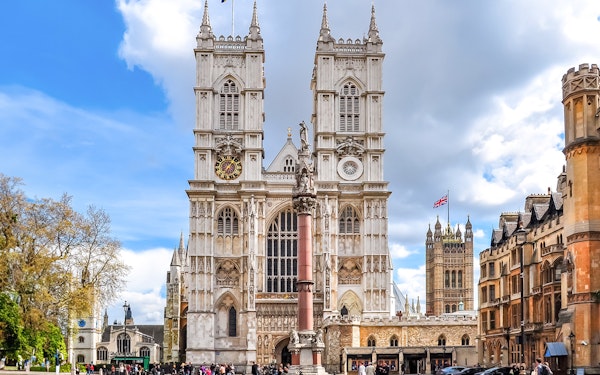
Combo: Westminster Abbey + River Thames Sightseeing Cruise
Kombinerer en stor innendørs attraksjon med tid på vannet - en nyttig sikring mot ustabilt vær.
4.5(17,458)ViewFromFra $55.57
High-Speed Thames River Speedboat in London
En kort, rask tur på elven i stedet for en langsom sightseeing-cruise.
4.9(4,089)50 minutterViewFromFra $95.37
Combo: Madame Tussauds Tickets + Thames River Cruise
En innendørs attraksjon pakket med elvetur på samme billett.
4.6(6,328)ViewFromFra $48.43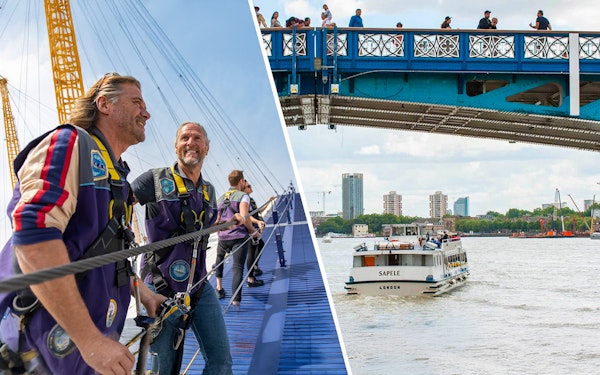
Combo: Up at The O2 Climb Tickets + Flexible Thames River Sightseeing Cruise
En takklatring pluss en fleksibel-dato cruise - begge værabhengige, begge bedre om sommeren.
4.5(5,244)ViewFromFra $67.94
Rocket Rebel London Speedboat Experience
4.8(53)50 minutesViewFrom$89
London Sightseeing Gusbourne Sparkling Wine Tasting & Cheese
5.0(15)1 hr 30 minViewFrom$67
Classic London Sightseeing Bus Tour
5.0(49)1 hr 30 minViewFrom$34
Thames Canoe Trip to Kelmscott Manor with Cream Tea & Return
3.0(1)5 hr 30 minViewFrom$131
Private Port Transfer from Southampton or Dover to Central London
8 hoursViewFrom$1,308
London Eye To London Bridge (River Walk)
5.0(10)1 hour - 2 hoursViewFrom$76
Gåturer er faktisk behagelige
En guidet gåtur i London i januar er en utholdenhetsprøve. Om sommeren er det den beste-verdien måten å bruke to timer i denne byen på, og de lange kveldskvellerene betyr at sent ettermiddag- og kveldsslottene - vanligvis minst omstridt - er genuint tiltalende i stedet for et kompromiss.
London gåturer

Tour for Muggles: The Ultimate Harry Potter Walking Tour in London
En filmlokasjon-gåtur gjennom sentrale London - et pålitelig valg for aldersblandede grupper.
4.9(5,264)2 timerViewFromFra $23.18
Changing of the Guard at Buckingham Palace London Walking Tour
Guidet kontekst for en seremoni som er forvirrende å se uten bakgrunn.
4.8(1,881)2 timerViewFromFra $27.35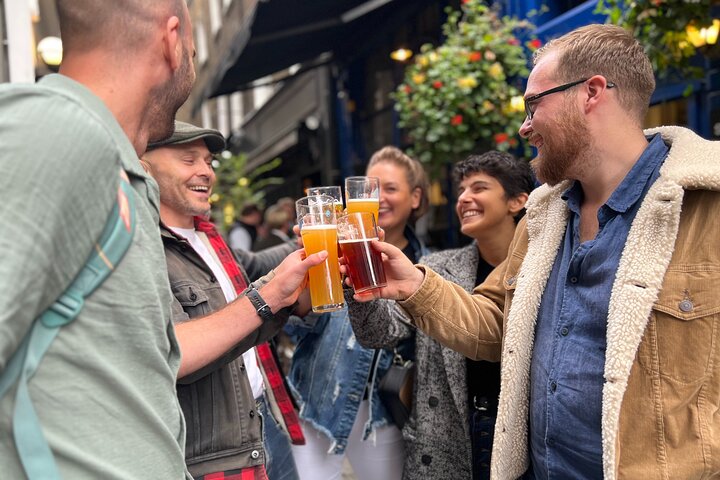
Royal Historic Pubs Walking Guided Tour in London
En gåtur bygget rundt historiske puber - egnet for lange sommerkvelder.
4.9(907)2 timer 30 minutterViewFromFra $43.63
Wicked Westminster: The Original London Ghost Walk
En kveldstur som fungerer best når solnedgangen er sen og gatene er fortsatt fulle.
4.6(3,289)2 timer 30 minutterViewFromFra $26.90
Hvor sommeren arbeider imot deg
Å være rett fram om sesongens kostnader er mer nyttig enn å selge den.
Køer ved hovedattraaksjonene er på sitt årlige verste. Attraksjonene som kjører tidsbegrenset billett håndterer dette rimelig bra; de som gjør det ikke er hvor du mister en time av dagen din mens du står i kø. Dette er det enkeste sterke argumentet for forhåndsbestilt tidsbegrenset billett i juli og august spesielt.
Hotellprisene topper seg. Sommeren er det dyreste tiden å sove i sentrale London med stor margin, og gapet mellom en juni-booking gjort i februar og samme rom booket i juni er stort.
Undergrunnsbanen blir ubehagelig. Dypnivålinjer blir varme i en hetebølge. På de varmeste dagene er busser og gåing ofte det mer behagelige valget for korte distanser, selv om de er tregere på papir.
Alt utendørs er værabhengig. Takkopplevelser, elvetur, og utendørsoppsetninger er alle bedre om sommeren og alle sårbare for en dårlig ettermiddag. Hvor en operatør tilbyr fleksible datoer eller gratis avbestilling, er den fleksibiliteten verdt mer i denne sesongen enn noen annen.
Insider tip
08:00-regelen. De første nitti minuttene etter åpning ved en hvilken som helst stor London-attraksjon er en annen erfaring enn midt på dagen - færre mennesker, bedre fotografier, personale som har tid til å svare på spørsmål. Sommerens tidlige soloppgang gjør dette genuint enkelt å gjøre. Inverter så ettermiddagen: mens folkemengden er ved de store attraksjonene, gå i et nabolag eller sitt i en park, og kom tilbake til billetterte interiør i det sene ettermiddagsstillet.
Bygge en sommerdag som fungerer
Strukturen som fungerer best i en London-sommer ser slik ut:
- En billettert attraksjon, tidlig. Booket, tidsbegrenset, første tilgjengelige slot. Dette er fikspunktet som alt annet roterer rundt.
- En gåtur mellom nabolag, sent formiddag. Guidet eller ikke. Dette er når byen er på sitt mest behagelige og lyset er bra.
- En lang, bevisst langsom midtdel. Park, marked, lunsj, elvebredde. Planlegg ingenting. Dette er delen besøkende kutter først og angrer på.
- En annen billettert attraksjon eller elvetur, midt ettermiddag. Stillheten mellom lunsj-toppen og avslutnings-rushen.
- Kvelden, utendørs. Dette er det du kom for om sommeren. Solnedgangen er sen; bruk den. Noe billettert du gjør kl. 20:00 konkurrerer med det beste gratis som finnes i byen.
To av disse fem slottene trenger forhåndsboking. Resten er bedre improvisert.
London tidsbegrensede billetter verdt forhåndsboking
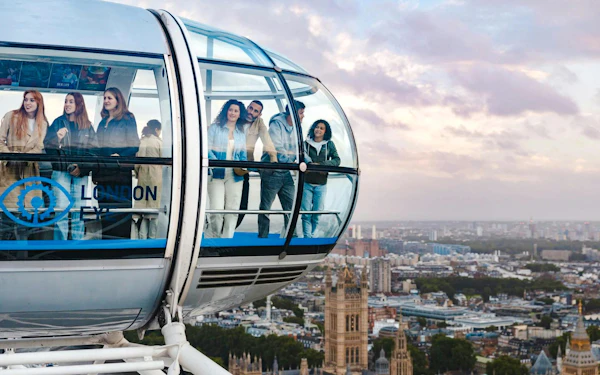
London Eye Entry Tickets
Tidsbegrenset inngang til hjulet - det klareste tilfellet for å booke et slot i stedet for å ankomme håpefull.
4.6(18,636)30 minutterViewFromFra $34.63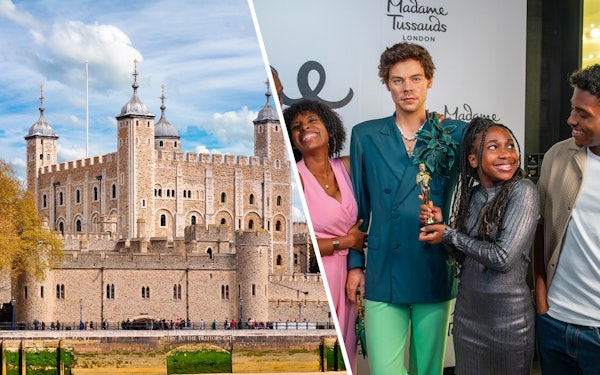
Combo: Tower of London Tickets with Crown Jewels Access + Madame Tussauds
To attraksjoner med høy etterspørsel på en booking - nyttig på en ustabil dag.
4.5(22,934)ViewFromFra $75.20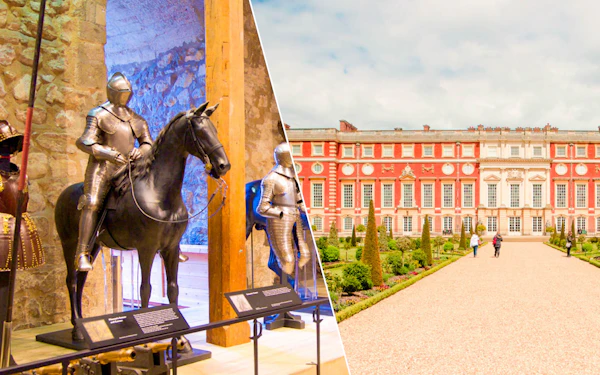
3 Palace Pass (Tower of London + Hampton Court Palace + Kensington Palace)
En multi-site pass for et lengre opphold, inkludert et palassog langt utenfor sentrum.
4.5(21,073)ViewFromFra $113.69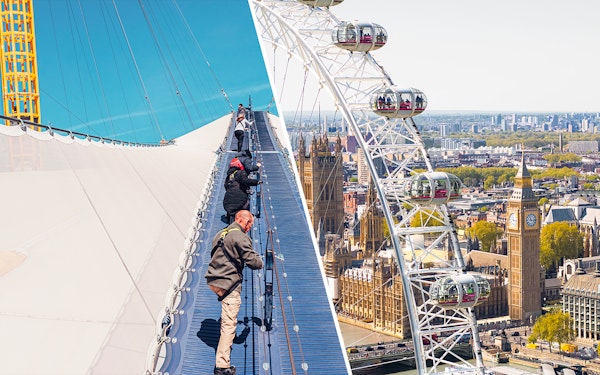
Combo: Up at The O2 + London Eye Tickets
To høy-utsiktspunkter - begge betydelig bedre i klart sommervær.
4.6(20,102)ViewFromFra $82.74
Tower of London Tickets with Access to the Crown Jewels
4.5(19,312)1 hr 15 minViewFrom$50
South Bank (London Bridge) Walking Tour & Enter The Tower of London
5.0(9)3 hoursViewFrom$135
London IFS Cloud Cable Car Tickets
4.7(358)20 minutesViewFrom$18
Windsor Castle and Tower of London Tour Including Entry Tickets
3.8(10)8 hoursViewFrom$172London Eye To London Bridge (River Walk)
5.0(10)1 hour - 2 hoursViewFrom$76
Private Tour London Highlights, entries Westminster Abbey, The Tower of London
5.0(103)8 hoursViewFrom$651
Er hop-on hop-off-bussen en sommerting?
Det kommer opp konstant, så det fortjener et rett svar.
Som transport, er det ikke konkurransedyktig. Undergrunnsbanen er raskere, og sommerkøer gjør bussen tregere enda.
Som orientering, kan det være genuint godt, og sommeren er når det er på sitt beste - åpent dekk, klare utsikter, en full runde forbi landemerkene med kommentar. For en førstegangbesøkende på dag en uten en sterk plan, konverterer det et forvirrende kart til et mentalt bilde av byen.
Det ærlige delingen: hvis dette er ditt første besøk og du har fire eller flere dager, en loop på første morgen er en rimelig investering. Hvis du har to dager, eller du har vært her før, kjøper de samme pengene en langt bedre erfaring som en gåtur eller en tidsbegrenset billett.
Sammenlign London sightseeing-pass og busstur ->Hva sommer gjør med dagstur
Lang dagslys endrer regnestykket for å forlate London. En dagstur som føles straffeende i november - ut tidlig, tilbake etter mørk, det meste brukt på reising - er behagelig i juli, fordi du kan dra på et sivilisert tidspunkt og fortsatt være tilbake før solnedgang.
Hvis du har fire dager eller mer i byen, er sommeren sesongen hvor det å gi en av dem til et sted utenfor London koster deg det minste. Lyset gjør jobben.
Se hvilke London dagstur er verdt en full dag ->Feilene som koster folk en dag
- Behandle værvarslene som en plan. Et London sommervarsle er en grov veiledning, ikke et skjema. Bygg dager som overlever et regnbyge i stedet for dager som avhenger av sol.
- Booke ingenting. Improvisering fungerer her i februar. I august betyr det å stå i køer mens datoene dine løper ut.
- Booke alt. Det motsatte feilen, og like vanlig. To faste punkter om dagen er rett; fem gjør en ferie til en logistikøvelse.
- Ignorere kvelden. Den eneste mest bortkastet ressursen i en London-sommer er de fire timene med dagslys etter klokken 18. Besøkende på vintervan går tilbake til hotellet på nøyaktig det tidspunktet byen er på sitt beste.
- Undervurdere gåturen. Komfortable sko er ikke et stilspørsmål her, de er forskjellen mellom dag fire god og dag fire dårlig.
Velge måneden din
De fire sommermånedene er ikke utbyttbare, og forskjellene er store nok til å endre hva du bør booke.
Juni er dagslys-måneden. Kveldskvelder går lengst, parkene er på sitt friskest, og sommerferiebølgen fra skoler har ikke landet ennå. Hvis du vil ha sesongens signatur - en solnedgang kl. 21 og en by fortsatt ute på gaten - leverer juni det med minst friksjon. Fangsten er at juni-været er det minst stabile av de fire; det er måneden som mest sannsynlig gir deg en genuint kald dag.
Juli er balansepunktet. Pålitelig varm, fullt i sesong, alt som kjører utvidet timer, og det utendørs programmet på sitt tetteste. Det er også når forhåndsboking slutter å være råd og starter å bli nødvendig ved de store attraksjonene. Hvis du velger en måned uten andre begrensninger, er juli det tryggeste valget for vær og det verste for køer.
August er toppunktet. Varmest, folkelest, dyrest, og måneden når improviserte planer mislykkes. Det har en kompensasjon som folk undervurderer: en merkbar andel av Londonborgere drar, som stille myker nabolag, restaurantscenen, og pendlingen selv mens det turistiske kjernen er på sitt fulleste. Hvis du planlegger rundt nabolag i stedet for landemerkene, er august bedre enn sitt rykte.
September er kjennerkval. De to første ukene holder rutinemessig sommervær mens folkemengden faller av kraftig og hotelltakstene begynner å gli. Dagslys er kortere enn juni, men fortsatt generøs. Hvis datoene dine er fleksible og du bryr deg mer om opplevelsen enn kalenderen, er det her verdien sitter.
Spise og drikke utendørs
Sommeren er den eneste sesongen hvor Londons utendørs spising og drikking fungerer uten forbehold, og det endrer hvordan du bør strukturere måltider.
Den praktiske skiftet er at lunsj blir portabel og middag blir lang. Markeder, elvebredde-benker, og parkgress gjør et godt frokostmåltid noe du kan gjøre på tjue minutter mellom attraksjoner i stedet for en times sittet som bryter tempoet ditt. Så inverten kvelden: med lys til klokken 21, slutter et bord ute å være en hurtig måltid før mørk og blir hovedbegivenheten.
To planleggingskonsekvenser følger. For det første, booke kveldsbord senere enn du ville gjort i vinter - åtte eller halv åtte om sommeren har fortsatt timer med lys igjen, og de tidligere slottene er omstridt av folk på vintervan. For det andre, matfokuserte turer er verdt å gjøre i sent ettermiddag- og tidlig kveld-slottene, som vanligvis er lettest å få og mest behagelig å gå.
London mat- og markedsopplevelser
Royal Historic Pubs Walking Guided Tour in London
En pub-fokusert gåtur som passer lange kveldskvelder bedre enn noen annen sesong.
4.9(907)2 timer 30 minutterViewFromFra $43.63
Ghastly Ghost Walking Tour in London
En kveldstur med et dempet tempo - den sene solnedgangen gjør de tidlige slottene behagelige.
4.9(915)2 timerViewFromFra $34.09
Changing of the Guard Walking Tour in London at Buckingham Palace
En kort, godt-timet morgen-gåtur som kombineres naturlig med et parkestopp etterpå.
4.9(997)2 timerViewFromFra $17.18
London Market Food Experience Tailored to Your Tastes
5.0(6)3 hoursViewFrom$275
Traditional English Walking Food Tour With London Food Tours
5.0(63)3 hr 30 minViewFrom$234
London Bridge & Borough Market Food Tour with 10+ Tastings
5.0(6)3 hours - 4 hoursViewFrom$138
Borough Market Food Tour | Private Brunch Experience in London
5.0(14)2 hr 30 minViewFrom$248
Dover to London with Borough Market Food Tour
5 hr 30 minViewFrom$285
London Soho & Covent Garden Full Meal Food Tour by Do Eat Better
5.0(20)3 hr 30 minViewFrom$105
Authentic London Sunday Markets with a Londoner
5.0(138)3 hoursViewFrom$40
Sommer med barn
Sesongen løser noen problemer for familier og skaper andre.
Hva den løser: dagslys. Lange kveldskvelder betyr at en sen ettermiddag-lur eller en treg hotelltime ikke koster deg dagen, som er det enkelt hardeste kravet i familiesightseeing. Parker gir deg gratis, ustrukturert plass for å bryte opp billetterte attraksjoner, og elven tilbyr en form for transport som leses som en aktivitet i stedet for en gang.
Hva det skaper: køer, varme på undergrunnsbanen, og attraksjoner som kjører på kapasitet under nøyaktig timene familier har en tendens til å ankomme. Fiksen er den samme som for alle, brukt hardere - gå tidlig, booke tidsbegrensede slot, og aksepter at to billetterte ting på en dag er en full dag med barn, ikke en lett en.
En spesifikk rad: velg din ene store innendørs attraksjon for den hotteste delen av ettermiddagen i stedet for formiddagen. Det inventer den vanlige familieinstinkten, men på en genuint varm dag er et luftkondisjonert interiør kl. 14 verdt mer enn samme billett kl. 10.
En merknad om hetebølger
London håndterer noen få genuint varme dager dårlig, fordi relativt lite av den eldre infrastrukturen ble bygget for dem. Dypnivålinjer på undergrunnsbanen blir ubehagelige, noen eldre bygninger har begrenset kjøling, og utendørs køing som er trivielt ved 20 grader blir ubehagelig ved 32.
Hvis datoene dine lander i en hetebølge, dekker tre justeringer det meste av det. Flytt gåturen din til den første og siste tre timene av dagen. Bruk busser og elven i stedet for de dype T-bane-linjene hvor reisen er kort. Og behandle skygge og vann som planleggingsbegrensninger i stedet for ettertenksomheter - parkene, museene, og de dekket markeder fungerer alle som varmelyter, og å bygge en inn i hver ettermiddag koster deg ingenting på en normal dag.
Den korte versjonen
Sommer er sesongen med lang lys og kort tålmodighet i London. Lyset er grunnen til å komme - det strekker hver dag med timer og gjør parkene, elven, og kveldskvellerene genuint verdt å planlegge rundt. Tålmodigheten er det du bruker på de store attraksjonene, og fiksen er rett fram: booke smågruppe-tingene tidlig, booke tidsbegrensede billetter et par uker ut, start tidligere enn det føles naturlig, og la midten av dagen være løs.
Gjør det, og sommeren er versjonen av London som folk beskriver når de sier de elsket det.
Når er sommeren i London?
Meteorologisk sommer går juni, juli og august, og i praksis strekker den varme perioden seg litt videre - sent mai oppfører seg ofte som sommer, og første halvdel av september leverer ofte årets best værforhold med merkbart færre mennesker. Hvis du vil ha sesongen uten toppprisene og køene, sikter du mot overgangene: siste uke av mai, eller første to uker av september.
Hva skal jeg ta på i London om sommeren?
Lag, alltid. Den pålitelige formelen er en lett topp, et mellomlag du kan knytte rundt livet, og en pakbar regnjacke. Londons sommersdager svinger rutinemessig mellom sol og kraftig regn innen ett par timer, og undergrunnsbanen blir varm selv når gaten er kjølig. Legg til komfortable gåsko - en vanlig sightseeing-dag her er en lang tur brutt opp av korte togruter, ikke omvendt.
Er sommer det beste tiden å besøke London?
Det er den mest pålitelige tiden for lang dagslys og utendørsarrangementer, og den minst pålitelige tiden for plass og pris. Du får sene solnedganger, utendørsoppsetninger, parker på sitt beste, og alle attraksjoner som kjører fullt ut. Du får også årets høyeste hotelpriser og de lengste køene ved de store attraksjonene. Hvis prioriteten din er atmosfære og dagslys, vinner sommeren. Hvis det er verdi og plass, slår vår og høst det.
Hvor langt på forhånd bør jeg booke London-attraksjoner om sommeren?
For de store tidsbegrensede attraksjonene er to til fire uker på forhånd fornuftig i juli og august - tidligere hvis datoene dine er faste og du vil ha et bestemt morgenklokkeslett. Smågruppe-gåturer og matopplevelser fylles raskere enn store attraksjoner fordi de er begrenset til et dusin eller så mennesker, så behandle disse som det første du låser inn i stedet for det siste.
Regner det mye i London om sommeren?
Det regner mindre enn byens rykte antyder, men det regner uforutsigbart, og det er det som overrasker besøkende. Planleggingssvaret er ikke å unngå regn, men å gjøre det irrelevant: hold en jacke i vesken, og strukturer hver dag slik at det er et innendørs alternativ - et museum, et dekket marked, et galleri - innen kort gåavstand fra hvor du er.
Er Londons parker verdt å planlegge rundt om sommeren?
Ja, og de er det beste verdien i byen fordi de store kongeligearkene er gratis å gå inn i. Om sommeren slutter de å være grønne mellomrom mellom attraksjoner og blir destinasjoner - liggestolene, utendørsoppsetninger, roing, og lange lyse kveldskvelder. Å legge inn et parkestopp midt i en sightseeing-dag er også den enkleste måten å få en pakket reiseplan til å føles uhurtig på.
Er en hop-on hop-off-buss verdt det i London om sommeren?
Det avhenger av hva du vil ut av det. Som transport er det tregere enn undergrunnsbanen og sårbar for sommerkøer. Som et orienteringsverktøy på dag en - åpent dekk, full runde forbi landemerkene, løpende kommentar - tjener det sin pris for mange førstegangbesøkende, spesielt i godt vær. Hvis du allerede kjenner byen, eller du er her bare ett par dager, bruk pengene på en gåtur eller en tidsbegrenset billett i stedet.
Hva er den beste måten å håndtere Londons sommertropiditetene på?
Flytt dagen din tidligere enn det føles naturlig. De første nitti minuttene etter åpning ved en hvilken som helst stor attraksjon er dramatisk stillere enn midt på dagen, og sommerens tidlige soloppgang gjør at en start kl. 08.00 er genuint behagelig. Inverter så ettermiddagen: mens alle andre står i køer ved de store attraksjonene, gå i et nabolag, sitt i en park, eller ta en elvetur, og lagre innendørs billetterte attraksjoner for det sene ettermiddagsstillet.
Keep reading
Sesongbasert
London om vinteren: hva endrer seg, hva stenger, og hva blir bedre
Den andre halvdelen av sesongens bilde - kortere dager, lavere priser, og attraksjonene som er bedre når det er kaldt.
Read more
Planlegging
Beste tid å besøke London: måned for måned
Vær, folkemengde, og prising hele året, med avveiningene oppgitt klart.
Read more
London pilar
London reiseguide: første gangs besøkende nødvendigheter
Hvor du bor, hvordan du beveger deg rundt, og billettstrategien for de store attraksjonene.
Read more
Dagstur
Beste dagstur fra London
Hvilke turer ut av byen som rettferdiggjør en full dag, og hvilke som er bedre å hoppe over.
Read more
Mer lesing
Flere guider for å hjelpe deg med reiseplanlegging

1 dag i London: En realistisk dagsprogram som ikke sløser bort tiden
En dag i London, planlagt rundt det som faktisk passer - en gåbar rute gjennom sentrum, de to tingene som er verdt å bestille, og fallgruveene som spiser opp en time hver.

The Best Museums in London: Which of Them Deserve Your Day
London has more world-class museums than any trip can absorb, and most of them are free. A guide to which ones suit which visitor, and how many you can realistically do.

Buckingham Palace Tickets in 2026: Types, Tours and How to Skip the Line
A 2026 guide to Buckingham Palace tickets - State Rooms timed entry, skip-the-line, Changing of the Guard tours and royal combos compared.

Westminster Abbey Tickets in 2026: Types, Tours and How to Skip the Line
A 2026 guide to Westminster Abbey tickets - timed entry with audio guide, skip-the-line, verger-led tours and London combos compared.

5 Days in London: The Full Itinerary, Day by Day
A 5-day London itinerary: the Tower and Westminster, Greenwich by riverboat, a Stonehenge or Windsor day trip, plus markets and real neighborhood time.

Best Walking Tours in London: Beatles, Ripper, Royals and More
The best walking tours in London by theme: classic highlights, royal Westminster, Beatles and Abbey Road, Jack the Ripper, Harry Potter, and food walks.

London in Winter: What It's Really Like and How to Enjoy It
An honest guide to London in winter: how cold it gets, the festive season, the quieter big attractions, theatre and afternoon tea, and how to plan the days.

London with Kids: The Family Guide That Actually Works
A practical guide to London with kids: the family attractions worth booking, where to stay, the parks that save the afternoon, and a real rainy-day plan.