LondonTicketsWestminster AbbeySkip the lineBuying guide
Westminster Abbey Tickets in 2026: Types, Tours and How to Skip the Line
A 2026 guide to Westminster Abbey tickets - timed entry with audio guide, skip-the-line, verger-led tours and London combos compared.
By SimilarTours Editorial · Travel Research · · 11 min read

Westminster Abbey is one of the few London landmarks where the ticket you buy genuinely changes the visit. It is not a museum with a queue attached. It is a working church that opens to visitors on its own terms, with shorter hours than most attractions, days when sightseeing stops entirely, and an interior so densely packed with monuments that an unstructured wander turns into an hour of squinting at floor slabs.
That makes the booking decision less about saving time at the door and more about how you want to experience the building. There are four practical options: standard timed entry with the included audio guide, a skip-the-line version of the same, a verger-led guided tour with abbey staff, and combined tickets or walking tours that fold the abbey into a wider London route. Here is how they compare and who each one suits.
Browse all London experiences and tickets →Which Westminster Abbey ticket should you buy?
| Your situation | Best ticket |
|---|---|
| Standard first visit, happy to self-pace | Timed entry with audio guide |
| Peak summer, short on time | Skip-the-line timed entry |
| Want the building properly explained | Verger-led guided tour |
| Doing several London landmarks in two days | Combined landmark ticket |
| Mainly want the setting and the exterior | Westminster walking tour |
| Travelling with restless kids | Early slot, self-guided, short visit |
Standard timed entry with audio guide
- What it is: Dated, timed admission to the abbey with a multimedia audio guide included.
- Best for: Independent visitors who want to set their own pace and linger where they choose.
- Availability: The widest availability of any option, but the best slots still go early.
This is the default ticket and, for a lot of travellers, the right one. The audio guide is included rather than an upsell, and it does the essential job of turning a bewildering floor of memorials into a route with an order to it. You keep full control of the pace, which matters in a building where two people can want completely different things from the same room.
The practical advice is about timing rather than the ticket itself. Aim for the first hour after opening or the last slots before the doors close to visitors. The middle of the day is when tour groups and independent visitors overlap, and the narrow parts of the route around the chapels get slow. Bring less than you think you need, since bag checks sit at the entrance and add minutes you have already paid for.
Top Westminster Abbey tickets in London

Classic London Tour with Westminster Abbey, Skip the Ticket Line
5.0(9)5 hoursViewFrom$103
Guided Tour of London Westminster Abbey Big Ben and Buckingham
4.6(1,527)3 hours - 4 hoursViewFrom$44
Skip-the-line London Westminster Abbey and City of Westminster Kid-Friendly Tour
5.0(9)2 hr 30 minViewFrom$330
Westminster Abbey, Big Ben, Buckingham Guided Tour of London
4.9(1,183)3 hr 30 minViewFrom$106
Westminster Abbey Private Tour Oxford PhD Historian Skip the Line
5.0(15)2 hr 30 minViewFrom$273
London: Buckingham Palace & Big Ben (& Westminster Abbey entry)
4.9(852)5 hoursViewFrom$137
Private Tour London Highlights, entries Westminster Abbey, The Tower of London
5.0(103)8 hoursViewFrom$651
Westminster Abbey Entrance Ticket Including Audio Guide
4.2(880)2 hours - 3 hoursViewFrom$43
The History of London City Center Tour Semi-Private 12ppl Max
5.0(35)2 hr 30 minViewFrom$65
London: Westminster Abbey, Big Ben, Tower of London & Cruise
4.9(368)7 hoursViewFrom$124
Skip-the-line entry
- What it is: A prioritised entry option on a timed slot, cutting the wait at the entrance.
- Best for: Summer visitors, tight itineraries, anyone travelling with children or in poor weather.
- Availability: Limited and books out sooner than standard entry in peak weeks.
Because entry is timed, the abbey does not generate the multi-hour queues you see elsewhere. What it does generate is a bunched wait outdoors when slots overlap, and that queue has nowhere to shelter. On a wet London afternoon or a hot July lunchtime, that is worth avoiding.
Our honest take: if you are visiting in the quieter months or you can take the first slot of the day, the standard ticket gets you almost the same experience. If you are visiting in high season on a fixed schedule and cannot afford to lose twenty minutes, take the faster entry and stop thinking about it. Either way, do not confuse skip-the-line with a guided tour - it changes how you get in, not what happens once you are inside.
See all London skip-the-line tickets →Verger-led and guided tours
- What it is: A small-group guided walk through the abbey led by a member of its own staff, or a guided visit run alongside the standard route.
- Best for: First-time visitors who want the building explained rather than described.
- Availability: Very limited places per departure, so this is the one to book furthest ahead.
This is the format that transforms the visit. The abbey's interest is not one headline sight but the accumulation of everything crowded into it, and that accumulation is exactly what an unguided visitor cannot decode alone. A guide gives you a route with a logic, points out what you would have walked past, and, crucially, keeps you moving so you finish with energy left rather than stopping at the halfway point.
Verger-led tours sell out well before the day because capacity is genuinely small, not artificially so. If your dates are flexible and this is the format you want, build the day around the departure time rather than trying to slot it in. If you cannot get a place, a standard ticket with the audio guide plus a Westminster walking tour outside covers a surprising amount of the same ground.
Top Westminster Abbey guided tours
Classic London Tour with Westminster Abbey, Skip the Ticket Line
5.0(9)5 hoursViewFrom$103Guided Tour of London Westminster Abbey Big Ben and Buckingham
4.6(1,527)3 hours - 4 hoursViewFrom$44Westminster Abbey Private Tour Oxford PhD Historian Skip the Line
5.0(15)2 hr 30 minViewFrom$273Westminster Abbey, Big Ben, Buckingham Guided Tour of London
4.9(1,183)3 hr 30 minViewFrom$106Skip-the-line London Westminster Abbey and City of Westminster Kid-Friendly Tour
5.0(9)2 hr 30 minViewFrom$330
London: Guided Tour Westminster Abbey + Optional Parliament Entry
4.3(604)2 hours - 4 hoursViewFrom$73Private Tour London Highlights, entries Westminster Abbey, The Tower of London
5.0(103)8 hoursViewFrom$651
Westminster Guided Walking Tour with Abbey Entry
4.8(1,360)5 hoursViewFrom$137The History of London City Center Exclusive Guided Walking Tour
5.0(22)2 hr 30 minViewFrom$65
Priority Access Westminster Abbey Tour with a Professional Guide
4.8(355)2 hoursViewFrom$114
Combined tickets with other London landmarks
- What it is: A bundled ticket or pass pairing the abbey with other central London attractions.
- Best for: Short trips covering several landmarks rather than one deep visit.
- Availability: Widely bookable, with flexible validity on many multi-attraction passes.
Westminster sits in the densest concentration of landmarks in London, which is what makes combined tickets sensible here in a way they are not everywhere. The abbey, the river, the government quarter and the nearest big-name sights are all within an easy walk of each other, so a combo cuts the buying admin without forcing you into transport.
The caveat is fatigue. Two heavyweight interiors in one day is plenty, and three is a mistake most people only make once. If you are stacking sights, put the abbey first while your attention is fresh, and use our things to do in London guide to pick a lighter second stop rather than another dense interior.
Top London landmark combo tickets

London Sightseeing Gusbourne Sparkling Wine Tasting & Cheese
5.0(15)1 hr 30 minViewFrom$67
London Fast Track Ticket
4.4(3,614)30 minutesViewFrom$59Classic London Tour with Westminster Abbey, Skip the Ticket Line
5.0(9)5 hoursViewFrom$103
Tower of London and Crown Jewels Exhibition Day Ticket
4.4(7,789)1 dayViewFrom$51
35 minute London Sightseeing Flight for 2 with Champagne
5.0(86)35 minutesViewFrom$1,452The London Eye Entry Ticket
4.1(3,801)30 minutesViewFrom$30
South Bank (London Bridge) Walking Tour & Enter The Tower of London
5.0(9)3 hoursViewFrom$135
Combo Ticket: London Eye & Madame Tussauds
4.4(43)3 hoursViewFrom$66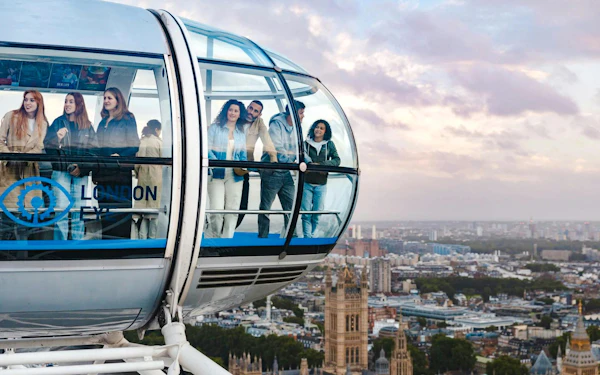
London Eye Entry Tickets
4.6(18,810)30 minutesViewFrom$39
London Bike Tour: Landmarks, Secret Gems, Pub Stop & Street Art
5.0(983)3 hr 30 minViewFrom$87
Walking tours that pass the abbey
- What it is: A guided walking route through Westminster taking in the abbey exterior and the surrounding quarter.
- Best for: Visitors on shorter trips, and anyone visiting on a day the abbey is closed to sightseeing.
- Availability: Year round, with the most departure times of any option here.
If your date lands on a day when the abbey is closed to visitors, this is the fallback that actually works. A Westminster walk gives you the west front, the river frontage, the surrounding streets and the way the whole quarter fits together, all of which the interior ticket does not cover. It also makes a good opener for a first morning in London, since it orients you geographically before you commit to a full day.
Travellers planning a longer stay should read this alongside our London travel guide for the practical groundwork, and the Tower of London tickets comparison if you are weighing up which of London's big historic interiors deserves your limited time.
Top Westminster walking tours in London

Royal London and Changing of the Guard Small Group Tour
5.0(15)3 hours - 4 hoursViewFrom$103
London Sightseeing Walking Tour with 30+ sights
5.0(881)5 hoursViewFrom$26
Private Buckingham Palace Royal Walk & Luxury Harrods Experience
5.0(30)2 hoursViewFrom$133
Royal Historic Pubs Walking Guided Tour in London
5.0(1,001)2 hours - 3 hoursViewFrom$43
Royal Tour of St James', Parks, Palaces and Royal intrigue
5.0(18)2 hr 30 min - 3 hoursViewFrom$248
Buckingham Palace Entrance Ticket & British Royalty Guided Tour
4.4(485)2 hr 30 minViewFrom$93
Royal London Walk 1 – Buckingham & The Mall
5.0(6)2 hoursViewFrom$34
Changing of the Guard at Buckingham Palace London Walking Tour
4.9(1,903)2 hoursViewFrom$27
Changing of the Guard Walking Tour in London
5.0(5)2 hr 45 minViewFrom$22
Medieval History Walking Tour from The Tower of London
5.0(343)2 hr 15 minViewFrom$24
How to skip the line at Westminster Abbey
Book a timed slot ahead, choose the earliest one available, and arrive a few minutes before it rather than long in advance, since early arrivals simply join the queue for the slot before theirs. Travel light because the bag check is the genuine bottleneck. If you are booked on a guided or verger-led tour, entry is handled as part of the departure, so the queue stops being your problem.
Check the visitor hours for your exact date
The abbey is an active church first and a visitor attraction second. Sightseeing hours are shorter than most London landmarks, close earlier than you expect, and stop altogether on certain days and around services. Confirm the hours for your specific date before you build a day around it, because this is the mistake that ruins otherwise well-planned Westminster mornings.
Best time to visit
The first hour after opening is comfortably the best, with thin crowds and better light through the building. Late slots run a close second, though you trade some breathing room for a firmer closing time. Midday through mid-afternoon is the crush, particularly in summer and around holiday weekends.
Season matters less inside than it does at outdoor sights, but it changes the queue. Spring and autumn give you a shorter wait and a more comfortable one, while midsummer combines the longest entrance lines with the least shade to wait in. Whenever you go, treat the abbey as the anchor of the morning rather than something you squeeze between two other bookings.
Compare every Westminster Abbey ticket and tour option →Common questions
What is included in a standard Westminster Abbey ticket?
A standard ticket is timed entry to the abbey with a multimedia audio guide included, covering the nave, the side chapels, the cloisters and the surrounding monuments. It is a self-paced visit, so you set the speed and stop where you like. For most visitors this is the baseline ticket and it does the job well, provided you book a slot that avoids the busiest middle-of-day hours.
Is skip-the-line worth it at Westminster Abbey?
In peak season, yes. Entry is timed, but the security and ticket-check point still bunches when several slots overlap, and the queue forms outside with no shelter. A skip-the-line option gets you through that faster. In quieter months, booking the first slot of the morning achieves much the same thing without the upgrade.
What is a verger-led tour and is it worth booking?
A verger is a member of the abbey's own staff, and a verger-led tour is a small guided walk through the building with someone who works in it daily. The value is access and interpretation: you cover the route in a structured order with commentary that the audio guide cannot match for immediacy. Places are limited and they go early, so book ahead if this is the format you want.
Can I take photos inside Westminster Abbey?
Photography rules inside the abbey are restrictive and can vary by area and by day, since it remains an active place of worship rather than a museum. Assume you will not be photographing freely inside, and check the current policy on arrival rather than planning your visit around getting pictures. Outside, the west front and the surrounding streets are open to photograph as much as you like.
How long does a Westminster Abbey visit take?
Allow around ninety minutes to two hours for a self-guided visit with the audio guide, and closer to two hours if you take a guided tour and then explore on your own afterwards. The building is dense with monuments and the natural instinct is to read everything, which is how a planned hour becomes three. A guided route first, then a short second lap of whatever caught your eye, is the efficient pattern.
Is Westminster Abbey open every day?
No. The abbey is a working church, so visitor opening hours are shorter than most London attractions and it closes to sightseeing on certain days and around services. This is the single most common planning mistake here. Check the visitor hours for your specific date before you commit the rest of the day around it.
Can I combine Westminster Abbey with other London landmarks?
Yes. Combined tickets and multi-attraction passes pair the abbey with other central London sights, and guided walking tours routinely take in the abbey exterior alongside the surrounding government quarter and the river. Combos suit anyone doing several landmarks in a couple of days rather than one deep visit.
Do I need to book Westminster Abbey tickets in advance?
Booking ahead is strongly advisable. Slots are timed, opening hours are shorter than you expect, and walk-up availability disappears fast in summer and around holidays. Verger-led tours and combined tickets should be booked earlier still, since they run on limited fixed departures.
More reads
More guides to help you plan your trip

1 Day in London: A Realistic Itinerary That Does Not Waste the Day
One day in London, planned around what actually fits - a walkable route through the centre, the two things worth booking, and the traps that eat an hour each.

The Best Museums in London: Which of Them Deserve Your Day
London has more world-class museums than any trip can absorb, and most of them are free. A guide to which ones suit which visitor, and how many you can realistically do.

London in Summer: What to Book, What to Skip, and What to Wear in 2026
A practical guide to summer in London - how the season actually behaves, which experiences are worth booking ahead, and what to pack for weather that changes hourly.

Buckingham Palace Tickets in 2026: Types, Tours and How to Skip the Line
A 2026 guide to Buckingham Palace tickets - State Rooms timed entry, skip-the-line, Changing of the Guard tours and royal combos compared.

5 Days in London: The Full Itinerary, Day by Day
A 5-day London itinerary: the Tower and Westminster, Greenwich by riverboat, a Stonehenge or Windsor day trip, plus markets and real neighborhood time.

Best Walking Tours in London: Beatles, Ripper, Royals and More
The best walking tours in London by theme: classic highlights, royal Westminster, Beatles and Abbey Road, Jack the Ripper, Harry Potter, and food walks.

London in Winter: What It's Really Like and How to Enjoy It
An honest guide to London in winter: how cold it gets, the festive season, the quieter big attractions, theatre and afternoon tea, and how to plan the days.

London with Kids: The Family Guide That Actually Works
A practical guide to London with kids: the family attractions worth booking, where to stay, the parks that save the afternoon, and a real rainy-day plan.