LondonCity pillarPlanningFirst-timer
London Travel Guide: First-Time Visitor Essentials for 2026
A field-tested 2026 London guide - where to stay, how the Tube + Oyster card actually work, ticket strategy for the major sights, eating tips, and seven mistakes first-timers regret.
By SimilarTours Editorial · Travel Research · · Updated · 20 min read

London is straightforward for visitors - English-speaking, well-mapped, world-class transit, dense central tourist zone where most sights are within a 5 km circle. The complications are mostly small ones: Oyster vs contactless, Tube etiquette, when to book ahead, which neighborhoods are central enough. This guide is the practical layer.
If you have ten minutes, the ticket strategy section is the most valuable - it'll save you the trip's worst hours of queueing.
Browse all 1,800+ London tours and tickets →When to go
A year-round city; pick by weather tolerance.
- May + June - the best window. Mild (15-22°C), long days, parks at their peak. Crowds heavy from late May.
- July + August - warmest (20-25°C - rarely hot by global standards), busiest, school holidays. Often the rainiest summer month is July.
- September - the under-rated month. Warm enough for outdoor lunches, smaller crowds, sky tends clearer than summer.
- October + November - mild (10-16°C), reliable rain, autumn colour in Hyde Park + Hampstead Heath. Hotel prices drop noticeably.
- December - the magical season. Christmas lights on Oxford + Regent Street, the Hyde Park Winter Wonderland market, decorated pubs. Cold (4-9°C), occasional rain.
- January + February - quietest + cheapest. Cold (2-8°C), often grey, occasional snow flurries. Short days (sunset 4:30 p.m.).
- March + April - shoulder pricing, weather variable. April is when the parks burst into bloom.
The sweet-spot window
Late May through early July gives you the most consistent combination of warm weather + long daylight + acceptable crowd levels. Mid-September is the under-the-radar alternative.
Where to stay - the four practical neighborhoods
Covent Garden + Soho (WC1 + WC2 + W1) - the most central first-visit pick. Walkable to Westminster + the British Museum + most West End theatres. Dense restaurant + bar scene. Mid-to-high price.
South Bank (SE1) - the Thames-view alternative. The London Eye, Tate Modern, the Globe, Borough Market are all here. Slightly quieter evenings; great access to the Jubilee line. Best for travelers who want a more residential feel with central access.
Marylebone (NW1 + W1) - the slightly upscale, quieter pick. The Sherlock Holmes neighborhood, Regent's Park nearby, easy access to the West End. Picks travelers who want Mayfair-adjacent without the full Mayfair price tag.
Bloomsbury (WC1) - the budget-friendly central option. Near the British Museum, easy access to King's Cross + St Pancras (Eurostar). More budget hotels than the postcard neighborhoods; same walking distance to most central sights.
Avoid for first visits: anywhere east of Liverpool Street that isn't Tower Hill (Whitechapel, Bethnal Green - fine areas but not central). Anywhere south of Vauxhall. Anywhere along the Heathrow Express corridor near Paddington.
Getting around
London's transit is excellent - the world's first underground railway, 11 Tube lines + the Elizabeth line + Overground + buses + river services. Pieces:
- Tube (London Underground) - the spine. 11 numbered/coloured lines. A single pay-as-you-go ride in central London runs roughly £3 (zone 1, off-peak / peak); fares rise with zones and changed in March 2026, so check the current fare on the TfL Single Fare Finder. Daily contactless cap around £8.90 in Zone 1-2 - matches an Oyster card.
- Elizabeth Line - the new line opened 2022. Crosses central London east-west, fast to Heathrow + Paddington + Canary Wharf. Free Wi-Fi.
- Bus - flat £1.75 per ride with 1-hour Hopper (second bus free if within 60 min). Daily bus cap £5.25. The night buses run after Tube closes.
- Overground - the orange line on the map. Useful for outer-zone destinations + Wembley.
- Walking - central London is genuinely walkable. Trafalgar to Tower is 45 minutes on foot through some of the world's best urban scenery; do it once.
- Cycle Hire (Santander Cycles) - the bike-share system. £1.65 unlock + £1.65 per 30 minutes. Useful in summer along the Embankment + Hyde Park.
- Black cab + Uber + Bolt - all available. Black cabs are licensed, metered, and famously expensive but reliable + safe. Uber + Bolt are cheaper; both available citywide.
Pedicab warning
The brightly-coloured pedicabs in the West End (especially around Leicester Square + Piccadilly) are unregulated as of 2026 and frequently charge tourists £80-£150 for a 5-minute ride. Even after London passed the Pedicabs Bill, enforcement is patchy. Use a black cab or Uber for short central hops at night.
Tickets - the strategy that saves your trip
The headline bookings at a glance:
| Sight | Book ahead (peak season) | Time needed | Full guide |
|---|---|---|---|
| Harry Potter Warner Bros. Studio Tour | 4-6 weeks - sells out fastest in London | 5-6 hours with transport | Studio Tour tickets |
| Tower of London + Crown Jewels | 1-2 weeks | 2.5-3 hours | Tower of London tickets |
| London Eye (evening fast-track) | 1-2 weeks | ~1 hour with queue | London Eye tickets |
| Buckingham Palace State Rooms | 4-6 weeks; open late July-September only | 2 hours | - |
| Free museums (British Museum, Tate...) | Walk up; timed booking recommended | 2-3 hours each | - |
The strategic pre-bookings:
Book 4-6 weeks ahead in peak season:
- Harry Potter Warner Bros. Studio Tour (sells out fastest of any London experience)
- West End musicals on Friday + Saturday evening (especially Hamilton + recent openers)
- Buckingham Palace State Rooms (only open late July - September, sells out)
Book 1-2 weeks ahead:
- Tower of London (the Crown Jewels Hall queue is the worst in summer)
- London Eye fast-track for evening slots
- Westminster Abbey verger-led tours
- Stonehenge or Windsor day trips
- Any timed-entry museum exhibition
Walk up freely:
- British Museum, Tate Modern, National Gallery, V&A, Natural History (free, but timed-entry booking recommended)
- Westminster Abbey direct entry (longer queue than booking but works)
- Changing the Guard (no tickets - just show up by 10:15 for the 11 a.m. ceremony)
- Most South Bank walks + free attractions
Top London tickets to book

Harry Potter Warner Bros. Studio Tour with Transport from London
Book this first if you're going - sells out 4-6 weeks ahead in summer.
4.4(3,933)Half-dayViewFrom$127
Tower of London and Crown Jewels Exhibition Ticket
The Tower's standard direct ticket - skip the gate queue, get to the Crown Jewels Hall early.
4.4(6,991)3 hoursViewFrom$50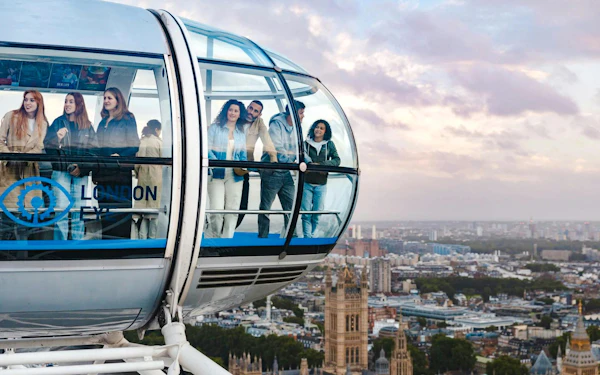
London Eye Entry Tickets
4.6(18,810)30 minutesViewFrom$39
The London Eye Entry Ticket
4.1(3,801)30 minutesViewFrom$39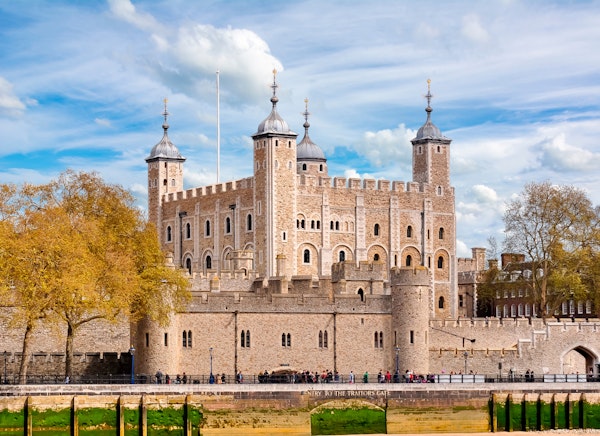
Tower of London Tickets with Access to the Crown Jewels
4.5(19,312)1 hr 15 minViewFrom$50London Fast Track Ticket
4.4(3,614)30 minutesViewFrom$59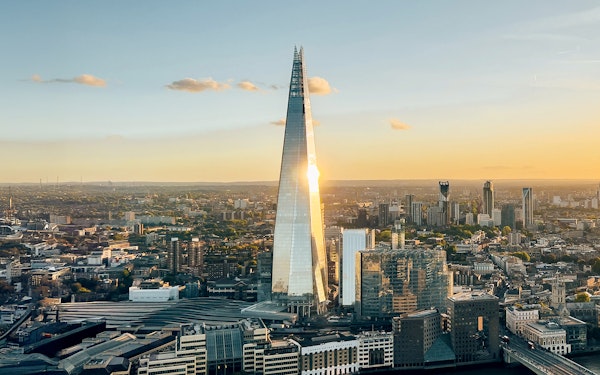
The View from The Shard Tickets
4.6(2,806)ViewFrom$32
Madame Tussauds London Tickets
4.7(5,978)ViewFrom$37
London Eye River Cruise and London Eye Ticket Option
4.5(1,494)45 minutesViewFrom$66
Classic London Tour with Westminster Abbey, Skip the Ticket Line
5.0(9)5 hoursViewFrom$103
How long things take
- Tower of London + Crown Jewels: 2.5-3 hours
- Westminster Abbey: 1.5-2 hours
- Harry Potter Studio Tour (with transport): 5-6 hours total
- London Eye: 30 min ride + 30 min queue + arrival
- British Museum highlights: 2-3 hours
- Borough Market food walk: 2-3 hours
- South Bank walk (Tate to Tower Bridge): 2 hours including stops
- Windsor + Stonehenge + Bath day trip: 10-12 hours
- Stonehenge half-day: 5-6 hours
- West End musical: 2.5-3 hours
- Thames evening cruise: 1 hour
- Historical pub crawl: 3 hours
Eating - the practical version
- Don't eat in Leicester Square or immediately around the major attractions. Uniformly tourist-trap. Walk 3-4 blocks; quality jumps.
- Lunch + dinner times mirror the rest of Europe. Lunch 12-3 p.m.; dinner 6-10:30 p.m.; gastropubs serve continuously noon-9 p.m.
- Sunday roast is the standard pub lunch on Sundays. Book ahead at any recommended gastropub for 12-4 p.m. Sundays.
- Tipping is 10-12% at sit-down restaurants - check if it's included ("service" or "discretionary service" added). Pubs: no tipping required at the bar; small tip at table service.
- Afternoon tea is a real thing, not just a tourist gimmick. The Ritz, Fortnum & Mason, and the bus-tea formats are all legitimate. Book ahead for hotel teas; bus teas often have last-minute slots.
The London dishes worth ordering: Sunday roast (book the gastropub), full English breakfast, fish and chips (avoid Leicester Square versions; find a chippy in Soho or East End), shepherd's pie, sticky toffee pudding, Indian curry (London does British-Indian cuisine that rivals India for variety + quality - Brick Lane is the traditional zone), Borough Market eat-as-you-walk.
From the editor
The gastropubs of Marylebone + Bloomsbury + Clerkenwell are where Londoners actually eat. Not chains, not Leicester Square tourist menus - independent places with handwritten chalkboards and a proper Sunday roast. If a pub has flowers in window boxes + a printed lunch menu + no LED signs, it's usually the right one.
Safety + scam awareness
London is safe for first-time visitors. Risks are nuisance-level:
- Pickpockets on the Tube (especially Central + Piccadilly lines at peak), Leicester Square late at night, around Oxford Circus on Christmas-shopping days. Front pockets, bag zipped, no wallet in a back pocket.
- Pedicab scams (see callout above) - unmetered, often massive overcharges in the West End.
- Petition + bracelet scams in Trafalgar Square + outside Buckingham Palace - same as Paris/Rome. Walk past.
- Currency exchange windows at the airport + Oxford Street have terrible rates. Use ATMs (free at any major UK bank + most supermarkets).
- Taxis with no meter are illegal; black cabs always have working meters. Uber + Bolt are app-priced.
That's the list. Violent crime in central tourist zones is rare.
What first-time visitors most regret
- Not booking Harry Potter Studio Tour early enough. "By the time we tried, the next two weekends were sold out."
- Buying the London Pass for a 2-day trip with only 3 attractions on the list. "We didn't break even."
- Eating in Leicester Square. "£18 for a tiny fish and chips that was bad."
- Skipping the South Bank walk. "We took the Tube everywhere; missed the city's best free walk."
- Not allowing enough time for the Tube during rush hour. "We were 30 minutes late to the theatre because the Northern line crawled."
- Booking a "Big Bus" hop-on hop-off + nothing else. "We saw nothing; just rode the bus for 3 hours."
- Going to Madame Tussauds. "Worst £40 of the trip; the museum was packed and the wax was meh."
Getting in from the airport
London has five airports, and which one you land at changes the transfer a lot. Heathrow (west) is the closest and best-connected: the Elizabeth line runs into central London in about 35 to 45 minutes for a few pounds on contactless, and the faster Heathrow Express reaches Paddington in 15 minutes for a premium fare. Gatwick (south) is the Gatwick Express or a Thameslink train into Victoria or London Bridge in around 30 to 35 minutes. Stansted and Luton (north) are budget-airline hubs an hour out by train or coach, cheap but slower. London City (east) is the smallest and most central, a short DLR ride from Canary Wharf and the City.
The rule of thumb: take the train, not a taxi. A black cab from Heathrow to the centre can run well over £70 and gets stuck in traffic; the Elizabeth line is faster and a fraction of the price. Buy nothing in advance, just tap your contactless card or phone at the gate. Only the express services need a separate ticket, and only the Heathrow Express is worth the premium when you are in a genuine hurry.
Money, costs, and tipping
London runs almost entirely on contactless now; you can go a whole trip without cash, tapping your card or phone for transport, shops, pubs, and restaurants. Keep a few pounds in coins only for the rare market stall or tip jar. Budget realistically: London is expensive, with a sit-down dinner for two at a mid-range restaurant landing around £60 to £90 before drinks, a pint around £6 to £7, and a casual lunch £10 to £15.
Tipping is lighter than in the United States. Restaurants usually add a "discretionary service charge" of 12.5 percent to the bill, in which case you add nothing more; if they have not, 10 to 12.5 percent is generous. You do not tip at pubs when ordering at the bar, and you do not tip for counter service or taxis beyond rounding up. The biggest money-saver in London is hiding in plain sight: the city's greatest museums, the British Museum, the National Gallery, the Tate galleries, the V&A, and the Natural History Museum, are all free to enter.
Traveling with kids
London is one of the easier big cities to visit with children. The free museums are a budget and rainy-day lifeline, and several, the Natural History Museum and the Science Museum above all, are built for kids. The big paid hits with families are the Tower of London, the London Eye, and the Harry Potter studios, the last of which needs booking weeks ahead. Getting around is straightforward: under-11s travel free on the Tube and buses with a paying adult, and buses give kids a free top-deck sightseeing ride for the price of nothing. The one thing to plan around is the rush-hour Tube crush, which is hard with a buggy, so aim journeys outside 8 to 9:30 a.m. and 5 to 6:30 p.m.
What's free in London
One of London's quiet advantages is how much of its best is free. The national museums and galleries top the list, the British Museum, the National Gallery, the Tate Modern and Tate Britain, the V&A, the Natural History and Science Museums, all free to enter, world-class, and open most days. Beyond them, the city is full of no-cost highlights: the Changing of the Guard at Buckingham Palace, the views from the bridges and the South Bank walk, the parks (Hyde Park, St James's, Regent's, Hampstead Heath), the markets (Borough for food, Columbia Road for flowers, Camden for everything), and the grand interiors of places like St Paul's Cathedral's surrounding area and the city's historic churches. A first-time visitor could fill two full days without paying an entry fee and still feel they had seen the essence of London. The practical upshot for planning: spend your budget on the few paid experiences that are genuinely worth it (the Tower of London, a West End show, the Harry Potter studios) and let the free layer carry the rest of the trip.
Two free experiences worth singling out for first-timers: the daily Changing of the Guard ceremony at Buckingham Palace (check the schedule, as it does not run every day), and the early-evening walk along the South Bank from Westminster Bridge to Tower Bridge, which strings together the best free river views in the city and is at its finest as the lights come on.
Top experiences to book
London rewards a mix of one big-ticket attraction and a couple of walking or river experiences that stitch the city together. The sightseeing cruises along the Thames are the best-value way to see the riverfront landmarks in an hour, and a guided walk covers more ground than you would think possible on a map. Below are some of the highest-rated London experiences currently bookable, sorted by traveler ratings.
Top-rated London experiences

London's Palaces & Parliament Tour (See 20+ Top Sights)
A guided walk past more than 20 of the city's headline landmarks - the most efficient way to orient yourself on a first day, very highly rated.
4.9(1,709)3 hoursViewFrom$30
London Sightseeing Walking Tour with 30+ Sights
A longer walking loop that links 30-plus sights across the centre - the top-rated way to cover the city on foot with a guide.
5.0(781)5 hoursViewFrom$25
Westminster to Greenwich Sightseeing Thames Cruise
The classic riverfront cruise from Westminster down to Greenwich - the best-value way to see the Thames landmarks in an hour.
4.6(3,132)1 hourViewFrom$22
London Eye River Cruise
A short, well-rated sightseeing cruise from the London Eye pier - an easy add-on between South Bank stops.
4.8(1,710)40 minutesViewFrom$21
London Sightseeing Gusbourne Sparkling Wine Tasting & Cheese
5.0(15)1 hr 30 minViewFrom$67
Classic London Sightseeing Bus Tour
5.0(49)1 hr 30 minViewFrom$34
London Eye To London Bridge (River Walk)
5.0(10)1 hour - 2 hoursViewFrom$76
Official Tower of London River Tour Sightseeing River Cruise
4.8(238)40 minutesViewFrom$25
Private Port Transfer from Southampton or Dover to Central London
8 hoursViewFrom$1,308
London River Thames Dinner Cruise with 3-Course Meal
4.1(2,034)3 hoursViewFrom$93
Day trips worth taking
London is one of the best bases in Europe for day trips, with Stonehenge, Bath, Windsor, the Cotswolds, Oxford, and the Harry Potter studios all within a couple of hours. If you have four or more days in the city, building in one day trip adds real variety, a prehistoric stone circle or a honey-stone Georgian city is a complete change of register from the capital. For the full breakdown of routes and the tours that rate highest, see our guide to the best day trips from London. A couple of the most-booked options:
Popular day trips from London

Stonehenge, Windsor Castle, and Bath from London
The most-booked single day trip from London - three landmarks of different character in one guided coach loop.
4.6(19,768)11 hoursViewFrom$107
Small-Group Cotswolds Tour from London
A small-group day through the honey-stone villages - the slow-scenery counterpoint to the landmark loops.
4.8(2,892)9.5 hoursViewFrom$128
Private Day Tour from Bath to Stonehenge and The Cotswolds
5.0(10)8 hoursViewFrom$1,492
Windsor, Stonehenge and Bath Day Trip from London Spanish
4.9(2,765)11 hoursViewFrom$106
Southampton Cruise Terminal to London Stonehenge,Lacock and Bath
5.0(2)12 hoursViewFrom$2,065
Stonehenge & Bath Day Trip from London
4.8(2,364)10 hr 30 minViewFrom$93
Windsor Castle, Stonehenge & Bath Day Trip by Bus from London
4.5(6)11 hours - 12 hoursViewFrom$205
England in One Day: Stonehenge, Bath, the Cotswolds and Stratford-upon-Avon Day Trip from London
4.4(1,562)12 hoursViewFrom$125
Private Tour to Stonehenge, Bath and The Cotswolds
5.0(196)10 hoursViewFrom$1,514
Windsor Castle, Stonehenge, and Oxford Day Trip from London
4.6(5,996)11 hr 30 minViewFrom$106
Sample itineraries
If you are still mapping out the days, our 3 days in London itinerary lays out a walkable, field-tested route built around the 2026 booking realities, Westminster and the royal core on day one, the Tower and South Bank on day two, and a flexible day three for a day trip or the museums. On a tighter or longer schedule, the 2 days in London and 5 days in London versions rebalance the same core route. Visiting with children? The London with kids guide re-ranks the sights by how they land with under-12s. It pairs naturally with this guide: use this page for the practical decisions (where to stay, how to get around, when to go) and the itinerary for the hour-by-hour plan.
Common questions
What's the best neighborhood to stay in London for a first visit?
Covent Garden + Soho (WC2) is the most popular first-visit pick - central, walkable to Westminster + the West End theatres, dense restaurant scene, great Tube access. South Bank (SE1) is the slightly quieter Thames-view alternative. Avoid hotels east of King's Cross or south of Vauxhall for short stays - practical but inconvenient.
Do I need an Oyster card or contactless?
Contactless beats Oyster for most visitors in 2026. Tap your bank card or phone at any Tube/bus/Overground/Elizabeth-line gate - daily cap is the same as Oyster (around £8.90 Zone 1-2). No need to buy or top up an Oyster card; same fares, less faff. Visitor Oyster cards still exist but are a step backward.
What's the cheapest legitimate way to get around London?
Bus + walking. London buses are a flat £1.75 per ride with a 1-hour "Hopper" transfer included (so two bus rides in 60 minutes cost £1.75 total). Tube is faster but pricier. Walking covers central London faster than people expect - Trafalgar to Tower is 45 minutes on foot through one of the world's most photogenic walks.
Do I need to book London tours in advance?
Yes for: Harry Potter Studio Tour (4-6 weeks ahead, sells out fastest), West End musicals on Friday/Saturday, Tower of London + Crown Jewels Hall in peak, any timed-entry museum exhibition. Walk-up works for: free museums, Westminster Abbey direct entry, most South Bank walks, day-of pub crawls.
When do restaurants actually open in London?
Lunch is 12 to 3 p.m.; dinner is 6 to 10:30 p.m. (later on weekends). Pubs serving food usually have continuous service noon to 9 p.m. Sunday roast is the standard pub lunch from 12 to 4 p.m. on Sundays - book ahead at any recommended gastropub for Sunday.
Is London safe at night for first-time visitors?
Yes for the central tourist zones (Covent Garden, Soho, Westminster, Mayfair, South Bank, City of London, Notting Hill). Pickpocketing on the Tube and around Leicester Square late at night is the only common issue - the standard advice applies. Don’t take rides from “pedicab” drivers in the West End (unmetered, often massive overcharges). Avoid the Tube after midnight on Friday/Saturday in favor of a black cab or Uber.
Is the London Pass worth it?
Only if you front-load paid attractions. The London Pass bundles 90+ sites (Tower of London, the Shard, Westminster Abbey, a hop-on-hop-off bus) on a 1-to-10-day timer. It pays off if you hit three or more paid attractions a day - otherwise it doesn’t break even, and London’s best museums (British Museum, Tate, National Gallery, V&A, Natural History) are free anyway. Do the math against your actual shortlist before buying; most 2-3 day visitors don’t clear the threshold.
What are the best day trips from London?
Windsor Castle is the easy half-day (35 minutes by train). The classic full-day combos run by tour because the driving is awkward solo: Stonehenge + Bath (10-12 hours, the most-booked), the Cotswolds villages, Oxford + the Cotswolds, and Stonehenge inner-circle access (a special early or late slot that lets you walk among the stones - limited, book weeks ahead). Stonehenge + Bath is the trip most first-timers add.
Keep reading
London listicle
Things to do in London: 23 experiences worth booking in 2026
The London shortlist - 23 attractions, day trips, food experiences, and after-dark picks ranked by what's worth your time.
Read more
London itinerary
3 days in London: a walkable itinerary for 2026
A field-tested 3-day London itinerary built around the 2026 booking realities - what to do, in what order, and which tours save you time.
Read more
London timing
Best time to visit London: month-by-month guide for 2026
The real trade-offs between rain, crowds, museum queues, and prices - with the two sweet-spot windows for visiting.
Read more
London ticket guide
Tower of London tickets: skip-the-line, Crown Jewels access, and the Beefeater tour
Every Tower of London ticket type compared, why the Crown Jewels queue is the worst at peak, and the free Beefeater tour every first-timer should know.
Read more
London ticket guide
Harry Potter Studio Tour tickets: booking, transport, and the premium upgrades
Every Warner Bros Studio Tour ticket + transport option compared, when to book, and the premium upgrades worth the price.
Read more
More reads
More guides to help you plan your trip

1 Day in London: A Realistic Itinerary That Does Not Waste the Day
One day in London, planned around what actually fits - a walkable route through the centre, the two things worth booking, and the traps that eat an hour each.

The Best Museums in London: Which of Them Deserve Your Day
London has more world-class museums than any trip can absorb, and most of them are free. A guide to which ones suit which visitor, and how many you can realistically do.

London in Summer: What to Book, What to Skip, and What to Wear in 2026
A practical guide to summer in London - how the season actually behaves, which experiences are worth booking ahead, and what to pack for weather that changes hourly.

Buckingham Palace Tickets in 2026: Types, Tours and How to Skip the Line
A 2026 guide to Buckingham Palace tickets - State Rooms timed entry, skip-the-line, Changing of the Guard tours and royal combos compared.

Westminster Abbey Tickets in 2026: Types, Tours and How to Skip the Line
A 2026 guide to Westminster Abbey tickets - timed entry with audio guide, skip-the-line, verger-led tours and London combos compared.

5 Days in London: The Full Itinerary, Day by Day
A 5-day London itinerary: the Tower and Westminster, Greenwich by riverboat, a Stonehenge or Windsor day trip, plus markets and real neighborhood time.

Best Walking Tours in London: Beatles, Ripper, Royals and More
The best walking tours in London by theme: classic highlights, royal Westminster, Beatles and Abbey Road, Jack the Ripper, Harry Potter, and food walks.

London in Winter: What It's Really Like and How to Enjoy It
An honest guide to London in winter: how cold it gets, the festive season, the quieter big attractions, theatre and afternoon tea, and how to plan the days.