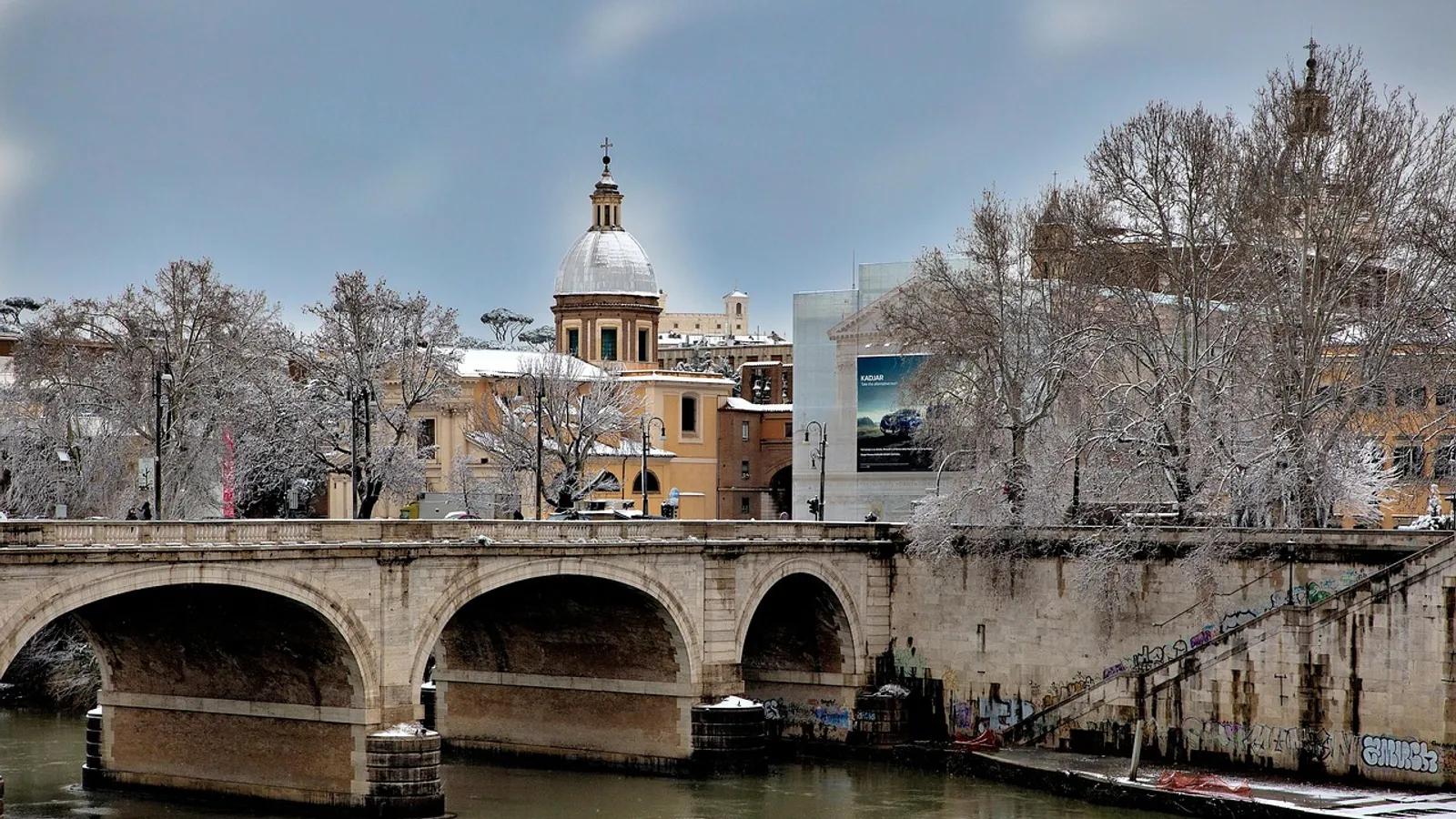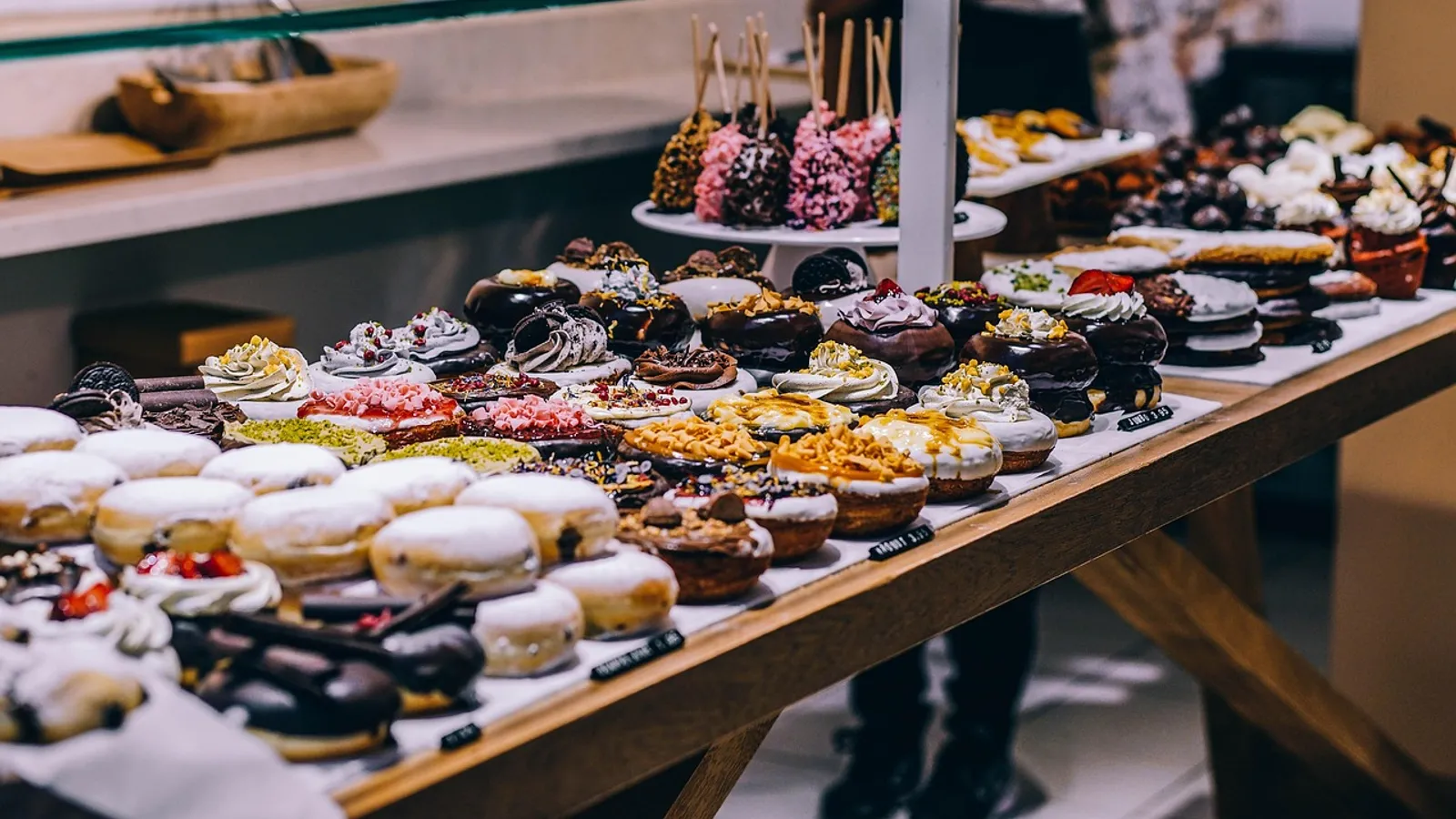
The best food tours in Paris are tasting walks through four neighbourhoods (the Marais, Montmartre, the Latin Quarter and Saint-Germain) and three formats built around one subject: wine and cheese, pastry and chocolate, or a market morning that ends at a stove. Choose the area for what its shops sell, then the start time for when they sell it, because the city's food markets close on Mondays and most shut by early afternoon.
Food tours of Paris are sold by many small operators, and one operator's walk often turns up on several booking sites at once. We compare those copies side by side, so each section below ends with live options for that neighbourhood or format, and the text around them sticks to what to look for and when to go. If you only want the best Paris food tours for a first trip, start with the Marais and the Left Bank sections.
- City markets
- 91 in all; the food markets close on Mondays
- Covered markets
- 9, open Tuesday to Sunday all year
- Open-air market hours
- Mostly 7:00 am to 1:30 pm on weekdays, to 2:30 pm at weekends
- Marché des Enfants Rouges
- Hall closed since the fire of 11 to 12 Oct 2026
- Beaujolais Nouveau release
- Third Thursday of November (19 Nov 2026, 18 Nov 2027)
- Allergens
- 14 must be declared, unpackaged food included (EU law)
All facts in the box checked 13 Nov 2026 on the City of Paris, Paris tourist office, Inter Beaujolais and European Commission pages listed under Sources.
How to pick from the best food tours in Paris
Start with the neighbourhood, then read the tour page for four details: the stop count, the drinks policy, the group cap, and a start time that suits the market calendar. On a walking food tour in Paris, a closed shop or a packed-up market stall is a lost stop, so the day and hour you book matter as much as the route.
| Format | Best for | Area | When it works best | Check before booking |
|---|---|---|---|---|
| Marais tasting walk | First visit, mixed tastes | 3rd and 4th arrondissements | Afternoons | Whether the route still uses the Marché des Enfants Rouges after the fire |
| Montmartre tasting walk | Food plus views | 18th arrondissement | Afternoons, in dry weather | How many stairs; where it starts and ends |
| Latin Quarter and Saint-Germain walk | Market streets, classic pastry | 5th and 6th arrondissements | Market mornings (see below) | Which market day the route assumes |
| Wine and cheese tasting | Adults, evenings | Cellars, wine bars, cheese shops | Late afternoon or evening | Number of wines poured; age rules |
| Pastry and chocolate walk | Sweet tooth, families | Montmartre and the Marais, among others | Afternoons | Tastings versus window-shopping stops |
| Market tour with cooking | Hands-on travellers | Whichever market the school uses | Morning, before the stalls pack up | Whether you shop, cook and eat, or only watch |
Read the tour page for these points:
- The stop list. A useful page names the kind of shop at each stop: a bakery, a cheese shop, a charcuterie counter, a chocolatier. Vague wording such as "local favourites" tells you nothing.
- Tastings or a meal. Expect bites rather than plates unless the page promises a sit-down stop.
- Drinks. Check whether wine with the cheese is in the price. It changes the value more than an extra half hour does.
- Group size. Small shops take small groups. A walk that caps its numbers low says so on the page; if the page is silent, assume it doesn't.
- Where it ends. A walk that finishes near the metro line you need saves time on a busy day.
For walks that are about history and architecture rather than eating, see our guide to walking tours in Paris, which sorts the general routes.
Tell the operator about allergies when you book
EU rules require shops to tell customers which of the 14 listed allergens, such as gluten, milk, eggs, nuts and sesame, are in a food even when it's sold loose from a counter. That makes a guide's job possible, but only if the guide knows in advance. Put allergies in the booking notes and ask for a reply.
Marais food tours
A Marais food tour is the safest pick for a first visit, because a short walk there crosses several layers of the city's history. The Paris tourist office's Marais walk traces how an aristocratic quarter of private mansions turned into a district of workshops in the 19th and 20th centuries, when a Jewish quarter formed around rue des Rosiers.
The big change this autumn is the Marché des Enfants Rouges. Founded in 1615 and listed as a historic monument since 1982, it is the oldest covered market in Paris. A fire overnight from 11 to 12 October 2026 destroyed the roof, the timber frame and all the stalls inside; firefighters saved the shops facing the street and the gates, according to the City of Paris press release. "Paris perd un lieu qui fait partie de son âme" ("Paris is losing a place that is part of its soul"), said Emmanuel Grégoire, Mayor of Paris, who promised to rebuild it.
The tourist office's Marais page now notes that the market is closed to the public. The city's market page says some traders have moved to the pavement in front, at 39 rue de Bretagne: a fruit and vegetable seller, an organic fruit and vegetable seller, a florist and a cheese seller. The cooked-food counters that made the hall a lunch stop are not among them. If a Marais tour description still promises a sit-down tasting inside the market, it was probably written before the fire, so ask the operator what replaced that stop before you pay.
The rest of the district still gives a guide enough to work with. The fire spared the market's shops on the street side, the small Place du Marché Sainte-Catherine is lined with café terraces and almost pedestrianised, and rue des Rosiers anchors the old Jewish quarter. Pastry tasting walks run in the Marais too (see the pastry section), so if you'd rather keep sweet and savoury on separate days, this is one district where you can do both.
Marais food tours and tasting walks to compare

Paris: Le Marais Private Guided Food Tour with 10 French Tastings
5.0(130)3 hr 30 minViewFrom$262
Paris Food Tour
0.0(0)3 hoursViewFrom$104
Paris Walking Food Tour : Explore Canal Saint-Martin Like a Local
5.0(15)3 hoursViewFrom$106
The food, wine & tragedies tour of Montmartre
5.0(19)2 hr 40 min - 3 hr 10 minViewFrom$99
Jewish History Tour of Le Marais
5.0(33)4 hoursViewFrom$112
Notre-Dame Secret Food Tour
4.8(8)3 hr 30 minViewFrom$121
Paris Montmartre Chocolate & Pastry Tour by Do Eat Better
5.0(82)3 hoursViewFrom$95
Hidden Paris and Wine Class : A Walking Tour
5.0(30)3 hoursViewFrom$278
Paris Le Marais Walking Tour: An Incredible History - Small Group
5.0(30)2 hoursViewFrom$61
Paris Sweet & Chocolate Family Treasure Hunt
5.0(41)2 hoursViewFrom$536
Montmartre food tours
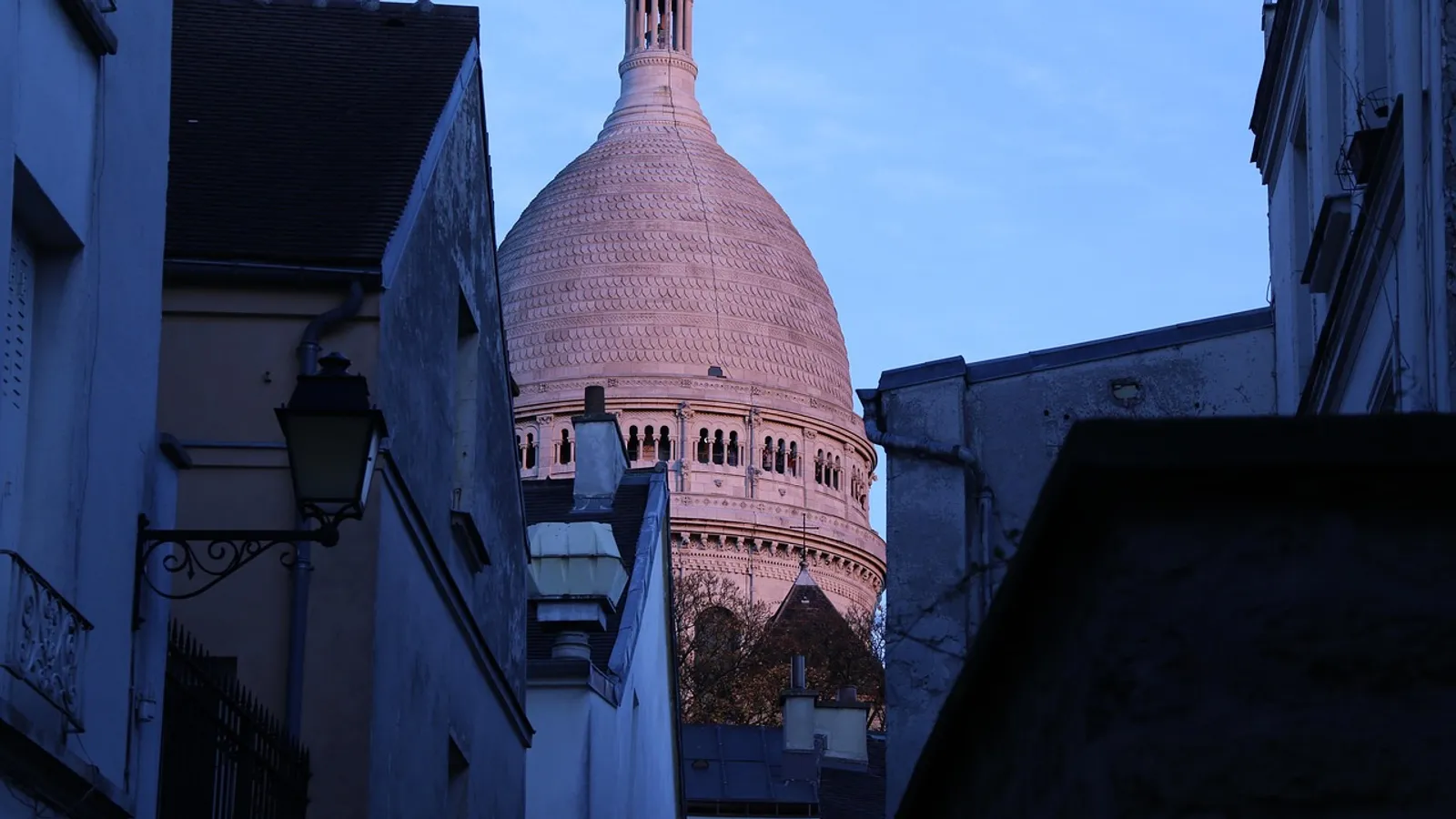
A Montmartre food tour trades the Marais's density for atmosphere: village streets, the views from the top of the hill, and a working vineyard. The cost is the climbing. The Paris tourist office counts 222 steps on rue Foyatier alone, so check the route if anyone in your group finds stairs hard.
The vineyard is the stop that makes Montmartre different. The tourist office's Montmartre walk describes the Clos Montmartre, on the corner of rue des Saules and rue Saint-Vincent, as having 2,000 vines and producing at most 1,000 bottles a year, with a harvest festival every October. With a yield that small, don't count on a walk pouring it: the tourist office's Montmartre district page says the wine can be sampled each autumn during that festival.
The hilltop itself is more about views than shopping. Place du Tertre has restaurants around it and some 300 artists who paint portraits and views on the square, and the tourist office's walk ends down at Place des Abbesses, with its café terraces and Art Nouveau metro entrance. The tourist office's district page lists guided food tours both on the hill and at its southern foot, so food walks here are not limited to the summit. When you compare Montmartre tours, look at where the stops sit on the hill: a route that keeps to the lower streets is gentler on the legs.
Two practical points from the tourist office pages help with planning. The Montmartre funicular, beside Square Louise Michel, takes an ordinary metro ticket, which saves the steep climb to the basilica at the end of a walk. And Abbesses metro station, where the tourist office's walk finishes, is the deepest in Paris, with platforms 36 metres down; there is a lift as well as the spiral staircase.
Montmartre food tours to compare
The food, wine & tragedies tour of Montmartre
5.0(19)2 hr 40 min - 3 hr 10 minViewFrom$99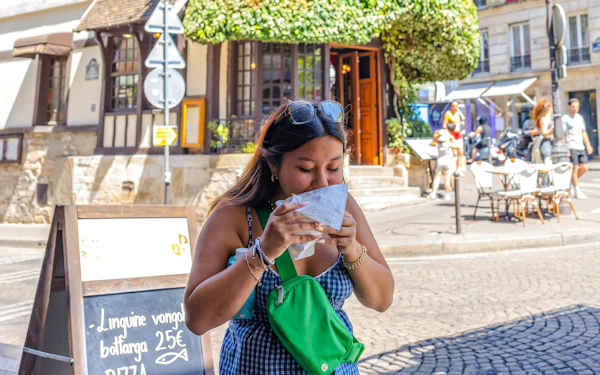
Food & Pastry Guided Tours in Montmartre
4.3(106)3 hoursViewFrom$98
Chocolate and Pastry Walking Tour in Montmartre, Paris
5.0(28)2 hours - 2 hr 30 minViewFrom$112
Montmartre Experience : Guided Tour, Tasting, and Art
5.0(12)2 hr 30 minViewFrom$385
-Kids friendly- Eat, play, love Montmartre: 3H Walking Food Tour
5.0(52)3 hoursViewFrom$106
Paris Wine Tasting Experience in Montmartre
5.0(16)1 hourViewFrom$144
Montmartre Walking Tour with Secret Tales, Views & Croissant
5.0(42)2 hr 30 minViewFrom$47
Paris: Montmartre Walking Tour with Wine & Cheese Tasting
5.0(17)6 hours - 7 hoursViewFrom$135Paris Montmartre Chocolate & Pastry Tour by Do Eat Better
5.0(82)3 hoursViewFrom$95Paris: Le Marais Private Guided Food Tour with 10 French Tastings
5.0(130)3 hr 30 minViewFrom$262
Latin Quarter and Saint-Germain food tours
Choose the Left Bank if you want markets on the route. The Latin Quarter straddles the 5th and 6th arrondissements and owes its name to the medieval students who were taught in Latin, the tourist office's 5th arrondissement guide explains. Saint-Germain-des-Prés sits next door in the 6th, so a single walk can easily cover both.
The tourist office's guide to the 5th puts rue Mouffetard, which starts at Place de la Contrescarpe, first when it lists the area's places to eat, and two open-air markets in the same arrondissement set the rhythm of the week. According to the City of Paris market pages, checked 13 Nov 2026:
| Market | Area | Days | Hours |
|---|---|---|---|
| Marché Monge, Place Monge | 5th | Wednesday, Friday, Sunday | 7:00 am to 1:30 pm (Sunday to 2:30 pm) |
| Marché Maubert, Place Maubert | 5th | Tuesday, Thursday, plus one weekend morning | 7:00 am to 1:30 pm (weekend to 2:30 pm) |
| Marché couvert Saint-Germain, 4/6 rue Lobineau | 6th | Tuesday to Saturday; Sunday morning | 8:00 am to 8:00 pm (Sunday to 1:30 pm) |
The city's two pages for Marché Maubert disagree on its weekend day: the market's own page lists Saturday, while the citywide table lists Sunday. Check the market's page close to your date if a tour or your own plan depends on it.
On the Saint-Germain side, the 6th arrondissement guide recommends the covered market, with its local traders and delicatessens, for quality produce, and points to rue de Buci and rue Saint-André des Arts for cafés and brasseries. The same guide names Le Procope, opened in 1686, as the oldest café in Paris. Because the covered market keeps long hours from Tuesday to Saturday, a Saint-Germain walk is the easiest Left Bank option to book for an afternoon.
Latin Quarter and Saint-Germain food tours to compare
Paris: Le Marais Private Guided Food Tour with 10 French Tastings
5.0(130)3 hr 30 minViewFrom$262
Paris Latin Quarter Private Tour—Roman Ruins, Sorbonne & Pantheon
5.0(65)2 hr 15 minViewFrom$324The food, wine & tragedies tour of Montmartre
5.0(19)2 hr 40 min - 3 hr 10 minViewFrom$99
Paris Latin Quarter Walking Tour: History & Culture - Small Group
5.0(18)2 hoursViewFrom$61Paris Sweet & Chocolate Family Treasure Hunt
5.0(41)2 hoursViewFrom$536Notre-Dame Secret Food Tour
4.8(8)3 hr 30 minViewFrom$121Paris Walking Food Tour : Explore Canal Saint-Martin Like a Local
5.0(15)3 hoursViewFrom$106Food & Pastry Guided Tours in Montmartre
4.3(106)3 hoursViewFrom$98
The Provençal Food Tour in Aix-en-Provence
5.0(98)4 hoursViewFrom$101
Toulouse Gourmand by bike
5.0(18)3 hoursViewFrom$75
Wine and cheese tasting tours
A wine tour in Paris, in the city rather than out to the vineyards, is a seated tasting: a cellar, a wine bar or a shop's back room, a few glasses, and a cheese board to go with them. It suits an evening, after a day of sightseeing, and it is the one format where the guide's knowledge matters more than the route.
The pairing has deep roots. UNESCO added the gastronomic meal of the French to its intangible heritage list in 2010, and its description sets out a fixed order with "at least four successive courses, namely a starter, fish and/or meat with vegetables, cheese and dessert", along with "the pairing of food with wine." A good wine tasting tour in Paris teaches that logic: why a cheese comes before dessert, and which wine stands up to it.
Paris also has a wine past of its own. The tourist office's guide to the 12th arrondissement notes that the chais de Bercy, an 18th-century wine and spirits storehouse, has been renovated, and that a modest vineyard in the Parc de Bercy still recalls the old village's links with wine.
For cheese tasting in Paris, the host matters more than the address. Look for a session run by a cheese shop or by a sommelier who explains where each cheese comes from and why it was paired with a given wine, rather than one that sets out a plate and leaves you to it. The number of cheeses and wines is usually on the tour page; if it isn't, ask.
November brings one dated reason to book a tasting. The Beaujolais Nouveau is released on the third Thursday of the month, according to Inter Beaujolais, the wine region's trade body: 19 November in 2026 and 18 November in 2027. If your trip covers that date, ask whether a tasting that week pours one.
Trips out to Champagne or the Loire are a different product, built around a full day out of the city. Those belong with wine day trips from Paris, which compares the destinations.
Paris wine and cheese tastings to compare
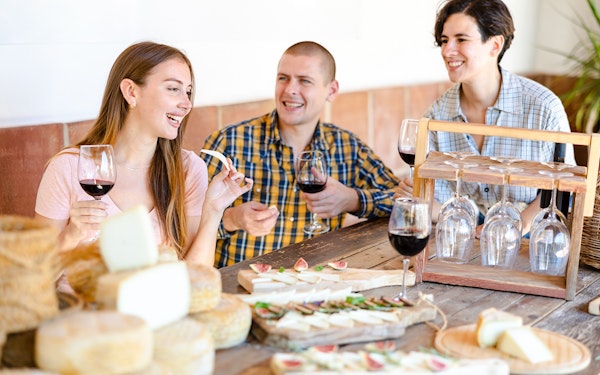
French Cheese Pairing & Tasting Experience
5.0(2)2 hr 15 minViewFrom$104
Paris Wine Tasting & French Cheese Pairing with Sommelier
4.9(36)1 hr 30 minViewFrom$67Paris Wine Tasting Experience in Montmartre
5.0(16)1 hourViewFrom$144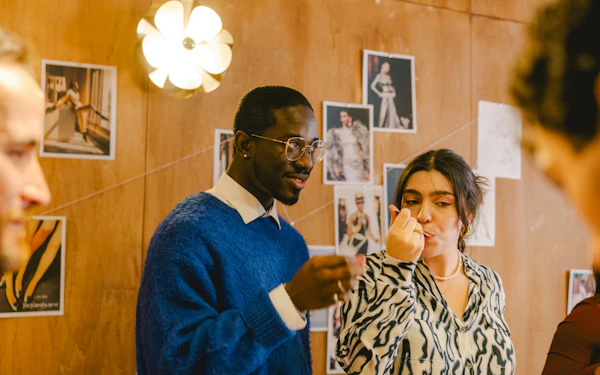
The Official Emily in Paris Wine & Cheese with Butter Making
0.0(0)2 hoursViewFrom$125
Lyon French Wine & Cheese Experience with a Sommelier
4.9(105)2 hr 30 minViewFrom$218
Wines and local products of Chamonix
5.0(8)2 hr 30 minViewFrom$207
Tasting of Bordeaux White Wines Wine and Cheese Pairing
5.0(17)1 hourViewFrom$50
Blind Wine Experience: 5 Natural Wines, Cheese & Charcuterie
5.0(9)1 hourViewFrom$35
Bordeaux Wine & Cheese Masterclass - Tasting Workshop
5.0(34)1 hr 30 minViewFrom$45
Savoy wine and cheese tasting in Annecy
4.7(3)2 hoursViewFrom$503
Pastry and chocolate tours
A Paris pastry tour is the easiest food tour to fit into a busy day, because the stops are short and a small appetite is enough. The tourist office's food artisans page lists pastry tasting walks in two districts, Montmartre and the Marais, so those are the safest areas to search first.
Much of the fun is in the stories behind the cakes, and the tourist office's pastry guide supplies several:
- Paris-Brest. Shaped like a wheel and named after the Paris-Brest bicycle race, which inspired the pastry chef Louis Durand in the early 20th century. It is filled with praline cream.
- Religieuse. Two cream-filled choux buns stacked and iced, invented in 1856 at the Frascati café on boulevard Montmartre.
- Financier. A small butter and almond-flour cake that a pastry chef named Lasne created around 1890 in the stock exchange district. It had no cream, so busy bank workers could eat it without sticky fingers.
- Opera cake. Almond sponge layered with coffee butter cream and ganache under a chocolate glaze, a favourite since 1955.
Bread often shares the route with the cakes. UNESCO inscribed the artisanal know-how and culture of baguette bread in 2022, and its entry notes that the baguette "is made with only four ingredients (flour, water, salt and leaven and/or yeast)." With a recipe that short, the baker's technique is what you taste, which is why two bakeries on the same walk can make such different loaves.
If chocolate matters more to you than cake, read the stop list for chocolatiers before you choose a walk, since pastry routes vary in how many they include. For a dedicated chocolate trip, the Salon du Chocolat is the date to plan around: the organisers list the next Paris edition for 28 October to 1 November 2027 at Paris Expo Porte de Versailles. The 2026 edition is over.
Paris pastry and chocolate tours to compare
Chocolate and Pastry Walking Tour in Montmartre, Paris
5.0(28)2 hours - 2 hr 30 minViewFrom$112Paris Montmartre Chocolate & Pastry Tour by Do Eat Better
5.0(82)3 hoursViewFrom$95Paris Sweet & Chocolate Family Treasure Hunt
5.0(41)2 hoursViewFrom$536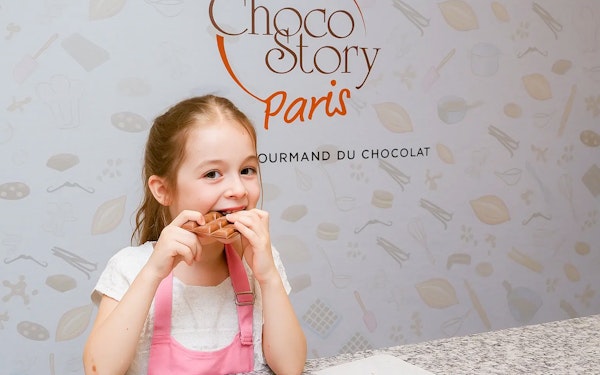
Chocolate Museum Paris Entry Tickets with Tasting
4.6(34)ViewFrom$20
Paris Christmas Lights & Stories with Tastings on Champs-Élysées
5.0(15)1 hr 30 minViewFrom$66
Delicious Chocolate Tour Barcelona
5.0(37)2 hr 30 minViewFrom$84
French Pastry Walking Tour in Nancy with Local Guide
4.8(24)2 hoursViewFrom$69
Arc de Triomphe Hosted Entry & Gourmet Macaron Tasting
4.0(5)2 hoursViewFrom$105
Pastry Class in Bordeaux - éclairs & choux à la crème
5.0(10)3 hoursViewFrom$179
Pastries & Stories of Lyon with a Local Guide
5.0(38)2 hoursViewFrom$77
Market tours and cooking classes
A market tour with a cooking class is the format to pick if you want to do more than taste: usually you shop with a chef in the morning, cook what you bought, and eat it at lunch. A plain market tour keeps the shopping and drops the kitchen, which makes it shorter and lighter.
Paris gives these tours plenty of material. The City of Paris counts 91 markets across the city, mixing open-air, covered and specialist markets, and its dossier on covered markets says nine covered halls open Tuesday to Sunday all year. The open-air markets are the morning kind: in the city's own table, most weekday markets run from 7:00 am to 1:30 pm and weekend ones to 2:30 pm, and the food markets all close on Mondays.
Two markets in the east of the centre suit these tours well. Place d'Aligre in the 12th holds an open-air market every morning from Tuesday to Sunday beside the Beauvau covered hall, which the city describes as one of the oldest in Paris; the hall was rebuilt in 1811 and later enlarged. The tourist office's guide to the 12th adds that a flea market shares the square with the fruit and vegetable stalls. Not far away, the Marché Bastille on boulevard Richard-Lenoir runs on Thursday and Sunday mornings only, so any class built around it can only run on those days.
What separates a good class from a demonstration is whether you cook. Look for the number of dishes you make yourself, the class size, and whether lunch is the food you cooked or something prepared for you.
Paris market tours and cooking classes to compare

Market Tour, Cooking Class & Lunch with Chef in Lyon Studio
4.9(29)4 hoursViewFrom$344
Private Market Tour and Cooking Class in Annecy with a Local
4.9(40)4 hoursViewFrom$195
Croix Rousse Market & Rooftop Cooking Class in Lyon
5.0(46)3 hr 30 minViewFrom$207
Classic French Cooking Class in Paris with Local Expert Francoise
5.0(11)3 hoursViewFrom$429
Stroll a Local French market & have a picnic
5.0(24)2 hours - 3 hoursViewFrom$168
PRIVATE Provence Cooking Class with Michelin Star Trained Chef
5.0(1)4 hoursViewFrom$499
Cooking lessons in a French House in the Loire Valley
5.0(9)3 hr 30 minViewFrom$151
Traditional French Cooking Class near Fontainebleau Castle
2 hr 30 minViewFrom$215
Porto Market Tour & Cooking Class - Half Day
5.0(39)5 hoursViewFrom$216
Lyon Morning Food Market Tasting Tour in Les Halles Paul Bocuse
4.1(32)2 hours - 3 hoursViewFrom$130
Paris food tours for families
A family food tour in Paris works best when it is short, sweet-led and light on stairs. A long afternoon of cheese and charcuterie tests most children's patience; a walk between a crêperie, a chocolatier and a bakery has a treat at every stop and a natural pause between them.
Crêpes are the easy win. The tourist office's crêpe guide notes that savoury buckwheat galettes come from Brittany and are served with "a bowl of cider or apple juice for children", while sweet crêpes use wheat flour. Ask whether a walk includes a crêpe stop before you book one for younger children.
For a Paris food tour with kids, check four things before you book:
- Wine stops. Ask what the operator serves children when the adults get a glass, and whether the child price reflects it.
- Age rules and child prices. Each operator sets its own minimum age and its own child rate, so read the conditions for your date.
- Pushchairs. Montmartre is the hardest area with a buggy: rue Foyatier is made up entirely of stairs. If you go anyway, the funicular saves the steepest part.
- Group type. A private family tour lets you set the pace and drop a stop, which often decides it with small children.
For the parts of a family trip that have nothing to do with food, our Paris with kids guide picks up where this section stops.
What a food tour replaces, and how long it lasts
A tasting walk usually replaces one meal, not two. The portions are small but they add up, so plan it as lunch or an early dinner, and keep the next meal light. Don't expect the seated, course-by-course meal described in the wine section: a walk doesn't attempt that structure.
Length varies by format, and each tour page states it. As a rule, a walk with more stops in the same time means smaller tastings at each, while one with fewer stops tends to sit you down for longer. A cooking class with a market visit usually takes up a morning and ends with the meal, so treat it as your lunch for the day.
If you're fitting a tour into a short stay, an afternoon walk sits well after a morning museum visit. To plan the days around it, see our three-day Paris itinerary and the wider list of things to do in Paris.
When to book, and what time of day
Book a morning slot for anything built on a market, and an afternoon or evening slot for neighbourhood walks and tastings. The market timetable is the hard constraint: most open-air stalls pack up by early afternoon, and Monday has no food markets at all.
Day by day, the market calendar from the city's pages looks like this:
- Monday. No food markets. Shop-based walks can still run, so check the stop list.
- Tuesday to Saturday. The covered markets, including Saint-Germain and Beauvau, are open, and different open-air markets rotate through the week.
- Sunday. A strong morning for markets (Monge, Bastille and Aligre all run), with the covered Saint-Germain market closing at 1:30 pm.
Book as soon as your dates are firm if you want a small group or a private tour, since a capped group has the fewest places to sell. On public holidays, check that the shops and markets on the route are open, since their hours can be shorter than usual.
Food walks are one slice of what the city offers; the wider range of Paris tours sits on our Paris page.
See Paris food tours side by sideParis food tour questions
Are Paris food tours worth it?
Yes, if it's your first few days in the city and you'd like someone to choose the shops for you. The value is in the edit: a guide walks you to the bakery, cheese shop and charcuterie counter worth queuing at, and explains what you're tasting. If you already know Paris well, or you mostly want a big sit-down meal, a market morning on your own costs less and you keep control of the pace.
What is the best food tour in Paris?
There's no single winner, because the best one depends on the street it walks. For a first visit, a small-group tasting walk in the Marais or on the Saint-Germain side of the river covers the classics in one afternoon. If you care about one subject more than the area, choose by subject instead: a pastry walk, a wine and cheese tasting, or a market tour that ends with a cooking session.
What is the best neighborhood for a food tour in Paris?
The Marais for variety within a short walk; Montmartre if you want the food mixed with views and village streets, and don't mind hills; the Latin Quarter and Saint-Germain for market streets and classic pastry shops. The deciding factor is often the day: the Left Bank markets run on fixed mornings, so match the walk to a market day.
Are Paris food tours in English?
It depends on the tour, so check before you pay. The tour page should name the language for the date and time you pick; if it names only French, or says nothing, ask the operator before booking rather than assuming a guide will switch on the day.
Can food tours in Paris handle dietary restrictions?
Only if the operator knows in advance, so say so when you book. Allergies are the easier case: under EU law, shops must tell you which of 14 listed allergens are in a food even when it is sold unpackaged, so a guide can check each stop. Vegetarian, vegan, halal or kosher needs depend on the operator and the shops on its route, so ask for written confirmation before paying.
Is a food tour or a cooking class better in Paris?
Do a food tour if you want to taste widely and see a neighbourhood; do a cooking class if you want a skill and a meal you made yourself. A class keeps you in one kitchen for the whole session, while a tour moves you across a district. If you can only fit one, the market-plus-cooking format gives you some of both.
Sources
Grouped by publisher; each page was checked on 13 November 2026, and most were rechecked on 19 and 20 November 2026.
- City of Paris: Les marchés de Paris (count of markets, day-by-day food market table) and Les marchés couverts de Paris
- City of Paris market pages: Enfants Rouges, Saint-Germain, Maubert, Monge, Bastille
- City of Paris press release on the Enfants Rouges fire and the Fondation du patrimoine appeal
- Paris tourist office (Paris je t'aime): A walk in the Marais, A walk in the heart of Montmartre, Explore the 5th arrondissement, Explore the 6th arrondissement, Explore the 12th arrondissement, 10 Parisian cakes and pastries, Gastronomic artisans of Paris, Where to eat crêpes in Paris
- UNESCO: Gastronomic meal of the French and Artisanal know-how and culture of baguette bread
- Inter Beaujolais: Beaujolais Nouveau
- Salon du Chocolat Paris
- European Commission: Food information to consumers legislation and its allergen labelling factsheet (February 2026)