LondonMuseumsArtPlanning
The Best Museums in London: Which of Them Deserve Your Day
London has more world-class museums than any trip can absorb, and most of them are free. A guide to which ones suit which visitor, and how many you can realistically do.
SimilarTours Editorialによる · Travel Research · · 18分間の読むことができます

London's museum problem is abundance. The city has more genuinely world-class collections than any normal trip can absorb, most of the biggest ones are free to walk into, and that combination produces a specific failure: visitors treat them as cheap and drop in on four of them, coming away with a blur.
The purpose of this guide is to help you do fewer, better. What each of the main collections is actually for, how long it realistically takes, who it suits, and how many fit into a day without ruining it.
Compare London museum and attraction tickets →The thing to understand first: free is not the same as quick
The major national museums in London have free general admission. This is genuinely remarkable and it changes visitor behaviour in a way that is not always to their benefit.
Because entry costs nothing, people drop in "for an hour". But these buildings are enormous, and an hour inside one of them produces a sense of having walked past a lot of things rather than having seen anything. The free admission is best used the opposite way - as permission to visit twice for ninety minutes each, or to see one wing properly and walk out without guilt.
The corollary is that the ticketed attractions have to work harder to justify themselves, and they know it. They compete on experience rather than collection, which is a legitimate different product - just not the same product.
Insider tip
Pick galleries, not museums. The single most useful shift in planning. Instead of deciding "we will do the British Museum", decide which two or three sections you want to see, and go directly to them. You will remember more, walk less, and leave while you are still enjoying it. The rest of the building will still be there next time, and it will still be free.
The free giants, and who each one is for
The British Museum - for world history and scale
The broadest collection in the city and the most likely single answer to "which one should we do". It covers an enormous historical and geographical range, and its strength is that almost any interest finds something here.
Its weakness is the same thing. It is too big to see, and visitors who try leave overwhelmed. Pick two or three areas, go to them first, and treat everything else as a bonus if energy holds.
Best for: first-time visitors, anyone with a general historical interest, travellers who want one big cultural thing on the itinerary.
The Natural History Museum - for families, and for the building
The strongest family choice in the city by a wide margin, and worth visiting even without children because the building itself is a significant part of the experience.
It gets extremely busy at weekends and in school holidays. An early arrival is worth more here than at any other museum on this list.
Best for: families, anyone travelling with children over about four, and visitors who want a museum that is visually impressive rather than quiet.
The Science Museum - the family double-header
Next door to the above, which makes the two of them the most efficient family half-day in London. More interactive and more hands-on, which suits a slightly different temperament.
Best for: curious children, and adults who would rather push buttons than read labels.
The National Gallery - for art, in a manageable dose
The most approachable of the major art collections because of its size and layout. A focused visit is genuinely achievable in ninety minutes, which makes it the one big museum that fits comfortably into a day that also contains other things.
Best for: visitors who want serious art without a three-hour commitment, and anyone whose day already has an anchor elsewhere.
The V&A - for design, and for people who found the others too crowded
Decorative arts, design, fashion, and objects rather than paintings or fossils. It attracts a slightly different visitor and, on an average day, a slightly smaller crowd.
Best for: repeat visitors, design-minded travellers, and anyone who has done the obvious two and wants the interesting third.
Guided museum visits and combined tickets
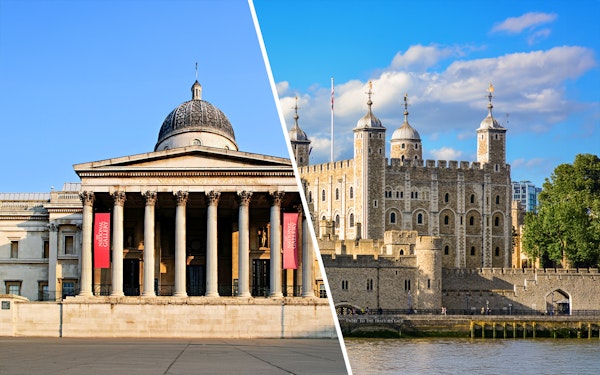
Combo: The National Gallery Guided Tour + Tower of London Tickets
A guided run through the gallery paired with a major historic site.
4.5(17,838)ViewFrom$70.20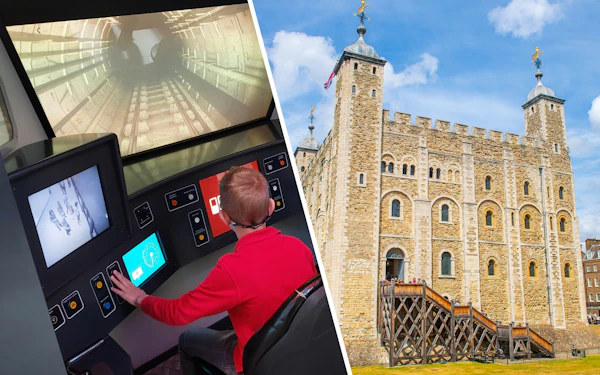
Combo: London Transport Museum + Tower of London Tickets with Crown Jewels
A specialist museum plus the Tower - two very different indoor visits.
4.5(19,798)ViewFrom$80.23
Chelsea FC Stadium Tours and Museum
A stadium and club museum visit - the sport-focused alternative to a gallery.
4.9(2,132)1 hour 15 minutesViewFrom$46.67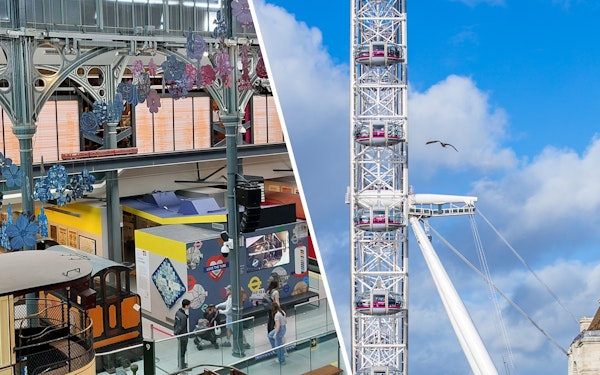
Combo: London Transport Museum + London Eye Tickets
A compact museum bundled with a fast outdoor attraction.
4.5(12,446)ViewFrom$70.20
Tate Modern Museum London Guided Tour Semi-Private 8ppl Max
5.0(51)2 hoursViewFrom$124
British Museum & National Gallery of London Semi-Private 8ppl Max
5.0(193)5 hr 30 minViewFrom$254
The British Museum London - Exclusive Guided Museum Tour
5.0(598)2 hr 30 minViewFrom$120
Private Guided Tour of the British Museum
5.0(54)2 hr 30 minViewFrom$344
London: Natural History Museum Guided Tour & Audio Guide
4.4(214)1 hourViewFrom$17British Museum London Guided Tour Semi-Private 8ppl Max
5.0(1,158)2 hr 30 minViewFrom$120
The ticketed tier: a different product
Alongside the free nationals, London has a substantial layer of privately run, fully ticketed attractions that call themselves museums or experiences. They are not competing with the British Museum and it is unfair to judge them as though they were.
What they offer is a designed experience - immersive rooms, themed spaces, waxworks, digital installations - with a defined route, a defined duration, and a defined payoff. That suits some visitors very well, particularly groups with mixed enthusiasm for traditional collections, and teenagers.
The honest test before booking one: would you enjoy this if it were the only thing you did this afternoon? If yes, book it. If you are only considering it because a free museum feels like it does not count as a proper outing, skip it and spend the money on dinner.
London's ticketed museum experiences

Combo: Frameless London + Moco Museum London Tickets
An immersive digital space plus a contemporary collection.
4.7(2,104)ViewFrom$57.92
Combo: Twist Museum and Madame Tussauds London Advanced Entry
Two experience-led attractions - designed routes rather than collections.
4.7(5,105)ViewFrom$63.52
Madame Tussauds London Tickets
The single-attraction version, at about an hour.
4.7(5,574)1 hourViewFrom$31.62
Combo: Frameless London + Madame Tussauds London Tickets
A digital art space paired with the waxwork attraction.
4.7(6,894)ViewFrom$66.61
Madame Tussauds London Admission Ticket with Options
5.0(7)2 hours - 3 hoursViewFrom$40
Singapore Madame Tussauds Admission E-Ticket
5.0(5)8 hoursViewFrom$28
Madame Tussauds London Admission Ticket
3.9(2,655)2 hours - 3 hoursViewFrom$36
Las Vegas Madame Tussauds with Gondola Boat Ride Ticket
3.9(1,780)2 hours - 5 hoursViewFrom$54
Madame Tussauds Dubai: Exclusive Fame Experience Tickets
4.0(4)1 hr 30 minViewFrom$75
Frameless - Immersive Art Experience in London
4.7(4,129)1 hour - 2 hoursViewFrom$40
How long each visit actually takes
Published estimates are optimistic. These are working numbers to plan against.
| Museum type | Realistic visit | What that covers |
|---|---|---|
| Large national museum, focused visit | 2-2.5 hours | Two or three galleries, unhurried |
| Large national museum, "see it all" attempt | 4+ hours | Exhaustion, and still not all of it |
| Mid-sized art gallery | 1.5 hours | A proper look at the main rooms |
| Specialist or single-subject museum | 1-1.5 hours | Everything |
| Ticketed experience attraction | 1-1.5 hours | The full designed route |
| Stadium and club visit | 2 hours | The tour plus the museum |
Add travel between sites and a real lunch, and two museums plus one other thing is a full day. Three museums is a day spent indoors.
Fitting museums into a real London trip
On a two-day trip: one museum. Pick the one that matches your reason for coming, do it properly, and give the rest of the time to the city outdoors. Two days is not enough to justify a second indoor half-day.
On a three or four day trip: two museums, on different days. Ideally different in kind - one big collection and one specialist or ticketed experience rather than two national giants back to back.
On a longer stay: this is when the free admission genuinely pays. Short, repeated visits to the big collections are far more rewarding than one long march, and there is no cost to walking out after an hour.
With children: the natural history and science pairing is the strongest half-day in the city, and it is worth building a day around rather than fitting in.
In winter: add one. Short daylight makes an indoor afternoon cost you nothing, and this is the season to do the big collection properly.
Insider tip
Go at opening or in the last two hours. The difference between a major London museum at ten past ten and at half past twelve is dramatic. Mid-morning to mid-afternoon is peak everywhere; the first and last stretches of the day are consistently the best. Weekday afternoons in term time are the quietest window overall.
Building a museum day that does not collapse
The structure matters more than the choice, because the common failure is fatigue rather than a bad pick.
Open with the bigger one. Whichever of your two museums is larger or more demanding goes first, at opening, when both the crowd and your attention are at their best. Doing the demanding one second is how people end up walking through world-class galleries thinking about their feet.
Leave the building for lunch. Museum cafés at half past twelve are the worst room in the museum. Walking out for an hour also resets your attention in a way that sitting in the same building does not, and it costs you nothing at a free site because you can walk back in.
Make the second visit smaller and lighter. A specialist collection, a single wing, or a ticketed experience with a fixed hour-long route. Something with an end point rather than something that could absorb three hours.
Finish outdoors. Ending a museum day with even twenty minutes in a park or by the river changes how the day reads in memory. Two museums back to back and then a taxi to dinner is a day you will describe as tiring; the same day with a walk between them is one you will describe as good.
Where the museums are, and why it matters
London's museums are not evenly distributed, and the geography should shape which pairing you choose.
Two of the biggest family-facing collections sit directly beside each other, which is why they are the strongest double-header in the city - the transfer between them costs you nothing. The major art collections cluster around the central squares, close enough to walk between and close enough to the rest of a sightseeing day that they slot in easily. The broad world-history collection sits slightly apart in a district that is pleasant to walk but not on the main tourist corridor.
The practical consequence: pair museums that are near each other, or pair one museum with something that is not a museum. A day that involves crossing London twice between two collections spends more time in transit than in galleries, and that is the version people remember as exhausting.
If your two choices are far apart, put them on different days. There is no prize for efficiency here, and the transfers are the least enjoyable part of any London itinerary.
A note on special exhibitions
The ticketed temporary exhibitions inside the free museums are a genuinely different decision from the permanent collections, and they deserve to be treated as one.
They are usually excellent, usually expensive, and usually the reason a museum is unusually busy on the day you visit. They also run on timed entry, which reintroduces the fixed-appointment problem that free general admission so pleasantly removes.
The question to ask is whether the exhibition is the reason you are going. If it is, book it, arrive for your slot, see the exhibition first while you are fresh, and treat the permanent collection as optional afterwards. If it is not - if you are considering it because it is there and it seems like the serious thing to do - skip it. A focused two hours in the free galleries will give you more, cost nothing, and leave the afternoon open.
The exception worth making is for genuinely rare loans, where the material simply is not available anywhere else and will not be again. Those are worth the money and the queue. Most exhibitions are not that, and the marketing does not distinguish.
If you have been to London before
Repeat visitors run out of headline museums quickly, and the interesting layer sits underneath.
London's second tier - the specialist collections, the house museums, the single-subject institutions, the ones attached to professions and trades - is unusually deep and unusually quiet. These are typically an hour, often free or cheap, and frequently more memorable than another two hours in a building you have already walked.
The other repeat-visit move is to change the mode rather than the venue. A guided visit to a collection you have previously seen alone is a materially different experience, particularly in the big art galleries where the labels tell you what something is and a guide tells you why it matters.
And the third option, which more repeat visitors should take: pick one gallery in one museum and spend ninety minutes in it. Not the museum. One room. It is the most rewarding way to use free admission and almost nobody does it.
The practical details that trip people up
Free does not always mean walk-in. Some of the free nationals ask for a booked timed slot at busy periods, and the requirement changes over time. It costs nothing to check before you travel, and it costs an hour to discover at the door.
Special exhibitions are ticketed and often expensive. They are also frequently the reason a museum is busier than usual. Decide in advance whether you want the exhibition or the permanent collection - they are separate visits and doing both in one go is too much.
Bag policies and cloakrooms create queues. The security line at the entrance of a major museum at peak time can be longer than anything inside. Travelling light genuinely speeds up the day.
The gift shops and cafés are part of the business model. Free entry is subsidised by them, which is fine, but it also means the café at the busiest museum at lunchtime is not where you want to eat. Plan to leave the building for food.
Donations are voluntary and meaningful. The free-entry model is supported by them. Nobody will chase you, and giving something is the right thing to do if the visit was worth it to you.
What to skip
A second national museum on the same day. The marginal value drops off a cliff.
Any museum you cannot articulate a reason for visiting. "It is famous" is not a reason, and London has too many famous museums for that to narrow anything down.
A ticketed experience booked to fill a gap. These work when chosen and disappoint when defaulted to.
A museum on the single best-weather day of your trip. The collections are identical in any weather. The parks, the river, and the streets are not.
The short version
Do fewer museums than London tempts you to. One on a short trip, two on a longer one, and pick them by what you are actually interested in rather than by reputation.
Use the free admission as permission to leave early rather than as an obligation to see everything. Go at opening or late in the day. And if the weather is good and you have not yet walked the city, the honest answer is that the museums can wait - they are free, they are open all year, and they are the one thing in London guaranteed to still be there.
Compare London museums, attractions, and guided tours →Are museums free in London?
The major national museums have free general admission, which is genuinely unusual at this scale and one of the best things about visiting the city. Special exhibitions inside them are usually ticketed and can be expensive. Alongside the free nationals sits a second tier of privately run, fully ticketed attractions - a different proposition, best judged on their own terms.
Which London museum should I visit if I only have time for one?
It depends on what you want. For sheer breadth of world history, the British Museum is the obvious single answer. For a family visit, the Natural History Museum wins comfortably. For art, the National Gallery is compact enough to do properly in ninety minutes. For design and decorative arts, the V&A. The collections are different enough that the question is easy to answer once you say what you are actually interested in.
How many museums can you do in a day in London?
Two, comfortably, if they are different in kind and you keep each to a defined section rather than trying to see everything. Three is possible and rarely enjoyable. The mistake is treating a free museum as a quick stop - the big nationals are enormous, and a superficial hour in one is often less satisfying than a focused two hours.
Do you need to book London museums in advance?
For general admission at the free nationals, usually not, though some ask you to reserve a free timed slot in busy periods and it is worth checking before you travel. For special exhibitions and for the privately run ticketed attractions, yes - those genuinely sell out, particularly at weekends and in school holidays.
What is the best museum in London for kids?
The Natural History Museum is the strongest single answer, and the Science Museum next door makes the pairing one of the best family half-days in the city. Both are free, both are built around things children want to look at, and both handle large numbers of visitors. Outside those, the transport-focused collections work well for a slightly younger age group.
Are the ticketed London museum attractions worth it?
Some are, on their own terms. They are generally experience-led rather than collection-led - immersive spaces, waxworks, themed attractions - and judging them against a national museum misses what they are for. The honest test is whether you would enjoy the experience if it were the only thing you did that afternoon. If you are only booking one because a free museum feels like it does not count, skip it.
How long should I spend in the British Museum?
Two to three hours is a realistic and satisfying visit if you pick two or three galleries and commit to them. Attempting the whole building in one go is the classic error and produces exhaustion rather than memory. Because entry is free, the smarter approach on a longer trip is two short visits rather than one long one.
When is the best time to visit London museums?
First thing at opening or the last two hours before closing. Mid-morning to mid-afternoon is the peak at every major museum, and the difference is substantial - the same gallery can be pleasant at ten past ten and unpleasant at half past twelve. Weekday afternoons in term time are the quietest window overall.
Keep reading
Listicle
Things to do in London: the experiences worth booking
The London shortlist, ranked by what is actually worth your time.
Read more
London pillar
London travel guide: first-time visitor essentials
Where to stay, how to move around, and the ticket strategy for the big sights.
Read more
Seasonal
London in winter: the season to do the museums properly
Short days, low prices, and an indoor afternoon that costs you nothing.
Read more
Itinerary
2 days in London: a realistic itinerary
Where one museum fits, and what has to give way for it.
Read more
その他の読み物
あなたの旅行計画に役立つガイド

ロンドン1日の過ごし方: 時間を無駄にしない現実的なプラン
ロンドン1日の過ごし方。実際に収まることを中心に計画した、歩いて回れるルート、必ず予約すべき2つのこと、1時間ずつ無駄になる罠について。

ロンドン夏旅行ガイド: 何を予約すべきか、何をスキップするか、2026年に何を着るべきか
ロンドンの夏を計画的に過ごすための実用ガイド - シーズンの実際の過ごし方、事前予約する価値のある体験、毎時間変わる天気に対する準備

2026年のバッキンガム宮殿チケット: 種類、ツアー、スキップ・ザ・ラインの方法
2026年のバッキンガム宮殿チケットガイド - State Rooms時間制限付き入場、スキップ・ザ・ライン、衛兵交代式ツアー、ロイヤルコンボを比較。

2026年ウェストミンスター・アビー・チケット: 種類、ツアー、行列をスキップする方法
2026年版ウェストミンスター・アビー・チケットガイド - 時間指定入場(音声ガイド付き)、行列スキップ、シュヴァー主導ツアー、ロンドン周辺チケット比較。

5 Days in London: The Full Itinerary, Day by Day
A 5-day London itinerary: the Tower and Westminster, Greenwich by riverboat, a Stonehenge or Windsor day trip, plus markets and real neighborhood time.

Best Walking Tours in London: Beatles, Ripper, Royals and More
The best walking tours in London by theme: classic highlights, royal Westminster, Beatles and Abbey Road, Jack the Ripper, Harry Potter, and food walks.

London in Winter: What It's Really Like and How to Enjoy It
An honest guide to London in winter: how cold it gets, the festive season, the quieter big attractions, theatre and afternoon tea, and how to plan the days.

London with Kids: The Family Guide That Actually Works
A practical guide to London with kids: the family attractions worth booking, where to stay, the parks that save the afternoon, and a real rainy-day plan.