AmsterdamTicketsRijksmuseumSkip the lineBuying guide
Rijksmuseum Tickets in 2026: Types, Skip-the-Line and Combos Compared
A 2026 guide to Rijksmuseum tickets - timed entry, skip-the-line, guided highlights tours and combos with the Van Gogh Museum or a canal cruise.
Di SimilarTours Editorial · Travel Research · · Lettura di 9 minuti

The Rijksmuseum is the anchor of Amsterdam's Museumplein and the one big-ticket indoor sight almost every first-time visitor books. It is also, in a city with famously unreliable weather, the place everyone heads when the rain sets in. That combination is why the ticket you choose matters more here than at a quieter museum: the same building can feel calm and generous at nine in the morning and like a station concourse by one in the afternoon.
"Rijksmuseum tickets" is really a short list of options: a standard timed-entry ticket, a skip-the-line version with priority access, a guided highlights tour, and combined tickets that pair the museum with the Van Gogh Museum or a canal cruise. This guide compares them, says who each suits, and covers how to avoid the queue, without quoting prices that shift by date and season.
Browse all Amsterdam experiences and tickets →Which Rijksmuseum ticket should you buy?
| Your situation | Best ticket |
|---|---|
| First visit, want the collection explained | Guided highlights tour |
| Happy going solo, just want in fast | Skip-the-line timed ticket |
| Off-season trip, flexible timing | Standard timed entry |
| Doing both big Museumplein museums | Rijksmuseum and Van Gogh combo |
| One efficient half-day in the centre | Museum plus canal cruise combo |
Standard timed-entry ticket
- What it is: General admission with a booked entry window.
- Best for: Off-season visitors and early risers who do not mind a short wait.
- Availability: Good, though the mid-morning windows go first at weekends.
The standard ticket is the baseline and, in a quiet month with an early slot, all you need. It gets you in for your window and leaves you free to set your own pace, which suits anyone who would rather read the labels than follow a guide. The catch is that a time slot is not a fast lane. When the museum is at capacity, ticket holders still funnel through one entrance, and that is where the waiting happens.
See all Amsterdam skip-the-line tickets →Skip-the-line ticket
- What it is: A reserved timed ticket with priority entrance access, bypassing the general queue.
- Best for: Summer and weekend visitors, families, anyone on a fixed schedule.
- Availability: Sells out on peak weekends; book several days ahead.
For most independent travelers this is the right buy. You keep the freedom to explore alone and lose the one part of the day nobody enjoys, which is standing on the Museumplein forecourt with no shelter and no idea how long the line will take. It is worth it in high summer, on any weekend, and above all on the first wet afternoon of your trip, when the whole city reroutes indoors at the same time.
Top Rijksmuseum skip-the-line tickets

Rijksmuseum Entry Tickets
4.7(8,636)8 hoursViewFrom$27
From Amsterdam: Keukenhof Gardens Ticket and Transfer
4.3(2,846)5 hr 30 minViewFrom$42
Rijksmuseum Entry Tickets with Audioguided Tour
4.4(67)ViewFrom$31
Rijksmuseum Amsterdam Private Guided Tour
4.9(124)1 hr 30 min - 2 hr 30 minViewFrom$101
Rijksmuseum Ticket and Guided Tour with Optional Canal Cruise
5.0(16)1 hour - 3 hoursViewFrom$107
Rijksmuseum Amsterdam Exclusive Guided Tour w/ Reserved Entry
4.9(516)2 hr 30 minViewFrom$107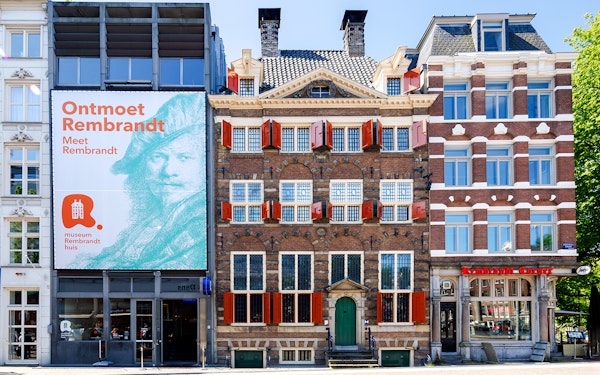
Rembrandt House Museum Tickets with Multimedia Guide
4.5(2,316)8 hoursViewFrom$19
Rijksmuseum Amsterdam Small-Group Tour with Private Upgrade
4.7(1,839)2 hoursViewFrom$86
Rijksmuseum & Amsterdam City Center Semi-Private Tour 12ppl Max
5.0(20)5 hr 30 minViewFrom$283
Rembrandt House Museum Amsterdam Entrance Ticket
4.6(433)1 hourViewFrom$26
Guided highlights tour
- What it is: A guided route through the museum's key galleries, usually 1.5 to 2 hours, with reserved entry included.
- Best for: First-time visitors who want context and a clear path rather than a floor plan.
- Availability: Strong year-round; morning departures fill first in peak months.
The Rijksmuseum's scale is the argument for a guide. Most visitors arrive with two or three paintings in mind and then discover several floors of everything else, which is either a delight or a slow drain depending on whether anyone is steering. A highlights tour sets the order, explains what you are standing in front of, and gets you to the headline rooms while your attention still holds. Reserved entry comes with it, so the queue question answers itself. For a first visit this is the format we would book.
Top Rijksmuseum guided tours in Amsterdam
Rijksmuseum & Amsterdam City Center Semi-Private Tour 12ppl Max
5.0(20)5 hr 30 minViewFrom$283
Guided Bike Tour of Amsterdam's Highlights & Hidden Gems
4.9(4,409)3 hoursViewFrom$47Rijksmuseum Ticket and Guided Tour with Optional Canal Cruise
5.0(16)1 hour - 3 hoursViewFrom$107
Amsterdam Van Gogh Museum with Audio or Guided Tour
4.1(389)2 hoursViewFrom$71
Rijksmuseum Guided Tour, private local Dutch guide
5.0(38)2 hoursViewFrom$148Rijksmuseum Amsterdam Exclusive Guided Tour w/ Reserved Entry
4.9(516)2 hr 30 minViewFrom$107
Van Gogh Museum, Rijks Museum & Walking Tour - Private Day Tour
5.0(17)7 hr 15 minViewFrom$350
Van Gogh Museum Amsterdam Small Group Guided Tour
4.9(441)2 hoursViewFrom$95
Rijksmuseum Small-Group Guided Tour
4.5(1,956)2 hoursViewFrom$51
Amsterdam Anne Frank Small-Group Guided Walking Tour
4.8(13,253)2 hoursViewFrom$25
Combos with the Van Gogh Museum
- What it is: One purchase covering both Museumplein heavyweights, sometimes with a guide across the two.
- Best for: Art-focused trips and anyone who wants fewer separate bookings.
- Availability: Widely sold; the popular same-day slot pairings go first.
This is the classic Amsterdam double. The two museums face each other across the same open square, so there is no transport to think about and no risk of getting lost between them. The mistake people make is booking the entry slots too close together. Give yourself a real gap, sit down somewhere in between, and treat the second museum as a fresh visit rather than an extension of the first. Our Van Gogh Museum tickets guide covers that museum's own ticket structure, which is stricter on timed entry than the Rijksmuseum is.
Top Amsterdam museum combo tickets

Van Gogh Museum Tour excluding Entrance Tickets
5.0(15)2 hoursViewFrom$285
Van Gogh Museum Amsterdam Entry with Optional Audio Guide
4.1(156)1 hr 30 min - 2 hoursViewFrom$46
Stedelijk Museum Amsterdam Tickets: Van Gogh, Picasso, and More
4.6(1,407)1 hourViewFrom$23Van Gogh Museum Amsterdam Small Group Guided Tour
4.9(441)2 hoursViewFrom$95
Van Gogh & Rembrandt Immersive Experience Tickets
4.3(16)40 minutesViewFrom$17Amsterdam Van Gogh Museum with Audio or Guided Tour
4.1(389)2 hoursViewFrom$71
Admission Tickets to Remastered - An Audiovisual Experience
4.1(1,329)1 hourViewFrom$27
Van Gogh Museum Amsterdam Exclusive Tour w/ Reserved Entry
4.9(1,805)2 hr 30 minViewFrom$189
Tickets to Rembrandts Amsterdam Experience
4.7(79)8 hoursViewFrom$17
Amsterdam: Van Gogh Museum Guided Tour & Entry Ticket (Max 6 ppl)
4.9(612)1 hr 30 minViewFrom$165
Combos with a canal cruise
- What it is: A museum ticket bundled with a canal boat trip, booked as one item.
- Best for: Short trips, first-timers, anyone who wants a half-day that covers indoors and outdoors.
- Availability: Plenty of options; cruise departures are frequent, so the museum slot drives the timing.
Pairing the museum with a cruise is the most sensible bundle in the city, mostly because of what it does to your legs. A few hours on hard museum floors followed by an hour sitting down while Amsterdam slides past the window is a better sequence than two museums in a row. Book the museum first and the cruise after, since museum slots are fixed and boats run often enough to fit around them. If you are still building the itinerary, things to do in Amsterdam sets out how the canal belt, the museums and the neighbourhoods fit together across a few days.
Top Amsterdam canal cruises

75-Min Amsterdam Canal Cruise - From A'DAM Tower
4.4(190)1 hr 15 minViewFrom$13
Amsterdam Canal Cruise with Local Guide and Small Group
5.0(6,451)1 hourViewFrom$22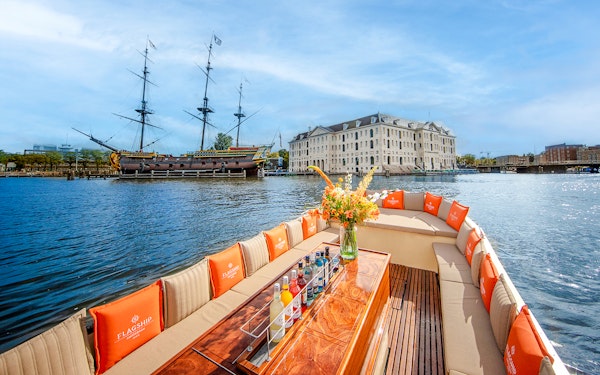
Amsterdam: 1-Hour Luxury Electric Open Boat Cruise with Onboard Bar
4.8(42)1 hourViewFrom$19
Amsterdam Canal Cruise in Open Boat with Unlimited Drinks Option
4.9(5,747)1 hourViewFrom$23
Amsterdam: 75-Min Canal Cruise with Historic VR Experience
5.0(130)1 hr 15 minViewFrom$39
Amsterdam Small-Group Canal Cruise Including Snacks and Drinks
4.9(2,810)2 hoursViewFrom$71
Amsterdam: 1-Hour Open Boat Canal Cruise with Onboard Bar
4.9(352)1 hourViewFrom$19
Amsterdam All-Inclusive 90-Minutes Canal Cruise by Captain Jack
4.9(18,437)1 hr 30 minViewFrom$48
Amsterdam: 1-Hour Small-Group Canal Cruise in German with Unlimited Drinks
4.0(4)1 hourViewFrom$30
Morning Canal Cruise Amsterdam in Small-Group
5.0(784)1 hr 30 minViewFrom$55
How to skip the line at the Rijksmuseum
The dependable approach is simple: book a timed or skip-the-line ticket ahead, arrive shortly before your window, and use the priority entrance rather than the general line. Crowds build from late morning and stay heavy through the middle of the afternoon, so the first slot of the day or one near closing gives you a noticeably calmer building. A guided tour includes reserved entry, so it covers the queue without extra thought. Whatever you hold, travel light: security is quicker with a small bag, and the cloakroom queue is its own separate wait.
Best time to visit
Opening hour is the calmest window, with the last two hours before closing a solid alternative. Weekends, Dutch school holidays and wet days are the busiest, and rain is the variable most people fail to plan for in Amsterdam. Spring and early autumn give the best mix of manageable crowds and weather that makes the walk across the Museumplein pleasant rather than a sprint.
For everything around the visit, from where to base yourself to how the transport actually works, our Amsterdam travel guide covers the practical layer, and the Anne Frank House tickets guide is worth reading early, since that is the one Amsterdam ticket you cannot leave to the last minute.
Compare every Rijksmuseum ticket and tour option →Common questions
What is the difference between a standard Rijksmuseum ticket and skip-the-line?
A standard ticket comes with a booked time window and gets you in, but when the museum is full everyone with a slot still filters through the same entrance. A skip-the-line ticket adds priority access so you move past the general line. In the quiet months the difference is small; on summer weekends and rainy afternoons it is the ticket worth having.
Is a guided tour of the Rijksmuseum worth it?
For a first visit, usually yes. The building is big and the collection ranges far wider than the handful of paintings most people arrive for, so an unguided walk drifts easily. A guided highlights tour of roughly 1.5 to 2 hours sets a route through the headline rooms and includes reserved entry. If you already know what you want to see, a skip-the-line ticket and the museum app work out better.
Can I combine the Rijksmuseum with the Van Gogh Museum?
Yes, and it is the most common pairing in Amsterdam because both museums sit on the same square. Combined tickets and two-museum guided tours are widely sold. The one thing to plan for is spacing: back-to-back entry slots leave you no room if the first museum runs long, so give yourself a gap and a coffee between them.
How do I skip the line at the Rijksmuseum?
Book a timed or skip-the-line ticket in advance, arrive a few minutes before your window, and use the priority entrance rather than the general queue. Late morning through mid-afternoon is the busiest stretch, so an opening slot or a late one is calmer. Guided tours include reserved entry, so booking one handles the queue for you.
Is a Rijksmuseum and canal cruise combo worth booking?
It works well if you want one efficient half-day. The museum sits a short walk from the canal belt, so a cruise before or after slots in naturally and gives your legs a break after a few hours on museum floors. Book the cruise for after the museum rather than before, since museum slots are fixed and cruises tend to run more frequently.
How long should I plan for the Rijksmuseum?
Two to three hours covers a focused first visit through the main galleries. The full building can absorb a lot more if you like decorative arts, ship models and the library floors, but most travelers hit their limit before then. If you are pairing it with the Van Gogh Museum on the same day, keep each visit tight and plan a proper break between them.
Do I need to book Rijksmuseum tickets in advance?
In peak season and at weekends, yes. Popular time slots go early and the walk-up queue builds once the first tour groups arrive. In quieter months you can often buy on the day, though pre-booking still removes the risk for little effort. Guided tours and combined tickets should always be booked ahead.
Altre letture
Altre guide per aiutarti a pianificare il tuo viaggio

Anne Frank House Tickets: How to Plan Your Visit and What to Book Alongside
House admission is official-site-only on timed slots that sell out weeks ahead. This guide explains how to secure a slot - and the guided story walks and canal cruise worth booking alongside.

Van Gogh Museum Tickets: The 2026 Guide to Timed Entry, Guided Tours, and the I amsterdam Card
A no-fluff 2026 guide to Van Gogh Museum tickets - timed entry vs. guided small-group tours vs. city card, when to book ahead, and how to combine it with the Rijksmuseum.

Amsterdam Travel Guide: First-Time Visitor Essentials for 2026
A practical 2026 amsterdam travel guide - where to stay, how trams and bikes work, the museum + canal ticket strategy, food culture, day trips, and first-timer tips.

Things to Do in Amsterdam: 20 Experiences Worth Booking in 2026
The 2026 things to do in Amsterdam shortlist - canal cruises, museums, food tours, and the best day trips, grouped by what each one is genuinely best for.

Accademia Gallery Tickets in 2026: Types, Skip-the-Line and Combos Compared
A 2026 guide to Accademia Gallery tickets in Florence - timed entry, skip-the-line reserved slots, guided tours, Uffizi combos and walking tours with entry.

Arc de Triomphe Tickets in 2026: Rooftop Access, Combos and How to Skip the Line
A 2026 guide to Arc de Triomphe tickets - rooftop terrace timed entry, skip-the-line, Paris viewpoint and cruise combos, and guided Champs-Elysees walks.

La Guida Definitiva di Berlino per i Primi Visitatori (2026)
Una guida di Berlino 2026 testata sul campo - dove stare per quartiere, come funzionano i biglietti dei trasporti, quando andare e gli errori dei principianti da evitare.

Biglietti Buckingham Palace 2026: Tipologie, Tour e Come Saltare la Fila
Guida 2026 ai biglietti del Buckingham Palace - accesso a orario alle State Rooms, salta la fila, tour del Cambio della Guardia e combo reali a confronto.