LondraItinerarioUn giornoPianificazione
1 giorno a Londra: Un itinerario realistico che non spreca il tempo
Un giorno a Londra, pianificato intorno a quello che effettivamente si riesce a fare - un percorso a piedi nel centro, le due cose che vale la pena prenotare, e le trappole che mangiano un'ora ciascuna.
Di SimilarTours Editorial · Travel Research · · Lettura di 21 minuti

Un giorno a Londra è davvero una giornata bellissima se accetti quello che è: una fetta della città, scelta deliberatamente, camminata adeguatamente. È una brutta giornata se la tratti come una corsa per vedere tutto, perché Londra vincerà quella corsa ogni volta. Le distanze sono più lunghe di quanto la mappa suggerisca, la metropolitana consuma più della tua giornata di quanto pianifichi, e la lista dei famosi è molto più lunga di ventiquattro ore.
Questo itinerario è costruito attorno a una singola decisione: mantenere tutto all'interno del corridoio del Tamigi tra Westminster e Tower Bridge, camminare la maggior parte di esso, e prenotare solo due punti fissi. Quello che segue è un percorso che funziona, con note oneste su dove il tempo va effettivamente.
Confronta tour e biglietti per Londra →L'unica decisione che fa funzionare la giornata
Quasi ogni fallito itinerario di un giorno a Londra fallisce nello stesso modo. Il visitatore sceglie sei cose famose, scopre che sono sparse in una grande città, e trascorre il giorno sotto terra a viaggiare tra di loro. Vedono sei ingressi e niente Londra.
L'alternativa è scegliere un corridoio e rimanere in esso. La sezione di fiume tra Westminster e Tower Bridge contiene la maggior parte di quello che un visitatore per la prima volta immagina quando pensa a questa città, e puoi camminare tutto. Questo significa che il tuo tempo di viaggio è speso a guardare cose che sei venuto a vedere invece che a una parete di tunnel.
Tutto quello che segue presuppone quella scelta. Se la tua unica priorità si trova al di fuori di quel corridoio, costruisci la giornata intorno a uno ancoraggio, non quattro.
Insider tip
Due punti fissi. Questo è il budget. Una cosa prenotata e con orario fisso al mattino e un tavolo prenotato alla sera. Ogni appuntamento aggiuntivo che aggiungi a un singolo giorno ti costa più in flessibilità persa di quanto ti dia in certezza. Londra non segue un orario; il tuo itinerario non dovrebbe richiederlo.
Mattina: inizia presto, inizia dentro
Sii alla tua prima attrazione quando apre. In un viaggio di un giorno questo non è ottimizzazione, è l'intera strategia - i primi novanta minuti della giornata a qualsiasi grande attrazione di Londra sono più tranquilli, veloci, e piacevoli di qualsiasi altra finestra temporale, e in un singolo giorno non puoi permetterti di spendere un'ora in coda.
Scegline uno, e solo uno:
La Torre di Londra se vuoi storia e i Gioielli della Corona, e sei disposto a darle due ore. È l'opzione mattutina più sostanziale e quella che premia di più una fascia oraria anticipata, perché la coda dei Gioielli è davvero lunga entro metà mattina.
L'Abbazia di Westminster se vuoi il cuore cerimoniale della città e una visita più breve. Si trova all'estremità occidentale del corridoio, che prepara una passeggiata naturale da ovest a est per il resto della giornata.
Un punto di vista elevato se l'orientamento è più importante per te degli interni. Vedere l'intera città stesa nella prima ora rende tutto quello che cammini in seguito legibile. È anche il più veloce dei tre, che in un viaggio di un giorno conta molto.
Ancore mattutine che vale la pena di una fascia oraria fissa

Combo: Tower of London Tickets with Crown Jewels Access + Madame Tussauds
Accesso con fascia oraria alla Torre, abbinato a una seconda attrazione al coperto se il tempo peggiora.
4.5(22,934)ViewFromDa $75.20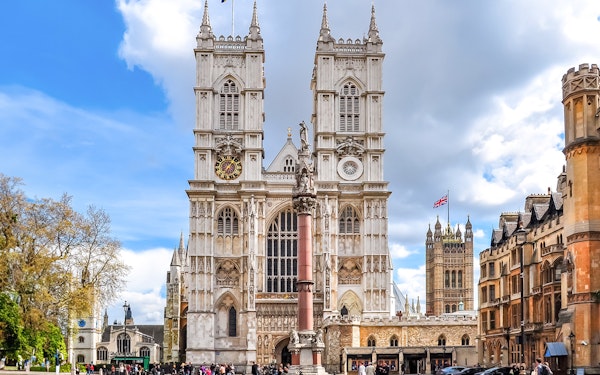
Combo: Westminster Abbey + River Thames Sightseeing Cruise
Abbina l'Abbazia con il trasporto fluviale - la crociera funge da passeggiata verso est.
4.5(17,458)ViewFromDa $55.57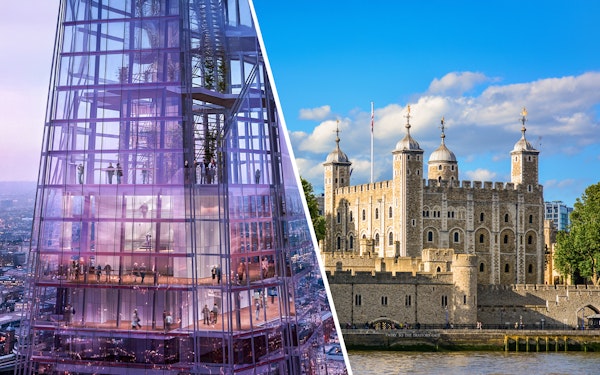
Combo: The View from The Shard + Tower of London Tickets
Un punto di vista elevato più la Torre - orientamento prima, storia dopo.
4.5(20,044)ViewFromDa $66.51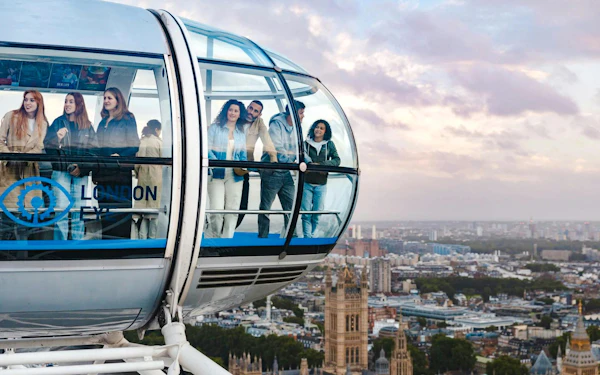
London Eye Entry Tickets
Il più veloce dei grandi biglietti - una breve rotazione piuttosto che una visita di due ore.
4.6(18,636)30 minutiViewFromDa $34.63
Classic London Tour with Westminster Abbey, Skip the Ticket Line
5.0(9)5 hoursViewFrom$103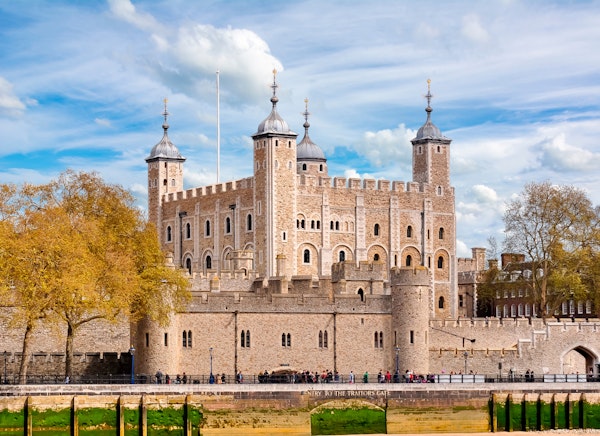
Tower of London Tickets with Access to the Crown Jewels
4.5(19,312)1 hr 15 minViewFrom$50
Private Tour London Highlights, entries Westminster Abbey, The Tower of London
5.0(103)8 hoursViewFrom$651
Skip-the-line London Westminster Abbey and City of Westminster Kid-Friendly Tour
5.0(9)2 hr 30 minViewFrom$330
Windsor Castle and Tower of London Tour Including Entry Tickets
3.8(10)8 hoursViewFrom$172
South Bank (London Bridge) Walking Tour & Enter The Tower of London
5.0(9)3 hoursViewFrom$135
Fine mattina: prendi una guida per due ore
Questa è la decisione con il miglior ritorno di un itinerario di un giorno, ed è quella che la maggior parte dei visitatori salta.
Una passeggiata guidata di due ore fa qualcosa che nessuna quantità di lettura può fare: trasforma una serie di monumenti non correlati in un luogo con una forma. Quali edifici si relazionano a quali, perché le strade si piegano dove si piegano, cosa stai effettivamente guardando quando passi davanti a un cancello che altrimenti fotograferesti e dimenticheresti. In un viaggio dove hai un solo giorno, comprare quell'orientamento invece di assemblarlo da solo è vale il denaro e le due ore.
Il tempismo importa. Fallo fine mattina, dopo la tua attrazione prenotata e prima del pranzo. Le passeggiate guidate che iniziano nel primo pomeriggio sono piacevoli ma arrivano troppo tardi per riconfigurare la giornata intorno a quello che hai imparato.
Brevi tour a piedi di Londra

Changing of the Guard Walking Tour in London at Buckingham Palace
Una passeggiata mattutina ben programmata con contesto guidato per una cerimonia che altrimenti è confusa.
4.9(997)2 oreViewFromDa $17.18
Tour for Muggles: The Ultimate Harry Potter Walking Tour in London
Una passeggiata attraverso le location dei film nel centro - affidabile con gruppi misti d'età.
4.9(5,264)2 oreViewFromDa $23.18
Changing of the Guard at Buckingham Palace London Walking Tour
Due ore che coprono il nucleo cerimoniale a piedi.
4.8(1,881)2 oreViewFromDa $27.35
London Private Black Cab Tour: 2 Hour Highlights with Hotel Pick-up
Un circuito privato di due ore per i viaggiatori che preferiscono non camminarlo.
4.9(1,232)2 oreViewFromDa $303.77
Pranzo: mangia veloce, siedi adeguatamente più tardi
In un viaggio di un giorno, il pranzo è carburante e la cena è il pasto. Non spendere novanta minuti a un tavolo nel mezzo del pomeriggio - è l'ora singola più facile da recuperare, e la vorrai più tardi.
Un mercato, una panchina sul fiume, qualcosa mangiato in piedi. Venti o trenta minuti. Poi continua a camminare. La città tra Southwark e la Torre è al suo meglio nel primo pomeriggio, e non ti costa nulla.
Pomeriggio: cammina il fiume, non prenotare nulla
Questa è la parte della giornata dove la maggior parte degli itinerari si sovraccarica e la maggior parte dei viaggiatori gode poco.
Cammina sulla sponda sud verso est. Passerai il fiume, i ponti, il distretto teatrale ricostruito, i mercati, e lo skyline moderno tutto in sequenza, senza biglietti e senza appuntamenti. È pressappoco l'ora e mezza più gratificante e gratuita della città, e il motivo per cui funziona è precisamente che nulla è prenotato - puoi fermarti dove vuoi, sederti quando sei stanco, e cambiare idea.
Attraversa a un ponte che ti attrae. Guarda indietro da dove sei venuto. Quella vista - quella dove riesci a vedere la maggior parte della camminata del giorno stesa dietro di te - è quello che la gente ricorda effettivamente di un giorno a Londra, e non appare su nessun biglietto.
Insider tip
Non programmare un'attrazione nel pomeriggio. È l'errore più comune di un giorno dopo il sovraccarico. Entro le tre sarai stanco, più lento del previsto, e dietro il tuo programma immaginato. Un pomeriggio non prenotato assorbe quello. Uno prenotato lo trasforma in stress, e un biglietto con fascia oraria mancato è denaro bruciato.
Fine pomeriggio: uno interno opzionale
Se hai ancora energia e il tempo è peggiorato, questa è la fascia per una seconda cosa a pagamento - e solo ora, prenotata al momento piuttosto che in anticipo.
La finestra del fine pomeriggio alla maggior parte delle grandi attrazioni è la seconda più tranquilla della giornata, dopo il primo mattino. Se hai fatto un punto di vista al mattino, fai un interno ora. Se hai fatto un interno, questo è quando un punto di vista elevato è al suo meglio, perché riconoscerai tutto quello che stai guardando dall'alto.
Interni e punti di vista del fine pomeriggio
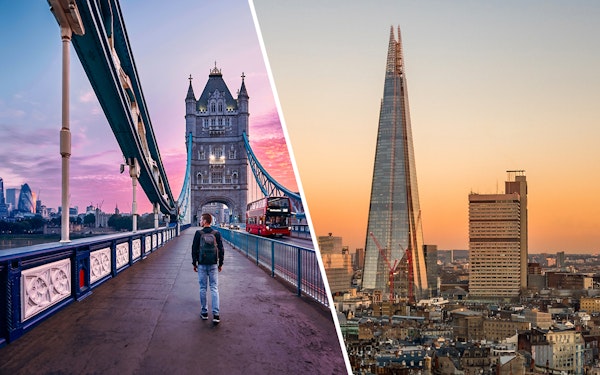
Combo: Tower Bridge and Engine Room Entry + The View from The Shard Tickets
Un interno del ponte più un punto di vista elevato - entrambi veloci, entrambi vicini all'estremità est del corridoio.
4.6(4,828)ViewFromDa $46.38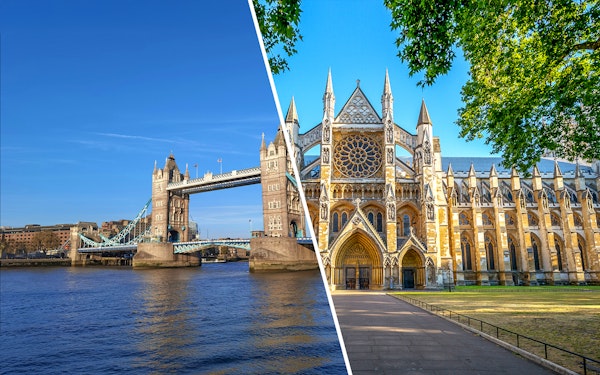
Combo: Tower Bridge + Westminster Abbey Tickets
Le due estremità del corridoio a piedi in una singola prenotazione.
4.6(6,070)ViewFromDa $59.55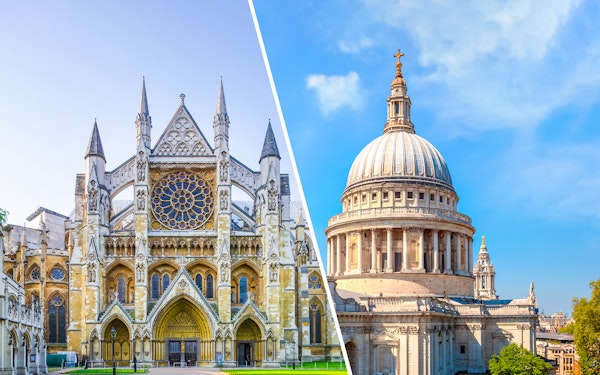
Combo: Westminster Abbey + St. Paul's Cathedral Entry Tickets
Due importanti interni di chiese, entrambi all'interno del corridoio centrale.
4.5(7,620)ViewFromDa $67.14
Up at The O2: Daytime Climb with Guided Tour and Panoramic Views
Un'arrampicata guidata sul tetto - la più attiva delle opzioni di punto di vista.
4.8(2,805)1 ora 30 minutiViewFromDa $50.45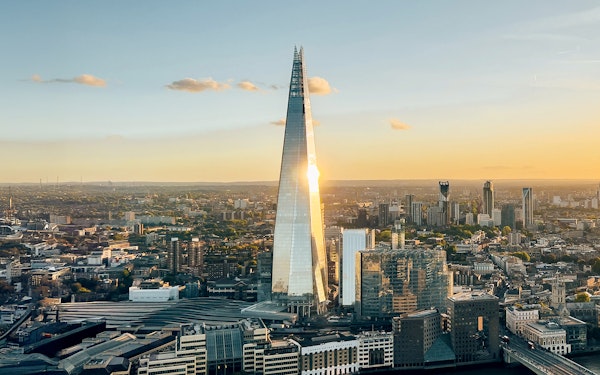
The View from The Shard Tickets
4.6(2,806)ViewFrom$32South Bank (London Bridge) Walking Tour & Enter The Tower of London
5.0(9)3 hoursViewFrom$135
London IFS Cloud Cable Car Tickets
4.7(358)20 minutesViewFrom$18London Eye Entry Tickets
4.6(18,810)30 minutesViewFrom$39Tower of London Tickets with Access to the Crown Jewels
4.5(19,312)1 hr 15 minViewFrom$50
London Eye To London Bridge (River Walk)
5.0(10)1 hour - 2 hoursViewFrom$76
Sera: il secondo punto fisso
Prenota la cena. Questo è l'unico appuntamento che vale la pena avere alla fine di una lunga giornata, perché entro le sette non vorrai prendere decisioni, e il centro di Londra all'ora di cena senza una prenotazione è una coda.
Se sei qui in estate, mangia tardi - la luce tiene bene dopo le otto e un tavolo all'aperto alle otto e mezza è comunque una serata luminosa. In inverno, mangia prima e dedica l'ora in più a una passeggiata fluviale illuminata dopo, che è il vero compenso della stagione.
Cosa saltare deliberatamente
Un itinerario di un giorno è definito tanto dalle esclusioni quanto dalle inclusioni. Questi sono i quelle che vale la pena di prendere consapevolmente:
- Qualsiasi gita di un giorno intero fuori dalla città. Stonehenge, Bath, i Cotswolds, Oxford, Windsor - tutti degni, nessuno compatibile con il vedere Londra. Una gita di un giorno è una sostituzione, non un'aggiunta.
- Più di un grande museo. Le grandi collezioni sono enormi e gratuite, il che le fa sembrare un'aggiunta facile. Non lo sono - una seria visita a un museo è un minimo di due ore e non si adatterà insieme a altre due cose a pagamento.
- Il famoso lontano. Qualsiasi monumento che si trova un'ora al di fuori del tuo corridoio, ti costa due ore di andata e ritorno più la visita. In un giorno, è un quarto del tuo tempo sveglio per un elemento.
- Distretti commerciali. Sono piacevoli e consumeranno il pomeriggio senza darti nulla che non potessi ottenere da casa.
- Un secondo tour guidato. Uno è orientamento. Due è una vacanza in autobus.
Se hai un giorno e piove
Il piano del corridoio resiste meglio alla pioggia rispetto alla maggior parte degli itinerari, perché le opzioni al coperto sono disposte lungo la stessa linea piuttosto che sparse.
Sostituisci la passeggiata pomeridiana non prenotata lungo il fiume con un museo o una galleria - la maggior parte delle grandi collezioni si trovano a portata di mano del corridoio e non costano nulla, il che significa che un pomeriggio piovoso ti costa comfort ma non denaro. Mantieni l'attrazione mattutina e il tavolo serale esattamente come pianificato. E fai comunque la passeggiata del fiume se la pioggia è leggera: la sponda sud sotto il cielo grigio è una versione perfettamente buona della città, e la folla si dirada drammaticamente.
Confronta attrazioni, pass e tour guidati di Londra →Muoversi quando il tempo è importante
In un viaggio normale, come ti muovi intorno a Londra è una questione di preferenza. In un viaggio di un giorno è una decisione sul budget, perché ogni trasferimento ti costa una fetta di un'indennità molto piccola.
Camminare è più veloce di quanto sembri per i piccoli spostamenti ed è l'unico modo dove il viaggio è anche parte della giornata. All'interno del corridoio Westminster-Tower Bridge, la maggior parte dei movimenti che devi fare sono percorribili a piedi, e la camminata è frequentemente migliore della destinazione.
La metropolitana è la scelta giusta per uno o due salti più lunghi e la scelta sbagliata per tutto il resto. Il costo nascosto non è la corsa, è l'approccio - scale giù, piattaforma, corsa, scale su, e pochi minuti di orientamento all'altra estremità. Un viaggio che la mappa mostra come sei minuti è realisticamente quindici da porta a porta. Su un giorno con forse dieci ore utilizzabili, tre di quelle sono mezz'ora sparita.
Gli autobus sono più lenti ma sono sopra terra, il che significa che il viaggio conta anche come sightseeing e rimani orientato. Per un breve spostamento in città in pieno giorno, un autobus è spesso la scelta migliore di un giorno anche quando la metropolitana è più veloce sulla carta.
Il fiume è l'opzione sottovalutata. I servizi fluviali corrono esattamente lungo il corridoio che questo itinerario usa, il che significa che puoi sostituire una barca per una camminata quando le tue gambe cedono e non perdi nulla - la vista dall'acqua è una delle cose che sei venuto a vedere comunque.
La regola che lega tutto insieme: in un giorno, non fare mai un viaggio puramente per viaggiare. Ogni movimento dovrebbe essere o abbastanza breve da camminare o abbastanza interessante da contare come un'attività.
Il corridoio, ora dopo ora
Una forma approssimativa piuttosto che un orario. I tempi scivoleranno; ecco a cosa serve il pomeriggio non prenotato.
| Ora | Cosa | Prenotato? |
|---|---|---|
| 09:00 | Un'attrazione principale, prima fascia | Sì - prenota in anticipo |
| 11:00 | Passeggiata guidata di due ore | Sì se ne vuoi una specifica |
| 13:00 | Pranzo veloce, in piedi o su una panchina | No |
| 13:30 | Passeggiata del fiume verso est, senza struttura | No |
| 15:30 | Secondo interno o punto di vista opzionale | Prenota il giorno stesso |
| 17:00 | Siediti da qualche parte con una vista | No |
| 19:30 | Cena | Sì - prenota in anticipo |
Due righe dicono "prenota in anticipo". Questo è l'intero piano.
Se il tuo unico giorno cade in modo scomodo
Una domenica. La maggior parte delle grandi attrazioni ha orari normali, ma alcune aprono più tardi e alcune chiudono prima, e un pugno di siti specializzati non aprono affatto. Domenica porta anche out i mercati della città, che sono una vera e propria buona sostituzione per una mattina a pagamento se la tua prima scelta è chiusa.
Un lunedì. La classica trappola. Un numero di musei e attrazioni più piccole chiudono il lunedì in la maggior parte delle città europee, e Londra non è completamente esente. Se il tuo singolo giorno è un lunedì, controlla gli orari di apertura prima di costruire tutto intorno a un interno specifico - e punta verso il fiume, la camminata, e la metà all'aperto di questo itinerario, che non è influenzata.
Una festa nazionale. Aspettati che le grandi attrazioni siano aperte e più affollate di un normale fine settimana, e che i trasporti funzionino con un servizio ridotto. L'inizio precoce importa più, non meno.
Un giorno con un grande evento. Il centro di Londra chiude strade per eventi più spesso di quanto i visitatori si aspettano, e una chiusura all'interno del corridoio può aggiungere una lunga deviazione a piedi. Vale la pena di un rapido controllo la sera prima piuttosto che scoprirlo a una barriera.
Un giorno quando stai anche arrivando o partendo
Molte persone hanno un giorno a Londra perché sono tra i voli o all'inizio o alla fine di un viaggio più lungo. Cambia il piano in due modi specifici.
Primo, i bagagli. Non portarli, e non costruire la giornata intorno all'andarci a riprendere. Le strutture di deposito bagagli alle principali stazioni ferroviarie esistono esattamente per questo, e l'ora che risparmi non tornando a un hotel vale più della tariffa.
Secondo, il margine. I trasferimenti verso/da aeroporto dal centro di Londra sono abbastanza lunghi da farsi mangiare il margine della tua giornata da una connessione stretta. Lavora all'indietro dalla tua partenza e sottrai più di quello che pensi sia necessario, poi pianifica la giornata dentro quello che rimane. Un itinerario di un giorno che finisce in una corsa panica verso il treno non è una buona giornata, indipendentemente da quello che era nel mezzo.
La versione pratica: atterra, lascia i bagagli, prendi il corridoio da qualsiasi estremità sia più vicina al tuo terminale, e cammina verso l'uscita piuttosto che lontano da essa. Terminare la giornata vicino al tuo punto di partenza piuttosto che dall'altra parte della città vale la pena di riorganizzare l'intero percorso per.
Un giorno con i bambini
Il piano del corridoio si adatta bene, con tre cambiamenti.
Dimezza la camminata e aggiungi il fiume. Una barca lungo lo stesso percorso copre la distanza senza la stanchezza e si legge come un'attività piuttosto che un trasferimento, che è esattamente quello di cui hai bisogno nel mezzo di una lunga giornata.
Sposta l'attrazione a pagamento a qualsiasi fascia corrisponda alle migliori ore dei tuoi bambini piuttosto che per primo. Il consiglio dell'inizio precoce riguarda la folla; con i bambini, l'energia è il vincolo più stretto, e una coda affrontata alle nove è più economica di un crollo alle tre.
Taglia la passeggiata guidata. Due ore a piedi con commento è una difficile vendita al di sotto di circa dieci anni. L'orientamento che compra vale meno per una famiglia della flessibilità di fare le proprie cose al proprio ritmo.
Il riassunto onesto di quello che un giorno ti ottiene
Vedrai il fiume, il nucleo cerimoniale, un interior principale, e una sezione di lavoro della città a piedi. Mangerai due pasti, uno di loro adeguatamente. Finirai stanco.
Quello che non farai è vedere Londra. Va bene - nessuno vede Londra in un giorno, e i visitatori che godono di più il loro singolo giorno sono quelli che hanno smesso di provare alla fase di pianificazione. Una giornata spesa a camminare un corridoio lentamente batte una giornata spesa attraversando la città quattro volte, ogni volta, e è la versione che effettivamente ricorderai.
Se ti ritrovi con un secondo giorno, il calcolo cambia completamente - è quando i musei, i quartieri lontani dal fiume, e le gite di un giorno diventano sensati piuttosto che sacrificali.
Un giorno è sufficiente per Londra?
È sufficiente per una fetta onesta della città, e non è sufficiente per la città intera. In un singolo giorno puoi camminare il nucleo storico, vedere il fiume, entrare in una grande attrazione, e mangiare bene - e questo è davvero una bellissima giornata. Quello che non puoi fare è spuntare la lista dei famosi. I visitatori che ci provano finiscono a passare il giorno nella metropolitana invece che a Londra. Scegli una direzione e impegnati su quella.
Cosa dovrei prenotare in anticipo per un giorno a Londra?
Due cose, e solo due. Un'attrazione con orario fisso per la mattina, e la cena. Tutto il resto in un itinerario di un solo giorno dovrebbe rimanere flessibile, perché la giornata non seguirà esattamente il piano e le fasce orarie prenotate che non riesci a raggiungere sono peggio che non avere prenotazioni affatto. Se la tua unica attrazione è un'attrazione molto richiesta, prenotala due o quattro settimane prima in estate.
Qual è la migliore zona per basare un itinerario di un giorno a Londra?
La sezione tra Westminster e Tower Bridge lungo il Tamigi. Quasi tutto quello che un visitatore per la prima volta immagina quando pensa a Londra si trova all'interno di quel corridoio, ed è percorribile da un'estremità all'altra. Basare la giornata lì significa che il tuo tempo di viaggio è speso a camminare davanti a cose che volevi vedere invece di stare sotto terra tra di loro.
Dovrei fare un tour guidato se ho solo un giorno?
Una breve passeggiata guidata al mattino è una delle decisioni con il miglior ritorno in un viaggio di un giorno - comprime l'orientamento che altrimenti ti richiederebbe mezz'ora della giornata in circa due ore. Quello che devi evitare è un tour guidato di una giornata intera che esce dalla città, o un tour che inizia nel primo pomeriggio. In un singolo giorno, il tempo guidato è meglio speso presto.
Quanta camminata comporta un itinerario di un giorno a Londra?
Aspettati una lunga giornata in piedi - il corridoio da Westminster a Tower Bridge è una vera camminata, e questo è prima delle scale a ogni stazione. Questa è la singola cosa più comune che i visitatori sottovalutano. Le scarpe comode non sono una preferenza in un viaggio di un giorno a Londra, sono la differenza tra completare l'itinerario e abbandonarlo alle quattro.
Vale la pena il London Eye con solo un giorno?
Vale la pena se una vista dall'alto è veramente quello che vuoi e prenoti una fascia oraria, perché è veloce - la rotazione stessa è breve, quindi ti costa molto meno di un giorno limitato rispetto a un museo. Non vale la pena se lo stai facendo perché è famoso. In un viaggio di un giorno, ogni cosa a pagamento deve guadagnarsi il suo posto rispetto all'alternativa gratuita di semplicemente camminare.
Posso fare una gita di un giorno da Londra se ho solo un giorno in città?
Puoi, ma è una vacanza diversa. Una gita di un'intera giornata a Stonehenge, Bath, o i Cotswolds significa che vedrai molto poco di Londra stessa - la maggior parte del giorno è spesa a viaggiare. Questa è una scelta legittima se è la campagna quello che sei venuto a vedere, ma sii chiaro con te stesso che stai scegliendo l'Inghilterra rispetto a Londra, non aggiungendola.
Qual è il più grande errore in un itinerario di un giorno a Londra?
Prenotare troppo. Lo schema di fallimento è sempre lo stesso: tre o quattro biglietti con orario fisso sparsi per la città, ognuno un appuntamento fisso, e una giornata trascorsa correndo tra di loro senza margine. I tempi di viaggio di Londra sono più lunghi di quello che la mappa suggerisce. Due punti fissi è il numero giusto per un singolo giorno - uno al mattino, uno alla sera - e tutto il resto dovrebbe essere percorribile a piedi e facoltativo.
Keep reading
Itinerario
2 giorni a Londra: l'itinerario che aggiunge quello che un giorno non può
Quello che il secondo giorno sblocca - musei, quartieri, e un ritmo più lento.
Read more
Itinerario
3 giorni a Londra: un percorso con spazio per respirare
Tre giorni è dove Londra smette di essere una lista di controllo e inizia a essere una città.
Read more
Londra pillar
Guida di viaggio per Londra: essenziali per visitatori per la prima volta
Dove stare, come muoversi, e la strategia di biglietto per le grandi attrazioni.
Read more
Listicle
Cose da fare a Londra: le esperienze che vale la pena prenotare
La lista breve di Londra, classificata per quello che è effettivamente degno del tuo tempo.
Read more
Altre letture
Altre guide per aiutarti a pianificare il tuo viaggio

The Best Museums in London: Which of Them Deserve Your Day
London has more world-class museums than any trip can absorb, and most of them are free. A guide to which ones suit which visitor, and how many you can realistically do.

Londra in estate: cosa prenotare, cosa saltare e cosa indossare nel 2026
Una guida pratica all'estate a Londra - come si comporta realmente la stagione, quali esperienze meritano una prenotazione anticipata, e cosa mettere in valigia per un meteo che cambia ogni ora.

Biglietti Buckingham Palace 2026: Tipologie, Tour e Come Saltare la Fila
Guida 2026 ai biglietti del Buckingham Palace - accesso a orario alle State Rooms, salta la fila, tour del Cambio della Guardia e combo reali a confronto.

Biglietti per l'Abbazia di Westminster nel 2026: Tipi, visite guidate e come saltare la coda
Guida 2026 ai biglietti per l'Abbazia di Westminster - ingresso a orario con audioguida, salta la coda, visite guidate dal sagrestano e combo di Londra confrontati.

5 Days in London: The Full Itinerary, Day by Day
A 5-day London itinerary: the Tower and Westminster, Greenwich by riverboat, a Stonehenge or Windsor day trip, plus markets and real neighborhood time.

Best Walking Tours in London: Beatles, Ripper, Royals and More
The best walking tours in London by theme: classic highlights, royal Westminster, Beatles and Abbey Road, Jack the Ripper, Harry Potter, and food walks.

London in Winter: What It's Really Like and How to Enjoy It
An honest guide to London in winter: how cold it gets, the festive season, the quieter big attractions, theatre and afternoon tea, and how to plan the days.

London with Kids: The Family Guide That Actually Works
A practical guide to London with kids: the family attractions worth booking, where to stay, the parks that save the afternoon, and a real rainy-day plan.